You’ve tried the styling tricks, the fibres, the carefully angled photographs. But alopecia areata patches have a way of appearing exactly where you least want them to, and no amount of clever blow-drying fully solves the problem. This article explains what SMP can realistically do for women living with patchy hair loss, and what to expect from the process. By the end, you will know whether it is a genuine option for you.
Why alopecia areata affects women differently than most people realise
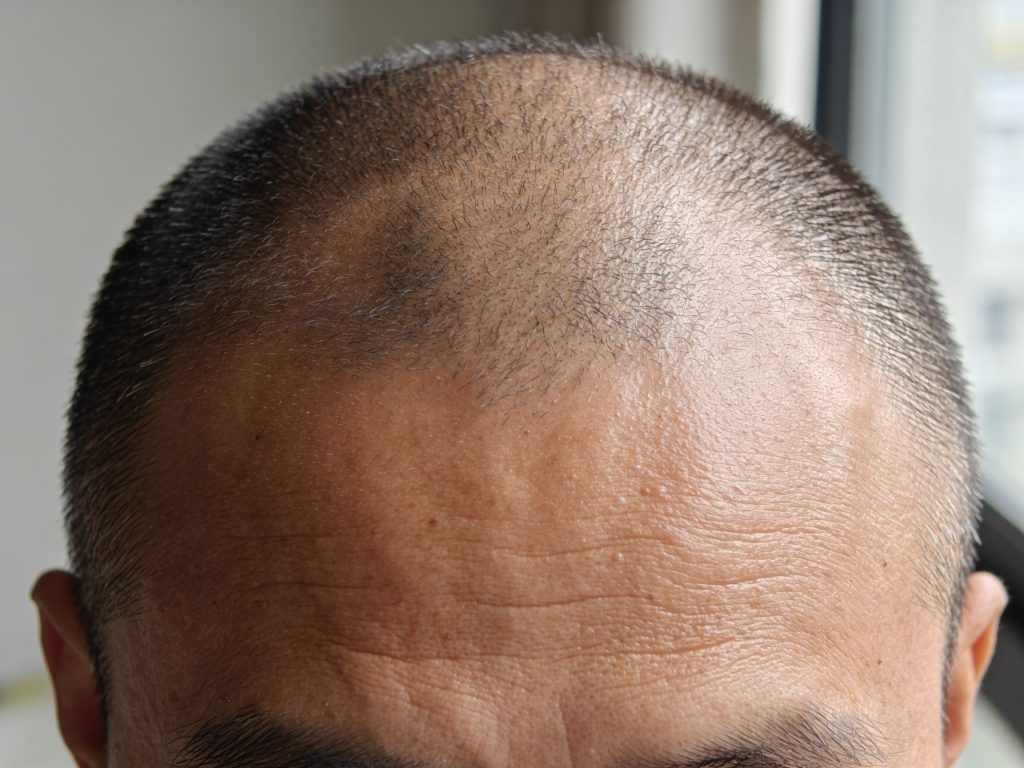
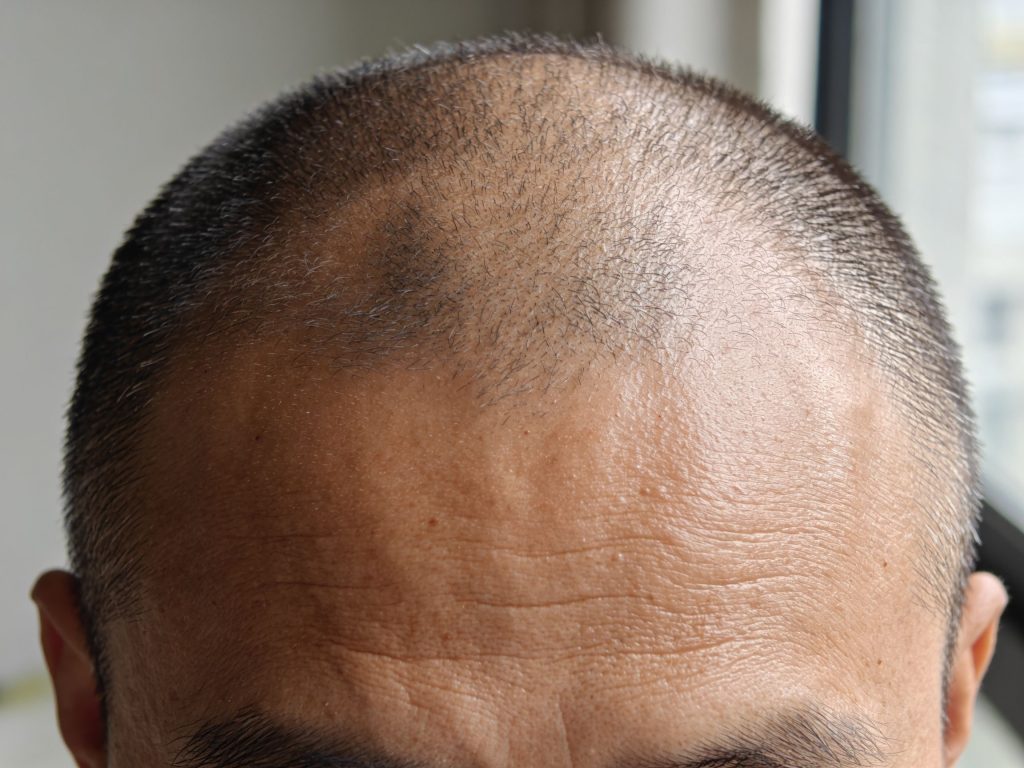
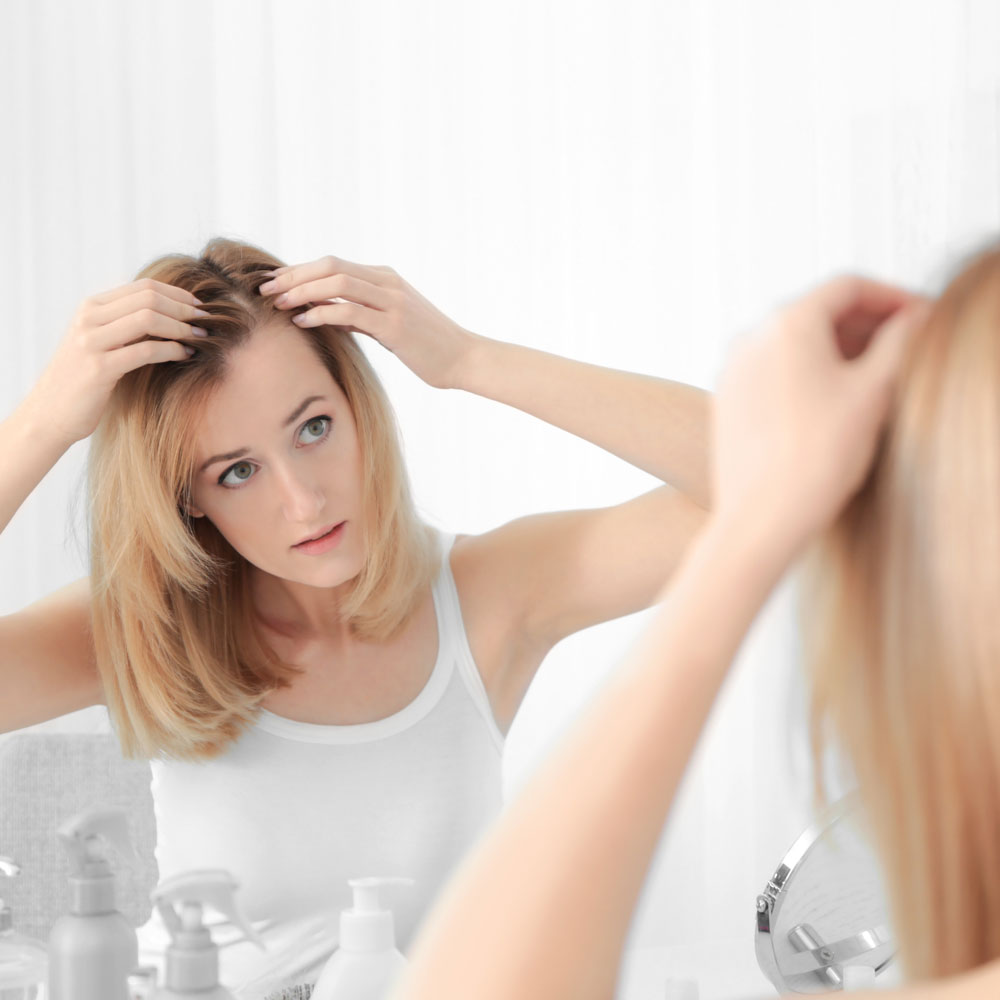
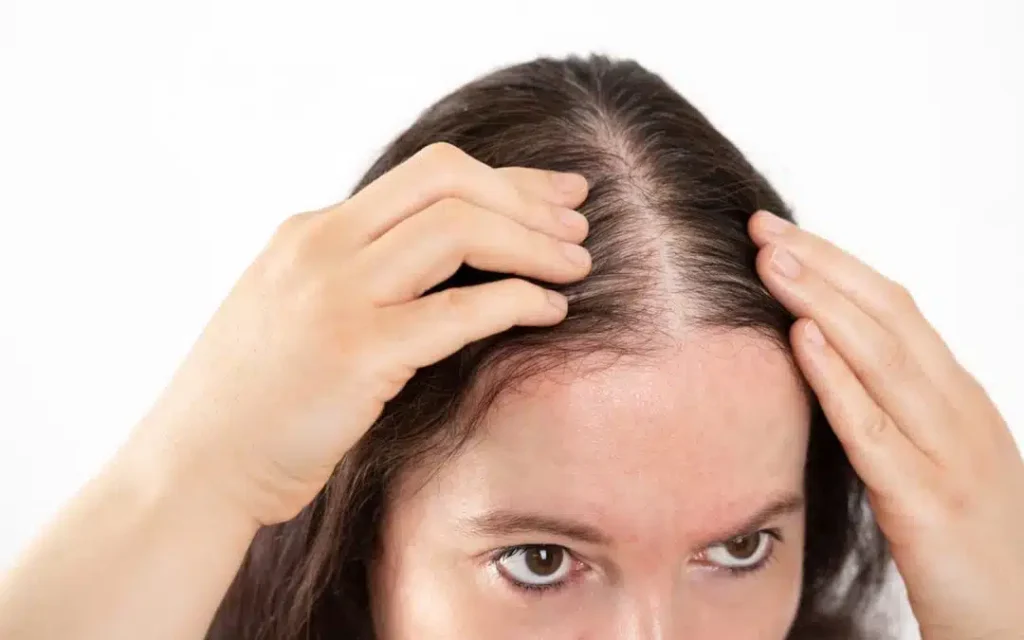
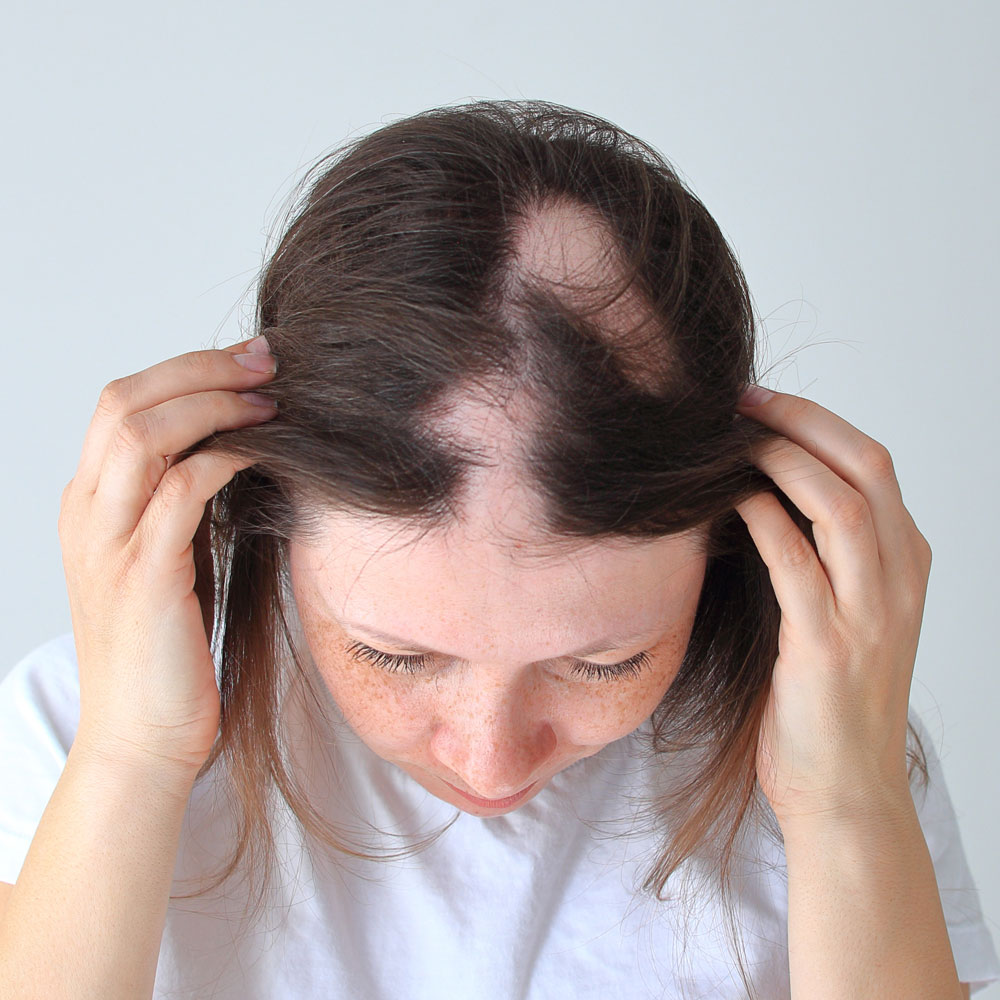
Alopecia areata is an autoimmune condition in which the body’s immune system mistakenly attacks hair follicles, producing smooth, coin-shaped patches of hair loss that can appear anywhere on the scalp. It affects roughly 2% of the population over a lifetime, and women make up a significant proportion of those cases.
For men, a visible scalp is often socially unremarkable. For women, it carries a different weight entirely. Hair is tied to identity, femininity and cultural expectation in ways that make patchy thinning feel deeply personal rather than merely cosmetic. The anxiety of wondering whether a patch will show in certain lighting, or whether the wind will give it away, is exhausting in a way that is hard to explain to someone who has not experienced it.
The emotional impact is real and well documented. Women with alopecia areata report higher rates of anxiety and reduced self-esteem compared with the general population. That context matters, because it is exactly the kind of daily burden that a good alopecia density solution should address.
What SMP actually does for patchy hair loss in women
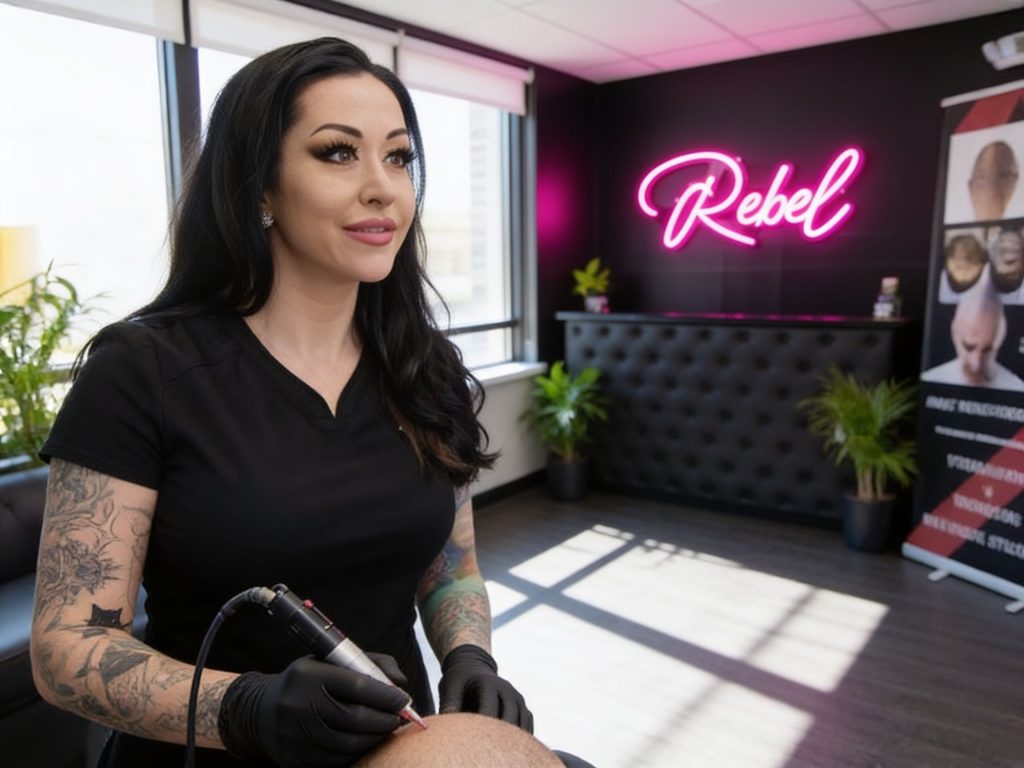
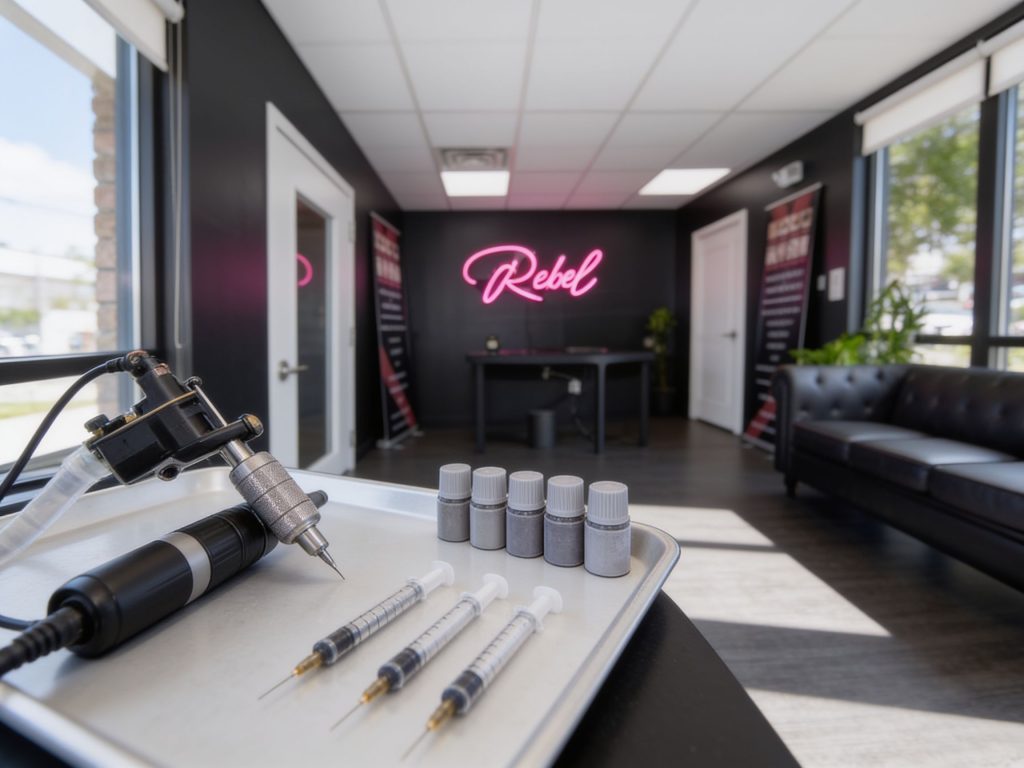
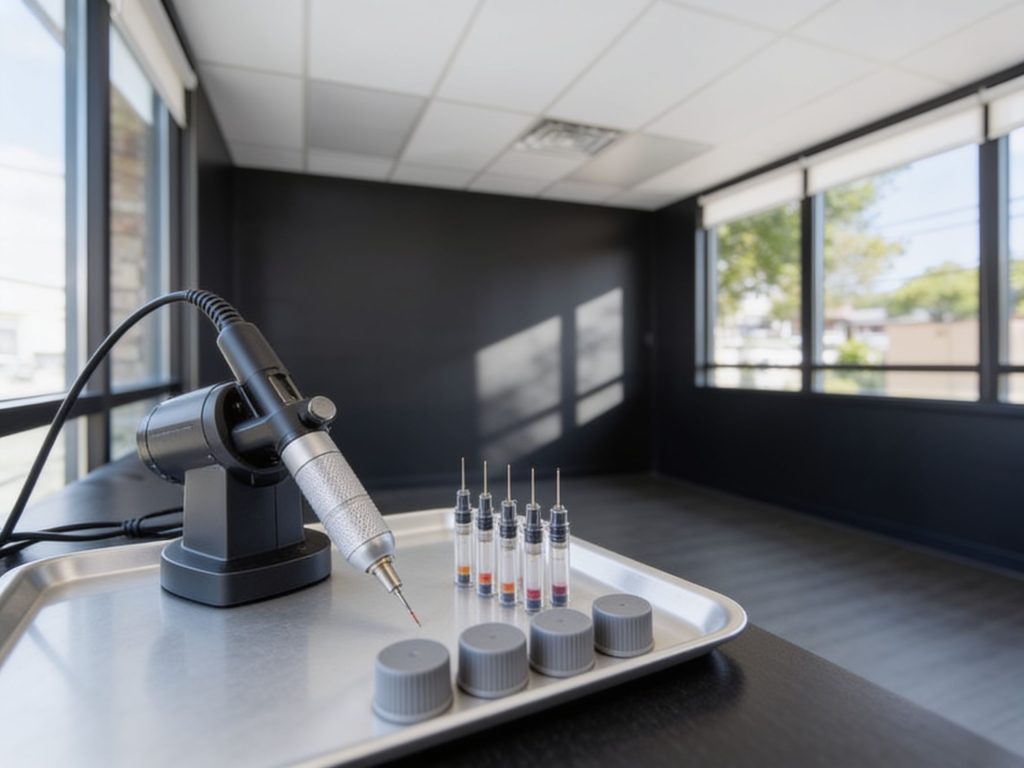
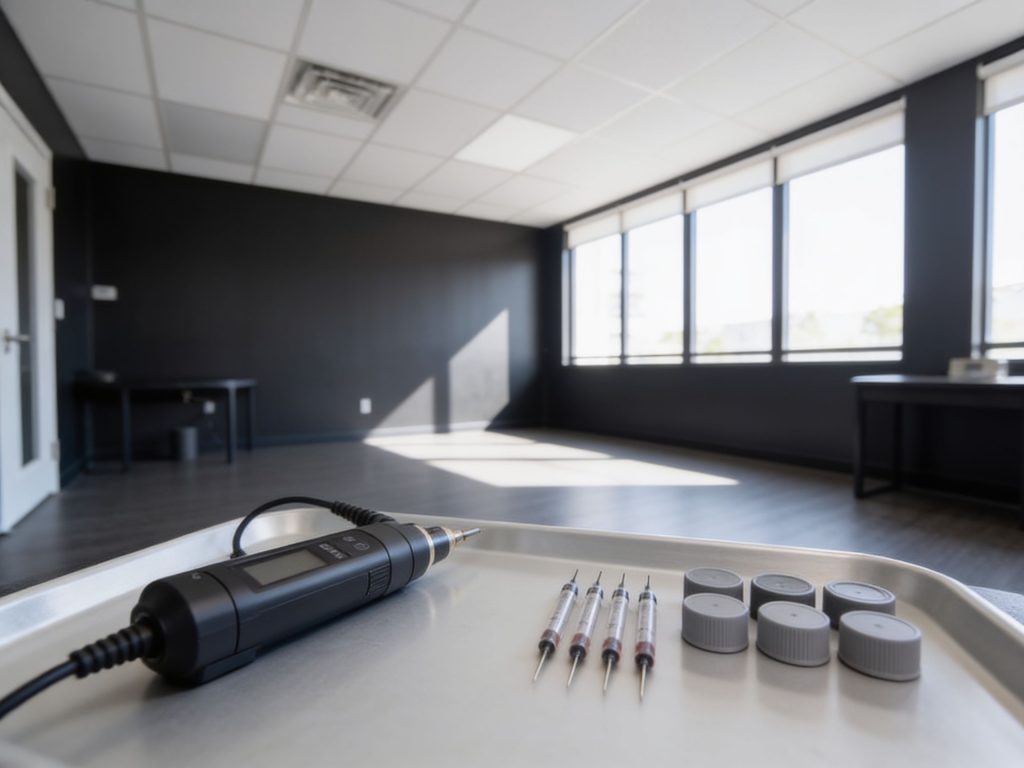
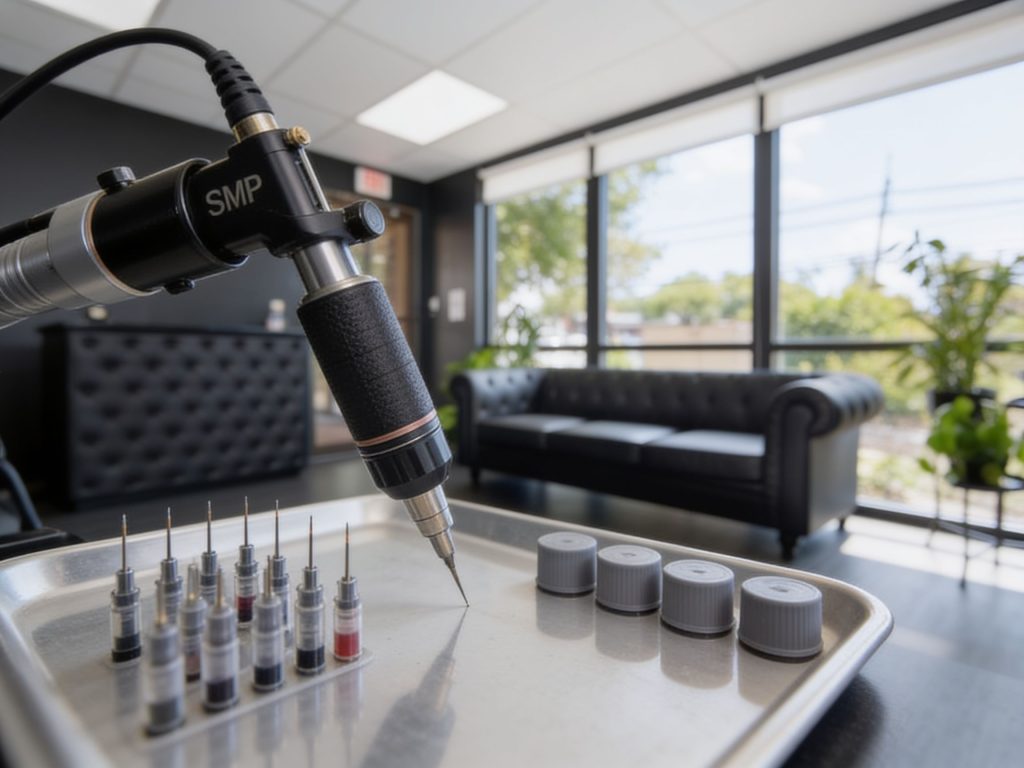
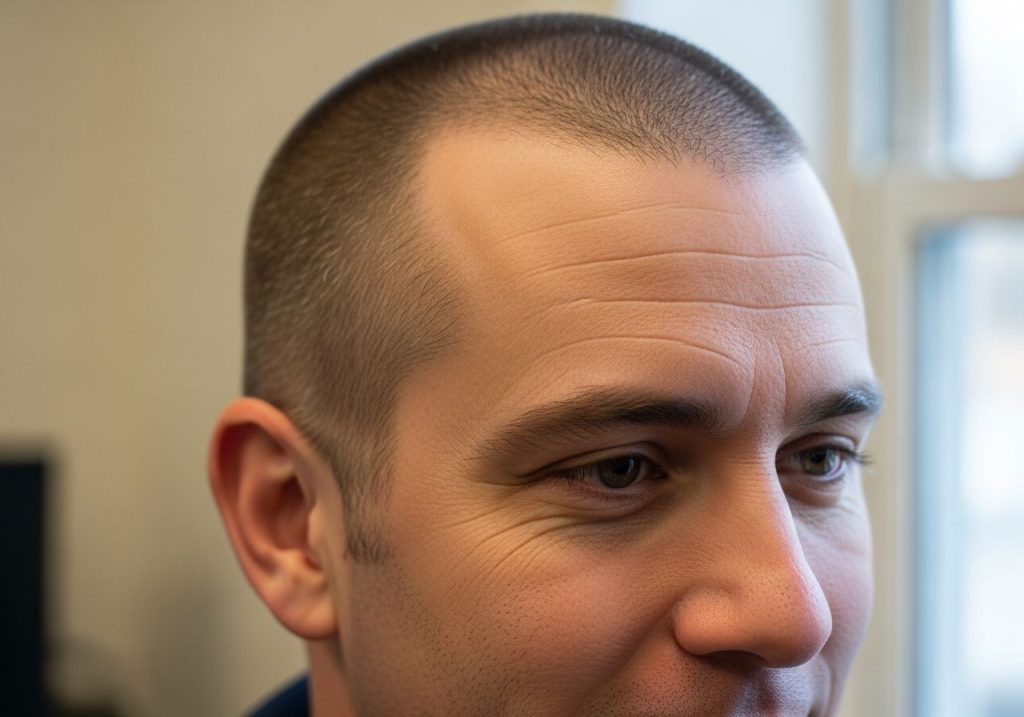
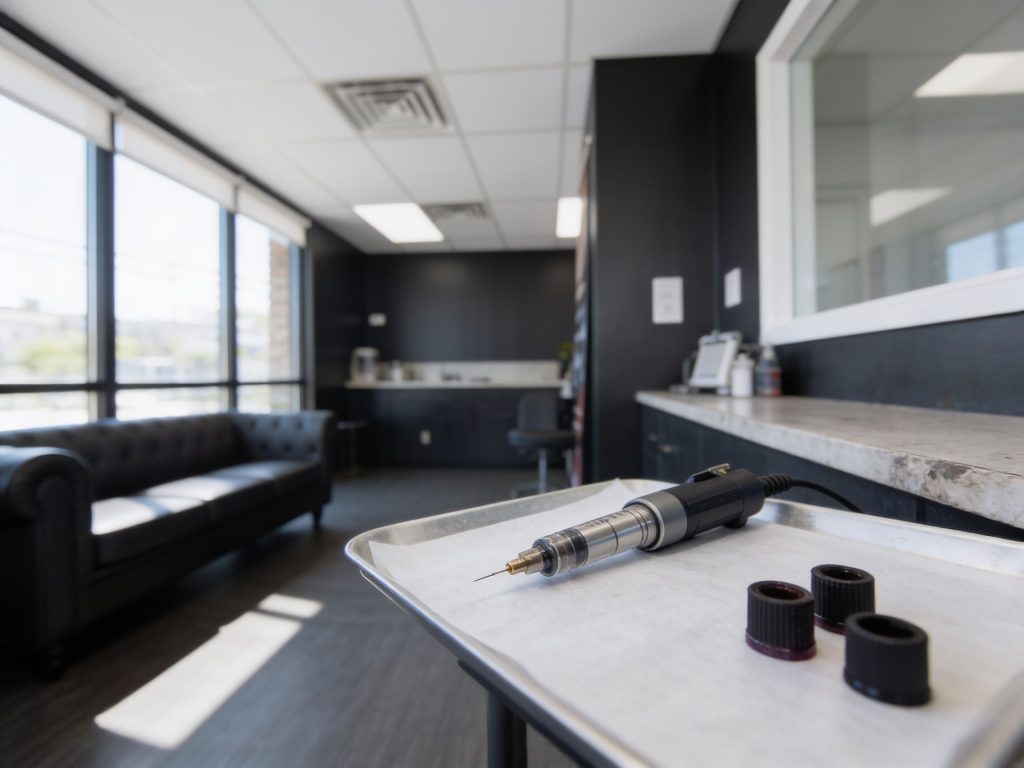
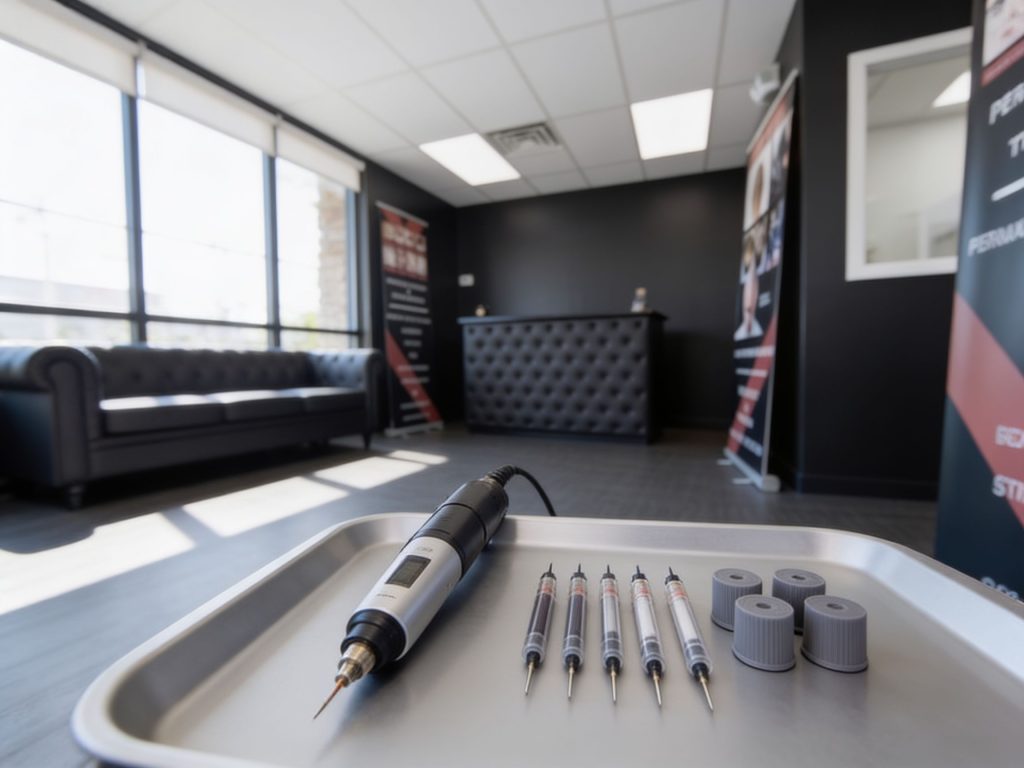
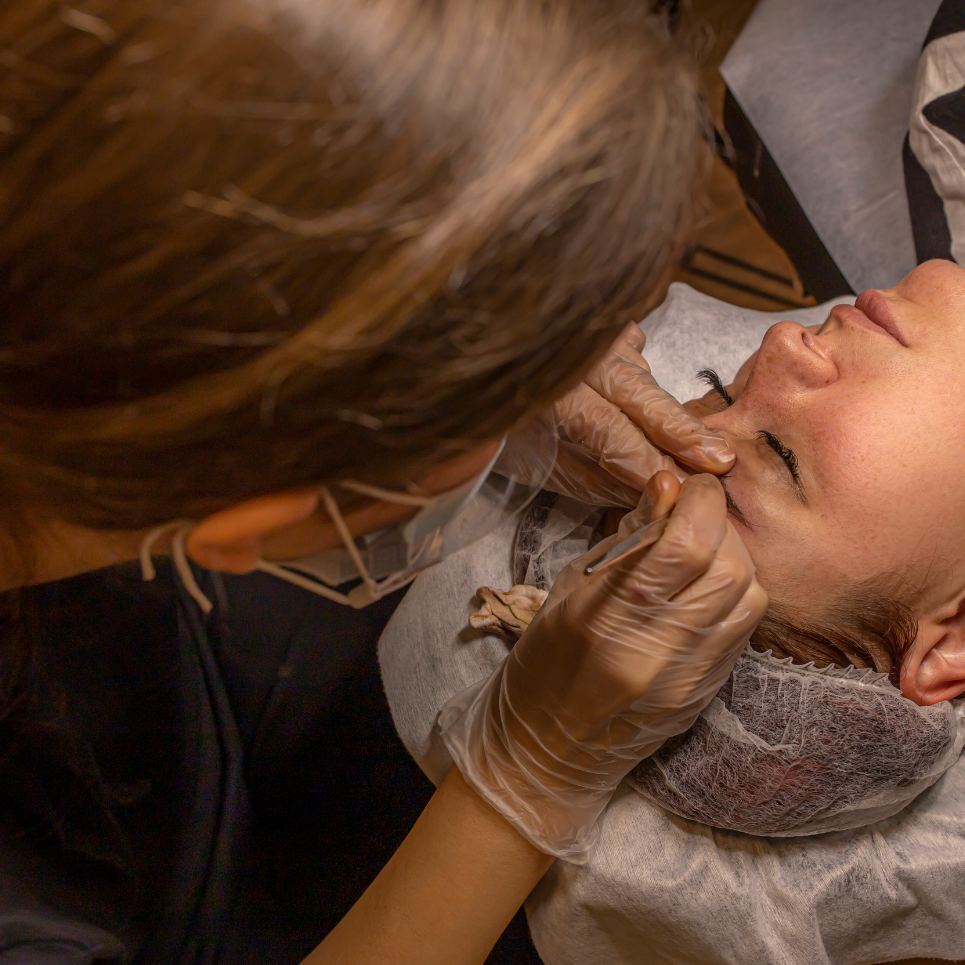
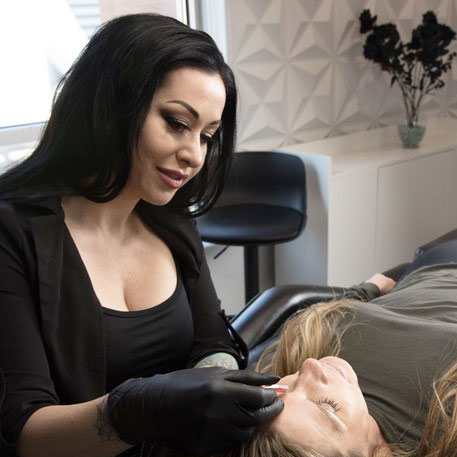
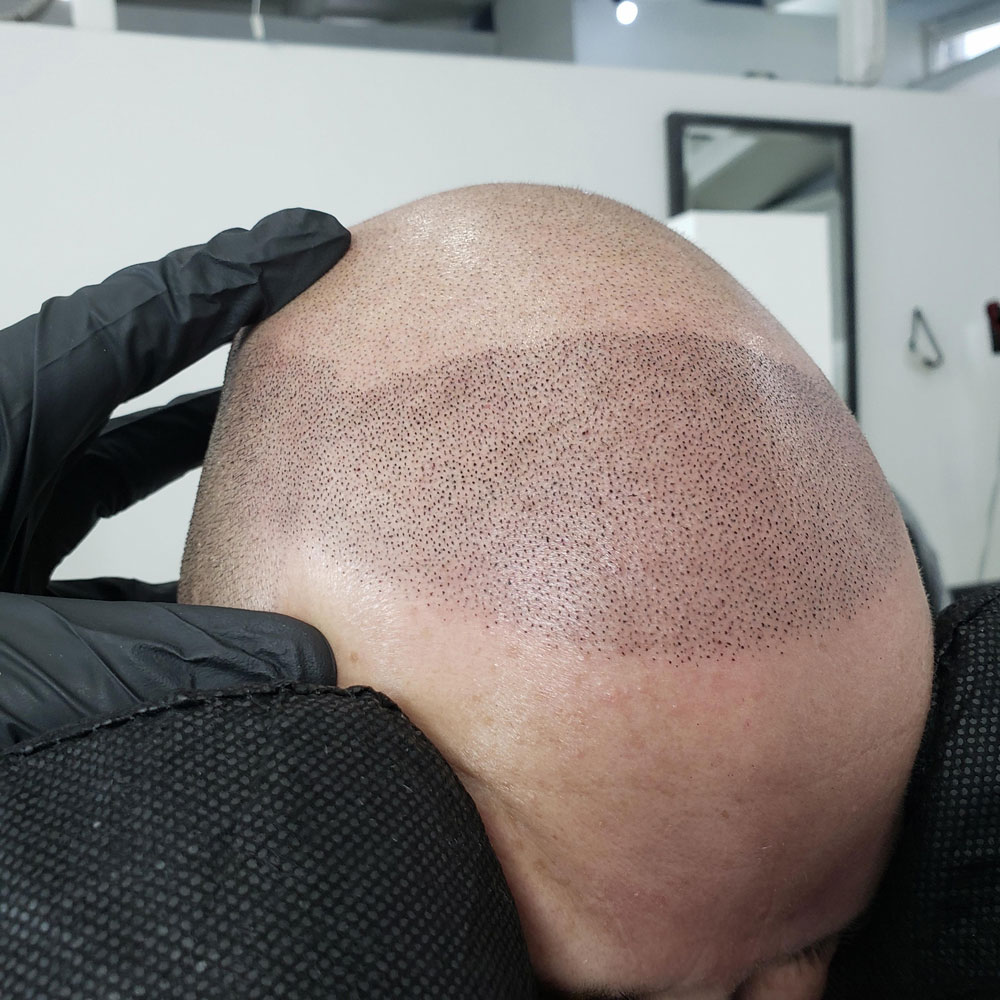
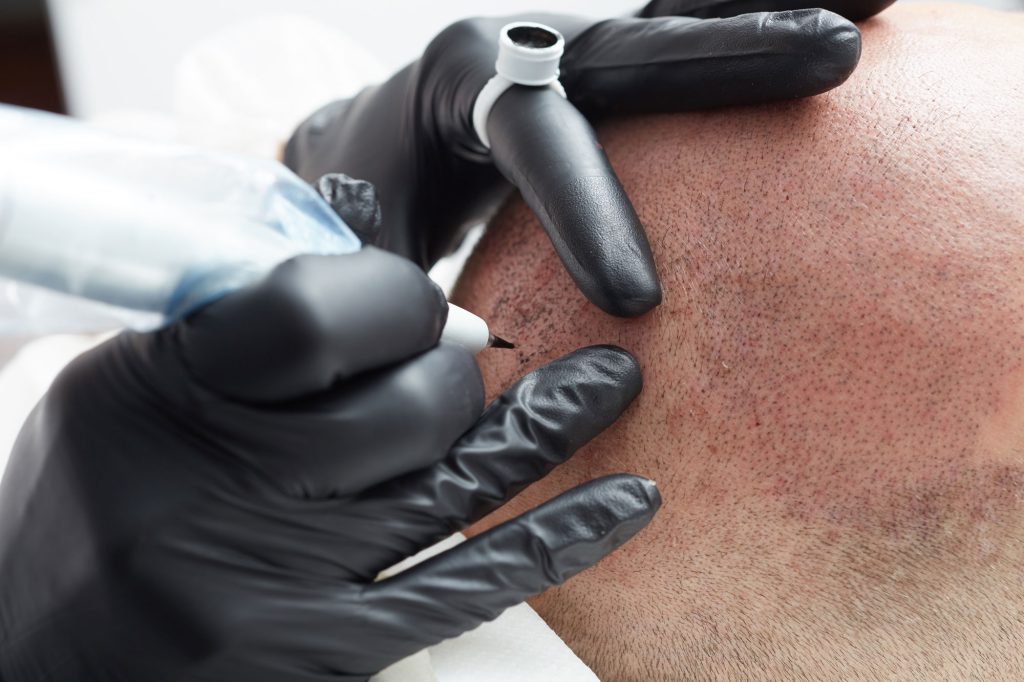
SMP, or scalp micropigmentation, places thousands of tiny pigment deposits into the upper dermis of the scalp. Each dot replicates the appearance of a hair follicle or pigmented skin tone, creating the visual impression of density where hair is sparse or absent.
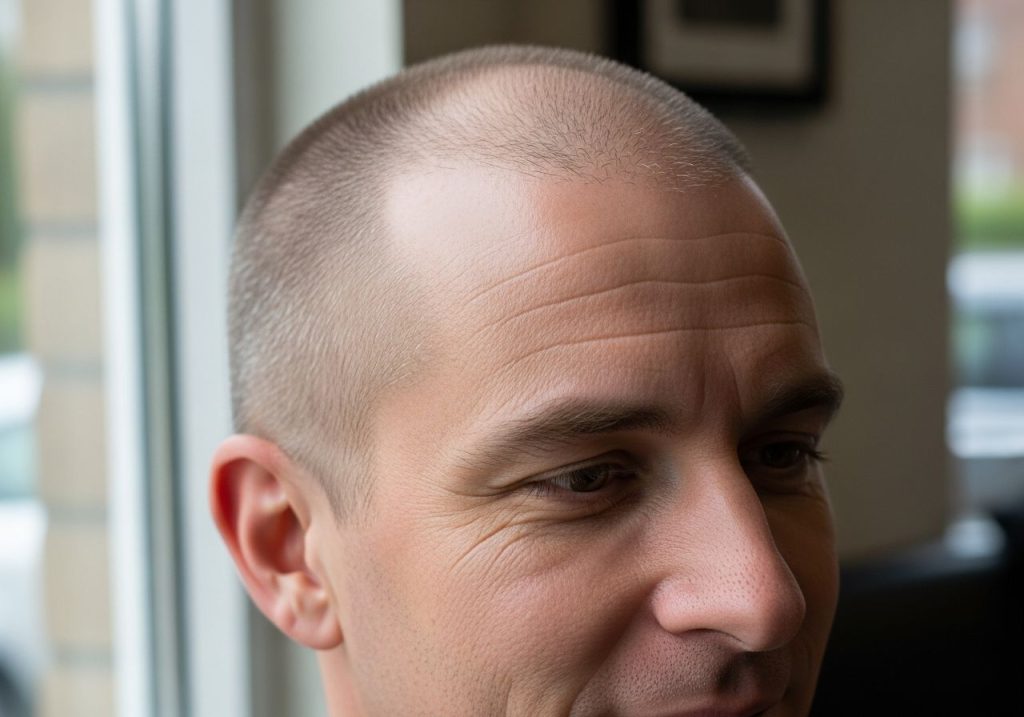
For women with alopecia areata, the approach is specifically a density treatment, not a shaved-head look. Your existing hair stays exactly as it is. The SMP is applied beneath and between your hair strands, so when light catches your scalp through a parting or across a thinning patch, it reads as shadow and depth rather than exposed skin. The patch effectively disappears into the surrounding hair.
This is a fundamentally different application to what many people picture when they hear the term SMP. Female SMP for patchy hair loss is subtle, layered work. It requires precise colour matching to your natural hair tone and careful attention to the edges of each affected area, so that the transition looks seamless rather than drawn on. When it is done well, nobody can identify what they are looking at. They simply notice that your hair looks fuller.
What the treatment process looks like in practice
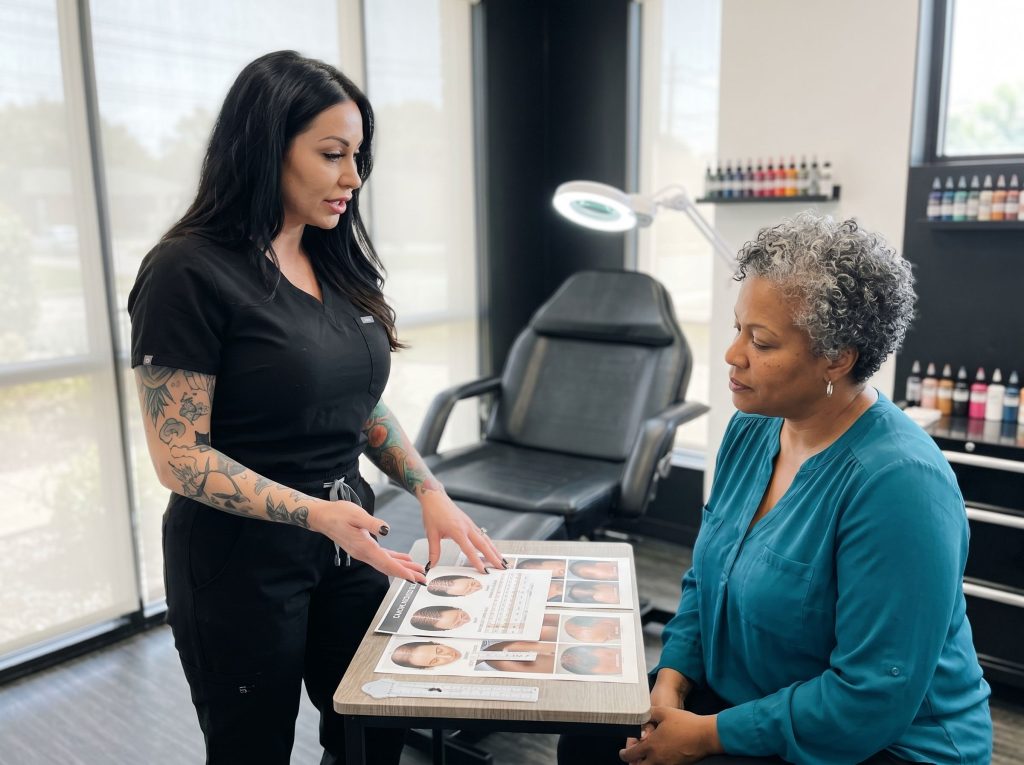
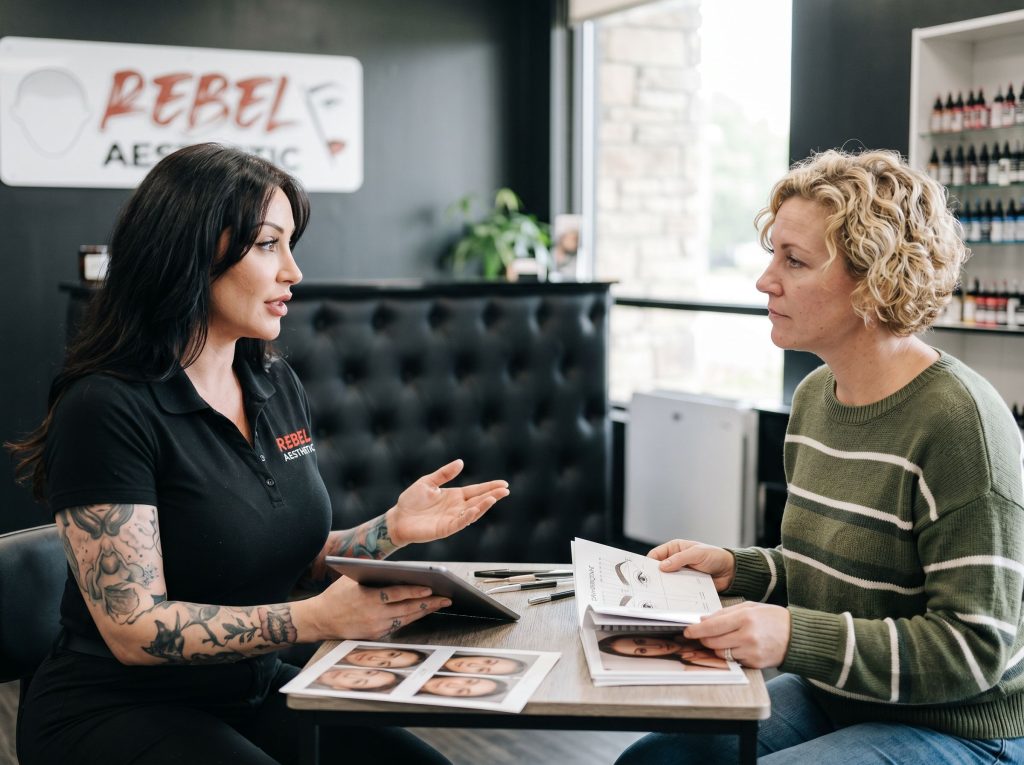
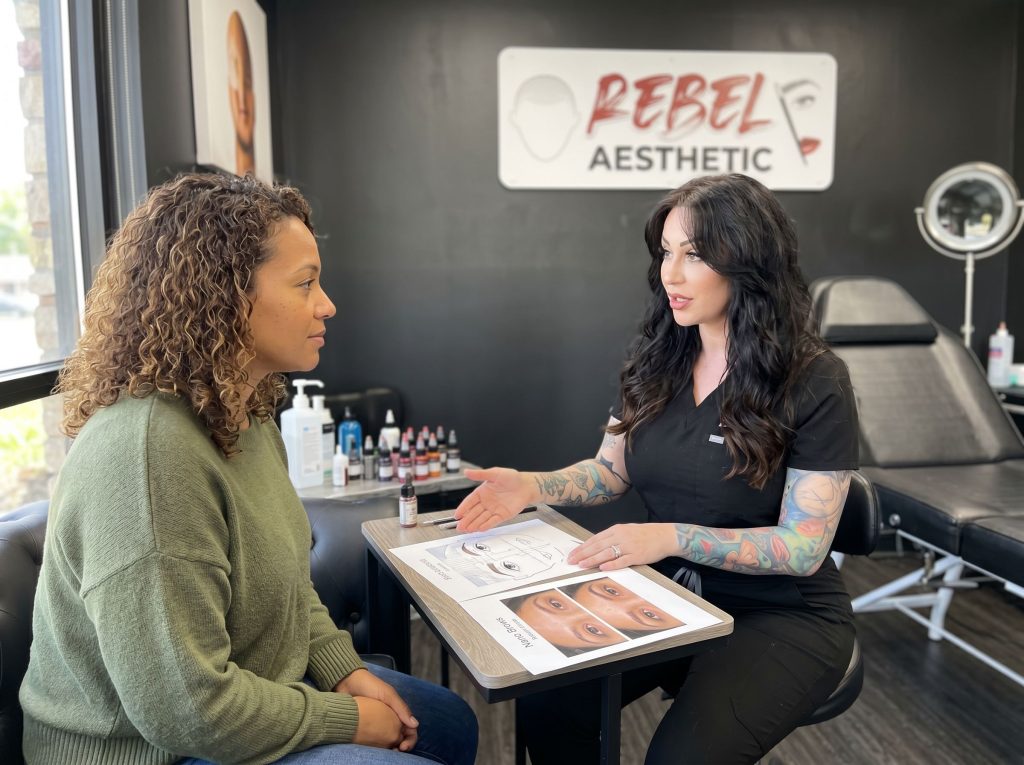
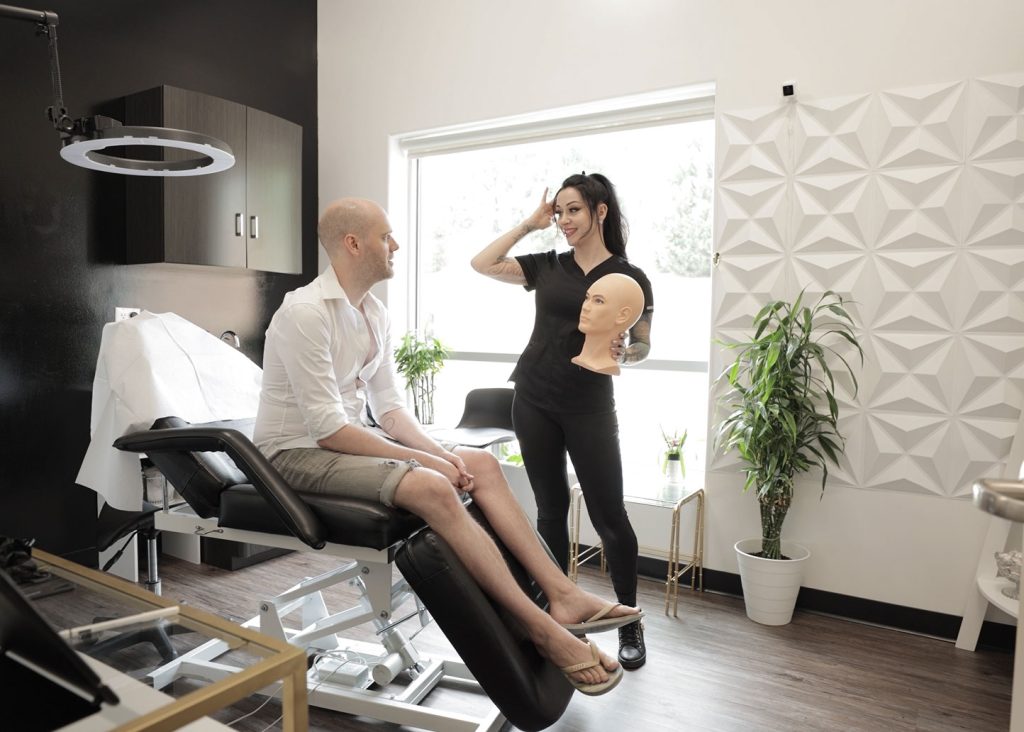
A consultation comes first, and it is the most important part. The size, location and current activity of your patches all influence how the treatment is planned. Alopecia areata can fluctuate, with patches resolving and new ones appearing, so the approach must account for that rather than treat the scalp as a static surface.
The pigment shade is matched to your existing hair colour, including any grey tones, because a uniform dark pigment applied to a woman with salt-and-pepper hair would look immediately artificial. Getting this right takes time and a trained eye. Each client is worked with individually to build a shade that blends rather than contrasts.
Sessions typically last between two and four hours, depending on the area being treated. Most clients need two to three sessions spaced several weeks apart to build the right depth and layering. The skin in affected patches can behave differently to hair-bearing scalp, so a conservative approach is often taken in the first session, with the pigment assessed as it settles before more is added.
There is no required shaving and no dramatic before-and-after transformation that requires you to change how you wear your hair. The goal is that you leave looking like yourself, but with visibly fuller coverage over the areas that have been troubling you.
How to set realistic expectations before you commit
SMP is not a treatment for the underlying autoimmune condition. It does not encourage regrowth or interact with the follicle in any way. If you are also pursuing medical options such as corticosteroid injections or JAK inhibitor therapy, SMP sits alongside those without interfering. It addresses what you see in the mirror while those treatments address the biology beneath the surface.
If your alopecia areata is currently active and patches are still expanding, timing matters. It is worth waiting for a stable period before committing to a full density treatment, so that the areas being addressed are the areas that genuinely need addressing. That is a conversation worth having in detail at your consultation.
Longevity is another practical consideration. Scalp SMP pigment typically begins to soften in tone over three to five years, at which point a refresh session restores the depth. Sun exposure accelerates fading, so a broad-spectrum SPF applied to any exposed scalp areas is a simple way to protect your results between sessions.
Having worked with women across a wide range of alopecia presentations, the results consistently outperform what styling products alone can achieve. The patches become a non-issue rather than the first thing you check in every reflective surface you pass.
Frequently Asked Questions
Does SMP for alopecia areata require shaving my head?
No. Female SMP for alopecia areata is a density treatment applied beneath and between your existing hair. There is no shaving required. The pigment is placed to blend with your natural hair, creating the visual impression of fuller coverage over patchy areas without altering how you wear your hair.
Can SMP treat alopecia areata if my patches keep changing?
SMP works best during a relatively stable period, when patches are not actively expanding. If your alopecia areata is currently fluctuating, it is worth discussing timing during your consultation. New patches that appear after treatment can be addressed in refresh sessions, so ongoing change does not permanently disqualify you from this option.
How is female SMP different from male scalp micropigmentation?
Female density SMP focuses entirely on adding the appearance of depth and fullness through existing hair, rather than creating a close-cropped look. The pigment shade is matched to your natural hair colour, including grey tones, and the technique is layered subtly so that results look completely natural within your existing style.
Will the SMP pigment match my hair colour accurately?
Colour matching is one of the most critical parts of the process. The pigment is carefully selected to mirror your existing hair tone, including highlights or grey, so that it integrates rather than contrasts. A thorough consultation and patch assessment before treatment ensures the chosen shade will blend convincingly with your natural colour.
How long does SMP last on areas affected by alopecia areata?
SMP pigment typically softens in tone over three to five years before a refresh session is needed. Skin in alopecia-affected patches can absorb pigment slightly differently to hair-bearing scalp, which is why sessions are staged conservatively. Protecting treated areas from prolonged sun exposure helps maintain colour depth between appointments.