You’ve invested in lip blush and you want to know exactly how long it’s going to hold. That’s a fair question, and the honest answer is that the range is wider than most people expect. This article breaks down every factor that influences lip tattoo duration so you can make informed choices before, during, and after your appointment.
The realistic lifespan of lip blush colour
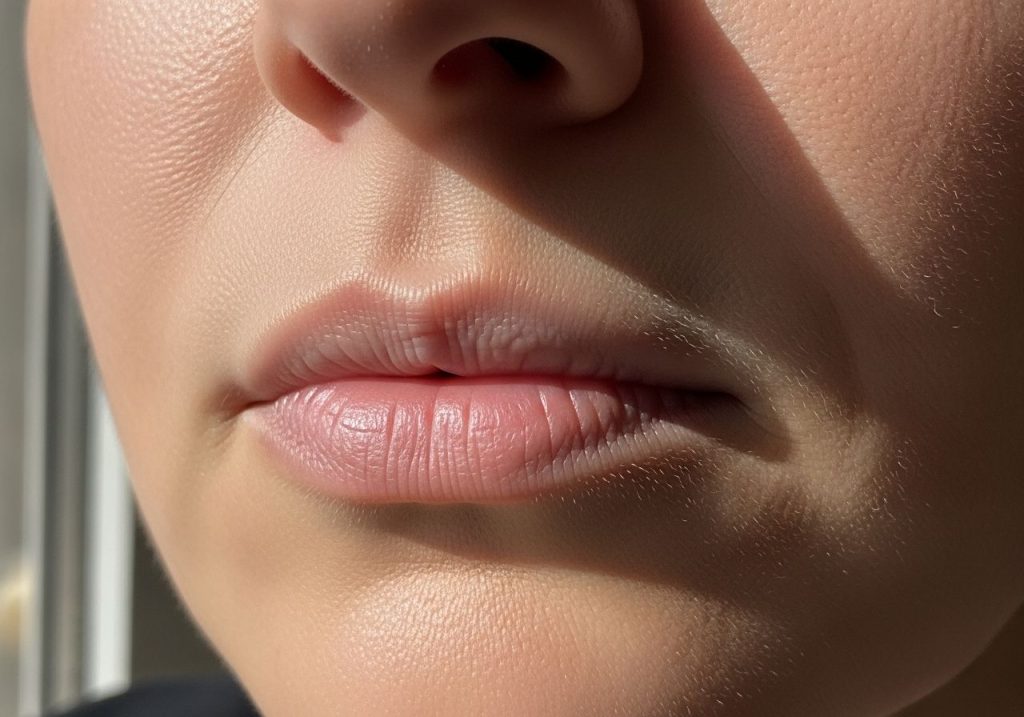
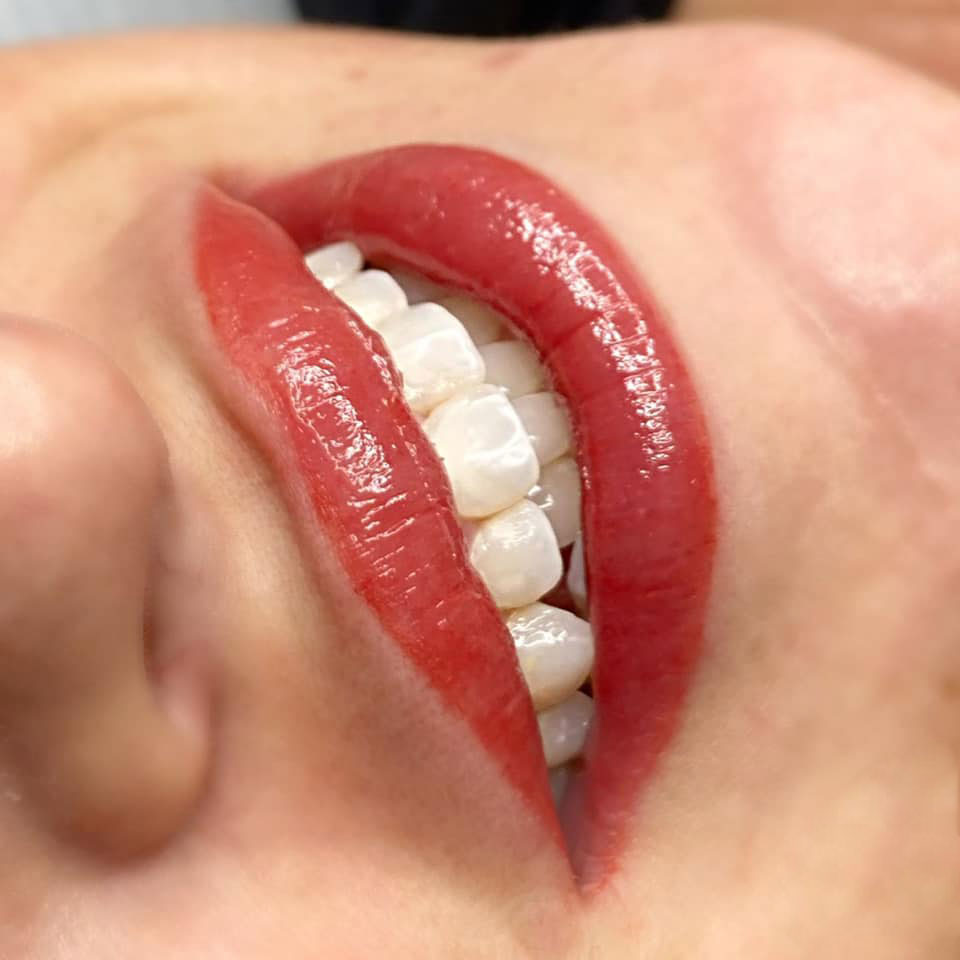
Lip blush typically lasts between two and five years. That’s a broad window, and where your results fall within it depends on variables specific to you, not just the technique itself. Lip tattooing is a form of permanent makeup, which means pigment is deposited into the skin rather than sitting on the surface like conventional lipstick.
Because the lips are a high-movement area that is constantly exposed to food, drink, and sun, the skin turns over faster here than almost anywhere else on the face. That natural cell turnover gradually pushes pigment towards the surface, softening the colour over time. It doesn’t disappear overnight; it fades slowly, which is actually one of the things that makes lip blush so wearable.
A colour refresh appointment is typically recommended every one to three years, depending on how your skin holds the pigment. This is far less maintenance than daily lipstick, and each refresh can also be used to adjust tone, depth, or shape as your preferences evolve.
How your skin type directly affects lip blush longevity
Skin type is one of the biggest predictors of lip blush longevity, and it is something clients often overlook. Oilier skin tends to break down pigment faster because higher sebum production affects how the colour settles and holds over the long term. If you have oily skin, your results will still look beautiful, but you may find you want a refresh closer to the two-year mark rather than the four or five-year end of the scale.
Drier skin, on the other hand, tends to retain pigment more reliably and hold colour with greater saturation over time. Thinner or more mature skin can sometimes absorb less pigment in the first session, which is why a touch-up appointment four to eight weeks after the initial procedure is standard practice. That second session locks in the results and fills any areas where the skin did not retain the first pass of colour.
Lip texture also plays a role. Lips with more surface texture or fine lines may show uneven fading earlier than smoother lips. This is not a dealbreaker; it is simply useful information for managing expectations and scheduling your refresh at the right time.
The lifestyle factors that accelerate fading
Sun exposure is the single biggest external accelerant of pigment fading across all permanent makeup, including lip tattooing. UV light breaks down colour molecules in the skin, which is why using an SPF lip balm daily is one of the most practical things you can do to protect your results. Even a moderate amount of unprotected sun exposure over summer months can visibly dull the colour faster than a full year of normal wear would.
Diet and certain lifestyle habits also have a measurable effect on lip blush longevity. Highly acidic foods and drinks, including citrus, coffee, wine, and fizzy drinks, can contribute to faster fading when consumed frequently. Smoking has a similar impact, as it affects both lip texture and how well the skin holds pigment over time.
Swimming in chlorinated pools or salt water can strip colour with regular exposure, particularly in the first few weeks after a procedure when the skin is still healing. Staying out of pools for at least ten days post-treatment is a standard recommendation for good reason. Beyond the initial healing phase the impact is less dramatic, but consistent exposure over years does add up.
What you do after the appointment matters more than most people realise
The aftercare window immediately following your lip blush appointment is when the foundation of your long-term result is built. Keeping the lips clean, avoiding picking or peeling any flaking skin, and applying the recommended healing balm consistently in the first seven to ten days directly affects how well the pigment is retained.
Skipping aftercare steps, particularly in the first few days, can lead to patchy fading and uneven colour distribution that becomes apparent once the skin has fully healed. This is fixable at the touch-up appointment, but it is far easier to follow the aftercare correctly from the start.
Beyond the initial healing period, the single most effective long-term maintenance habit is daily SPF. A tinted SPF lip balm covers all the bases: it protects the pigment from UV degradation, keeps the lips conditioned, and adds a light layer of colour that complements your lip blush rather than competing with it. Simple, consistent care genuinely extends how long your results look vibrant.
Frequently Asked Questions
How long does lip blush last on average?
Lip blush lasts between two and five years on average. Longevity varies based on skin type, lifestyle, sun exposure, and how closely aftercare instructions are followed. Most clients return for a colour refresh every one to three years to maintain the depth and vibrancy of their results.
Does lip blush fade completely over time?
Lip blush fades gradually rather than disappearing all at once. Because it is a form of lip tattooing with pigment deposited into the skin, natural cell turnover slowly softens the colour over the years. The result lightens to a subtle tint before it fully fades, which is why most clients choose to refresh rather than wait for complete disappearance.
What can I do to make my lip blush last longer?
The most effective steps are applying SPF lip balm daily to protect against UV fading, following your post-treatment aftercare carefully, avoiding picking or peeling healing skin, and limiting prolonged sun exposure. Reducing frequent contact with chlorinated water and acidic drinks, and avoiding smoking, also supports better longevity over time.
Does skin type affect how long a lip tattoo lasts?
Yes, skin type significantly affects lip tattoo duration. Oilier skin tends to break down pigment faster due to higher sebum production, often requiring a refresh closer to two years. Drier skin typically retains colour more consistently. A standard touch-up appointment four to eight weeks after the initial session helps all skin types maximise long-term retention.
How is lip blush different from lip liner tattooing?
Lip blush adds soft, diffused colour across the entire lip using a tattooing technique for a natural, enhanced finish. Lip liner tattooing outlines only the vermilion border and is now rarely performed, due to the risks associated with tattooing on the lip border and shifting fashion preferences. Lip blush is currently the most popular and widely requested lip tattoo technique.