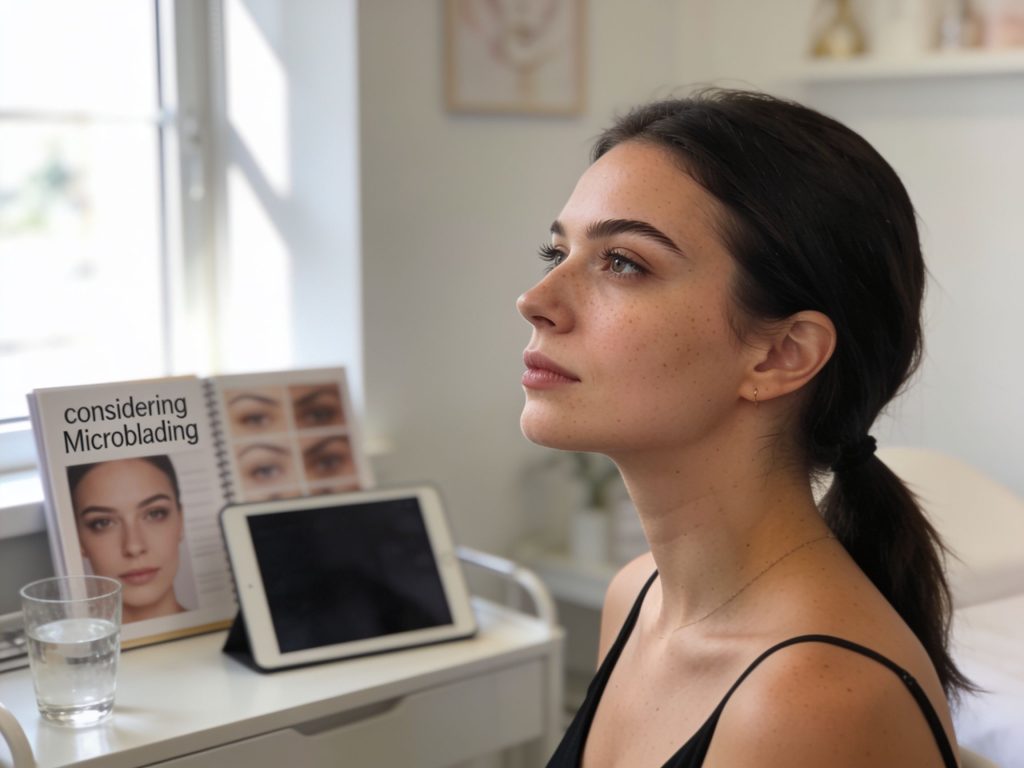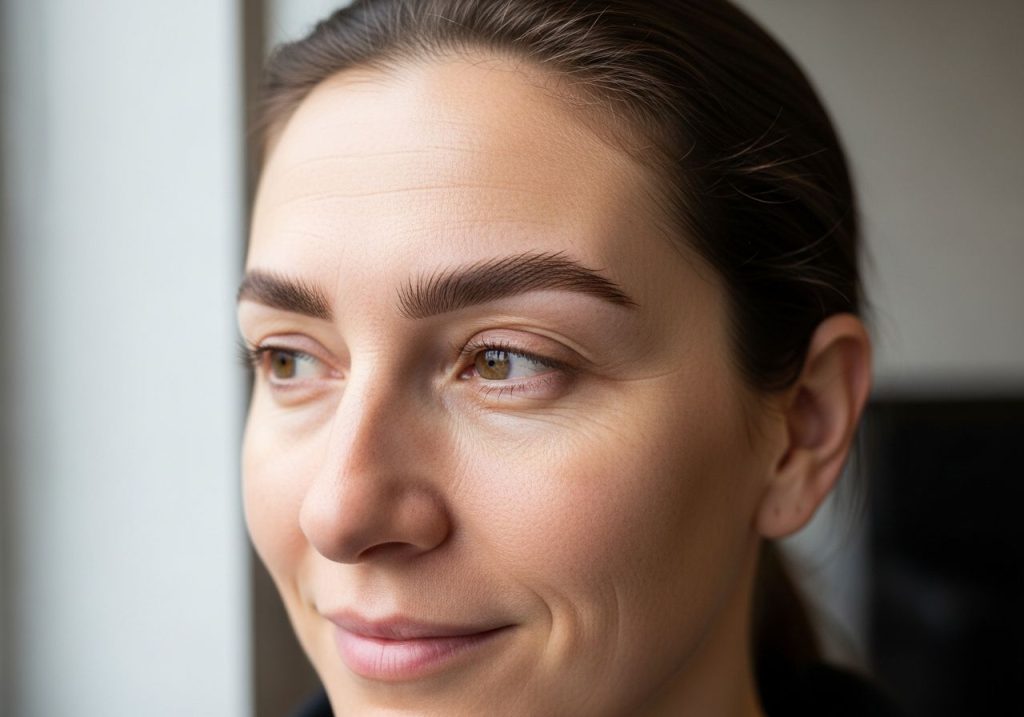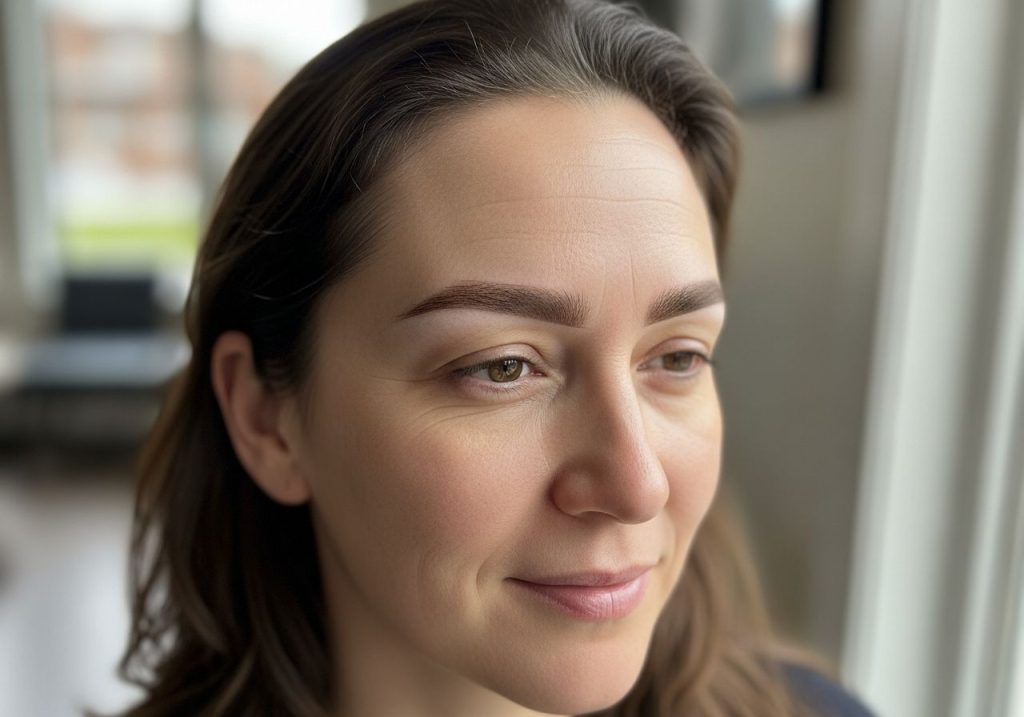
Staring at a lip tattoo consultation menu and not sure whether you want “blushed”, “full colour” or just a sharper lip line? You’re not alone. Most people booking their first appointment can’t tell these techniques apart from photos alone. Here’s what actually separates them, and how to work out which one matches your lips.
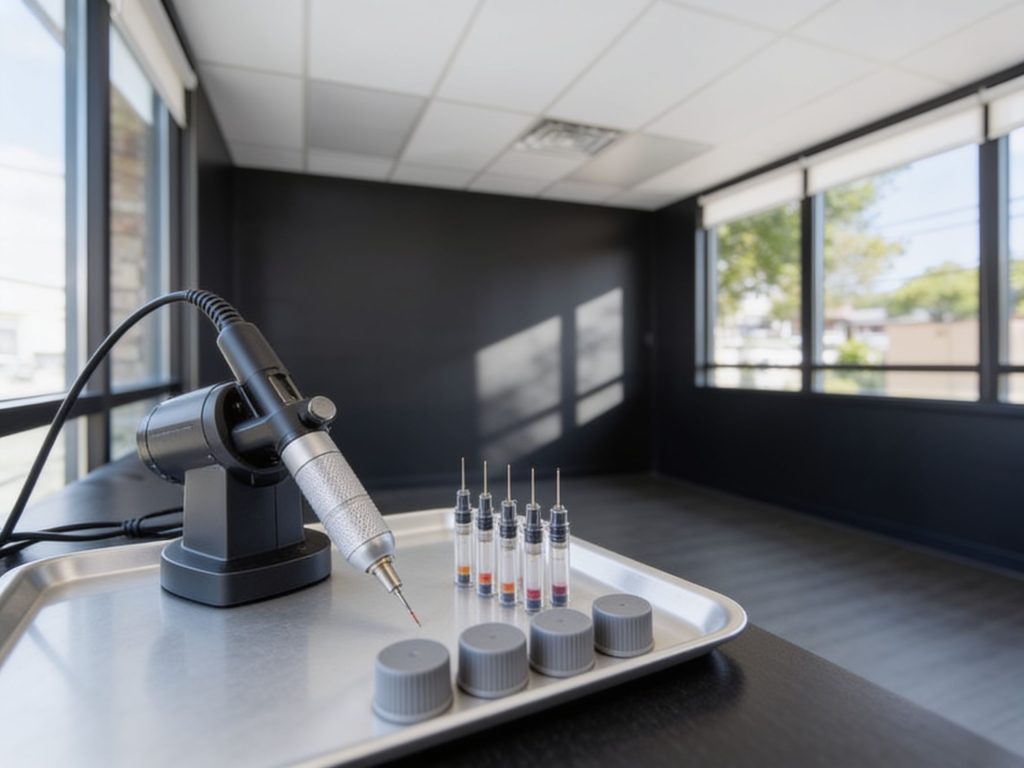
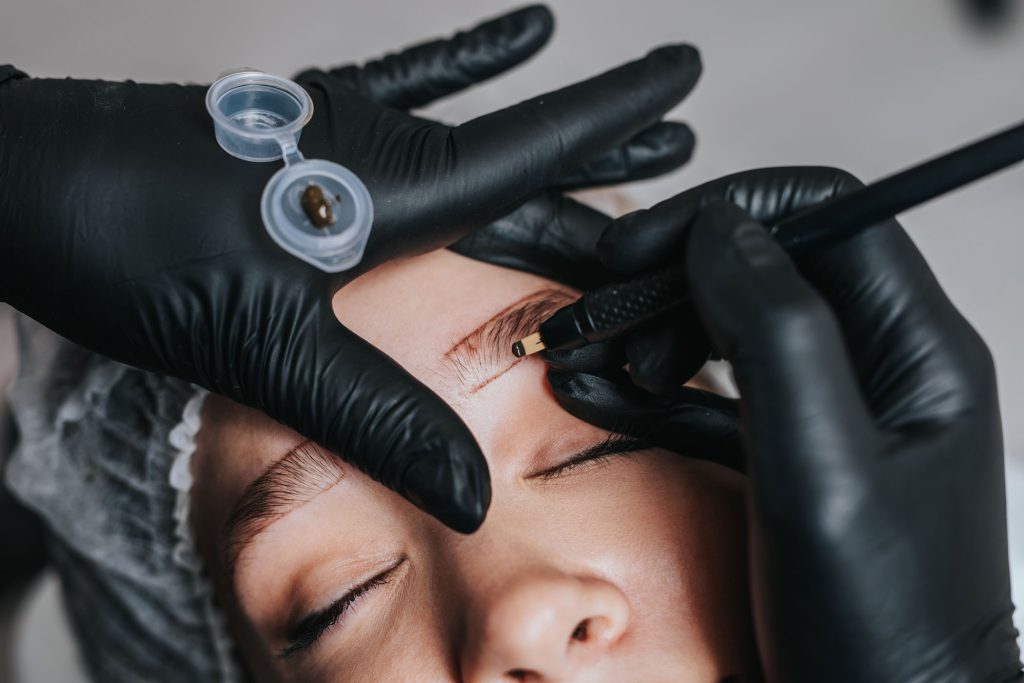
Lip blushing versus lip tattoo techniques isn’t really an either/or question. Lip blushing is one specific technique within the broader lip tattoo category, alongside full lip colour and liner definition. Each uses the same basic method, implanting pigment into the upper layers of the lip, but the density, placement and intended outcome differ significantly. Knowing those differences before you sit in the chair means you walk out with a result you actually asked for.
1. Lip blushing gives you a soft, your-lips-but-better wash of colour
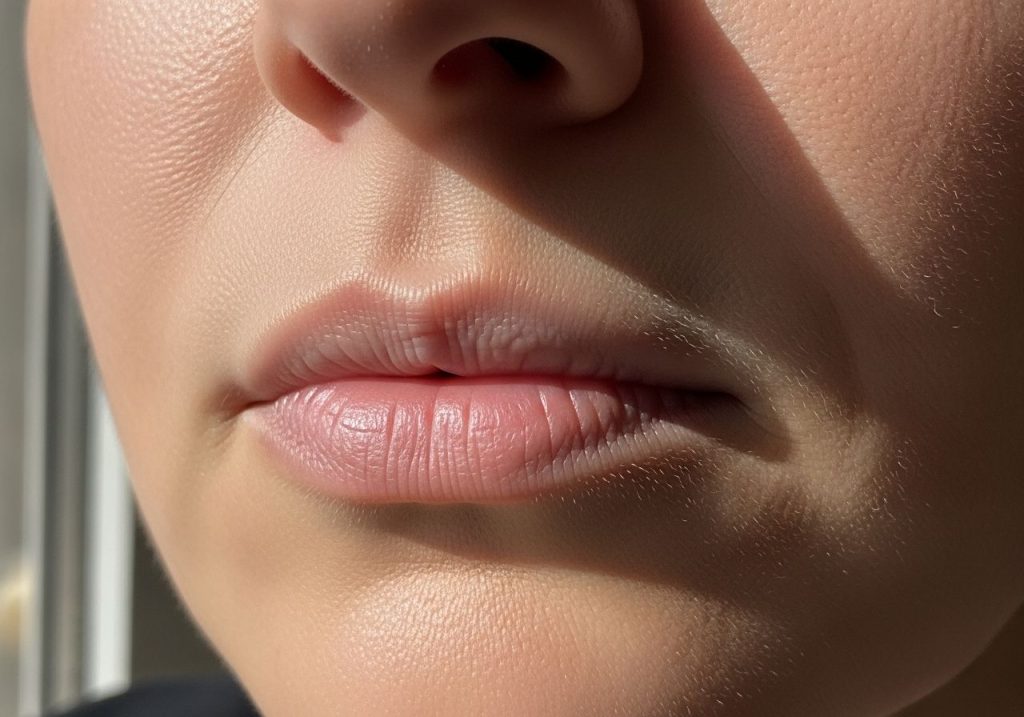
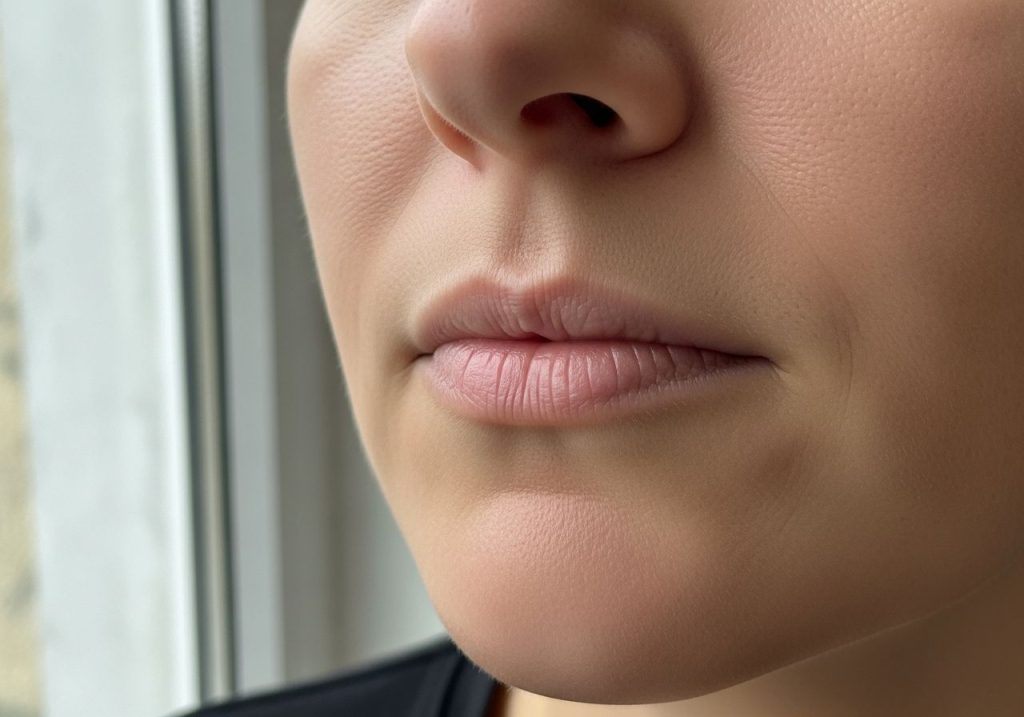
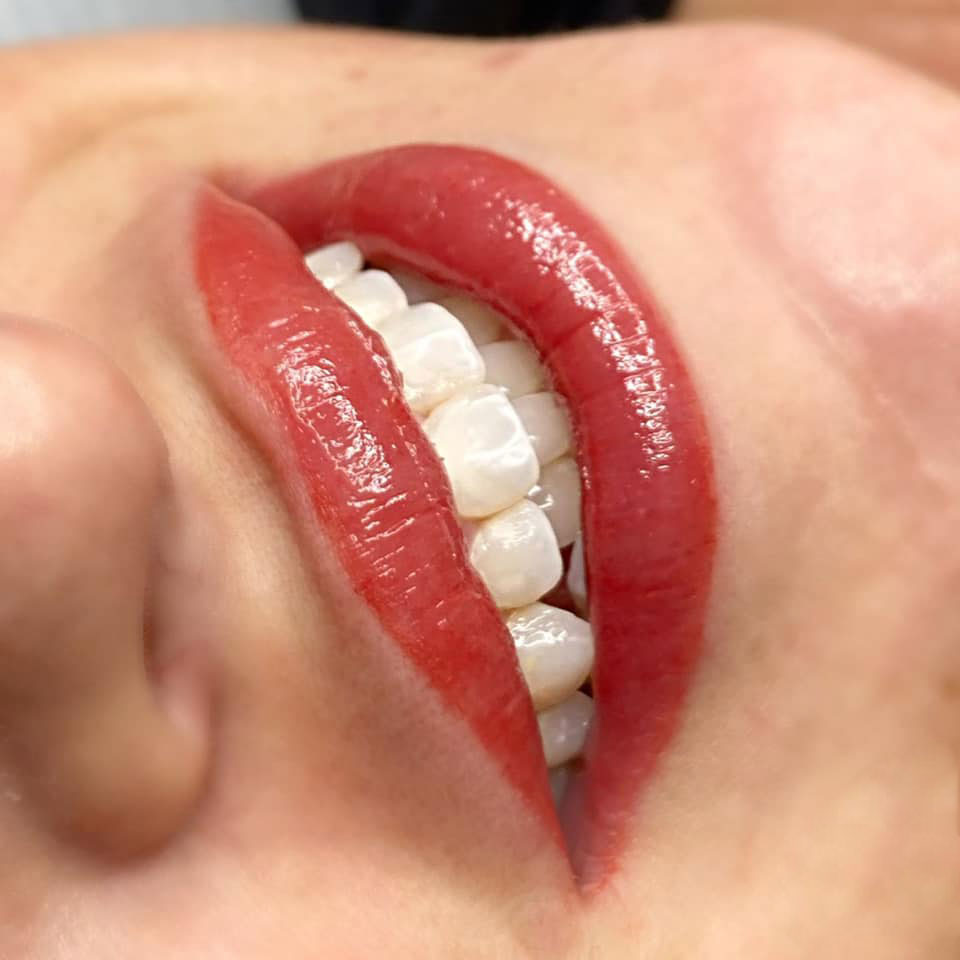
Lip blushing is the technique most people mean when they say they want “natural” lip tattoo results. Pigment is applied in thin, layered passes, building a light to medium tint rather than full opacity. Healed correctly, it looks like you’re wearing a sheer tinted balm, not lipstick.
This suits you if your natural lip colour is patchy, pale, or uneven, and you want correction without a dramatic shift. It’s also the technique of choice if you rarely wear lip colour day to day and want something that reads as “you, just more polished.” Most clients need two sessions six to eight weeks apart, with the second refining tone and evening out any spots that healed lighter.
2. Full lip colour technique delivers a bolder, lipstick-like finish
Full lip colour uses denser pigment saturation to mimic the look of an actual lipstick shade, think a true rose, terracotta or deep berry rather than a soft tint. The artist builds opacity across two or three sessions rather than one, since pushing too much pigment in a single pass increases the risk of uneven healing.
You’re a good candidate for this approach if you already wear bold lip colour daily and are tired of reapplying it, or if you have significant pigment loss or scarring you want fully camouflaged rather than just softened. Expect the healed colour to settle 30 to 50% lighter than it appears immediately after the session. That’s completely normal, not a sign anything has gone wrong.
3. Liner definition reshapes without adding colour across the whole lip
Liner definition is the most targeted of the three approaches. Pigment is placed only along the vermilion border, the natural edge where your lip meets your skin, to sharpen a blurred or asymmetric outline. There’s no colour wash across the rest of the lip.
This technique suits you if your main concern is shape rather than tone: an uneven cupid’s bow, one side flatter than the other, or a border that has lost definition with age. It’s often the fastest-healing of the three options because less surface area is worked, and it pairs well later with lip blushing if you decide you want more colour down the line.
4. Your natural lip tone determines how much correction you actually need
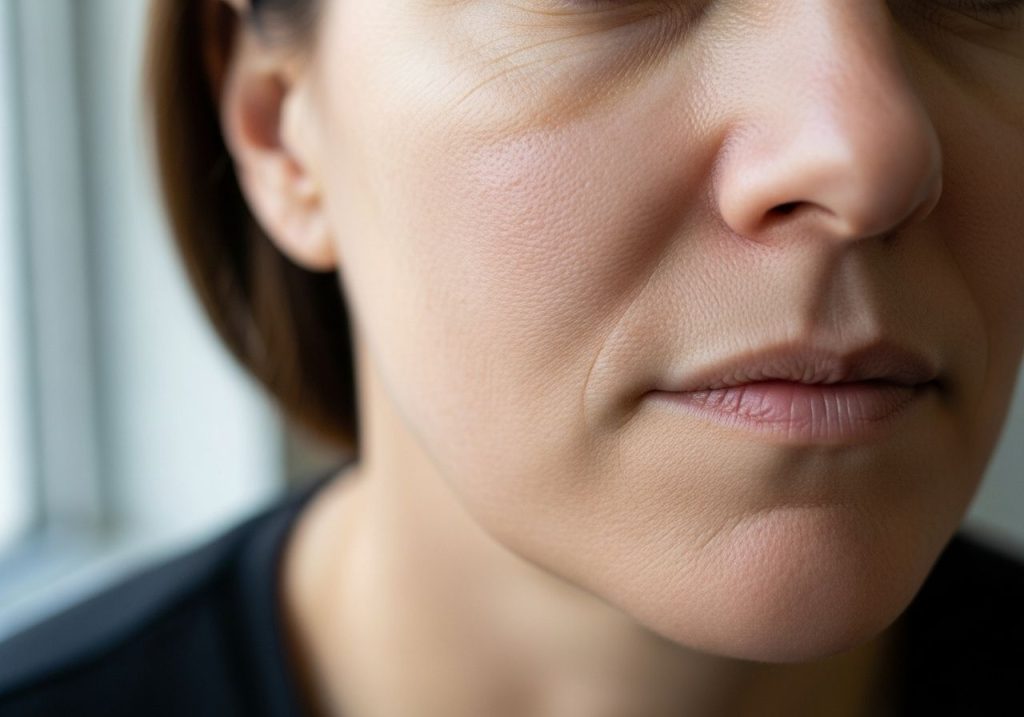
Someone with naturally pink, even-toned lips needs a very different session plan to someone with strong pigmentation from smoking, sun exposure, or genetics. Darker or purplish undertones often require a neutralising base layer before your chosen colour goes on top, adding time to the process regardless of which technique you pick.
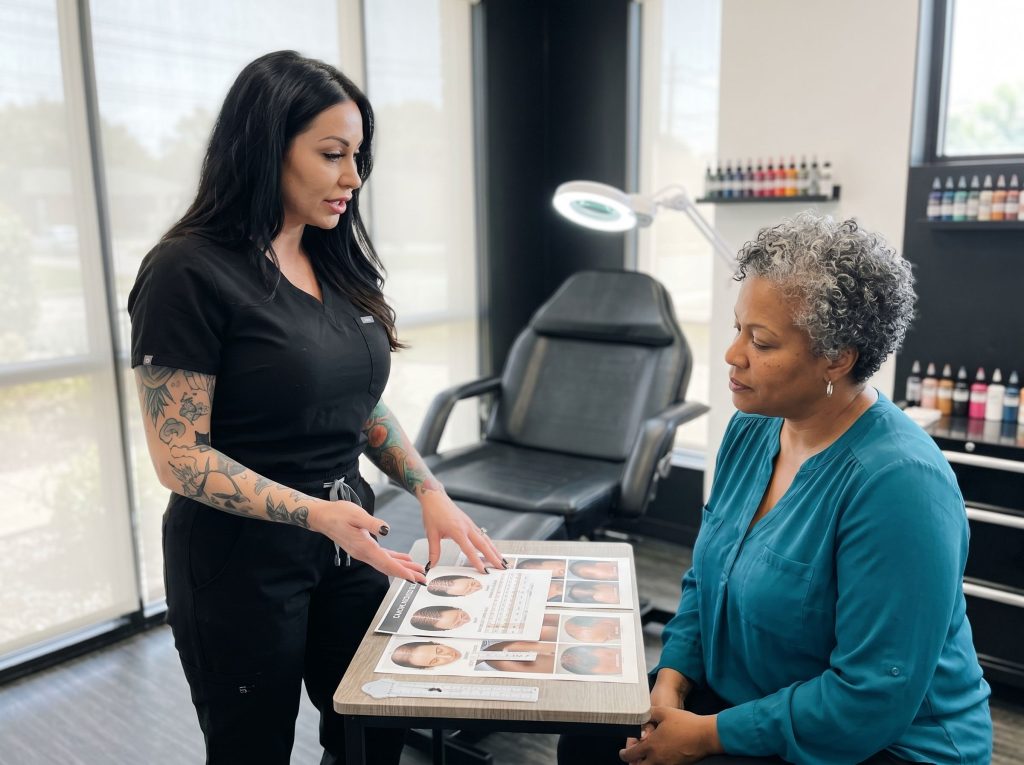
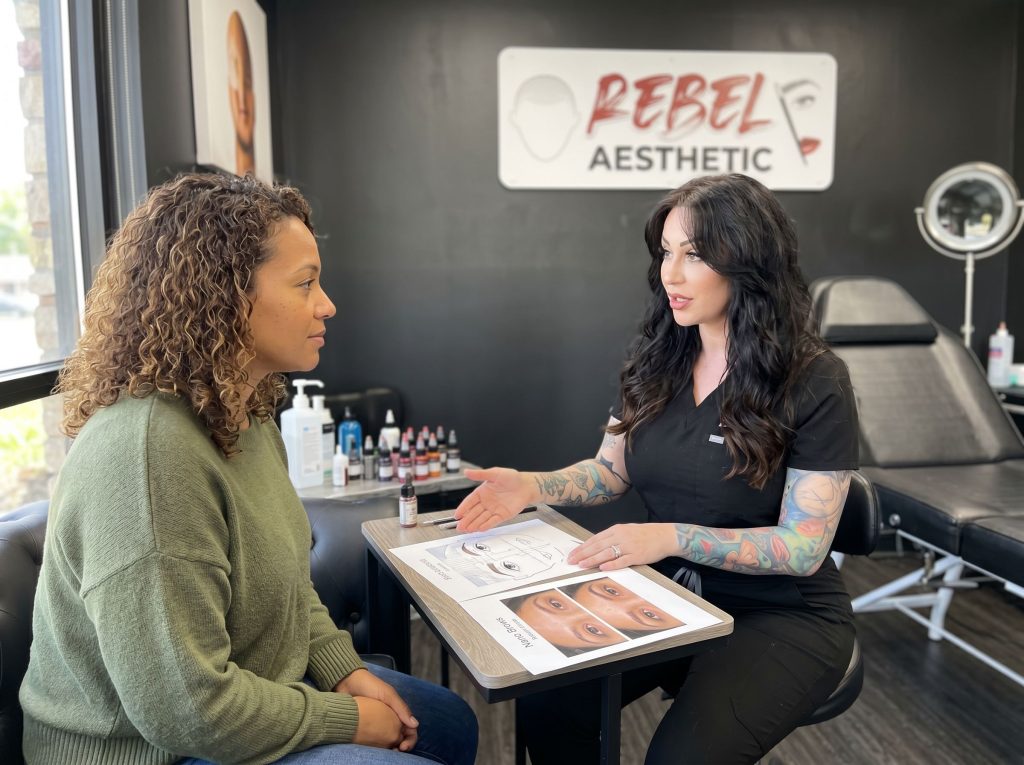
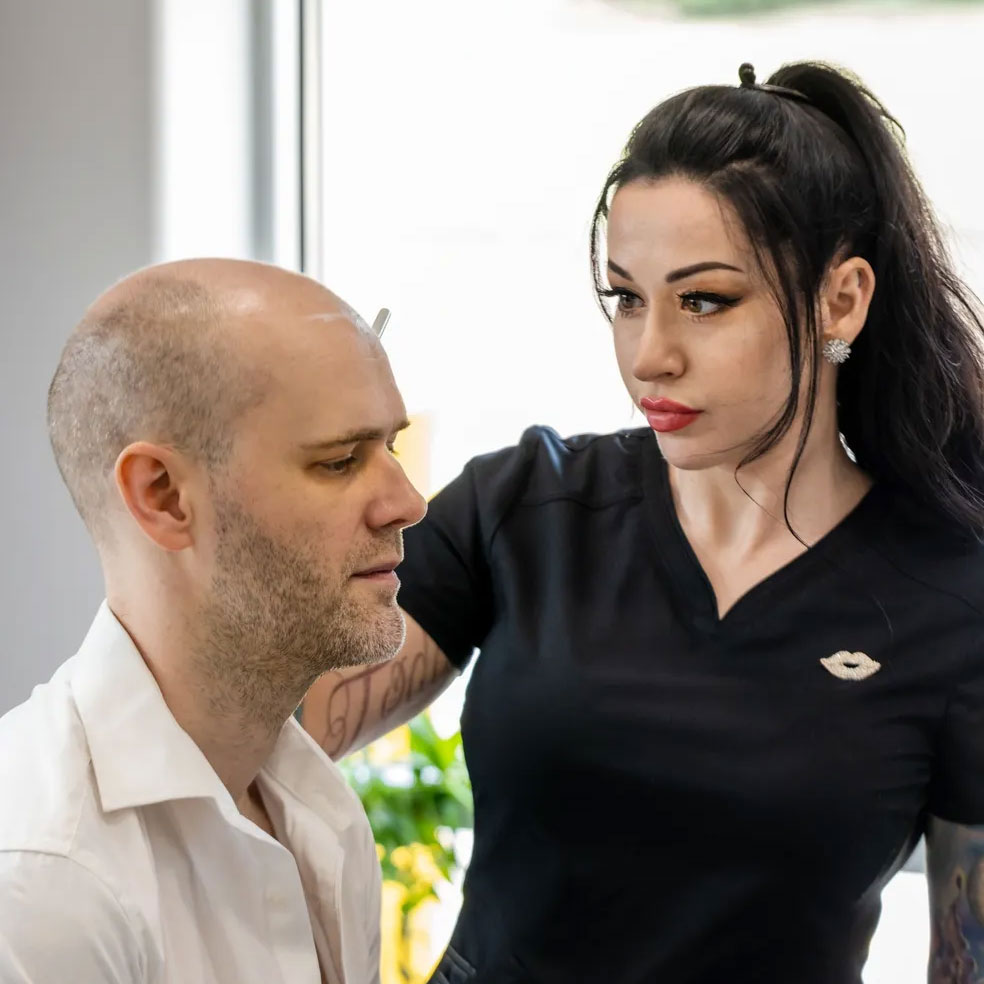
Ask at consultation whether your lips need colour correction first. A skilled artist will assess this with you in person rather than promising a shade match from a photo alone. This step matters more for full lip colour and lip blushing than for liner definition, since liner work sits mostly on skin rather than mucosal tissue.
5. Your lifestyle and upkeep tolerance should guide the final decision
Lip blushing and liner definition are lower maintenance long term; subtle results fade gradually and are easy to top up every one to three years. Full lip colour, because it’s more saturated, tends to show fading more noticeably and often needs more punctual top-ups to stay looking crisp.
Think honestly about your routine. If you want to wake up looking finished with zero product, full lip colour delivers that most completely. If you’d rather ease in gently and add more later, start with blushing or liner work. You can always build density in future sessions, but you can’t easily undo an overly bold first pass.
Whichever route you’re leaning towards, healing takes four to six weeks before colour settles to its true tone, and keeping the area dry, makeup-free and out of direct sun for seven to ten days is non-negotiable for a clean result.
Frequently Asked Questions
What’s the real difference between lip blushing and a full lip tattoo?
Lip blushing applies a soft, sheer tint that enhances your natural lip colour, while a full lip tattoo builds denser, more opaque pigment for a bold, lipstick-like finish. Both use the same tattooing method but differ in pigment saturation and the intensity of the final healed look.
How do I choose the right lip tattoo technique for my lips?
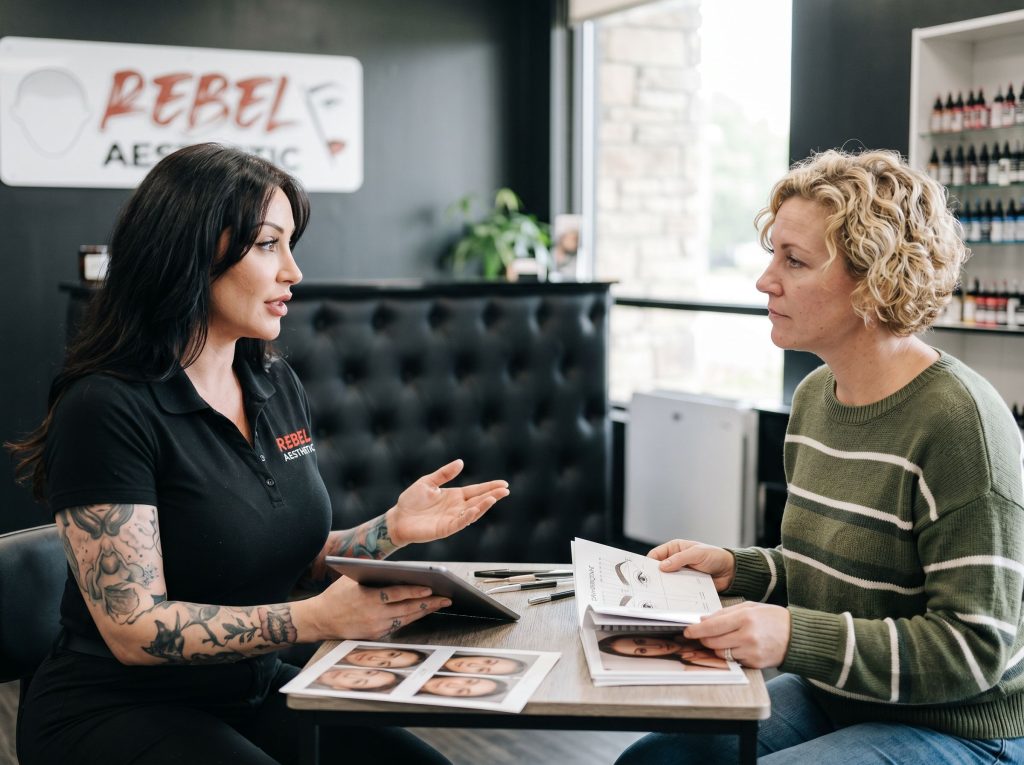
Consider your natural lip tone, how much shape correction you want, and how bold or subtle you’d like the result to be. A consultation should assess your pigmentation and border symmetry before recommending lip blushing, full colour, or liner definition alone.
Will my lip tattoo colour look too dark right after the appointment?
Yes, this is completely normal. Fresh pigment always appears more saturated than the final result, and colour typically lightens by 30 to 50% during the four to six week healing period as it settles to its true tone.
Am I a good candidate for liner definition instead of full lip colour?
Liner definition suits you if your main concern is shape, such as a flattened cupid’s bow or uneven border, rather than overall colour. It adds minimal pigment and heals faster, making it a good starting point before deciding on more coverage later.
How long does a healed lip tattoo last before it needs a top-up?
Softer techniques like lip blushing and liner definition typically last one to three years before fading noticeably, while denser full lip colour often needs more frequent top-ups to maintain its bolder saturation. Skin type and sun exposure both affect longevity.
Ready to talk it through?
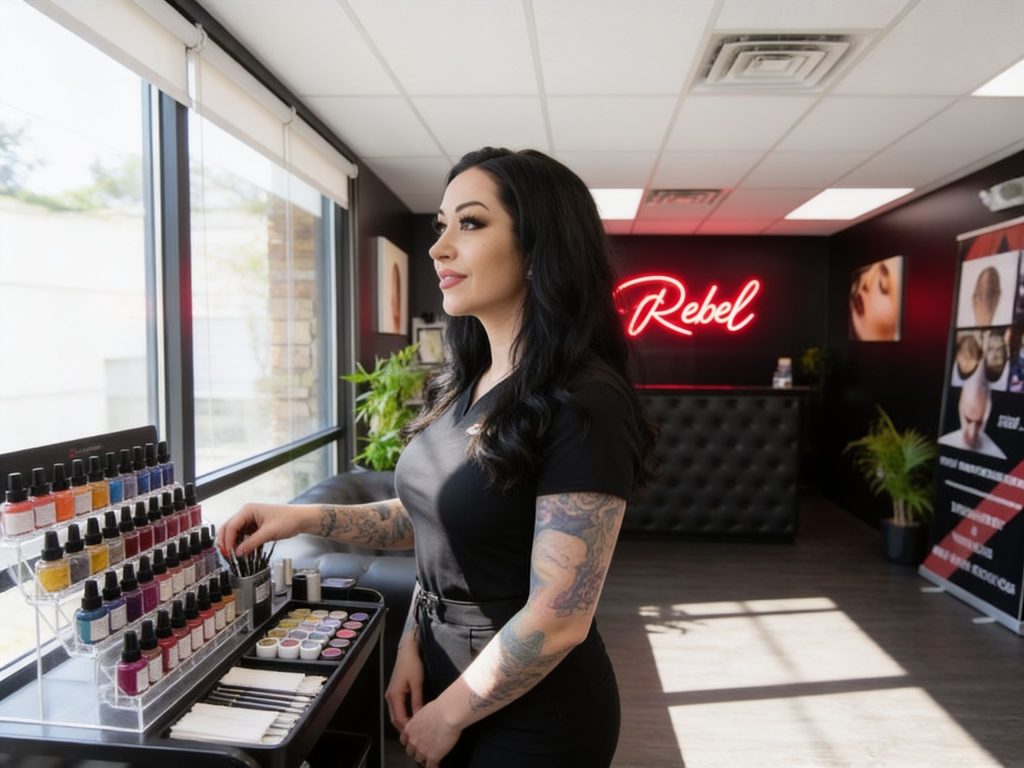
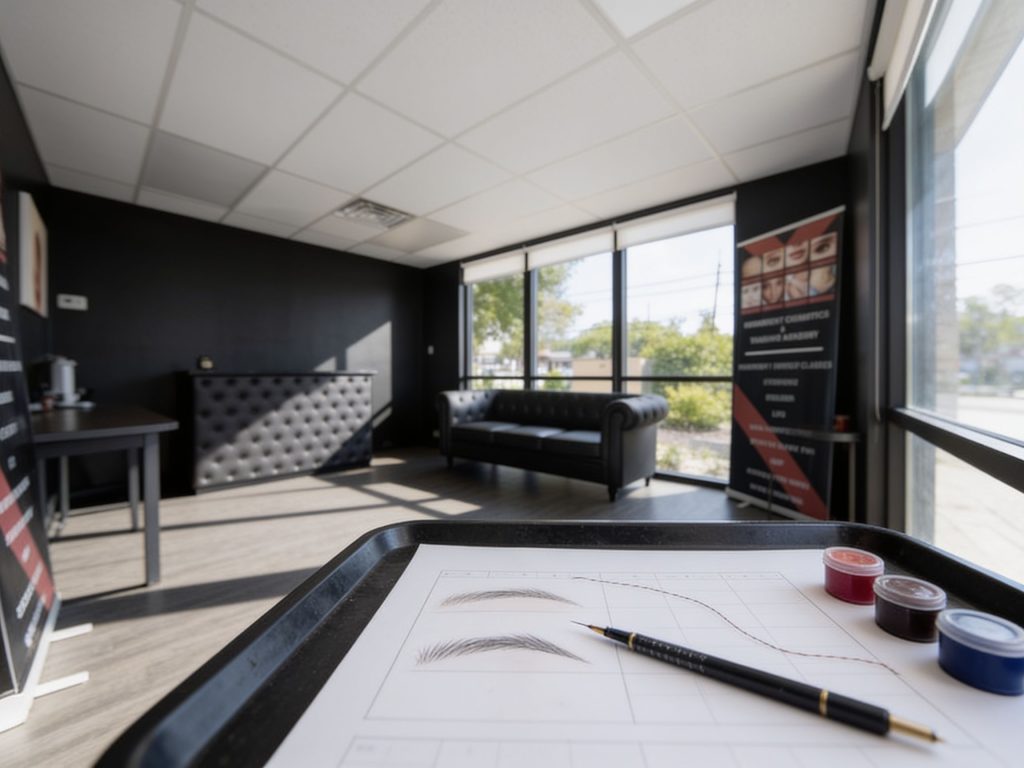
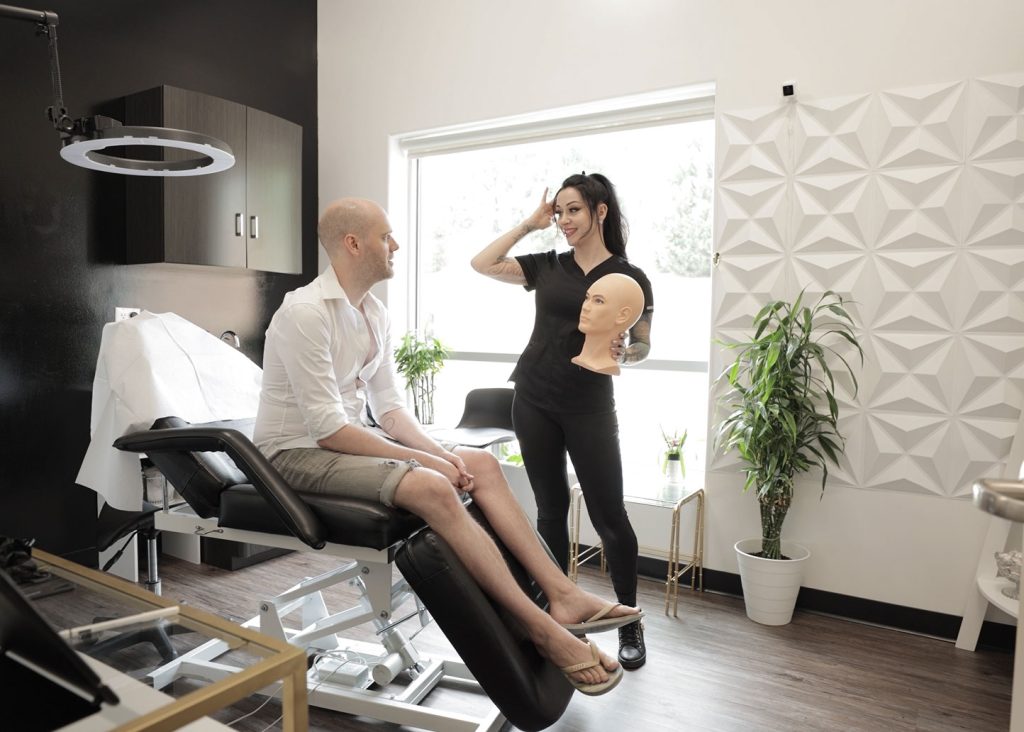
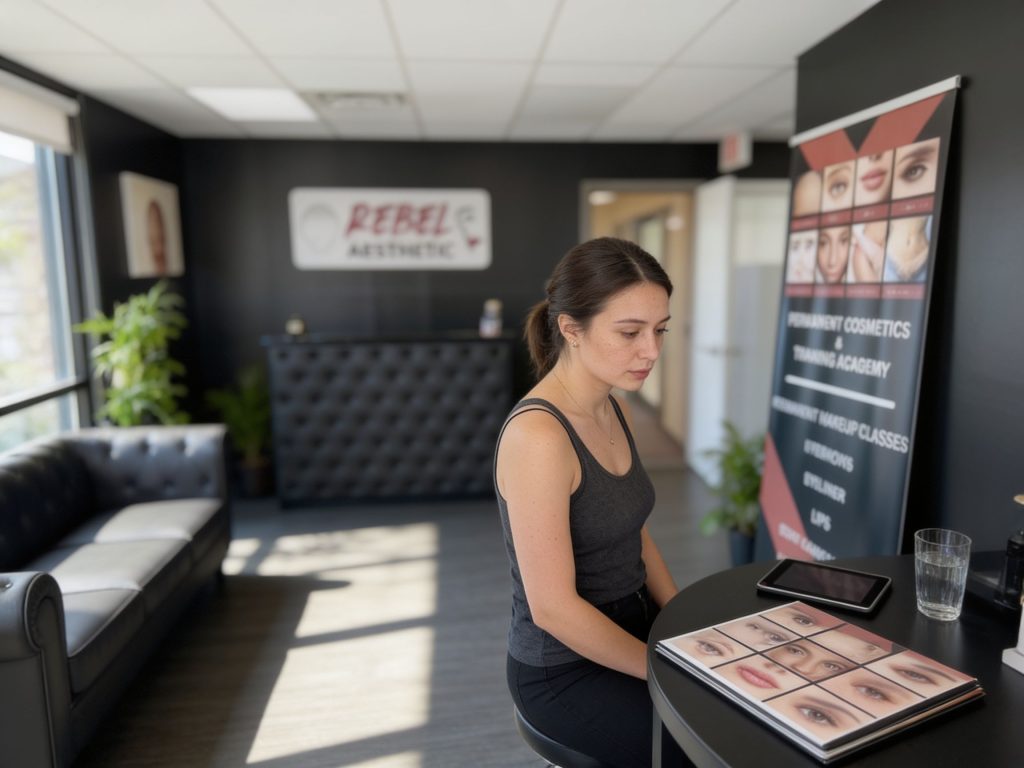
Rebel Aesthetic in Philadelphia offers a personal consultation to answer your questions and recommend the right approach for you. Get in touch with Rebel Aesthetic to book your consultation.