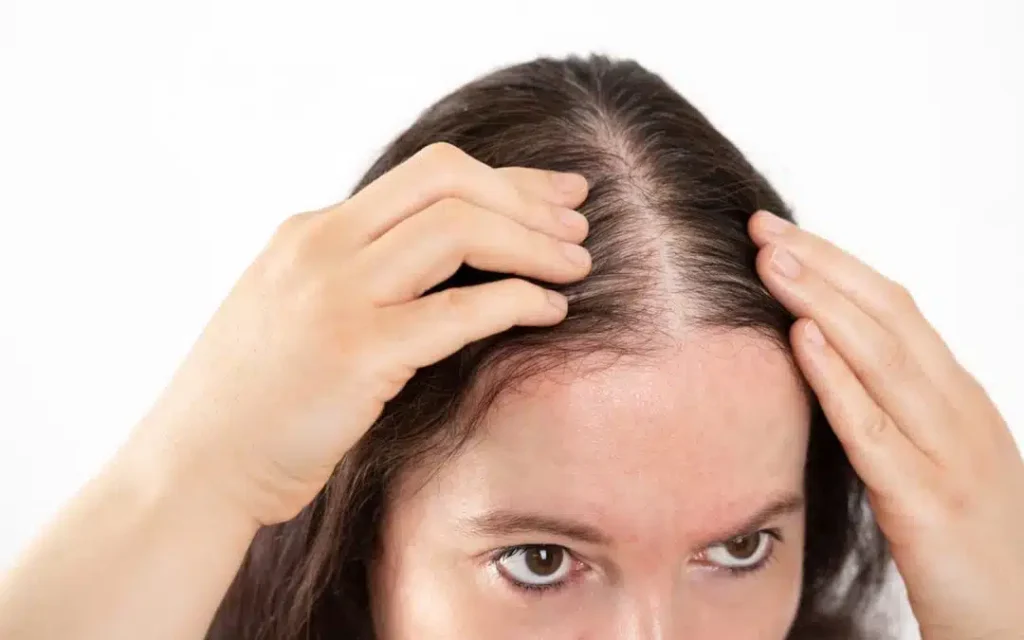
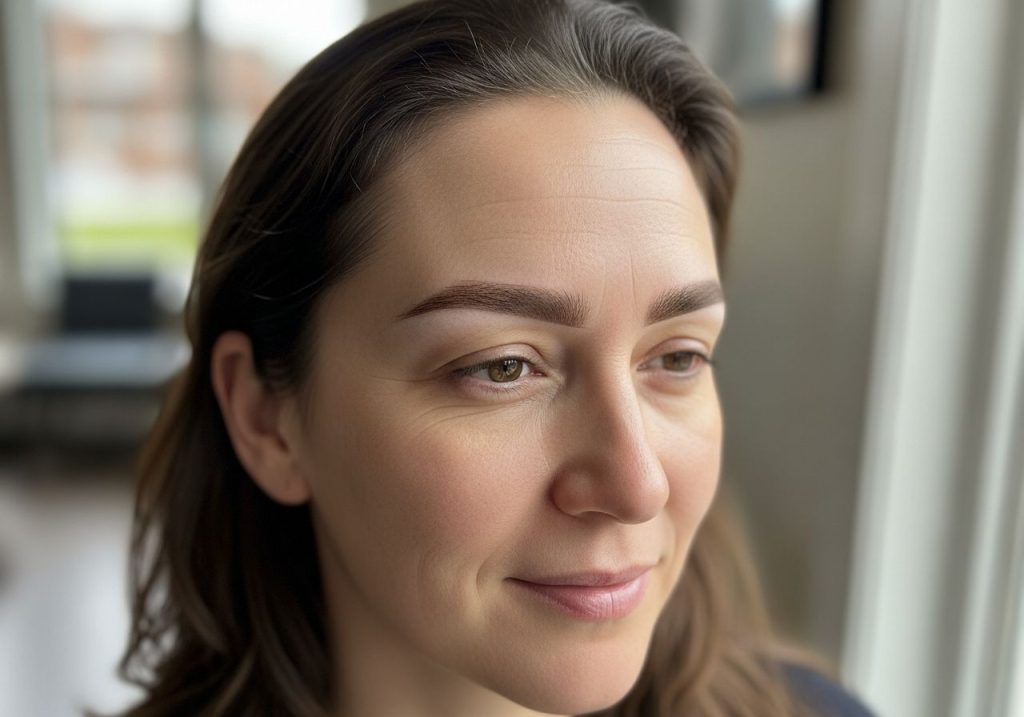
You have just had your SMP treatment and the results look sharper than you expected. Now comes the part that determines whether they stay that way. The healing window is where most women make avoidable mistakes, and those mistakes show up weeks later as uneven fading, patchy density, or pigment that shifts in tone. This article walks you through exactly what to do, day by day, across the full four-week recovery period.
Why the first four days are the most critical
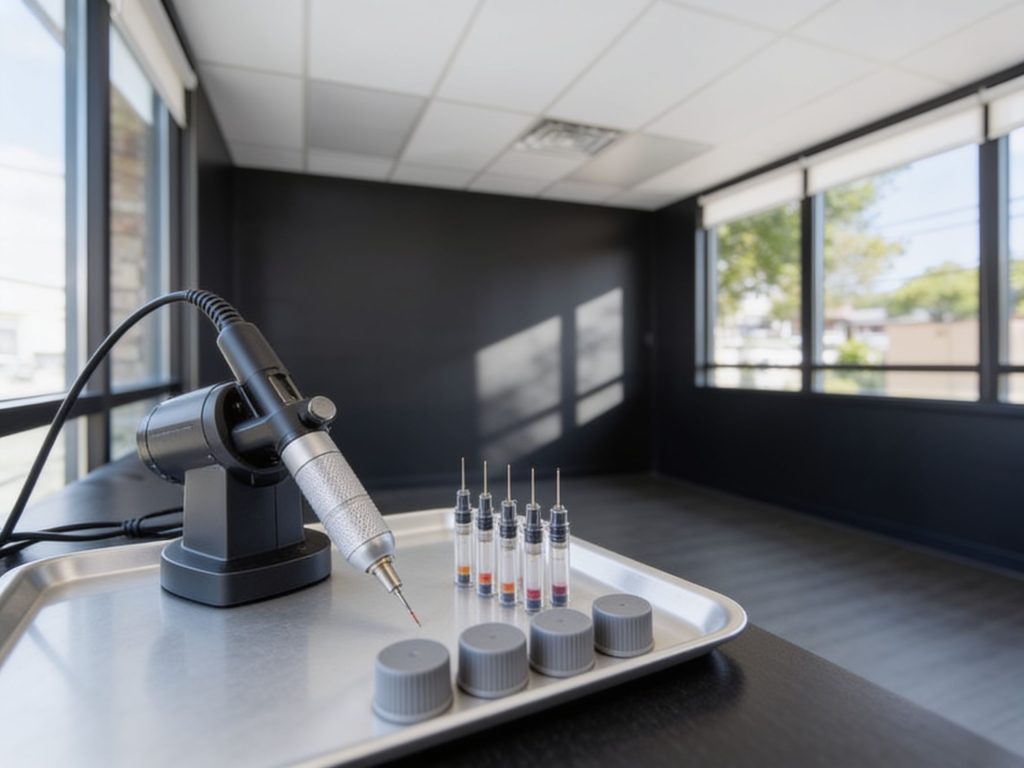
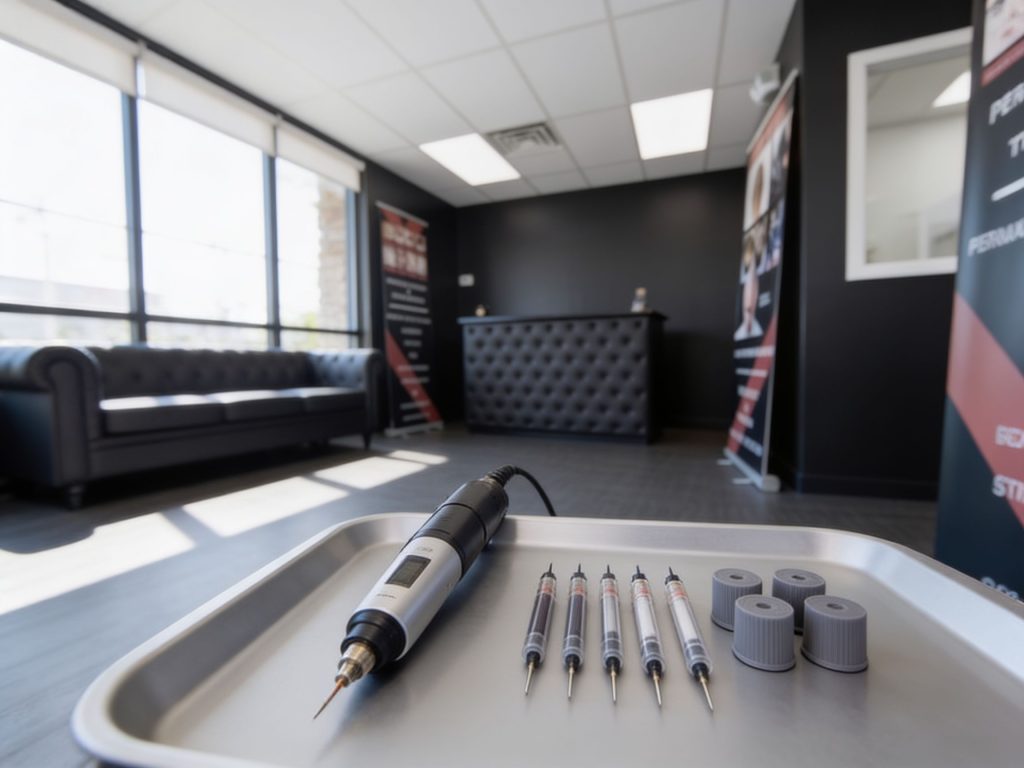
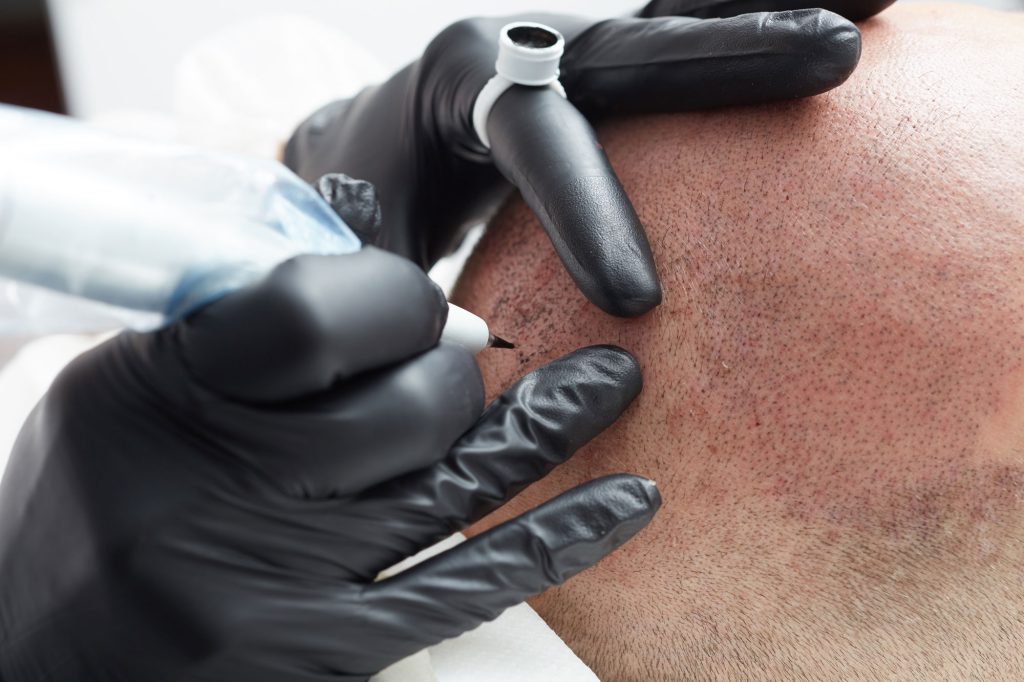
Scalp micropigmentation deposits medical-grade pigment at the epidermal-upper dermal interface, typically 1.5 to 2 millimetres into the dermis. In the first 72 to 96 hours, those pigment dots are still settling into position. Anything that introduces moisture, friction, or heat to the scalp during this window can cause the pigment to migrate, blur, or fade unevenly before it has had a chance to anchor properly.
The rules for days one to four are non-negotiable: no water on the scalp, no shampoo, no heavy exercise, no sweating, and no direct sun exposure. That means skipping the gym, avoiding steamy showers that allow condensation to reach the scalp, and staying out of saunas entirely. Even a light sweat from a brisk walk can be enough to disturb the treated area during this initial phase.
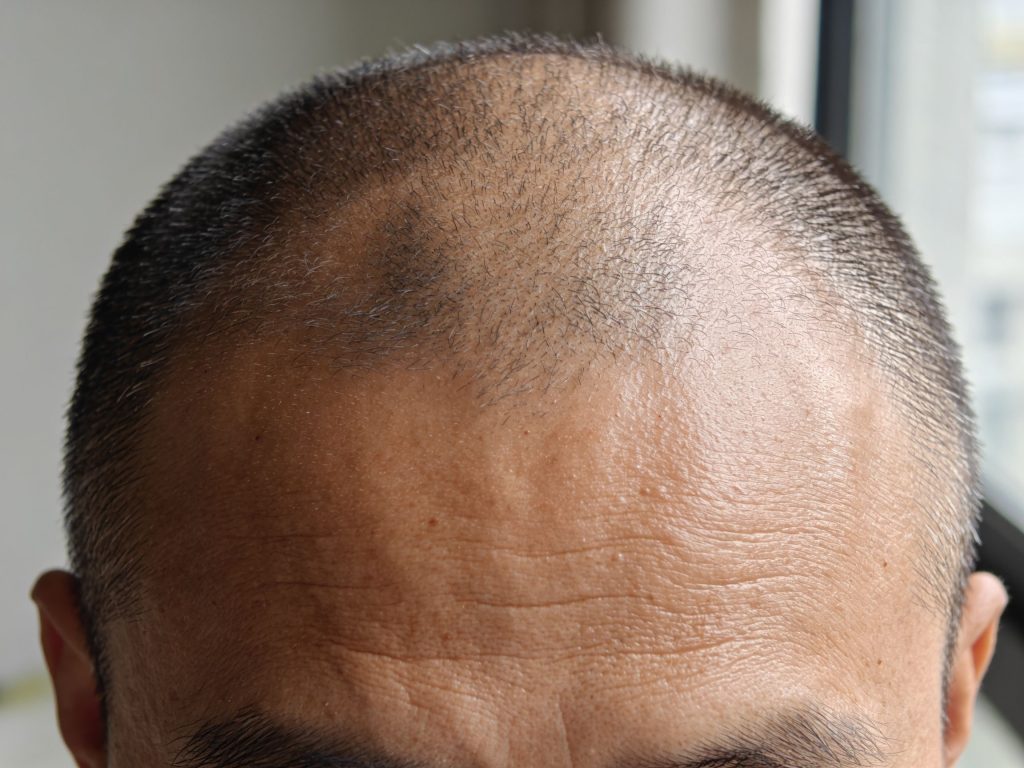
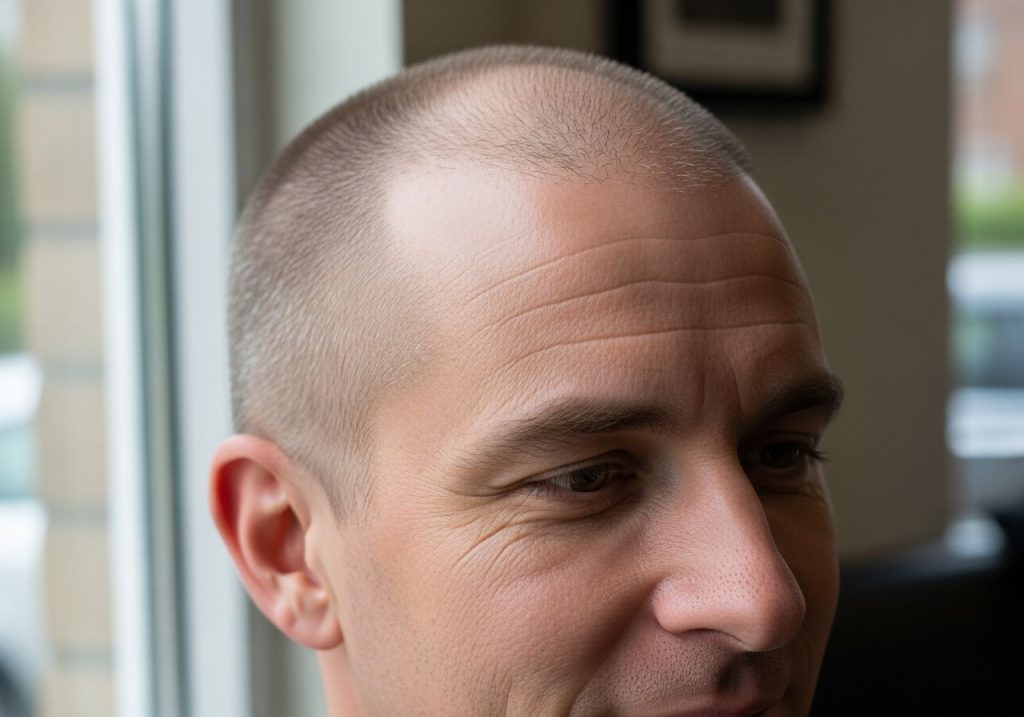
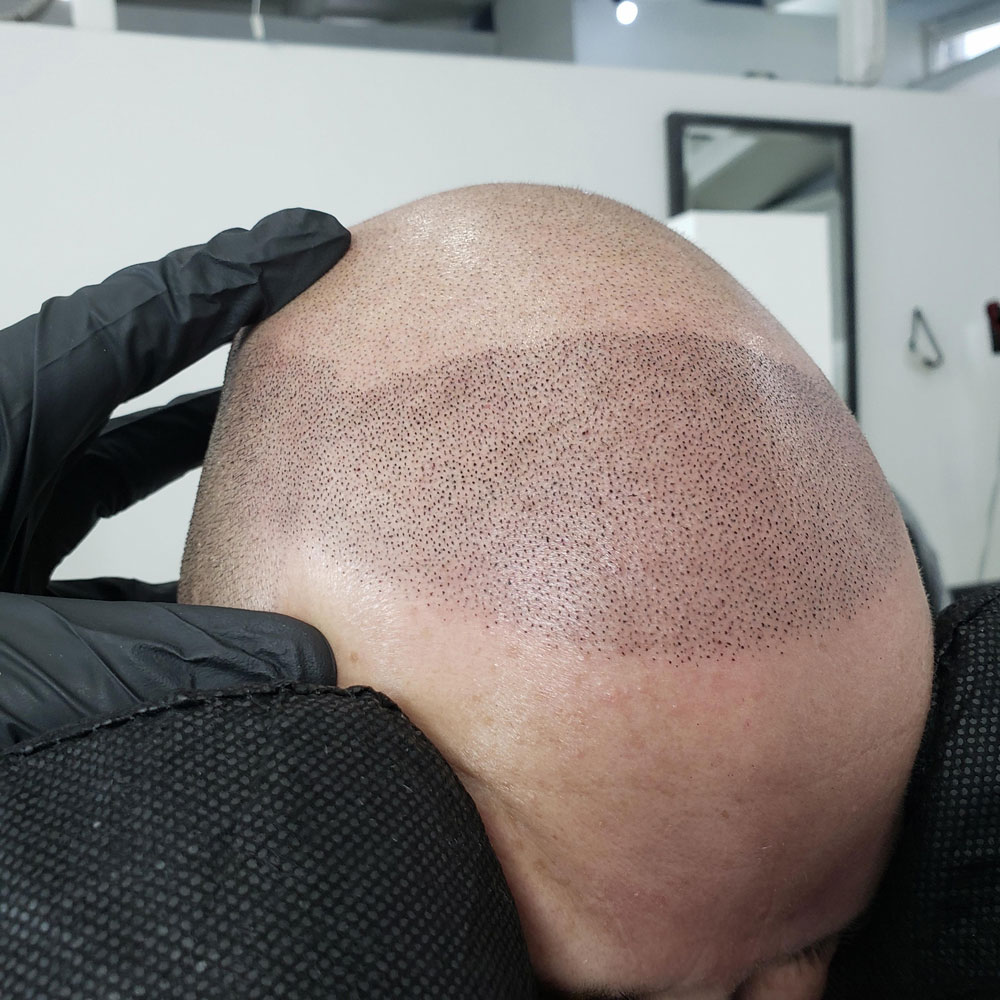
Some redness is completely normal for the first two to three days. The scalp may look slightly raised or feel tender, and the pigment dots will appear darker and more defined than the final healed result. There is no need to be alarmed by this. Full settling takes time, and what you see at day two is not what you will see at day thirty.
Days five to ten: gentle washing and continued caution
From day five, you can begin washing your scalp again, but gently. Use lukewarm water and a mild, sulphate-free shampoo. Apply it with your fingertips using soft circular movements rather than scrubbing or rubbing. Avoid anything containing exfoliating acids, strong fragrance, or harsh detergents. The goal is to cleanse without disturbing the healing skin.
Sun exposure remains off-limits during this phase. UV radiation accelerates pigment fading by triggering immune macrophage activity in the dermis, which breaks down pigment particles faster than normal epidermal turnover would. Even on overcast days, wearing a hat or staying in the shade protects your investment during this vulnerable period.
For women with longer hair, the good news is that your existing hair offers some natural coverage over the treated areas. You can style your hair as usual during this phase, but avoid anything that pulls tightly at the scalp, such as high ponytails, tight braids, or clip-in hair extensions. Heat tools are fine on the lengths and ends, but keep them away from the scalp itself. Products such as dry shampoo, texture sprays, or root concealers should also be avoided directly on the treated scalp until after day ten.
The four-week healing window and what changes to expect
Between days ten and thirty, the scalp continues to heal at a deeper level even though it may look settled on the surface. This is the phase where pigment colour can shift slightly as the skin normalises. The dots will soften from their initial sharp appearance into a more natural, follicle-like impression, which is precisely the intended outcome of the stippling technique used during your SMP sessions.
From day ten onwards, you can return to your normal grooming routine with one important addition: SPF. Applying a broad-spectrum sunscreen rated SPF 30 to 50 to the scalp whenever you are outdoors is one of the most effective things you can do to extend the longevity of your results. Pigment fading is directly linked to cumulative UV exposure, and women with hair loss or reduced density have less natural protection over the treated areas.
Swimming pools and open water should be avoided for the full 28 days following your final session. Chlorine is particularly aggressive at drawing pigment from healing skin, and saltwater presents a similar risk. If you swim regularly, plan your SMP sessions around a period when you can realistically stay away from the pool for a month.
Most female clients require two to four SMP sessions spaced several weeks apart to build pigment density progressively, from around 40 pigment dots per square centimetre in the first session to 80 to 100 in the final session. Each session has its own healing window, with the same aftercare rules applying from the outset. Returning too quickly to products or exercise between sessions is one of the most common reasons clients see inconsistent results across treated zones.
Products and ingredients to avoid during healing
The scalp skincare market has expanded significantly, and many women now use targeted scalp treatments, serums, or toners as part of their regular routine. During the healing period, most of these need to be paused. Specifically, avoid any product containing retinol, glycolic acid, salicylic acid, or benzoyl peroxide applied directly to the treated scalp. These ingredients increase cellular turnover, which accelerates epidermal pigment clearance and leads to faster fading.
Similarly, if you are currently using minoxidil for female pattern hair loss, the timing of its application during the healing period should be discussed with your practitioner before your SMP sessions begin. Minoxidil does not interfere with SMP in principle, as SMP does not affect existing follicles or stimulate new hair growth, but its formulation and application schedule during healing should be carefully managed.
Once fully healed at the 30-day mark, your regular product routine can resume. The priority from that point forward is consistent SPF application and keeping the scalp moisturised to support long-lasting, even pigment. Results typically last three to five years before a touch-up is needed, and how well you protect the scalp in the first month has a measurable impact on where within that range your results will fall.
Frequently Asked Questions
Can I wash my hair normally after SMP treatment?
No, not immediately. For the first four days after SMP treatment, you must keep water off the scalp entirely. From day five, you can wash gently with a mild, sulphate-free shampoo using fingertip pressure only. Normal washing can resume after day ten, but harsh or exfoliating shampoos should be avoided throughout the healing period.
How long does the scalp take to fully heal after SMP?
Full healing after scalp micropigmentation takes approximately 30 days from your final session. You may notice the scalp looks settled by week two, but deeper dermal healing continues for the full month. Following aftercare instructions across the complete four-week window is essential for consistent, long-lasting pigment results.
What hairstyles are safe for women during SMP recovery?
Loose, low-tension styles are safest during SMP recovery. Avoid tight ponytails, braids, clip-in extensions, or anything that pulls at the scalp. Heat tools are fine on the lengths of the hair but should not be applied directly to the scalp. Dry shampoo and scalp styling products should be avoided until after day ten.
Why does my SMP look darker immediately after treatment?
The pigment dots appear darker and more defined in the first few days because the skin is still inflamed and the pigment has not yet fully settled. As the scalp heals over the following two to four weeks, the dots soften into a more natural follicle impression. The final healed colour is noticeably lighter and more realistic than the initial post-treatment appearance.
Does sun exposure affect SMP results for women?
Yes, significantly. UV exposure accelerates pigment fading by triggering the immune response that breaks down dermal pigment particles. During healing, direct sun must be avoided entirely. After full healing, applying SPF 30 to 50 sunscreen to the scalp is one of the most effective ways to protect your SMP results and extend their longevity.