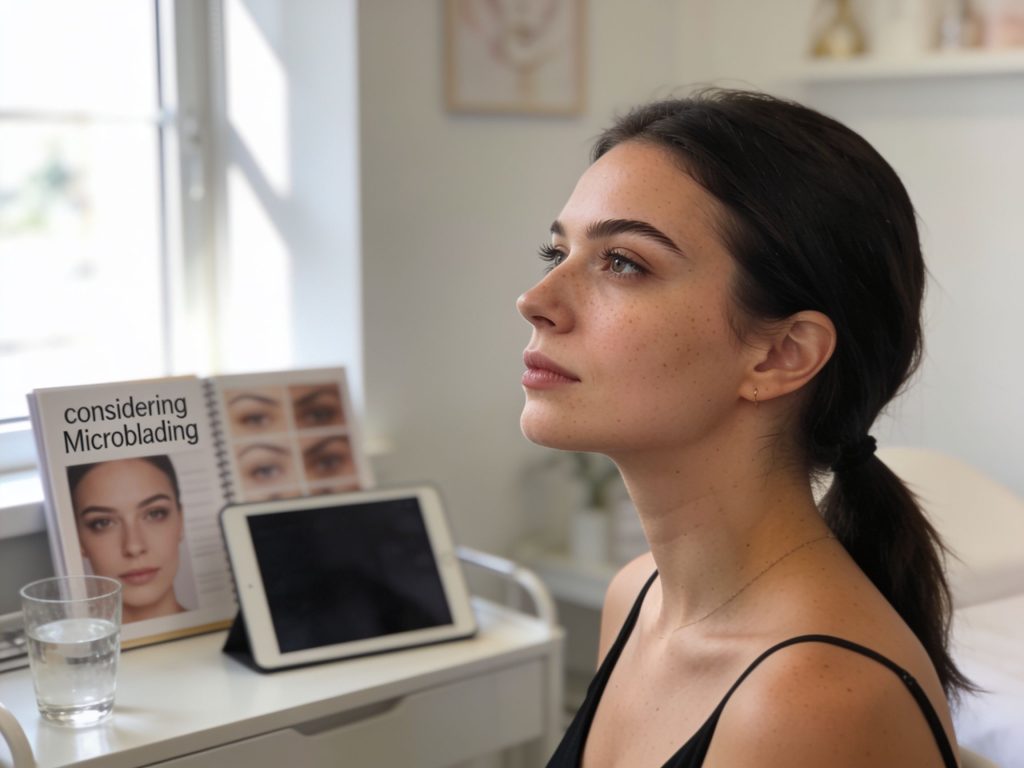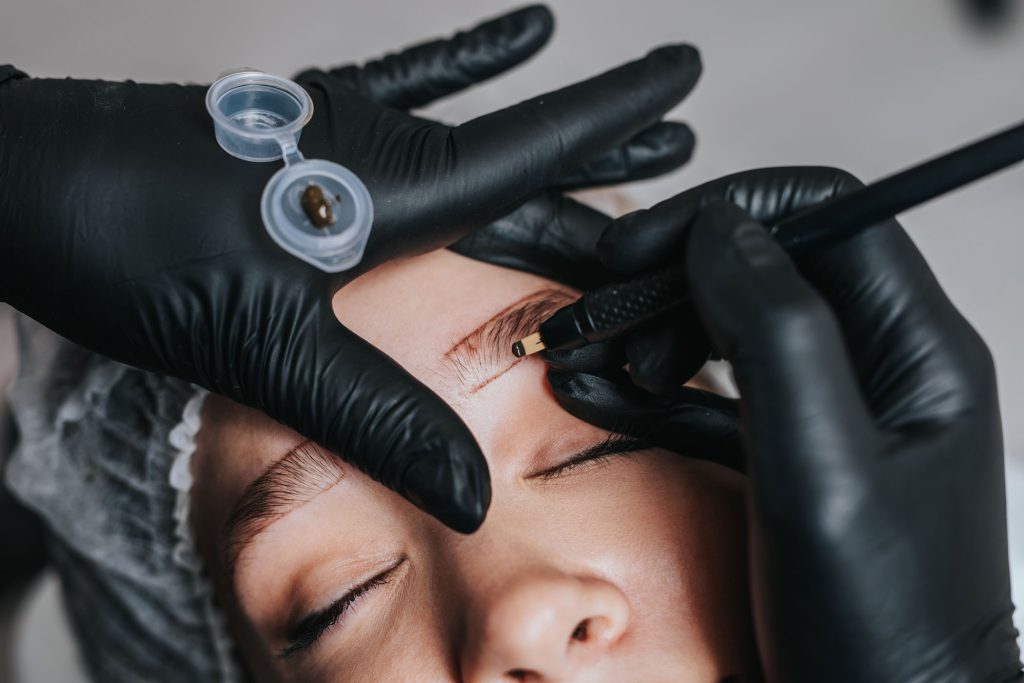
You’ve just had microblading done, and your brows look nothing like the photos you were shown at consultation. That’s completely normal, and it’s the part nobody warns you about clearly enough. Here’s exactly what happens to your brows, week by week, so you know what’s healing and what’s worth worrying about.
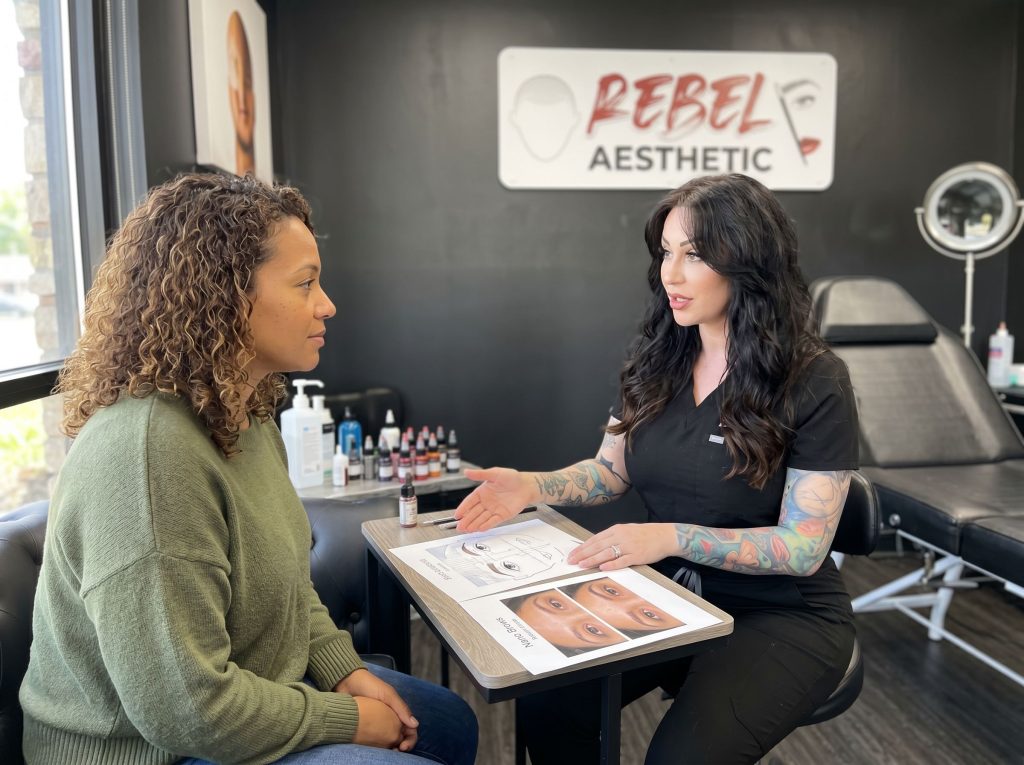
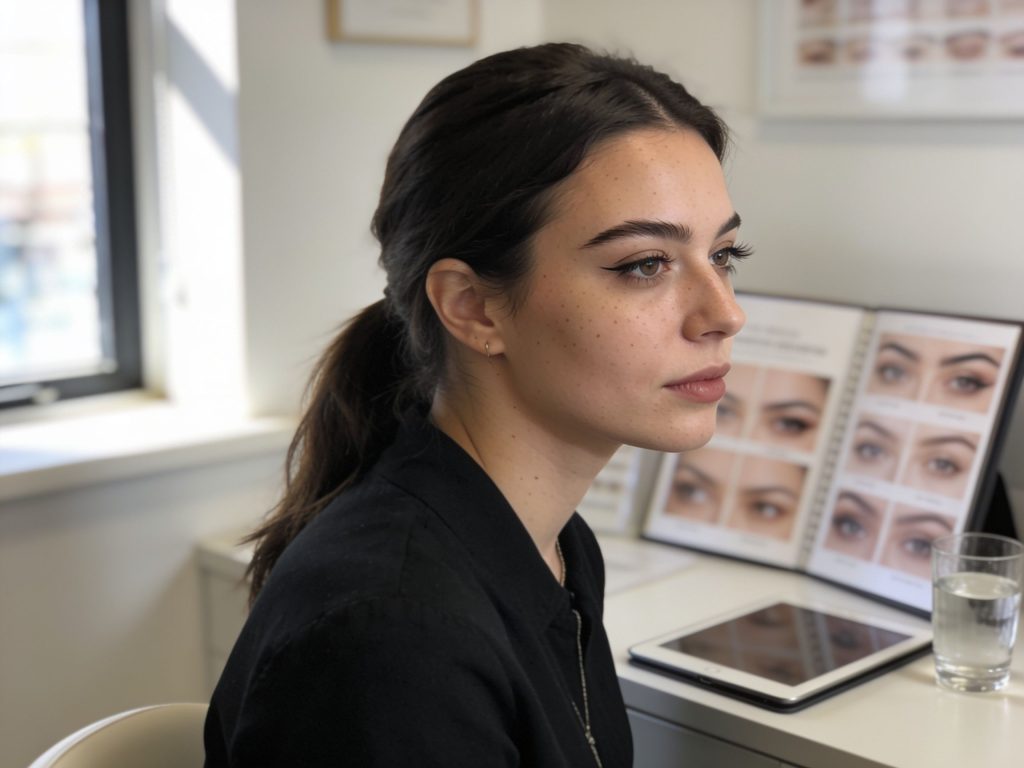
Microblading healing follows a fairly predictable pattern over four to six weeks, though full colour settling can take up to eight weeks in some cases. Knowing what each stage looks and feels like stops you panicking during the awkward middle bit, when your brows can look faded, patchy, or barely there at all. I walk every client through this timeline before they leave my chair, because the biggest source of anxiety isn’t the healing itself, it’s not knowing whether what you’re seeing is normal.
Days one to seven: bold, dark, and slightly swollen
Your brows will look darker and more intense than you expect for the first three to five days. This is pigment sitting on the surface of the skin rather than settled into it, and it’s meant to happen. Some clients also notice mild swelling or redness, particularly if their skin was more reactive during the procedure.
Tenderness is common for the first 48 hours, and the strokes will feel slightly raised, almost like a healing scratch. By day five or six, you’ll start to notice light flaking beginning at the edges of the brow. Resist the urge to touch, rub, or exfoliate the area during this stage, no matter how tempting it is.
Days seven to fourteen: scabbing, flaking, and the itch you must ignore
This is the stage that catches most people off guard. Thin, dry flakes form over the strokes and start lifting away, and the area can feel genuinely itchy. Picking or scratching at this scabbing is the single most damaging thing you can do during microblading healing, because it pulls pigment out unevenly and can leave patchy, faded strokes once everything settles.
Let flakes fall away on their own. It usually happens in clusters between days eight and twelve, and once they’re gone, the skin underneath often looks lighter and slightly patchy. That’s expected, not a sign anything has gone wrong.
Weeks three to four: the ghosting phase
Around week three, many clients hit what’s known as the “ghosting” phase, where the brows appear faded, grey-toned, or almost invisible in places. It can feel alarming if you’re not expecting it, especially after weeks of careful aftercare. This happens because pigment sits beneath the surface healing and hasn’t yet re-emerged through the fresh skin layer.
Ghosting typically lasts one to two weeks. It’s the point where clients message me convinced the treatment “didn’t take,” and it’s almost always followed by colour gradually returning over the following fortnight. Patience matters more here than at any other stage.
Weeks five to six: colour returns and true healing begins
By week five, most people see their strokes darkening again as pigment resurfaces through the healed skin. The brows start to look more like the crisp, defined shape you were shown at consultation, though the tone may still be a touch lighter than the final healed colour will settle to.
Some lightening of 30 to 50 percent during this healing window is completely standard for microblading, so don’t judge your final result against how dark the brows looked on day one. Full colour maturity, where the pigment has properly settled into its lasting tone, usually arrives by week six.
Weeks six to eight: settled results and the touch-up appointment
By the eight-week mark, your brows should reflect the genuine healed outcome: strokes visible, tone even, shape settled. This is also when most artists schedule a touch-up session, because microblading rarely heals perfectly evenly on the first pass. Small gaps, patchy areas, or unevenly retained strokes get corrected at this appointment, refining the final look.
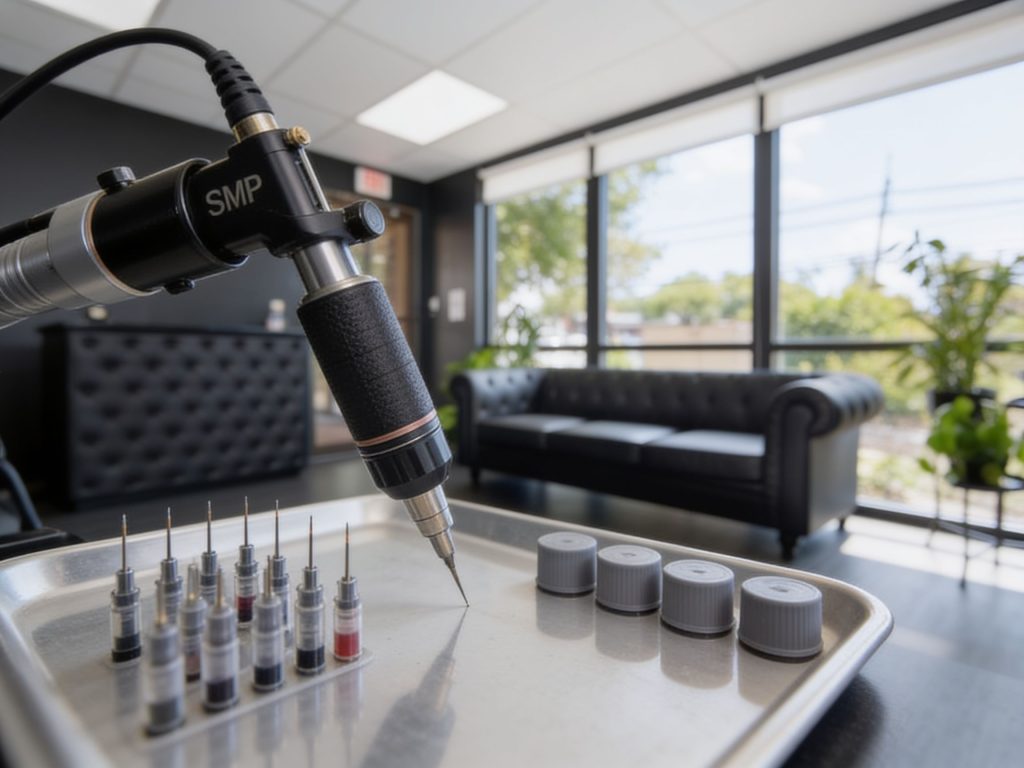
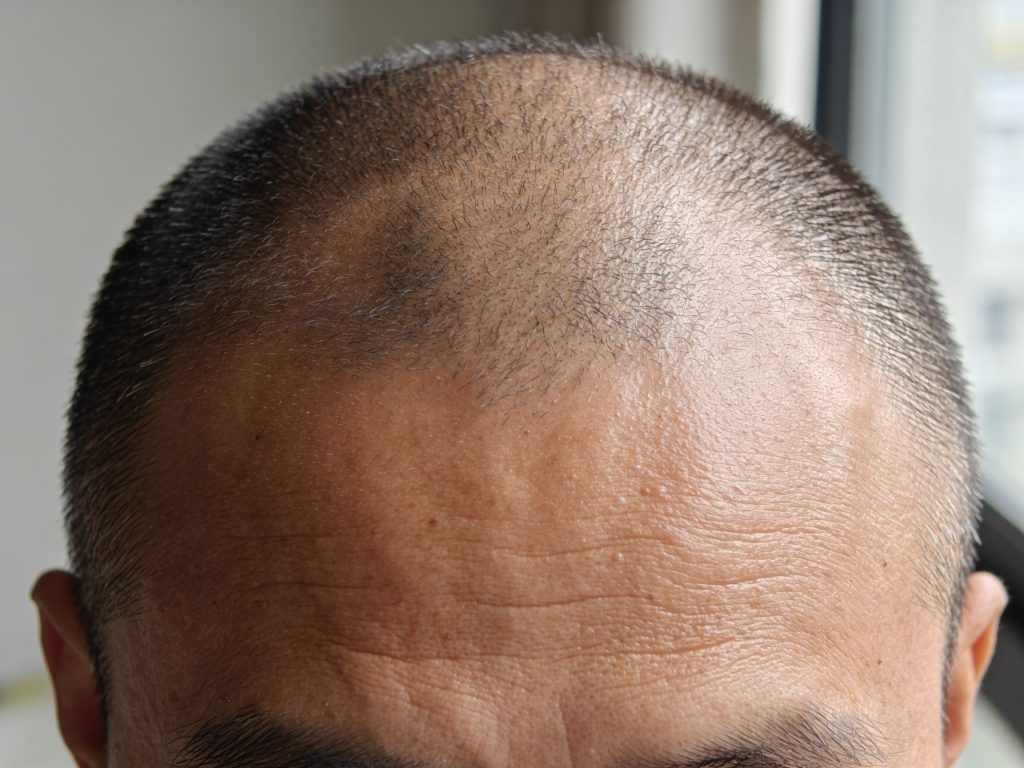
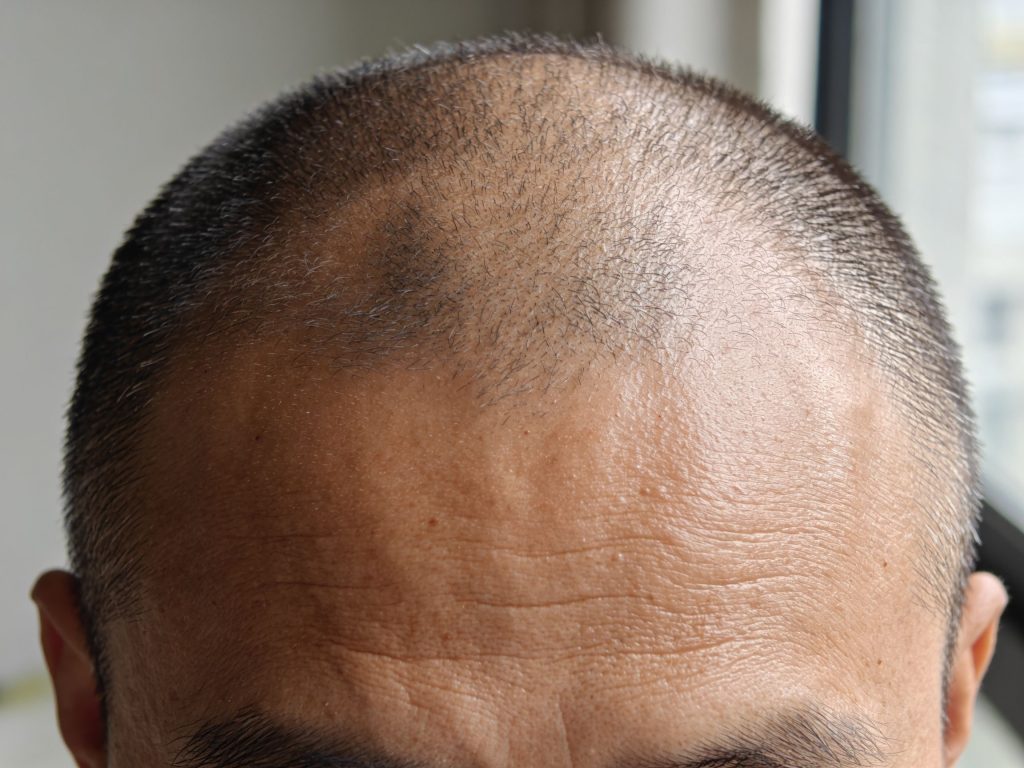
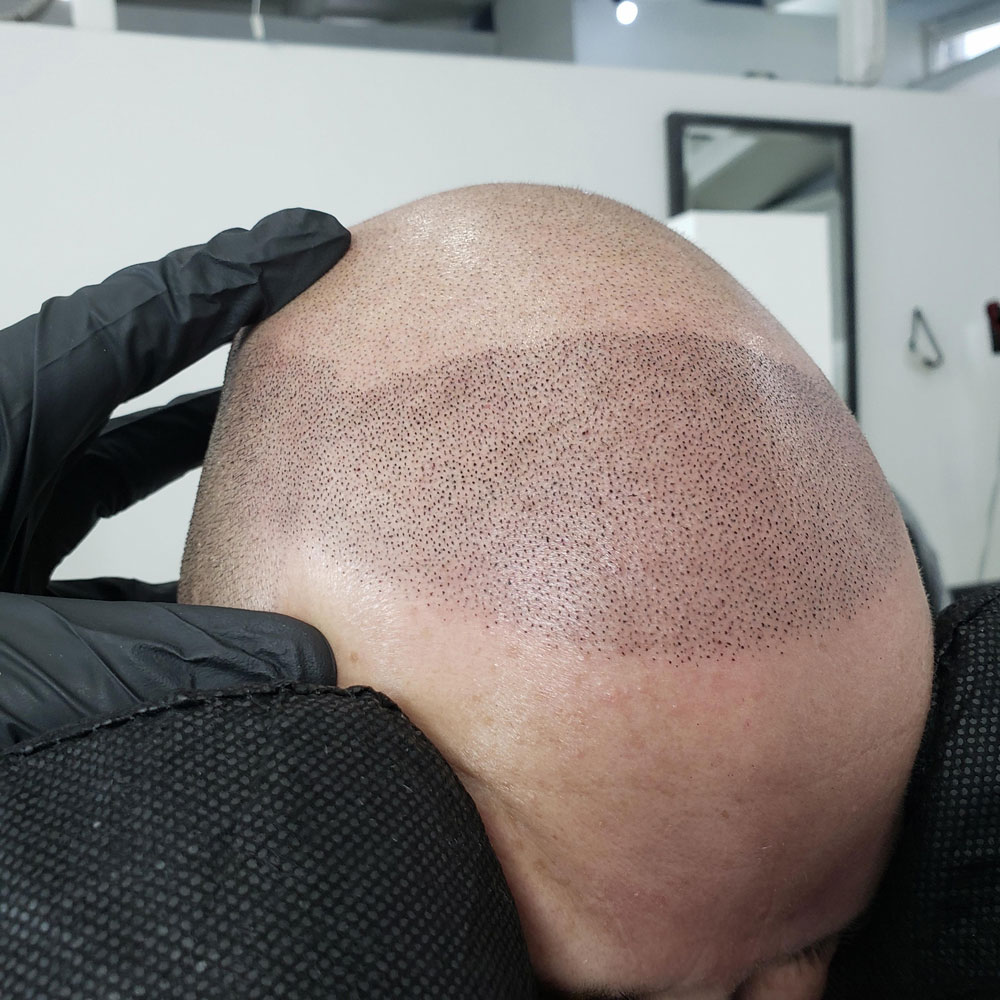
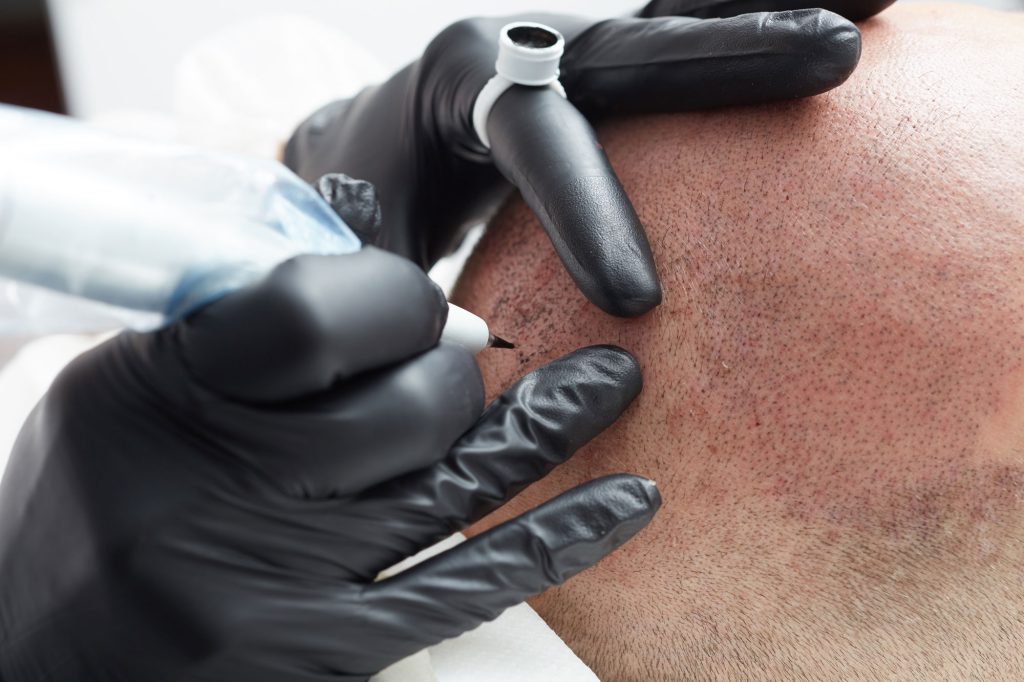
If you’re also considering scalp micropigmentation alongside brow work, the same principle applies there: SMP heals in stages too, and a follow-up session is standard practice rather than a sign the first appointment underperformed.
Microblading aftercare instructions that actually protect your result
Following clear microblading aftercare instructions in the first ten days has more influence on your final result than almost anything else, including the technique used during the appointment itself. Avoid water directly on the brow area, sweat-inducing exercise, makeup, and direct sun exposure for seven to ten days. Each of these can lift pigment prematurely or introduce bacteria into healing skin.
Sleep on your back where possible to avoid rubbing the area against a pillow. Apply only the aftercare balm your artist provides, in the thin layer they recommend, rather than reaching for whatever moisturiser is in your bathroom cabinet. And never pick at scabs or flakes, even the tiny stubborn ones that seem ready to come away. Doing so is the most common cause of patchy, uneven healed results that need extra correction at the touch-up stage.
What the fully healed result actually looks like
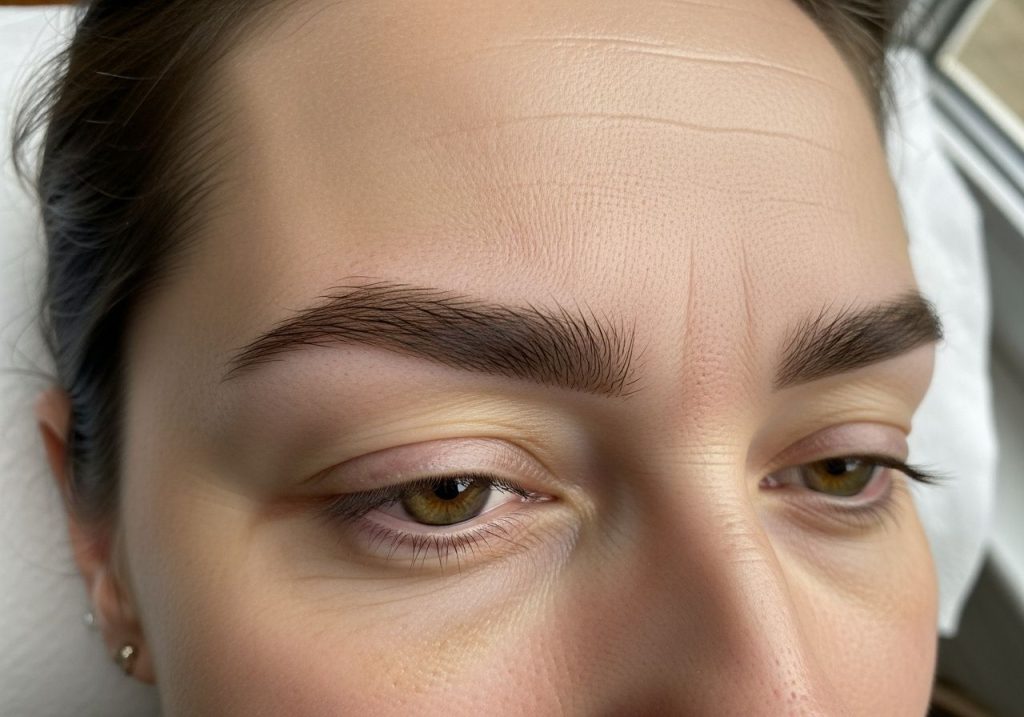
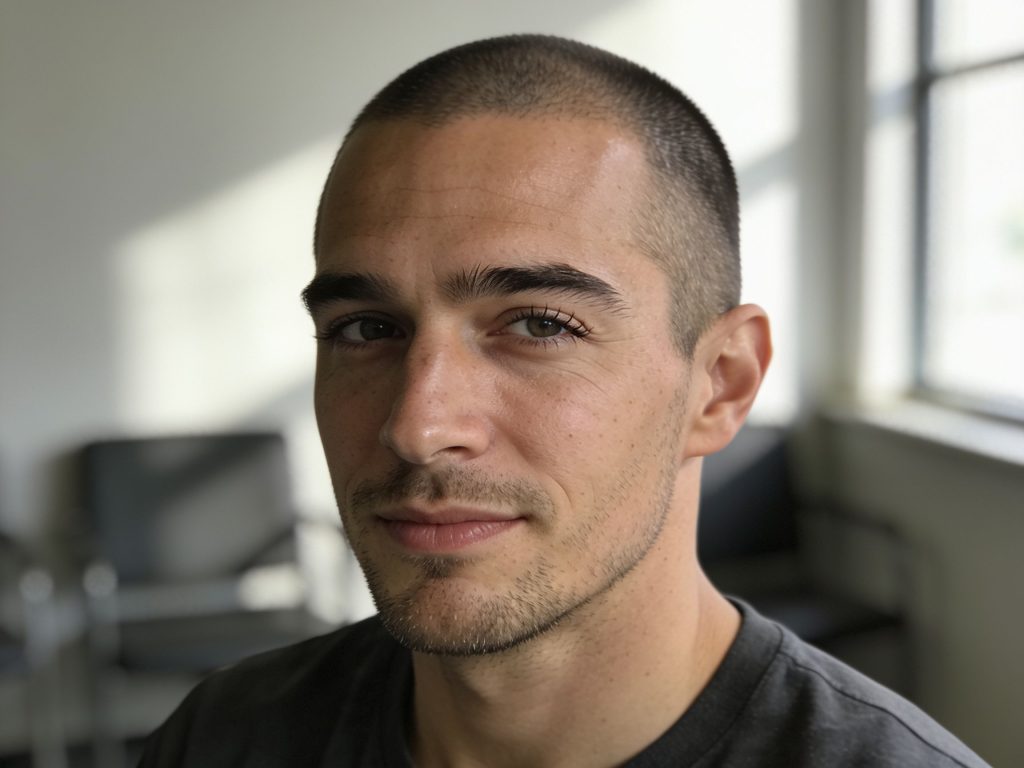
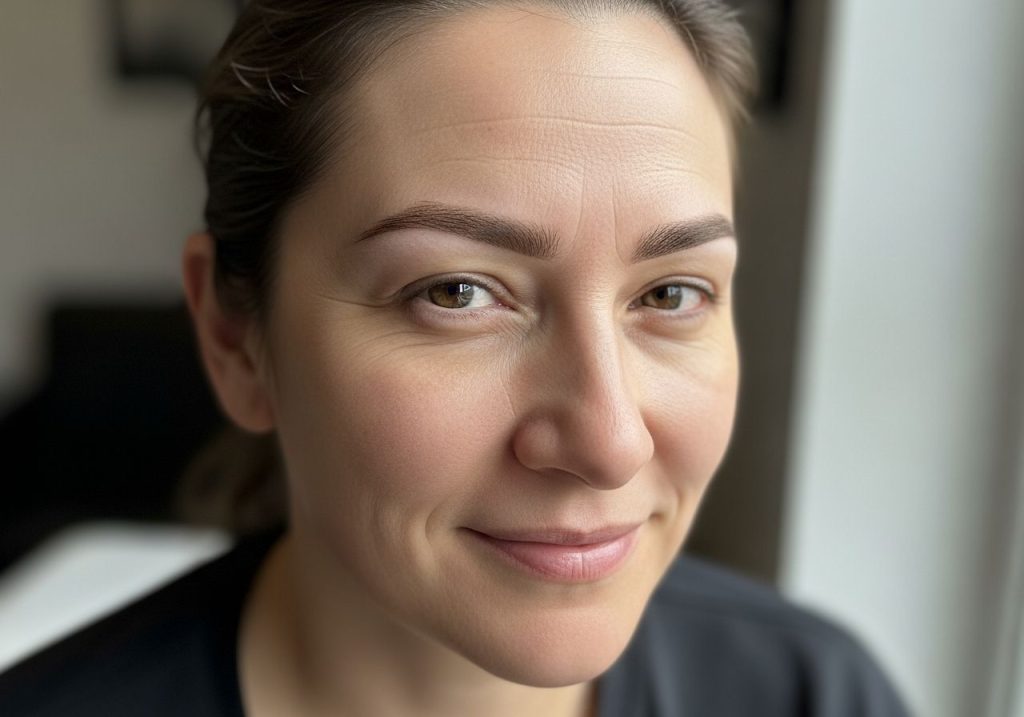
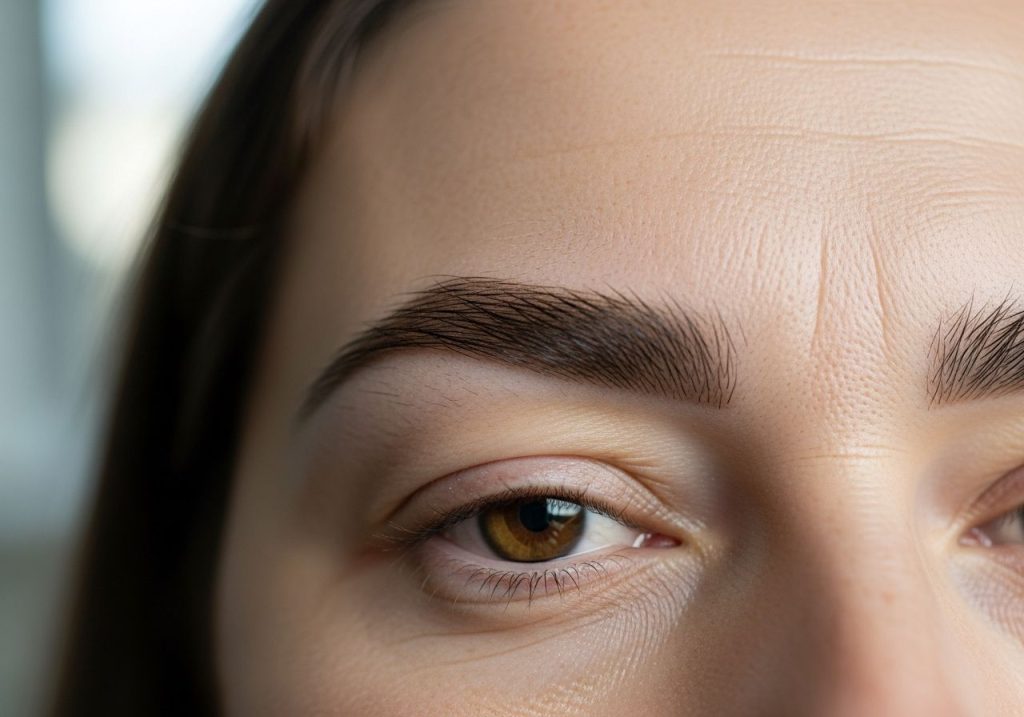
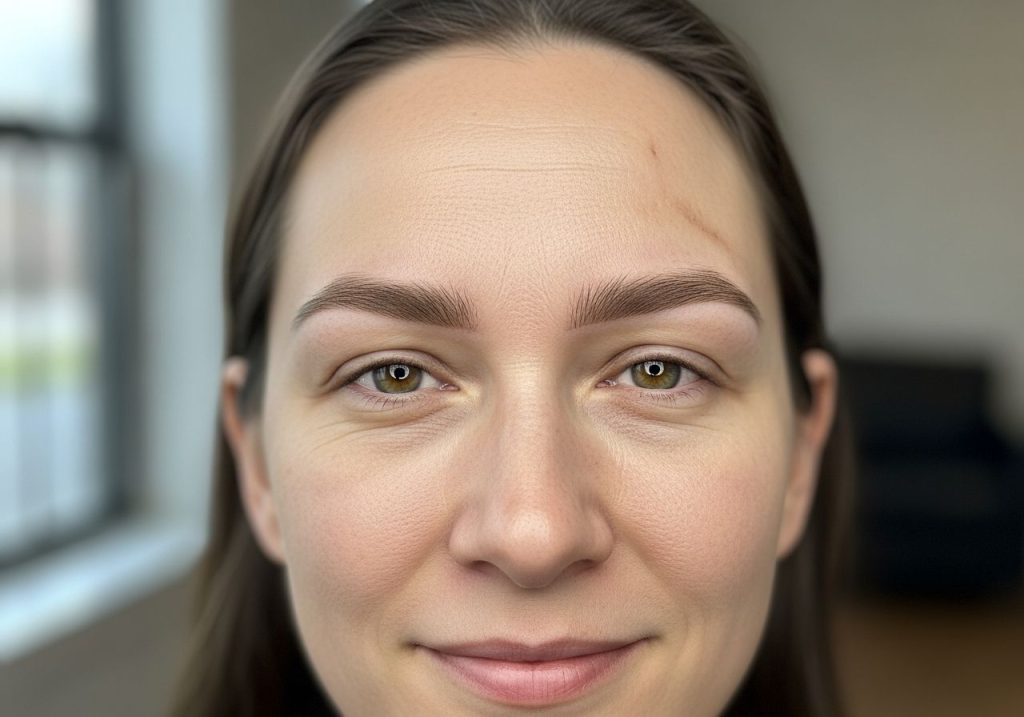
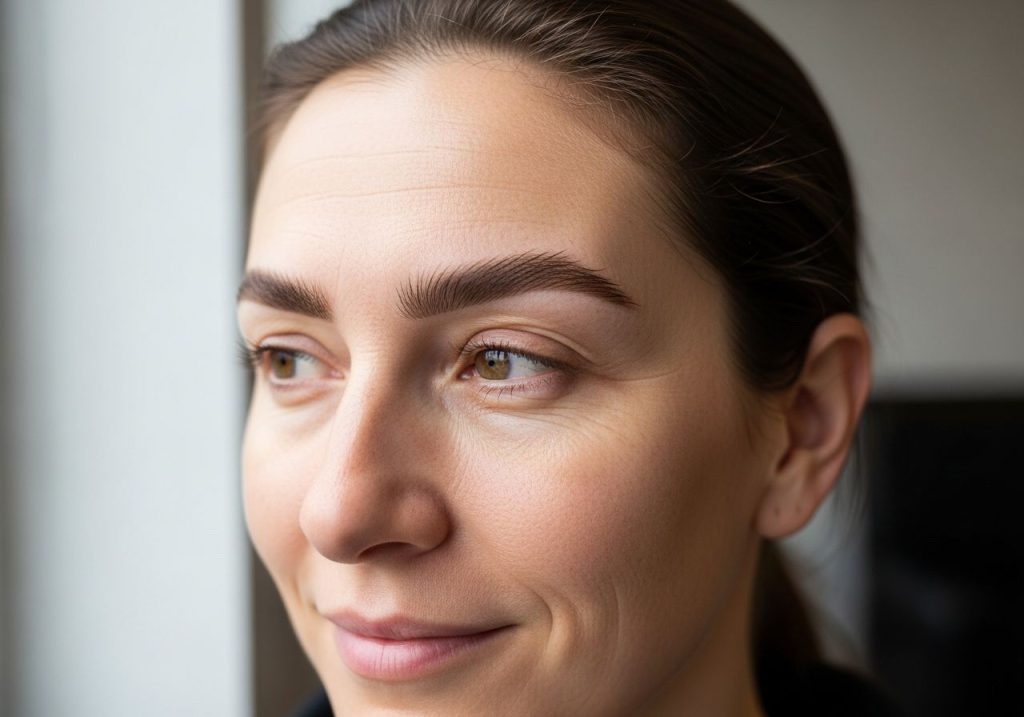
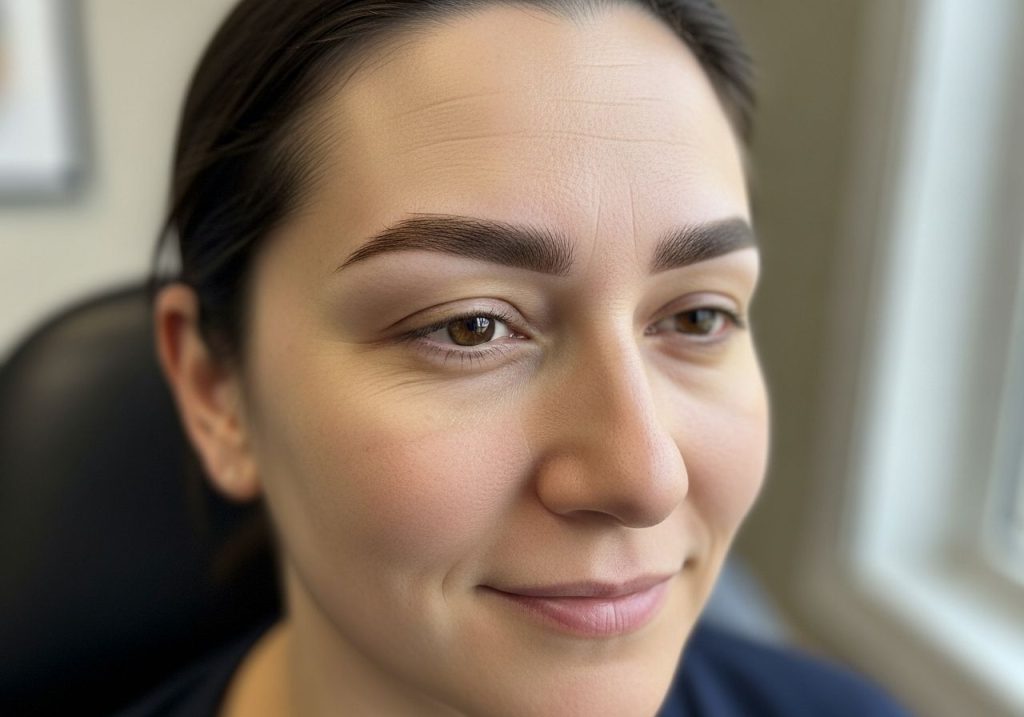
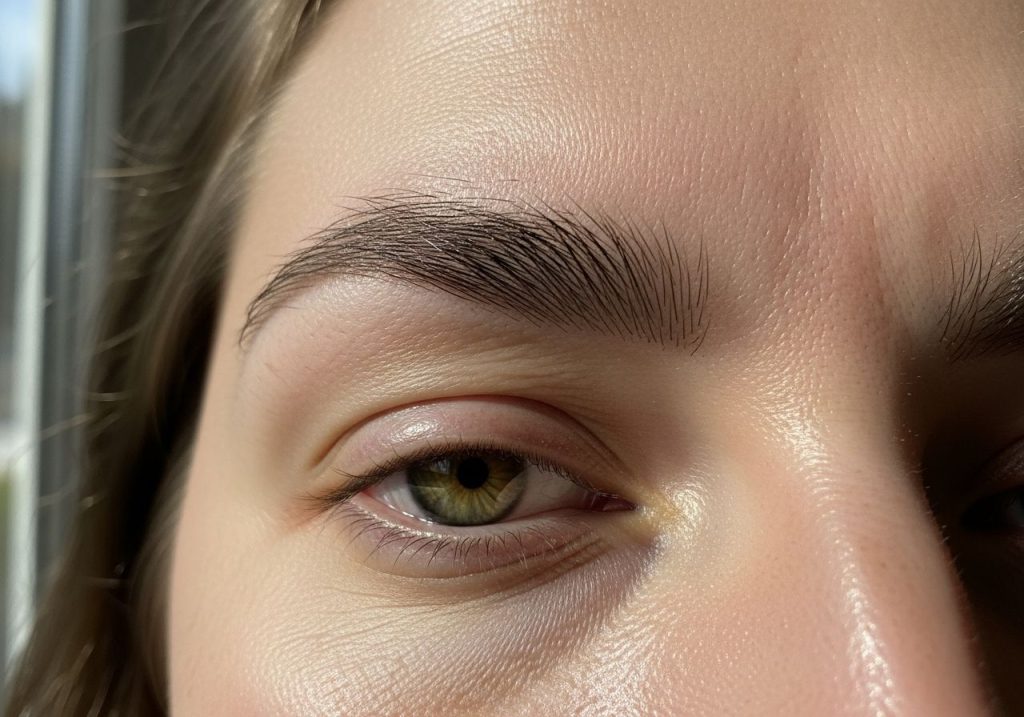
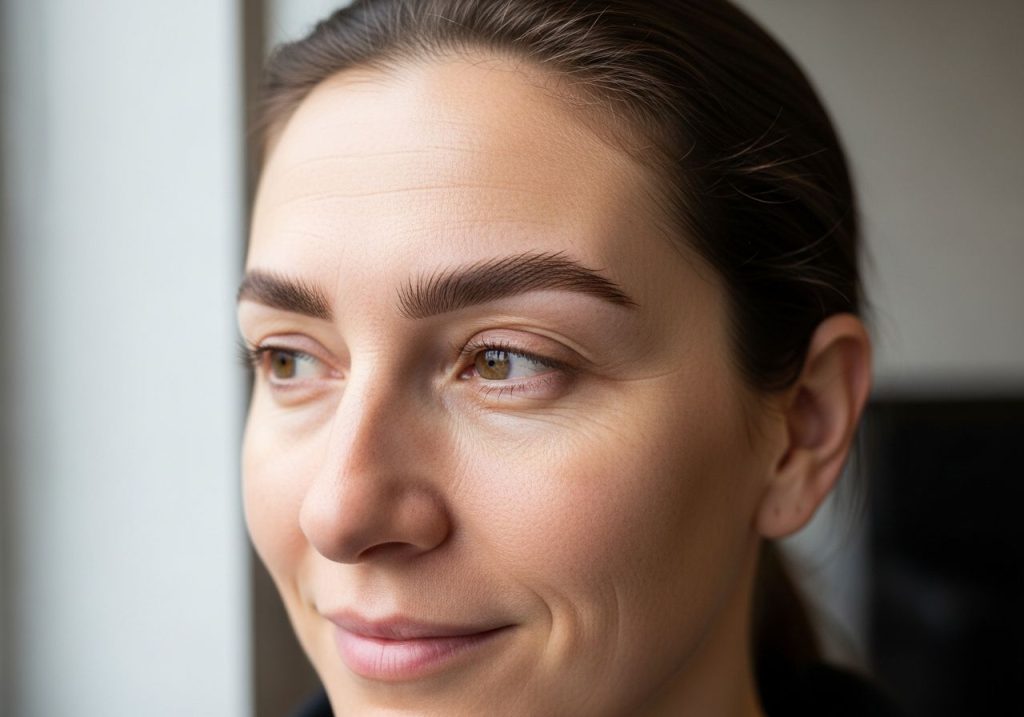
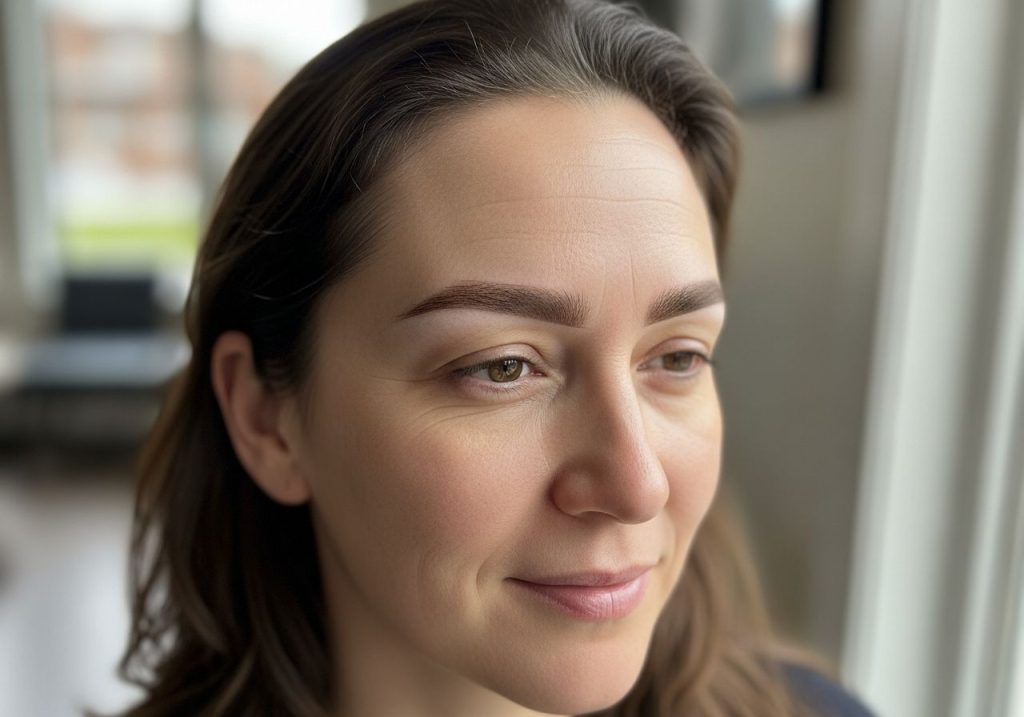
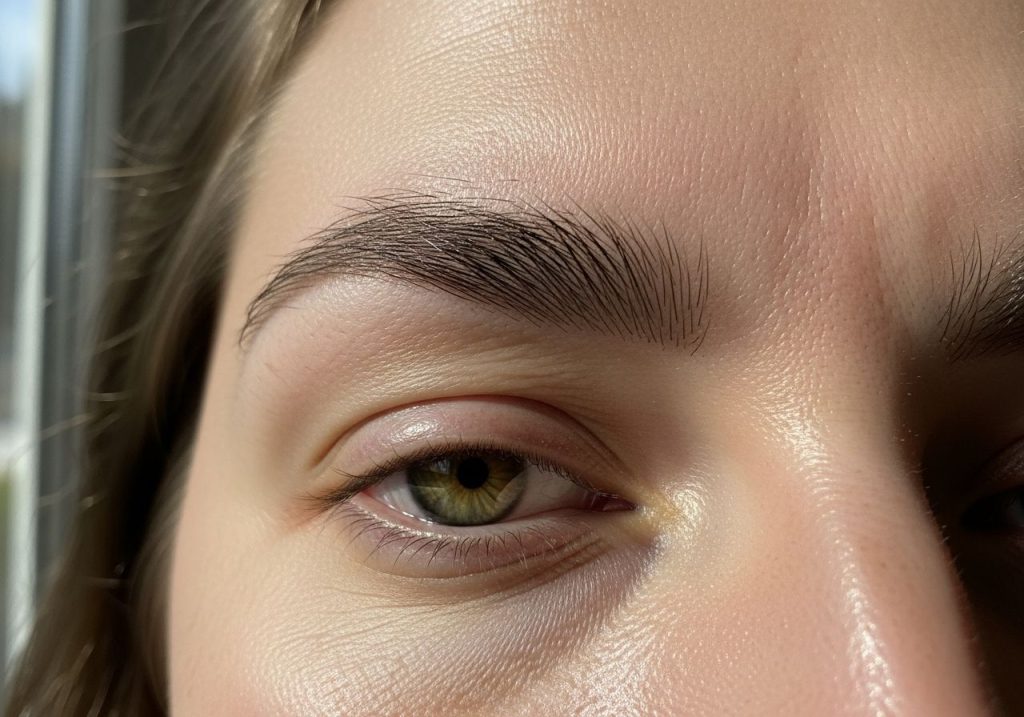
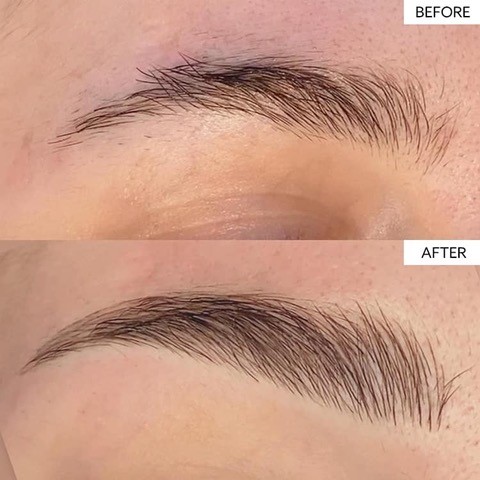
A properly healed set of brows at week eight should show crisp, hair-like strokes, even tone across the brow, and a shape that sits naturally with your bone structure rather than looking drawn on. Colour will have softened slightly from the initial healing intensity to a tone that reads as natural rather than graphic.
Microblading isn’t the right fit for everyone. Very oily skin types tend to see strokes blur faster and hold colour less precisely than dry or normal skin, and certain skin conditions or medications can affect suitability. A proper consultation should always cover this before booking, rather than after.
Frequently Asked Questions
How long does the full microblading healing timeline take?
Most microblading heals within four to six weeks, though some clients see the truly final, settled colour by week eight. The visible stages, bold colour, scabbing, ghosting, and colour return, follow a fairly predictable order during that window.
Why do my brows look patchy during week three?
This is the ghosting phase, a normal stage where pigment sits beneath fresh healing skin and appears faded or grey-toned. It typically resolves within one to two weeks as colour resurfaces, and it isn’t a sign the strokes have failed.
Is it normal for microblading to look much darker at first?
Yes, brows typically look 30 to 50 percent darker and bolder in the first week than the final healed result. Pigment sits on the surface initially and softens considerably as healing progresses over the following weeks.
What are the most important microblading aftercare instructions?
Keep water, sweat, makeup, and direct sun off the treated area for seven to ten days, apply only the recommended aftercare balm, and never pick at flaking or scabbing skin. These steps protect even pigment retention during healing.
Will I need a touch-up appointment after microblading?
Most artists schedule a touch-up around six to eight weeks after the initial appointment. Microblading rarely heals perfectly evenly the first time, so this session corrects patchy areas and refines the shape once healing is complete.
Ready to talk it through?
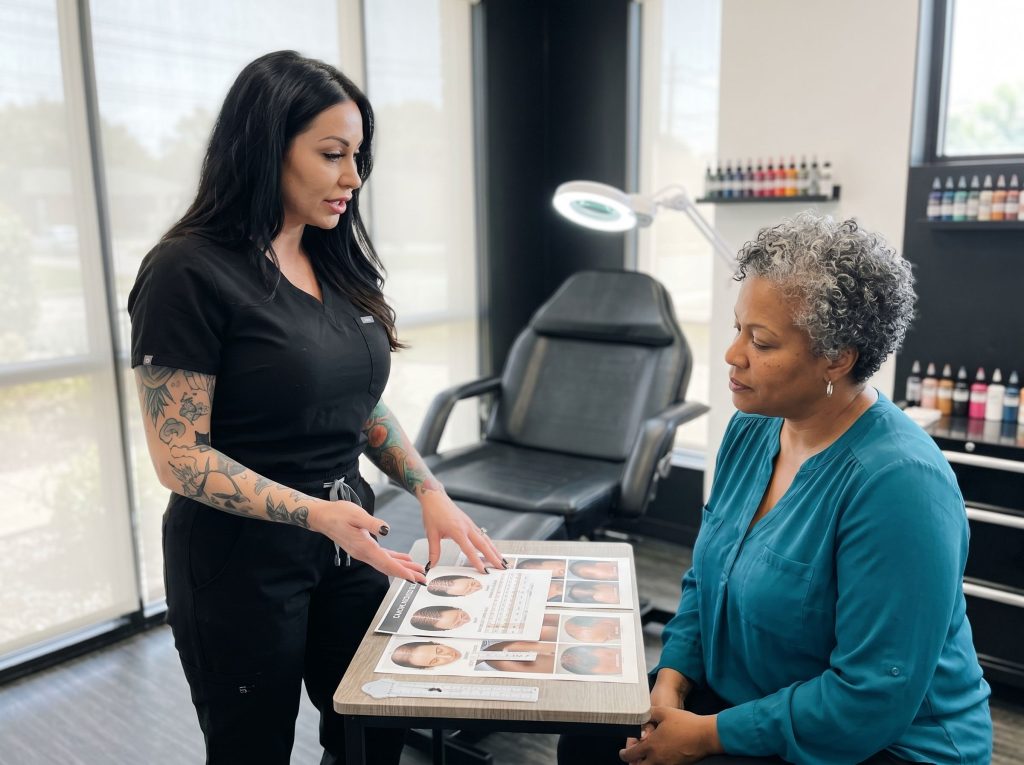
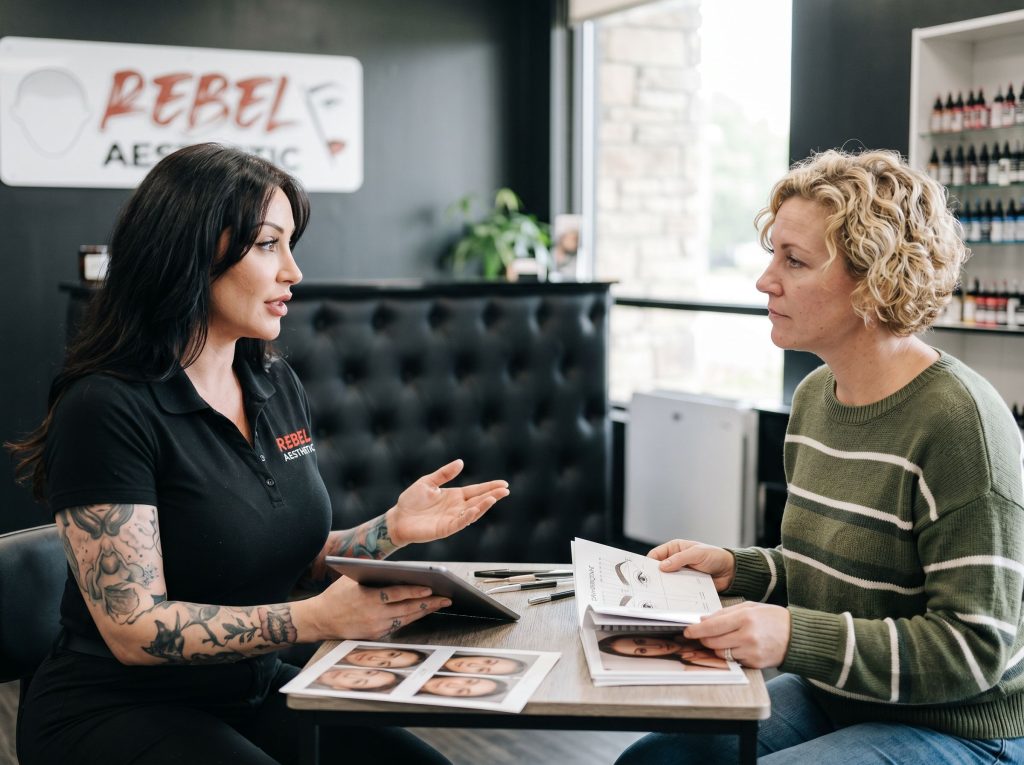
Rebel Aesthetic in Philadelphia offers a personal consultation to answer your questions and recommend the right approach for you. Get in touch with Rebel Aesthetic to book your consultation.