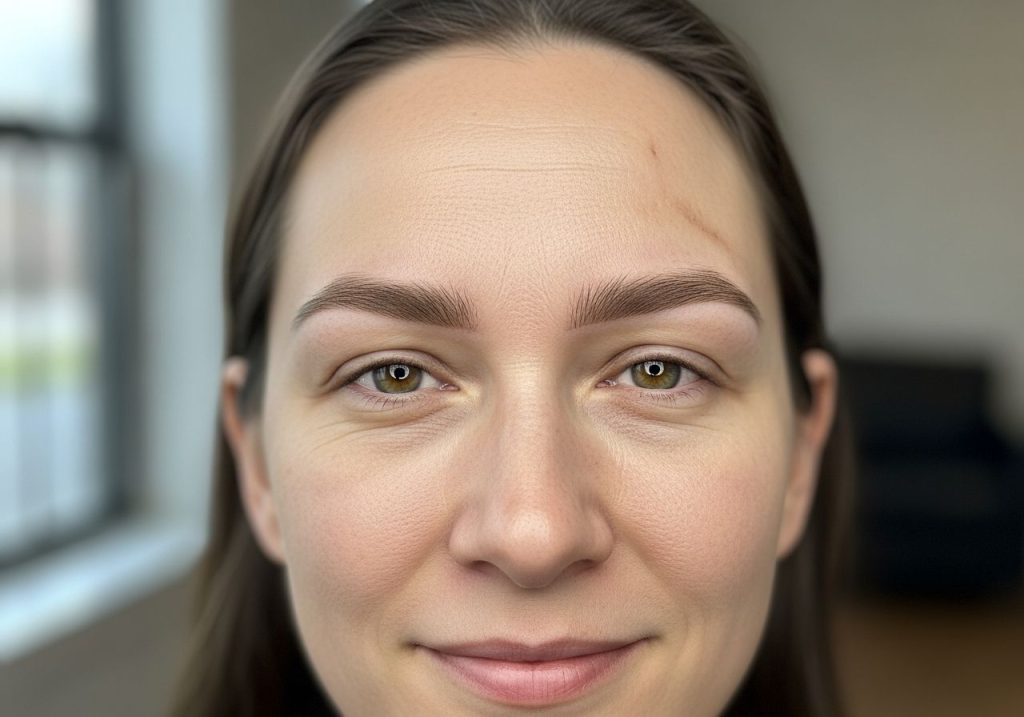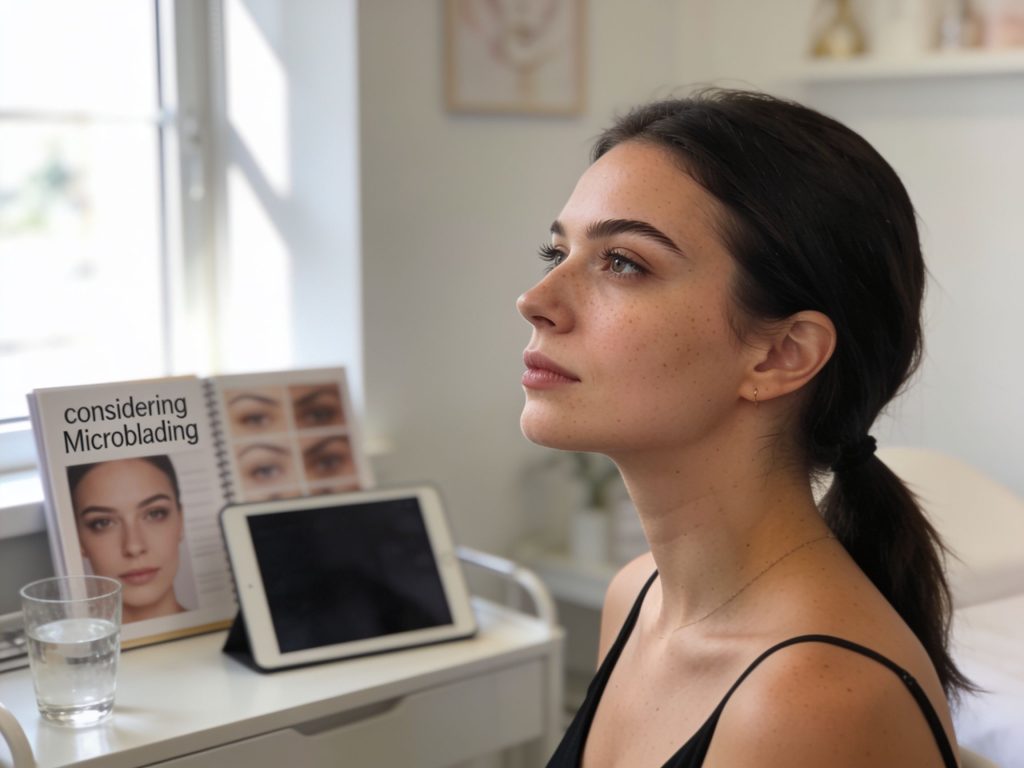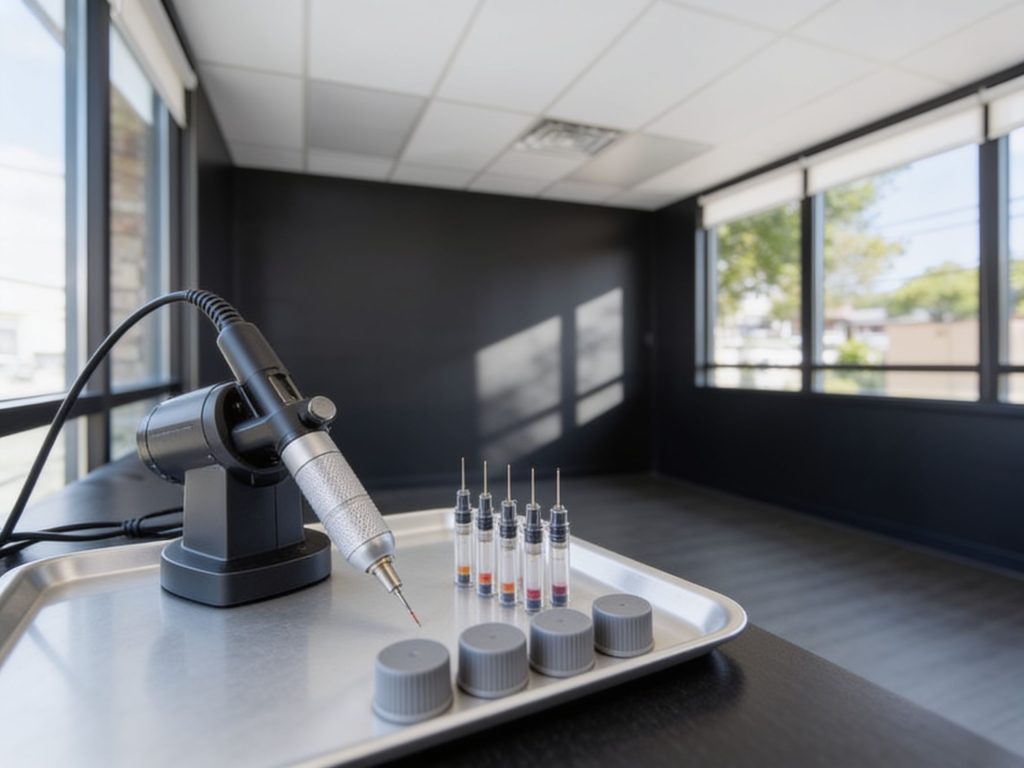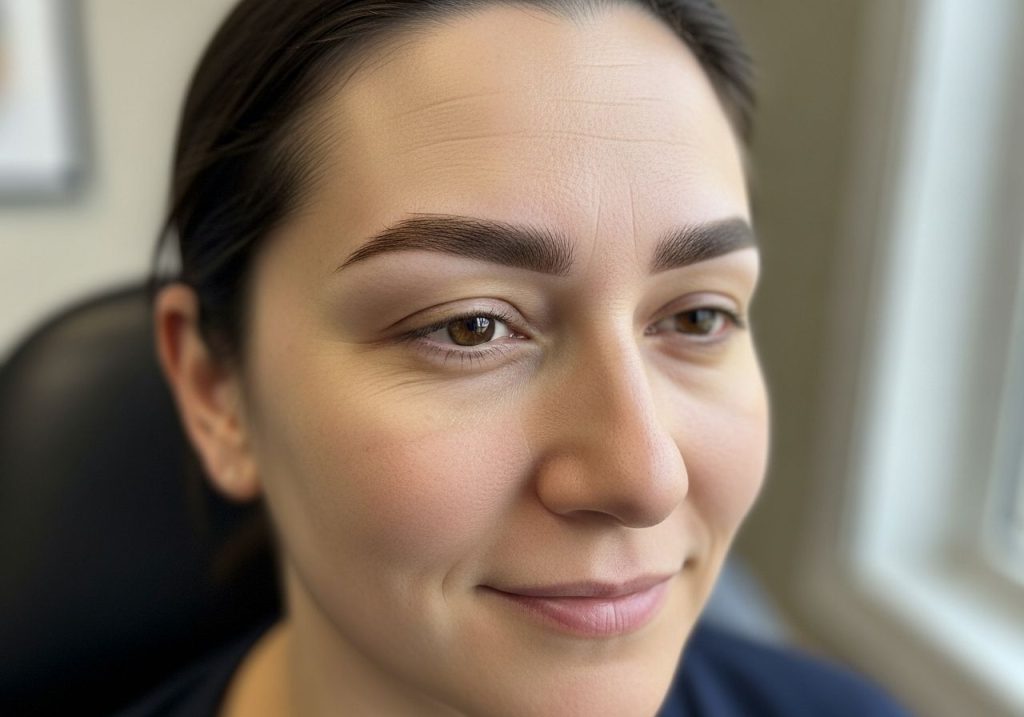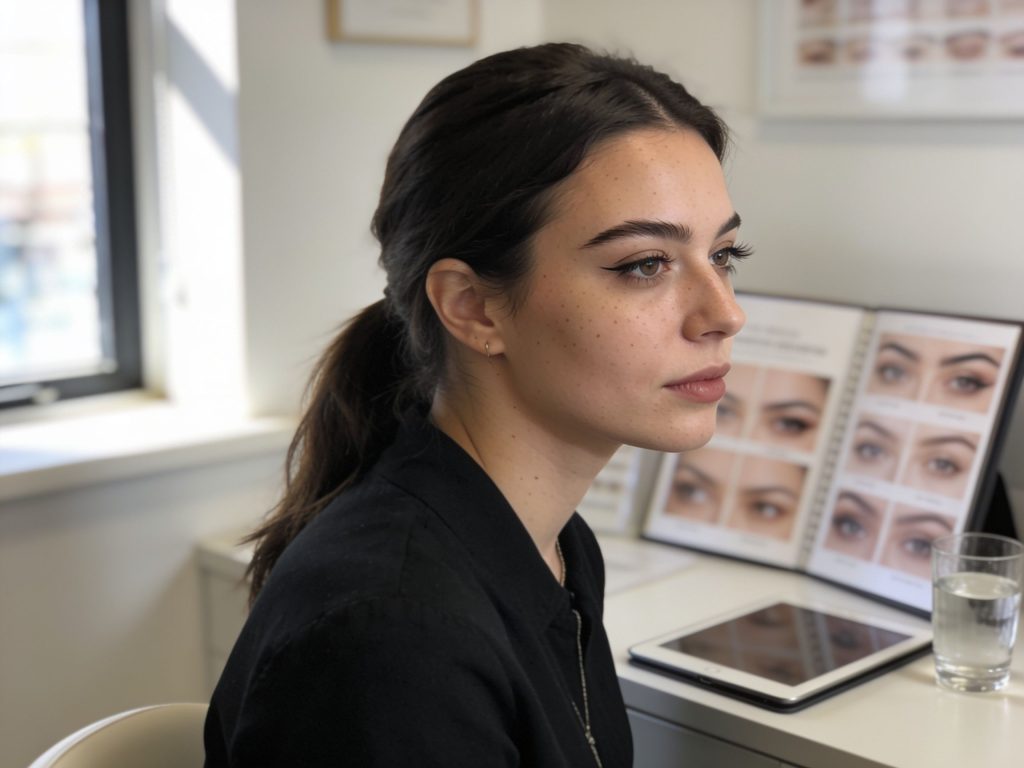
You’ve done the research, saved the inspiration photos, and you’re seriously considering combo brows, but you’re not quite sure what the journey actually looks like, day by day. That’s exactly what this article covers. By the end, you’ll know what to expect at every stage, from consultation through to fully healed results, so nothing catches you off guard.
1. Combo brows combine two techniques for one natural result
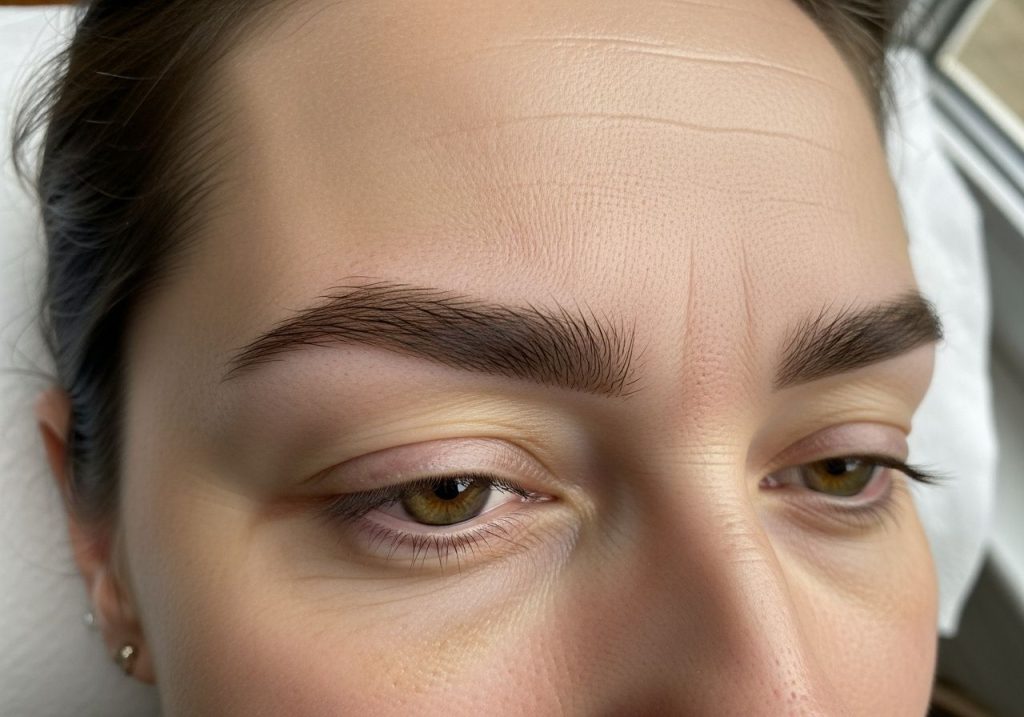
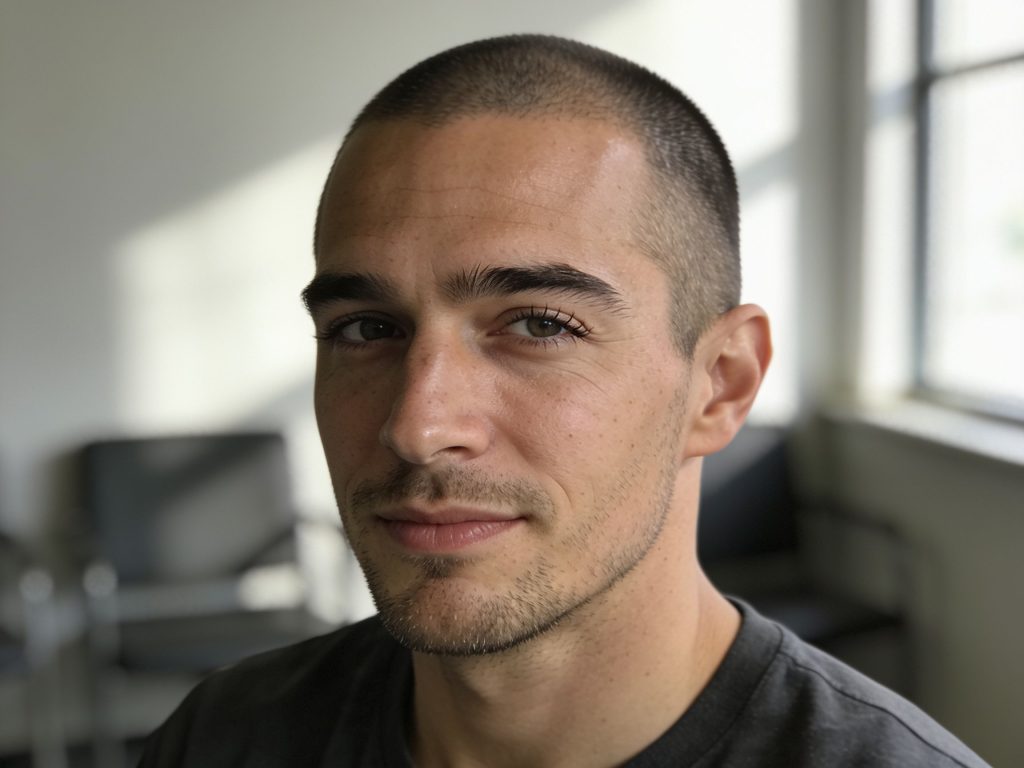
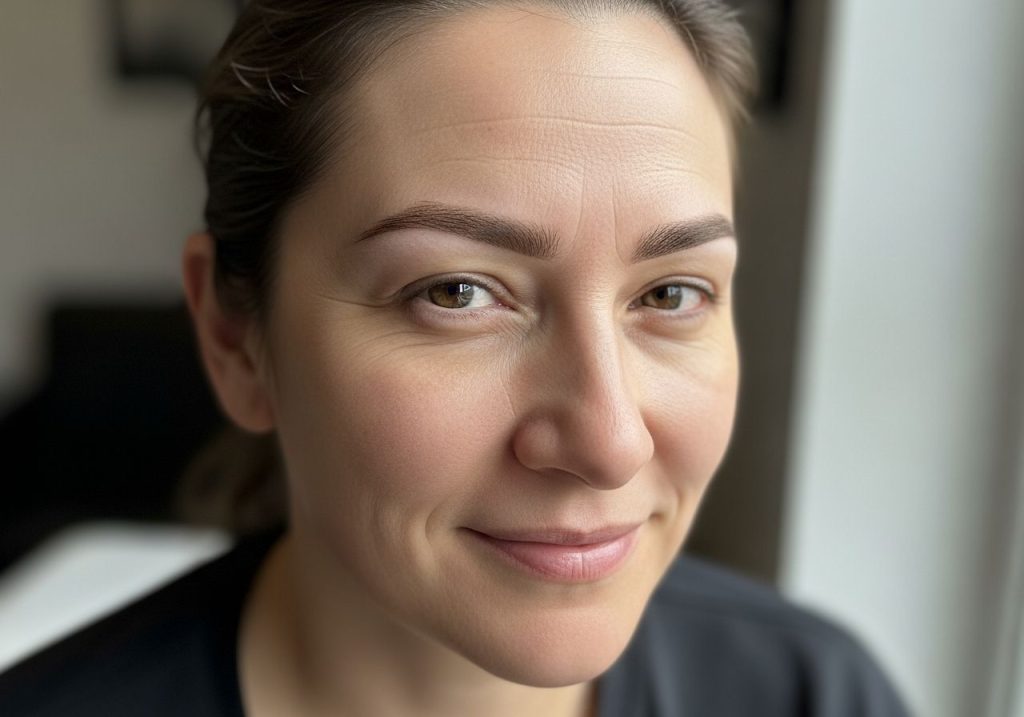
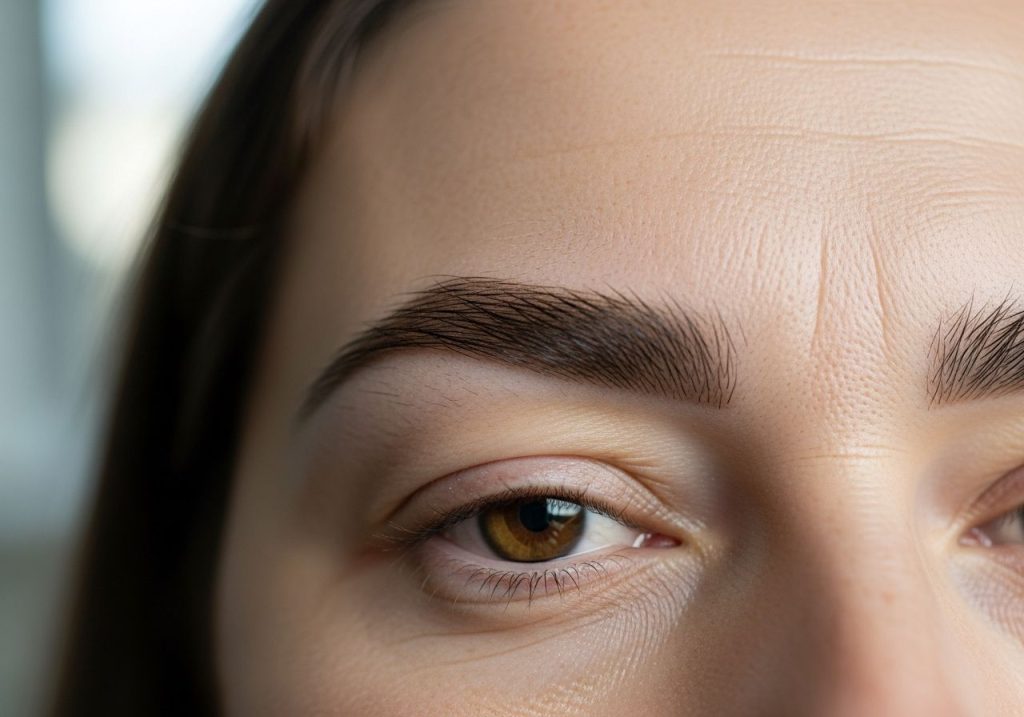
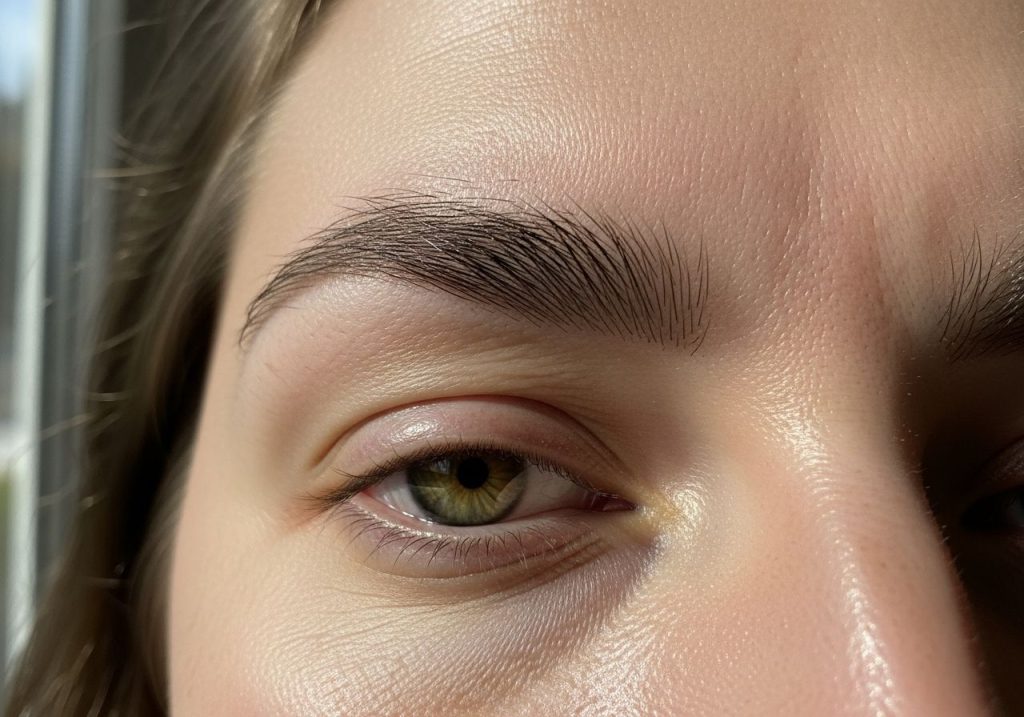
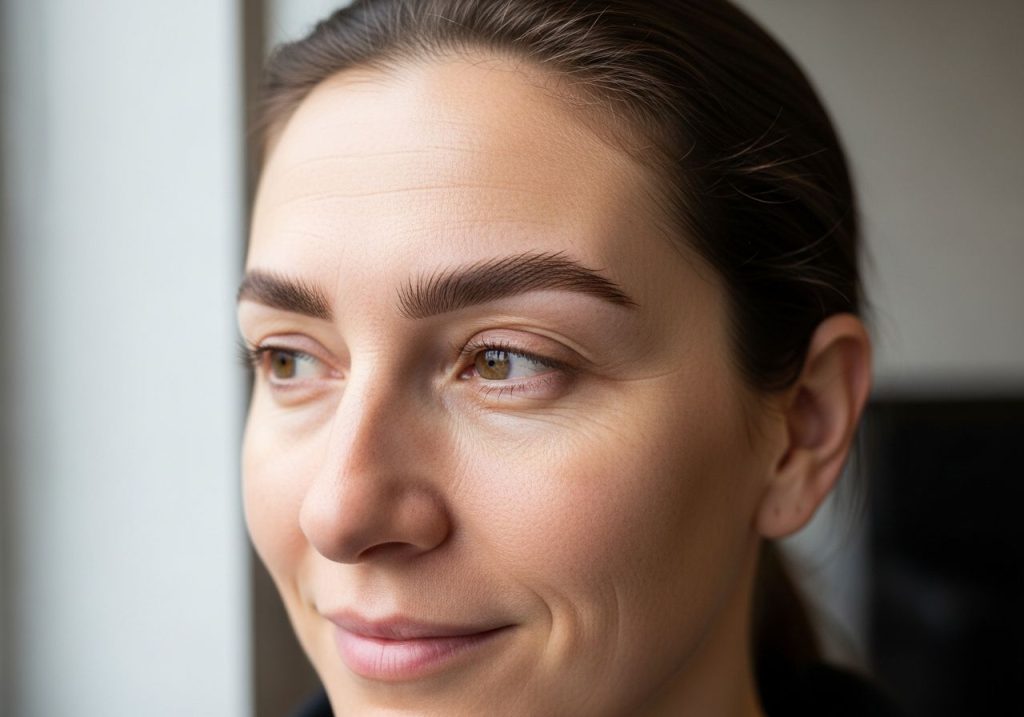
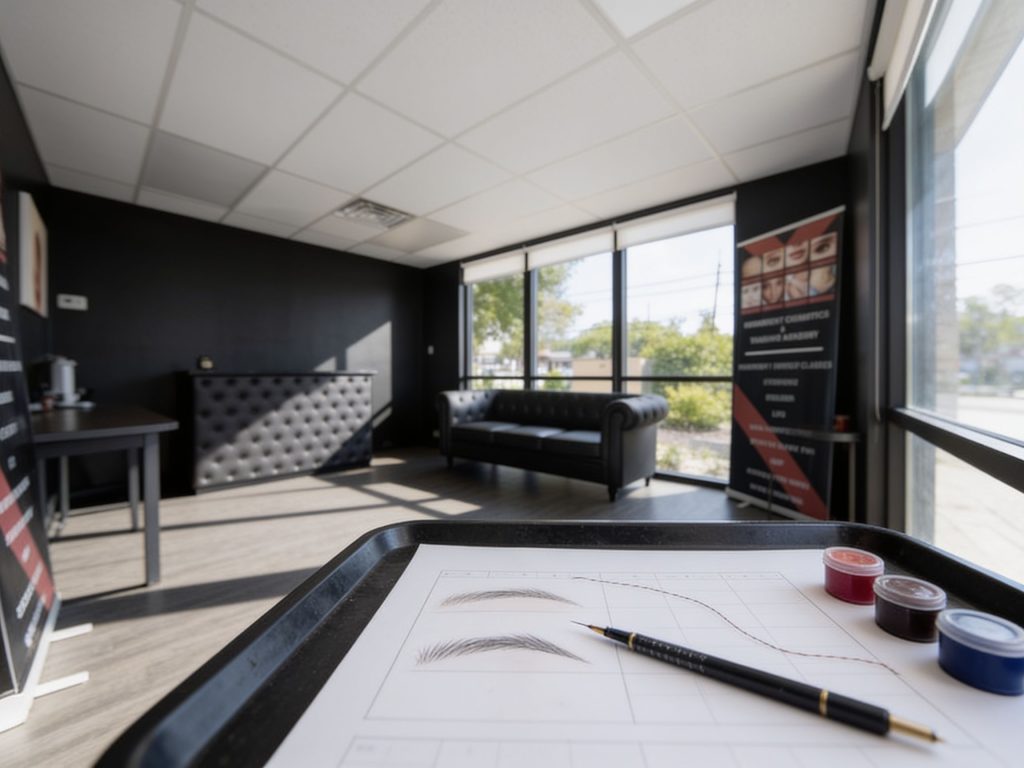
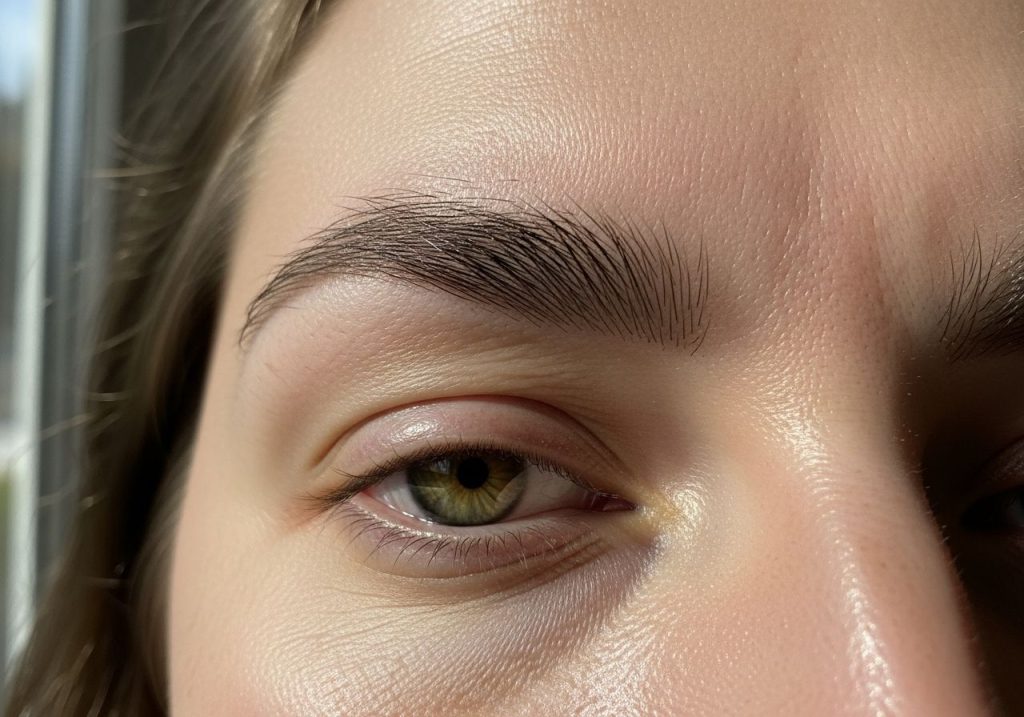
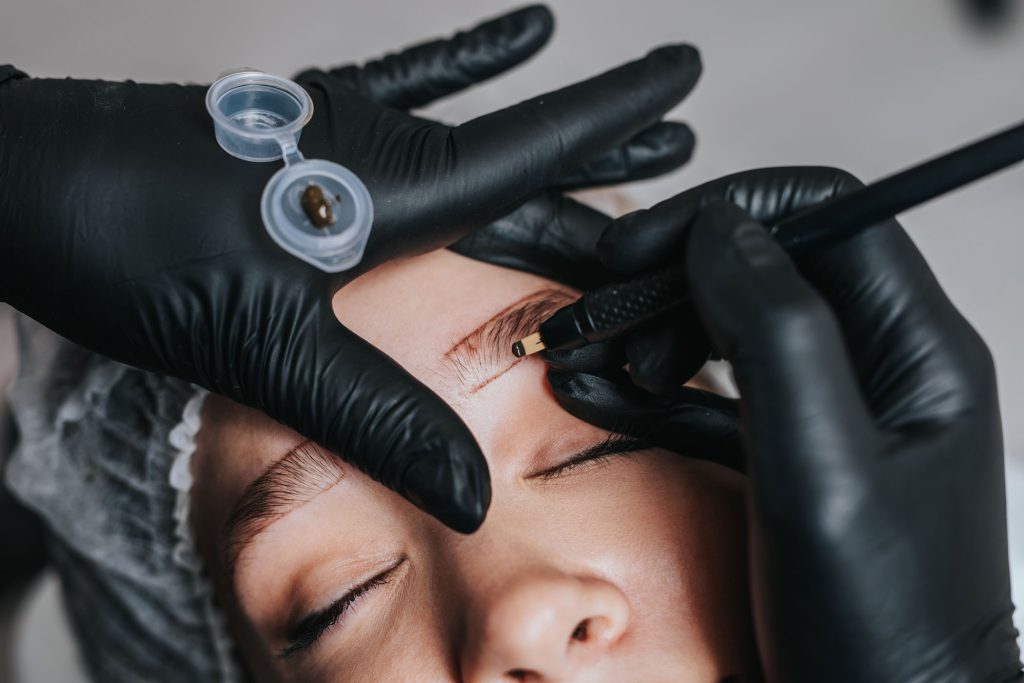
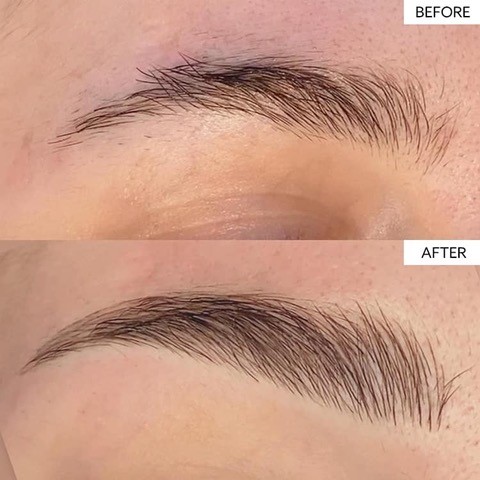
Combo brows are a permanent cosmetic technique that blends hair-stroke work with soft powder shading. The hair strokes create the look of individual brow hairs at the front and edges, while the shading fills in the body of the brow for depth and definition. The result is fuller than hair strokes alone, but softer and more natural-looking than a solidly filled brow.
This combination suits a wide range of skin types and brow concerns, making it one of the most versatile options available in permanent makeup. It is often recommended to clients who want dimension rather than a flat, uniform look. It is particularly effective for those with sparse or uneven brows who still want a result that reads as believably natural.
2. Your brows will look darker immediately after the session
This is the part that surprises almost everyone: your brows will appear significantly darker and bolder right after the appointment than they will once healed. That is completely normal. The pigment sits at the surface of the skin in those first few days and will soften considerably as your skin heals.
Expect around 30–50% lightening during the healing process. That is not a flaw in the result; it is exactly how permanent makeup is designed to work. A skilled artist will work slightly darker than the target healed shade because the skin will naturally diffuse the colour over the following weeks. Clients who know this going in are far less likely to panic on day three.
3. The healing process has distinct stages you will move through
Days one to four: your brows will look bold and defined, and may appear slightly swollen or red around the treated area. Days four to seven: the surface will begin to flake and peel. This is normal skin regeneration. Do not pick at it, as doing so can pull pigment unevenly and affect your healed result.
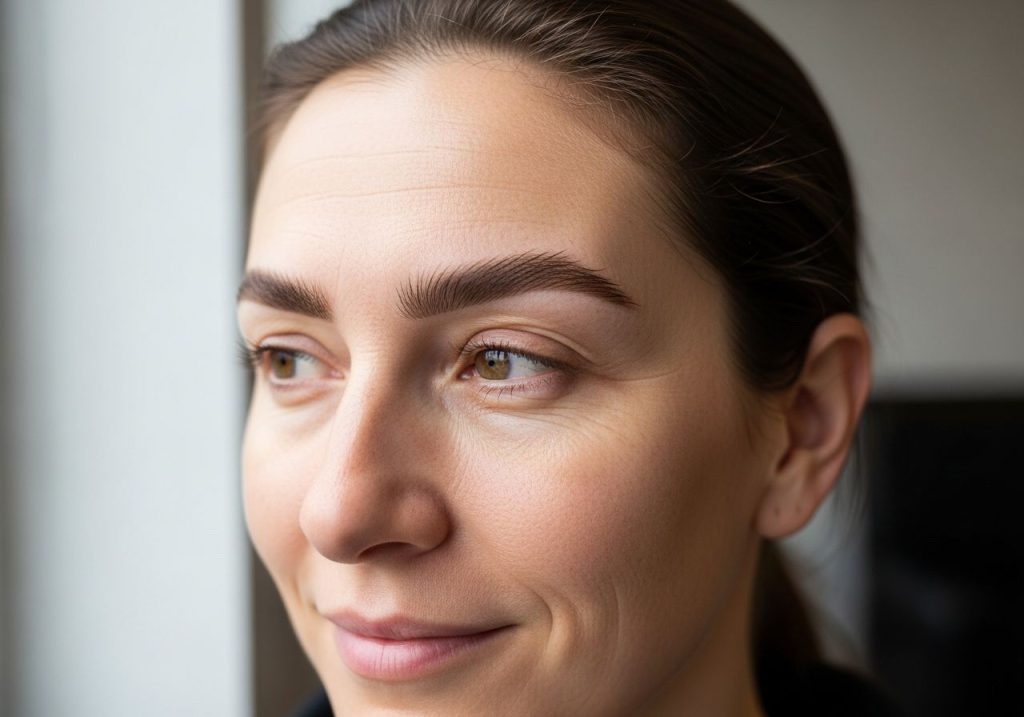
Around days seven to ten, the brows may look lighter or even patchy as the outermost layers shed. This is sometimes called the ghost phase and it is temporary. By weeks four to six, the colour settles beneath the skin and your true healed result becomes visible. That is the result to judge, not what you see in the first fortnight.
Throughout healing, avoid water, sweat, makeup, and direct sun on the treated area for the first seven to ten days. Sunscreen becomes essential after that, since UV exposure is the fastest way to fade permanent makeup prematurely.
4. A top-up session is part of the process, not a sign something went wrong
Most clients return for a perfecting session six to eight weeks after their initial appointment, once the brows are fully healed. This is standard practice in permanent makeup, not a corrective procedure. At this stage, the artist assesses how the pigment has settled in your specific skin, refines the shape if needed, and adds any density or detail that healed lighter than expected.
Skin type affects how pigment retains. Oilier skin tends to diffuse colour more than drier skin, which means some areas may need an additional pass. The top-up session is where the result is truly refined, and it is better to build conservatively on the first session than to go too heavy and leave you with something that cannot be adjusted.
5. Not everyone is an ideal candidate, and a thorough consultation matters
Combo brows are not right for every client, and a proper consultation is where that gets established. Certain contraindications, including active skin conditions in the brow area, specific medications, or recent cosmetic treatments such as Botox near the brows, may mean postponing or adjusting your approach. Pregnancy and breastfeeding are also contraindicated.
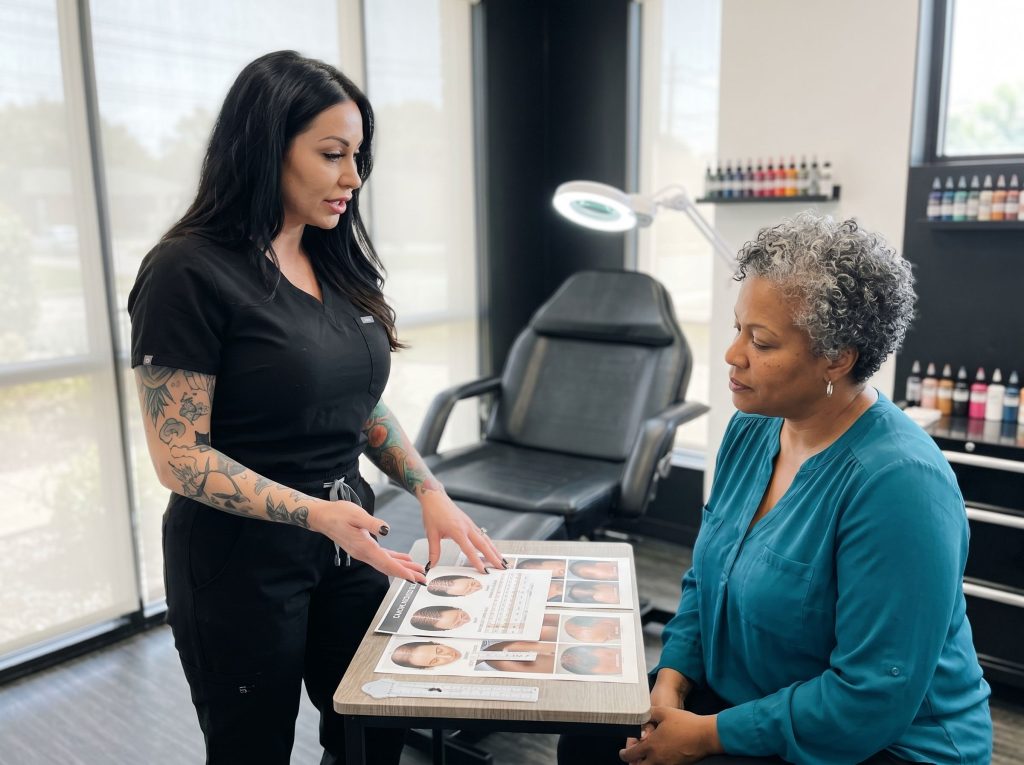
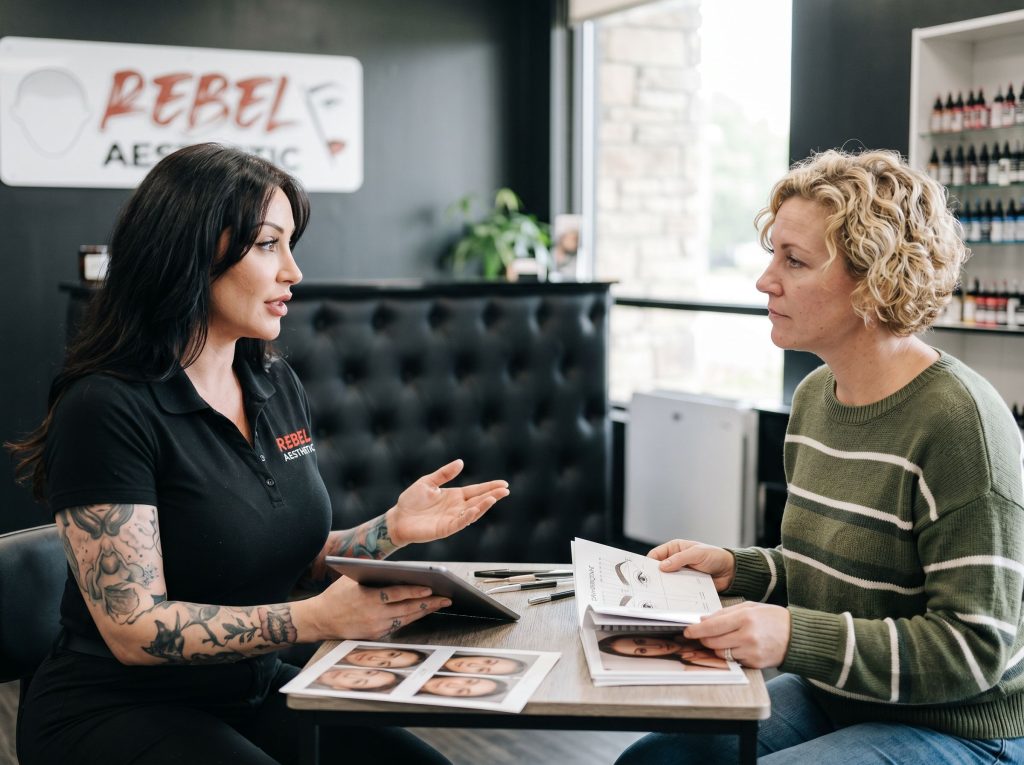
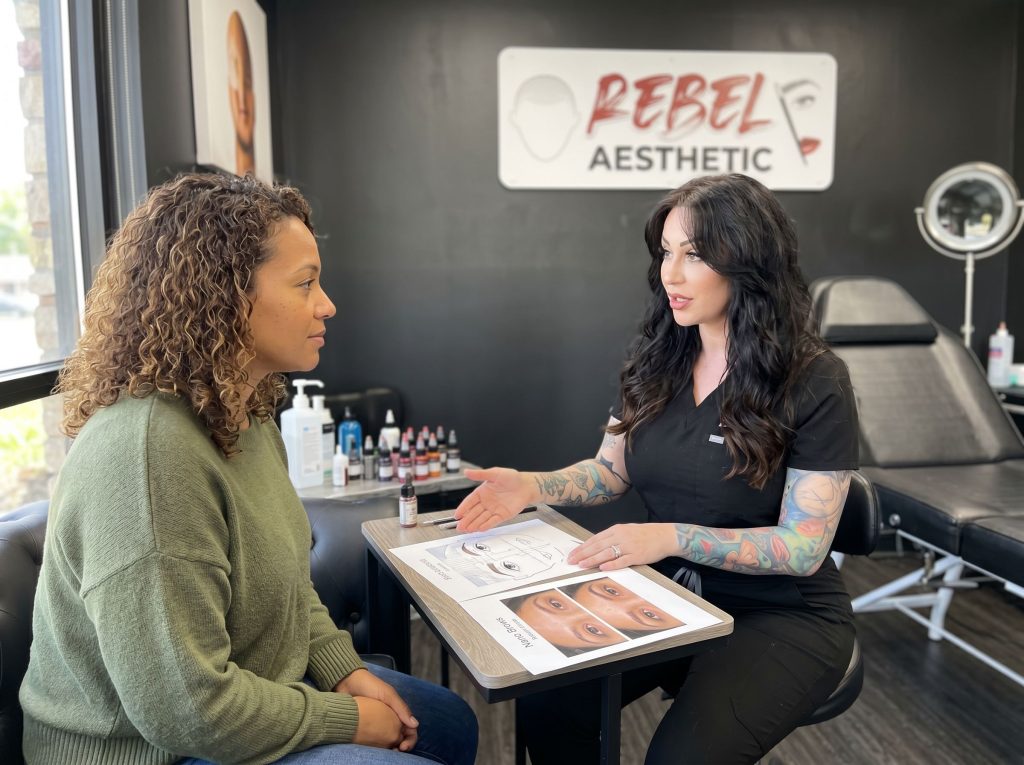
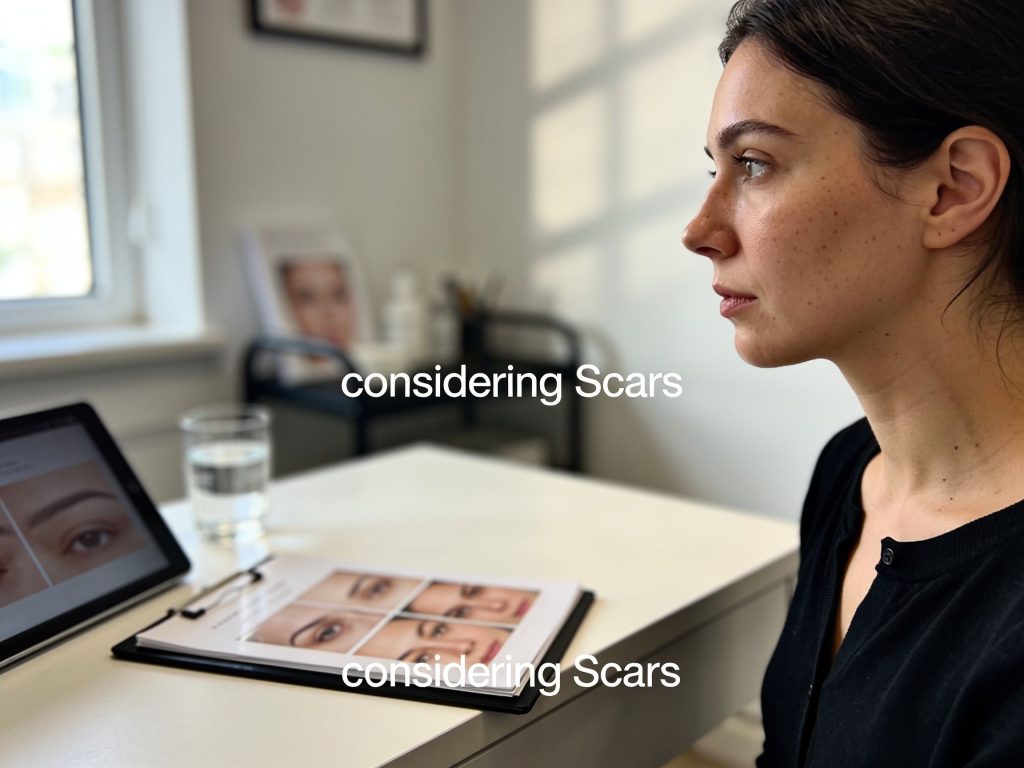
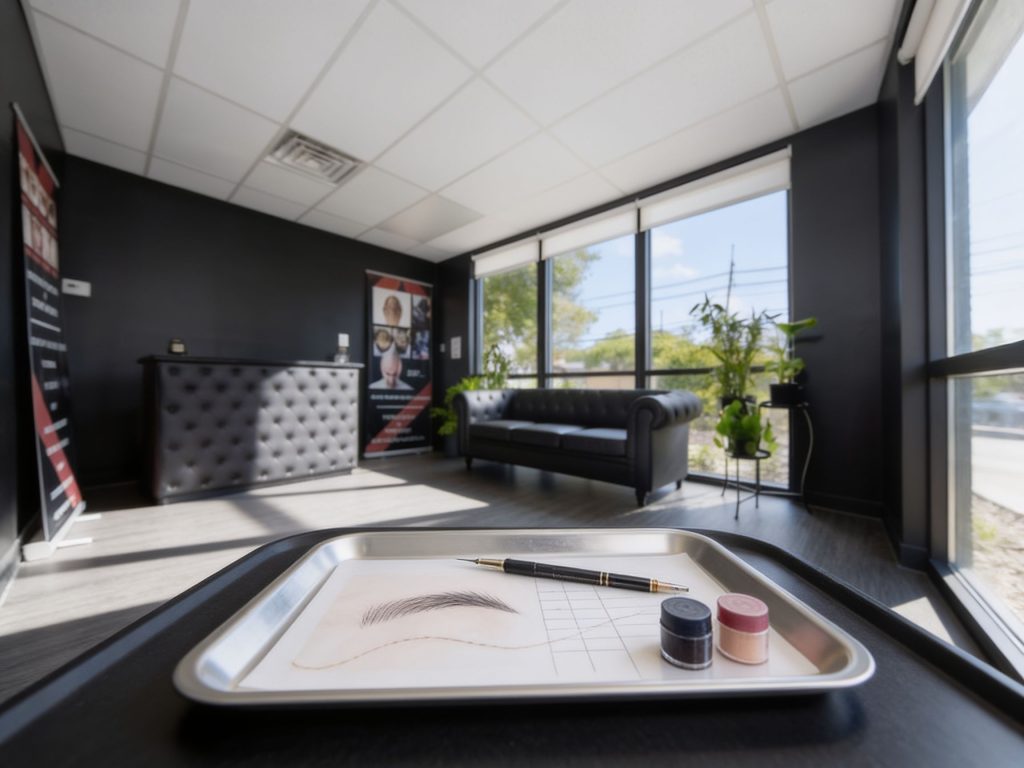
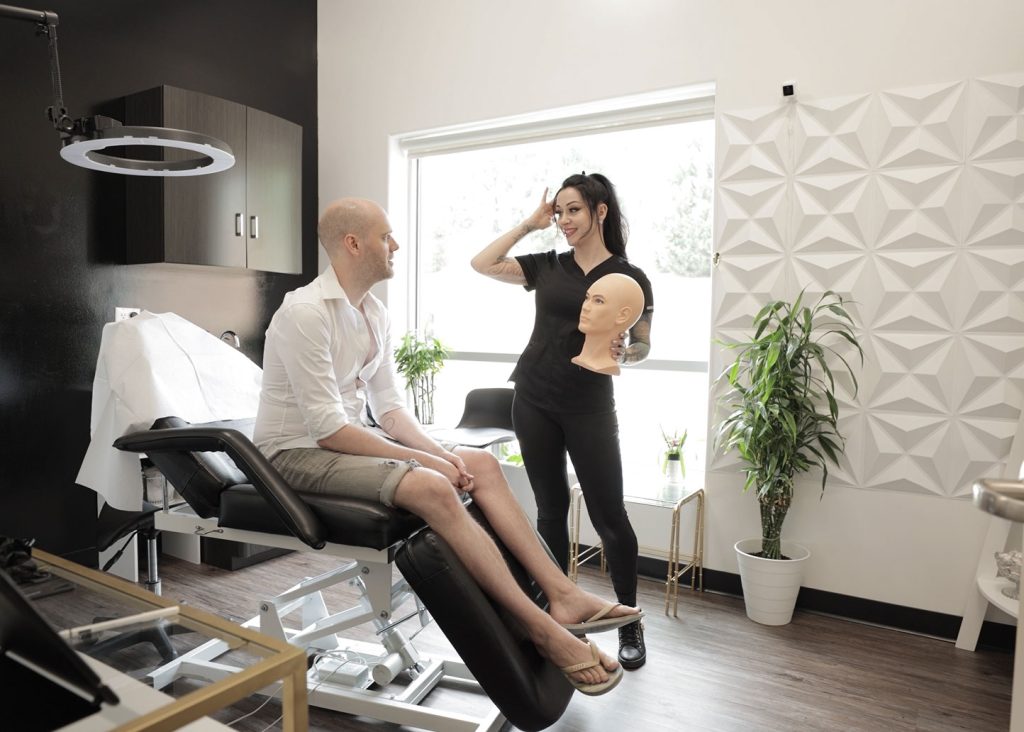
At your consultation, your artist will discuss your facial structure, natural brow pattern, skin tone, lifestyle, and what healed results realistically look like for your skin type. The consultation is the step that determines whether combo brows are the right technique for you, or whether a different approach would serve you better. A good artist will not skip this conversation.
Combo brows are one of the most rewarding permanent makeup techniques when the process is understood from the start. The key is knowing that what you see immediately after your session is the beginning of the result, not the finished one. Trust the timeline, follow your aftercare, and wait until the six-week mark before forming any conclusions.
Frequently Asked Questions
How long do combo brows last before they need a colour refresh?
Combo brows typically last between one and three years before a colour refresh is recommended. Longevity depends on your skin type, sun exposure, and how closely you follow aftercare guidance. Oilier skin tends to fade faster than dry skin. Annual or biannual touch-ups help maintain the shape and depth of your result.
Will combo brows look natural on my skin tone?
Yes. Pigment selection is tailored to your individual skin tone, natural hair colour, and undertones during the consultation. A skilled permanent makeup artist chooses shades that complement your complexion rather than applying a one-size-fits-all colour. The hair-stroke element of combo brows also contributes to a natural, textured appearance once healed.
Can I wear makeup on my brows during the healing period?
No. You should avoid applying any makeup, including brow pencils, powders, or gels, to the treated area for at least seven to ten days after your session. Introducing product to healing skin can cause irritation, introduce bacteria, or disrupt the pigment as it settles. Once fully healed at the six-week mark, brow makeup is fine to use as normal.
What’s the difference between combo brows and microblading?
Microblading uses only hair-stroke cuts to deposit pigment, creating fine, hair-like lines throughout the brow. Combo brows add a shading element to that technique, giving the brow more body and density. Combo brows tend to suit a wider range of skin types, particularly oilier skin where hair strokes alone may blur more quickly over time.
Is the combo brows procedure painful?
Most clients describe the sensation as mild discomfort rather than pain. A topical numbing cream is applied before the session begins, which significantly reduces sensitivity in the area. Individual pain tolerance varies, but the brow region responds well to numbing. Any mild tenderness or tightness typically resolves within a day or two after your appointment.