You’ve booked a consultation, or you’re about to, and you want a straight answer: how many sittings before this actually looks finished? It’s a fair question, because the number of sessions affects your schedule, your budget, and how long you’re managing a healing scalp before you can show up to work looking like yourself again.
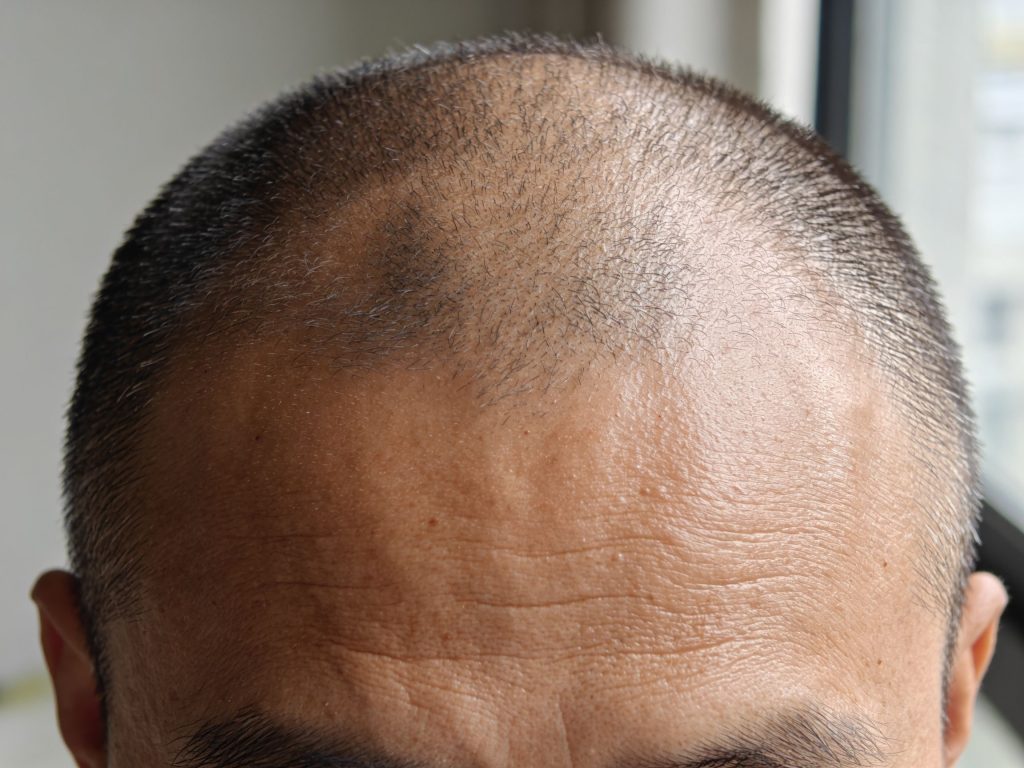
Most men need two to three SMP density sessions to complete the full result, and I can tell you exactly why that number holds up across most cases. Each session has a specific job. Skipping ahead or compressing the timeline doesn’t speed up healing, it just makes the pigment retention harder to judge accurately. Here’s how the process actually breaks down, sitting by sitting.
1. Session one lays the foundation, not the final look
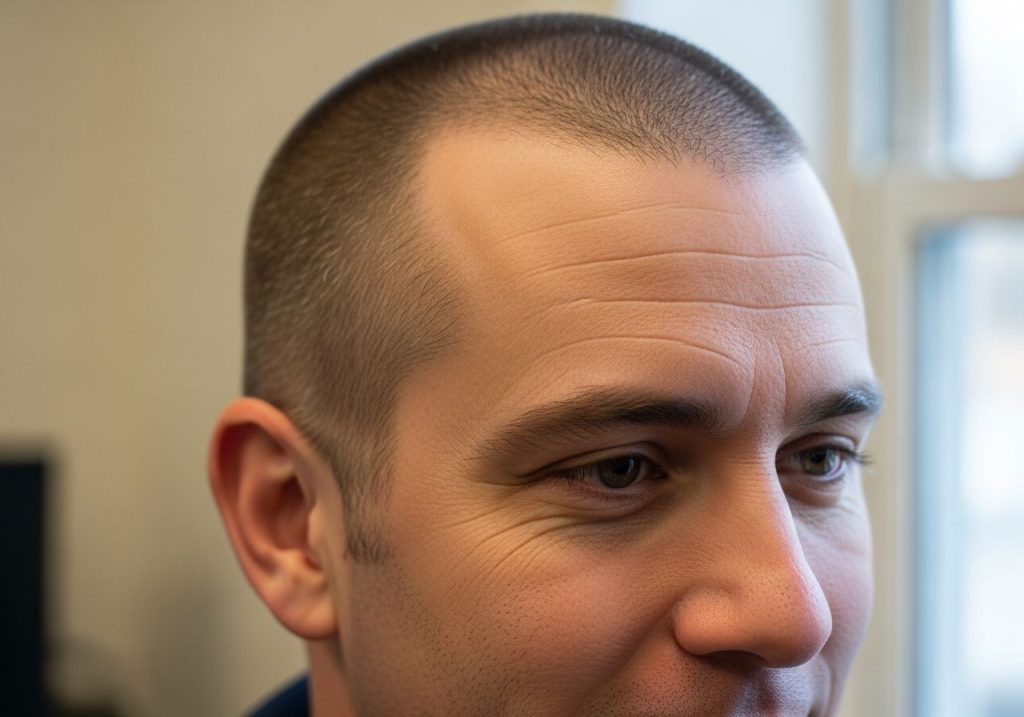
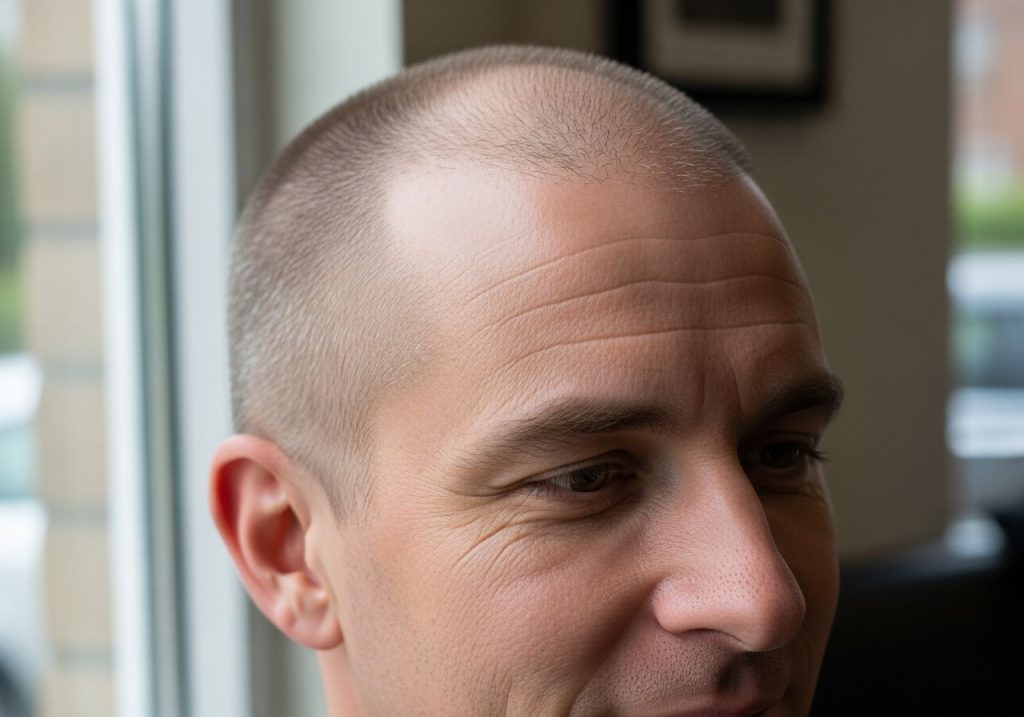
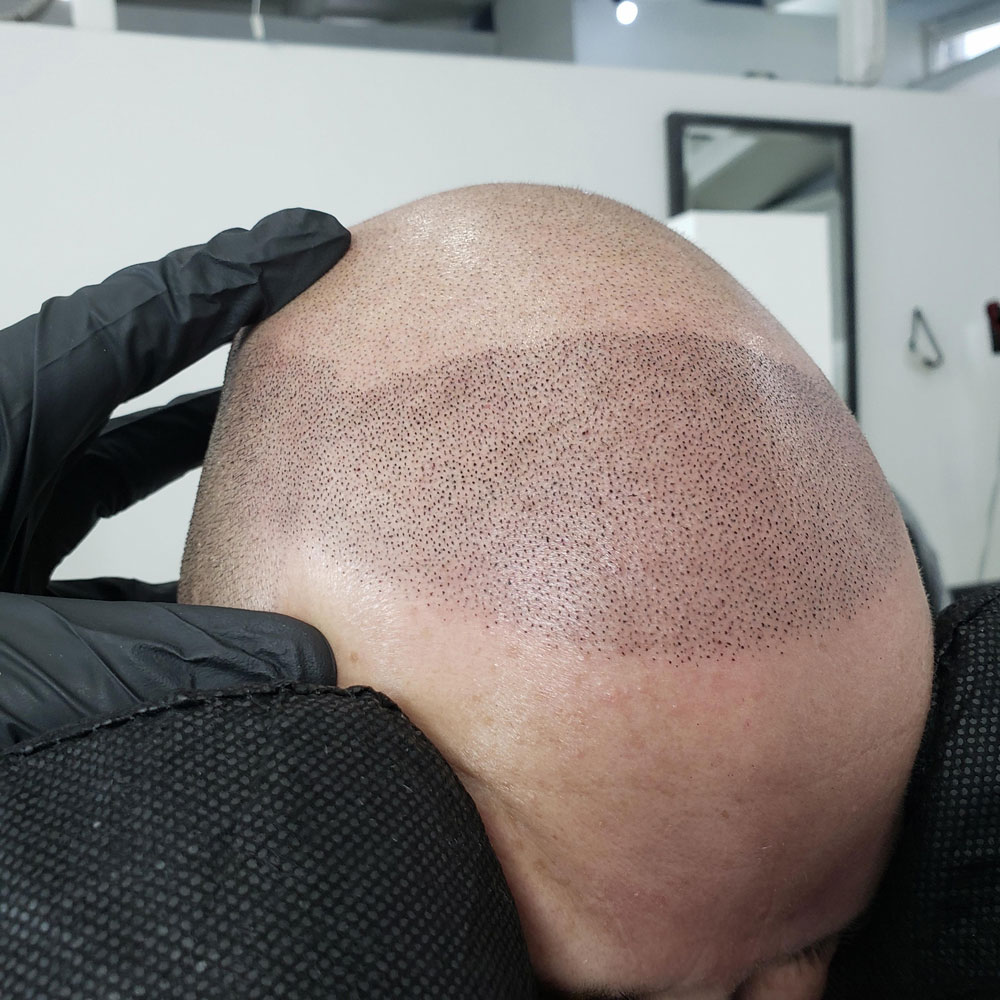
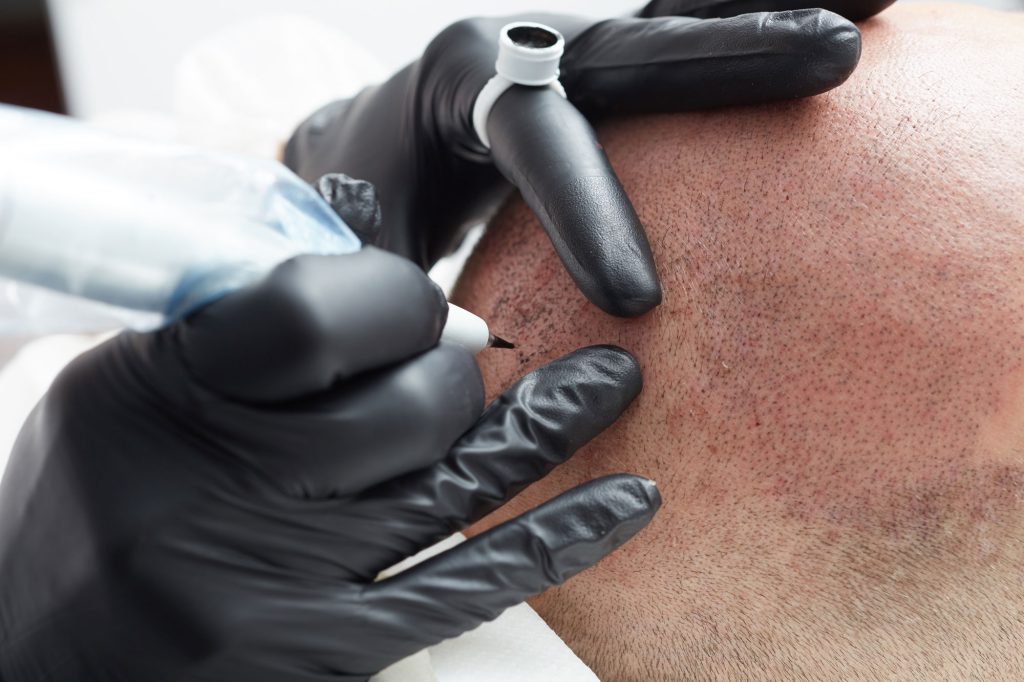
Your first appointment is about establishing the pattern and depositing the base layer of pigment, not achieving the density you’ll walk around with long-term. I work at a lower dot density here, typically in the range of 40 dots per square centimetre, because fresh pigment always looks darker and denser than what survives healing.
This session usually runs two to four hours depending on the size of the area being treated. You’ll leave with what looks like a fuller head of stubble, but a meaningful amount of that pigment will soften as your skin heals over the following two weeks. That’s expected, not a sign anything has gone wrong.
2. Sessions are spaced 7 to 14 days apart on purpose
I don’t book back-to-back sessions a few days apart, and there’s a practical reason for that. The scalp needs time to complete its healing cycle before I can accurately see how much pigment has actually held versus how much was surface-level and will shed.
Epidermal turnover clears superficial pigment within roughly a month, but the meaningful retention data shows up well before that. Waiting seven to fourteen days lets the redness and micro-scabbing resolve enough that I can genuinely assess tone and density rather than guessing based on inflamed skin.
3. Session two is where density and blending happen
By your second sitting, I can see exactly which areas held pigment well and which faded more than expected. This session adds a second layer of dots, increasing density and layering pigment between the original dots rather than on top of them, which is what creates that soft, natural depth rather than a flat, uniform tone.
Dot density typically climbs into the 60 to 80 dots per square centimetre range at this stage. This is also when I blend the treated area into your natural hair colour and any remaining native hair, adjusting for the fact that hair colour often reads differently under studio light versus daylight.
4. A third session is common, not a sign of a mistake
If you’re picturing two sessions and done, adjust that expectation. A third pass is common, particularly for men with larger areas of coverage, lighter or oilier skin that sheds pigment faster, or higher contrast between skin tone and natural hair colour.
This session is typically shorter than the first two, often one to two hours, because it’s corrective rather than foundational. I’m topping up specific patches where healed retention came in lighter than the surrounding area, tightening the hairline definition, or deepening density at the crown where coverage often needs the most reinforcement.
5. Healed pigment retention is assessed before any decision to add more
I never add a further pass just because a client is impatient to see the darkest possible result. Pigment needs its full 28 to 30 day healing window before retention can be judged properly, because dermal pigment settles differently from person to person based on skin type, sun exposure, and how the skin’s immune response processes the ink.
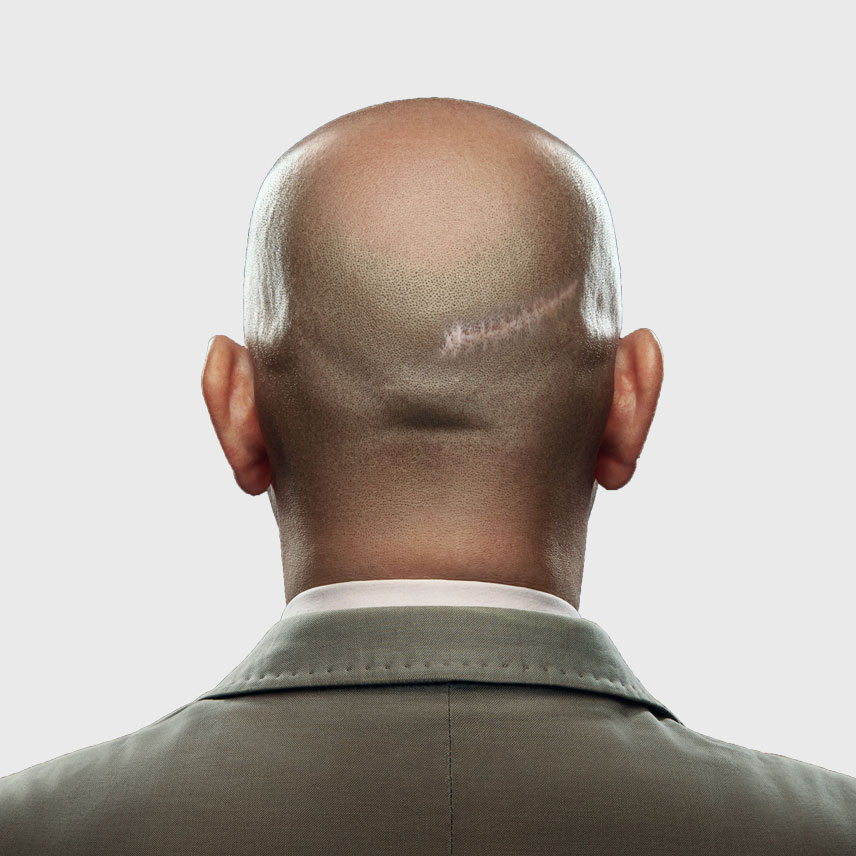
This is the point where scarring alopecia and post-transplant scar tissue tend to need closer attention, since scar tissue often retains pigment less predictably than untouched scalp. If retention looks uneven at the healed check, that’s addressed with a targeted top-up rather than a full repeat session.
6. Your realistic timeline runs four to six weeks, start to finish
Put the full structure together and you’re looking at a consultation, followed by session one, a 7 to 14 day gap, session two, another gap if a third pass is needed, and a final healed check around day 30. Most men complete the full process within four to six weeks.
That timeline matters if you’re planning around an event, a job change, or simply want to know when you’ll stop thinking about it. Build in the full window rather than assuming two quick appointments will get you there.
Once you’ve reached your final result, SMP density work typically holds for four to eight years before it needs a touch-up. Skin type, sun exposure, and how diligently you apply SPF all affect where you land in that range, but a touch-up every four to six years is a realistic expectation to plan around rather than a worst-case scenario.
Frequently Asked Questions
How many SMP sessions do most men need for density?
Most men need two to three SMP sessions to complete a density treatment. The first builds the foundation, the second adds density and blends tone, and a third, when needed, corrects any areas where healed pigment retention came in lighter than expected.
Why are SMP sessions spaced 7 to 14 days apart?
Spacing allows the scalp to complete its healing cycle so the practitioner can accurately judge pigment retention. Assessing density too soon, while skin is still inflamed, makes it impossible to tell what pigment has genuinely held versus what will fade during healing.
How long does the full SMP density process take from start to finish?
Most men complete their full SMP density treatment within four to six weeks, factoring in two to three sessions with 7 to 14 day gaps between them plus a final healed check around day 30. Larger treatment areas can run slightly longer.
Will I need a third SMP session, or is two usually enough?
A third session is common rather than exceptional, particularly for larger coverage areas, oilier skin, or higher contrast between skin tone and hair colour. It’s typically shorter than the first two sessions and focuses on targeted top-ups rather than a full repeat.
How often does SMP density work need a touch-up after the final session?
SMP density results typically last four to eight years before fading enough to need a touch-up, with many men returning every four to six years. Skin type, sun exposure, and consistent SPF use all influence where you’ll land within that range.
Ready to talk it through?
Rebel Aesthetic in Philadelphia offers a personal consultation to answer your questions and recommend the right approach for you. Get in touch with Rebel Aesthetic to book your consultation.