You have just had your first SMP session and the result looks darker than you expected. That is completely normal, and understanding exactly why it happens will save you a great deal of unnecessary worry. This article walks you through the healing timeline day by day, session by session, so you know what you are looking at and what you should be doing at every stage. By the end, you will have a clear picture of what settled, healed pigment actually looks like and how your aftercare decisions directly shape it.
Why the first few days look nothing like the finished result
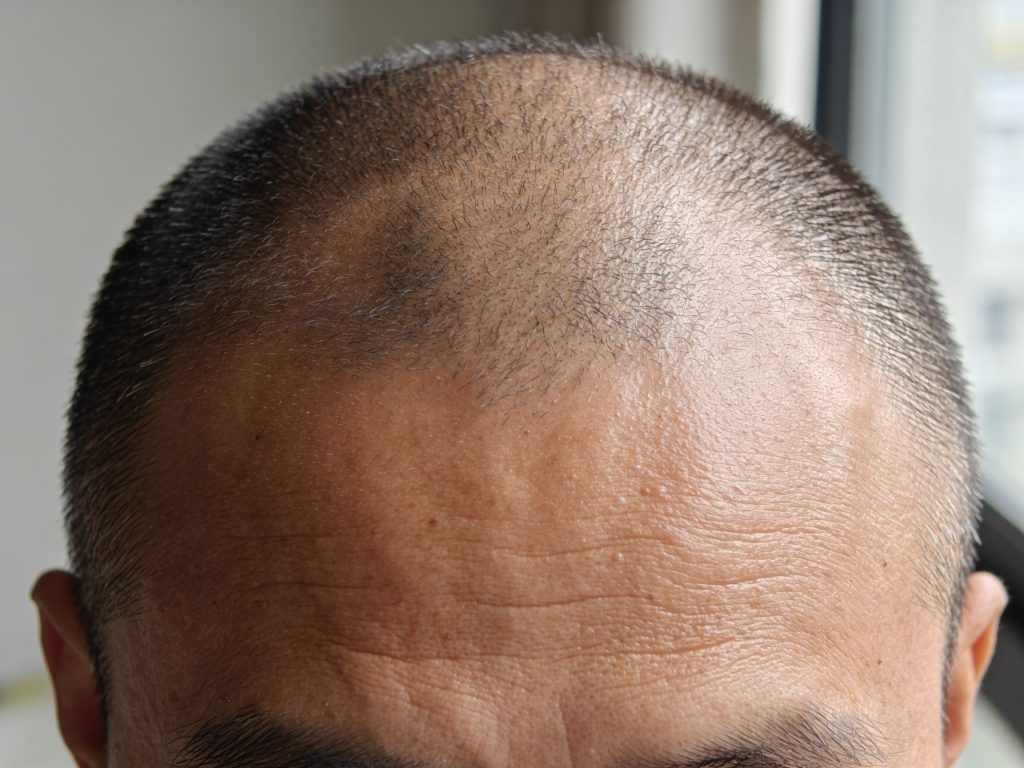
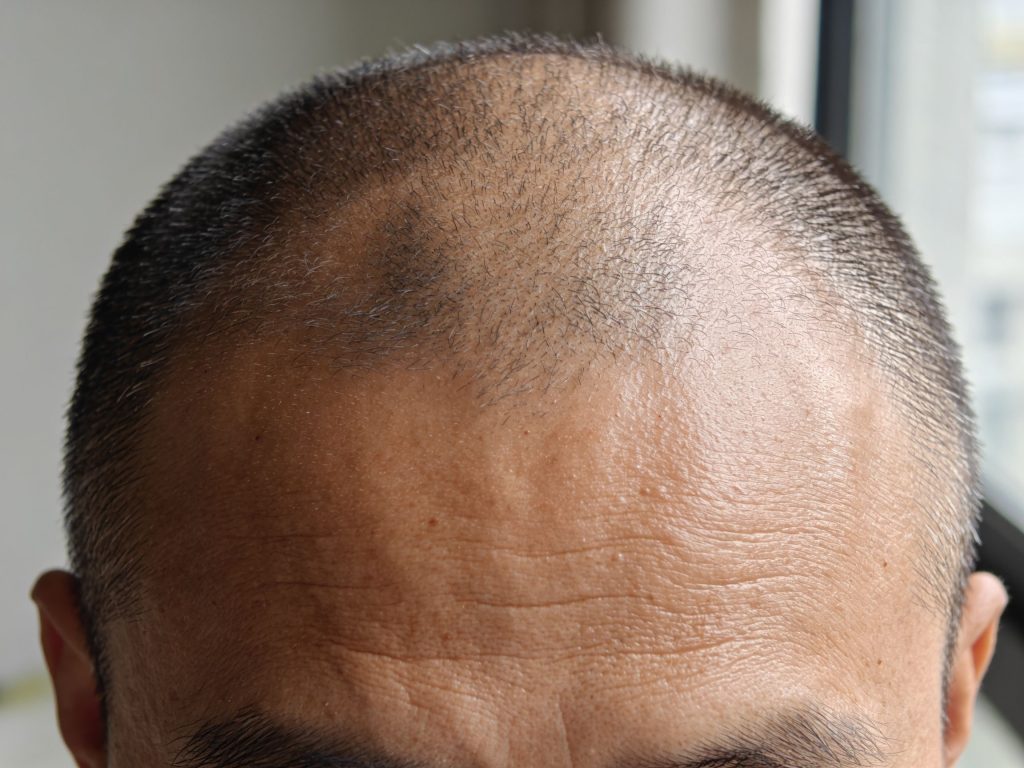
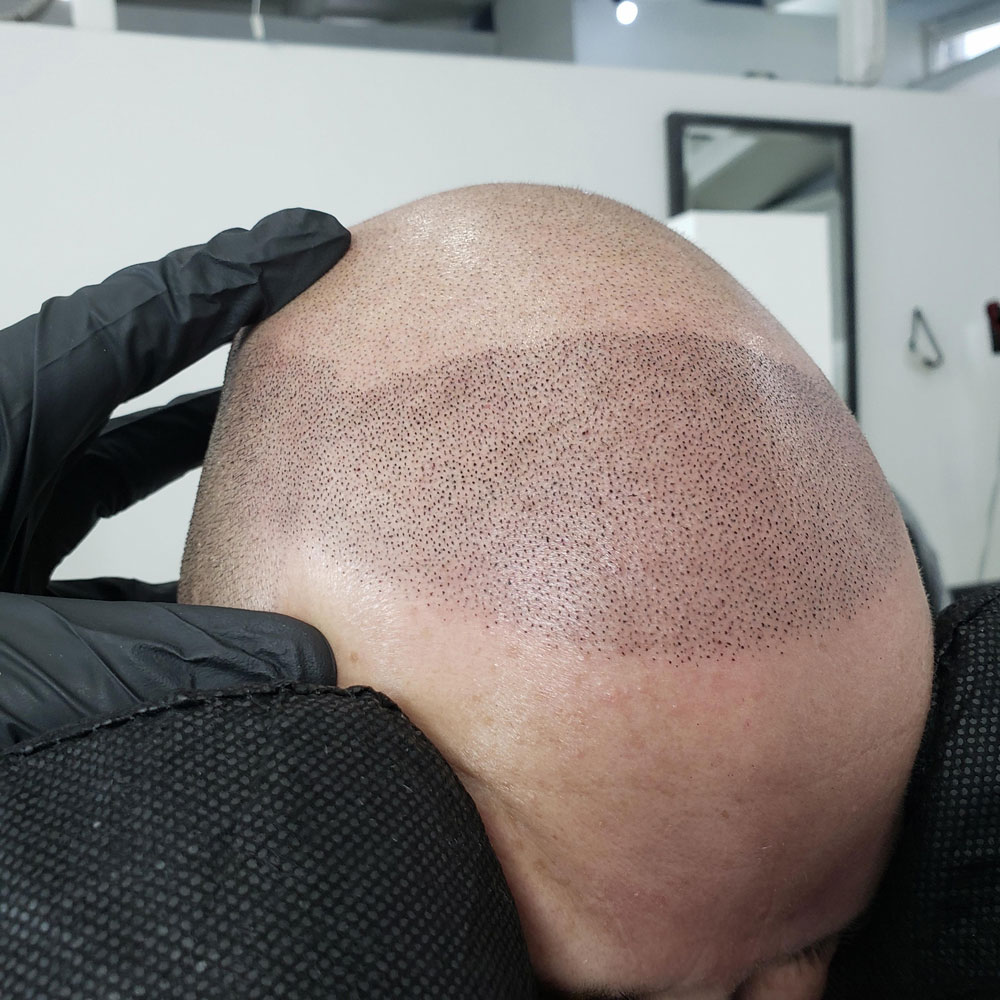
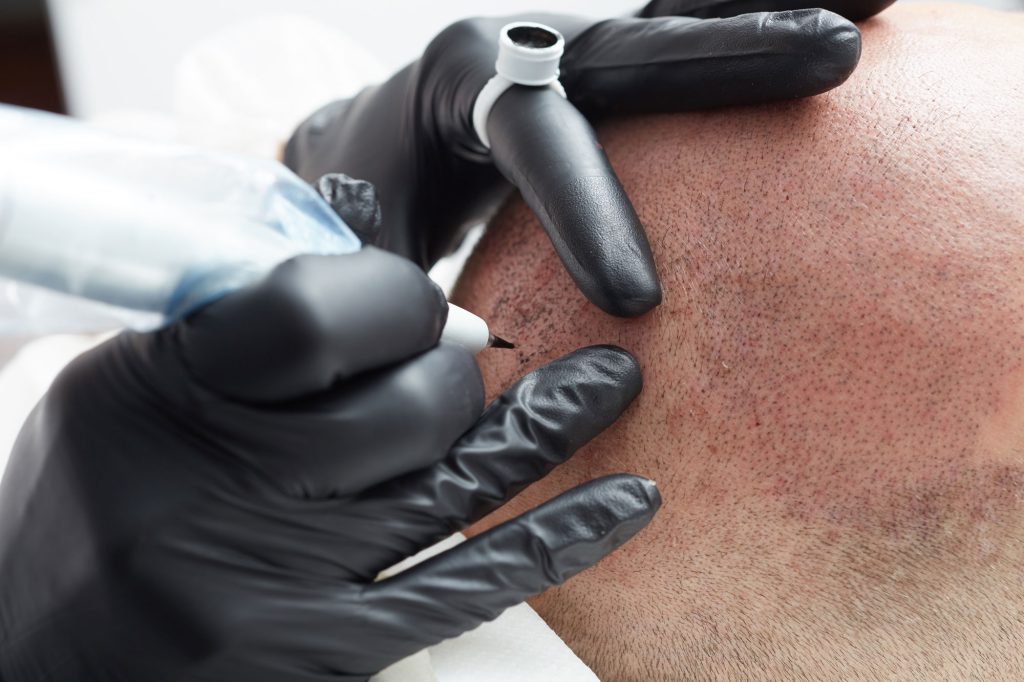
Immediately after a shaved SMP session, the dots on your scalp will appear darker and sharper than they will ever look again. This is not the real result. The pigment has been deposited at the epidermal-upper dermal interface, roughly 1.5 to 2 millimetres into the dermis, and the surrounding tissue is still slightly inflamed. That inflammation intensifies the appearance of the dots.
By days two and three, mild redness typically subsides. The dots may still look dense and bold. Do not be tempted to judge the outcome yet. The first 72 hours produce a rough sketch, not the finished portrait.
Days four through seven bring the most noticeable shift. The surface of the skin begins to heal over, and some pigment in the outermost epidermal layers clears via natural stratum corneum turnover, a process that takes approximately 27 days to complete fully. This is why the result appears to soften and lighten noticeably in that first week. It can feel alarming if you were not expecting it, but it is actually the skin doing exactly what it should.
The four-week mark and what settled pigment looks like
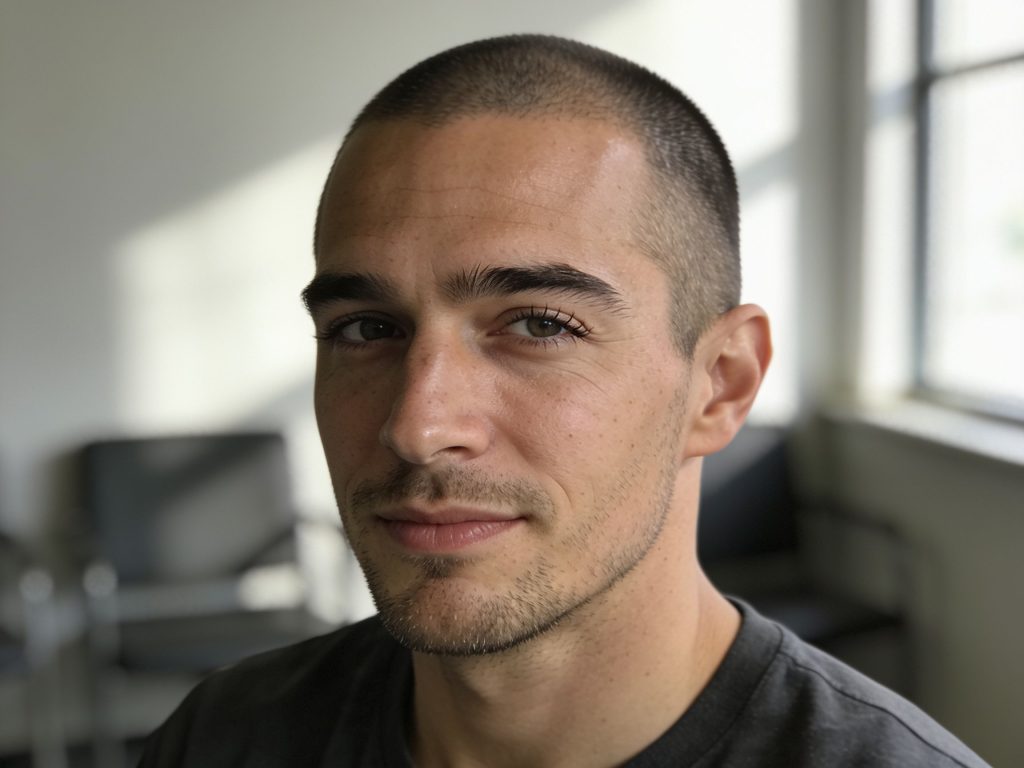
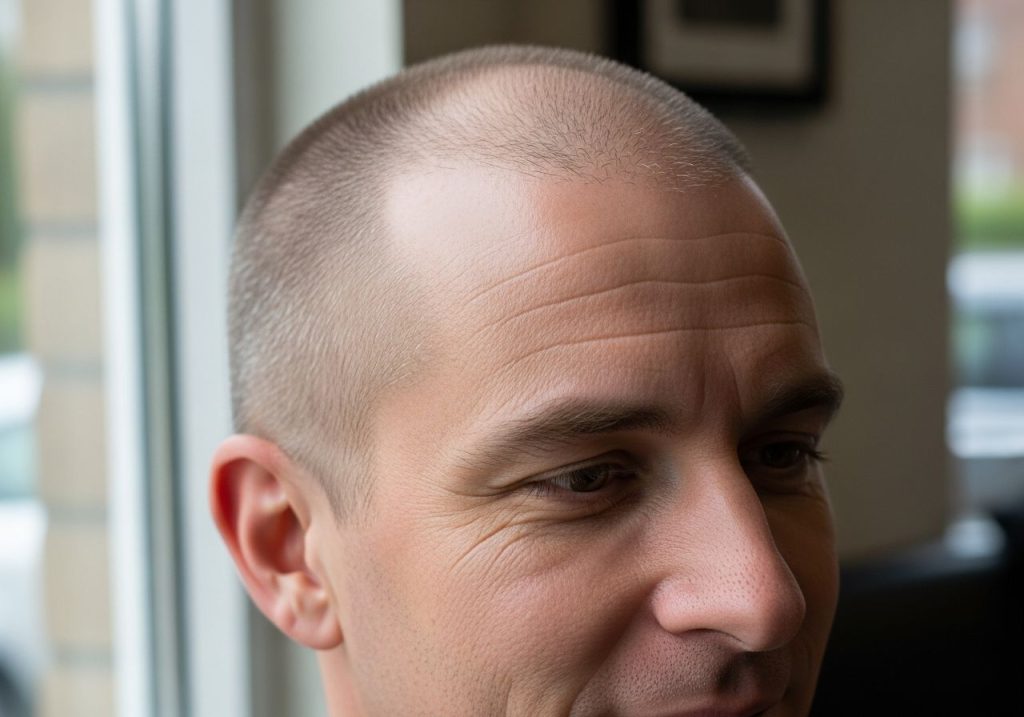
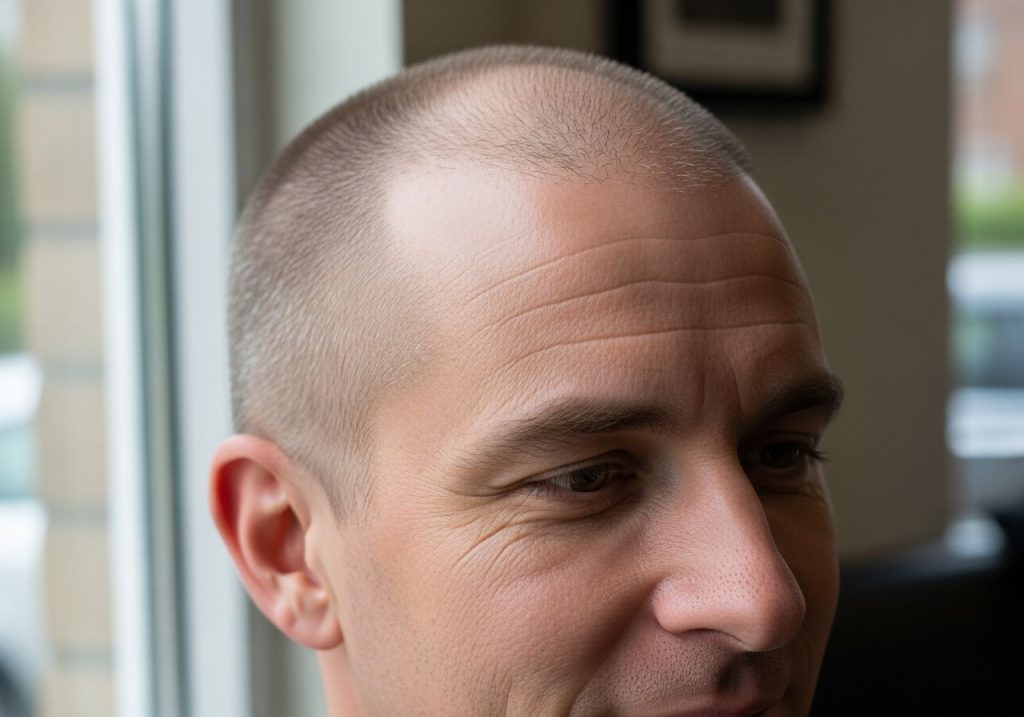
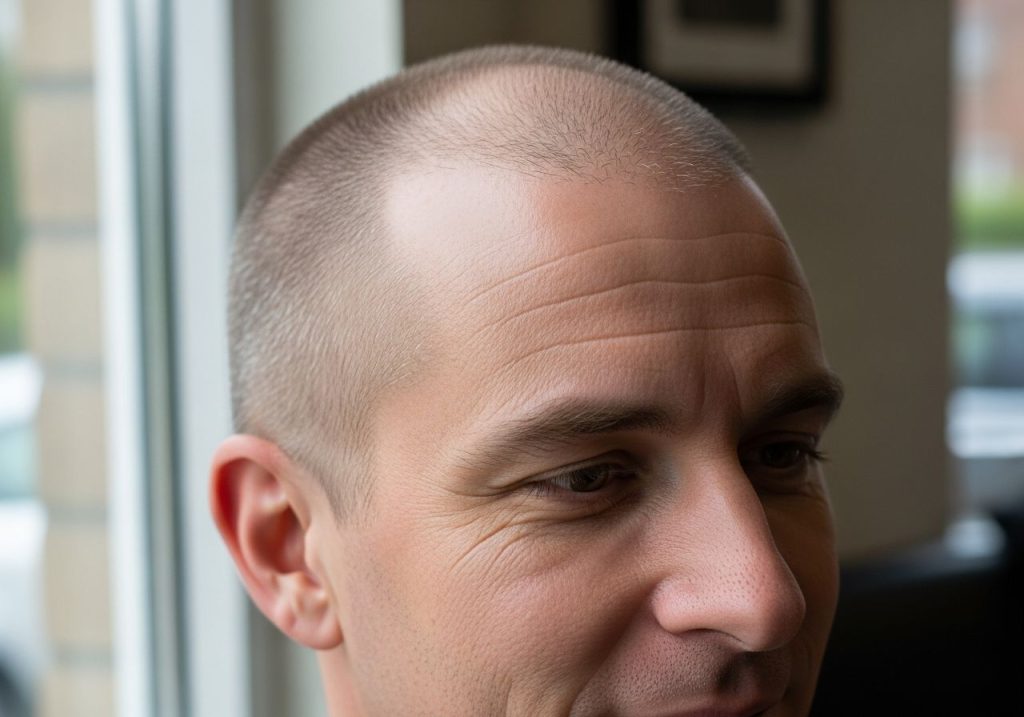
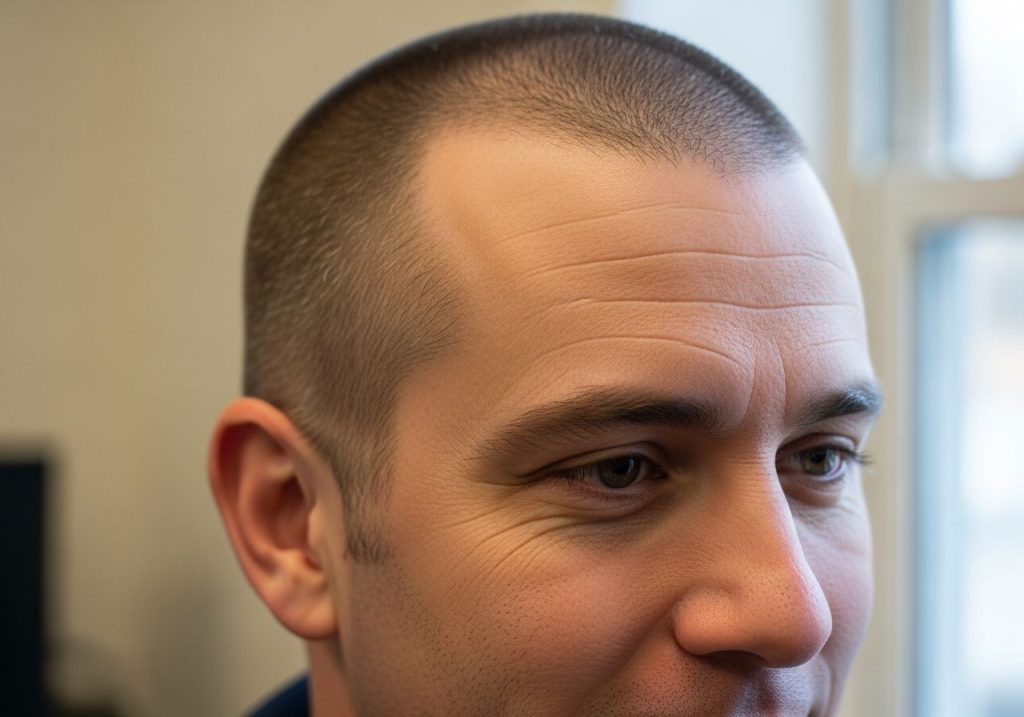
Full healing after each SMP session takes around 30 days. At the four-week point, the pigment that remains in the dermal layer has stabilised, and you are seeing an accurate preview of your long-term result. The dots will appear smaller, softer, and more natural than in the first few days, which is precisely the goal. Medical micropigmentation for a shaved head works by creating the visual impression of cropped hair follicles, not by replicating the boldness of fresh ink.
Most clients require two to four sessions spaced several weeks apart. Each session progressively builds dot density, from around 40 dots per square centimetre in early sessions to 80 to 100 dots per square centimetre by the final one. This is why you do not leave the first session with a complete result: it is a layered process by design. The fading you notice between sessions is part of how a practitioner calibrates the next layer accurately.
By the final session and its subsequent four-week healing period, the cumulative result settles into what you will maintain for three to five years before a touch-up is typically needed. Factors such as sun exposure, oily skin, and faster cellular metabolism accelerate fading. Dry skin, consistent SPF use, and minimal sun exposure support longer-lasting retention.
The exact aftercare rules that protect your pigment
Aftercare is not a loose suggestion. It directly determines how well the pigment retains and how clean the healed result looks. Here is the breakdown by phase:
- Days 1 to 4: No water on the scalp. No shampoo, no sweating, no shaving. This means skipping the gym, avoiding steam rooms and saunas, and keeping your head dry in the shower. Even minor moisture can interfere with the initial pigment settling.
- Days 5 to 10: Gentle washing is permitted, but proceed carefully. Use a mild, fragrance-free cleanser and pat the scalp dry rather than rubbing it. Keep the scalp out of direct sun. SPF should not be applied yet, as the skin is still healing and the pores need to breathe.
- Day 10 onwards: Apply SPF 30 to 50 to the scalp every time you go outdoors. This is non-negotiable for pigment longevity. UV exposure is one of the primary drivers of early fading, and a shaved or closely cropped head has no natural protection. Normal grooming can resume from this point, including shaving if that is part of your routine.
- First 28 days: Avoid swimming pools and open water. Chlorine and salt water are particularly aggressive on healing skin and can pull pigment out prematurely.
Moisturising the scalp from around day five helps prevent excessive dryness and flaking, which can disturb surface pigment before it is fully anchored. A light, fragrance-free moisturiser applied once daily is sufficient. Do not over-apply; keeping the scalp balanced rather than saturated is the aim.
What can go wrong and how to read the signs
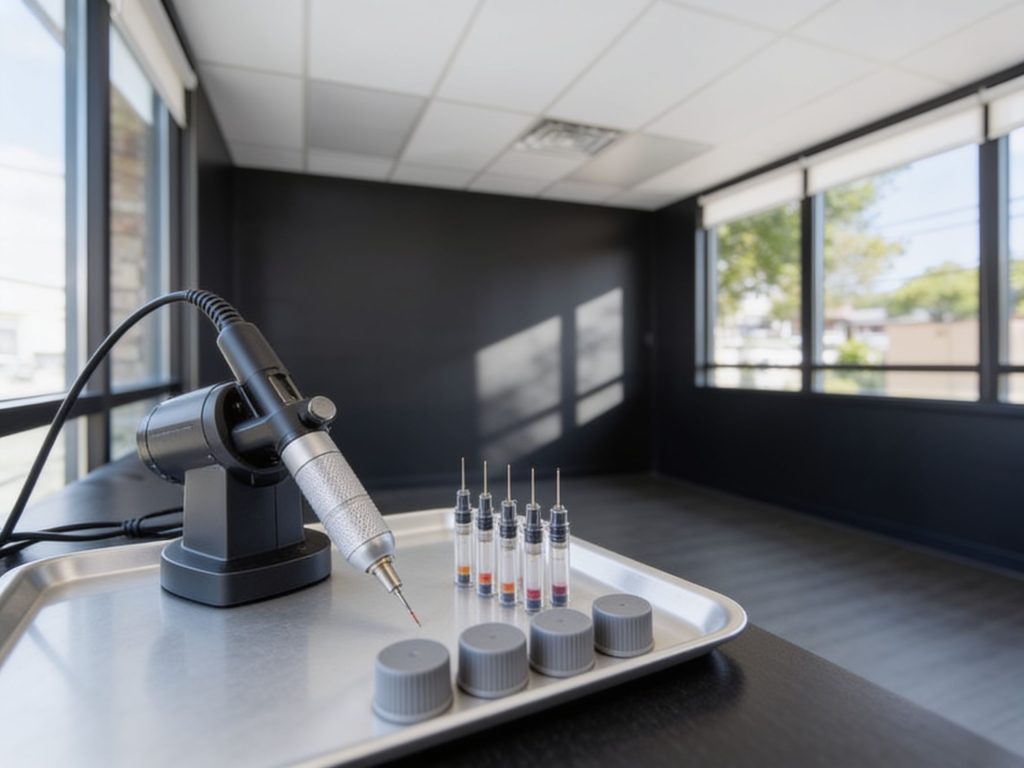
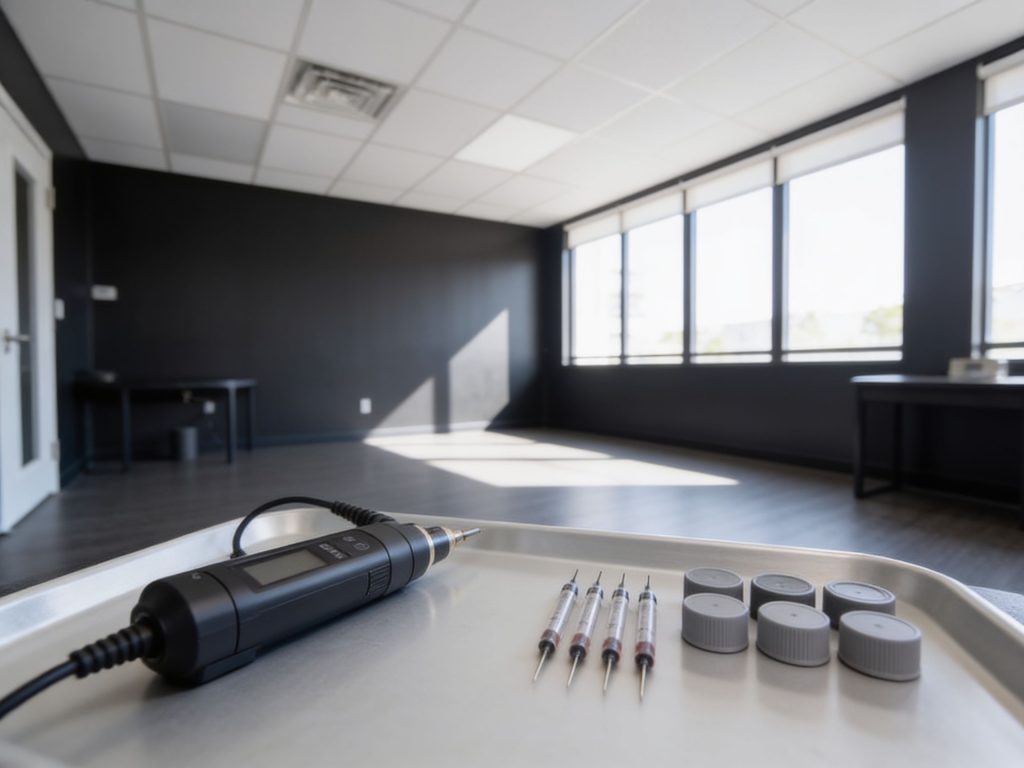
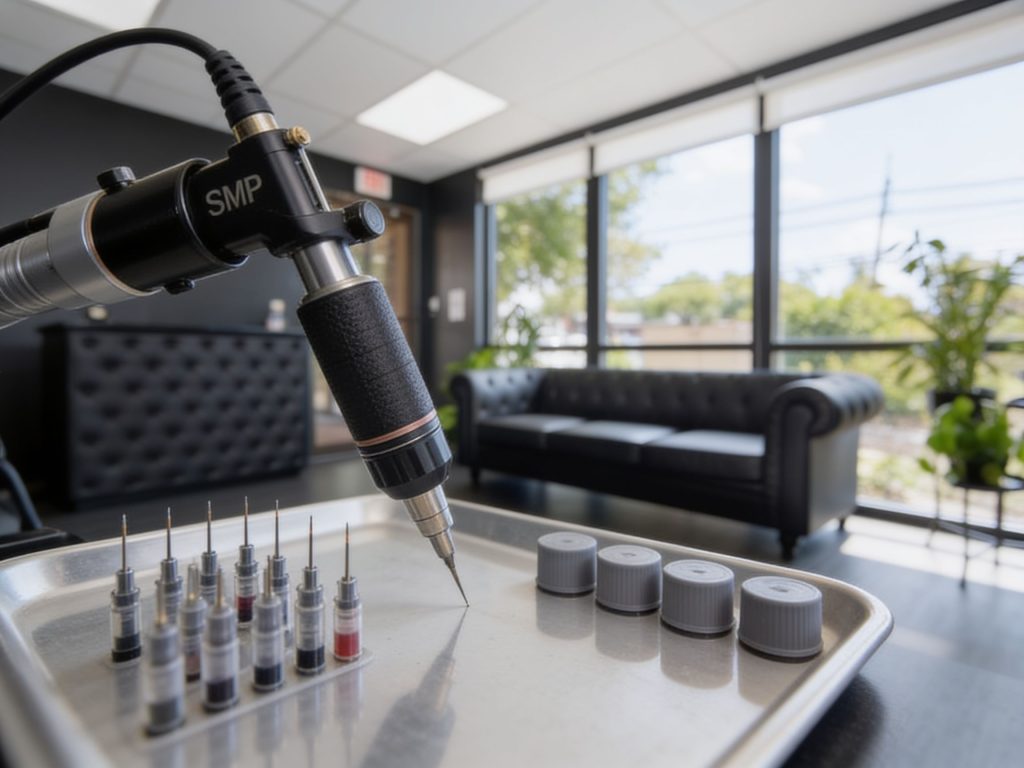
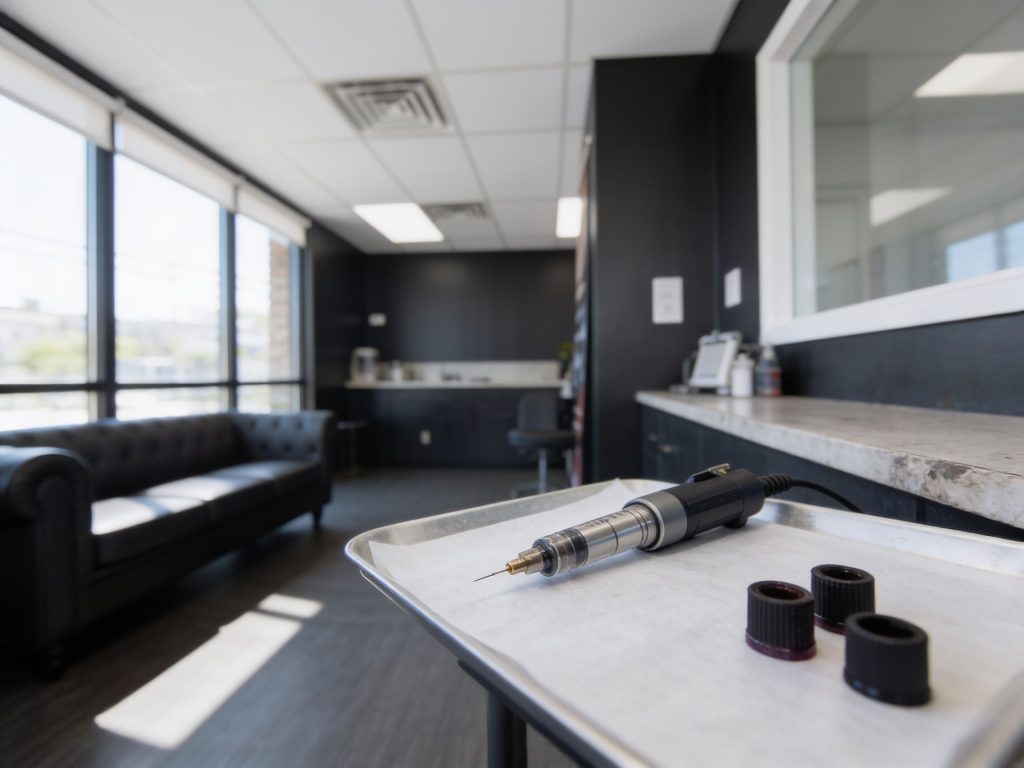
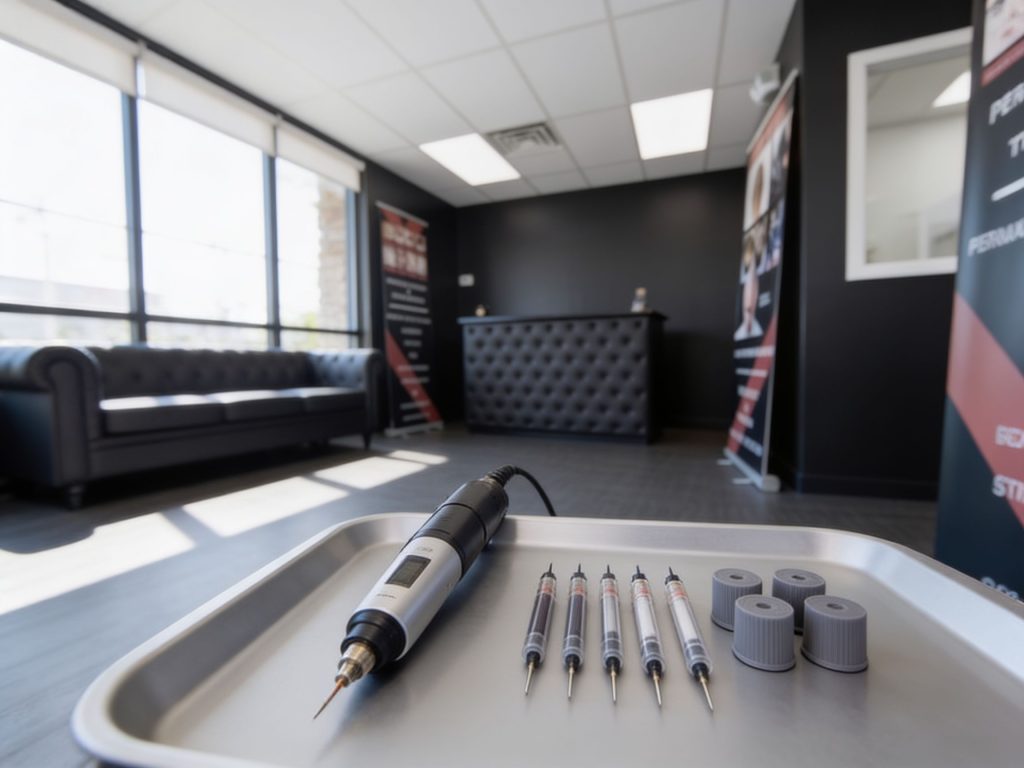
Most complications from hair replication procedures come down to two things: undertrained practitioners and poor aftercare compliance. Pigment that appears blue or green after healing suggests it was deposited too deeply. Blurred or bleeding dots indicate incorrect placement or the wrong needle specification for the zone being treated. A 0.2 mm single-point needle is correct for hairline borders; a 0.25 mm triple-point needle suits the vertex and occipital regions. These are precision decisions, not interchangeable choices.
On the aftercare side, the most common self-inflicted mistake is returning to the gym too early. Heavy exercise drives sweat through the scalp within days of treatment, disrupting the initial healing environment and causing uneven fading. A slightly quieter week is a worthwhile trade for the outcome you are protecting.
If you notice prolonged redness beyond three days, unusual swelling, or any sign of infection, consult a medical professional promptly. Allergic reactions to pigments, while uncommon, do occur and should not simply be monitored and hoped away. Keloid-prone skin is a contraindication for SMP, and if you know your skin heals with raised scarring, this is a conversation to have before any sessions begin.
Frequently Asked Questions
How long does shaved head SMP take to heal completely?
Each SMP session requires approximately 30 days to heal fully. Initial darkness and sharp dot appearance fade significantly between days four and seven, and the pigment settles into its true, long-term tone by the four-week mark. If you are having multiple sessions, this healing cycle applies after each one.
Can I shave my head during SMP aftercare?
You should avoid shaving for the first four days after each session to protect the healing scalp. From around day ten, normal grooming including shaving can resume. Using a gentle electric or blade razor on a clean scalp is fine once the skin has healed over and any surface irritation has fully subsided.
Why does my SMP look lighter after a week?
The lightening you see between days four and seven is caused by natural epidermal turnover. Pigment deposited in the outermost skin layers clears within approximately 27 days as the stratum corneum sheds. The deeper dermal pigment remains and represents your long-term result. This fading between sessions is expected and planned for.
How does sun exposure affect scalp micropigmentation healing and longevity?
UV exposure is one of the primary causes of early SMP fading. During healing, direct sun should be avoided for the first ten days. From day ten onwards, SPF 30 to 50 applied to the scalp whenever you are outdoors is essential. A shaved head has no natural sun protection, so consistent SPF use is the single most effective long-term maintenance habit.
How often will I need a touch-up after shaved SMP?
Most clients return for a touch-up appointment every three to five years, though results can last up to eight years depending on skin type, sun exposure habits, and general lifestyle. Oily skin and high UV exposure accelerate fading, while dry skin and regular SPF use support longer retention between touch-up sessions.