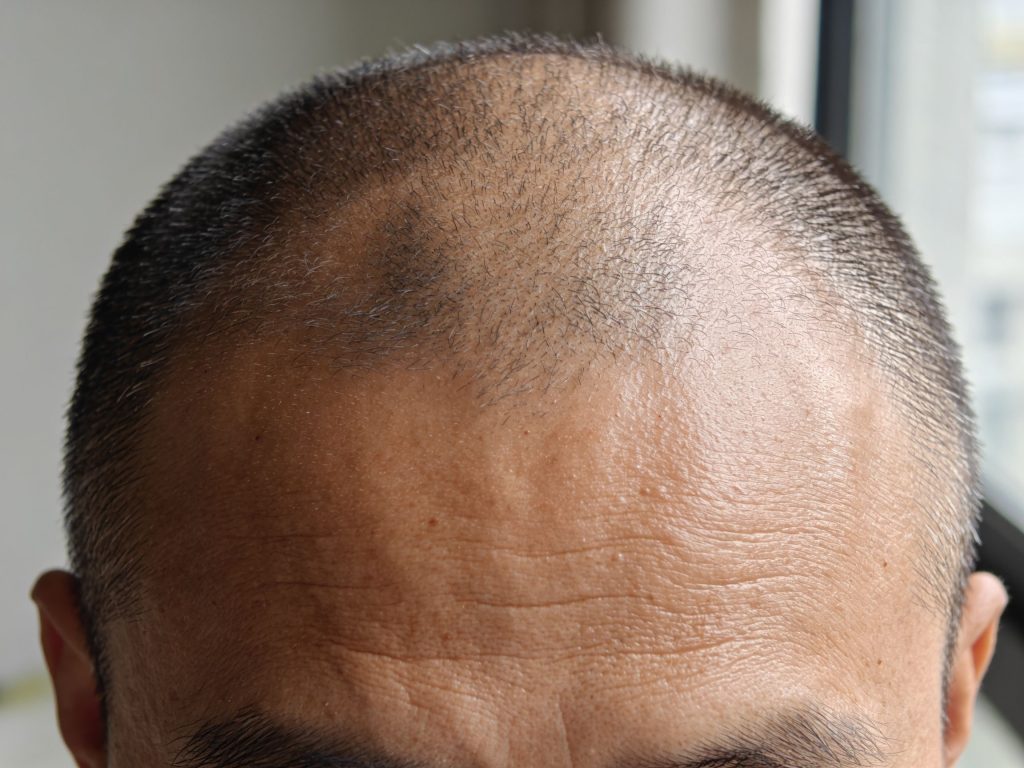
You are losing density and you want to do something about it. Two options keep coming up: scalp micropigmentation or a hair transplant. This article breaks down exactly how they differ across cost, downtime, longevity and realistic results. By the end, you will have a clear framework for deciding which route fits your situation.
1. What each procedure actually does to your scalp
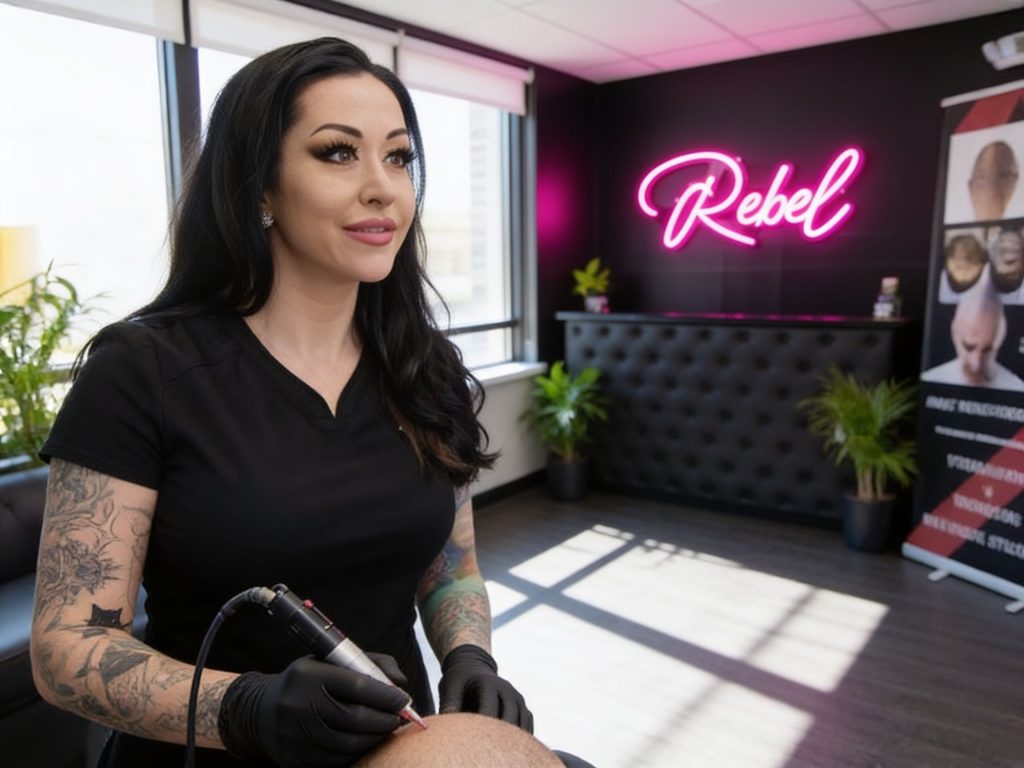
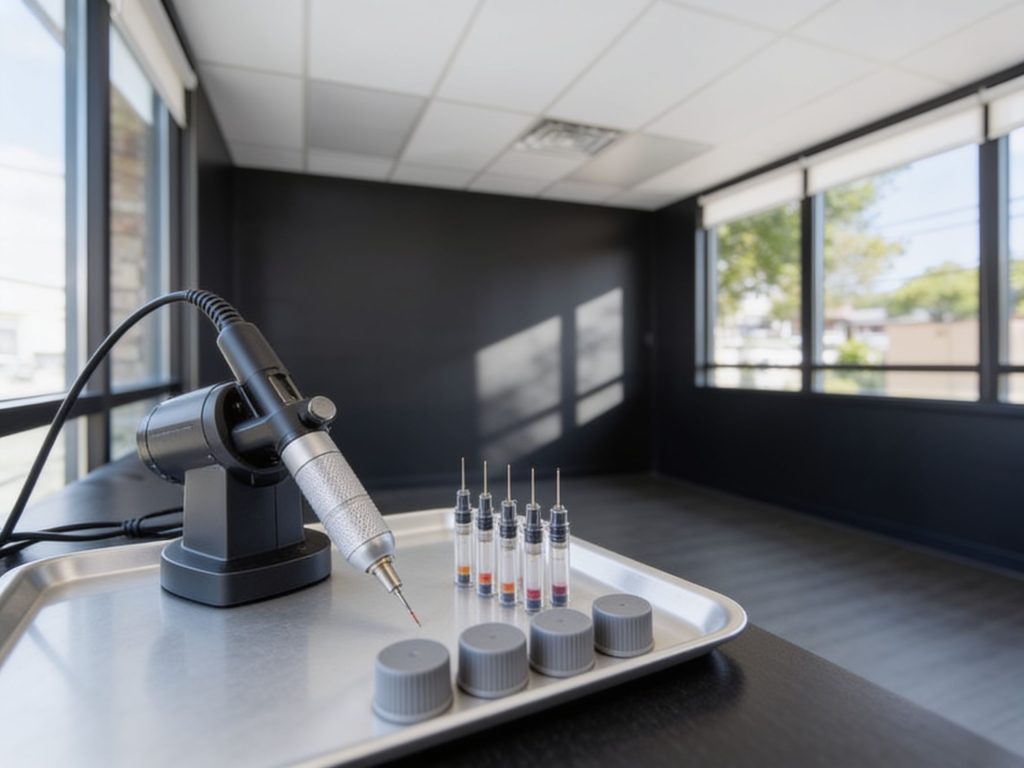
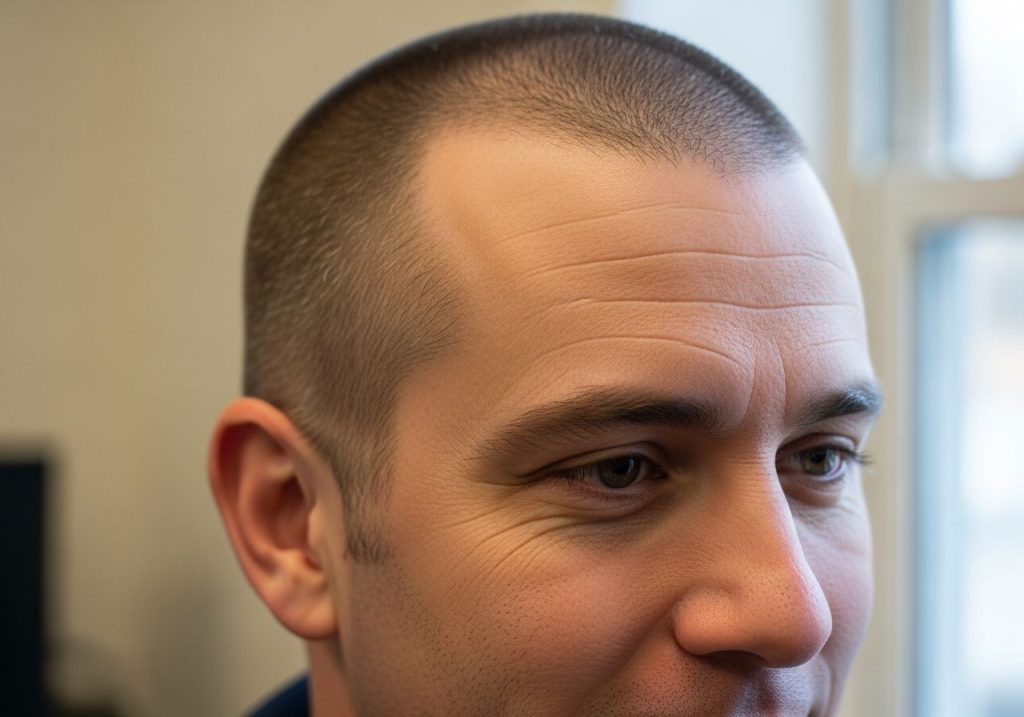
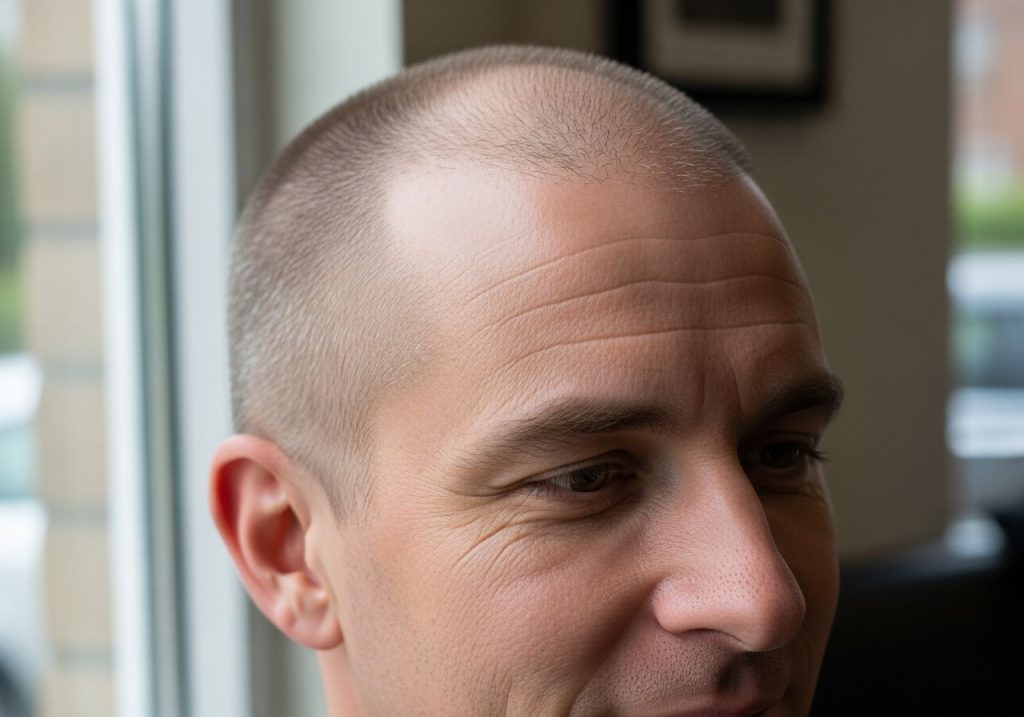
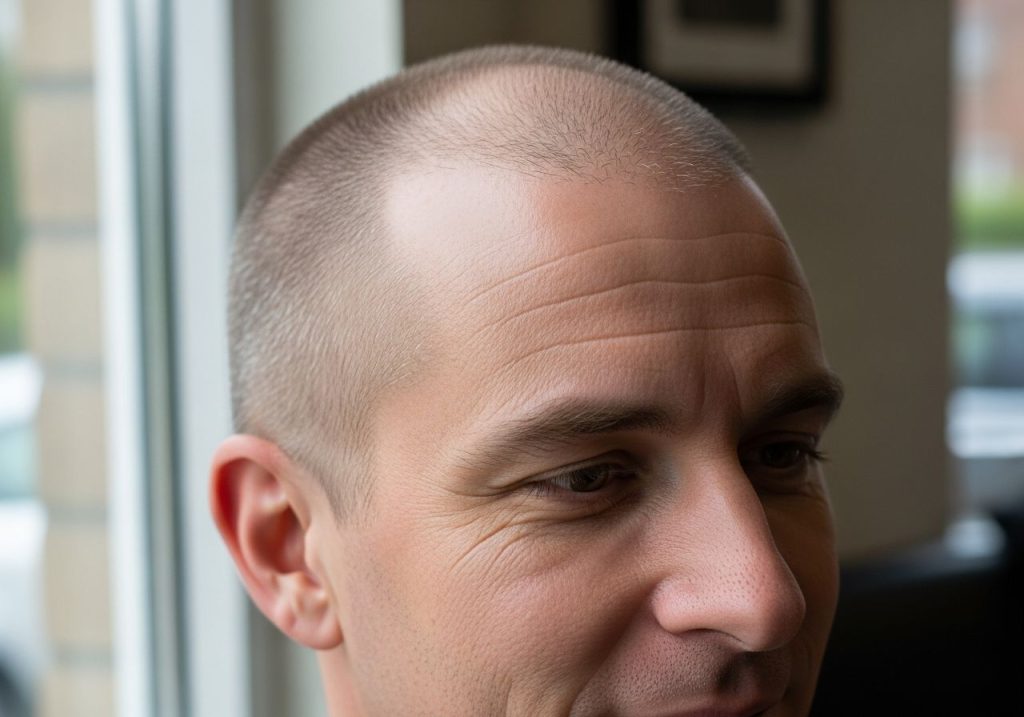
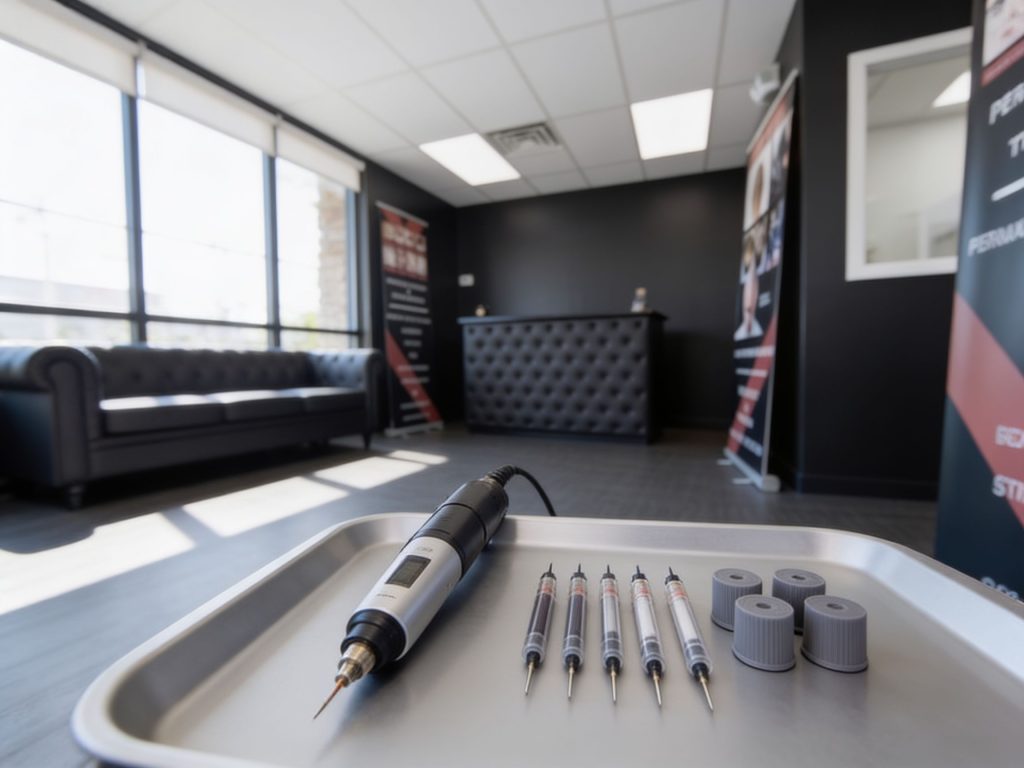
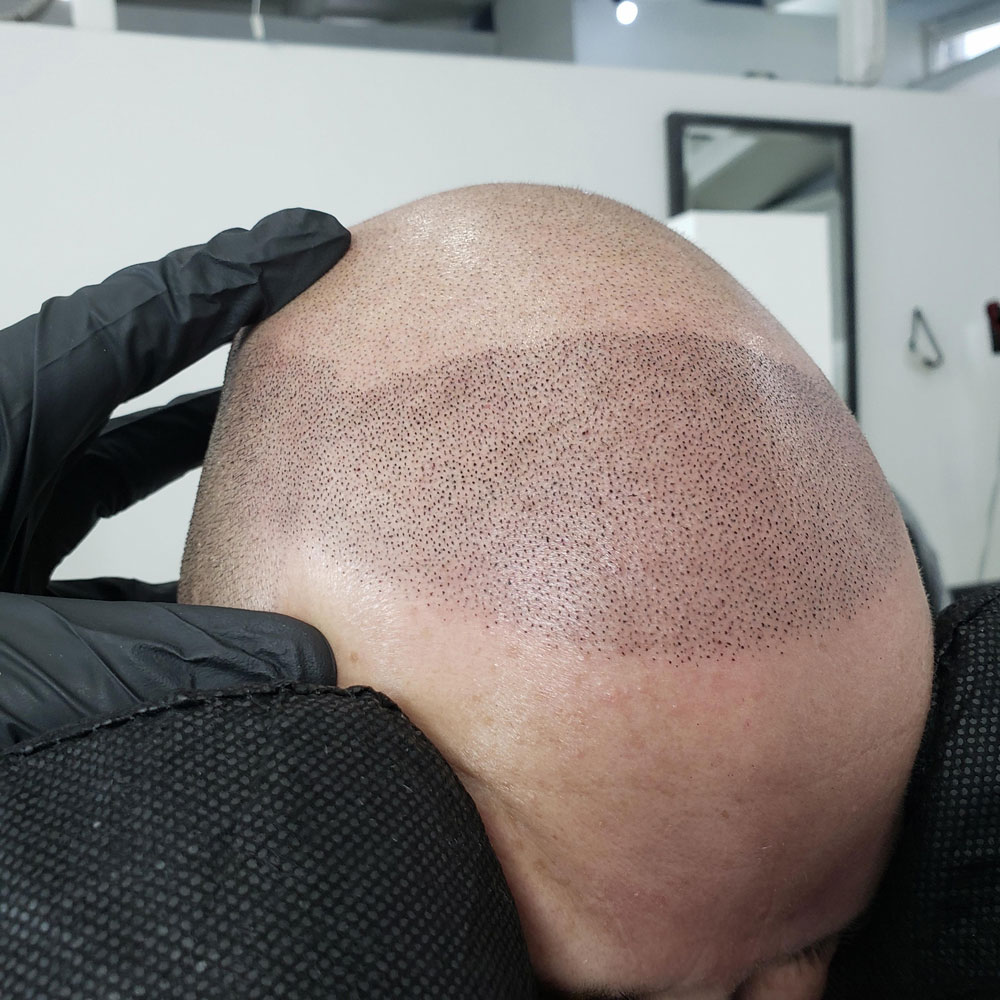
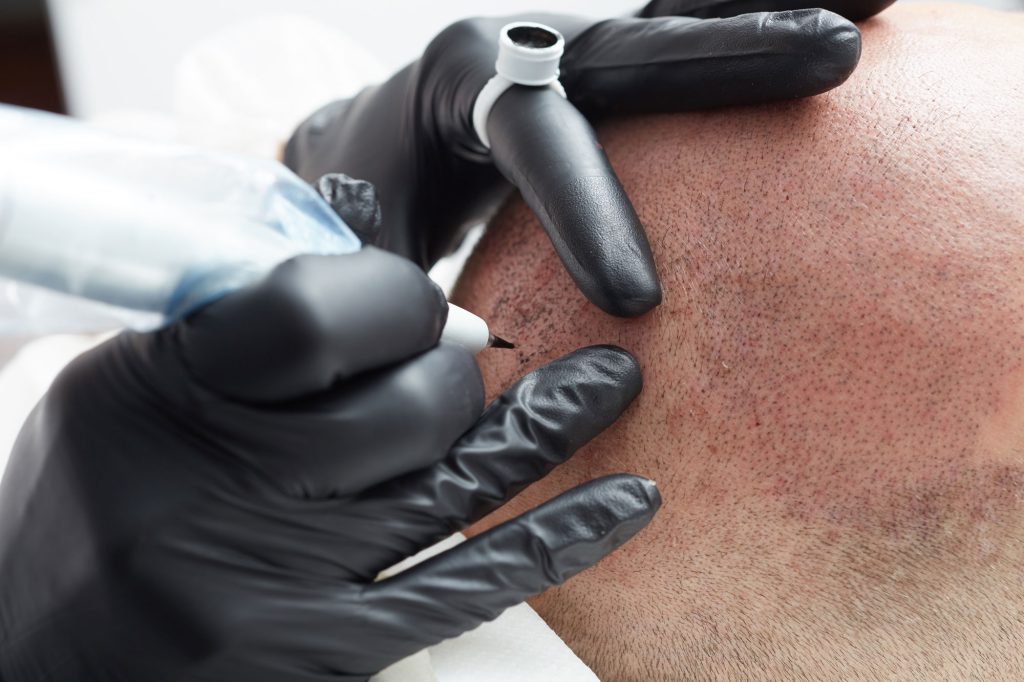
SMP for male density does not restore hair growth. That distinction matters and it is non-negotiable. Medical-grade pigment is deposited into the scalp at a depth of roughly 1.5 to 2 millimetres, creating the impression of hair follicles and filling in visible contrast between your existing hair and your scalp. The result is the appearance of greater density, not new growth.
A hair transplant, whether FUE (follicular unit extraction) or FUT (follicular unit transplantation), physically moves living donor follicles from the back or sides of your scalp to thinning areas. New hair actually grows. The two procedures address the same visual problem through fundamentally different mechanisms, which is why comparing them on a single scale misses the point.
2. The cost picture across the full treatment cycle
SMP typically runs between £400 and £4,000 depending on coverage area and practitioner. Most men require two to four sessions, and touch-ups every three to six years are realistic once fading begins. You are entering a maintenance relationship, not paying for a one-off fix.
FUE transplants start at roughly £3,000 and can exceed £15,000 for larger sessions, with no guarantee that progressive hair loss will not require additional procedures later. FUT tends to cost slightly less but leaves a linear scar. Neither transplant option is covered by insurance. When you factor in the total cost over a decade, including touch-ups for SMP or a second procedure for transplants, the gap between the two narrows considerably.
3. Downtime and recovery you will actually live through
After SMP, the first four days require no water on the scalp, no sweating, no shaving and no shampoo. Days five to ten allow gentle washing but no direct sun exposure. From day ten onwards, normal grooming resumes with SPF applied to the scalp. Full healing occurs at around thirty days. Most men take no time off work.
Hair transplant recovery is a different matter. FUE involves hundreds to thousands of individual punch extractions, leaving the donor area tender and dotted with small scabs. Swelling around the forehead is common in the first week. Transplanted hair sheds within two to three weeks, which catches many men off guard, before new growth begins months later. Visible results from a transplant typically take nine to twelve months to assess fully.
4. Longevity and what maintenance actually looks like
SMP results last approximately four to eight years before meaningful fading occurs, though three to five years is a more conservative real-world figure. Fading is driven by epidermal turnover, sun exposure, skin type and how diligently you apply SPF 30 to 50 daily. Oily skin and high sun exposure accelerate fading; dry skin and consistent sun protection slow it down.
A well-executed hair transplant, assuming sufficient donor density, can last a lifetime for the transplanted follicles. However, transplants do not halt ongoing DHT-driven hair loss in non-transplanted areas. Many men return for additional procedures as native hair continues thinning around the transplanted zones. SMP handles that scenario differently: it can be adjusted at each touch-up session to reflect however your hair loss has progressed.
5. Who is and is not a realistic candidate for each option
SMP suits men across almost the full spectrum of hair loss, including those with alopecia areata, scarring alopecias, post-transplant scarring or chemotherapy-related loss. It is also the practical choice for men who do not have sufficient donor hair for a transplant, which rules out a significant proportion of men with advanced loss. The main contraindications are active scalp conditions: psoriasis flares, eczema, acne and keloid-prone skin.
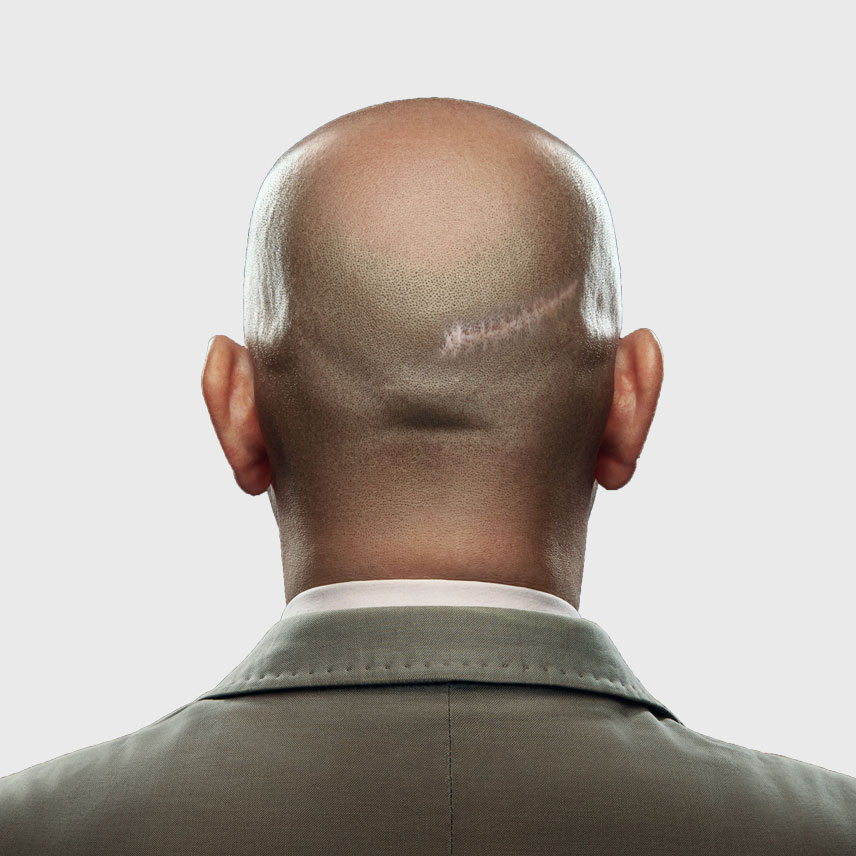
Hair transplants require adequate donor density at the back and sides of the scalp. Men with diffuse thinning across the entire scalp often do not have enough to work with. FUT leaves a permanent linear scar, which limits short hairstyle options. FUE avoids the linear scar but is more time-intensive and costly per graft. If you are earlier in your hair loss journey and have strong donor density, a transplant may be clinically appropriate. If you are further along, or want a faster, lower-risk result, medical micropigmentation deserves serious consideration.
The honest answer for most men comparing SMP density against a hair transplant is that the two are not direct substitutes. SMP is predictable, lower-cost and accessible to almost anyone with hair loss; a transplant offers genuine regrowth but only within the limits of your donor supply. Many men ultimately use both, with SMP filling the density gaps that transplants leave behind.
Frequently Asked Questions
Does scalp micropigmentation for male density look natural on close inspection?
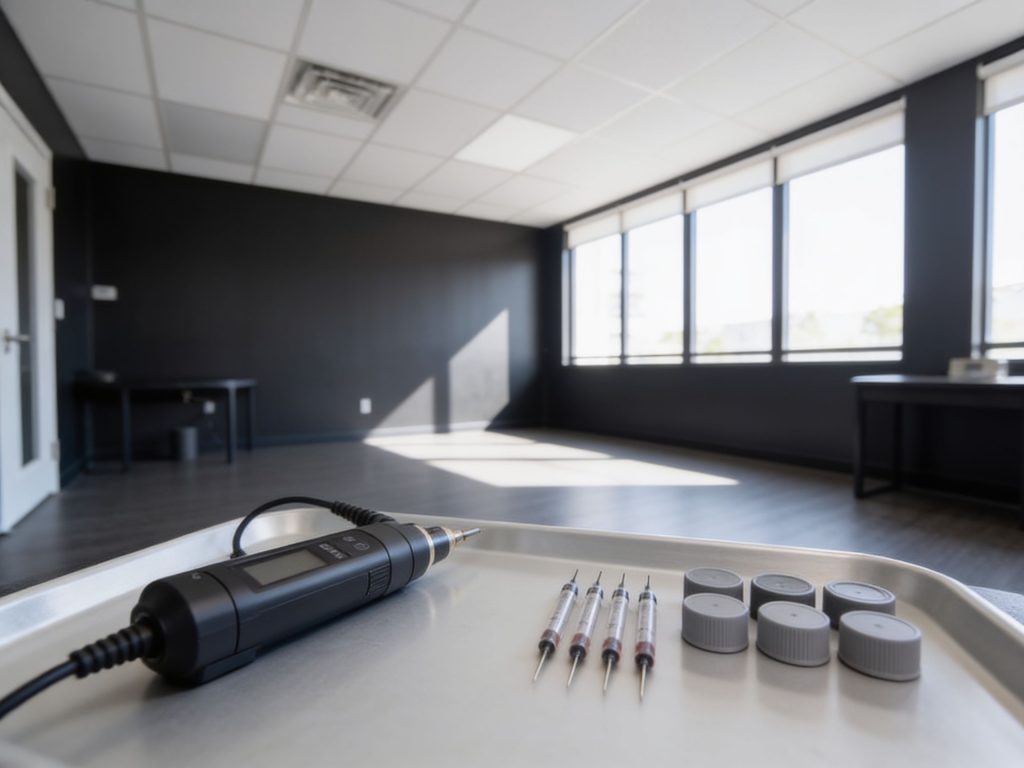
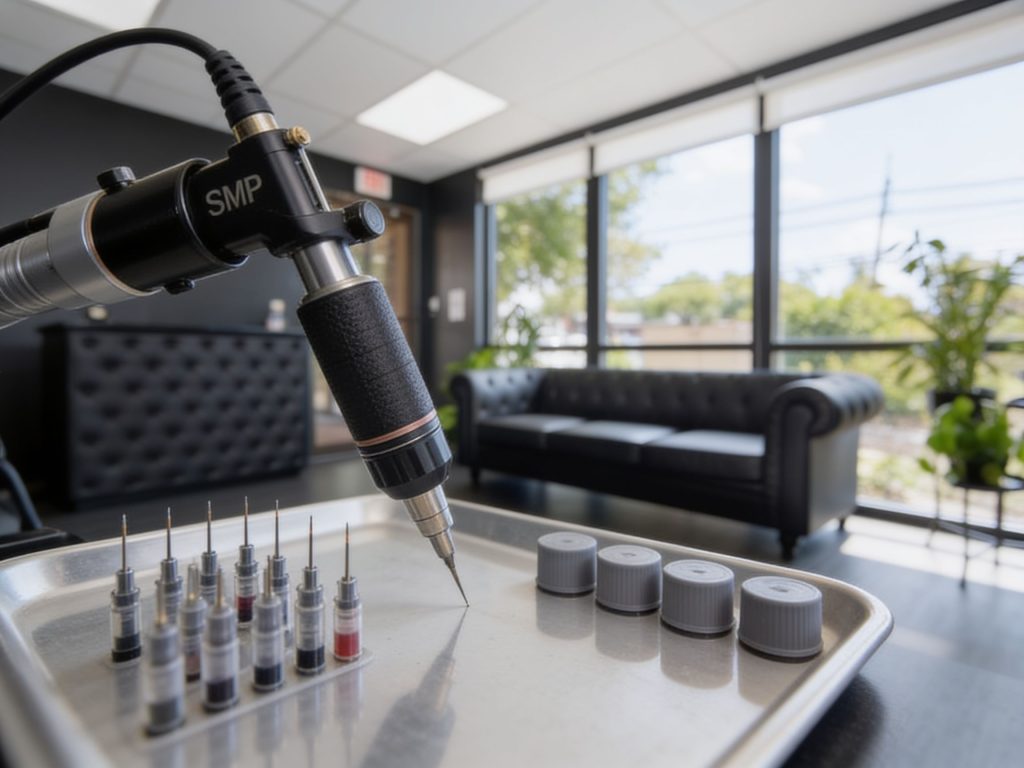
When performed correctly, SMP closely replicates the appearance of shaved hair follicles. Pigment dots are placed using a stippling technique, with a 0.2 mm needle at the hairline and a 0.25 mm needle across the crown, creating realistic depth and variation. The result reads as stubble density rather than an artificial pattern, provided the practitioner has sufficient experience.
Can I have SMP if I have already had a hair transplant?
Yes. SMP is frequently used after a hair transplant to camouflage linear FUT scars, fill density gaps between transplanted follicles or add visual coverage in areas where donor supply was insufficient. It is one of the most practical applications of medical micropigmentation for men who have already undergone surgical restoration.
How many SMP sessions does male density treatment typically require?
Most men need two to four sessions spaced several weeks apart. Each session builds on the last, with pigment dot density increasing from around 40 dots per square centimetre in the first session to 80 to 100 dots per square centimetre by the final session. The progressive layering is what creates depth and a natural-looking result rather than flat, uniform coverage.
What is the main risk of choosing a hair transplant over scalp micropigmentation for thinning hair?
The main risk is ongoing native hair loss continuing after the transplant, leaving transplanted zones surrounded by progressively thinner or absent hair. This often necessitates additional procedures. SMP avoids this issue because touch-up appointments can be adapted to match your current hair loss pattern, making it more flexible as loss progresses over time.
Is scalp micropigmentation painful compared to a hair transplant?
SMP is generally considered less painful than a hair transplant. Most clients describe SMP sessions as mild to moderate discomfort, comparable to light scratching. Hair transplants, particularly FUE, involve local anaesthetic injections and hours of extraction work. Post-procedure soreness with transplants typically lasts several days, while SMP redness usually subsides within two to three days.