What SMP density results actually look like over time
You have done the research, you are seriously considering scalp micropigmentation for density, and now you want a straight answer: how long before it fades? This article provides specific longevity figures for male density SMP, explains exactly which factors speed up or slow down fading, and helps you build a realistic maintenance plan from day one.
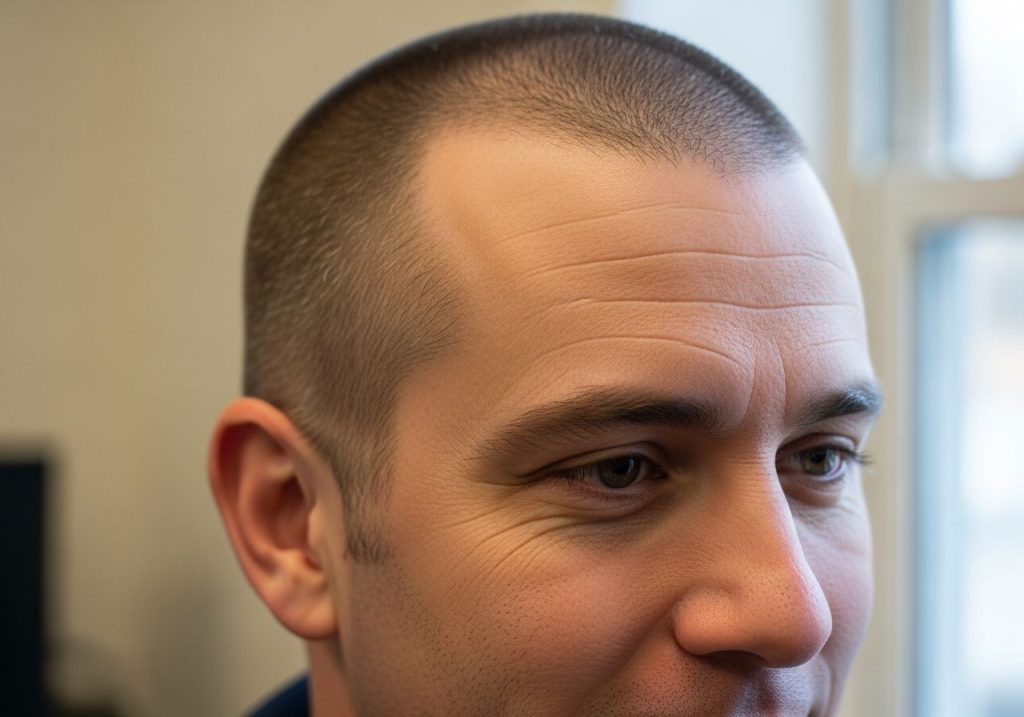
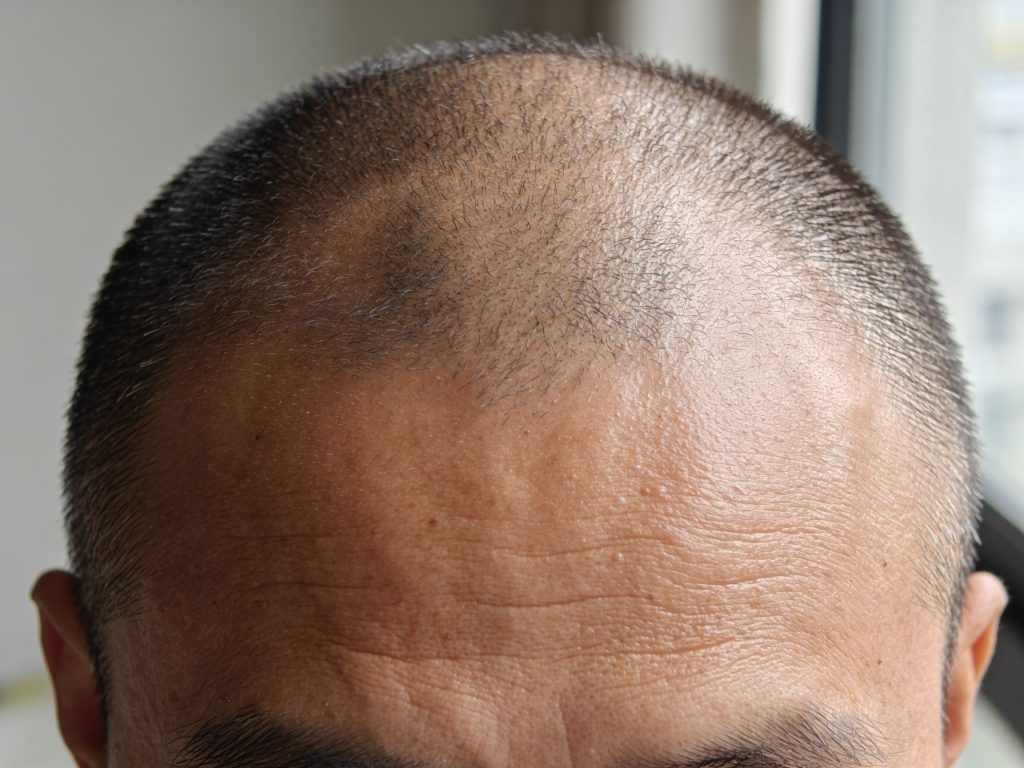
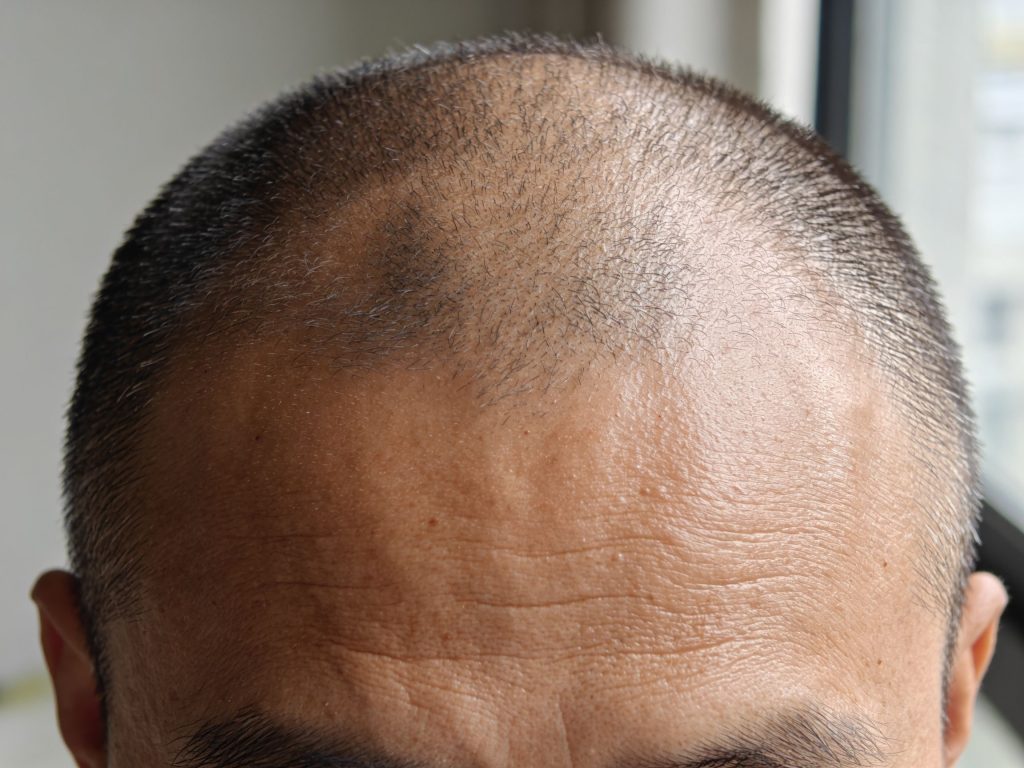
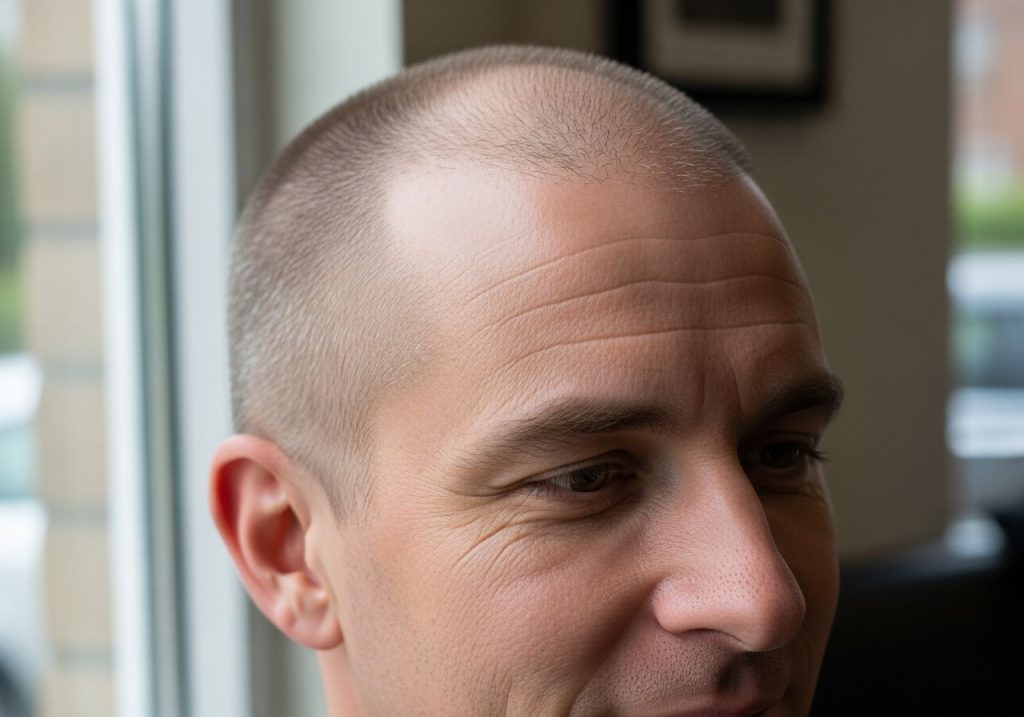
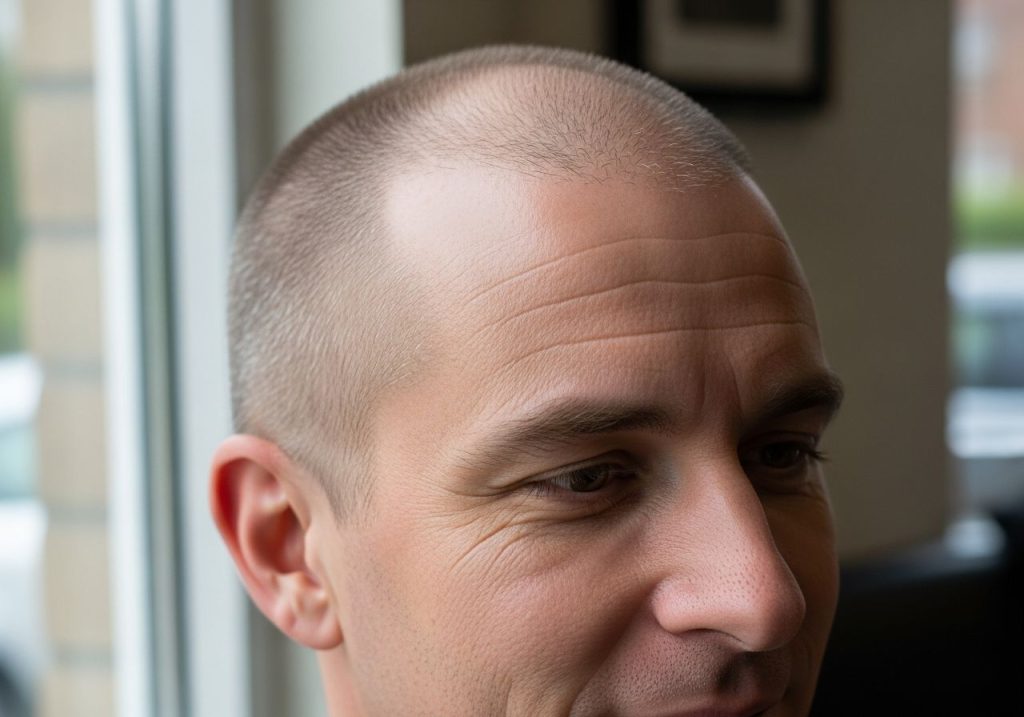
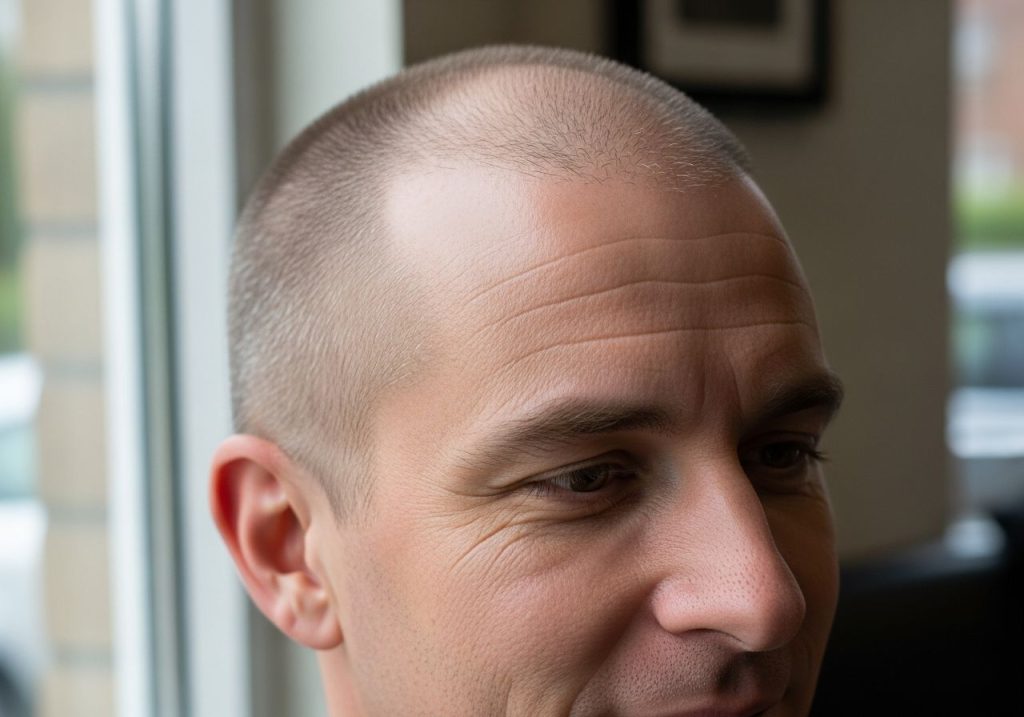
For male density work, the realistic longevity window is three to five years before a touch-up becomes worthwhile. That figure comes from both clinical data and practitioner experience across thousands of treatments. In a 2025 case series, average visual density scores sat at 8.7 out of 10 immediately after treatment and declined to 7.7 at the six-month mark, which represents modest fading but still strong results in the short term.
What you will notice over time is a gradual softening rather than a sudden disappearance. The pigment dots do not vanish overnight. They become lighter and slightly less crisp, which is actually why a maintenance session is so effective: it takes only one session to restore the result, not a full course of two to four sessions from scratch.
Some men find their results hold closer to four or five years. Others return for a top-up at three. The difference almost always comes down to a handful of well-understood variables, and knowing them in advance puts you in control.
The variables that accelerate fading in men specifically
UV exposure is the single biggest accelerant. Sunlight breaks down dermal pigment through a process called photooxidation, and a scalp that is regularly exposed to direct sunlight without protection will fade noticeably faster than one that is not. SPF 30 to 50 applied daily after the initial 30-day healing period is not optional; it is the most effective maintenance tool available between sessions.
Skin oiliness matters more than most men expect. Oily skin has a faster cellular turnover rate, which clears epidermal pigment more quickly. The dermis retains pigment longer, but higher sebum production means the surface appearance fades faster. If you have naturally oily skin, build that into your expectations: you are more likely to be at the three-year end of the range than the five-year end.
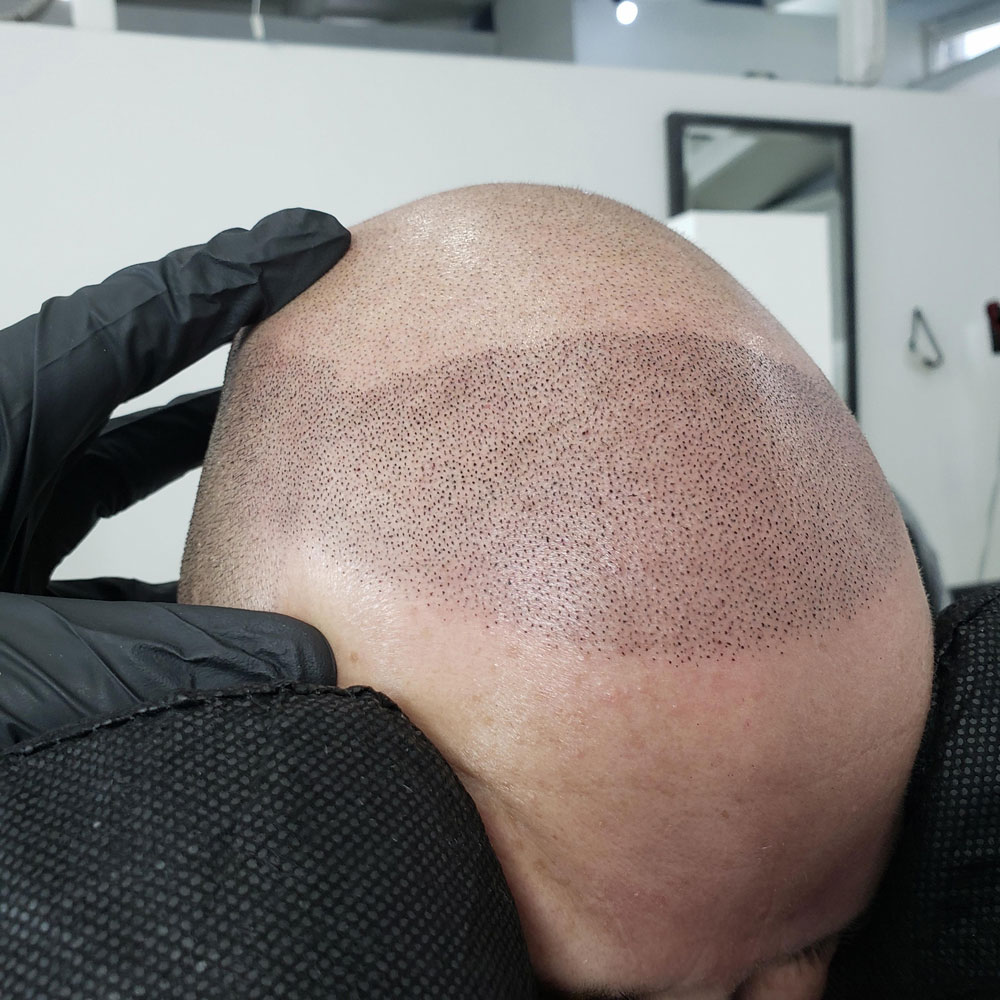
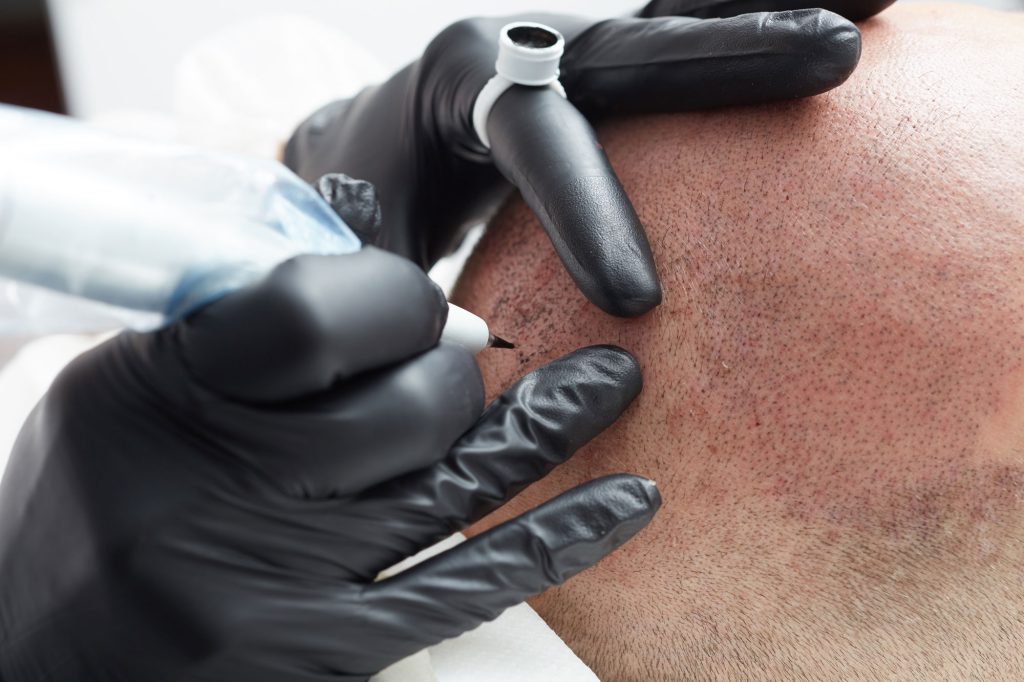
Pigment saturation across your original sessions is another important factor. Dot density is progressively increased across sessions, from around 40 dots per square centimetre in the first session up to 80 to 100 in the final one. Men who complete their full course of sessions, typically two to four, start with a deeper, more saturated baseline that holds longer. Cutting the process short leaves less dermal pigment to work with, so fading feels more abrupt.
Other factors that accelerate fading include certain medications, faster metabolic rates, and regular sauna or steam room use. Conversely, drier skin types, consistent SPF use, and avoiding prolonged sun exposure all support results at the longer end of the range.
Planning your touch-up schedule without guessing
A realistic SMP touch-up schedule for male density sits at roughly every three to four years for most men. Rather than waiting until fading is obvious to others, the smarter approach is to book a review appointment at the three-year mark. At that point, a practitioner can assess whether the pigment density still reads well or whether a single touch-up session would meaningfully restore the result.
Touch-up sessions are significantly shorter than the original treatment. Where a full density course spans two to four sessions of one to five hours each, a maintenance visit is typically a single session. The cost structure reflects this too: touch-ups are priced as a fraction of the original treatment, not a repeat of it.
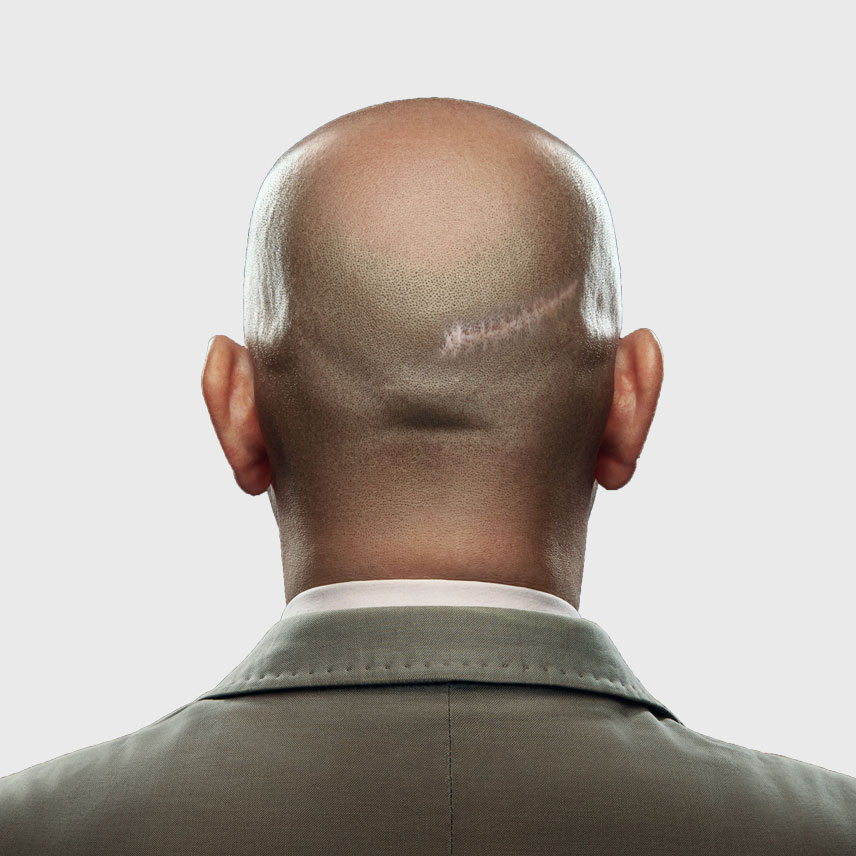
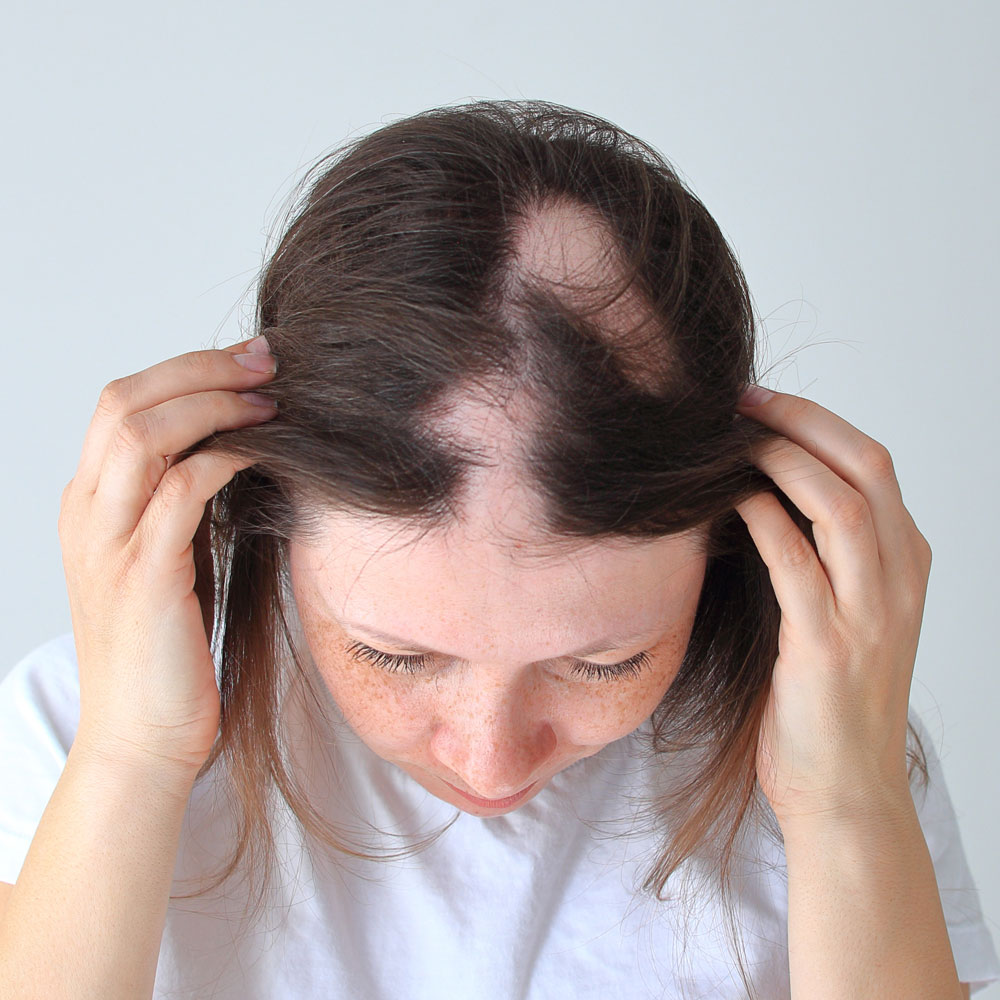
For men with alopecia areata or scarring alopecias, the data shows slightly greater fading rates compared to androgenetic pattern baldness. If that applies to you, it is advisable to plan your first review closer to two and a half to three years rather than waiting the full five. The biology of scarred skin means pigment retention behaves differently, and staying ahead of that keeps the result consistently strong.
The aftercare you follow in the first 30 days also shapes your long-term result. No water on the scalp for the first four days, no shampoo, no sweating, no shaving. From day five to ten, gentle washing only, with no sun exposure. From day ten onwards, normal grooming resumes, but daily SPF becomes a non-negotiable habit from that point forward. Every SPF application is effectively a small investment in extending your result.