You have done the research, you are sold on the idea, and now you want one straight answer: how long before you are back in the chair? The honest answer is two to three years for most people, but the range is wider than that figure suggests. This article breaks down exactly what drives that variation, what speeds up fading, and how to protect your results for as long as possible.
Why nano brows last longer than most brow techniques
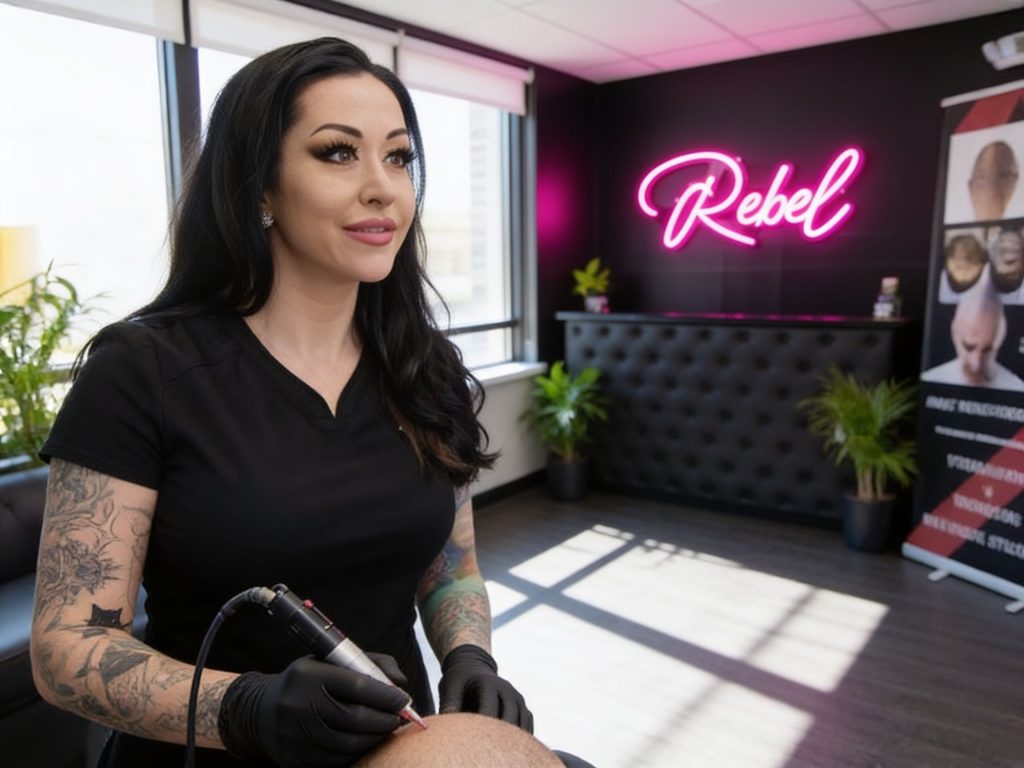
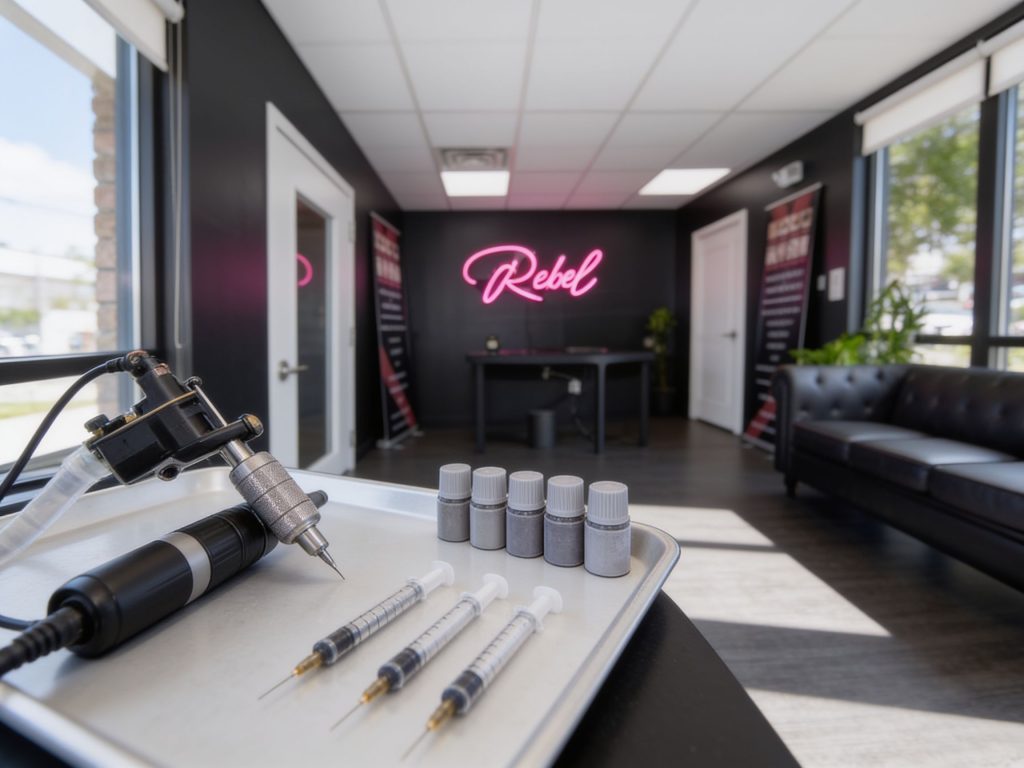
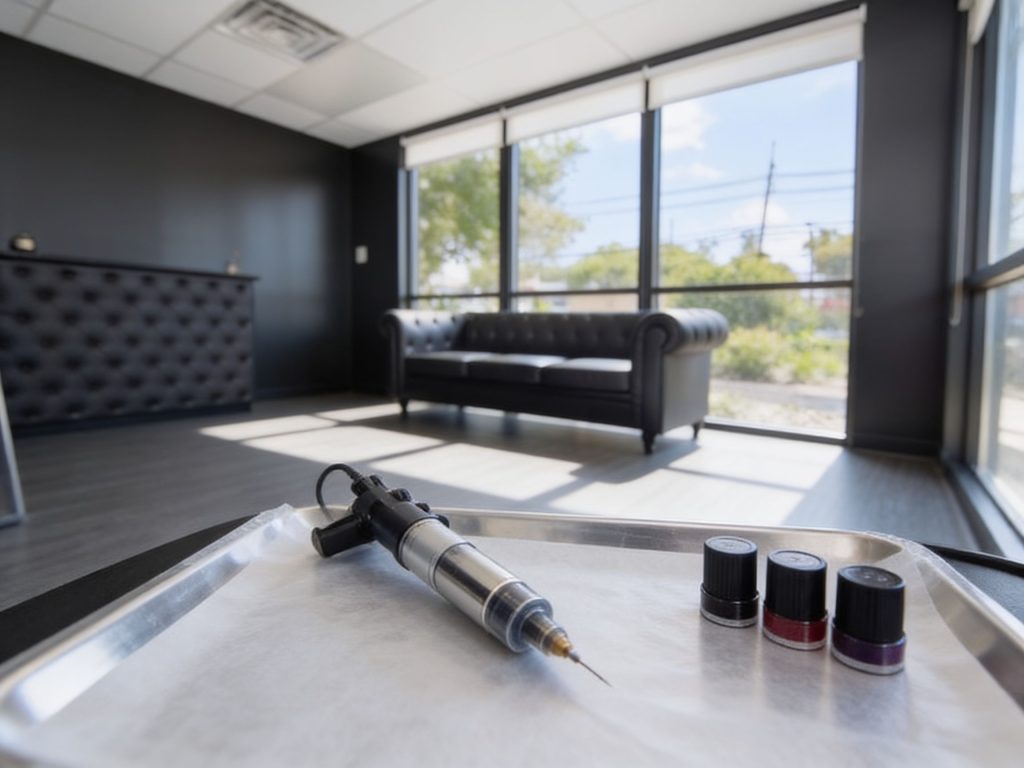
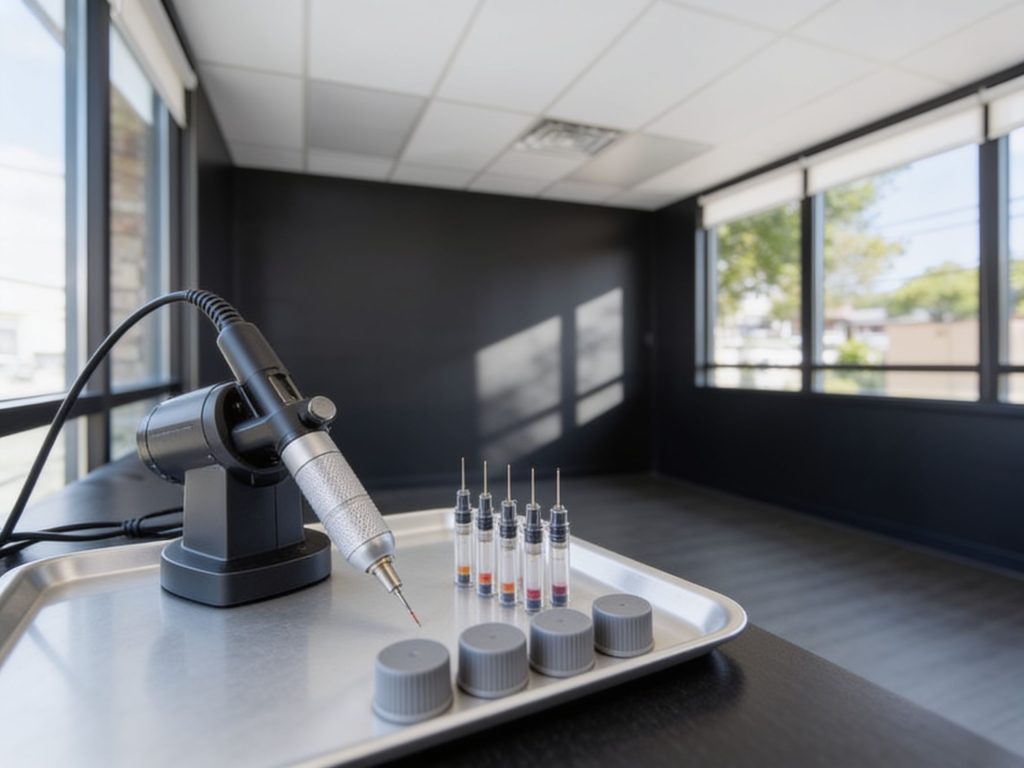
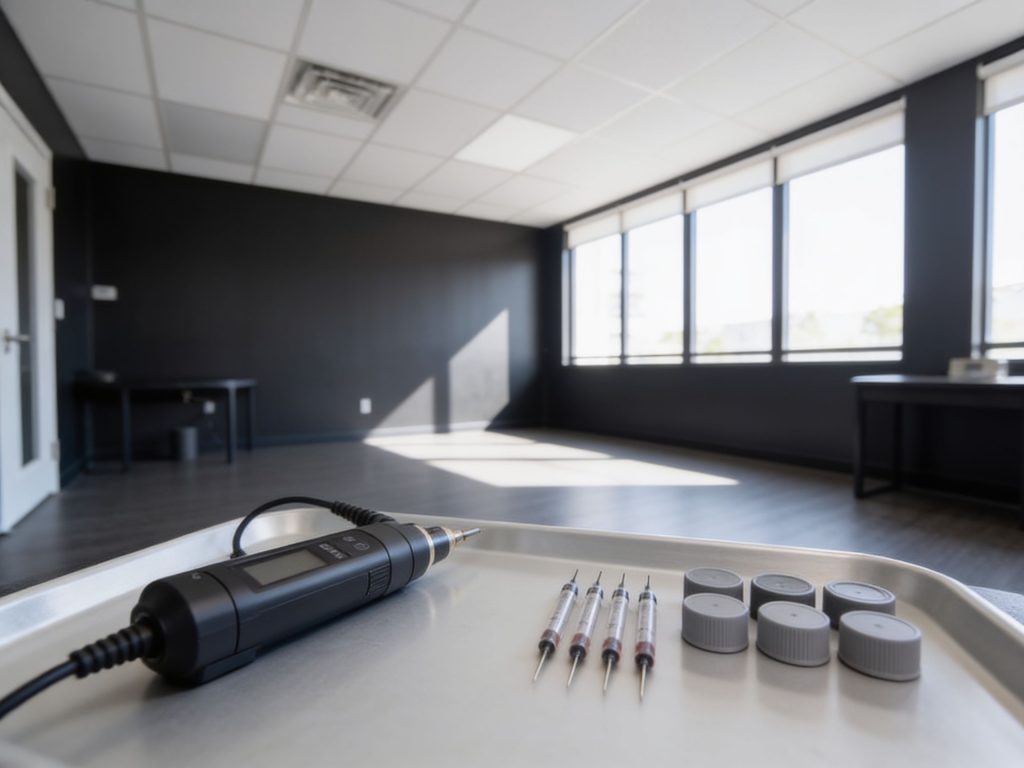
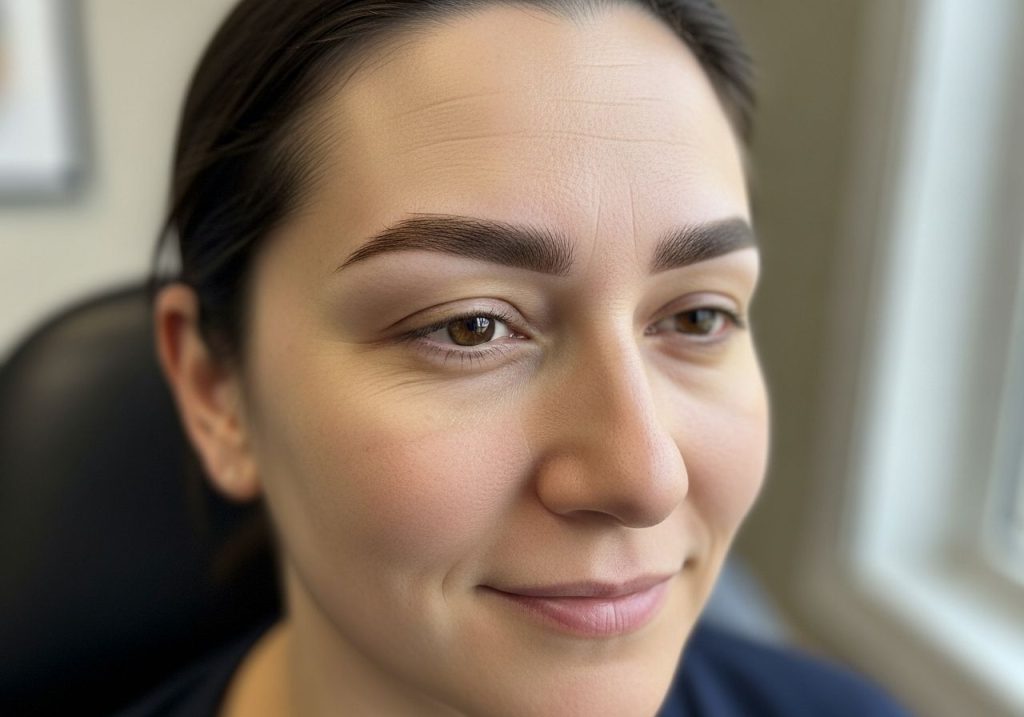
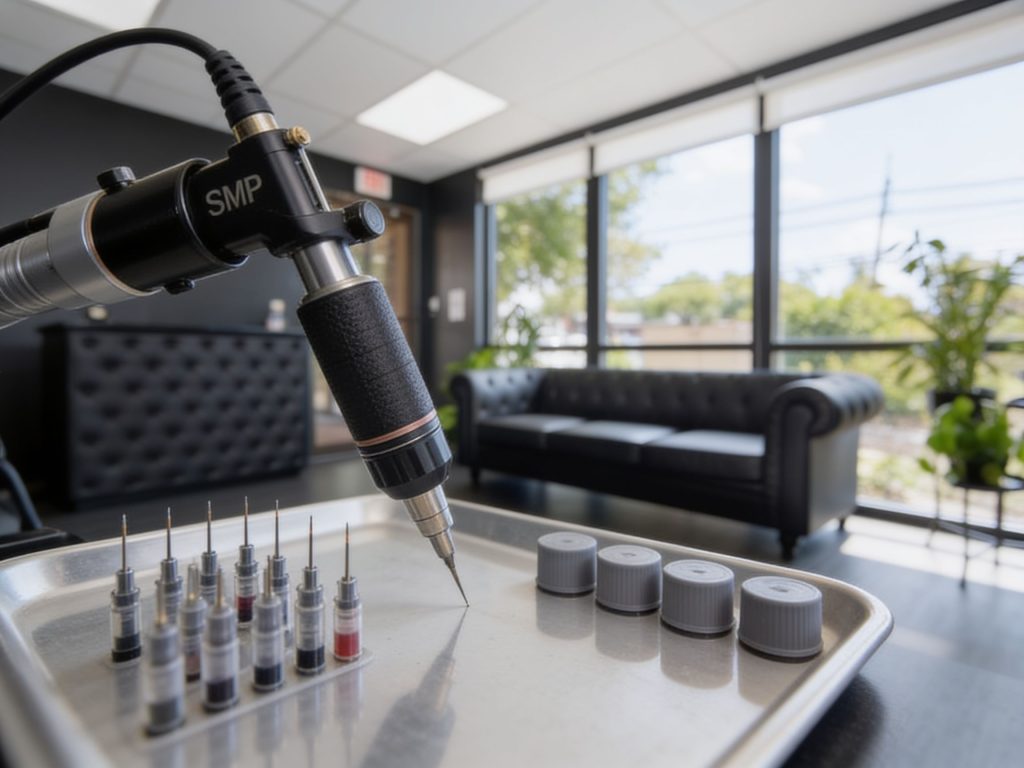
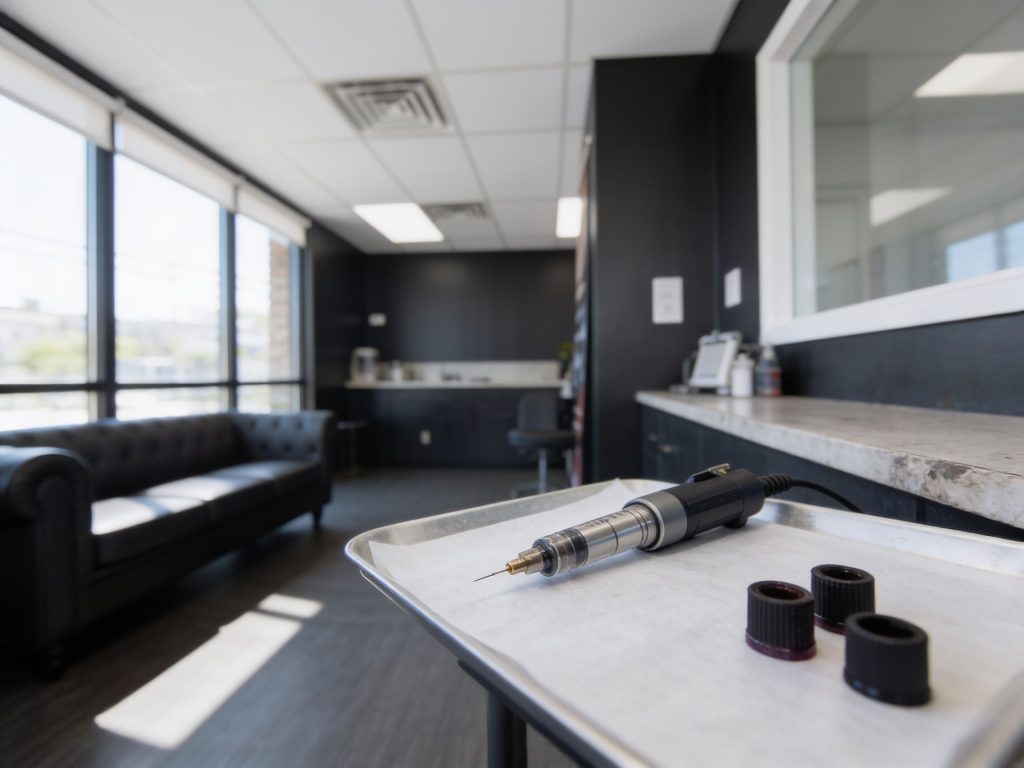
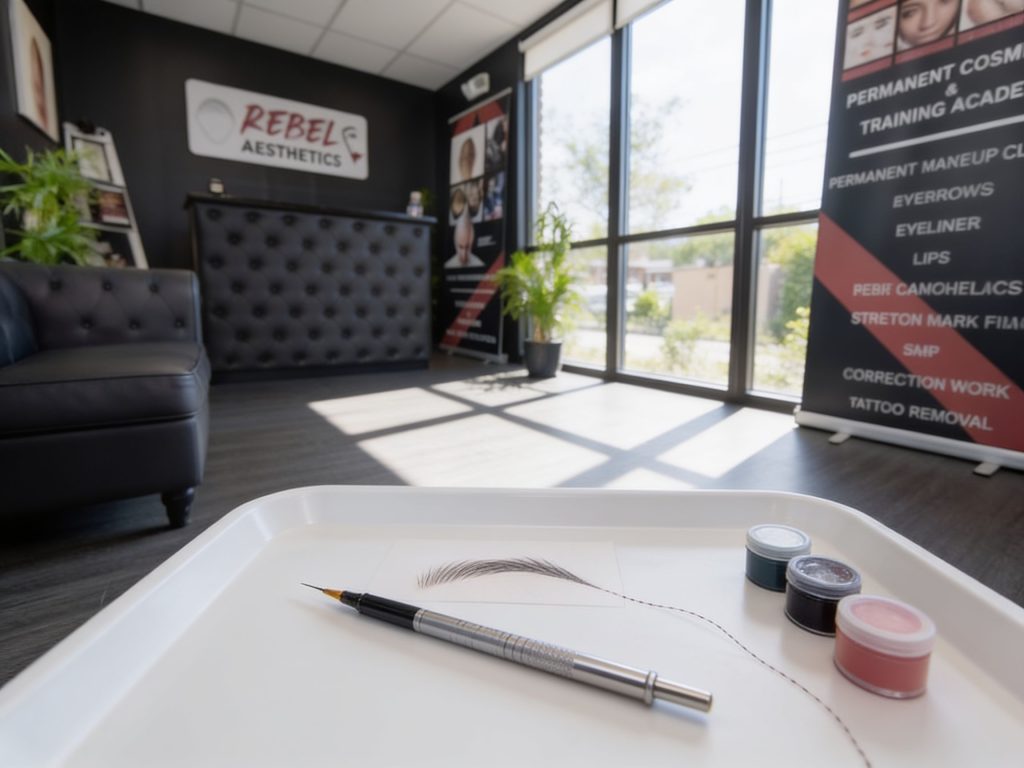
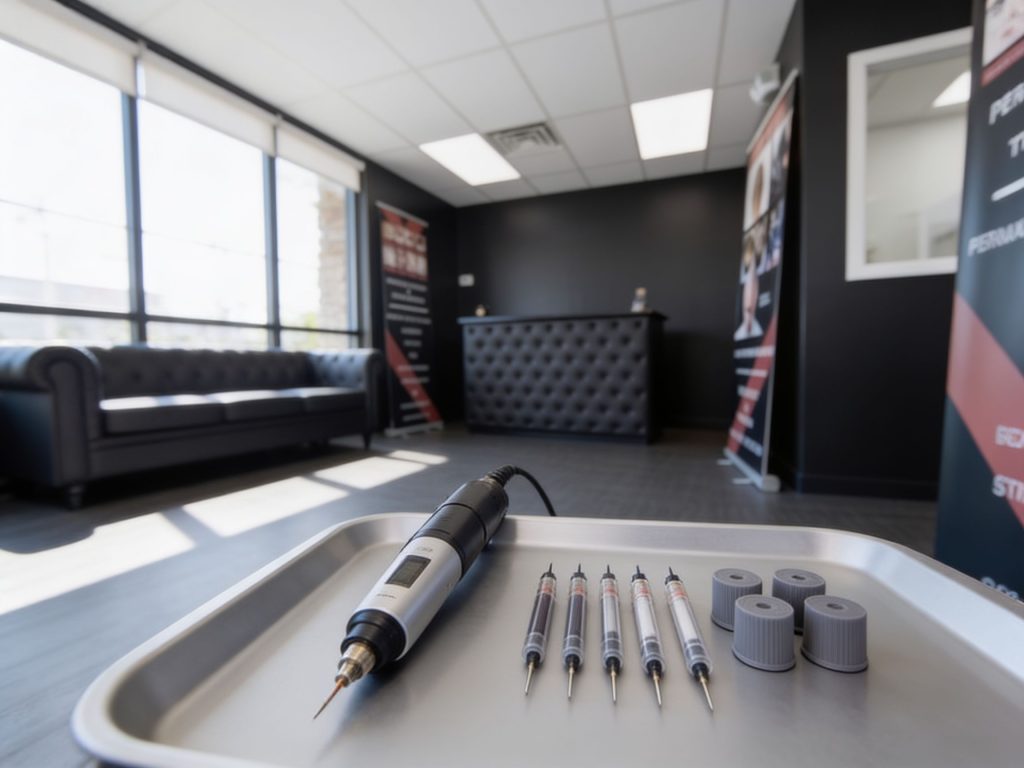
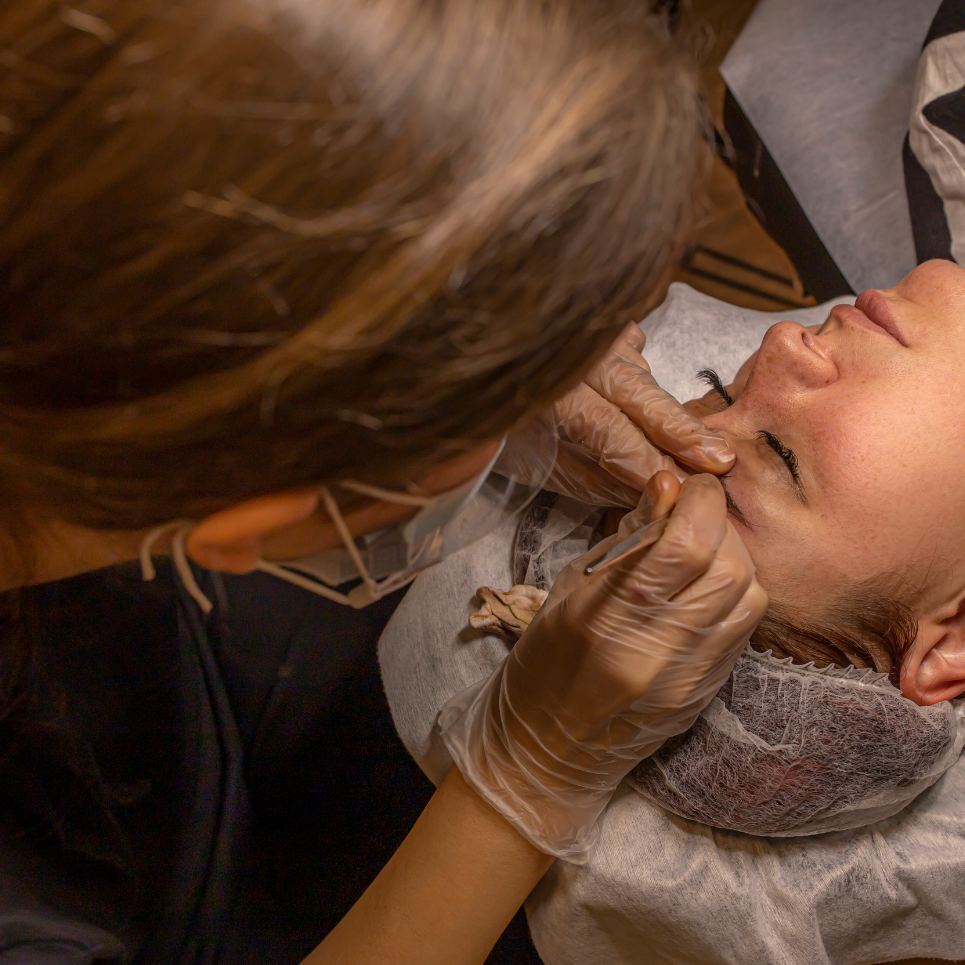
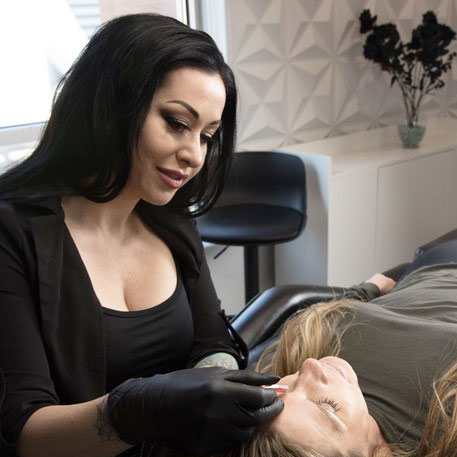
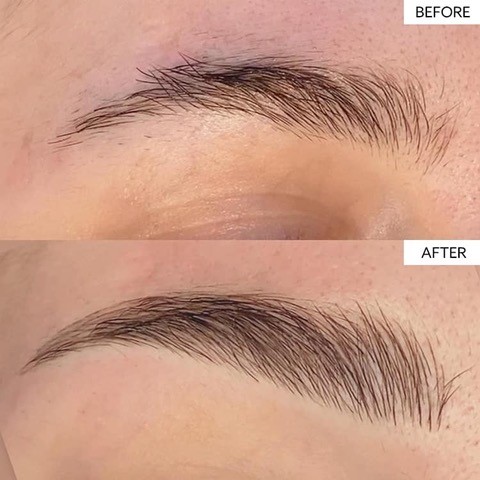
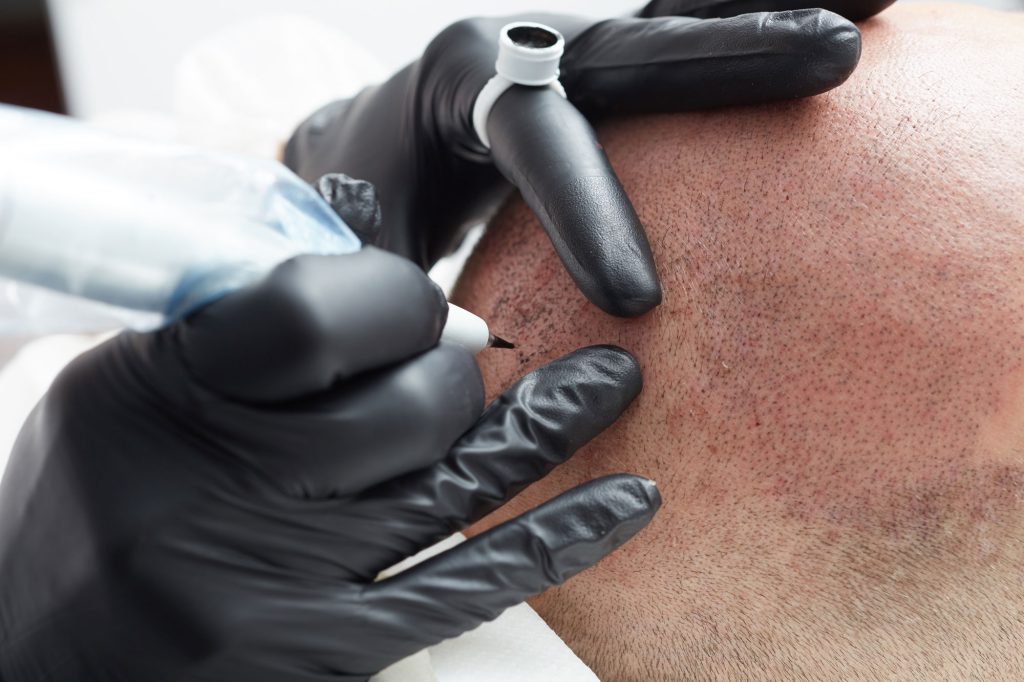
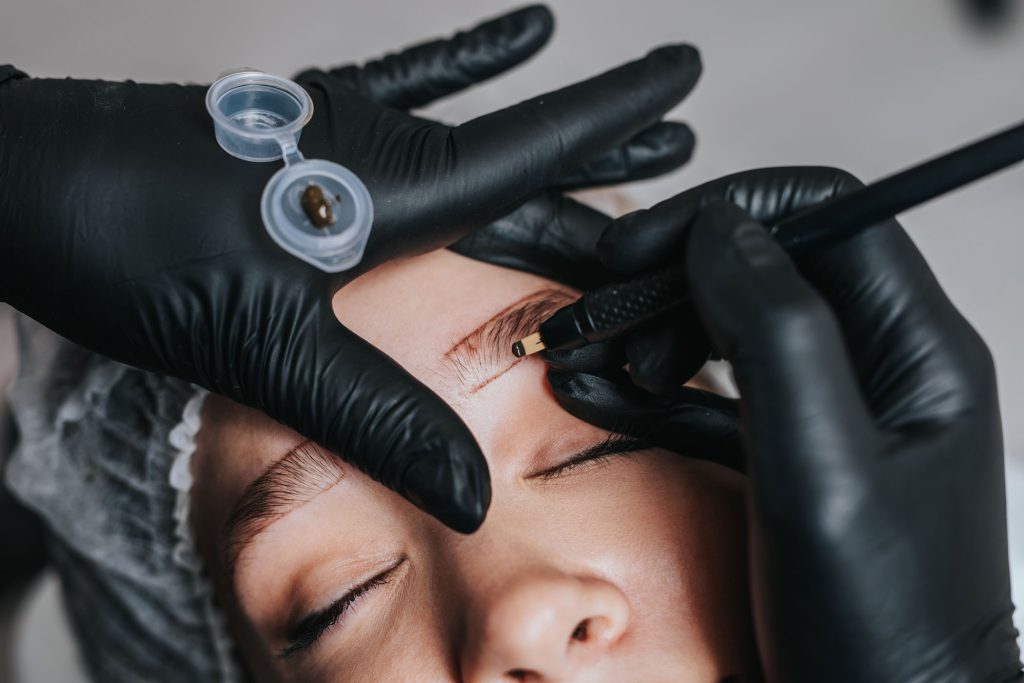
Nano brows are created using a digital PMU machine fitted with an ultra-fine single needle, which deposits pigment in precise, hair-like strokes at a shallower depth than traditional tattooing. Because the needle causes less trauma to the skin, the body does not push the pigment out as aggressively, which directly supports better retention over time.
Compare that to microblading, which uses a manual blade to make small cuts in the skin. Those cuts trigger a stronger inflammatory response, and pigment retention on oily or combination skin is noticeably poorer. Microblading typically holds for around 12 to 18 months. Nano brows, under the same conditions, routinely reach two to three years before a colour refresh is needed.
The consistency of the machine also matters. Each stroke is delivered with the same pressure and depth, which means pigment sits evenly across the brow. Uneven implantation is one of the main reasons results fade patchily, and the precision of the digital technique largely eliminates that problem.
The factors that genuinely affect nano brow longevity
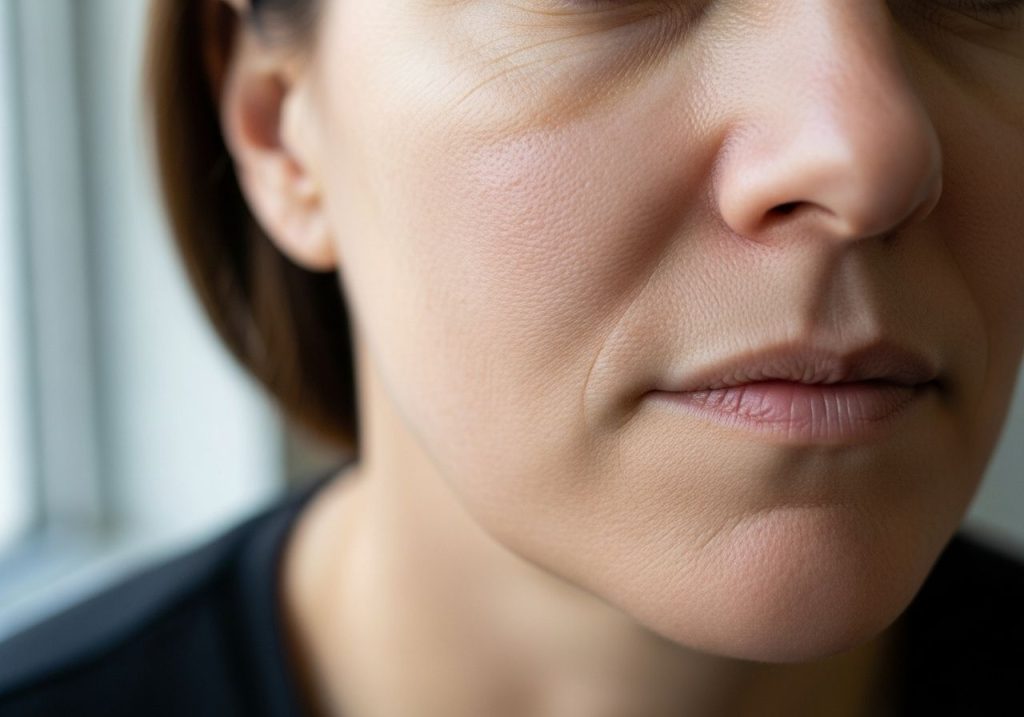
Skin type is the single biggest variable. Oily skin produces more sebum, which gradually works to break down pigment from the outside. If your T-zone is consistently shiny by midday, expect your brows to fade closer to the 18-month to two-year mark rather than three. Drier skin holds pigment longer, often reaching or exceeding the two-to-three-year window comfortably.
Sun exposure accelerates nano brow fading more than almost anything else. UV radiation breaks down pigment molecules, which is why the same principle that fades a photograph left in a sunny window also affects your brows. SPF applied daily around the brow area, once fully healed, is one of the most practical steps you can take to extend results.
Skincare habits play a role too. Active ingredients such as retinol, glycolic acid, and other exfoliants speed up cell turnover, which means the skin sheds faster and takes pigment with it. If you use these products, keep them well away from the brow zone. Similarly, frequent swimming in chlorinated pools or steam-room use will shorten longevity, as both strip pigment gradually over time.
Your immune system and metabolism also influence how quickly your body processes foreign pigment. Some people simply metabolise it faster than others, and there is no reliable way to predict this from a consultation alone. It is one reason healed results are best assessed at the six-week touch-up appointment rather than making long-term promises at the initial session.
What nano brow fading actually looks like
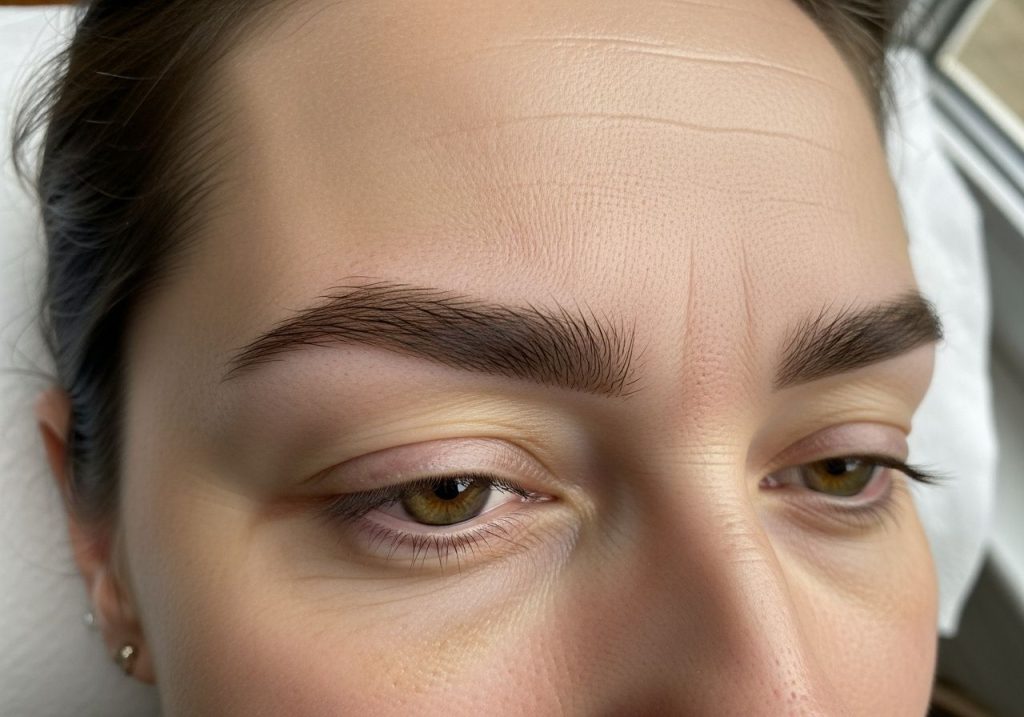
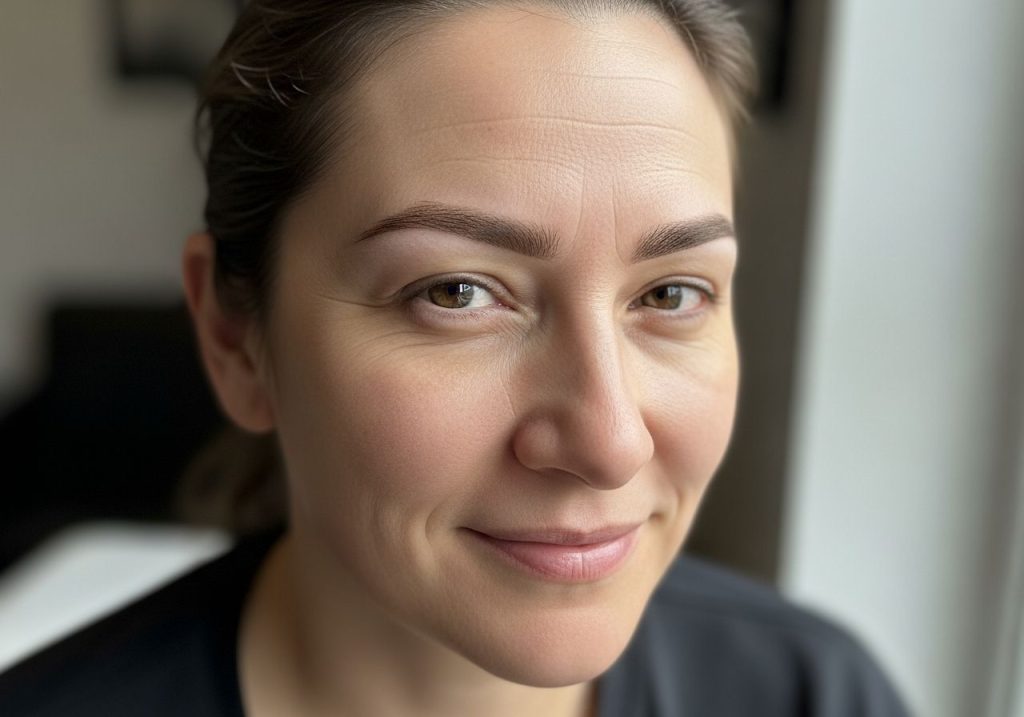
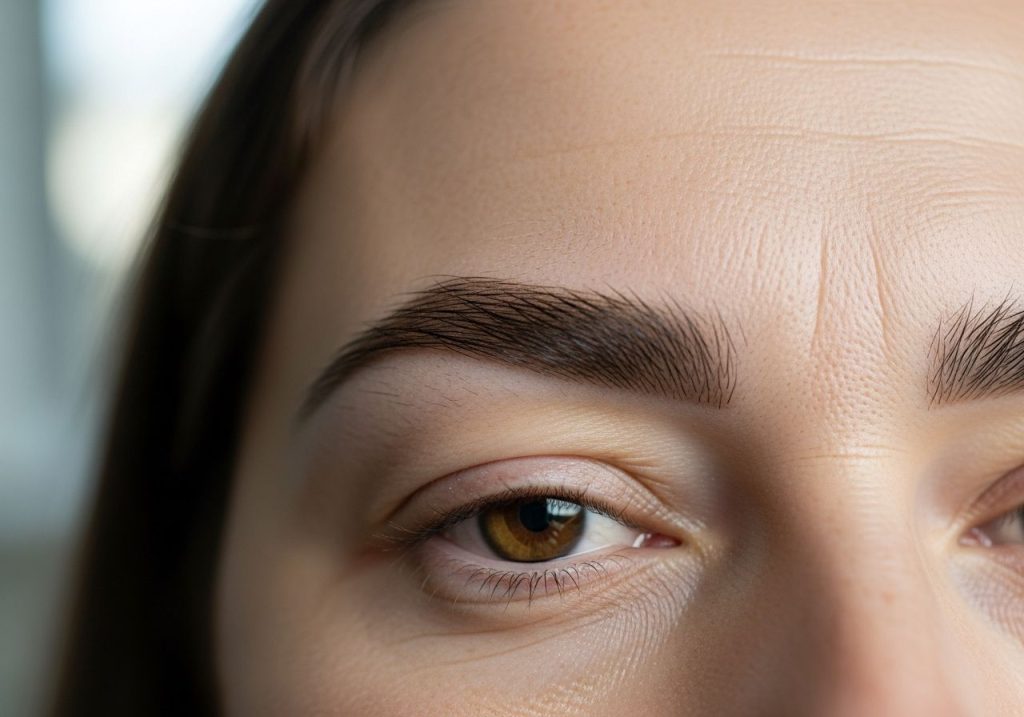
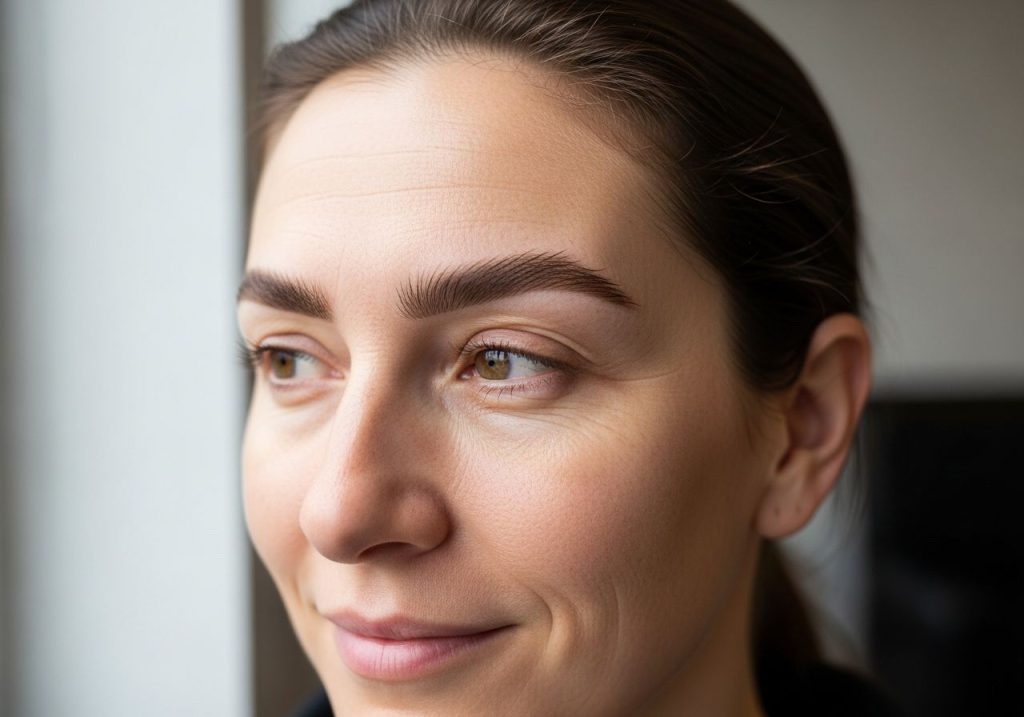
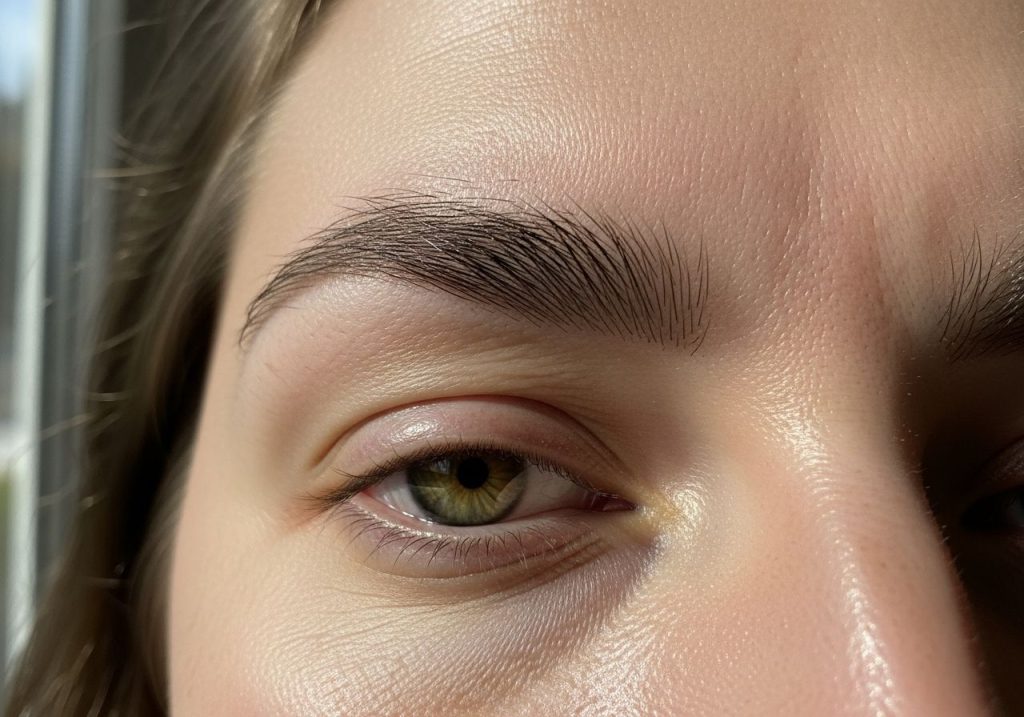
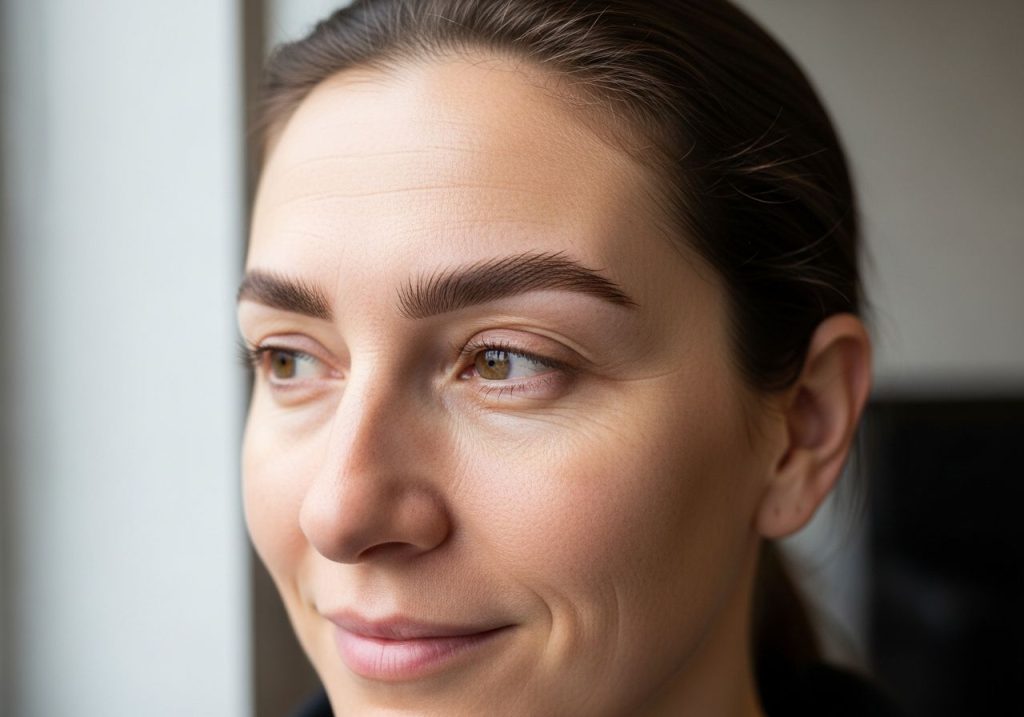
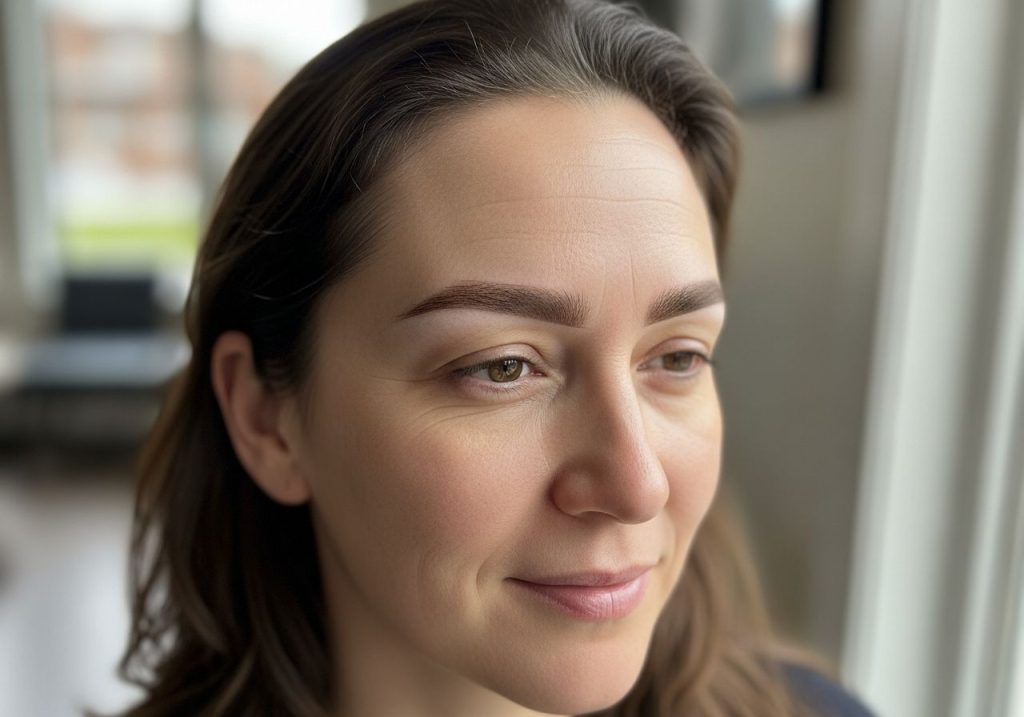
Fading does not happen overnight, and it does not happen evenly. The first thing most people notice, usually somewhere between 12 and 18 months in, is that the strokes appear slightly softer and the colour has shifted. Browns can lean more ash or cool-toned as the warmer pigment molecules break down first. This is normal, not a sign that something went wrong.
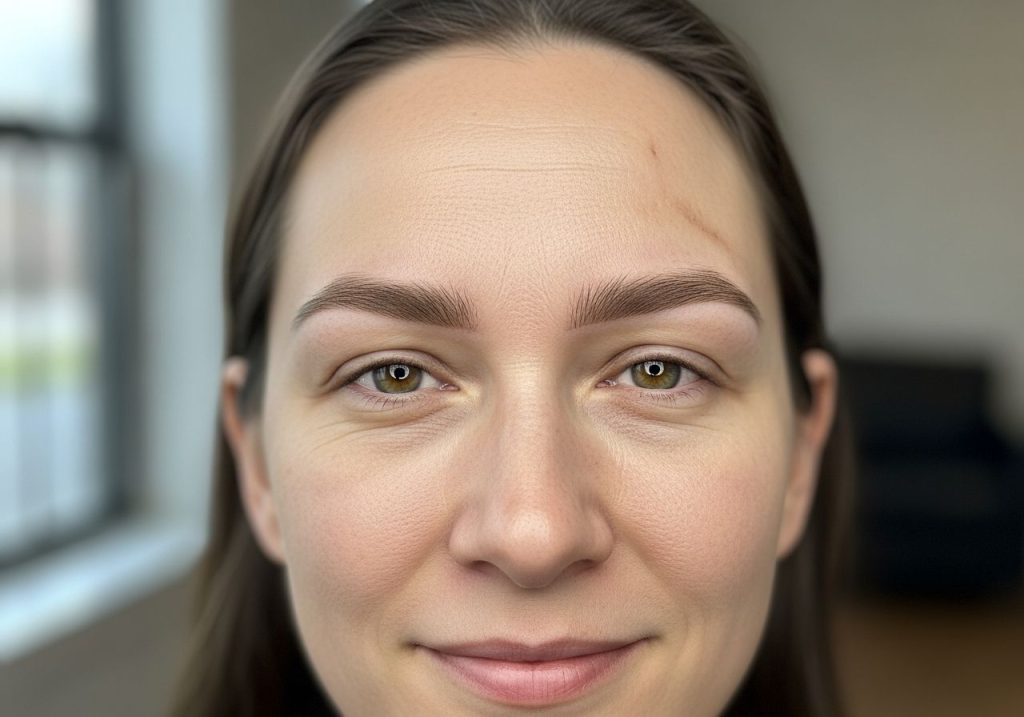
As the brows continue to fade, the individual hair strokes may become less defined and the overall shape can appear a little lighter. The brows do not disappear entirely for most people; they simply become subtler, which some clients actually prefer as a halfway point. The shape, if the original work was well executed, tends to hold its integrity even as colour diminishes.
Patchiness at this stage is also common. Areas where the skin is slightly oilier, or where skincare has been applied closest to the edge of the brow, may fade faster than the central body of the arch. This is one of the reasons a colour boost appointment is more straightforward than starting from scratch: the underlying shape is still visible and the artist is working with existing strokes rather than designing anew.
Touch-up schedules and maintaining results long-term
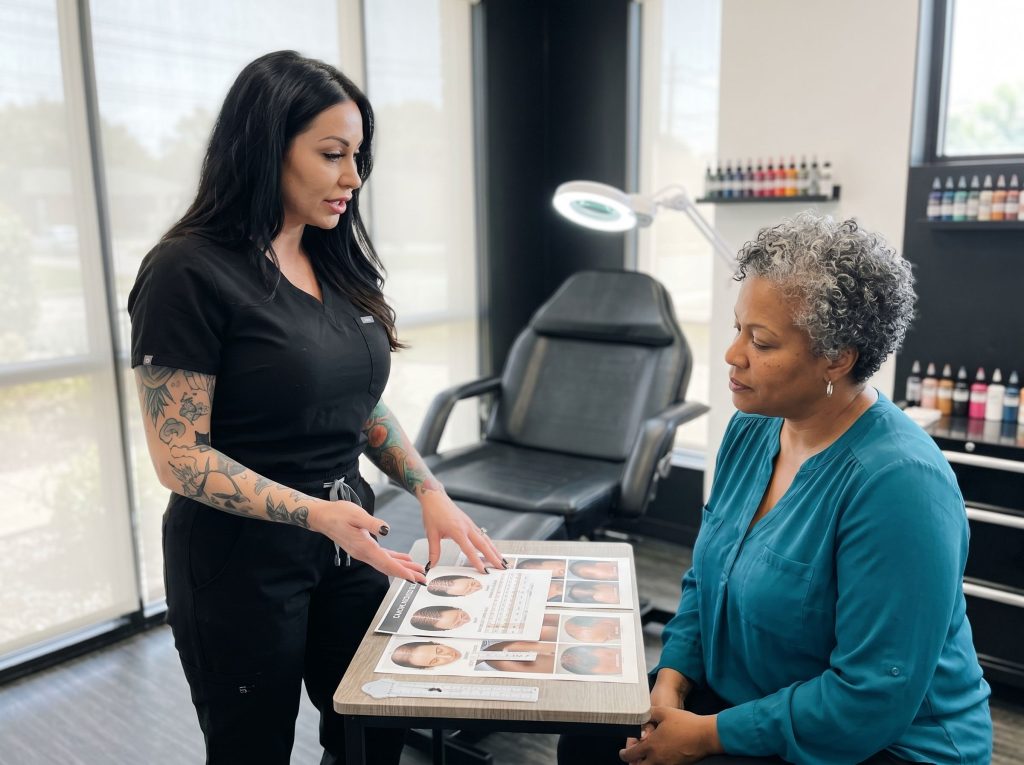
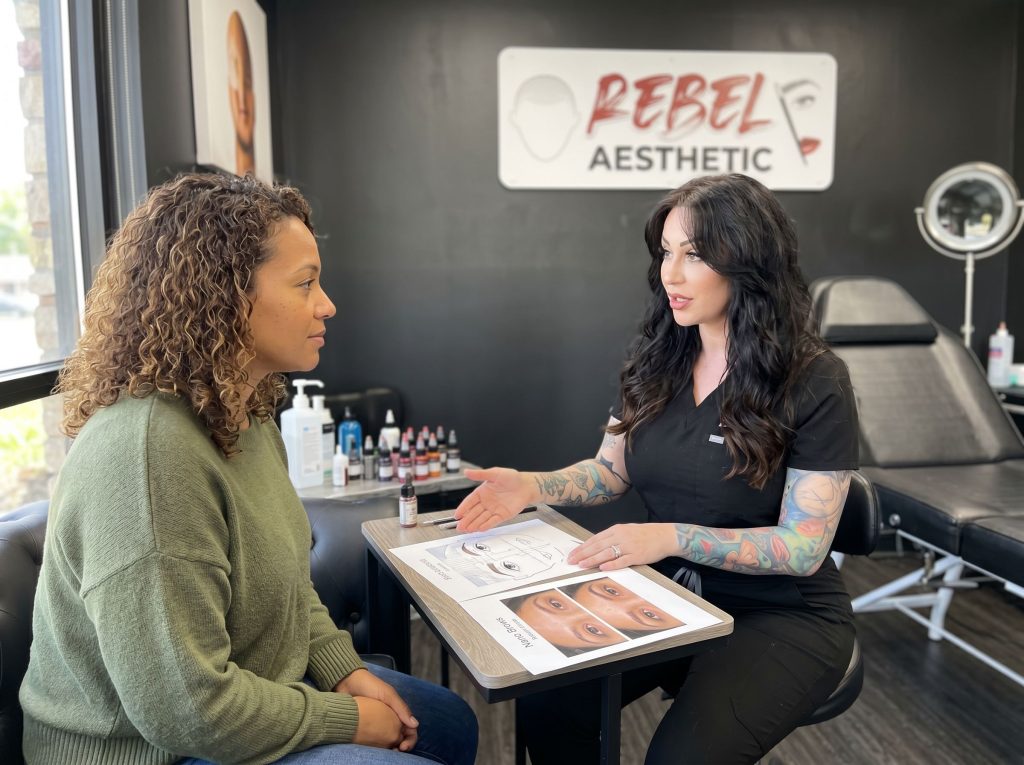
The standard schedule for nano brows runs as follows: an initial session, a six-week perfecting appointment, and then a colour boost every 12 to 18 months depending on how your skin holds pigment. The six-week appointment is not optional. Healed results always look different from freshly worked brows, and that session exists to refine strokes, adjust density, and correct any areas where pigment did not retain as expected.
After that, how often you return depends on your personal preference and your skin. Some clients come back annually because they want consistently crisp, bold brows. Others are happy to let the colour soften and return at the 18-month to two-year point. Both approaches are valid; it is simply a question of the look you want to maintain.
Leaving nano brows too long between appointments, beyond three years for example, means the remaining pigment may have shifted in tone enough that a corrective session is needed before a straightforward refresh. It is not a disaster, but it does mean more chair time and potentially a different approach. Staying on a regular touch-up schedule is genuinely easier and more cost-effective in the long run.
To protect your results between appointments: apply SPF daily once healed, avoid exfoliating acids directly on the brows, limit steam and chlorine exposure, and moisturise the brow area to maintain healthy skin. These habits compound over time and can meaningfully extend the gap between colour boosts.
Frequently Asked Questions
How long do nano brows last on oily skin?
On oily skin, nano brows typically last between 18 months and two years before a colour boost is needed. Oily skin produces more sebum, which gradually breaks down pigment. Nano brows outperform microblading significantly on oily skin types, making them the stronger long-term choice for this skin type.
Does sun exposure really speed up nano brow fading?
Yes, UV exposure is one of the most consistent drivers of nano brow fading. Sunlight breaks down pigment molecules over time, in the same way it fades photographs. Applying a broad-spectrum SPF around the brow area daily, once the skin is fully healed, is one of the most practical steps you can take to extend your results.
What is the difference in longevity between nano brows and microblading?
Nano brows typically last two to three years; microblading usually lasts 12 to 18 months. The difference comes down to technique. The digital machine used for nano brows causes less skin trauma than a microblading blade, which means the body’s response is gentler and pigment retention is noticeably better, particularly on oily or combination skin types.
Will my nano brows disappear completely as they fade?
Most people do not lose their brows entirely as the pigment fades. Instead, strokes become softer, colour lightens, and the overall look becomes more subtle. The underlying shape tends to remain visible even as definition reduces. This is why refresh appointments are simpler than starting from scratch: the artist works with existing strokes rather than building from nothing.
How often should I book a touch-up to maintain nano brow longevity?
A colour boost every 12 to 18 months is the typical schedule for maintaining nano brow longevity. This follows an initial session and a mandatory six-week perfecting appointment. Clients who prefer bolder, crisper brows tend to return annually; those happy with a softer look often wait closer to 18 months. Staying consistent avoids pigment tone shifts that make corrections more complex.