You’ve done the research, watched the videos, and you’re still not sure whether SMP or a hair system is the right call. Both promise a credible answer to hair loss, but they work in completely different ways and suit completely different men. This article breaks down exactly what separates them so you can make the decision with confidence.
What each option actually involves
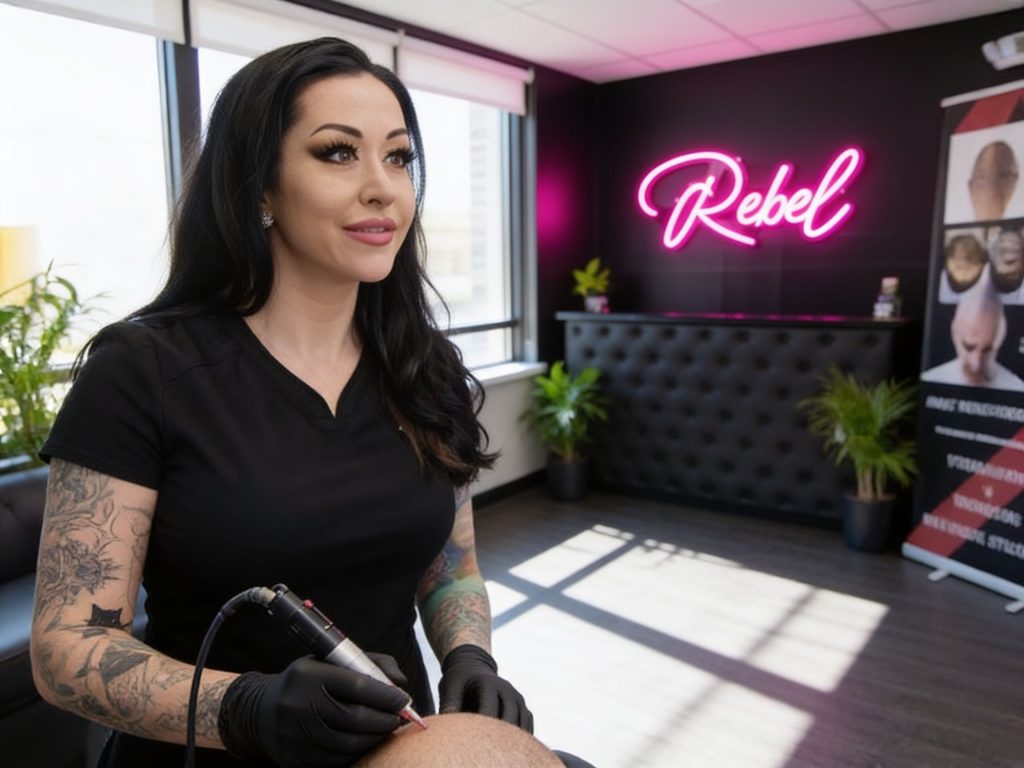
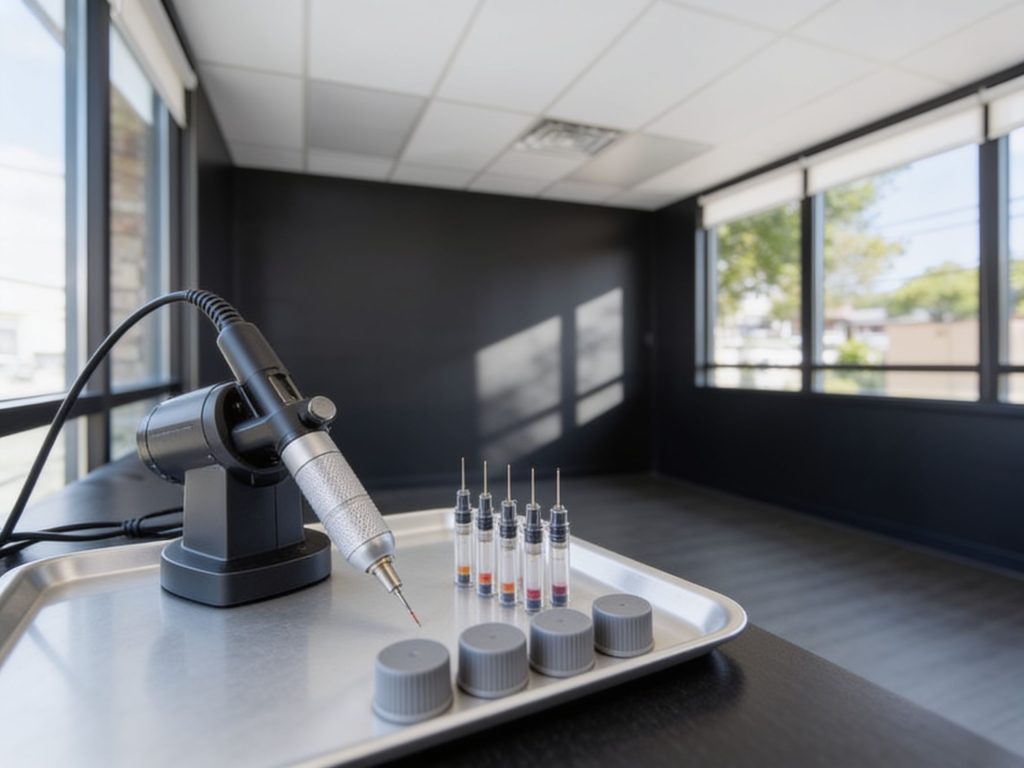
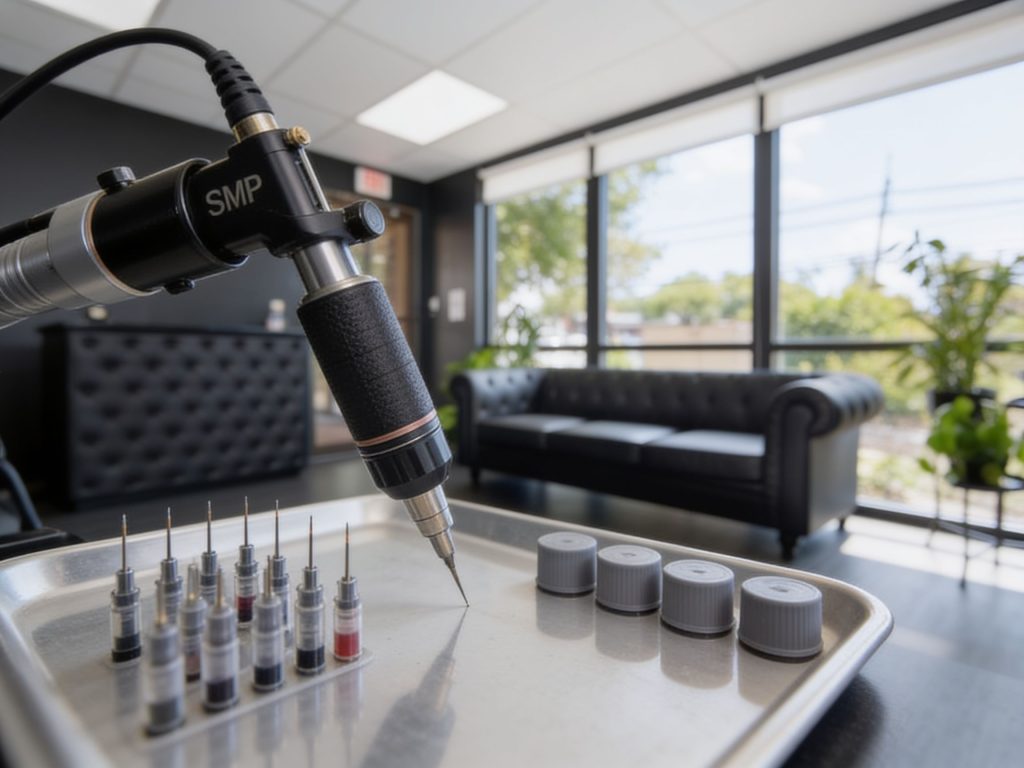
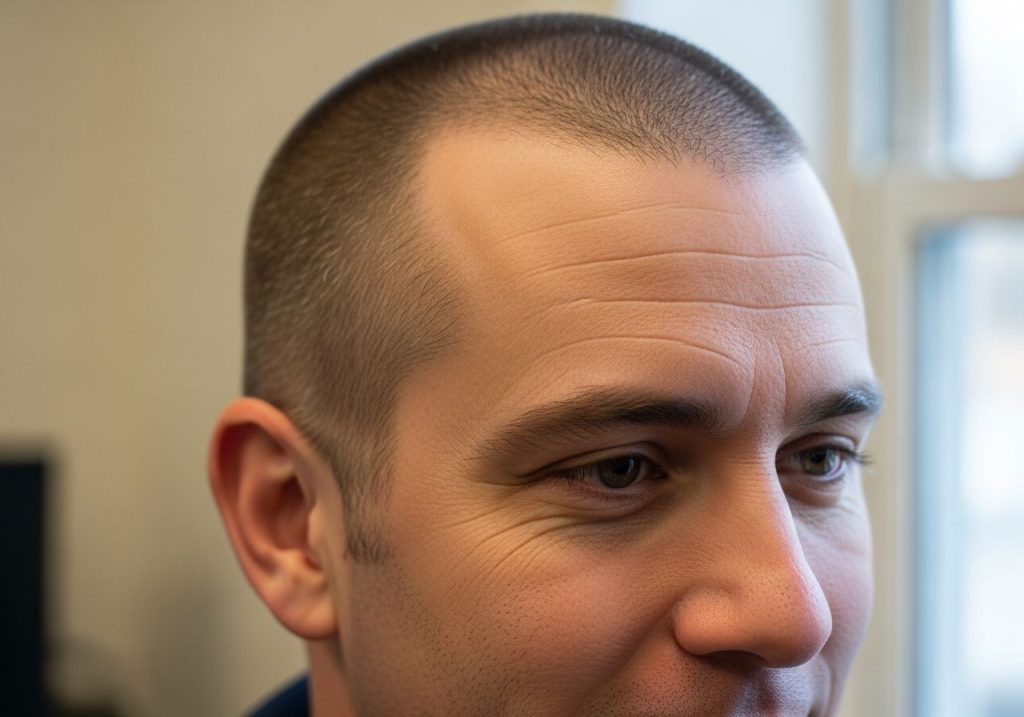
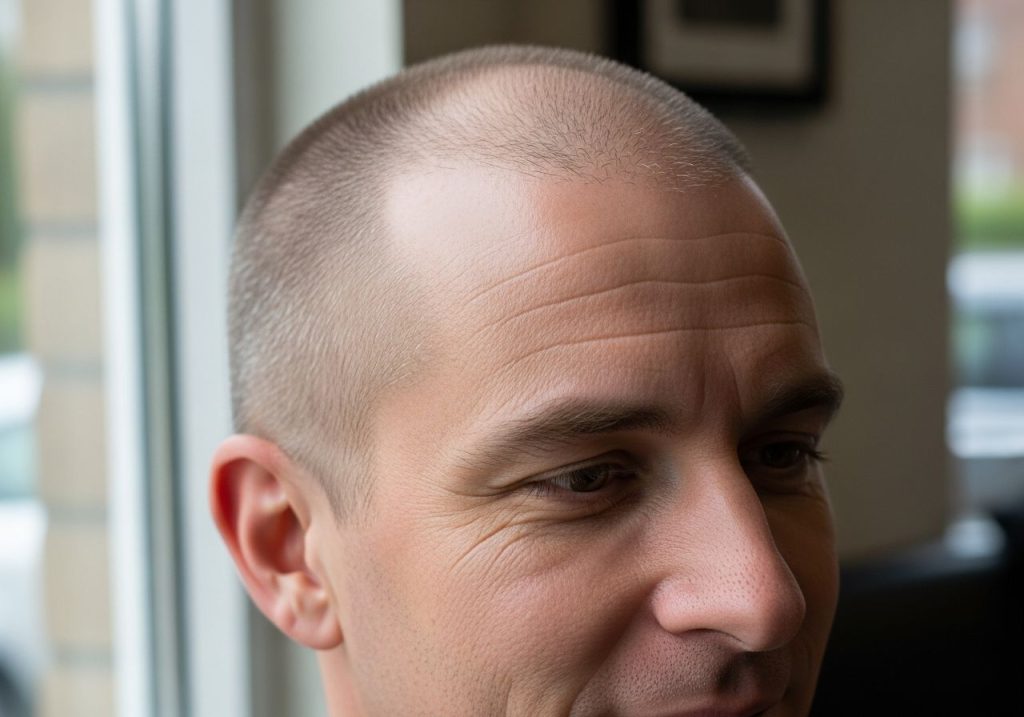
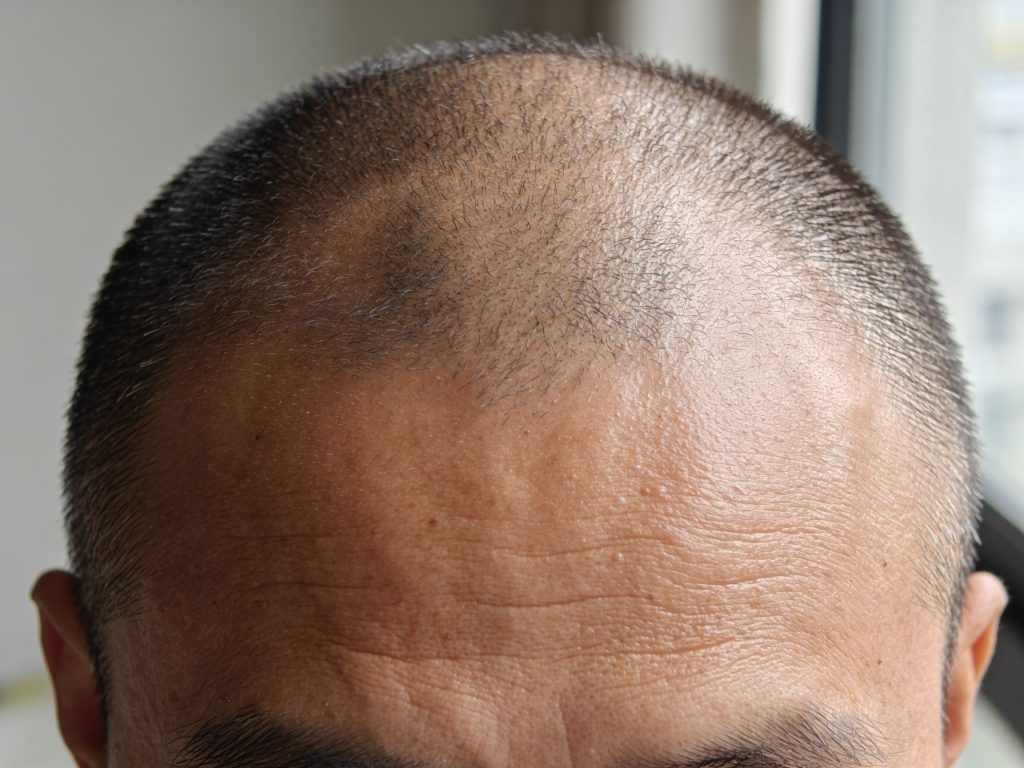
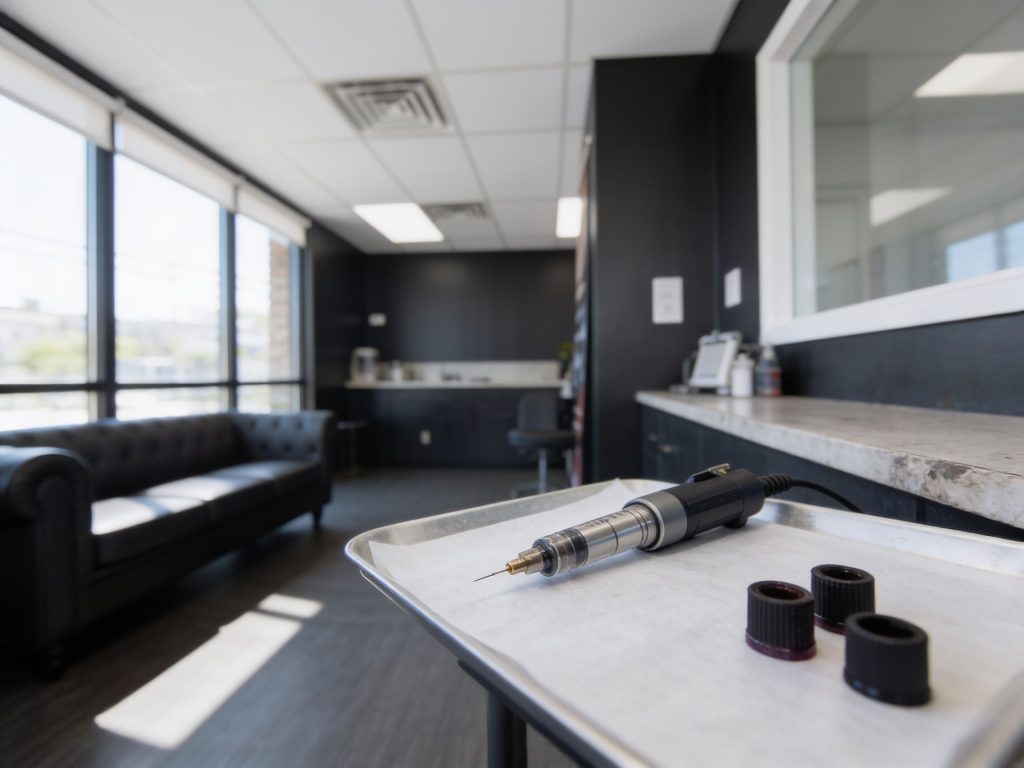
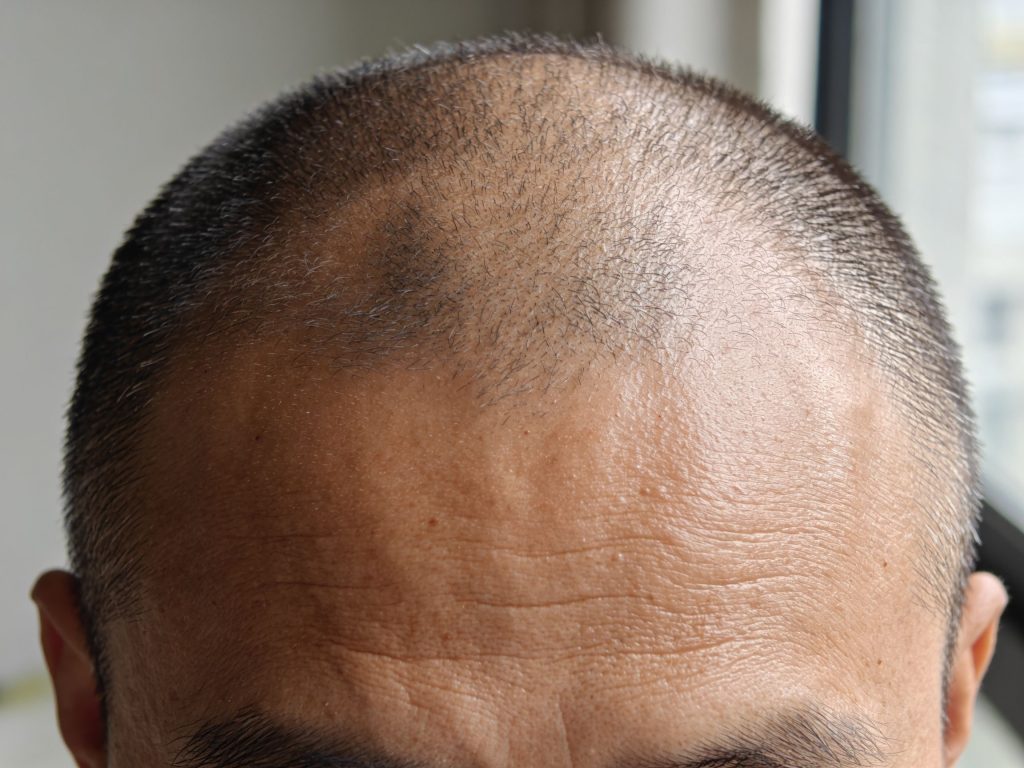
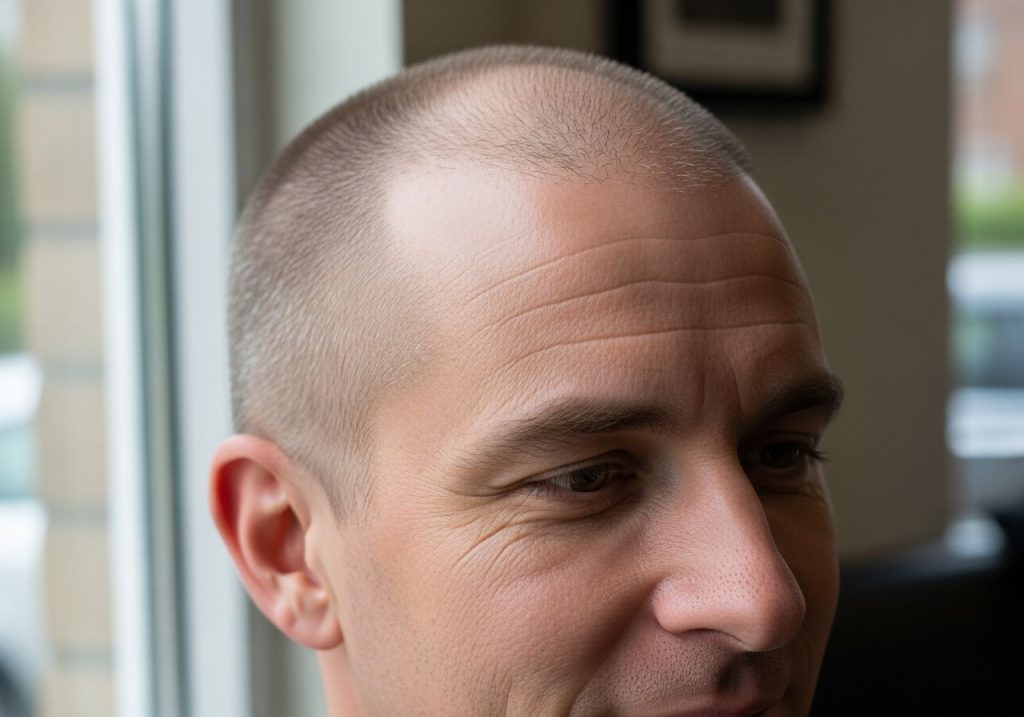
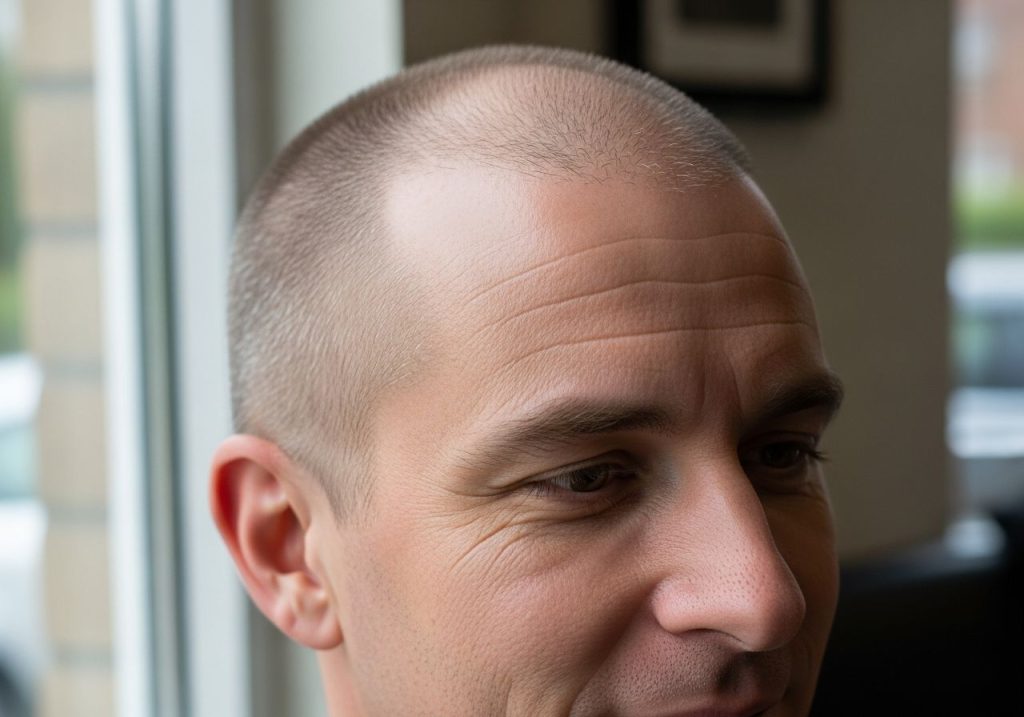
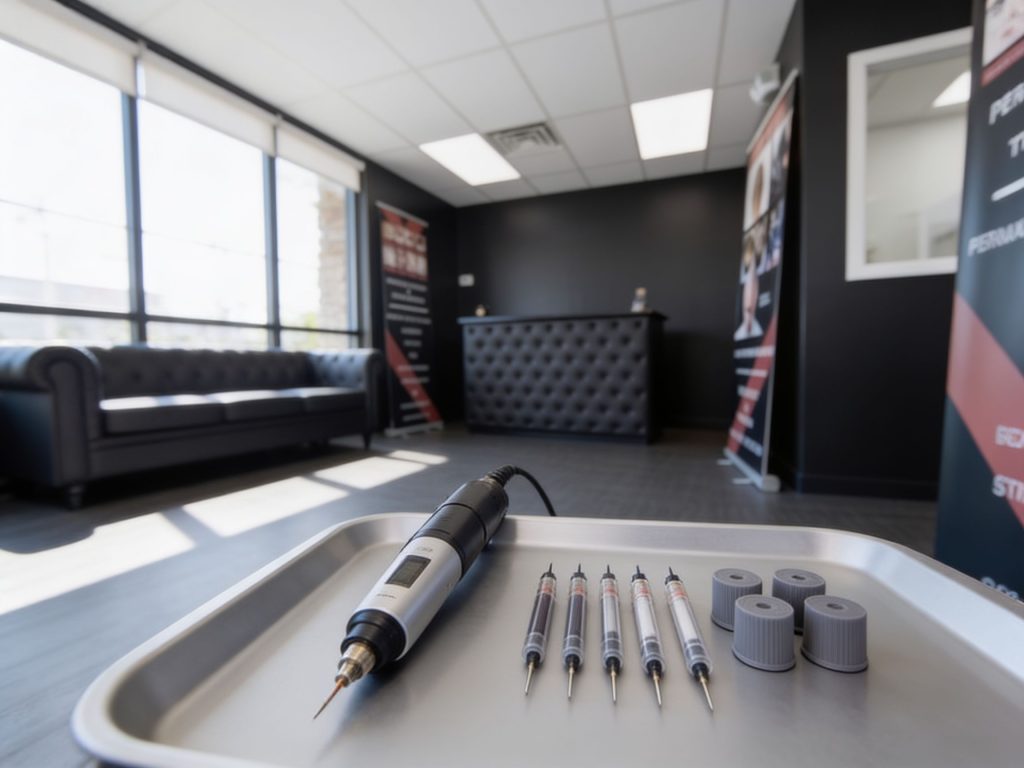
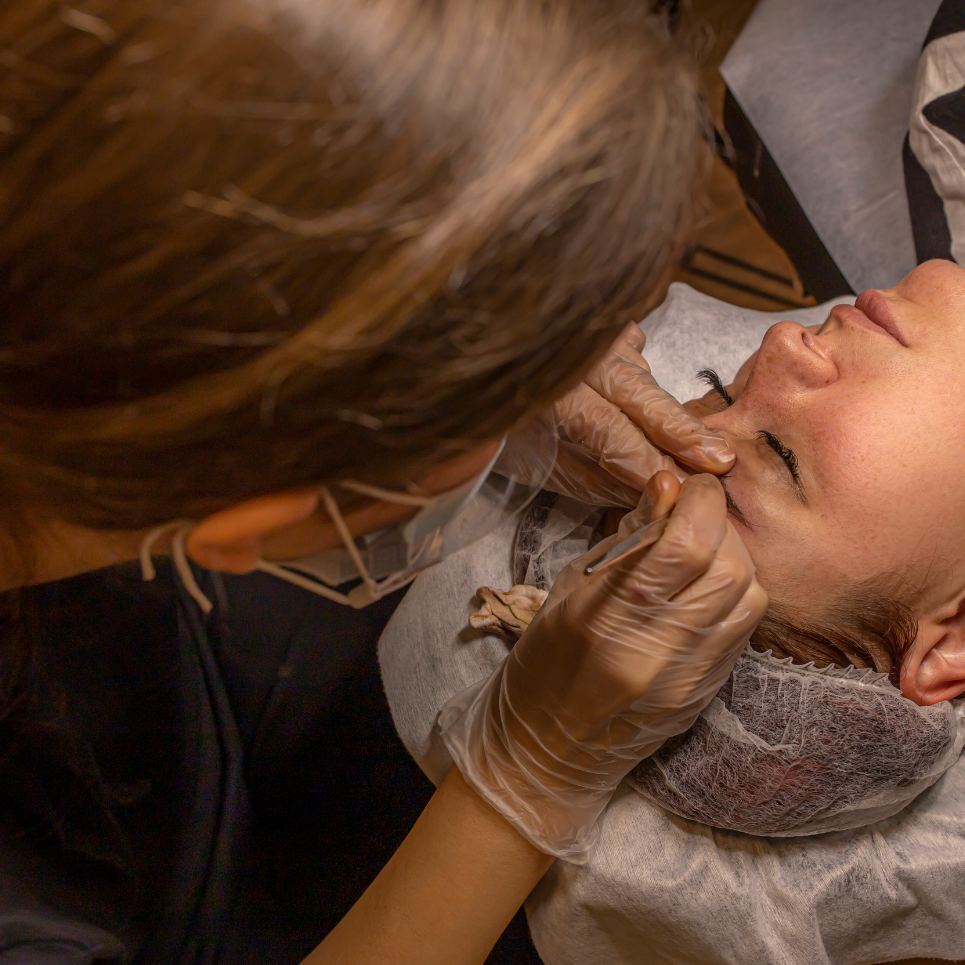
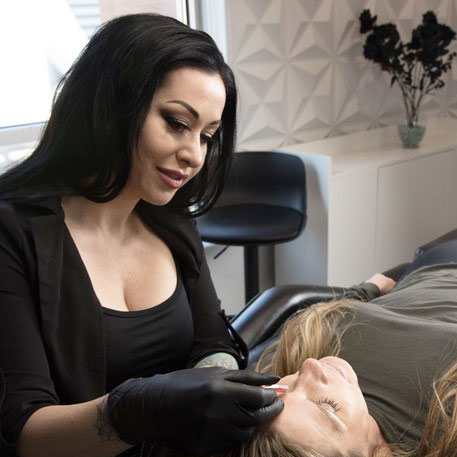
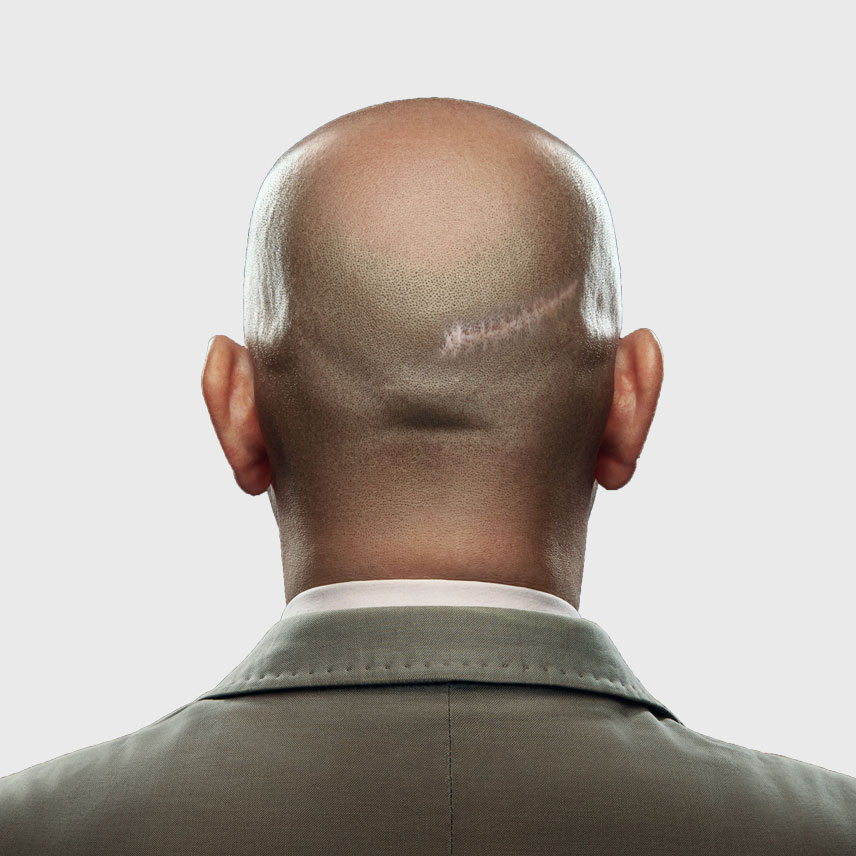
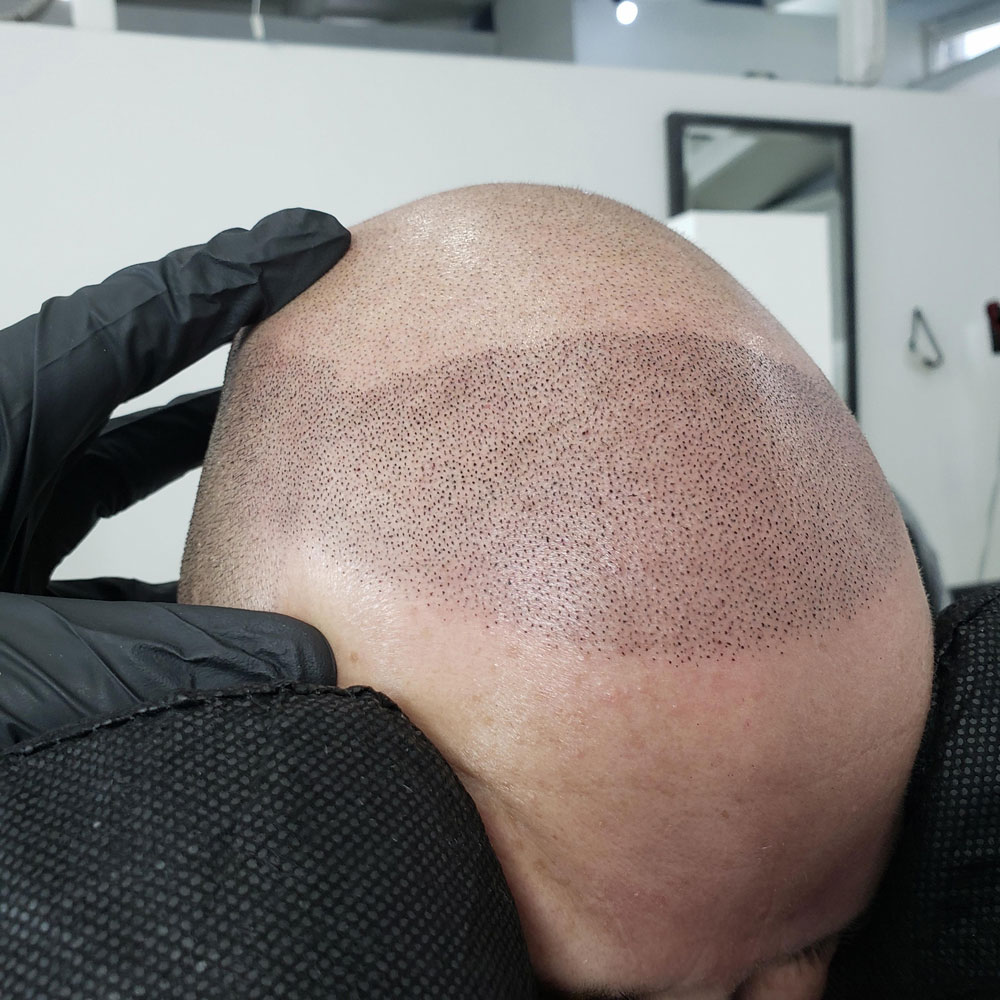
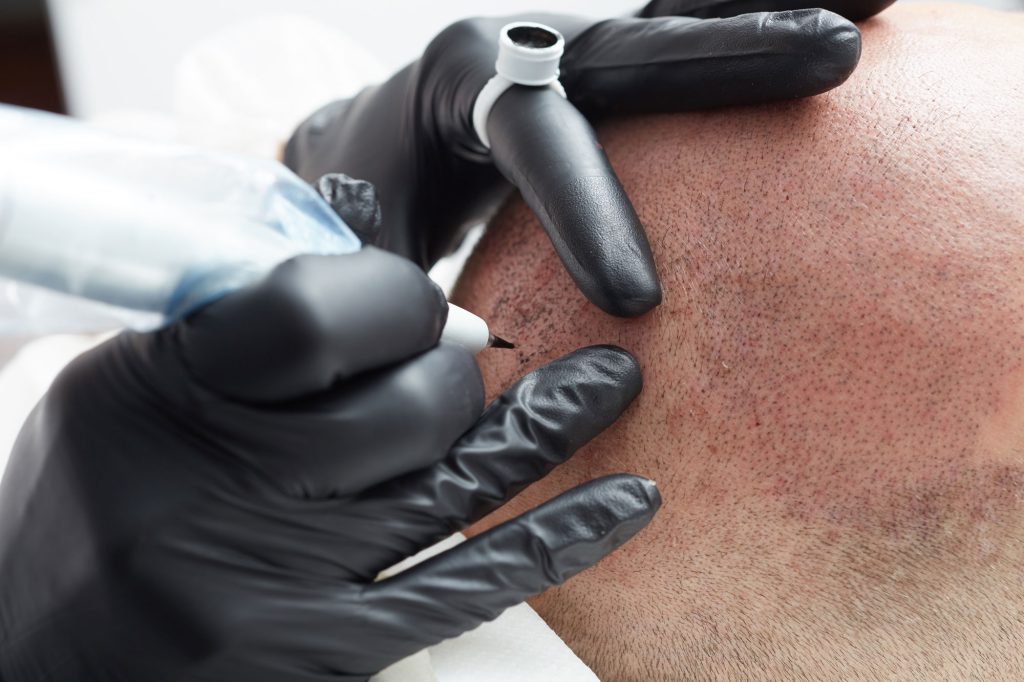
Scalp micropigmentation is a specialised cosmetic tattoo procedure. A trained practitioner deposits pigment into the scalp using a fine needle, replicating the look of closely cropped hair follicles. The result is a sharp, defined appearance that looks like a freshly shaved head with natural density. It does not grow, shed, or move, because it is ink in skin.
A hair system, also called a hairpiece or toupee, is a physical unit made from human or synthetic hair attached to a base material. It sits on top of the scalp, bonded with adhesive or tape, and mimics the look of real hair growth. Done well, it can look remarkably natural. Done poorly, or left too long between maintenance appointments, it becomes visibly artificial very quickly.
These are fundamentally different technologies solving the same problem. One is permanent and below the skin. The other is external and temporary.
Maintenance and daily life
This is where SMP and hair systems pull sharply apart. Once SMP is complete and fully healed, typically after two or three sessions over a few weeks, upkeep is minimal. Occasional top-up sessions every few years allow for natural pigment fade, and applying a light sunscreen protects the work. That is essentially it. You wake up with the same appearance every single morning.
Hair systems demand consistent, ongoing attention. Bonds need reapplying every one to three weeks depending on the adhesive used and how active you are. The unit itself needs cleaning, conditioning, and careful handling. Swimming, heavy sweating, and humid environments all accelerate bond breakdown. Most wearers build a whole maintenance routine around their system, and many visit a salon every fortnight.
If you travel frequently, train hard, swim regularly, or simply want a minimal-effort morning, the maintenance gap between the two options matters enormously. SMP asks almost nothing of your daily schedule. A hair system asks quite a lot.
Cost over time
The upfront cost of a quality hair system can look attractive compared to SMP. A decent unit might sit in the range of a few hundred to a few thousand pounds. SMP sessions typically run higher per appointment. However, the comparison changes completely when you look at cumulative spending over five or ten years.
Hair systems wear out. Most men replace their unit every six to twelve months, sometimes more frequently with heavy use. Add adhesive, cleaning products, and salon bonding appointments and the annual running cost builds steadily. Over a decade, many hair system wearers spend well into five-figure sums.
SMP, by contrast, is largely a one-time investment with infrequent touch-ups. The long-term cost-per-year calculation almost always favours SMP significantly once you run the numbers honestly across a realistic timeframe.
Appearance, confidence and lifestyle fit
Hair systems can produce a fuller, three-dimensional look that SMP cannot replicate. If the goal is the appearance of longer hair with texture and movement, a well-fitted hair system achieves something SMP never will. For some men, that matters deeply, and it is a legitimate reason to choose a system.
SMP produces a different aesthetic: the clean, confident look of a man who keeps his head closely cropped. It photographs well, ages well, and holds up in every environment without a second thought. Many clients describe a shift in how they carry themselves once the sessions are complete, because the result is always there, rain or shine, gym session or beach holiday.
The lifestyle question is worth considering honestly. Are you comfortable with the ongoing routine a hair system requires? Are you prepared for the occasional anxiety around bond failure, particularly in intimate situations or contact sport? Or does the permanence and simplicity of SMP align better with how you actually live? There is no universally correct answer, but most men, when honest with themselves, already know which option suits them before they have finished reading.
Frequently Asked Questions
Is scalp micropigmentation better than a hair system for an active lifestyle?
For men who train regularly, swim, or work in physical environments, SMP typically suits an active lifestyle far better. The pigment is permanent and unaffected by sweat, water, or physical contact. Hair system bonds can loosen with heavy perspiration or prolonged water exposure, requiring more frequent reapplication and creating additional maintenance pressure.
How long does scalp micropigmentation last compared to a hairpiece?
SMP can last four to six years before a colour refresh is needed, and the underlying work remains indefinitely. A hairpiece typically needs replacing every six to twelve months due to wear on the base material and hair fibres. Over time, SMP involves significantly fewer interventions and considerably less cumulative spending for most men.
Can you switch from a hair system to SMP?
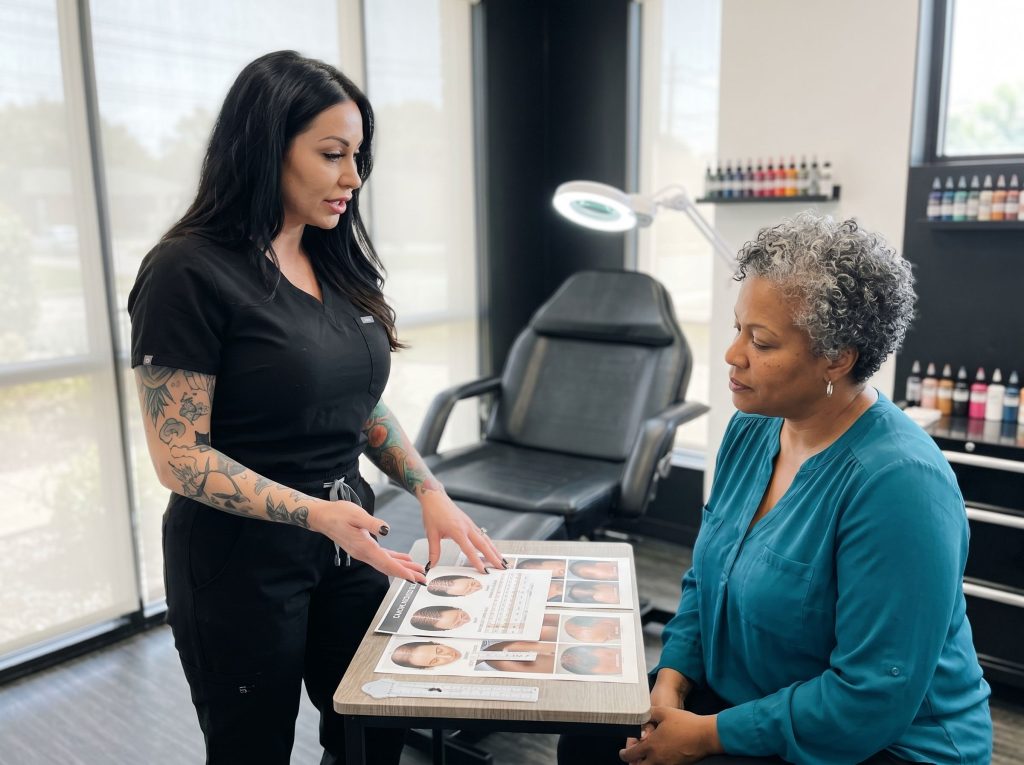
Yes, and it is a transition many men make. Before booking SMP, the scalp needs to be free of adhesive residue and in good condition. A consultation with a qualified SMP practitioner will assess whether the scalp is ready. Most men find the switch straightforward and appreciate not having to manage ongoing bond maintenance afterwards.
Does SMP look natural compared to a toupee or hairpiece?
SMP and a well-fitted hairpiece can both look natural, but in different ways. SMP replicates the look of a cropped, shaved scalp with defined follicle impressions. A quality hairpiece mimics longer hair growth. SMP ages consistently and requires no adjustment, whereas a hairpiece can shift subtly or show wear between maintenance appointments.
What is the total cost difference between SMP and hair systems over ten years?
Over a decade, hair systems typically cost significantly more than SMP when you account for unit replacements every six to twelve months, adhesive products, and professional bonding appointments. Many men spend upwards of ten thousand pounds on hair system maintenance across ten years. SMP involves a higher initial outlay but far lower ongoing costs, making it more economical in the long term.