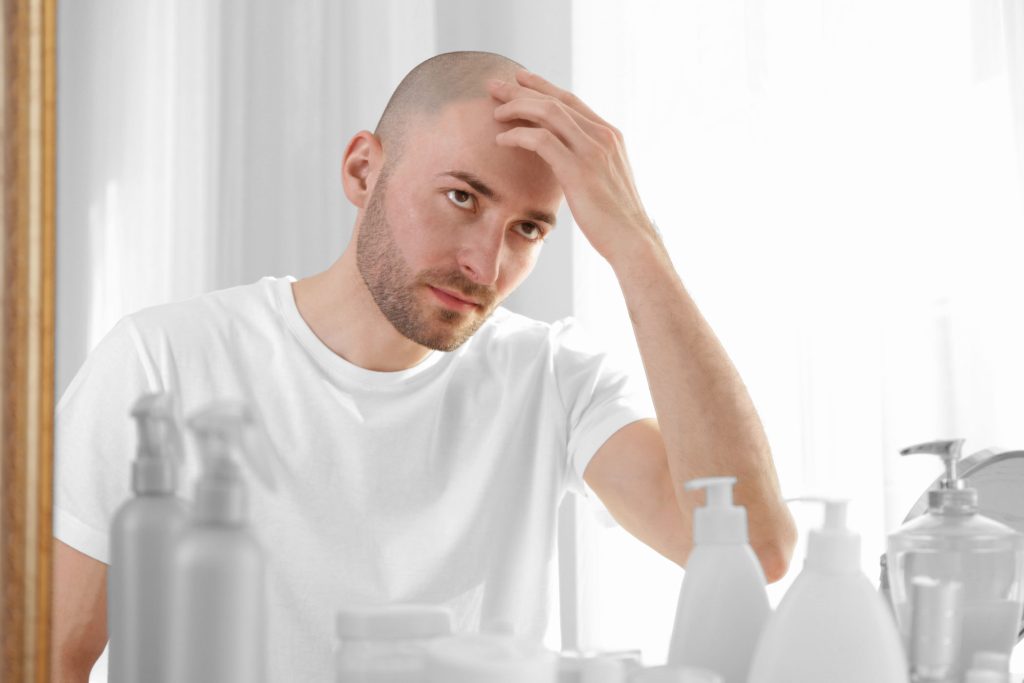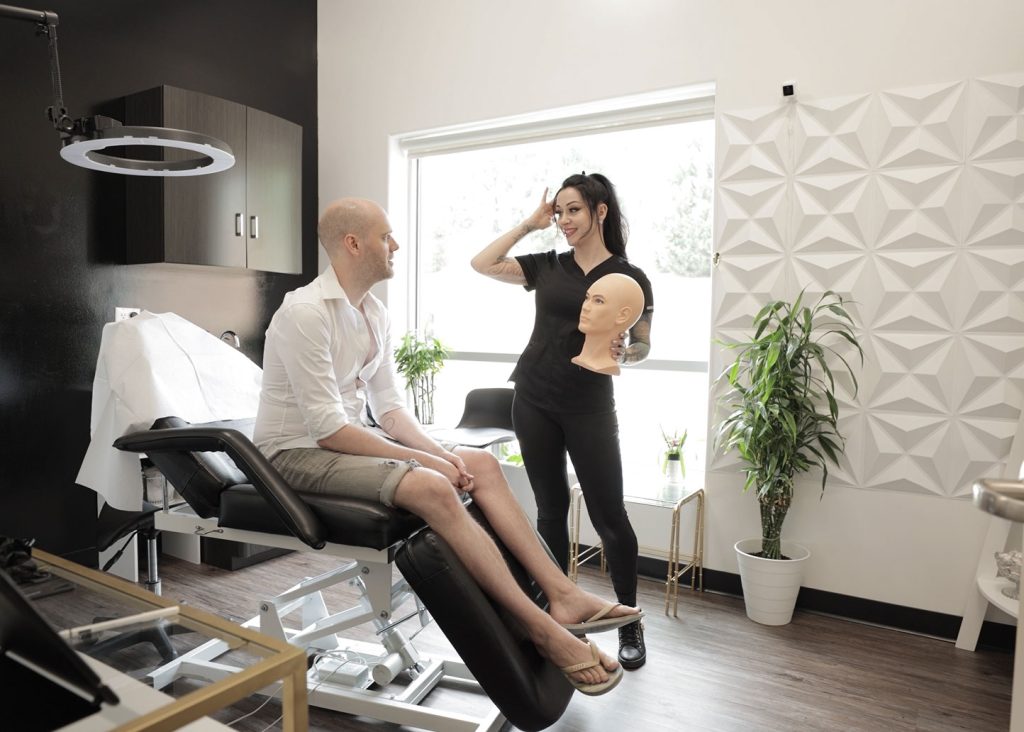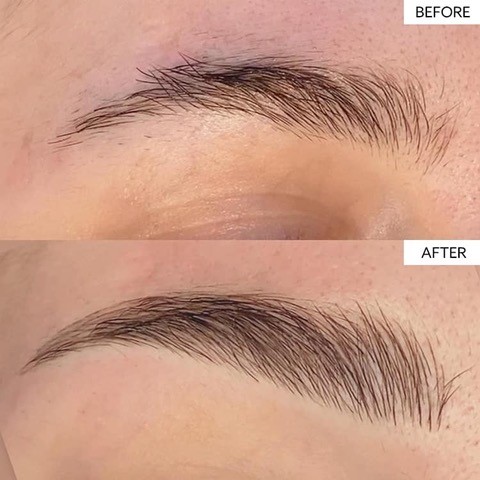
You have accepted the hair loss. Now you are trying to decide what to actually do about it. Two options keep coming up: scalp micropigmentation for a shaved-head look, or a hair transplant to get hair growing again. This article breaks down both side by side on every factor that matters, so you finish reading with a clear answer, not more confusion.
What each procedure actually does
SMP and hair transplants are solving different problems, even when the goal sounds similar. Understanding that distinction is the whole ballgame.
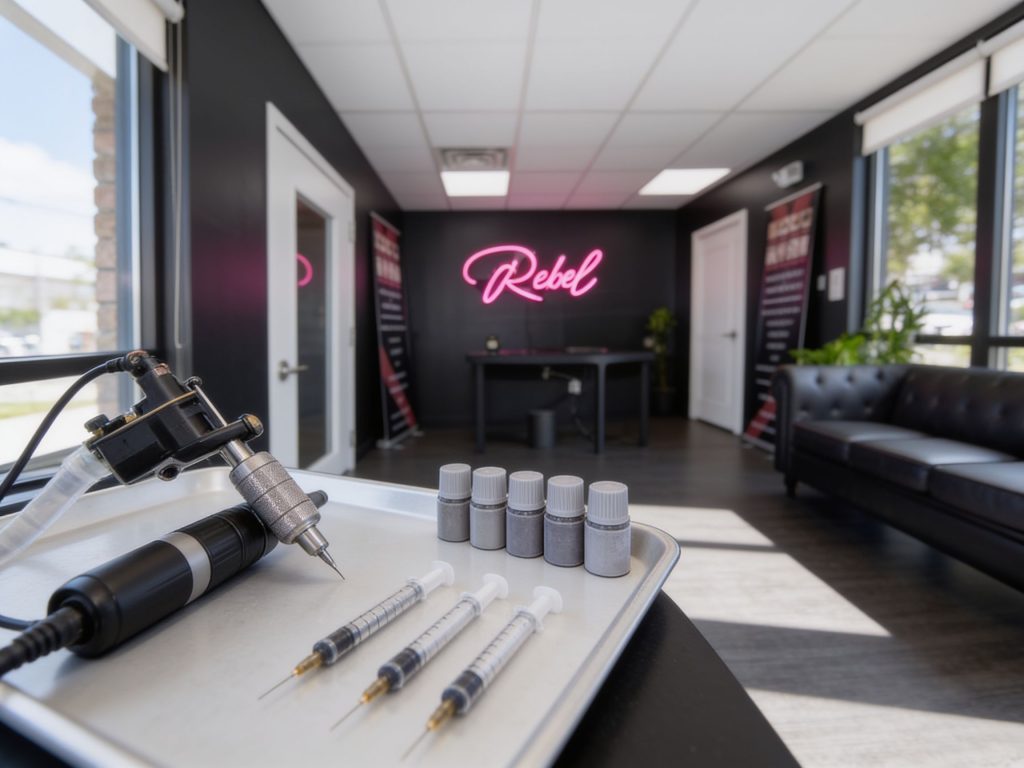
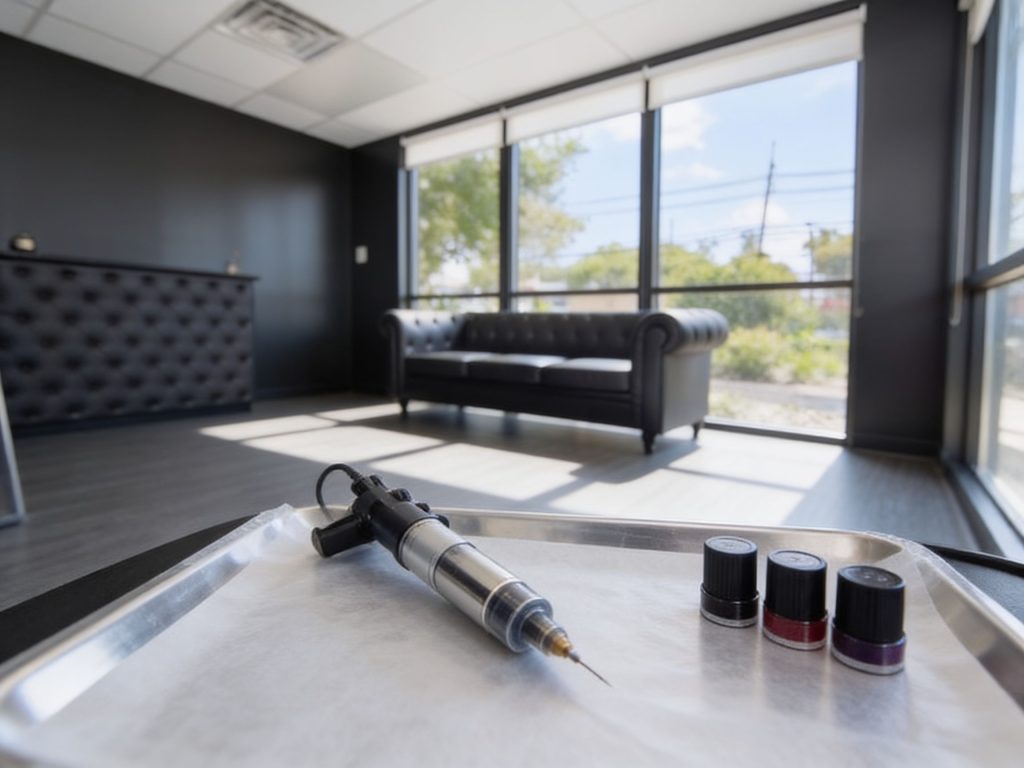
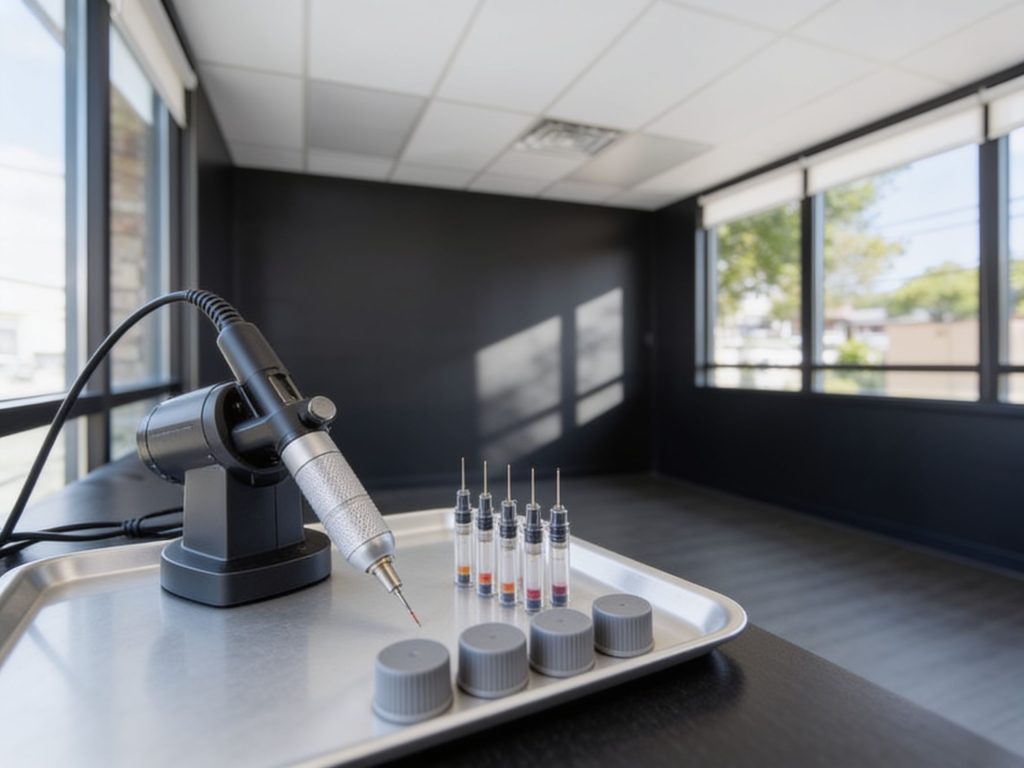
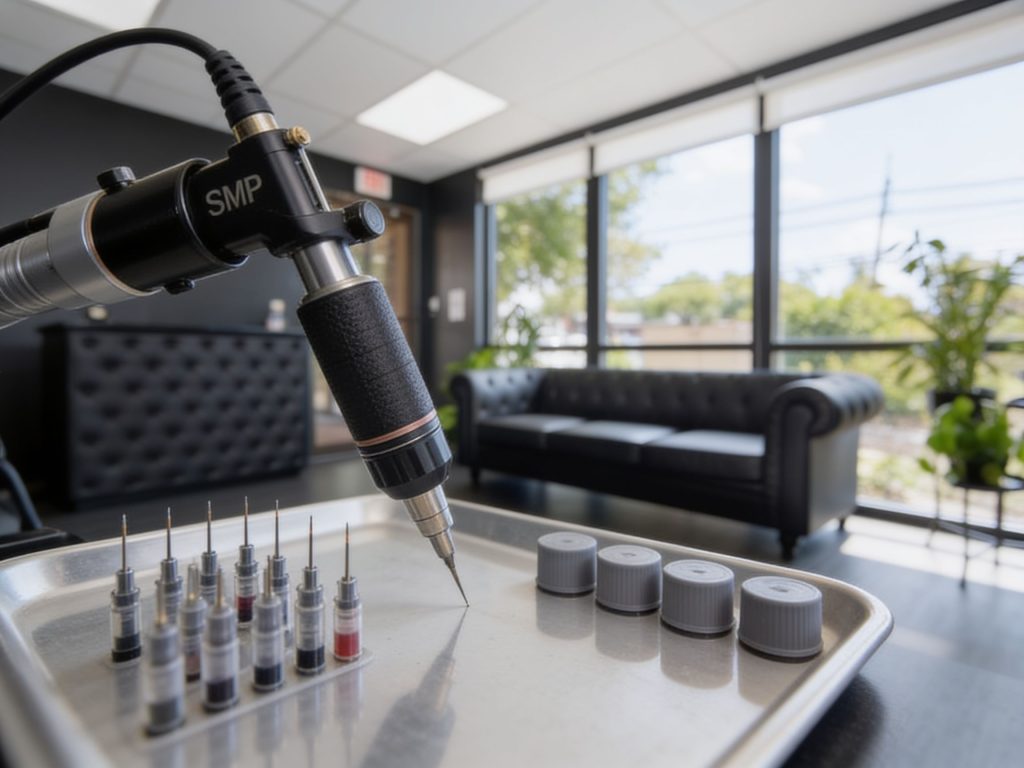
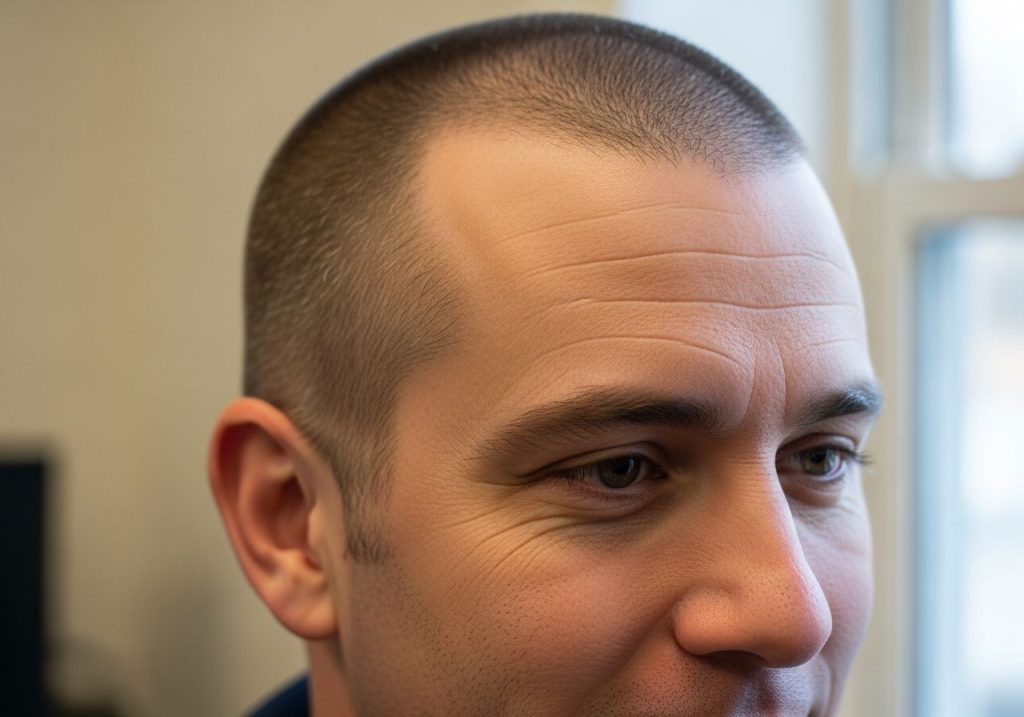
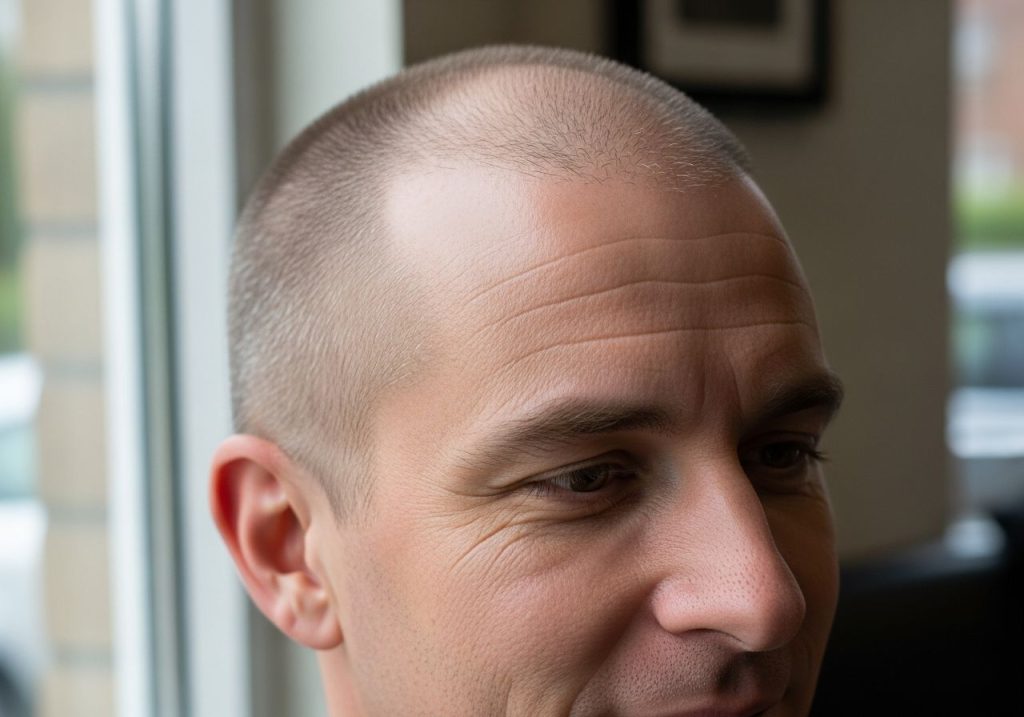
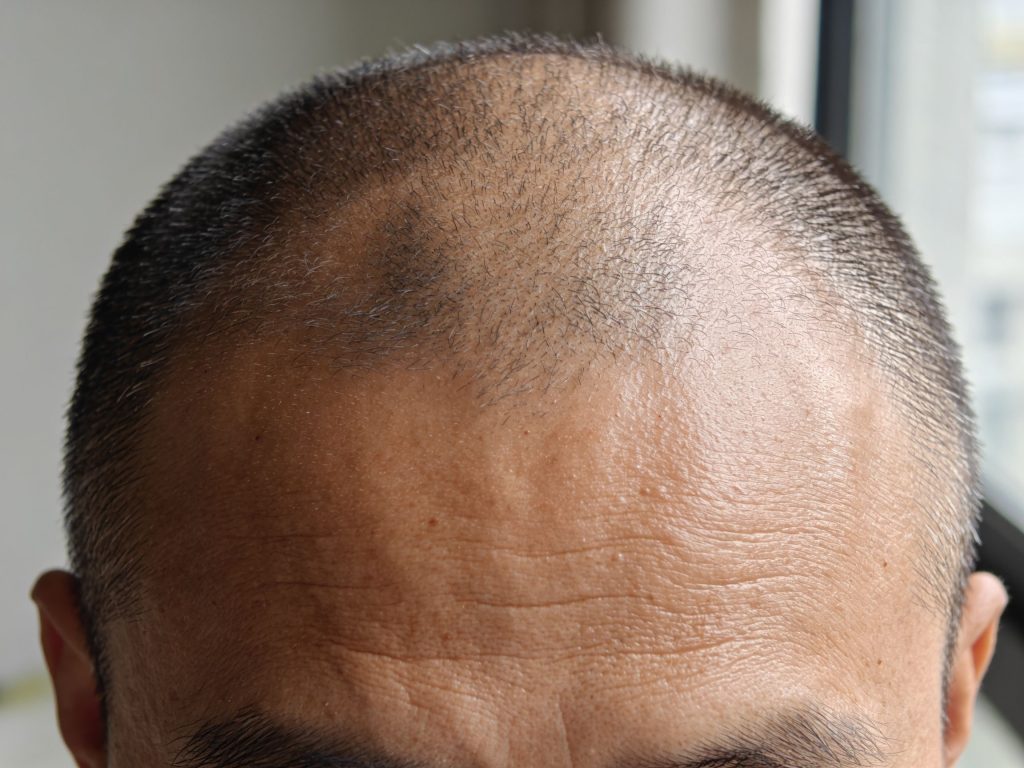
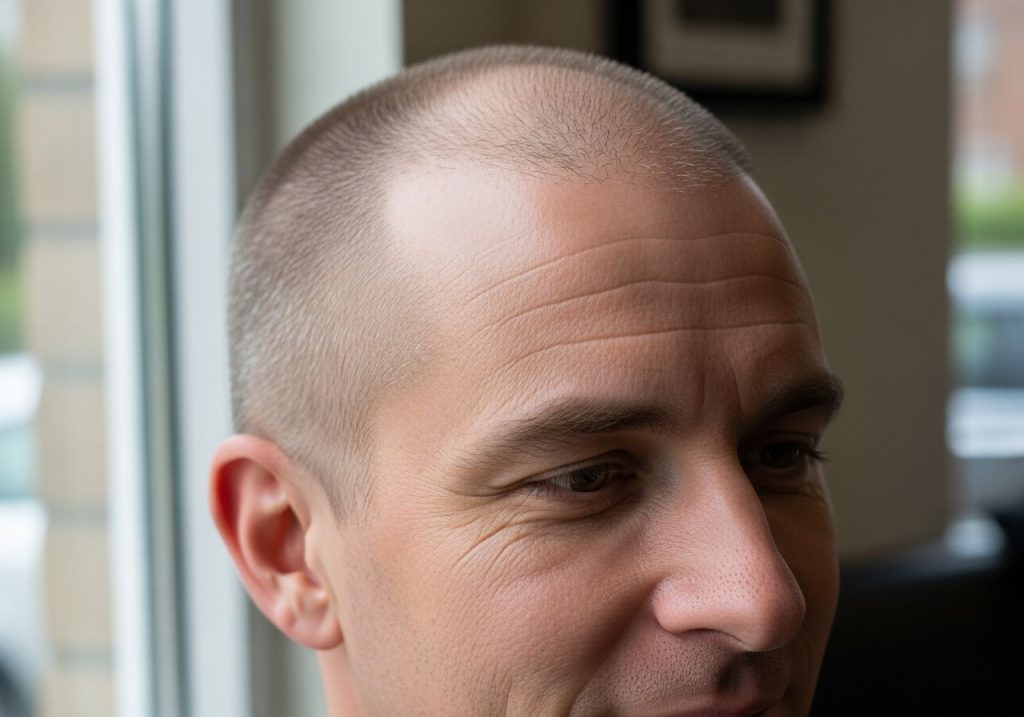
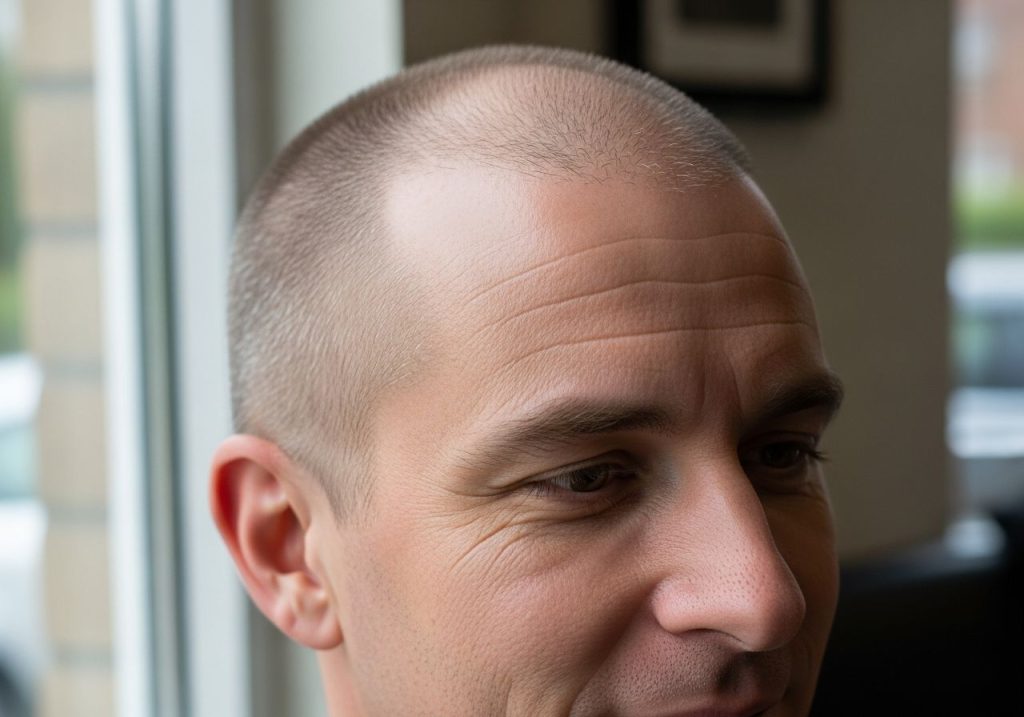
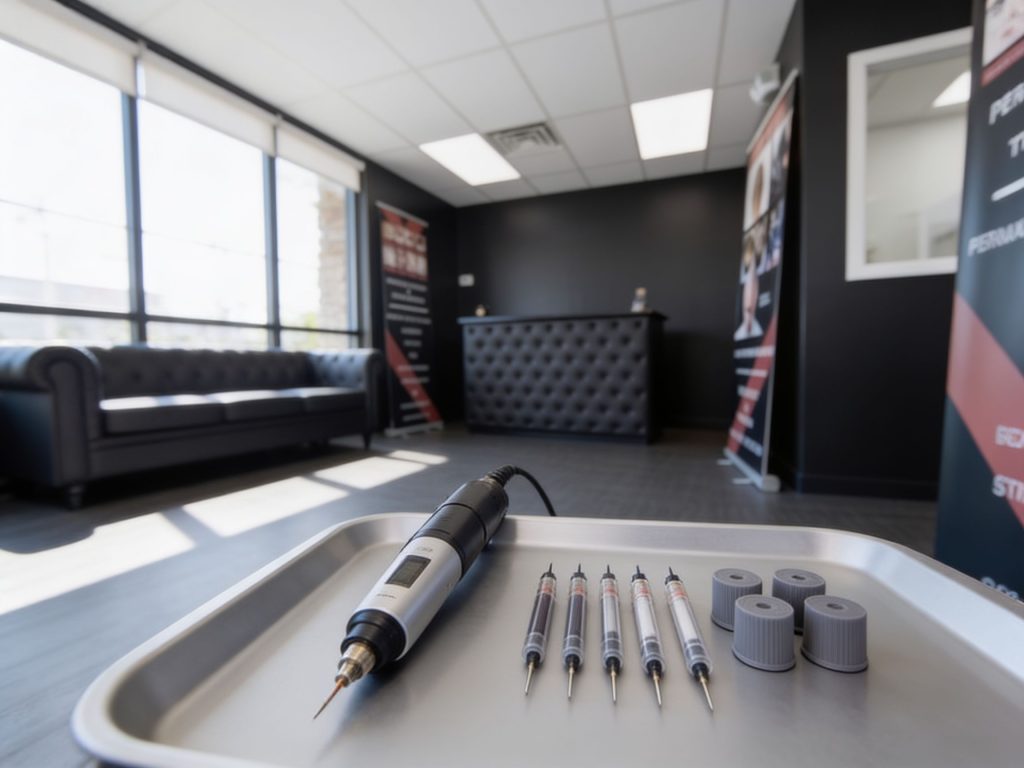
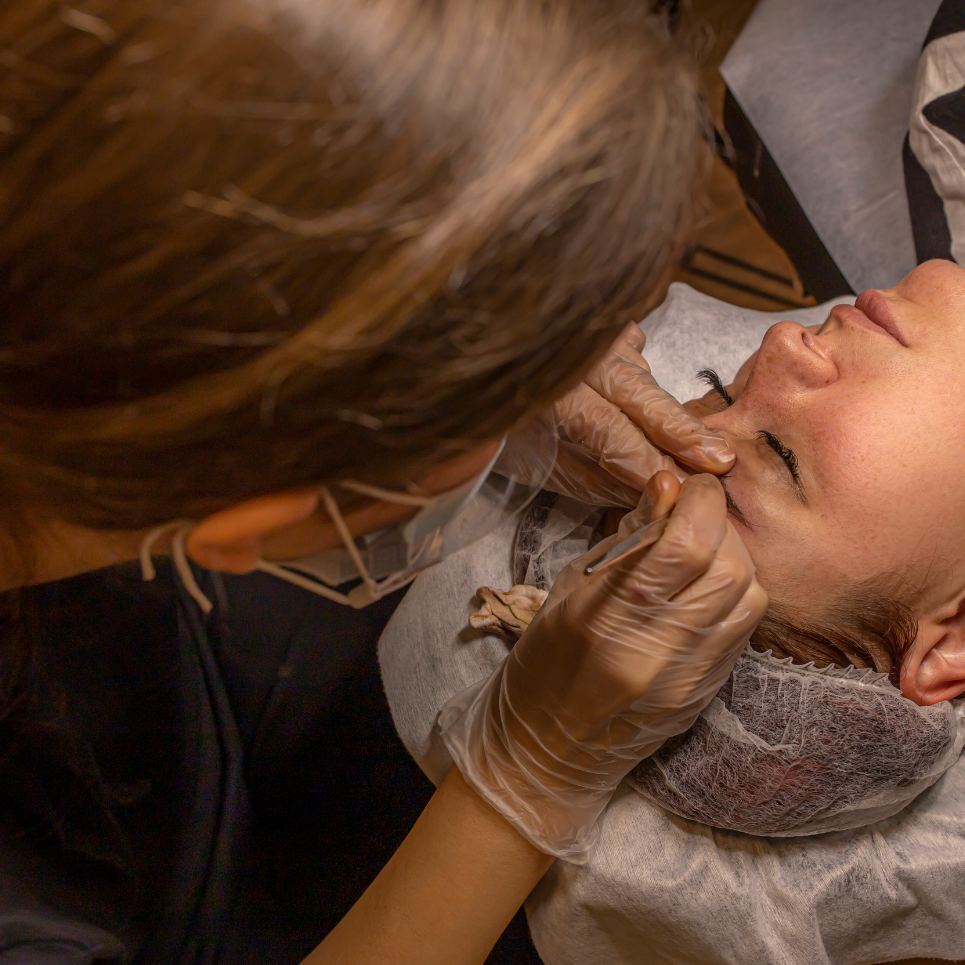
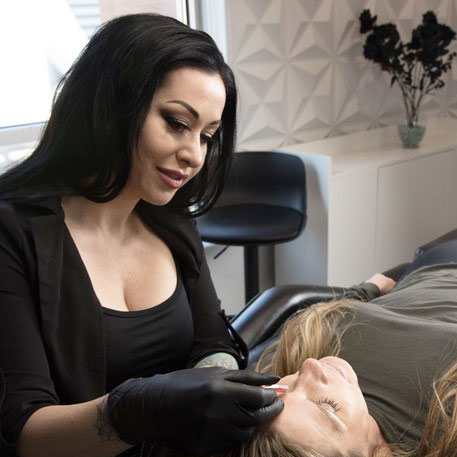
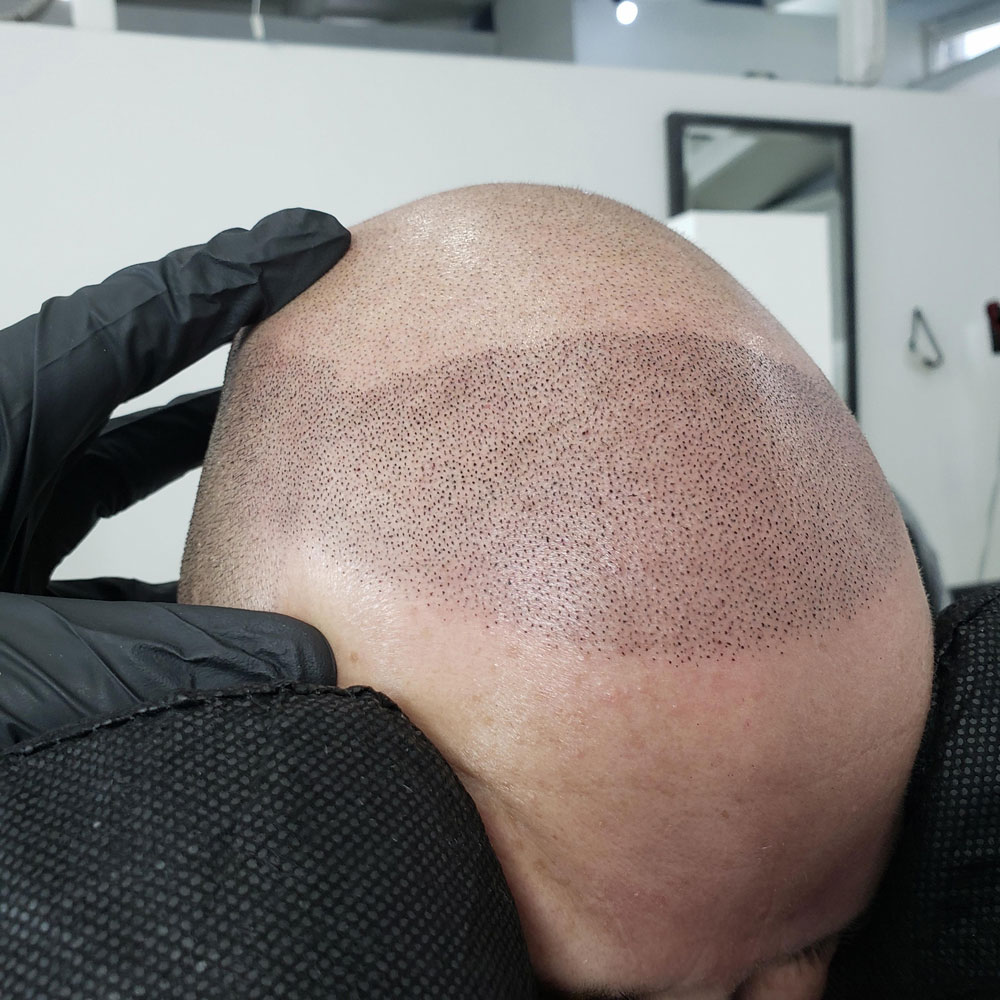
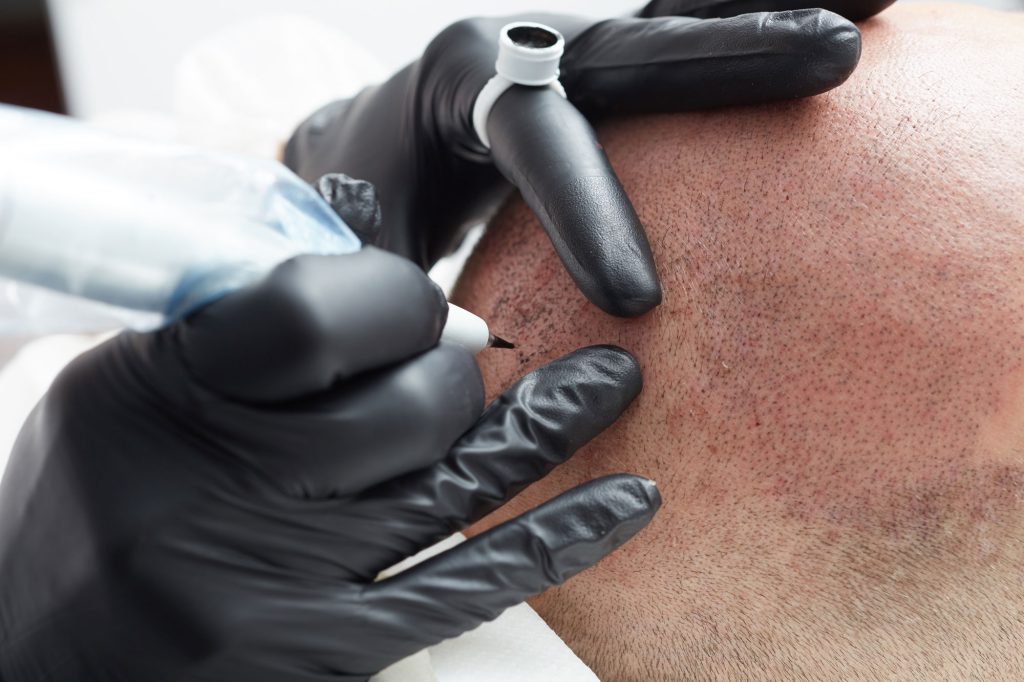
Scalp micropigmentation is a cosmetic procedure in which medical-grade pigment is deposited into the scalp using a precision needle device, creating thousands of tiny dots that replicate the appearance of closely cropped hair follicles. It does not stimulate hair regrowth, affect existing follicles, or treat the underlying cause of hair loss. What it does is eliminate the visible contrast between your scalp and your hair, giving you the appearance of a freshly shaved, full head of hair.
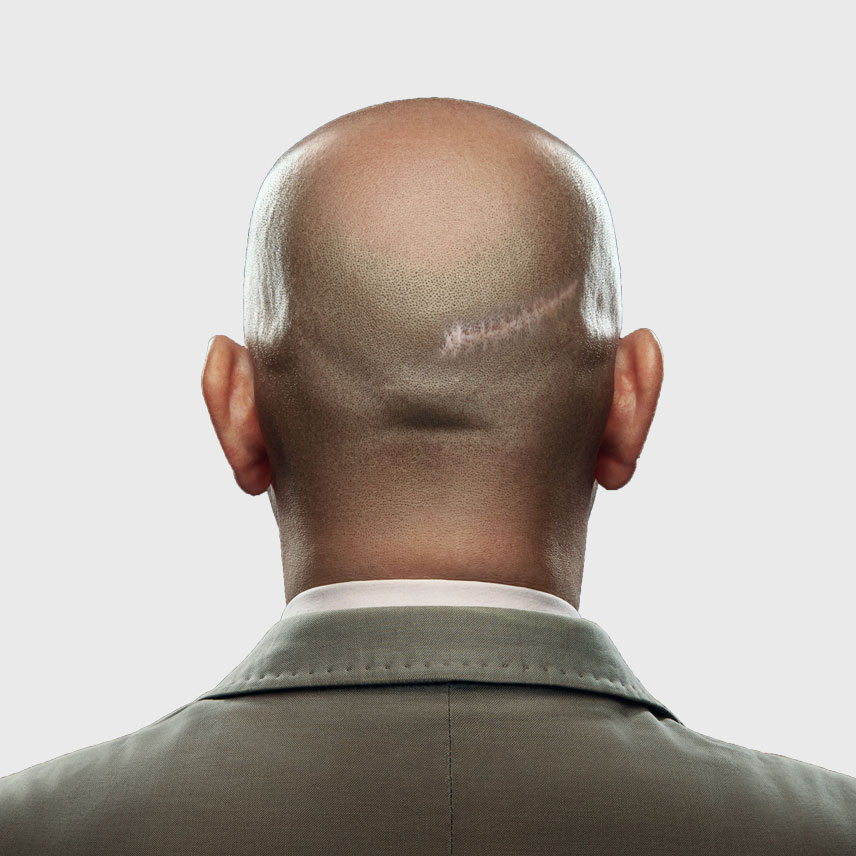
A hair transplant, by contrast, is surgery. A surgeon harvests follicles from a donor area, typically the back and sides of the scalp, and implants them into thinning or bald zones. Those follicles then grow real hair. The two main methods are FUT (strip harvesting, which leaves a linear scar) and FUE (individual follicle extraction, which leaves small circular scars). Either way, a viable donor area and sufficient follicle density for redistribution are required.
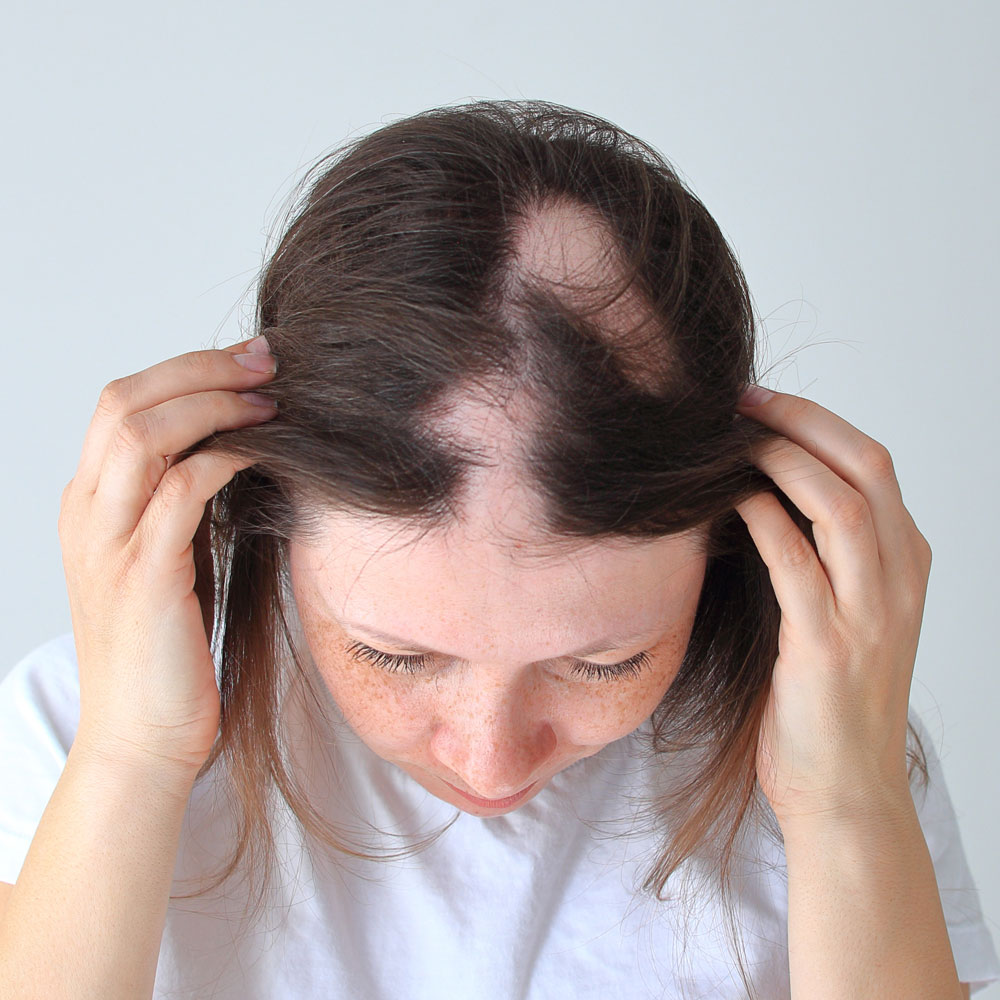
That last point matters enormously. If hair loss is extensive and the donor supply is thin, a transplant may not deliver the coverage you are hoping for. SMP has no such limitation. It works across any degree of hair loss, including alopecia totalis and scarring alopecias where transplants simply are not an option.
Candidacy: who each option actually suits
Hair transplants work best for men with moderate, stable hair loss and a strong donor region. If loss is still progressing, a transplant today may look patchy in three years as surrounding native hair continues to thin. Surgeons typically recommend waiting until hair loss has stabilised, which often means waiting until the mid-thirties or later.
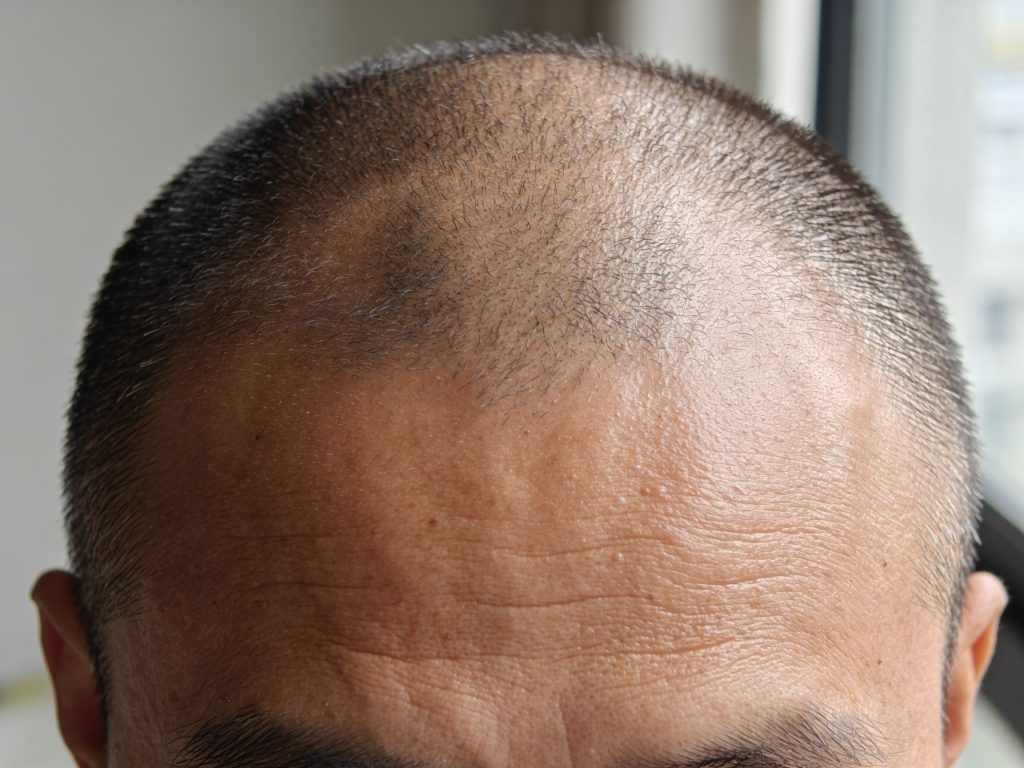
SMP suits a much wider range of candidates. Men with male pattern baldness at any Norwood scale stage, alopecia areata, scarring from previous transplants, or chemotherapy-related hair loss are all strong candidates. Practitioners working across all of these presentations consistently find that SMP delivers predictable, visible results regardless of how much natural hair remains.
There are contraindications to be aware of for SMP: active scalp acne, psoriasis flare-ups, eczema, and keloid-prone skin all require assessment before proceeding. These are manageable in most cases, but they need to be addressed honestly at consultation.
Cost, sessions, and what longevity actually looks like
Cost is one of the sharpest distinctions between the two options. Hair transplants typically range from several thousand to over fifteen thousand dollars, depending on the number of grafts needed, the technique used, and the clinic. SMP ranges from approximately $400 to $5,000 depending on the coverage area and the practitioner’s level of experience, with the shaved-head treatment sitting at the lower end of that range compared to density work over longer hair.
SMP is delivered across two to four sessions, each lasting one to five hours and spaced several weeks apart. Pigment dot density builds progressively across those sessions, starting at around 40 dots per square centimetre and increasing to 80 to 100 dots per square centimetre by the final session. Results typically hold for three to five years before a touch-up appointment is needed, though some clients go four to six years between visits. Longevity depends on sun exposure, skin type, and consistent SPF application to the scalp after healing. SPF 30 to 50 is standard aftercare advice, and it genuinely makes a difference.
Hair transplants are, in theory, permanent. The transplanted follicles are genetically resistant to DHT and tend to keep growing. However, native hair around them continues to thin, which can create an uneven result over time and lead many men to pursue additional sessions or complementary SMP to fill gaps and blend scarring.
Downtime, healing, and what recovery actually looks like
Hair transplant recovery is significant. Expect swelling, scabbing, and a period of shock loss, where transplanted hairs fall out before regrowing, lasting several weeks. Most men take at least a week off work, avoid physical activity for two to four weeks, and wait six to twelve months to see the final result.
SMP recovery is considerably lighter. For the first four days after a session, water on the scalp, shampoo, sweating, and shaving are all to be avoided. From days five to ten, gentle washing is permitted but direct sun exposure is not. From day ten onward, normal grooming and shaving can resume. Full healing takes approximately thirty days after the final session, at which point the result is stable and the colour has settled to its healed tone.
Redness typically subsides within two to three days. The dots will appear slightly darker immediately after each session and soften as the skin heals. This is expected, not a problem. By the thirty-day mark, what you see is what you have: a clean, defined, shaved-scalp appearance with a natural hairline.
Frequently Asked Questions
Can SMP be combined with a hair transplant?
Yes, and it is a genuinely common combination. SMP is frequently used to camouflage FUT linear scars or FUE dot scarring after transplant surgery, and to increase visual density around transplanted areas where graft coverage is limited. The two approaches complement each other well for many men.
Does SMP look natural on a shaved head?
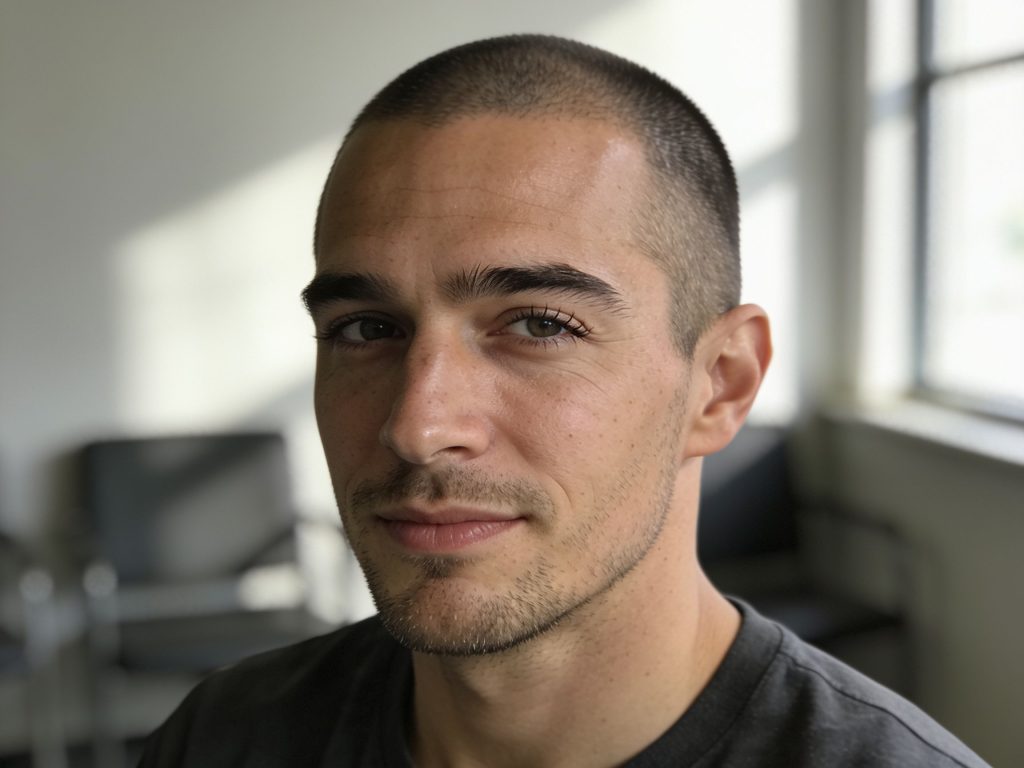
When performed by an experienced practitioner, shaved head SMP is highly convincing. The technique uses a stippling or pointillism pattern that closely mimics the appearance of real cropped follicles. Hairline design is critical: a softened, slightly irregular border reads as natural, while a sharp geometric line does not.
How often will I need a touch-up after SMP?
Most clients return for a touch-up every three to five years, though some go longer. Fading is gradual rather than sudden, driven by sun exposure, skin cell turnover, and ageing. Consistent SPF application after the thirty-day healing period is the single most effective way to extend the life of your result.
Is SMP painful compared to a hair transplant?
SMP involves mild to moderate discomfort. Most clients describe it as a light scratching or warm sensation. It is significantly less painful than hair transplant surgery, which involves local anaesthesia, incisions, and post-operative soreness. Discomfort during SMP varies by scalp zone, with the hairline border typically being the most sensitive area.
Who is not a good candidate for scalp micropigmentation?
Men with active scalp psoriasis, eczema flare-ups, acne across the treatment area, or a confirmed tendency to form keloid scars require a thorough consultation before proceeding. These conditions do not automatically rule SMP out, but they require honest assessment. Keloid-prone skin carries the highest risk and warrants particular caution.