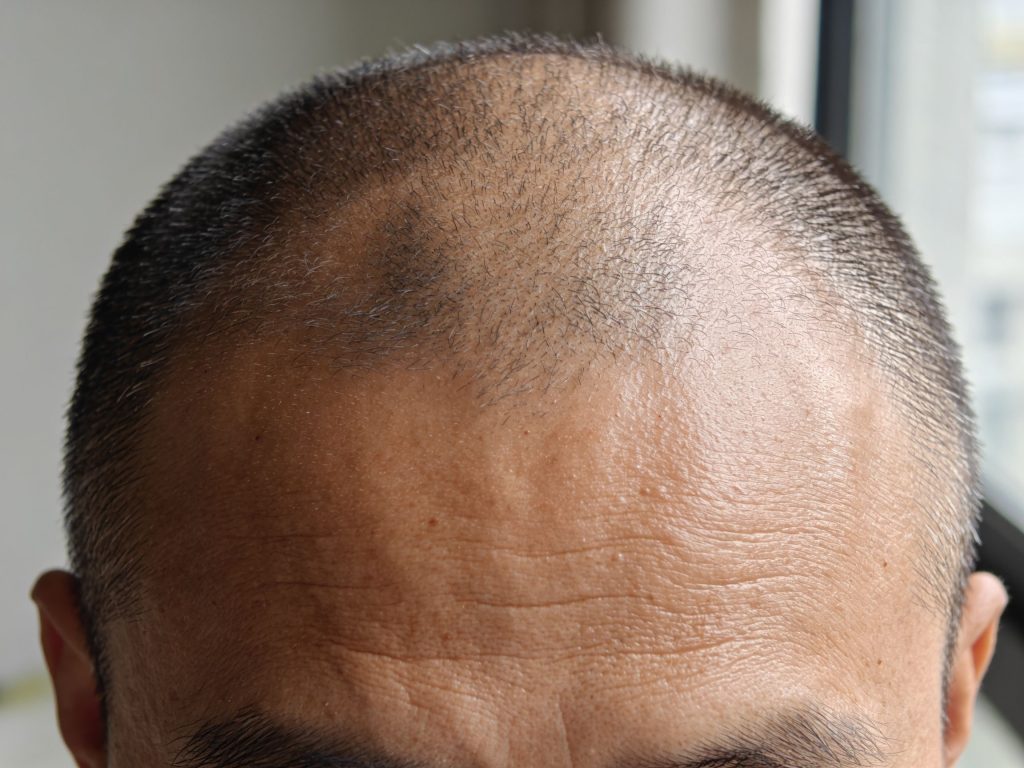
You have just had your first SMP session and your scalp looks sharper than it has in years. What happens next, and what you do in the following four weeks, will determine how long those results actually last. This article sets out the exact aftercare protocol for female clients, the lifestyle habits that quietly erode pigment, and a realistic timeline for when you will need a touch-up.
1. The first four days are non-negotiable
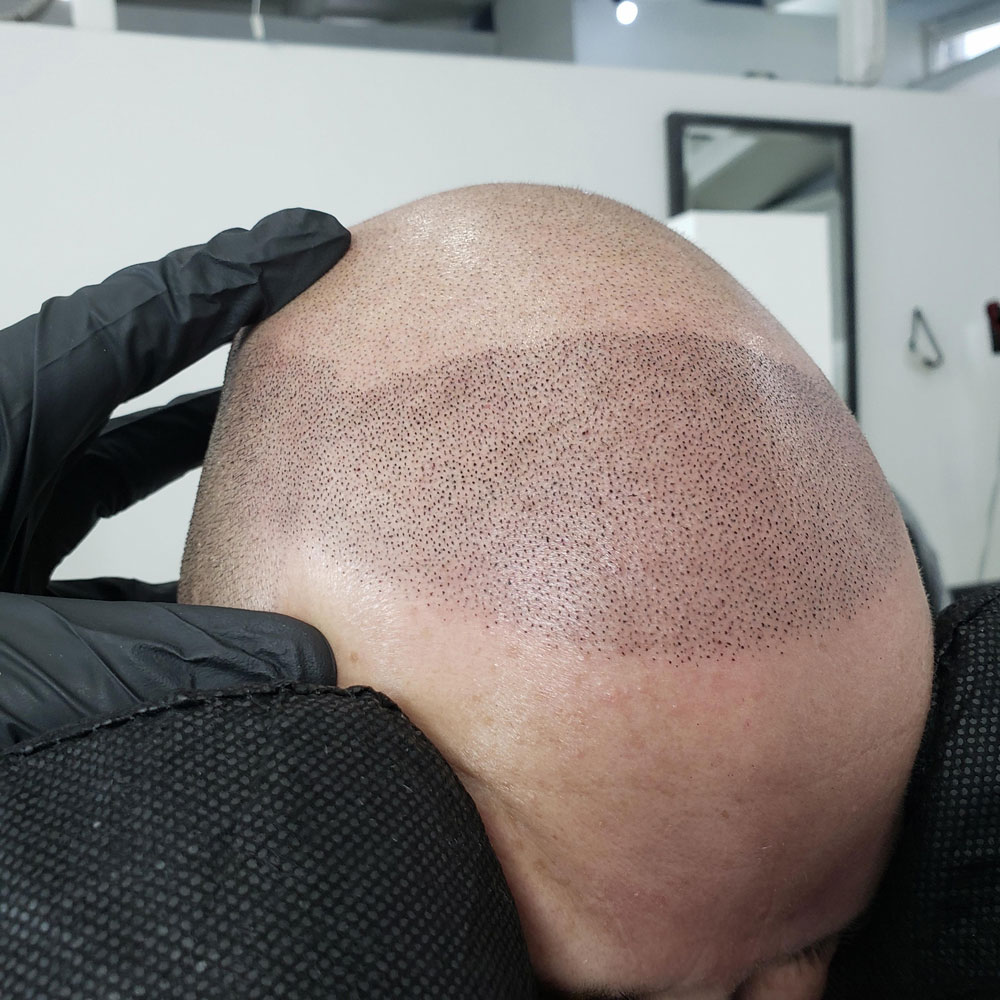
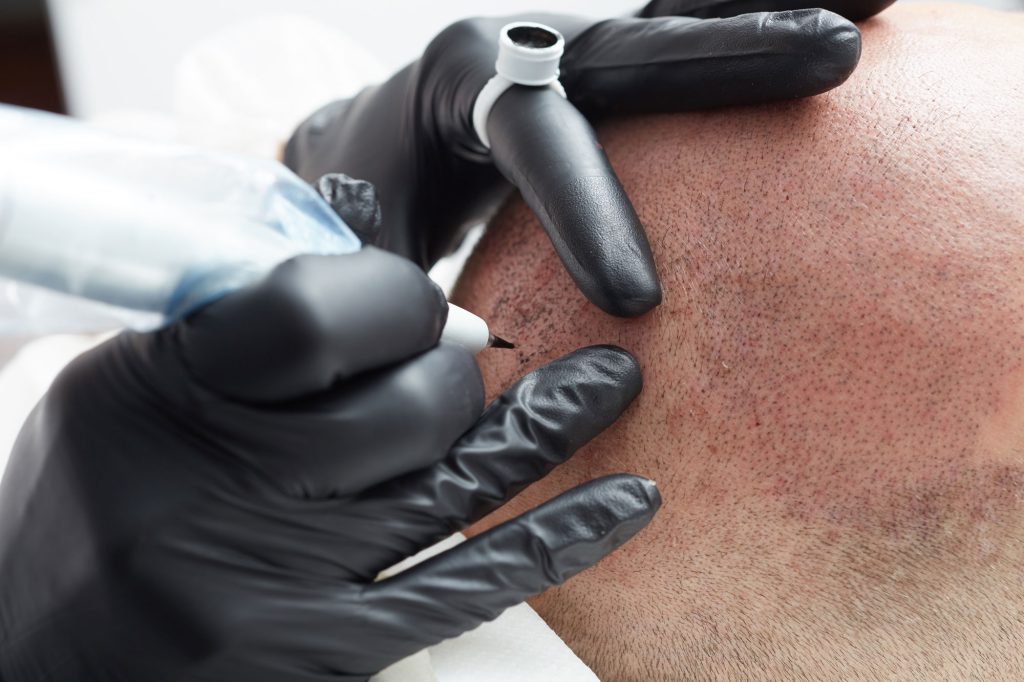
The pigment deposited during your session sits at the epidermal-upper dermal interface. It has not locked in yet. In those first four days, water, sweat, shampoo, and friction can all draw pigment out before it has a chance to settle.
Do not wash your scalp. Do not exercise in a way that causes sweating. Avoid steam rooms, saunas, and hot showers, and anything else that creates moisture or heat on the scalp. This window is the most critical of the entire healing process, and cutting corners here shows up directly in your healed result.
Redness is normal and typically fades within two to three days. The pigment will also appear noticeably darker than the finished result, which is expected. Do not judge the outcome until full healing is complete.
2. Days five to ten require gentle handling, not a return to normal routine
From day five you can wash your scalp, but gently. Use a mild, sulphate-free shampoo and light fingertip pressure. Avoid scrubbing, nails, and abrasive textures. Pat dry rather than rubbing with a towel.
Sun exposure is still off-limits during this phase. Your scalp is still healing at a cellular level, and UV radiation at this stage can cause uneven fading before the pigment has fully stabilised. If you need to be outside, wear a hat.
For women who regularly use dry shampoo, leave-in conditioners, or volumising sprays, hold off on these products. Build-up during the healing phase can interfere with pigment integration, so it is worth avoiding them until the thirty-day mark.
3. Styling products and heat tools are the slow fade you do not notice
After full healing at thirty days, your scalp SMP results are stable. However, female clients often face a specific set of lifestyle factors that male clients do not: regular use of heat tools, dry shampoo, scalp serums, and tinted root sprays. Over time, these can accelerate pigment fading in ways that are not obvious until a touch-up is overdue.
Heat applied directly to the scalp, whether from a hairdryer on a high setting or a straightening iron held close to the roots, gradually degrades pigment integrity. Use a cooler dryer setting and hold tools away from the scalp. It will not compromise your style, but it will protect your investment.
Alcohol-based styling products and harsh cleansing shampoos also speed up pigment breakdown. Look for scalp-friendly, alcohol-free formulas. It is a small switch that compounds significantly over several years. In addition, applying SPF to any exposed scalp areas should become a permanent daily habit once healing is complete; aim for SPF 30 to 50.
4. Your skin type affects how long your results last
SMP longevity varies between individuals, and skin type is one of the biggest variables. Women with oily skin tend to experience faster fading because higher sebum production accelerates epidermal turnover and pigment clearance. Women with drier or more mature skin often retain pigment for longer.
Faster cellular metabolism, high sun exposure without protection, and certain medications that affect skin cell turnover all shorten the lifespan of your results. Conversely, dry skin, regular SPF use, and avoiding prolonged sun exposure can support longevity at the higher end of the four-to-eight-year range reported in the research literature.
A 2025 case series tracking ten patients found that visual density scores averaged 8.7 out of 10 immediately after treatment, settling to 7.7 at six months. Scarring alopecia cases showed greater fading than androgenetic pattern loss, which is worth factoring into your expectations if your hair loss has a scarring component.
5. Touch-ups are maintenance, not a sign that something went wrong
Most female SMP clients return for a touch-up somewhere between three and six years after their final initial session. This is normal. Pigment fades gradually because of natural epidermal turnover, sun exposure, and immune activity at the dermal level. It does not disappear overnight; it softens slowly until a refresh is needed.
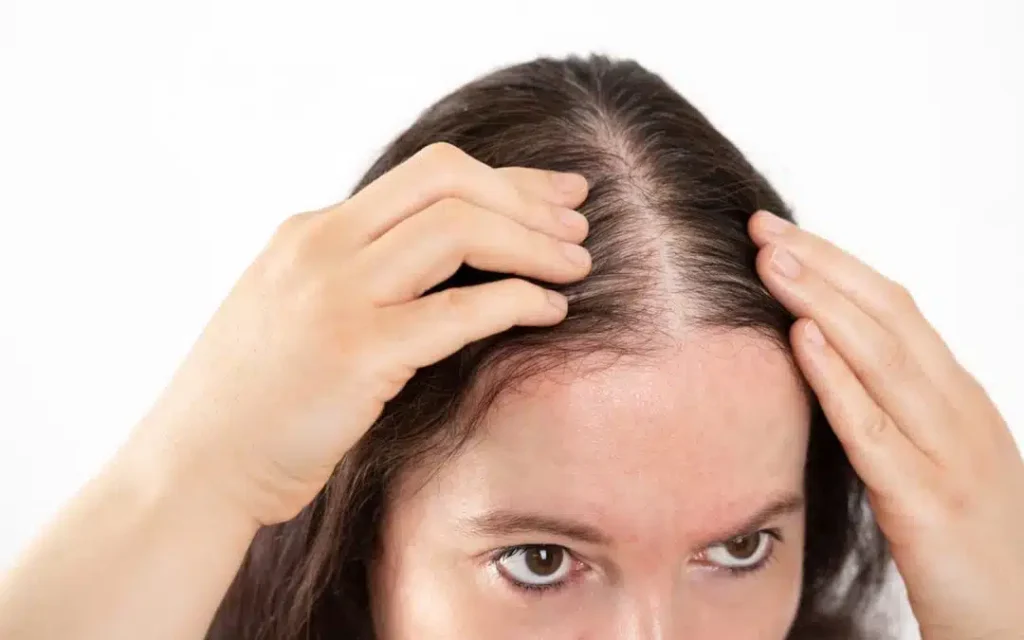
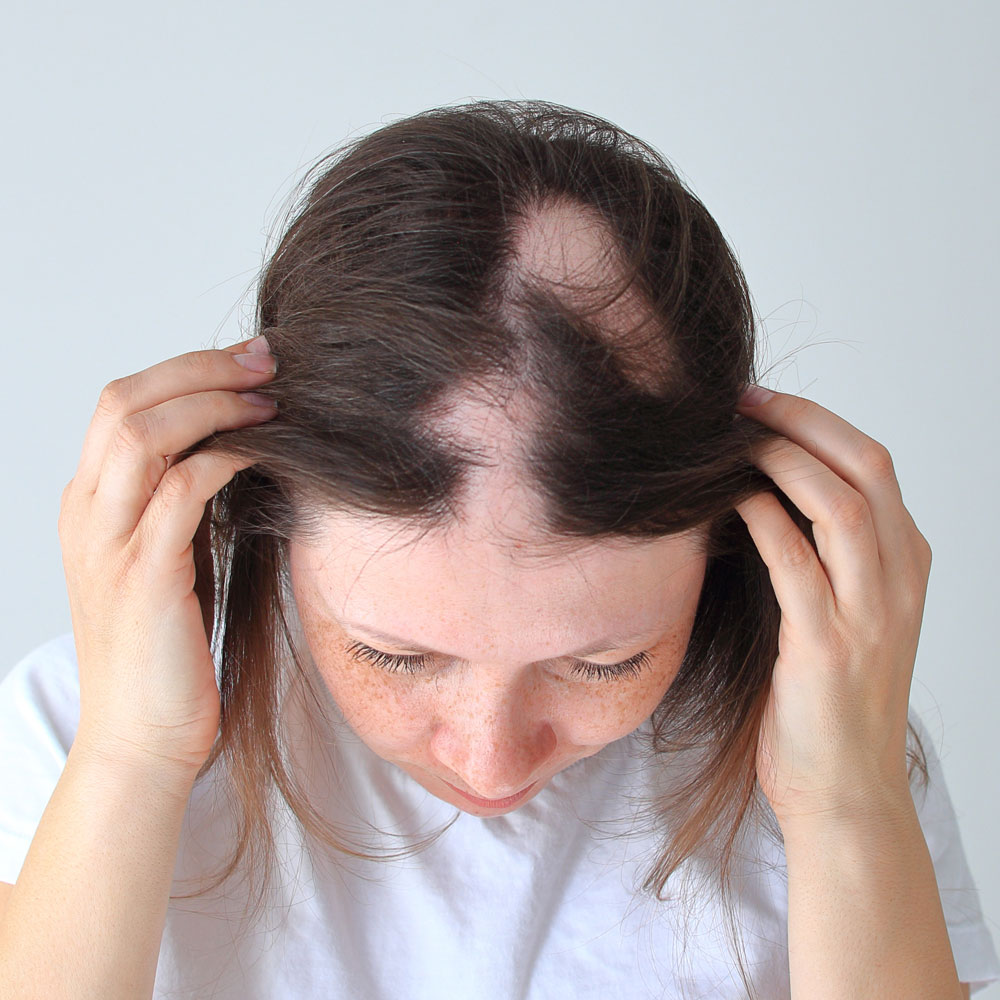
A touch-up appointment is typically shorter and less involved than your original sessions. Your practitioner rebuilds pigment density to where it was, concentrating on areas where fading is most visible. For women with diffuse thinning rather than complete baldness, the hairline and parting areas are usually the first to show softening.
Budgeting for touch-ups as part of the long-term cost of SMP is the realistic way to approach it. The procedure is significantly less costly and less invasive than hair transplant surgery, but like all cosmetic work, the result is maintained rather than permanent.
SMP aftercare is not complicated, but it is specific. Clients who protect their results take the first thirty days seriously, build SPF into their daily routine, and adjust a handful of styling habits. Do those things, and the results you see once healing is complete are the results you keep for years.
Frequently Asked Questions
How long does SMP aftercare last for women?
The active aftercare period runs for thirty days after your final session. The first four days are the most restrictive, with no water, sweat, or products on the scalp. From day five, gentle washing resumes. Full healing completes at thirty days, after which normal grooming and daily SPF application become the ongoing routine.
Can I use dry shampoo after SMP?
Not during the first thirty days. Product build-up during healing can interfere with pigment integration. After full healing, dry shampoo can be used, but alcohol-based formulas may contribute to faster fading over time. Choosing scalp-friendly, alcohol-free alternatives helps protect pigment longevity, particularly for women who use dry shampoo frequently.
How does sun exposure affect SMP pigment retention in women?
UV exposure is one of the primary drivers of SMP fading. It degrades dermal pigment over time and should be avoided entirely during the first ten days of healing. After full healing, applying SPF 30 to 50 to any exposed scalp areas daily significantly slows fading and supports results lasting towards the higher end of the four-to-eight-year range.
How often do women typically need SMP touch-ups?
Most female clients return for a touch-up every three to six years. Fading is gradual rather than sudden, caused by natural skin cell turnover, sun exposure, and immune activity. Oily skin, high sun exposure, and certain medications can shorten this window, while dry skin, SPF use, and careful aftercare tend to extend it.
Is SMP aftercare different for women than for men?
The core protocol is the same: no water or sweat for four days, gentle washing from day five, and SPF after full healing. Female clients face additional considerations around styling products, heat tools, scalp serums, and tinted root sprays, all of which can accelerate fading if used heavily or with alcohol-based formulas close to the scalp.