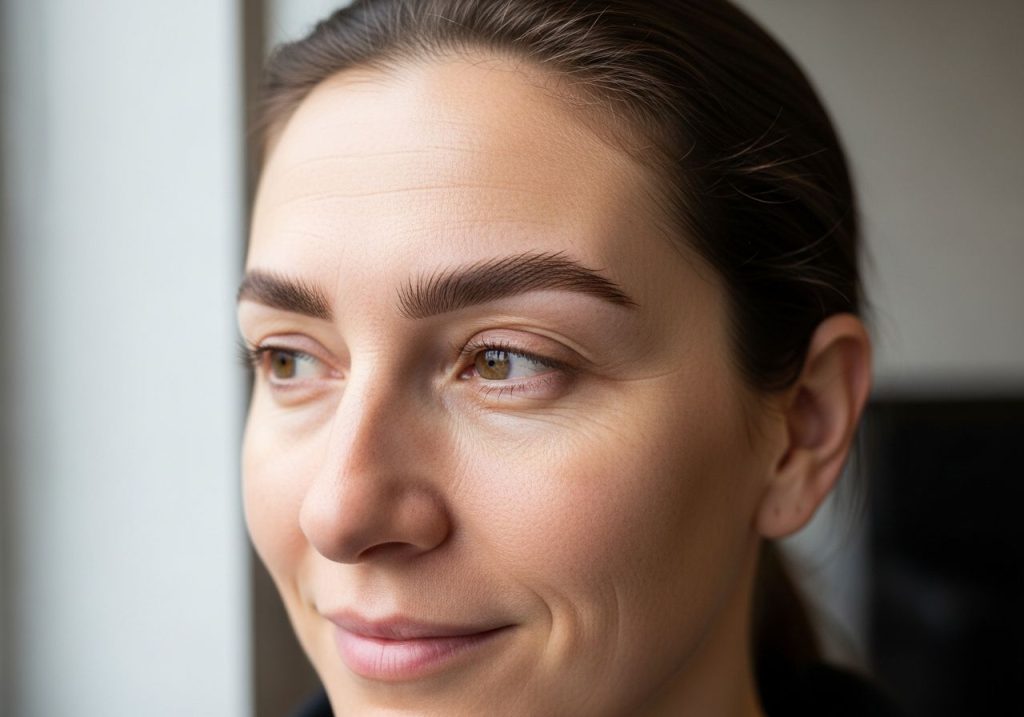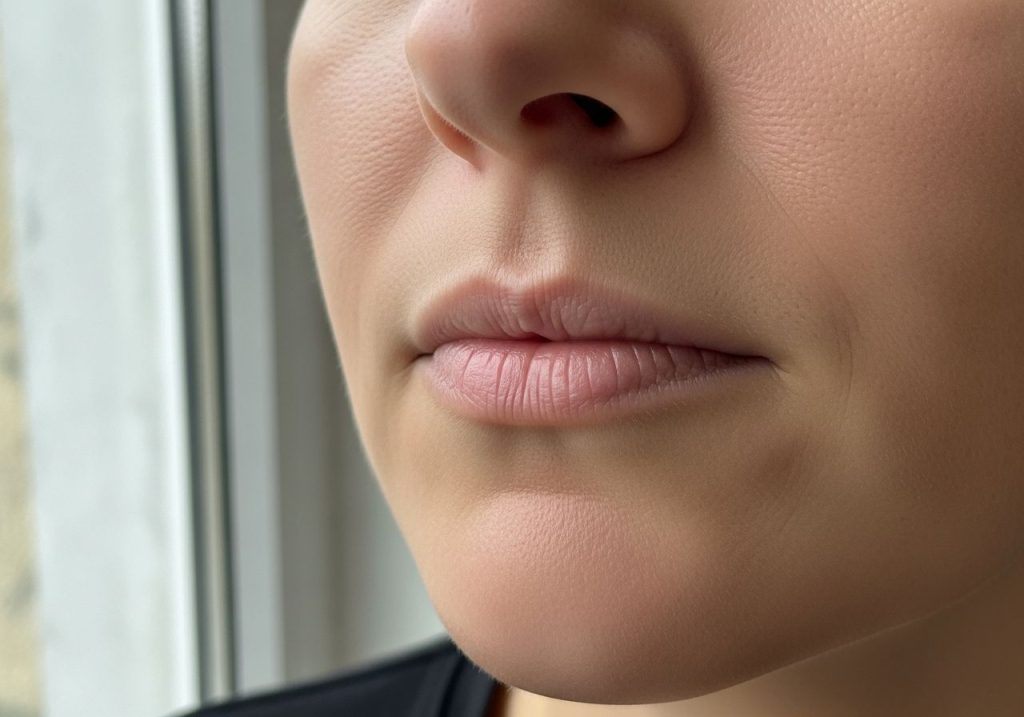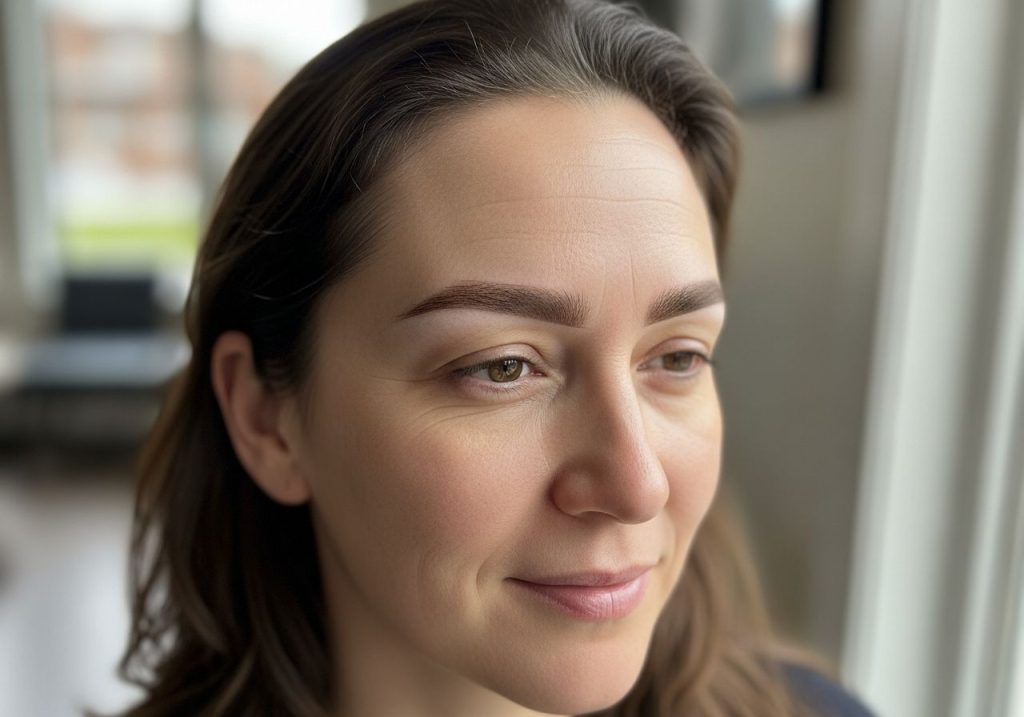
You have just left your appointment with the boldest, most defined lips you have ever had, and by the next morning they look completely different. Swelling, darkening, then suddenly the colour seems to have vanished. This article walks you through every stage of the lip tattoo healing timeline, day by day, so you know exactly what is coming and why.
1. Days 1–2: swelling and intensity are completely normal
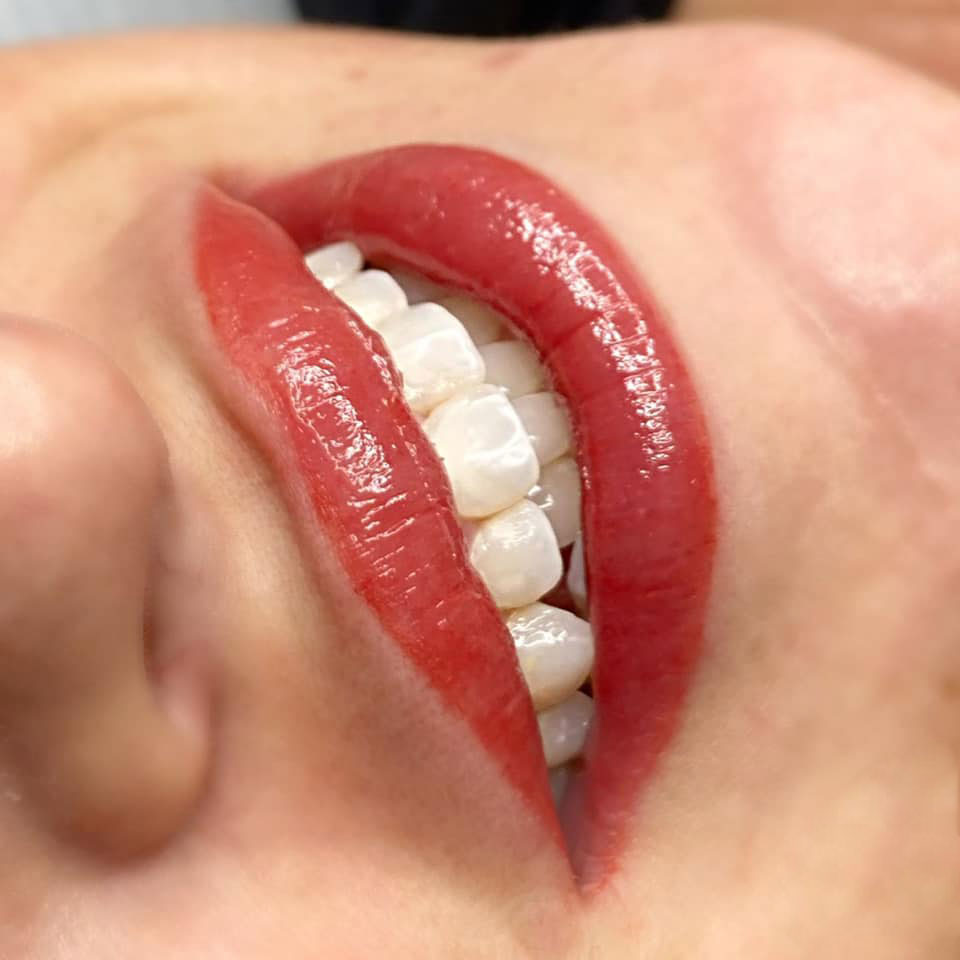
The first 48 hours are the most dramatic. Your lips will be swollen, tender, and the colour will look far more saturated than your intended result. This is not your finished look; pigment always sits darkest immediately after the procedure.
Some clients experience noticeable puffiness, particularly on waking on day two. This is your body’s natural inflammatory response, not a sign that anything has gone wrong. Keep lips moisturised with the aftercare product your artist has recommended, and avoid anything hot. Hot drinks, steam, and direct sun all slow the initial healing.
You may also notice a slightly uneven look between the upper and lower lip. One side often swells a little more than the other. By day three this typically evens out.
2. Days 3–5: the colour deepens before it lightens
Around days three to five, the pigment can look even more intense and slightly uneven in tone. This is part of the lip blush healing stages, not a flaw in the application. The surface of the skin is beginning to heal from the outside in, and that layer of healing tissue temporarily amplifies how dark the colour appears.
Resist every urge to pick, peel, or rub. Disturbing the skin at this stage pulls pigment out unevenly and can leave patchy gaps in your healed result. Blot gently, keep lips hydrated, and stay patient.
Avoid kissing, lipstick, and any lip products other than your prescribed aftercare. Water, sweat, and makeup should all stay away from the treated area for at least seven to ten days.
3. Days 5–8: peeling begins and the colour looks like it is disappearing
This is the stage that causes the most anxiety, and the most messages to artists. As the skin begins to flake and peel, it can look as though the colour is coming off with it. It is, in a sense: the very surface layer is shedding. The pigment that was implanted deeper in the dermis, however, stays put.
Lip tattoo peeling is entirely expected at this point, and it is a sign that healing is progressing well. The lips may feel tight and slightly itchy, and the colour underneath can look pale or almost washed out. This is normal. Do not pick at the peeling skin; let it lift away on its own.
Some clients peel more visibly than others. Oilier skin types, or those who are naturally fast healers, may peel quickly and minimally. Drier skin types may notice more visible flaking over a longer stretch of days.
4. Days 8–14: the ghosting phase
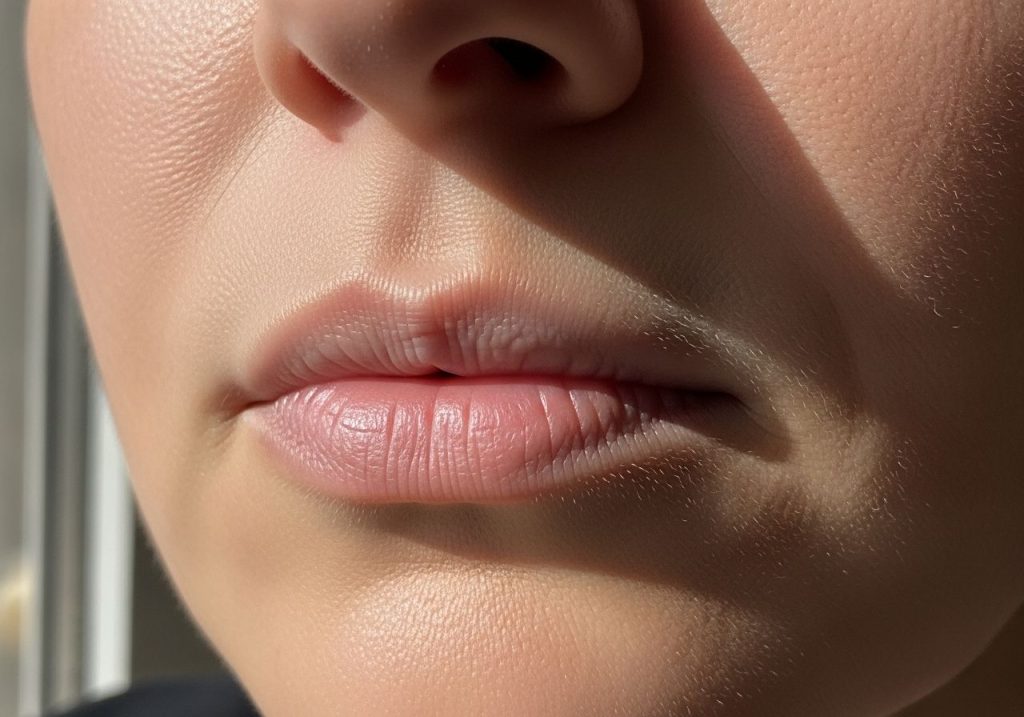
After peeling completes, many clients enter what is commonly called the ghosting phase: the lips look very light, sometimes almost nude, and it can feel as though the procedure did not work. This is one of the most misunderstood parts of the lip blush healing stages, and it is entirely temporary.
What is happening is that a fresh, slightly opaque layer of skin has formed over the pigment. As this new skin matures and becomes more translucent over the following weeks, the colour beneath gradually reappears. The result has not been lost; it is simply sitting beneath a temporary veil.
It is also worth noting that during this phase the lips can look uneven, with one area appearing to have held colour better than another. The full picture will not be visible until weeks four to six, so little useful information can be drawn from how things look at this stage.
5. Weeks 4–6: the true healed result appears
By four to six weeks post-procedure, the colour has settled to its genuine healed tone. Expect to lose somewhere between 30 and 50 percent of the initial intensity; this is standard across all permanent cosmetic lip work and is factored into the design from the outset.
The healed result is softer, more natural, and far more wearable than those intense day-one photos suggest. Most clients are pleasantly surprised by how balanced and flattering the settled colour looks against their skin tone. If there are any areas that need building up, a top-up appointment at six to eight weeks is the standard next step.
Longevity varies from person to person. Lifestyle, sun exposure, skin type, and how closely aftercare was followed all play a role. Maintenance appointments every one to three years are typical for keeping the result looking fresh.
Knowing what is coming at each stage makes the process far easier to move through calmly. The healing timeline is predictable; what changes the outcome is almost always aftercare. Follow your artist’s guidance closely, keep the area clean and moisturised, and give your skin the full six weeks before drawing any conclusions about your result.
Frequently Asked Questions
How long does a lip tattoo take to fully heal?
A lip tattoo takes four to six weeks to fully heal. You will notice swelling and intense colour in the first few days, followed by peeling around days five to eight, and a pale or washed-out look through week two. The true settled colour, your genuine healed result, becomes visible by the end of weeks four to six.
Is it normal for lip tattoo colour to almost disappear during healing?
Yes, this is completely normal and is one of the most recognised lip blush healing stages. After peeling, a fresh layer of skin forms over the pigment, making the colour look very faint or nearly gone. This is known as the ghosting phase. As that new skin matures over the following weeks, the colour gradually reappears at its true settled tone.
What should I do when my lip tattoo starts peeling?
When lip tattoo peeling begins, the most important thing is to leave it alone. Do not pick, rub, or remove the skin manually, as doing so pulls pigment out unevenly and causes patchy gaps in the healed result. Keep lips moisturised with your prescribed aftercare product, avoid makeup and sun exposure, and let the skin shed naturally over several days.
Why do my lips look so dark and uneven right after the procedure?
Freshly applied pigment always appears darker and more intense than the final healed result. Swelling and the surface healing process both amplify how saturated the colour looks in the first two to five days. Slight unevenness between the upper and lower lip is also common at this stage. Both effects resolve as swelling subsides and healing progresses over the following days.
How much colour will I lose during the lip tattoo healing process?
It is normal to lose between 30 and 50 percent of the initial colour intensity during the lip tattoo healing timeline. This is expected and is accounted for in the original application. The healed tone is softer and more natural than the day-one result. If coverage feels light once fully healed, a top-up appointment at six to eight weeks can build the colour back up.