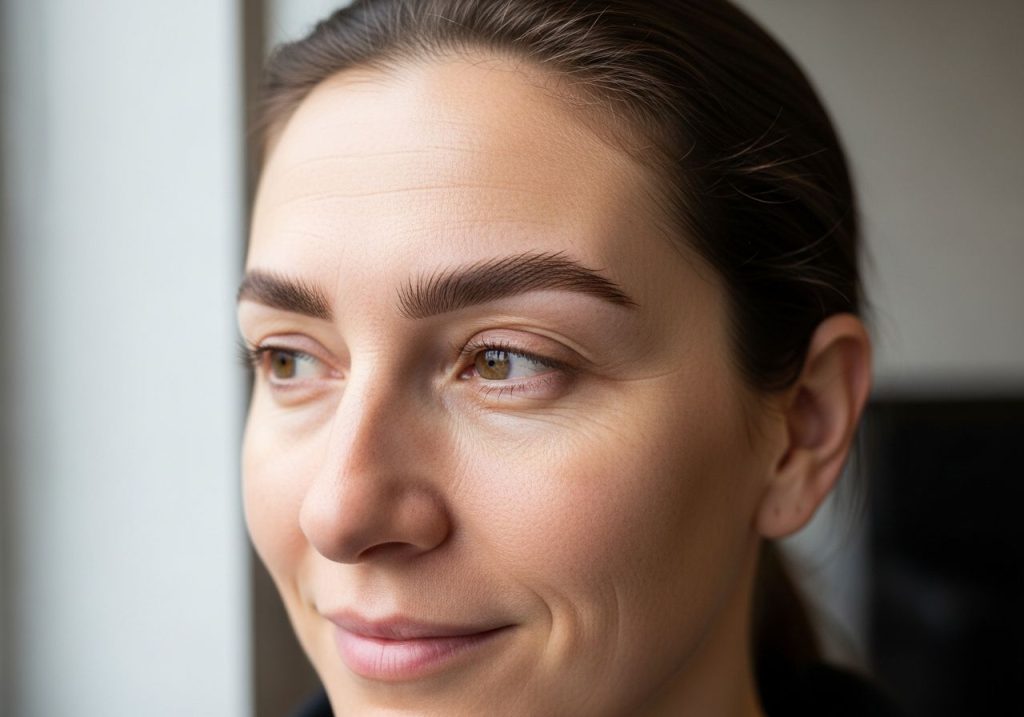
Wondering if your skin will actually hold the crisp, hair-like strokes you’ve seen in photos, or if you’re the exception the internet warns about? It’s a fair question, and the honest answer depends on your skin type, your health history and how you live day to day. Here’s what actually determines whether nano brows will work for you.
A good candidate for nano brows typically has normal to dry skin, no active dermatological conditions on the brow area, and no medical contraindications such as uncontrolled diabetes or certain autoimmune conditions. Skin type is the biggest factor in how sharp your final result looks, more than most people realise. Having tattooed hundreds of brows over the years, skin behaviour is the one variable that never lies, no matter how skilled the artist is.
Why skin type changes everything about your result
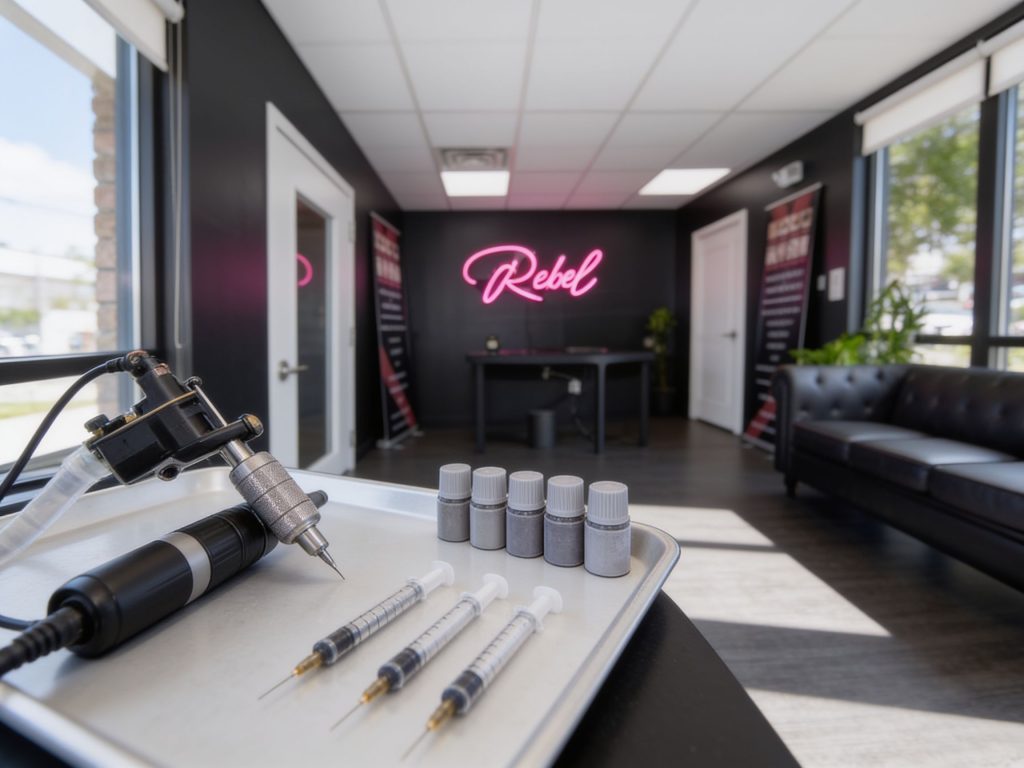
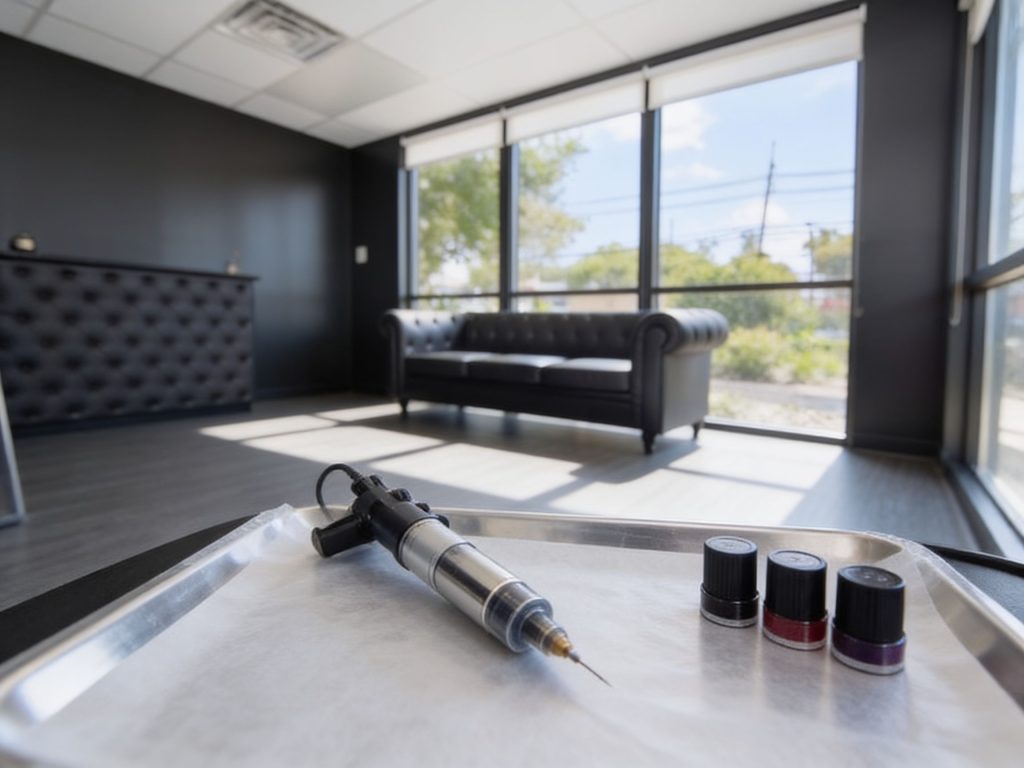
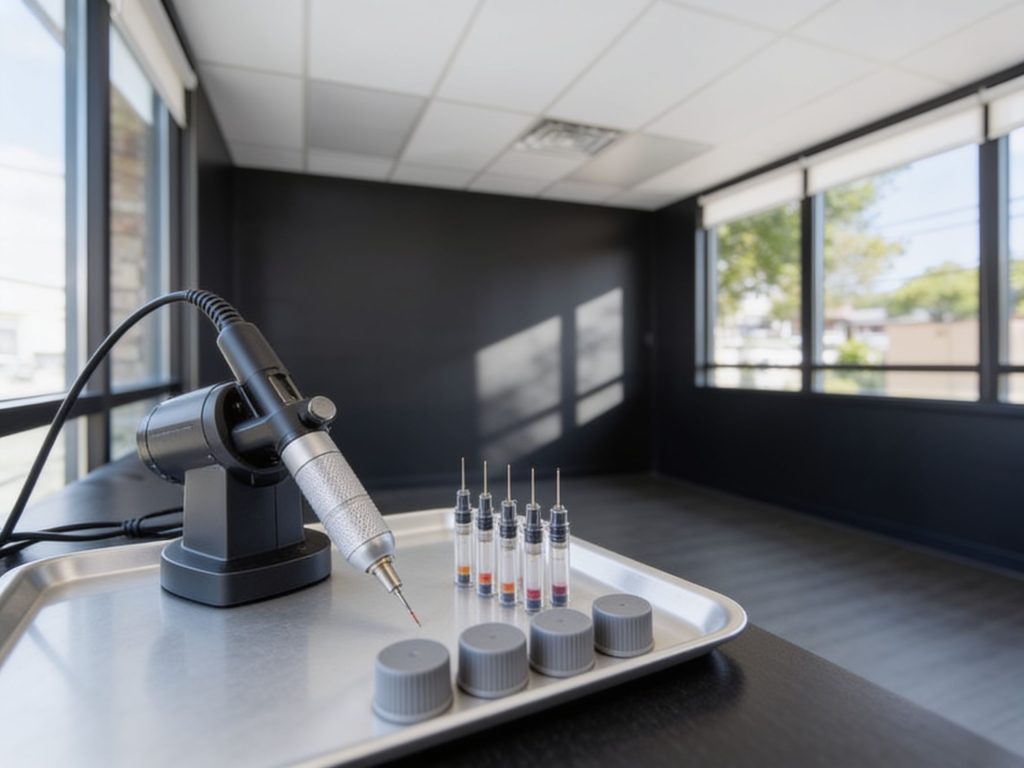
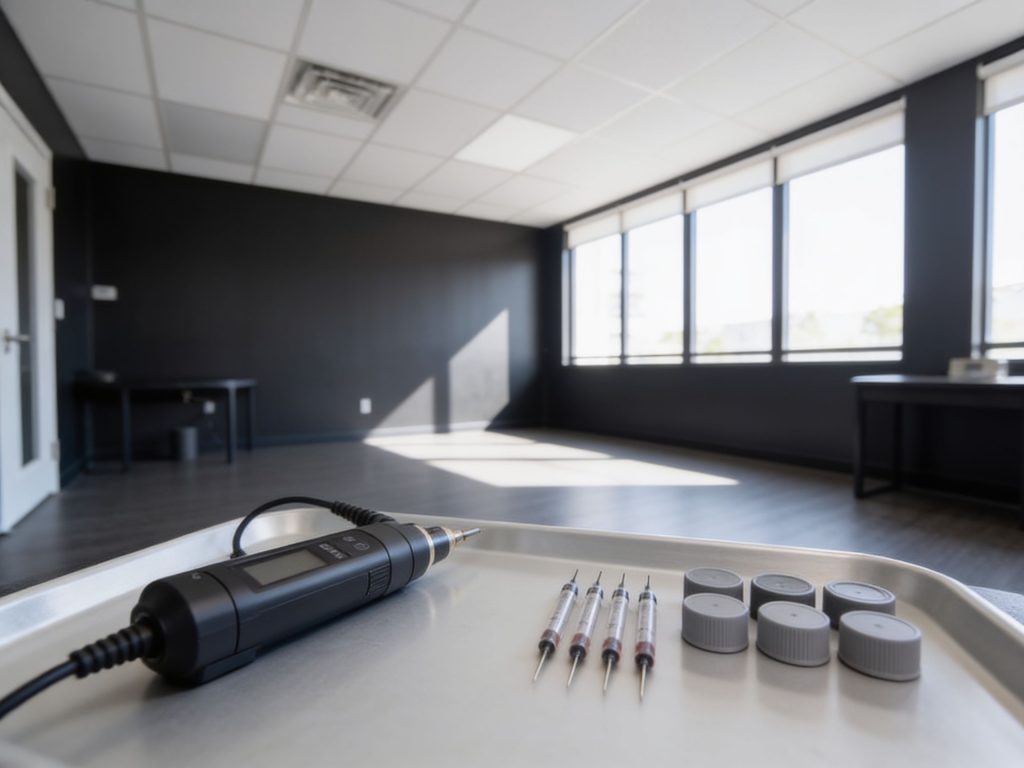
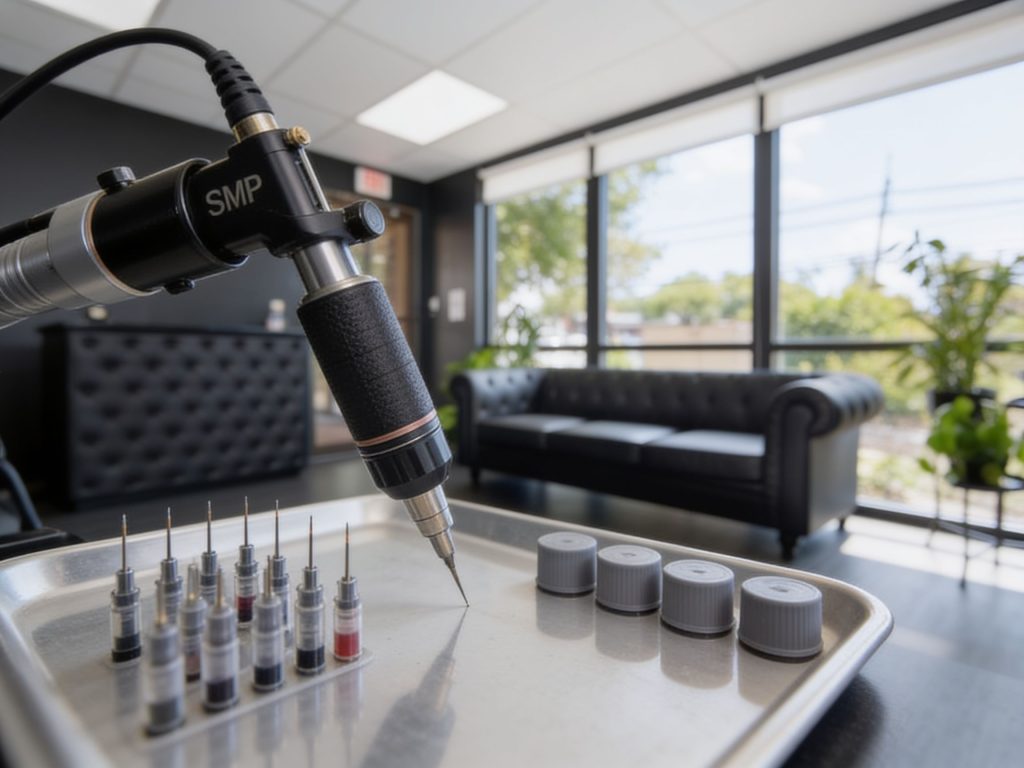
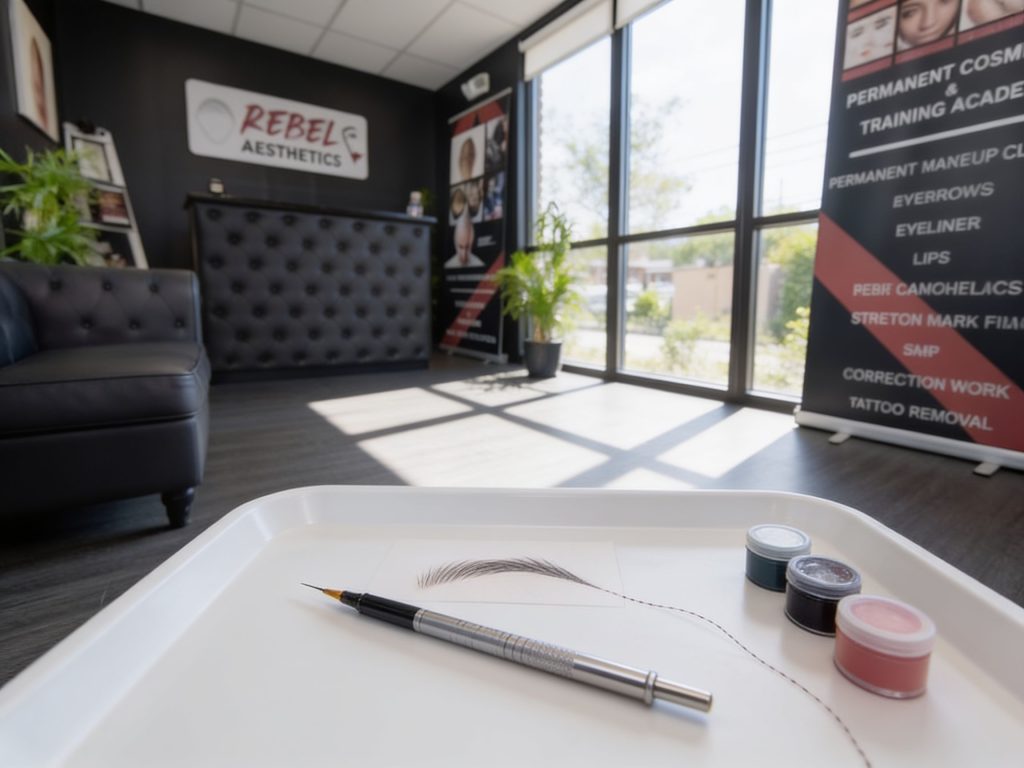
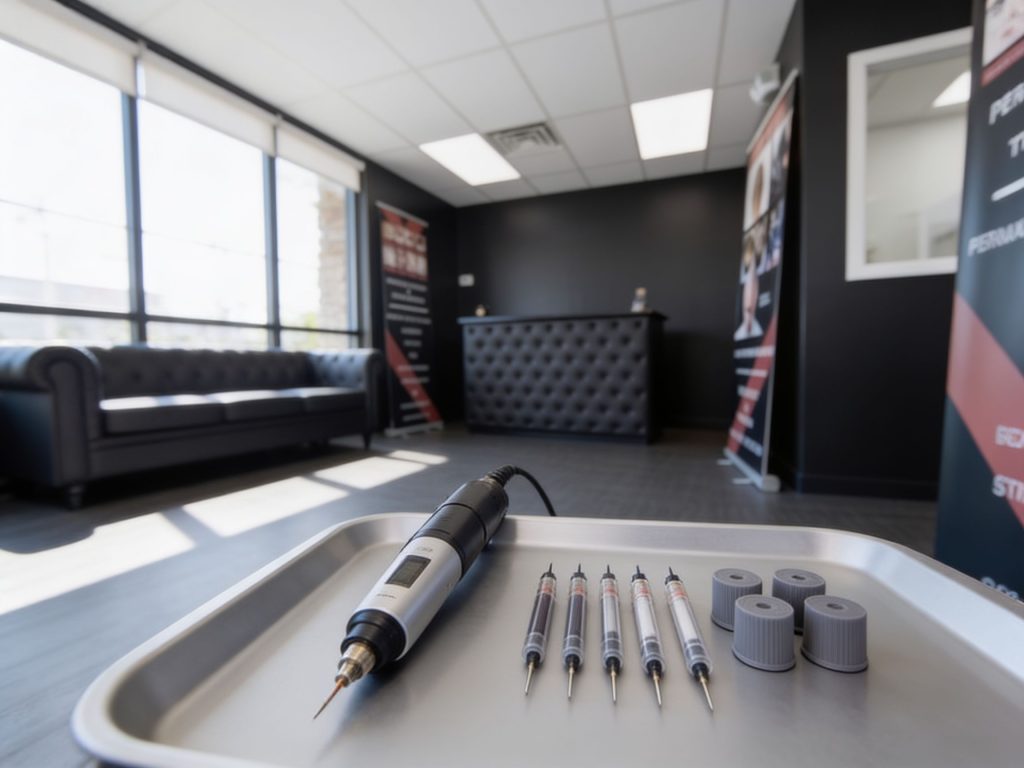
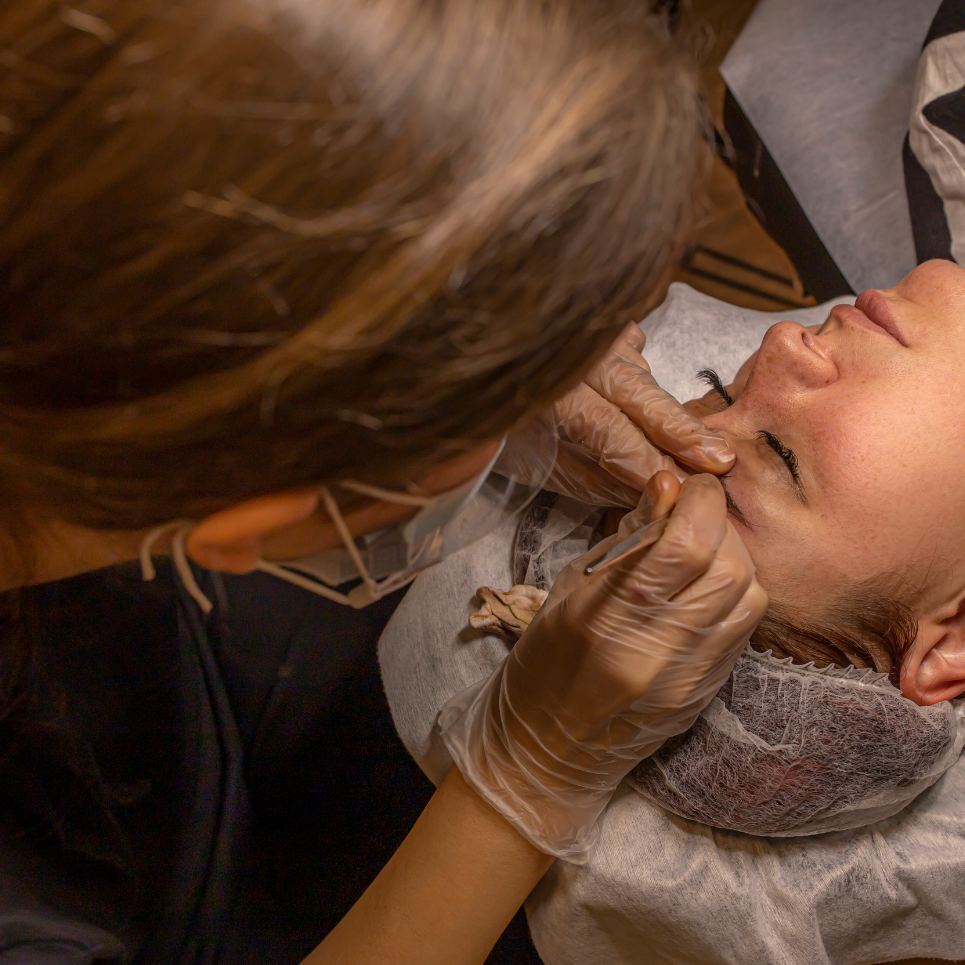
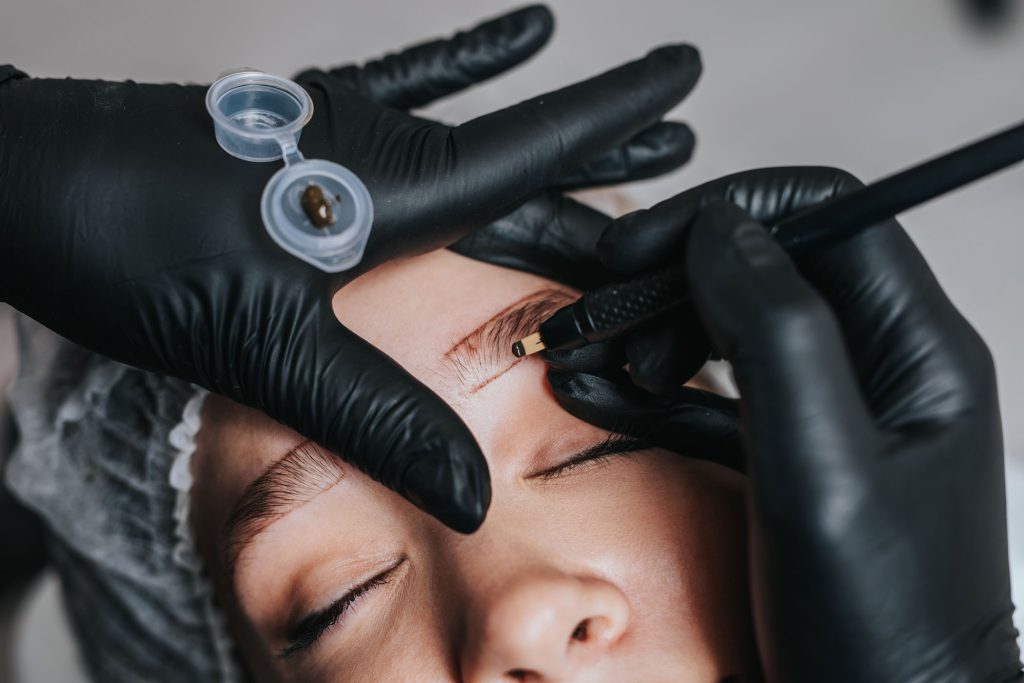
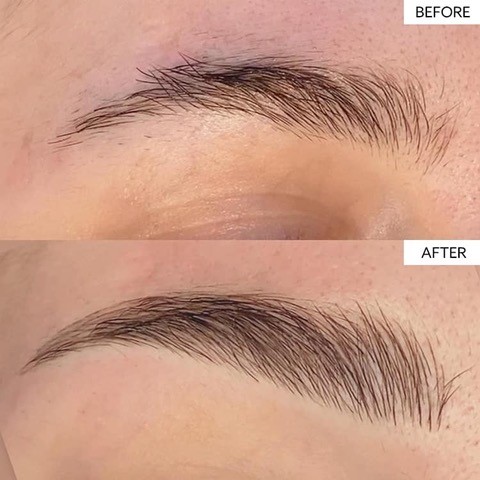
Nano needling uses a single fine needle to deposit pigment in tight, hair-like strokes, which is why it’s often mentioned alongside microblading in searches. Nano brows, however, use a machine rather than a hand tool, and that distinction matters for healing.
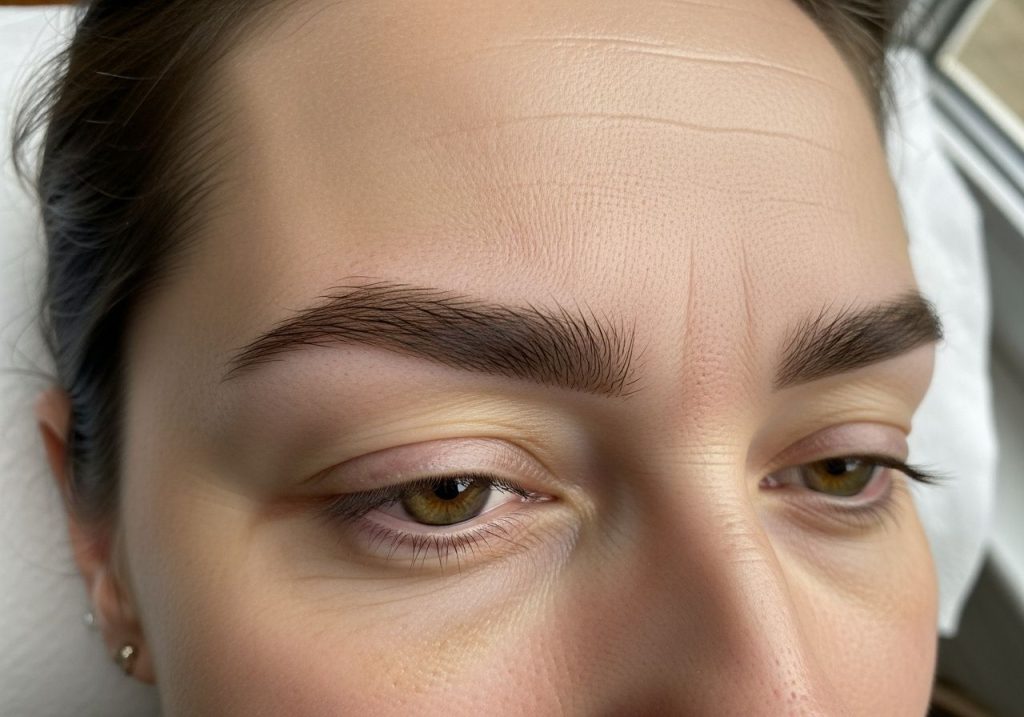
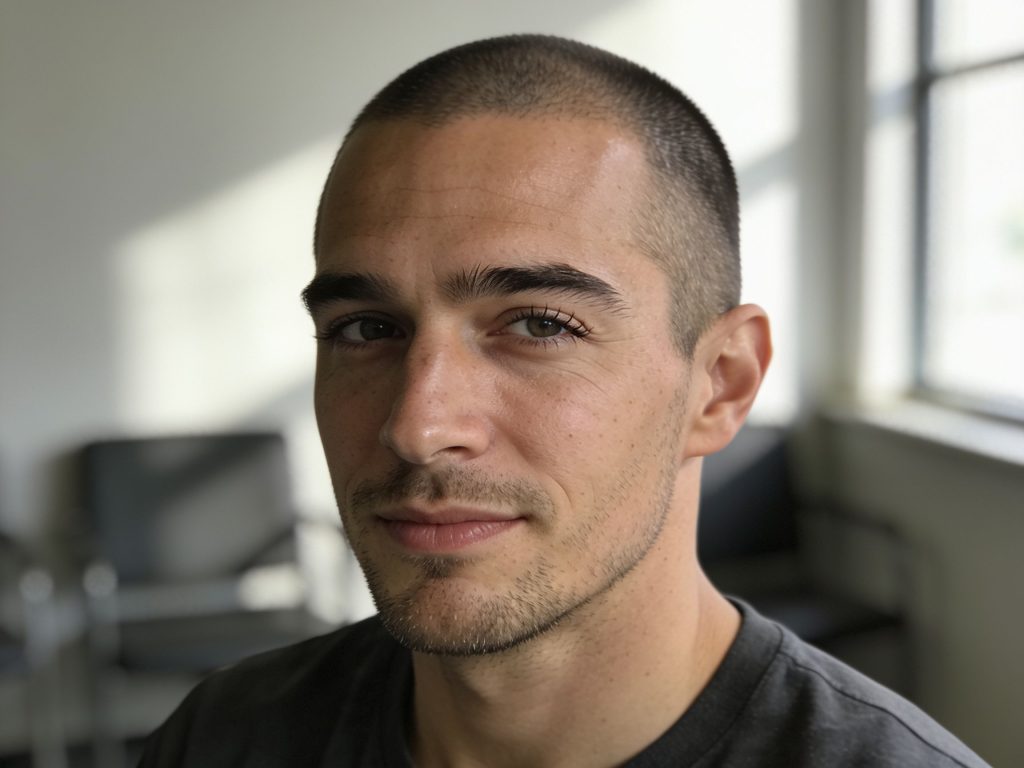
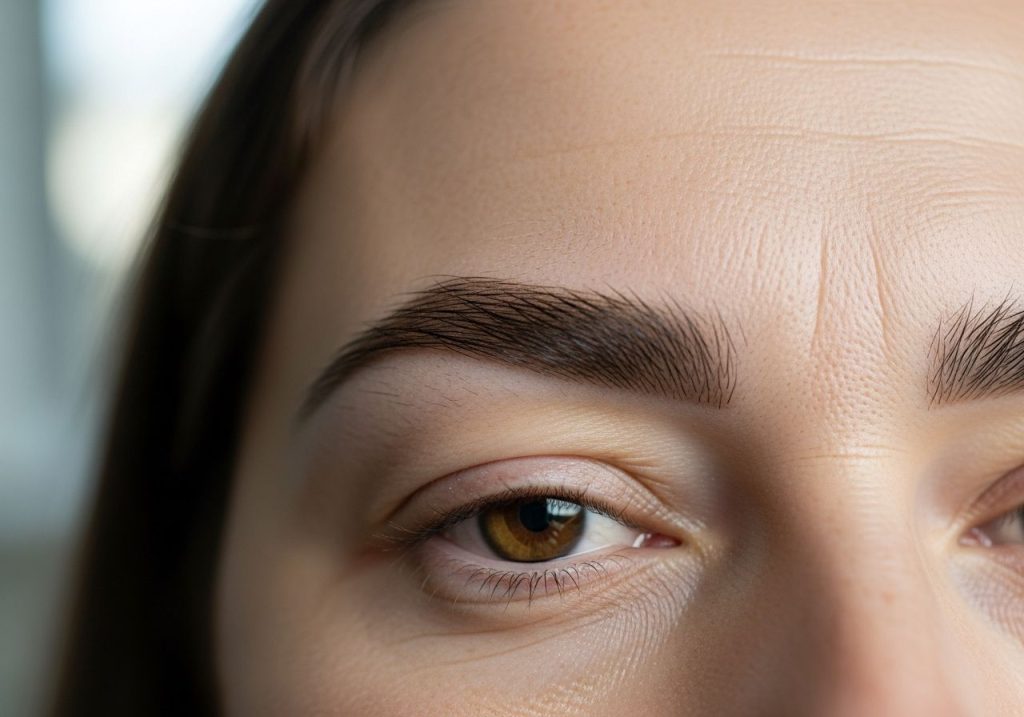
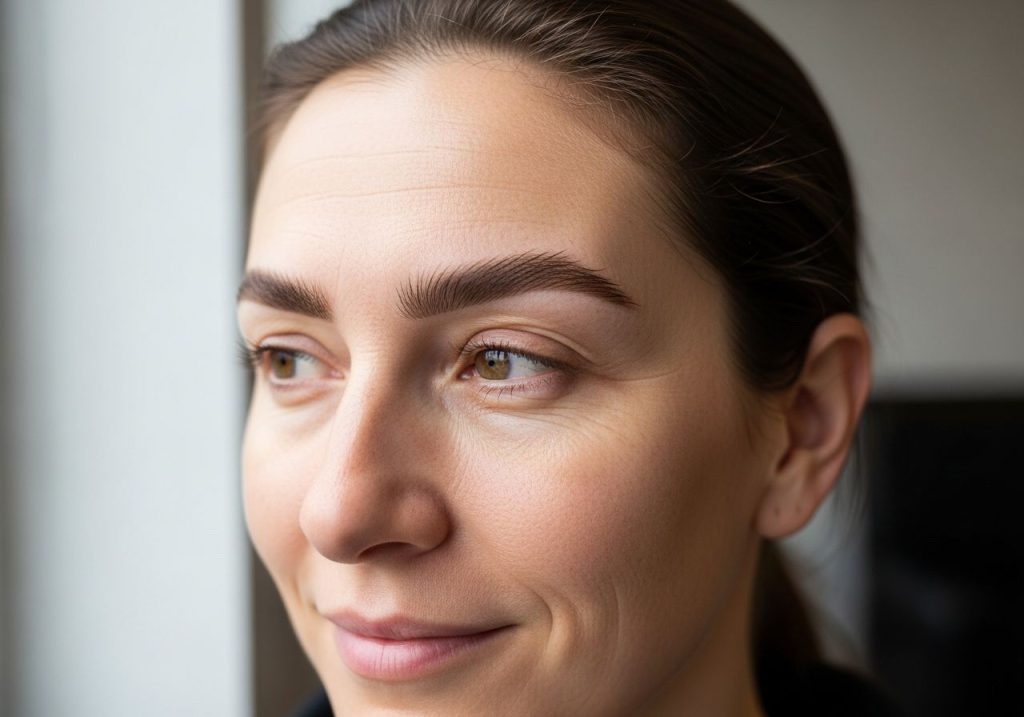
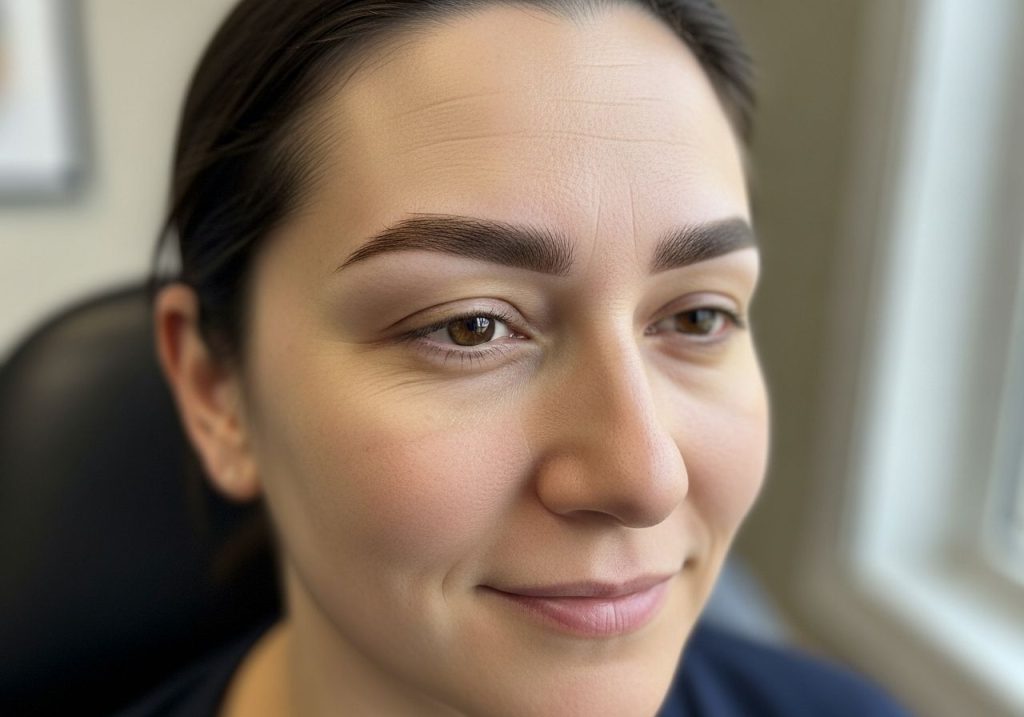
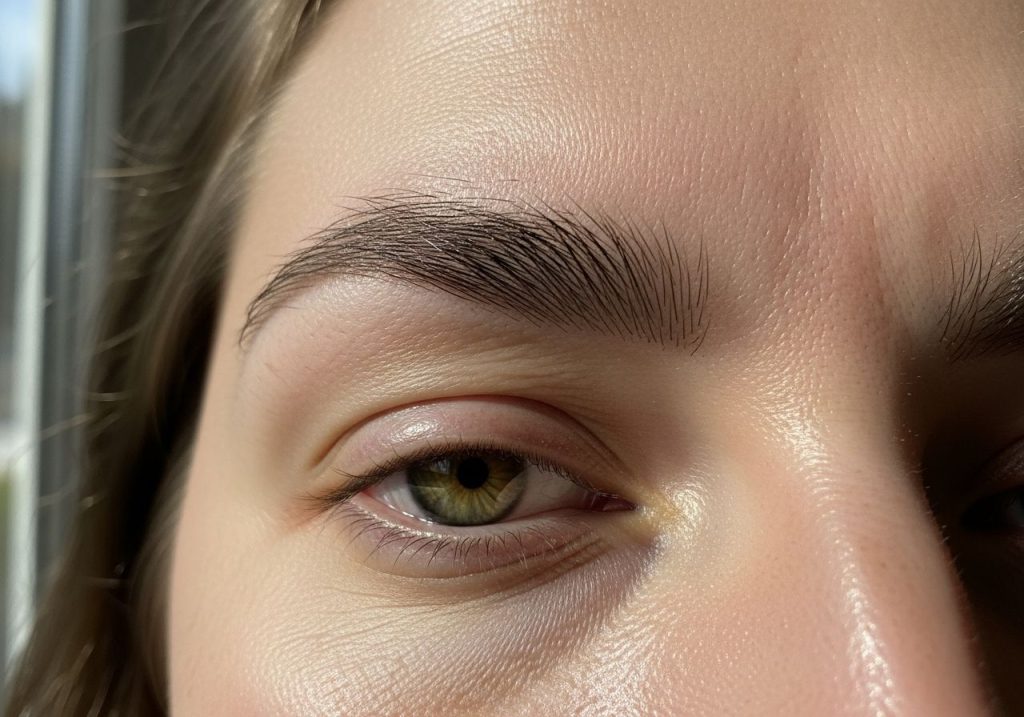
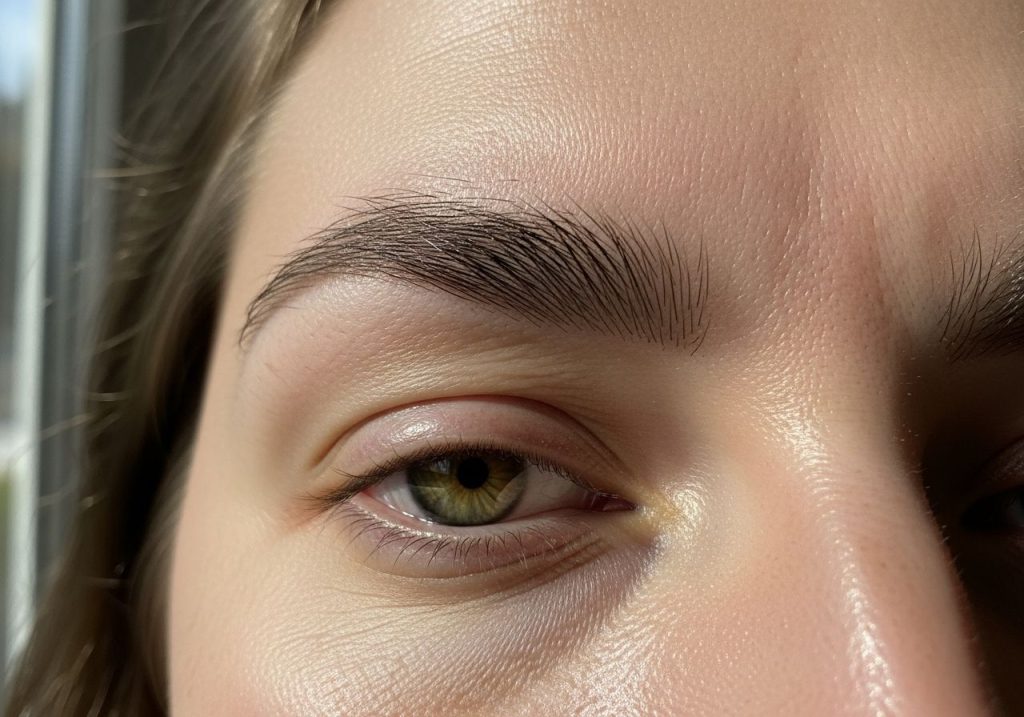
Dry to normal skin holds those fine strokes beautifully. The pigment sits close to the surface and heals crisp, giving that natural, feathery finish people search for.
Oily and thicker skin behaves differently. Excess sebum pushes pigment sideways under the skin as it heals, which softens or blurs fine strokes over time. If your T-zone shines by midday or you’ve always had visible pores on your forehead, expect your nano brows to heal with a softer, slightly powdered look rather than razor-sharp hairstrokes. This isn’t a flaw in the work; it’s biology. Many artists actually recommend a combination brow, blending strokes with light shading, specifically for oilier skin because it holds up far better in the long term.
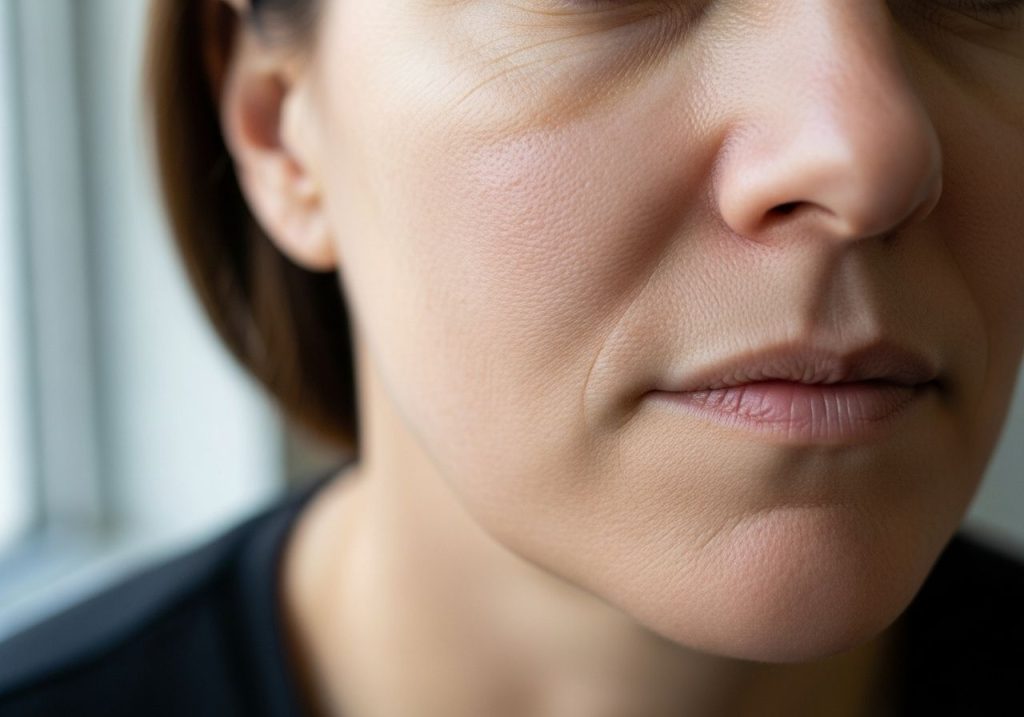
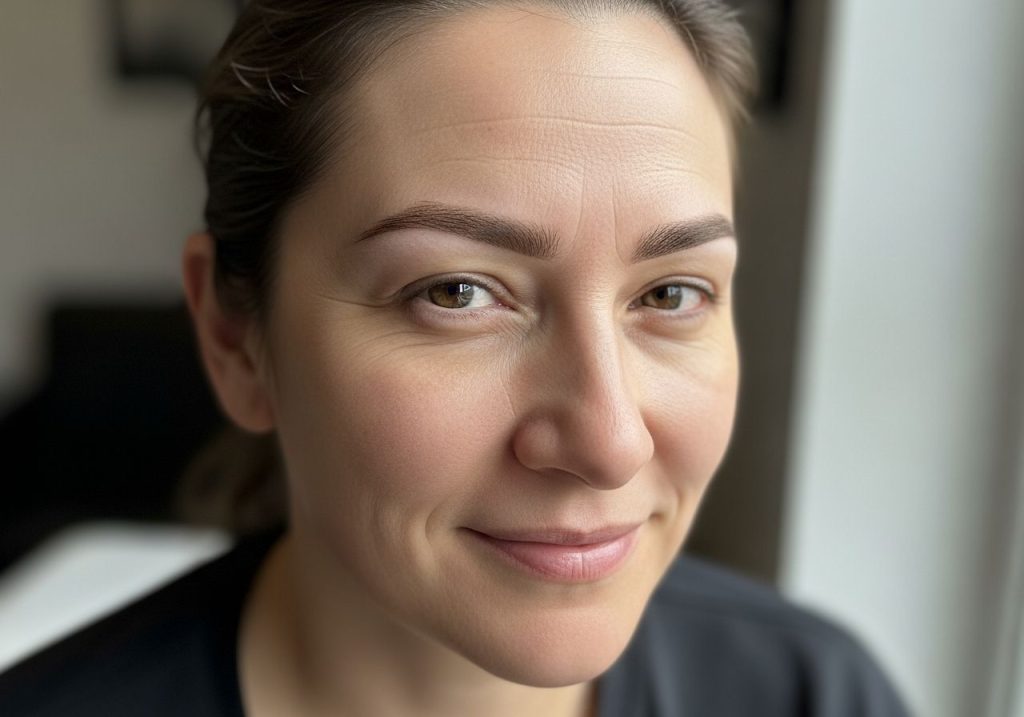
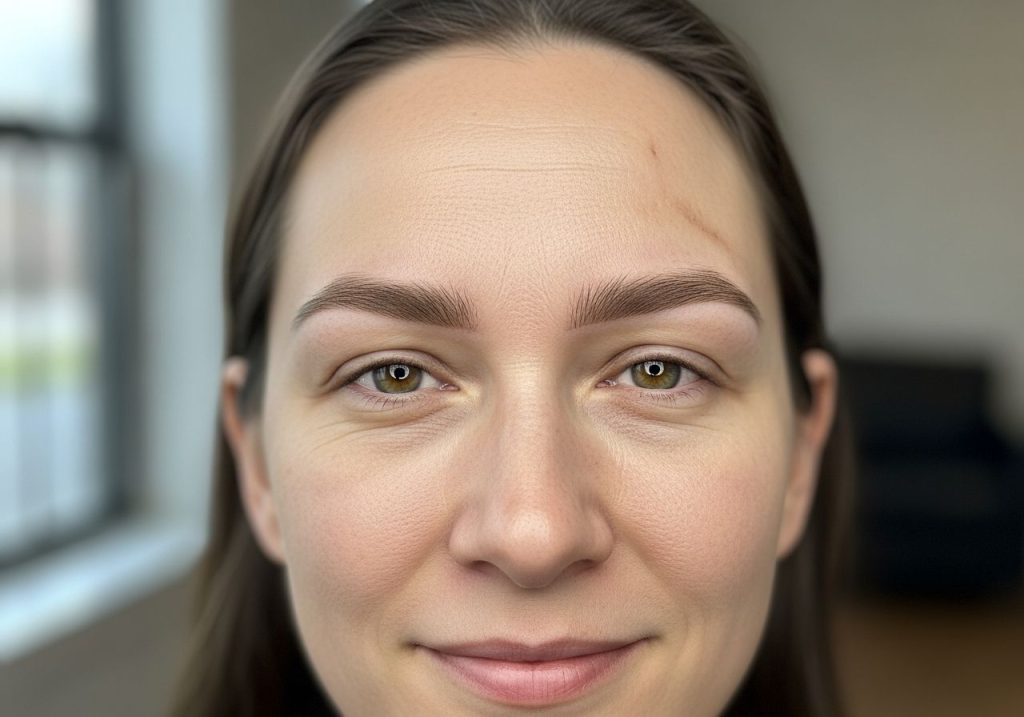
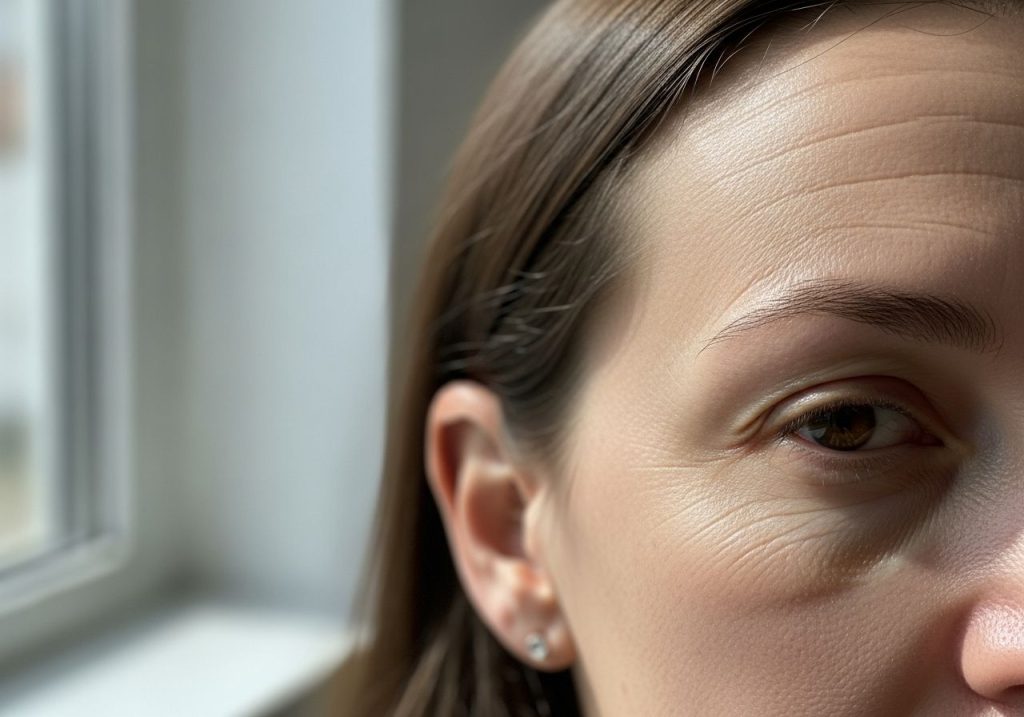
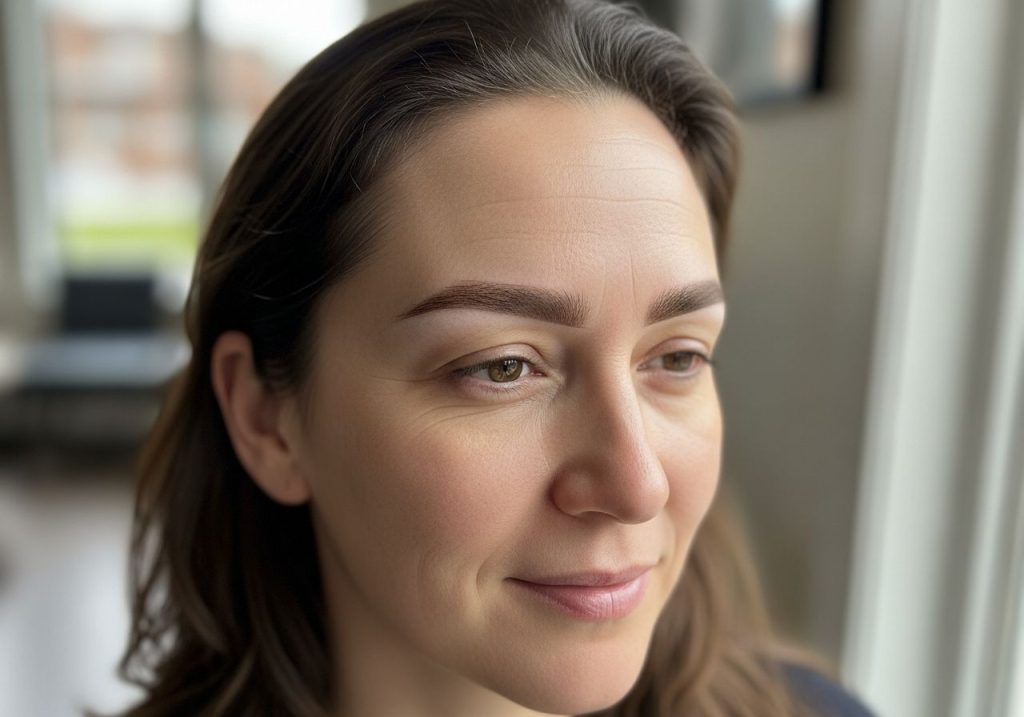
Mature skin adds another layer. Skin loses elasticity and collagen with age, and thinner, crepier skin can heal pigment less predictably, sometimes going slightly softer, sometimes holding tighter than expected. This doesn’t rule anyone out; it just means your artist should assess your skin in person rather than promise a specific look from a photo.
Medical and lifestyle factors that affect candidacy
Certain health conditions genuinely change whether nano brows are appropriate right now, or ever. Pregnancy and breastfeeding are standard no-go periods, not because the pigment itself is inherently dangerous, but because healing and hormone fluctuations make results unpredictable, and most artists won’t perform the procedure during this time.
Uncontrolled diabetes, active skin infections, keloid scarring, and certain autoimmune conditions such as psoriasis or eczema on the brow area are all reasons to pause. Blood-thinning medication won’t necessarily disqualify you, but it will affect bleeding and pigment retention during the session, so your artist needs to know about it at consultation, not on the day. Anyone undergoing chemotherapy should get clearance from their oncologist first.
Lifestyle matters more than people expect. If you have an intense workout routine, work outdoors, or swim regularly, you’ll need to plan around the 7 to 10 day window during which the treated area must stay away from water, sweat, make-up and direct sun. Retinol and heavy exfoliating skincare used near the brows also fade pigment faster over time, something worth factoring in if you’re not willing to adjust your routine.
What actually happens at your consultation
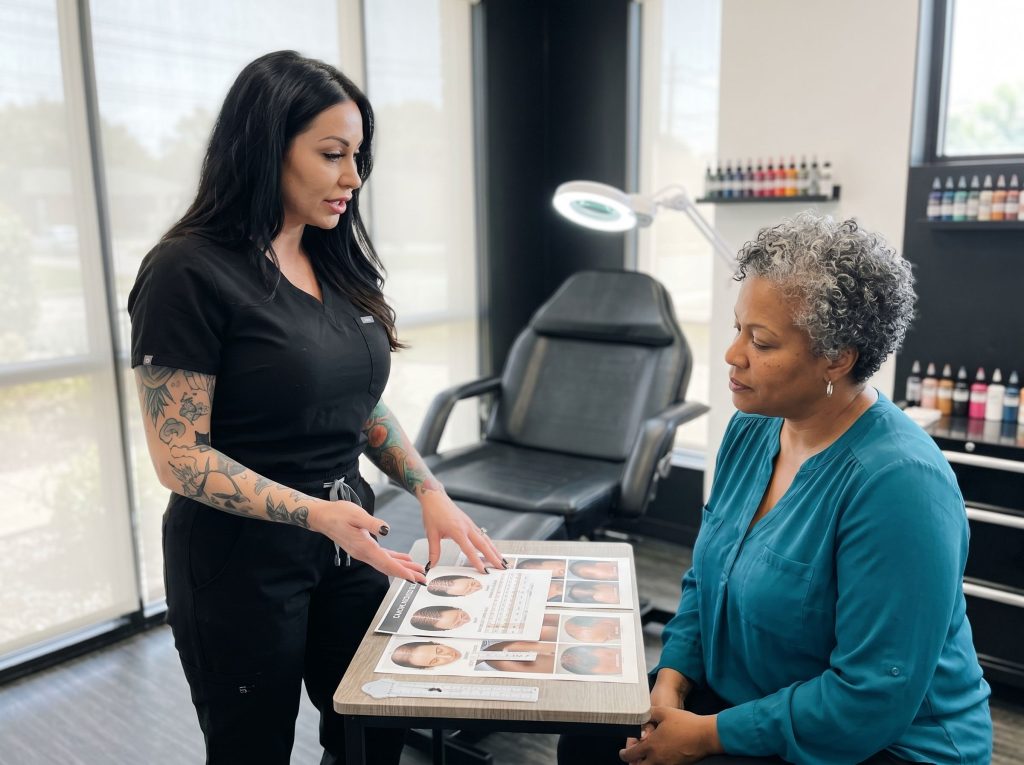
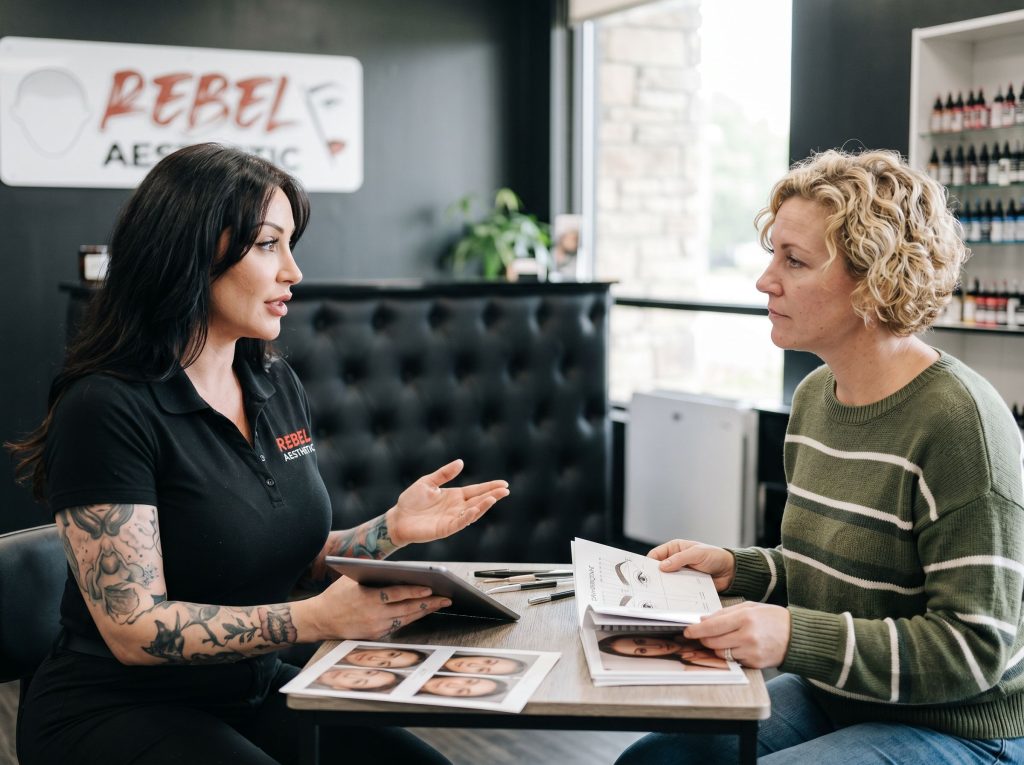
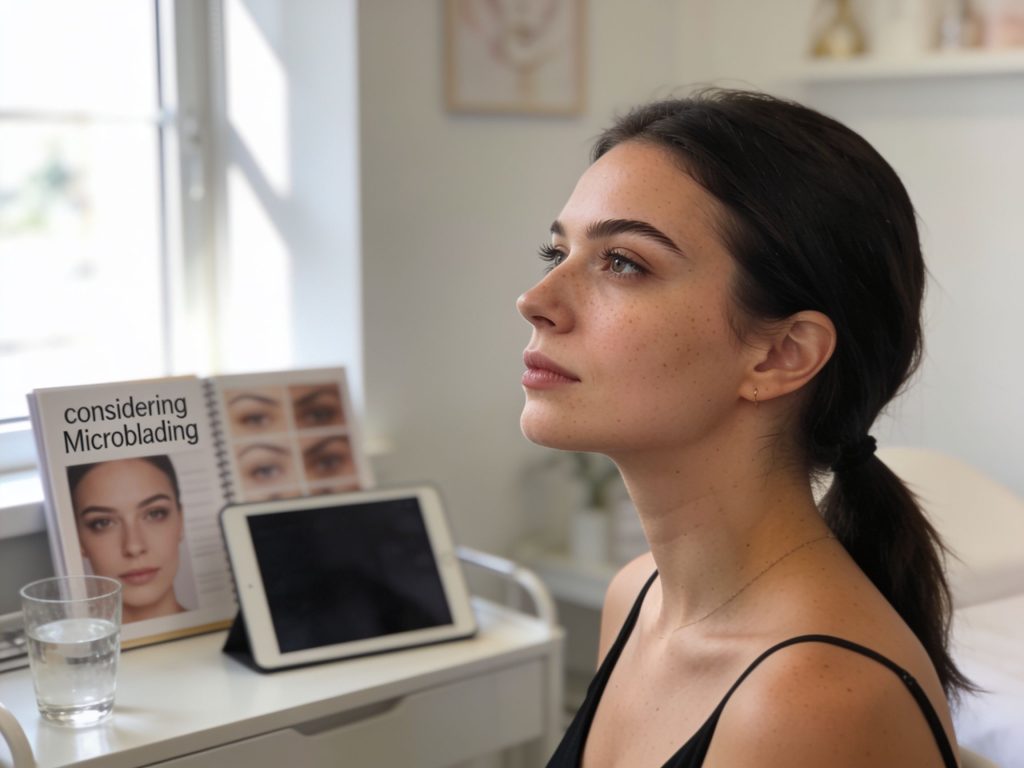
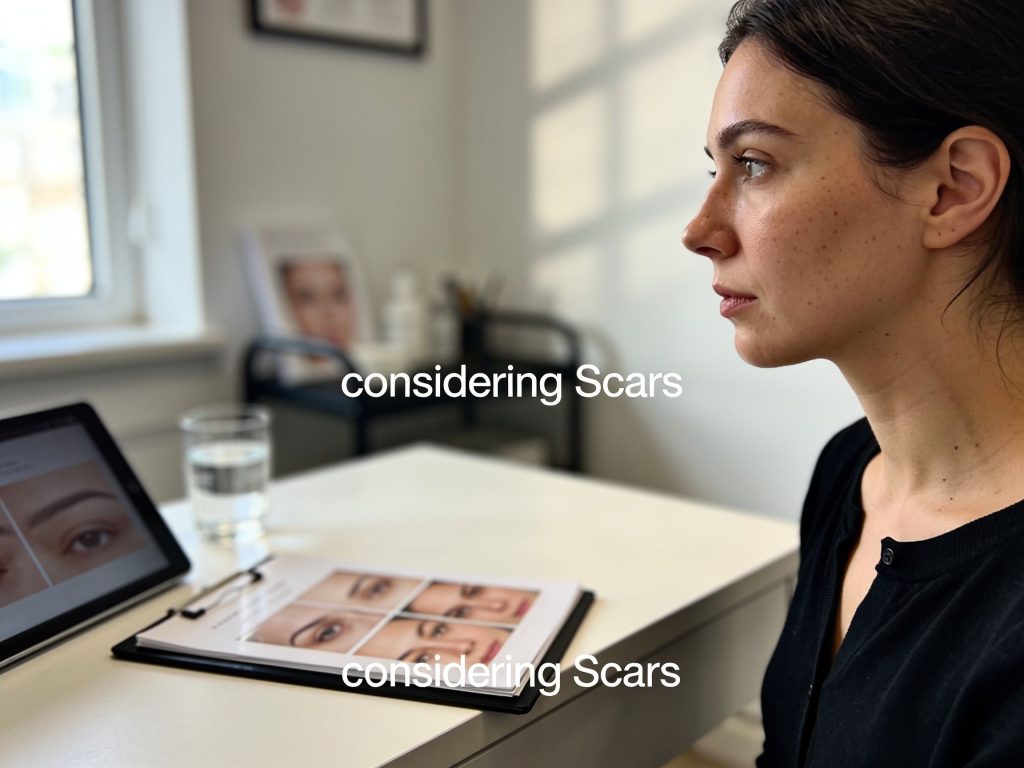
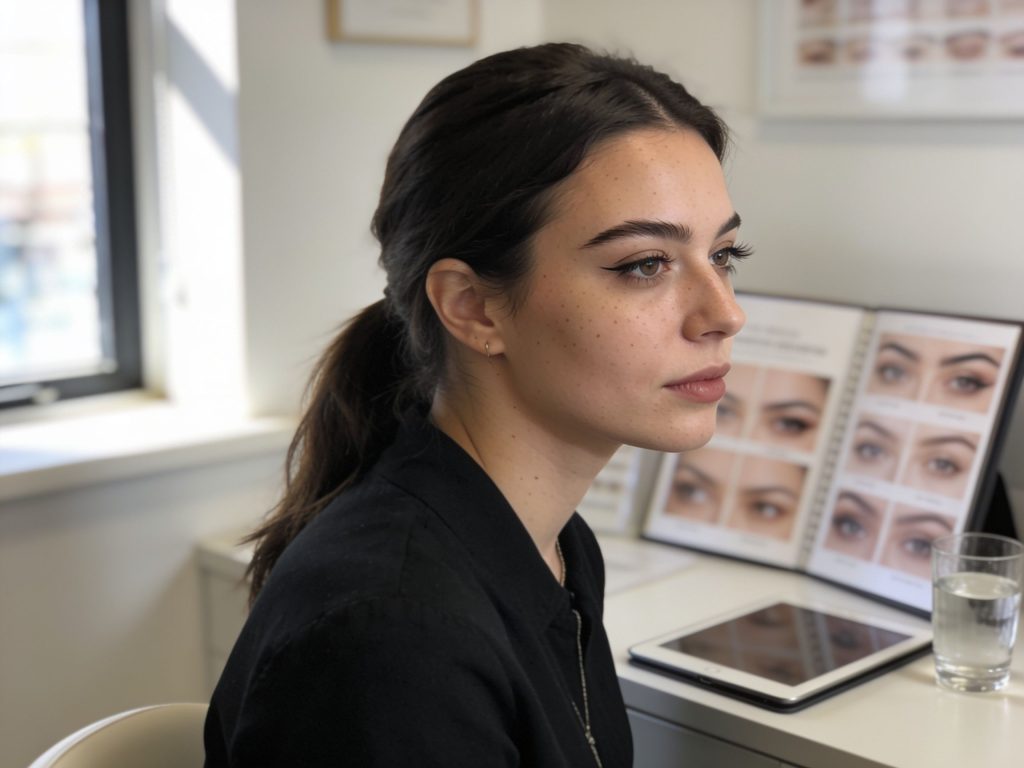
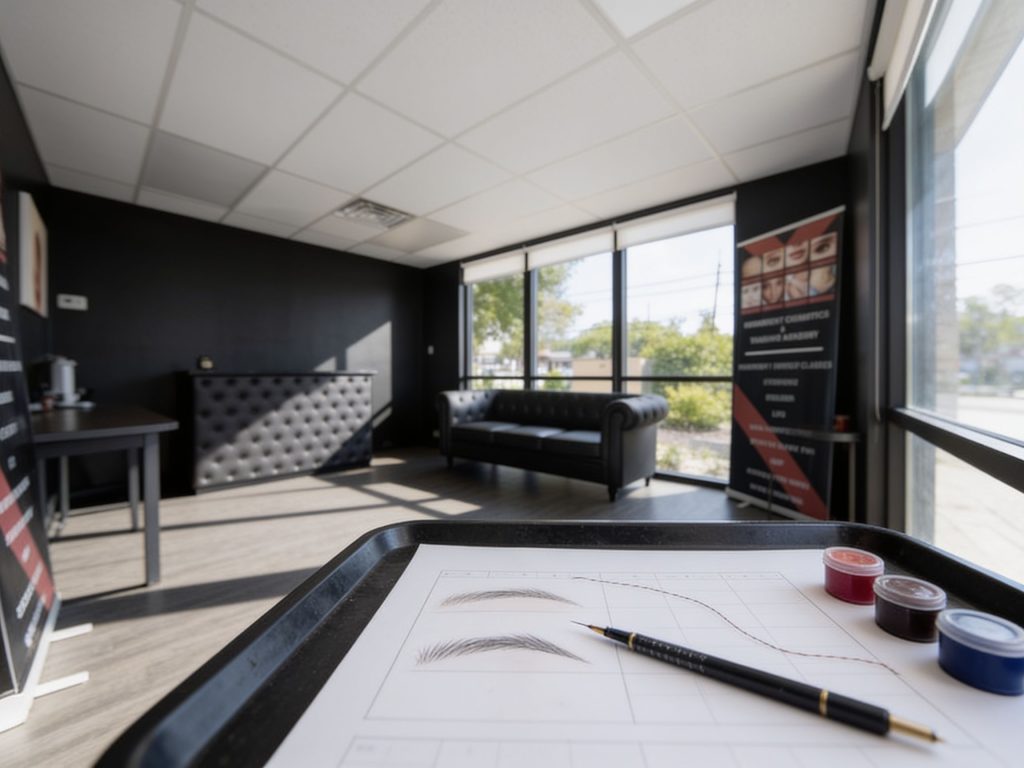
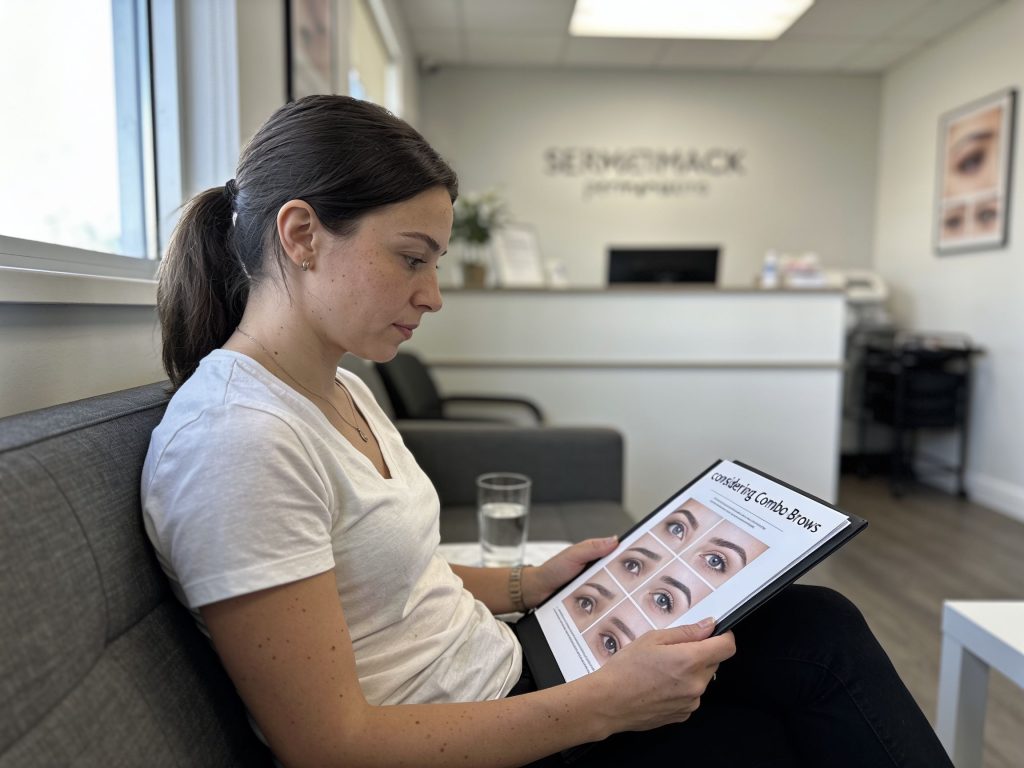
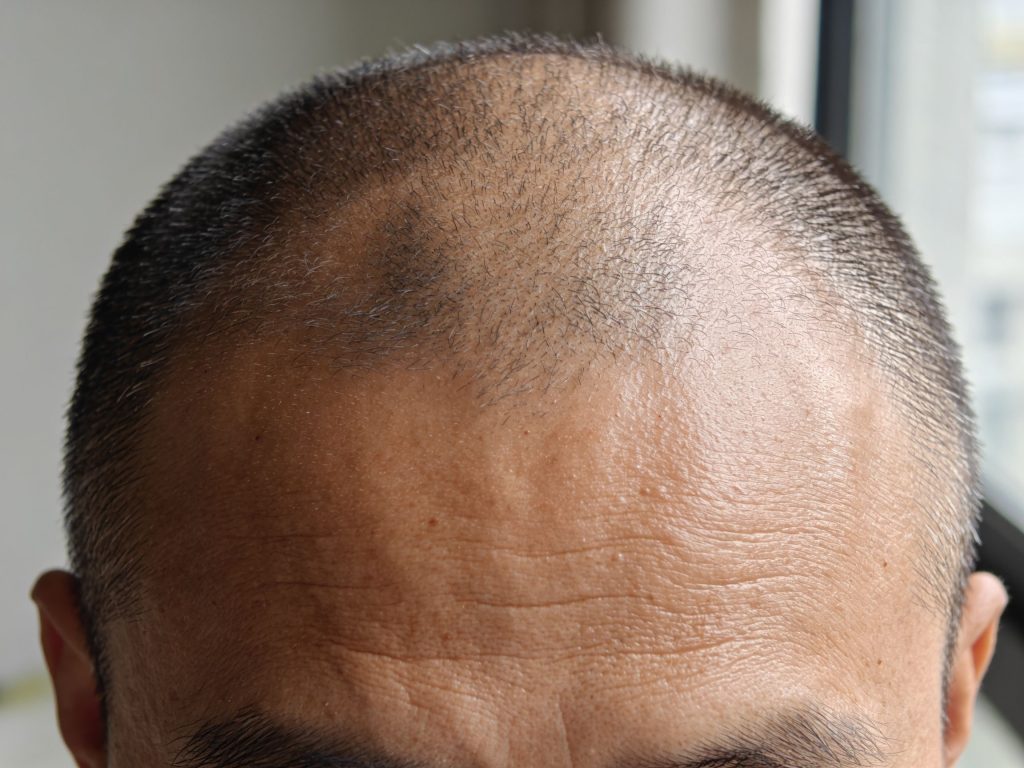
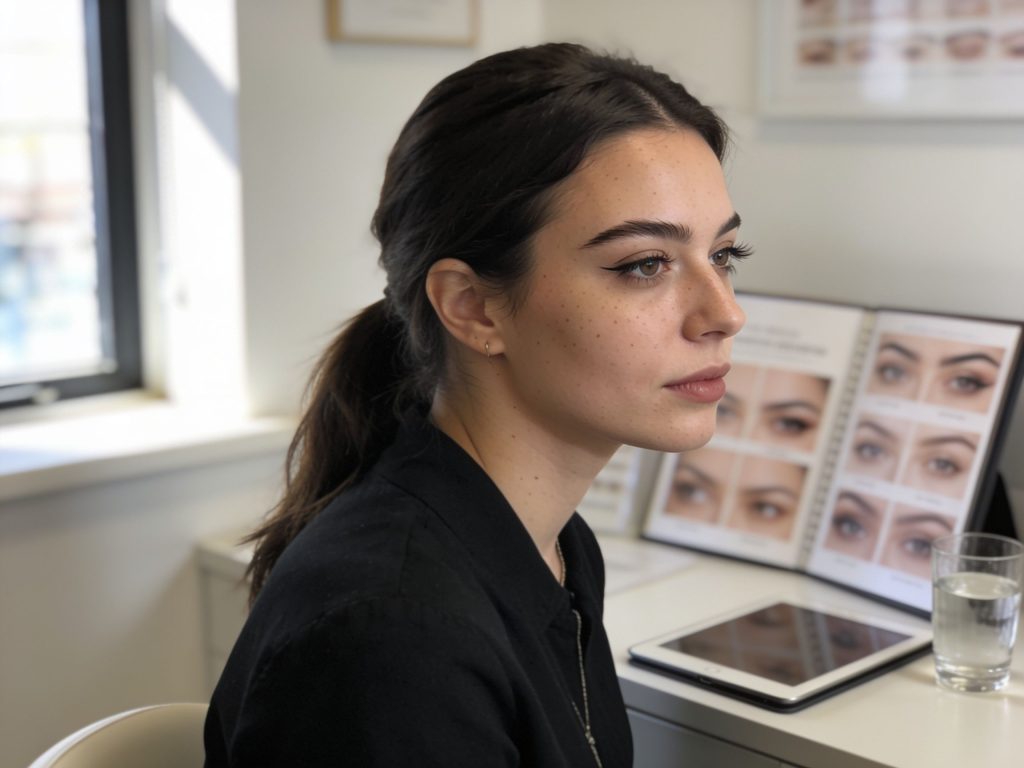
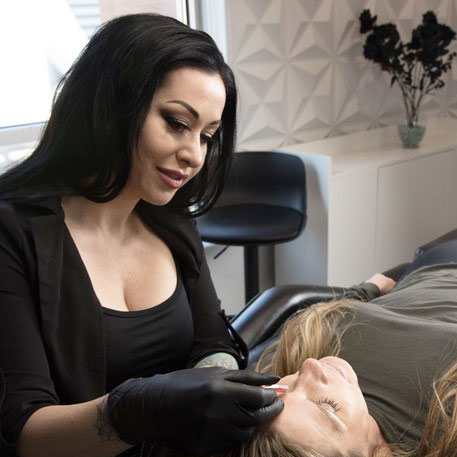
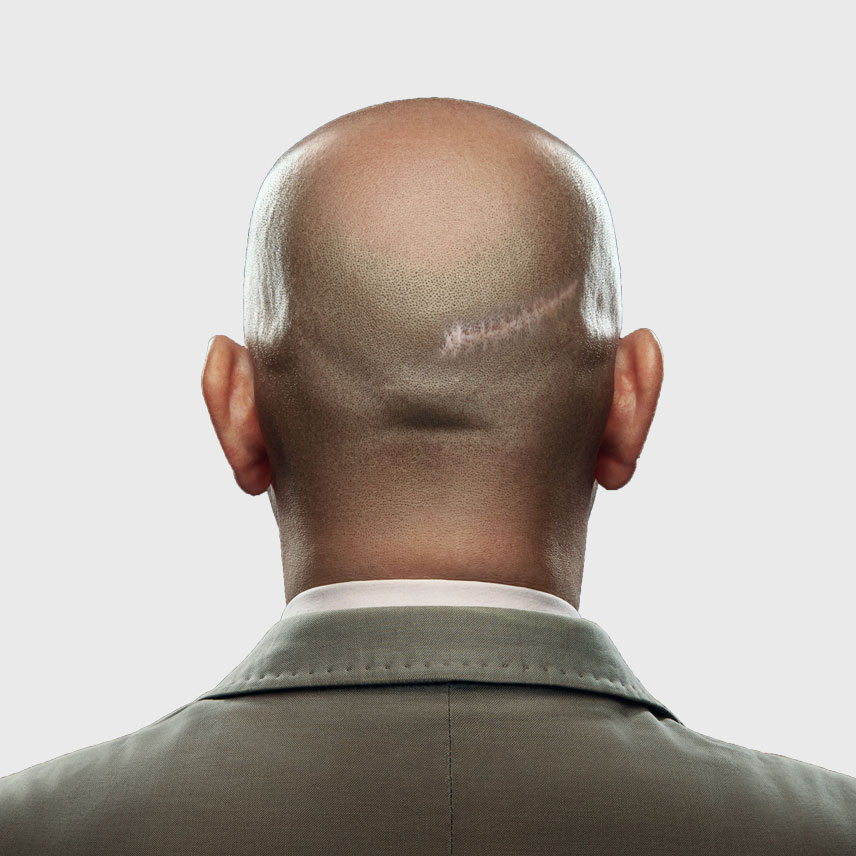
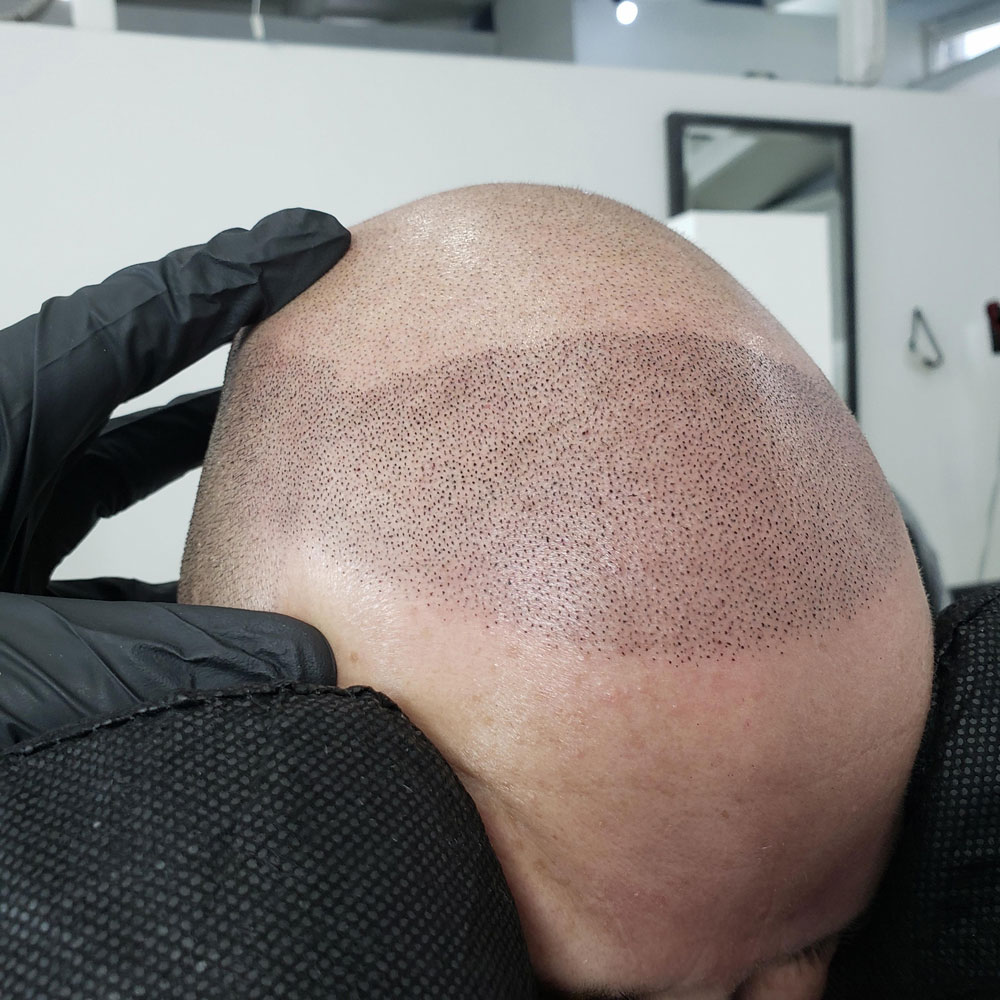
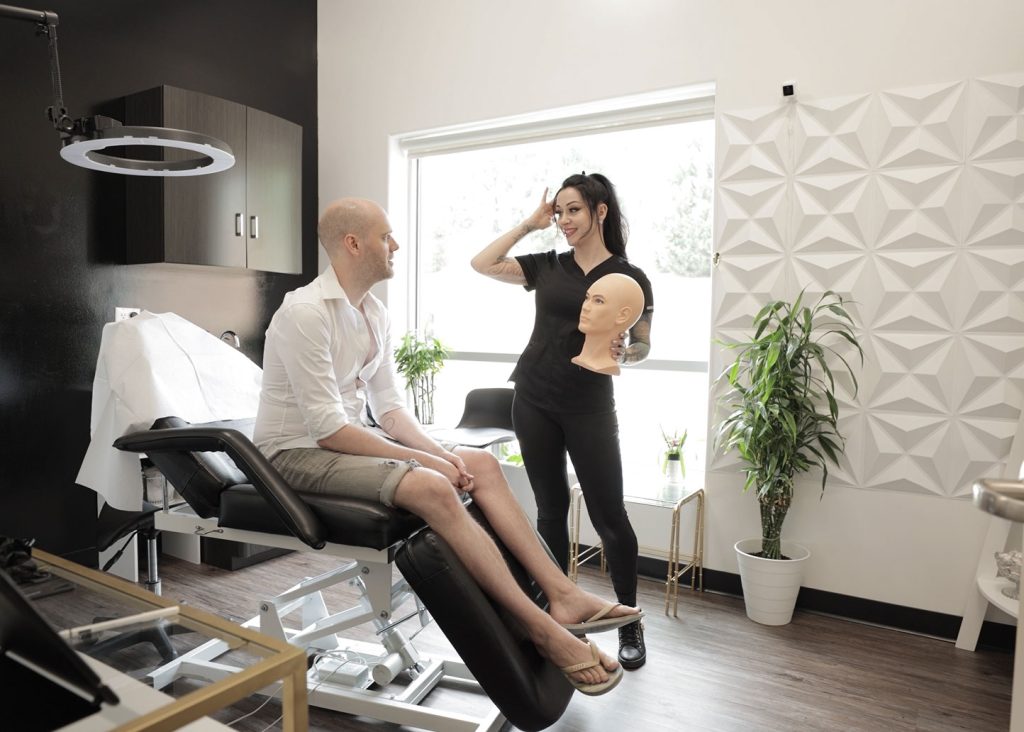
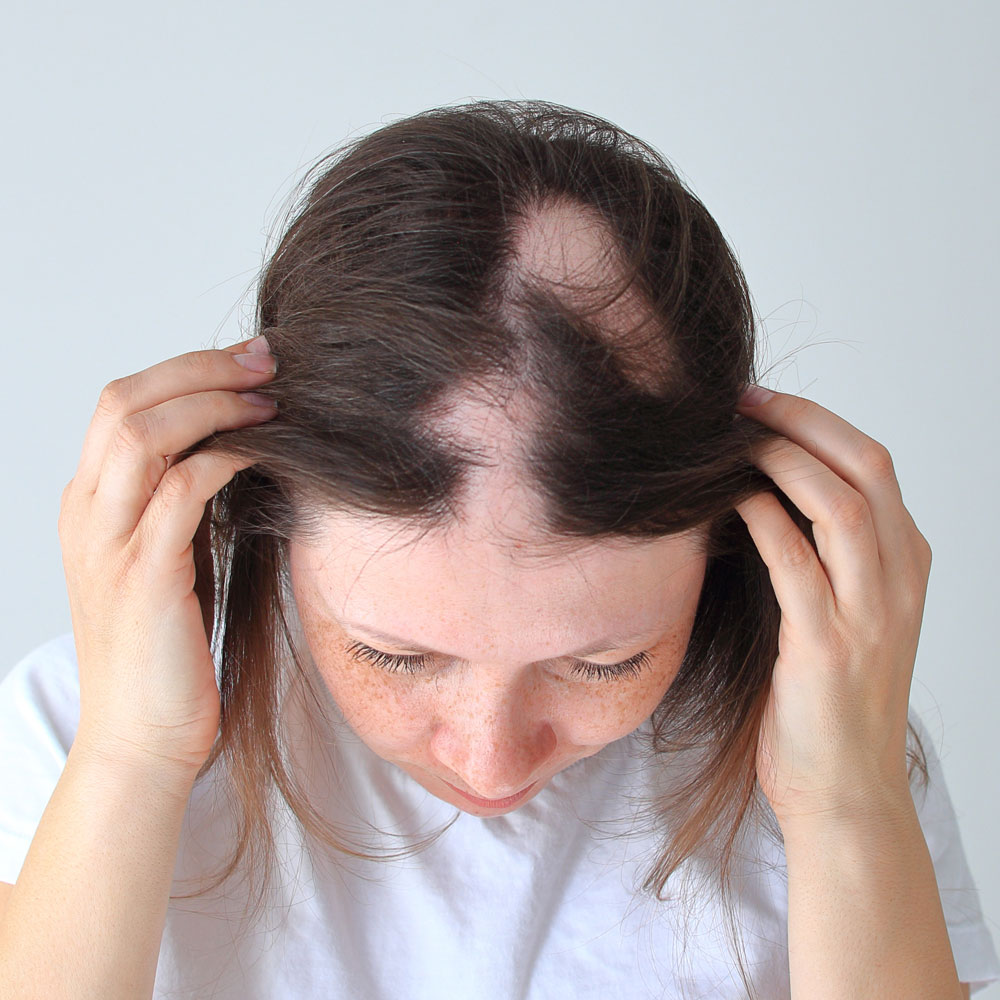
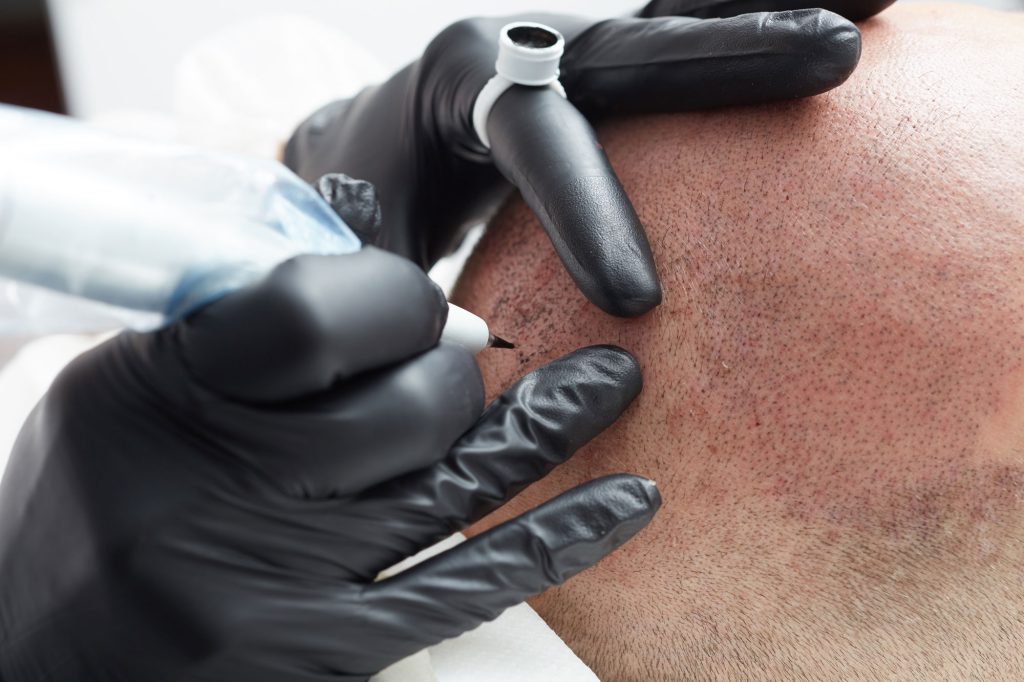
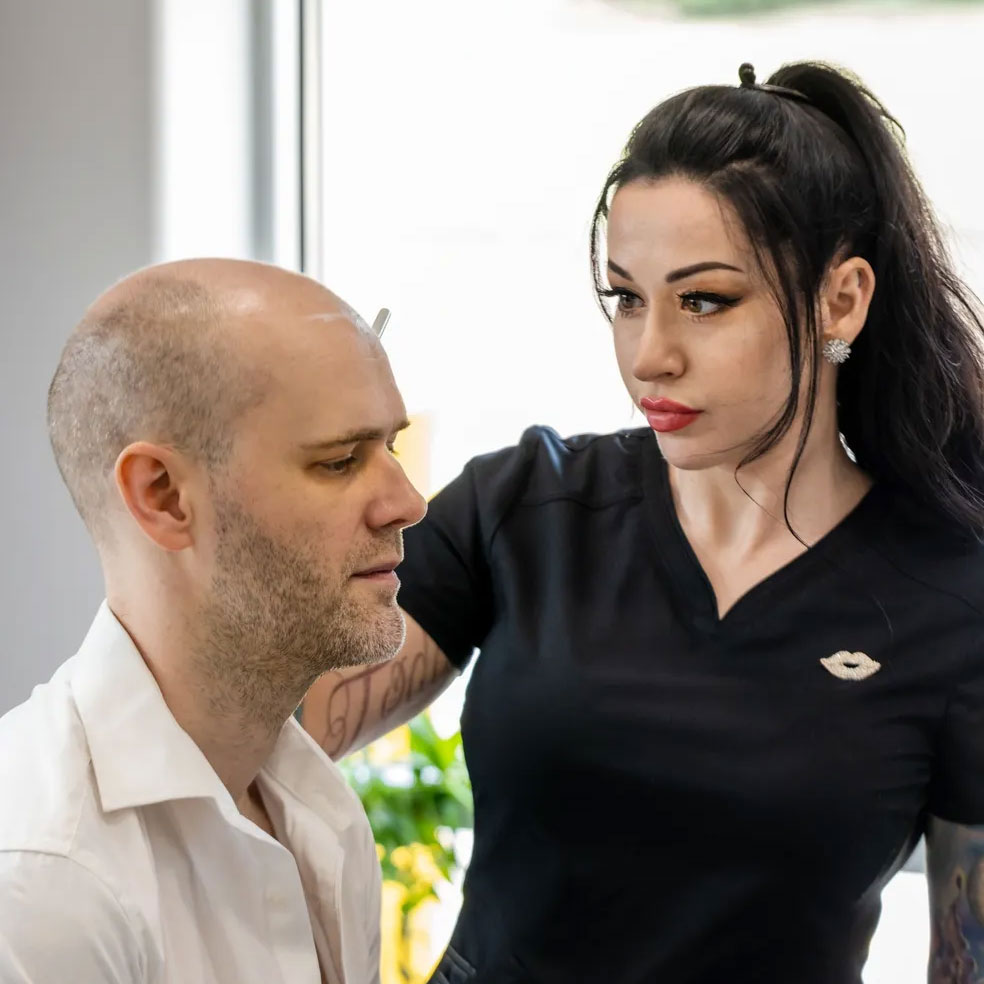
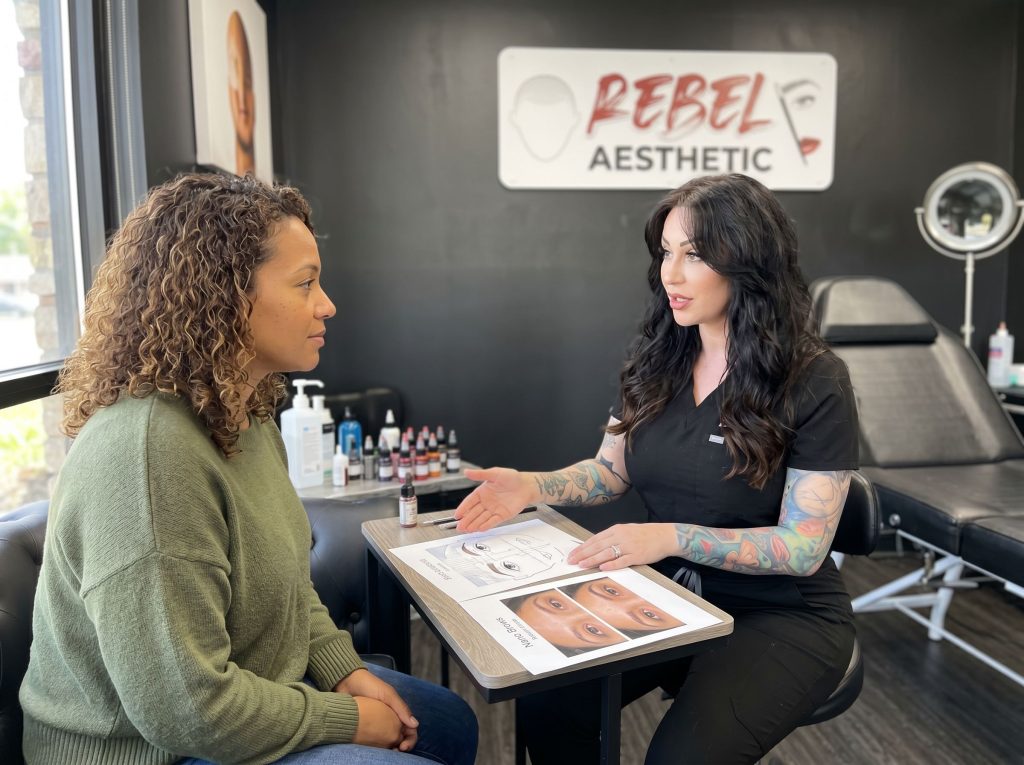
A proper consultation isn’t a formality; it’s where candidacy actually gets decided. Your artist should look closely at your skin texture, ask about your medical history, and be upfront if your skin type means you’re better suited to a different technique altogether, whether that’s powder brows, a hairstroke and shading combination, or even scalp micropigmentation for a completely different area of concern.
Expect questions about medications, allergies, previous cosmetic tattooing, and skincare habits. This is also the point where a good artist will manage expectations honestly. If you search for permanent make-up and book with someone who promises perfect hairstrokes regardless of your skin type, that’s a red flag, not reassurance.
Healing takes 4 to 6 weeks before colour settles to its true tone, and some lightening of 30 to 50% during that window is completely normal. Picking at scabs or ignoring aftercare guidance affects retention regardless of how suitable your skin was to begin with, so candidacy is only half the equation. What you do in the weeks afterwards matters just as much.
When nano brows might not be the right fit
Being informed about this decision means being honest, not exclusionary. If you have very oily skin, you can still get nano brows; you’ll simply get a softer result than someone with dry skin, and that’s worth knowing before you book rather than after. If you have a diagnosed autoimmune condition affecting skin healing, that’s a conversation for your dermatologist and your artist together, not a default no.
The clearest disqualifiers are active skin infections or open lesions on the brow, pregnancy, and certain uncontrolled medical conditions. Everything else tends to be about managing expectations rather than ruling people out entirely.
Frequently Asked Questions
Who is a good candidate for nano brows?
Someone with normal to dry skin, no active skin conditions on the brow area, and no contraindicating medical history such as uncontrolled diabetes or certain autoimmune disorders. A consultation confirms candidacy since skin texture and health history both affect healing and final results.
Can you get nano brows if you have oily skin?
Yes, but oily skin typically heals softer, less defined strokes than dry skin because sebum causes pigment to spread slightly under the surface. Many artists recommend a combination technique blending strokes with light shading for oilier skin, as it holds its shape better over time.
Is nano brows safe during pregnancy?
Most artists won’t perform nano brows during pregnancy or breastfeeding due to unpredictable healing and hormonal changes affecting pigment retention. This is standard practice across permanent cosmetics, not specific to one technique, and it’s worth waiting until afterwards to book a consultation.
How is nano brows different from microblading for healing?
Microblading uses a hand tool to cut strokes into the skin, while nano brows use a fine machine needle, which many find gentler on skin and more consistent for oilier or mature skin types. Both require similar aftercare and a 4 to 6 week healing window.
What skin conditions rule out nano brows?
Active infections, open lesions, uncontrolled diabetes, keloid scarring and certain autoimmune conditions affecting the brow area are common contraindications. Some conditions require medical clearance rather than an outright no, so discussing your full history honestly at consultation is essential before booking.