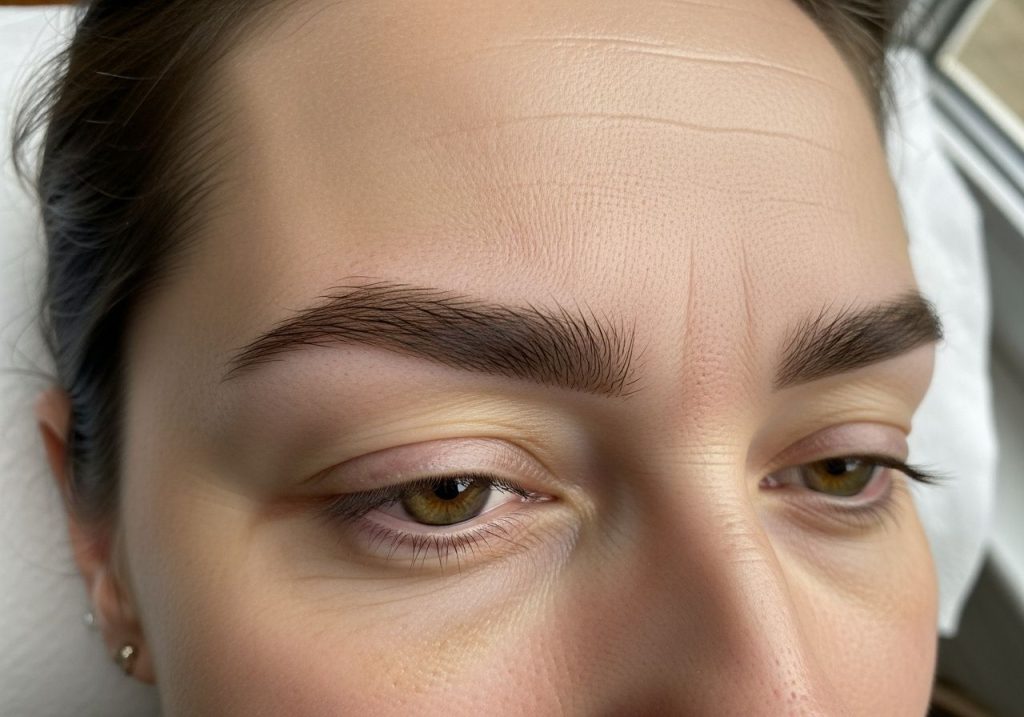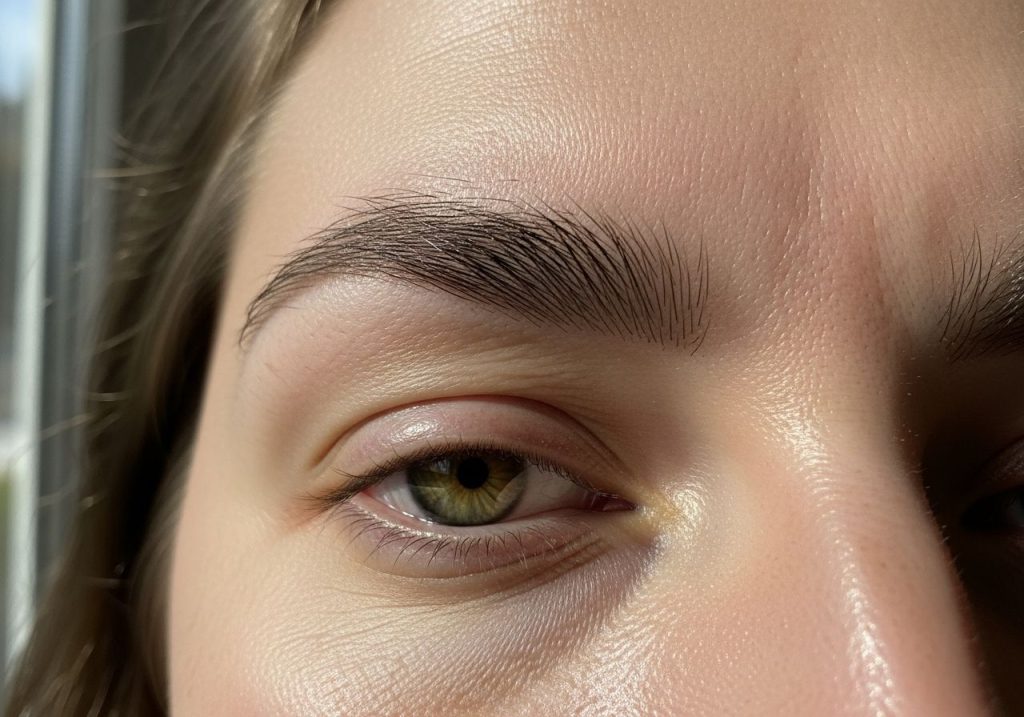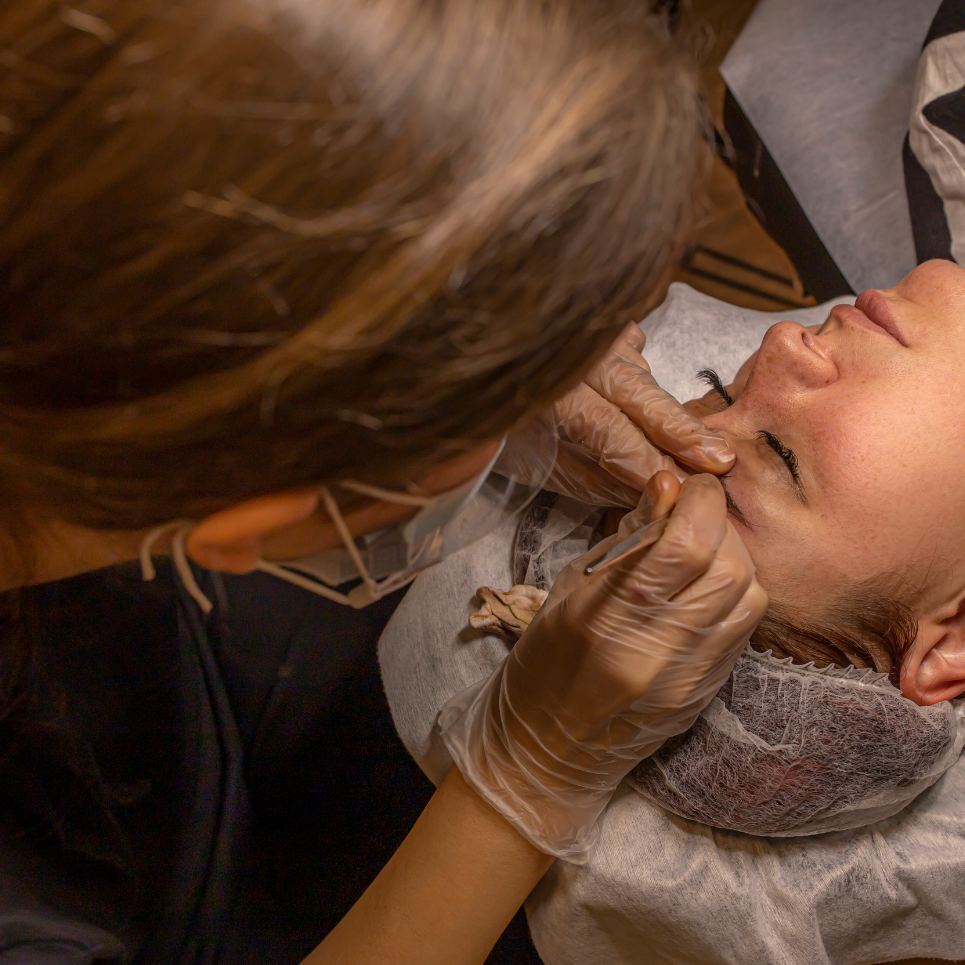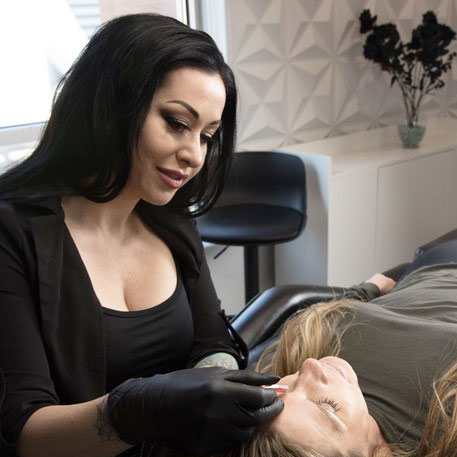
You have just had your ombre brows done and they look nothing like you expected. Too dark, slightly swollen, maybe a little patchy after a few days. Before you panic, know this: every stage of the healing process is normal, predictable, and temporary. This guide walks you through exactly what happens week by week, so you can stop second-guessing and start trusting the process.
1. Days 1 to 2: they will look darker than your final result
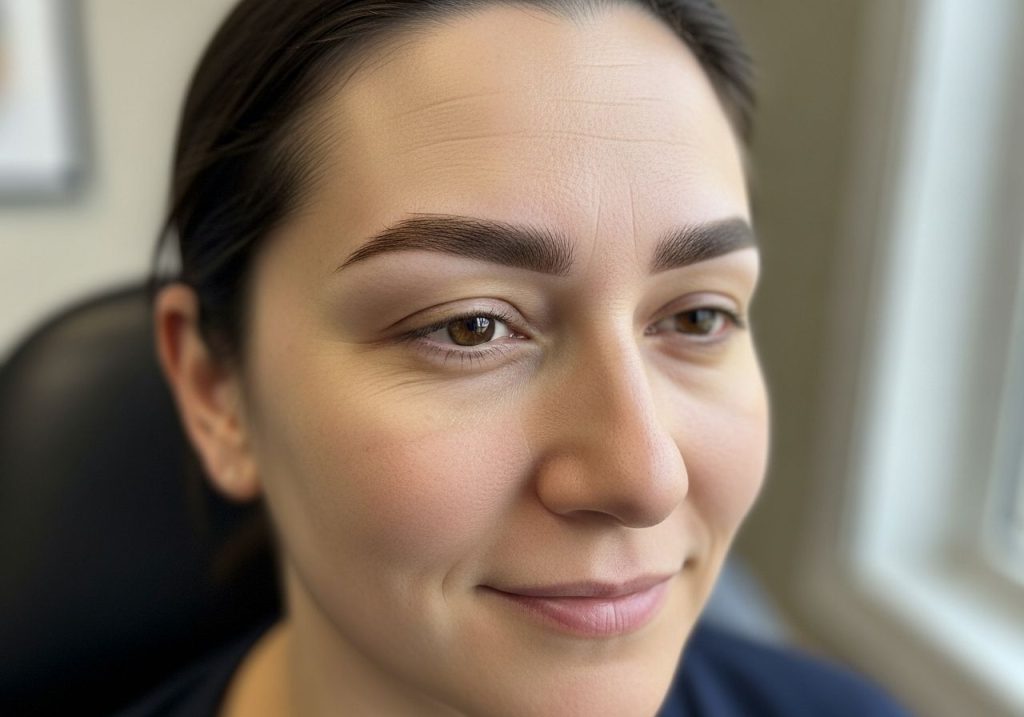
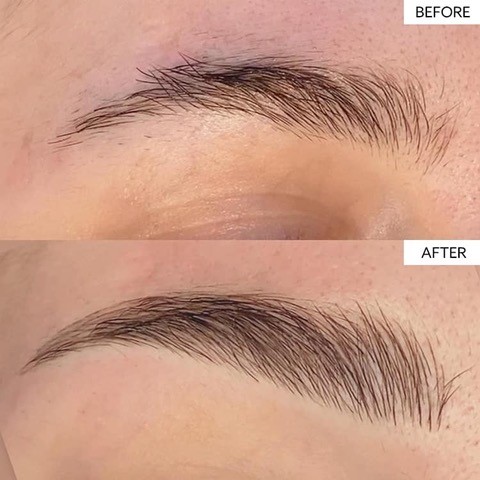
This is the stage that catches almost every first-time client off guard. Right after your appointment, your brows will appear significantly bolder and deeper in colour than the shade you chose. That is not a mistake. The pigment sits at the surface of the skin while the area is still slightly swollen and the skin is reacting to the treatment.
Expect some redness around the brow line and a feeling of tenderness, similar to mild sunburn. Resist the urge to apply anything that is not on your aftercare sheet. Keeping the area clean and dry is your one job right now.
2. Days 3 to 5: flaking and peeling begin
Around day three, the surface skin starts to dry and flake. This is the part of the ombre brows healing timeline that worries people the most, because the brows can look patchy, uneven, or lighter in some spots than others as the skin sheds.
Do not pick, rub, or peel anything away. It is tempting, but removing flakes before they fall on their own can pull pigment out of the skin and create genuine gaps in your result. Let gravity and time do the work. Avoid water, sweat, makeup, and direct sun on the area for at least seven to ten days.
3. Days 6 to 10: the “ghost brow” phase
This is the stage that nobody warns you about, and it is the one that prompts the most panicked messages. Once the peeling is complete, your brows may look almost invisible: too light, washed out, barely there. This is completely normal and has a name in the industry: the ghost brow phase.
What is happening is that a layer of fresh skin has formed over the pigment, temporarily muting the colour. The pigment has not disappeared. It is underneath and still settling. Give it time. Most clients see the colour start returning within a few days of this stage.
4. Weeks 2 to 4: colour gradually resurfaces
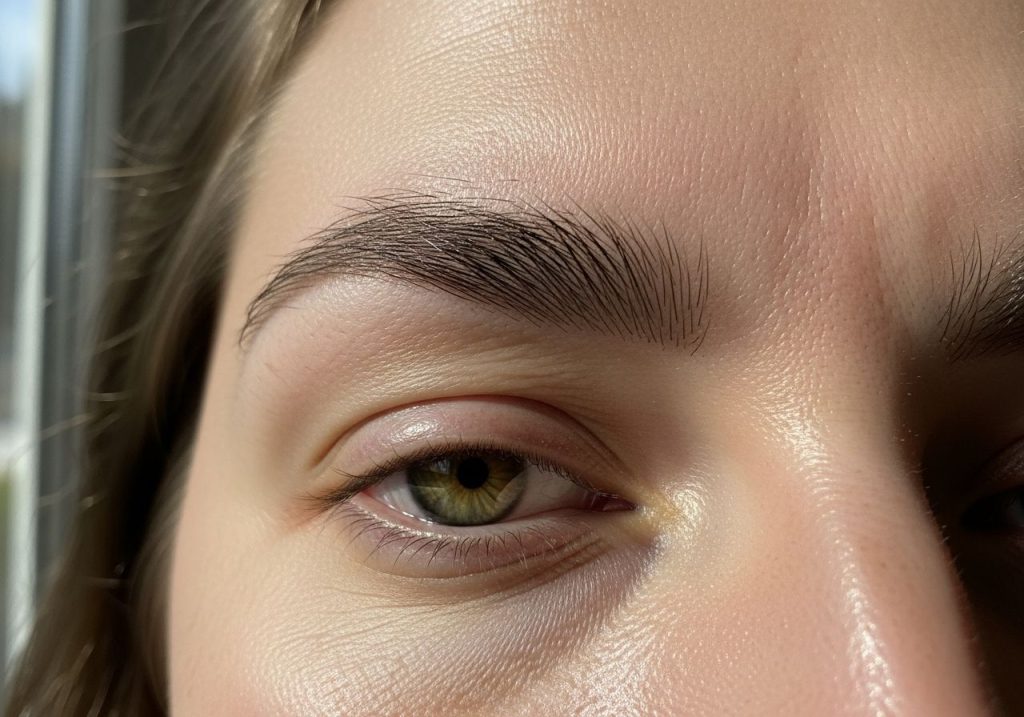
Between weeks two and four, the pigment begins to show through the healed skin and the shape becomes clearer. The colour at this stage is usually softer and more natural-looking than on day one, which is exactly the goal. Ombre brows are designed to give a powdery, filled-in effect that mimics makeup without looking heavy.
During this window you may notice that one brow appears slightly different from the other. Skin heals at its own pace, and the two sides of your face do not always behave identically. This is also normal and usually resolves by the six-week mark. This is around the time clients start comparing their result to microblading; ombre brows tend to last longer and retain colour more evenly over time, particularly on oilier skin types.
5. Weeks 4 to 6: your true healed result appears
At four to six weeks post-appointment, you are seeing your real result. The colour has settled, the skin has fully healed, and any patchiness from the peeling phase has resolved. Expect the final shade to be roughly 30 to 50 per cent lighter than it appeared on day one. This is by design, not a flaw.
This is also the point at which to book your top-up session if you have not already done so. The touch-up appointment, typically scheduled between six and eight weeks after your initial session, is where any areas that healed lighter get refined and the shape is perfected. Skipping it is not the end of the world, but attending it is how you get the best possible long-term result. With proper aftercare and annual or biannual colour refreshes, ombre brows typically last one to three years before needing significant work.
Healing is not linear, and no two clients look identical at the same stage. But if you understand what is coming, each phase feels manageable rather than alarming. Trust the timeline, follow your aftercare, and wait for the six-week mark before forming any opinion about your result.
Frequently Asked Questions
How long does the ombre brows healing timeline take from start to finish?
The full ombre brows healing timeline takes 4 to 6 weeks. The first two weeks involve the most visible changes: initial darkness, peeling, and the ghost brow phase. By weeks four to six, the pigment settles into its true healed colour and the final shape becomes clear. Your touch-up appointment should be booked around this point.
Is it normal for ombre brows to look patchy during healing?
Yes, patchiness during healing is completely normal and very common. It happens because the skin sheds unevenly as it heals, temporarily making some areas look lighter or more sparse than others. By weeks four to six, the colour resurfaces through the healed skin and the result evens out. Do not pick at flaking skin, as this can cause permanent gaps.
When should I book my ombre brows touch-up appointment?
Book your touch-up appointment between six and eight weeks after your initial session. This gives the skin enough time to fully heal so the artist can accurately assess which areas need refining. Attending this appointment is essential for achieving the best long-term result, as it corrects any patchiness and locks in the final colour and shape.
How long does microblading last compared to ombre brows?
How long microblading lasts depends on skin type, lifestyle, and aftercare, but it typically holds for one to two years. Ombre brows generally last slightly longer, often one to three years, and tend to perform better on oilier skin types because the powder technique retains colour more evenly than individual hair strokes over time.
What aftercare rules matter most during ombre brows healing?
The most critical aftercare rules are: avoid water, sweat, makeup, and direct sun on the treated area for seven to ten days; never pick or rub flaking skin; and follow only the aftercare guidance provided by your artist. These steps protect the pigment while the skin heals and have the greatest impact on the quality of your final result.