You’ve seen the before-and-after photos online, but you still don’t quite believe your own scalp will look like that. Will it look obviously tattooed? Will it fool people up close? This article breaks down exactly what a healed shaved head SMP result looks like, session by session, so you know precisely what you’re paying for.
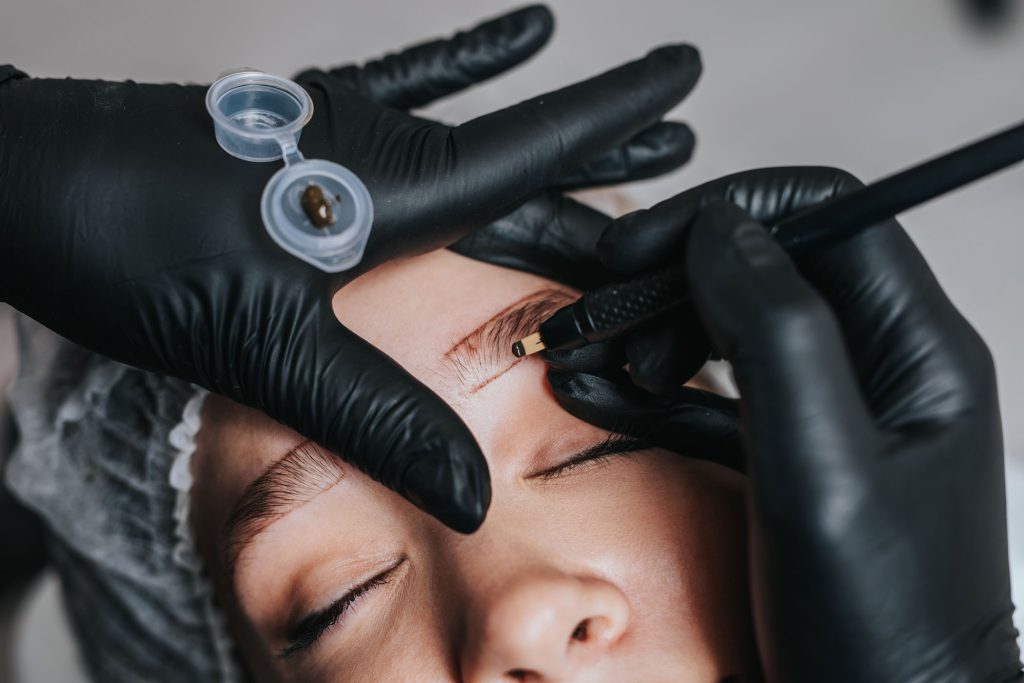
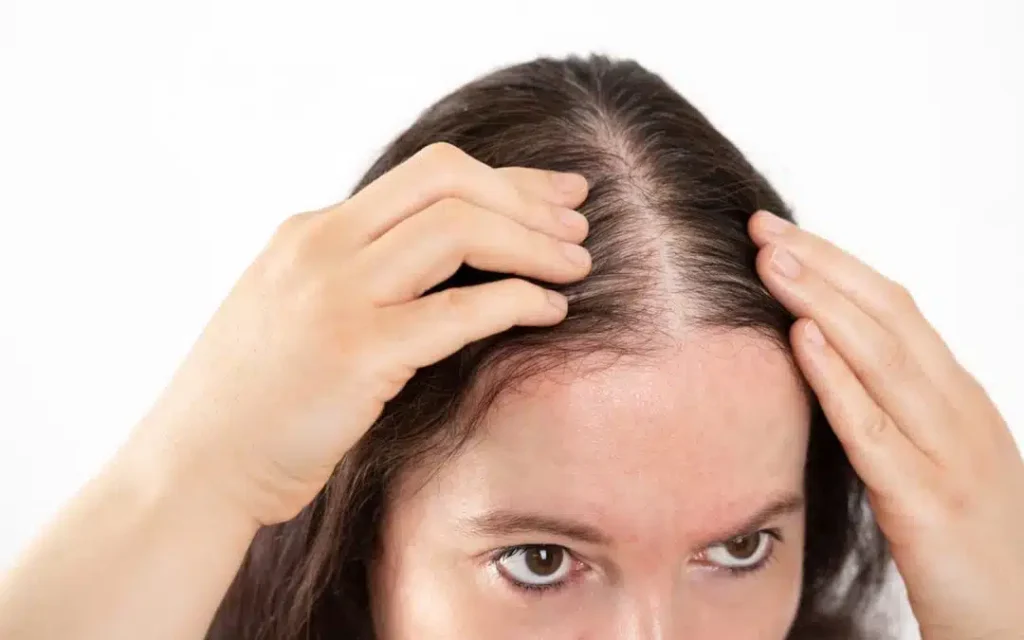
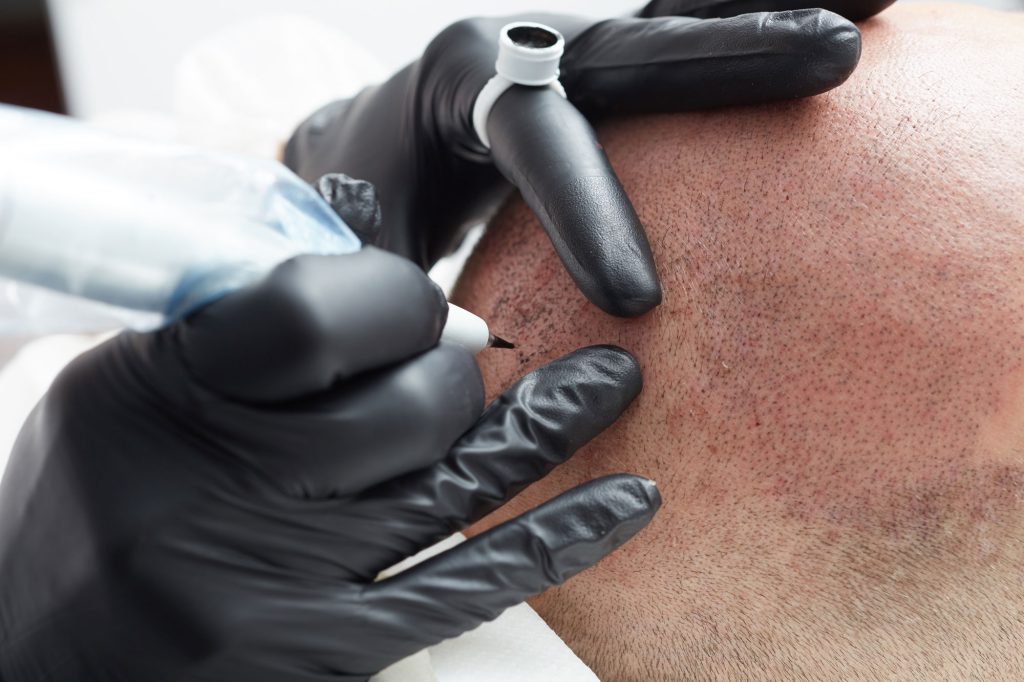
Scalp micropigmentation for a shaved look is a cosmetic tattooing technique that deposits tiny dots of pigment into the upper layer of the scalp to mimic the appearance of closely shaved hair follicles. It doesn’t regrow hair or treat the underlying cause of balding. What it does is rebuild the visual density and hairline shape you lose once hair thins past a certain point, using a stippling pattern rather than solid lines or shading.
What the healed result actually looks like
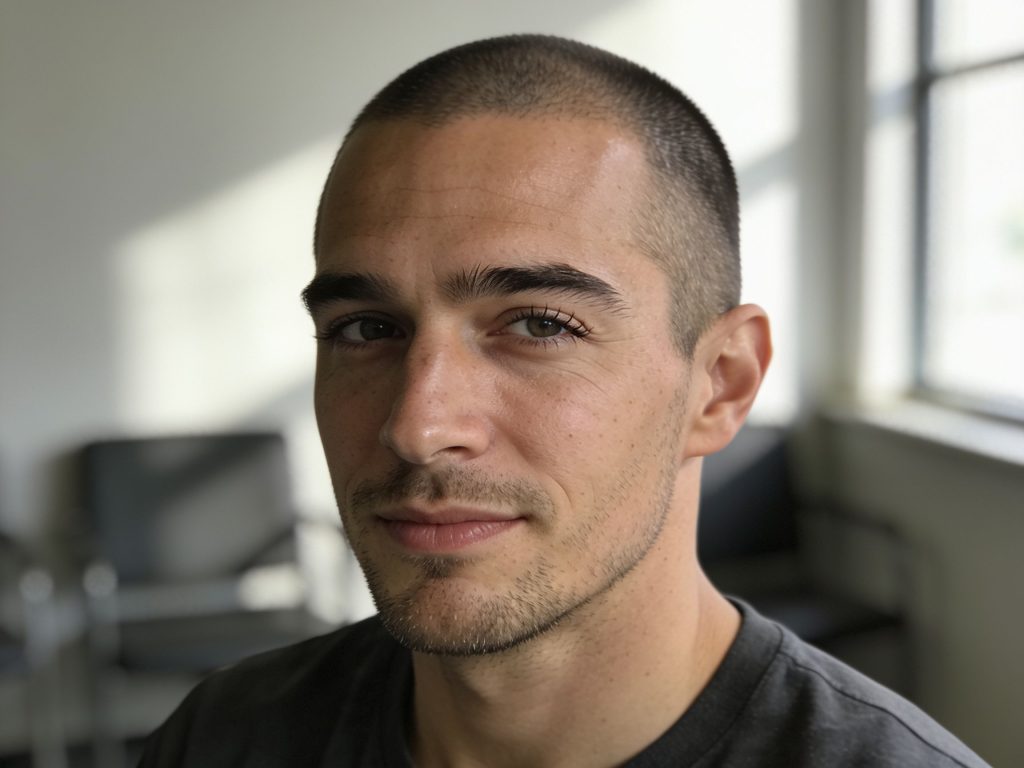
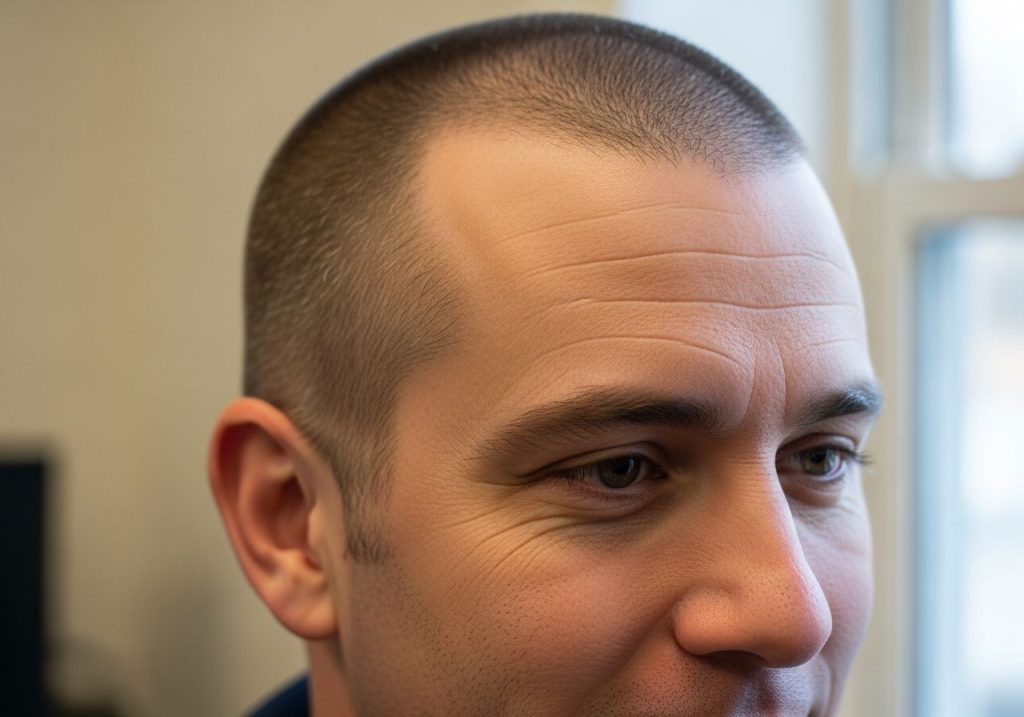
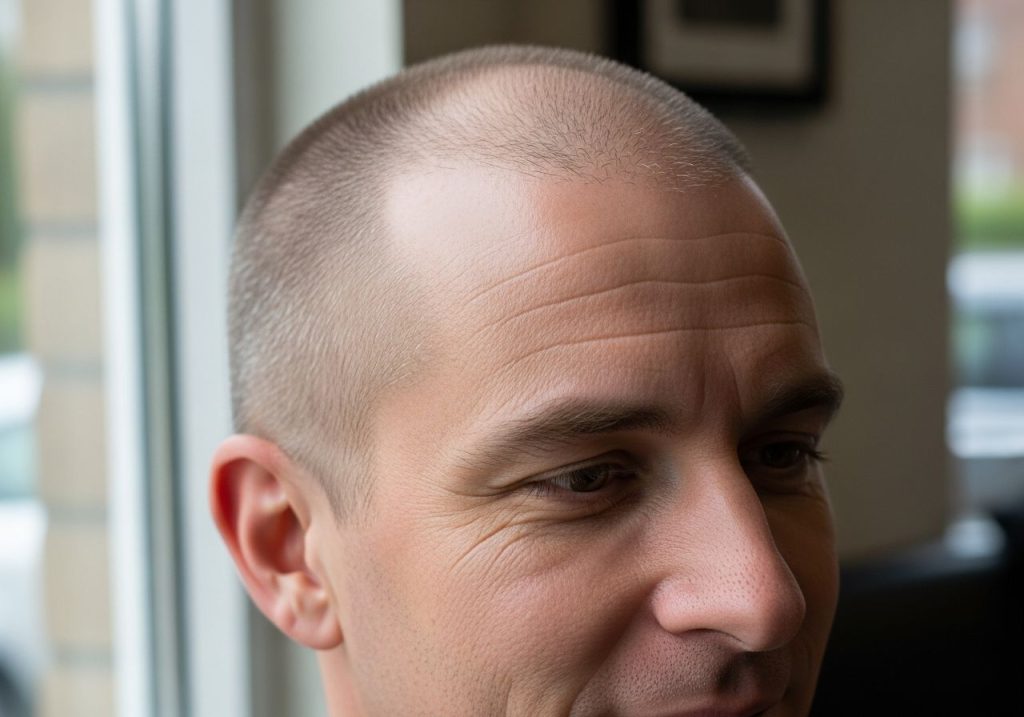
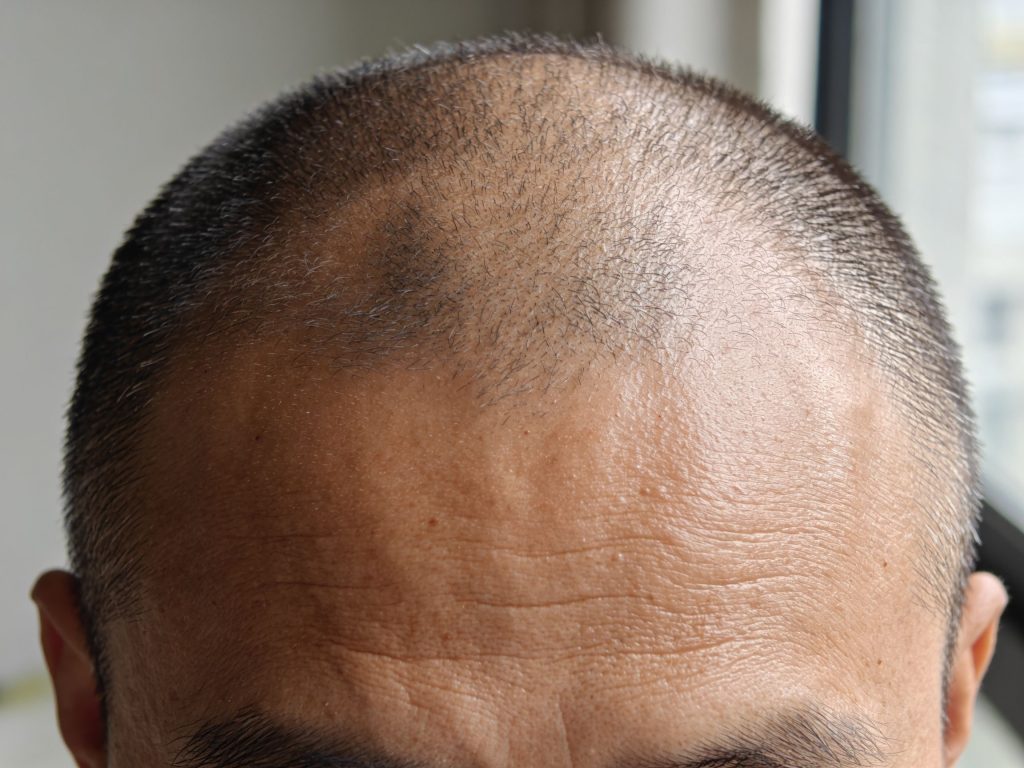
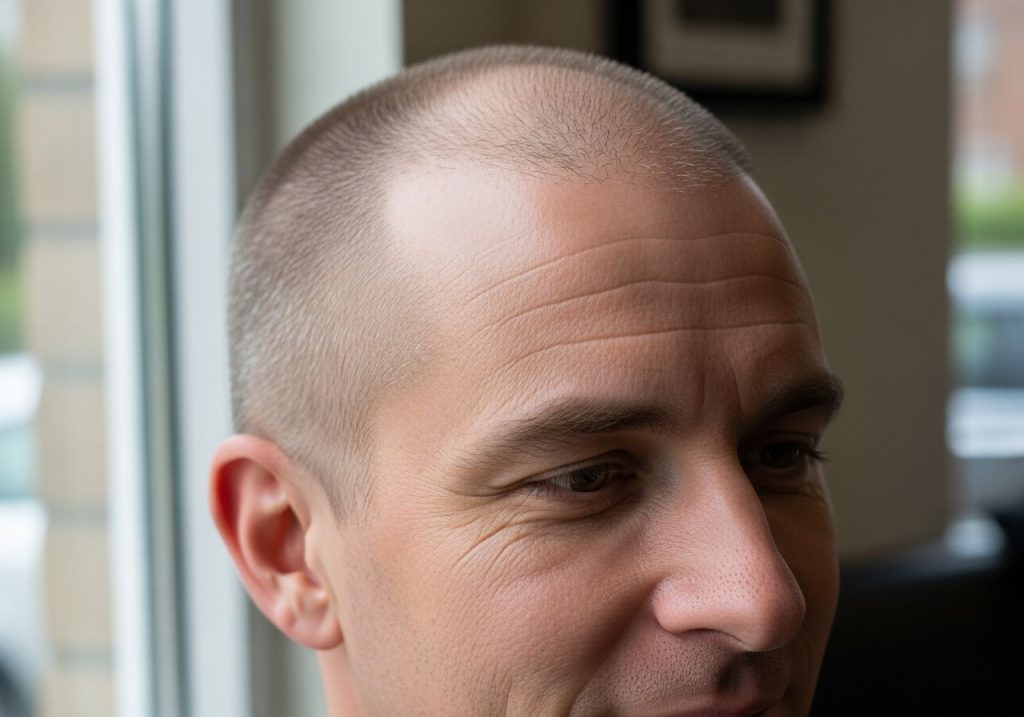
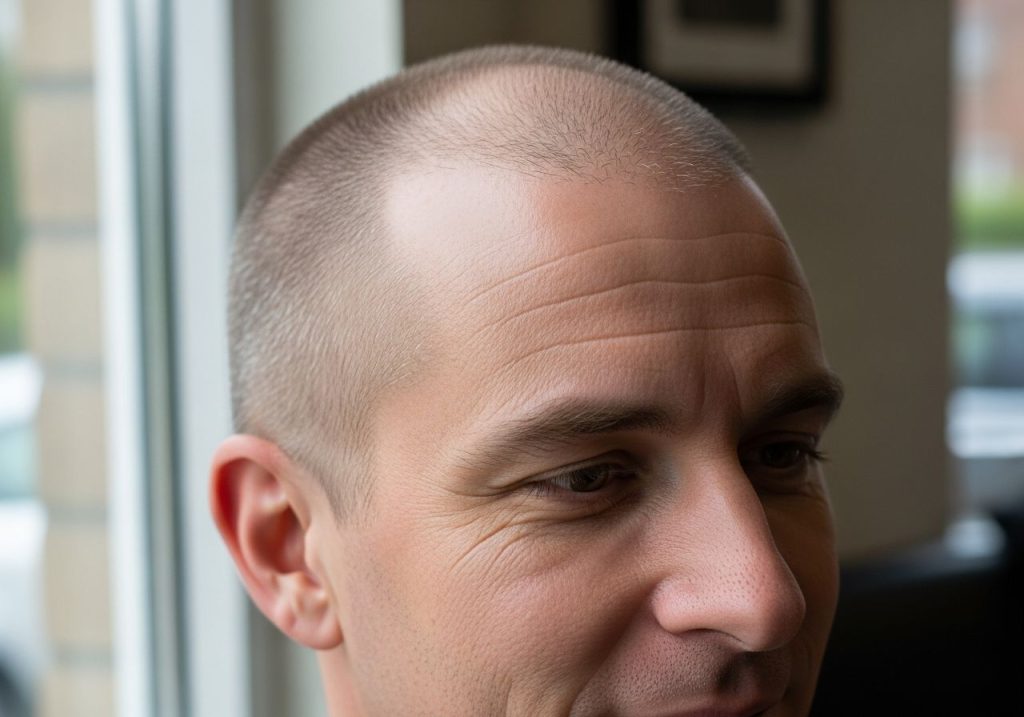
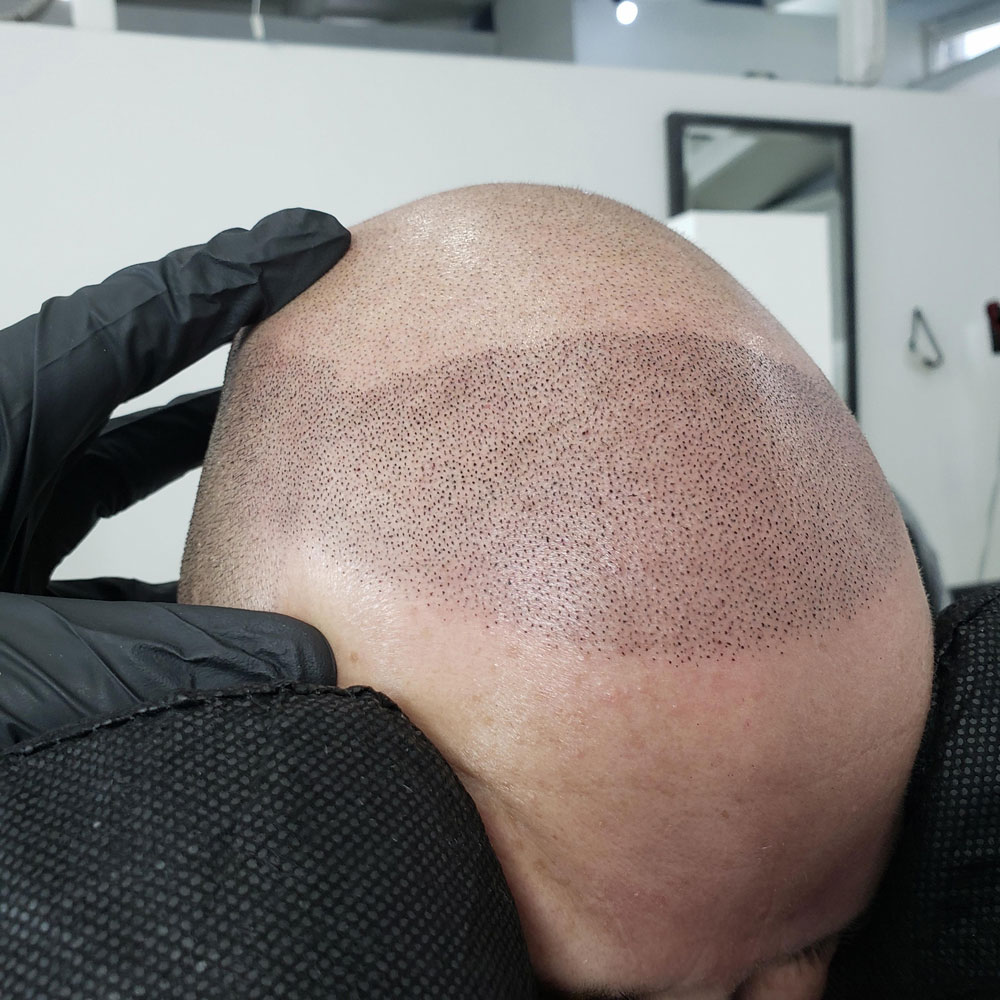
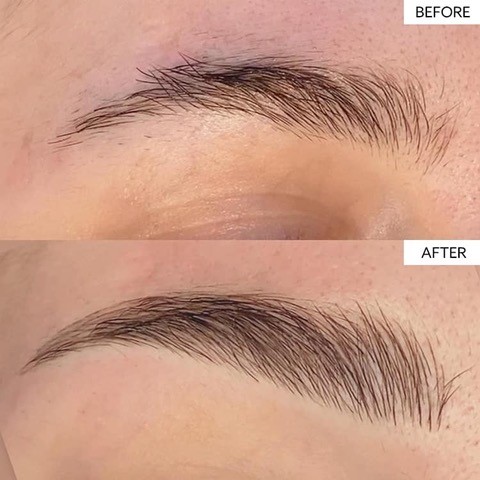
Once fully healed, at around the 30-day mark, your scalp shows a fine, even pattern of dots in a colour matched to your natural hair, or to the shade you’re aiming for if you’re going fully shaved. Up close, under bright direct light, you can sometimes tell it’s pigment rather than actual stubble. From arm’s length, in normal indoor or outdoor lighting, it reads convincingly as a shaved head with real density.
Dot density builds across your sessions. Early appointments typically lay down around 40 dots per square centimetre, and later sessions build that up to 80 to 100 dots per square centimetre in the areas that need the most coverage. This gradual layering is why the first session never looks finished, and why patience matters more than people expect going in.
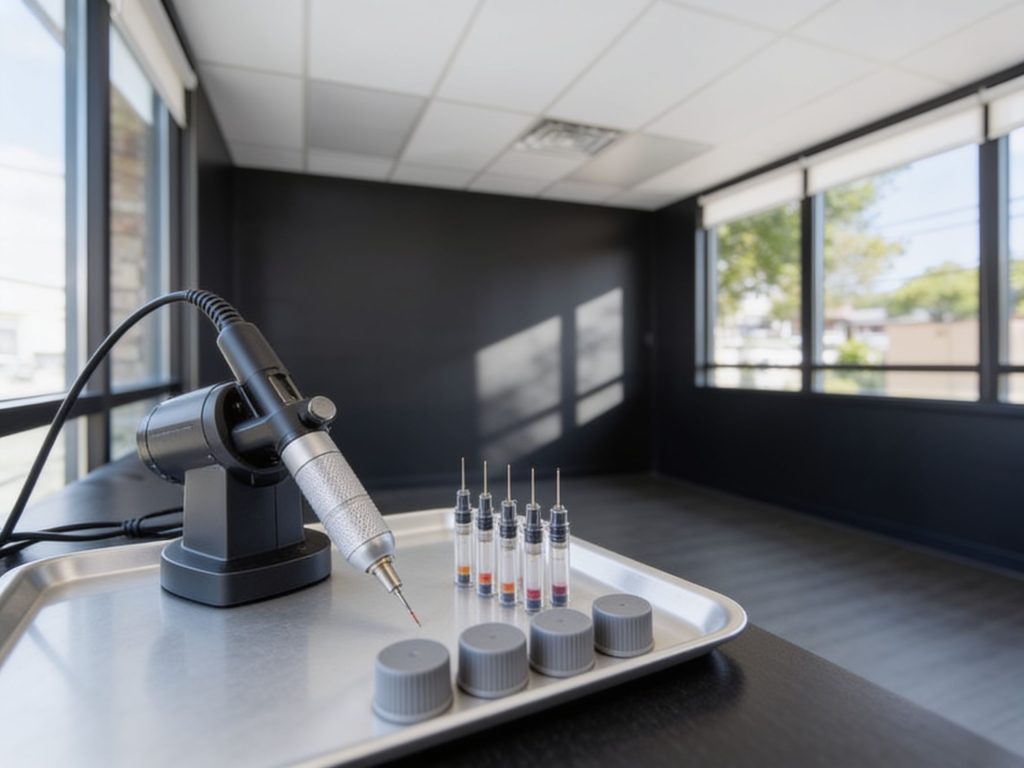
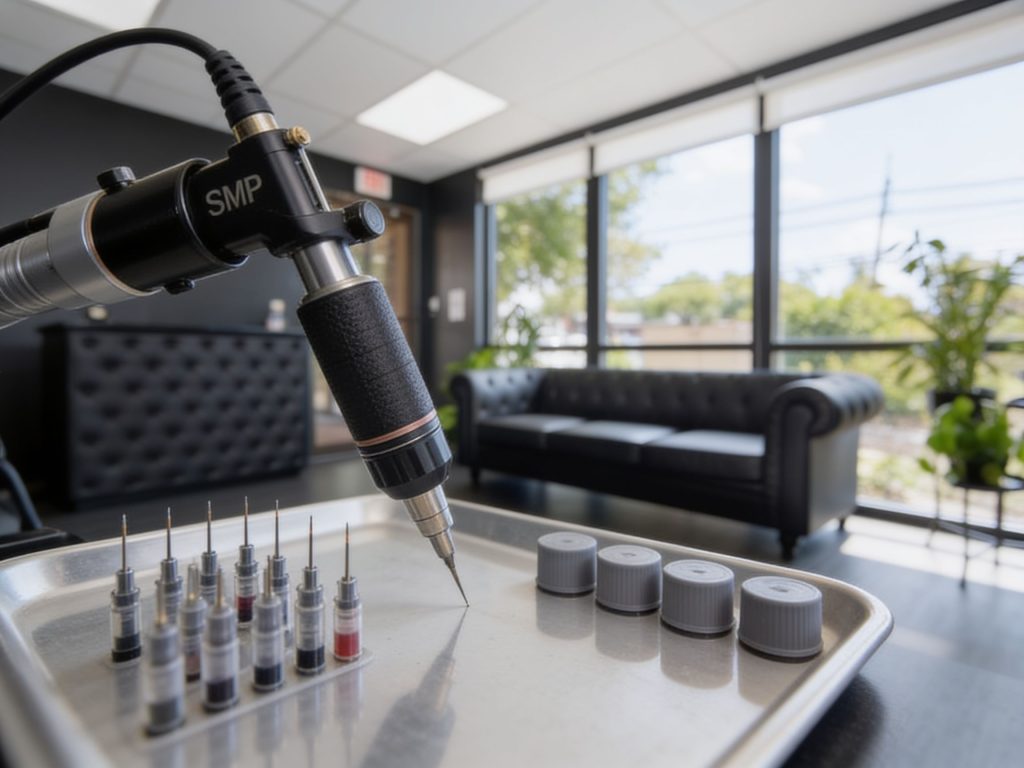
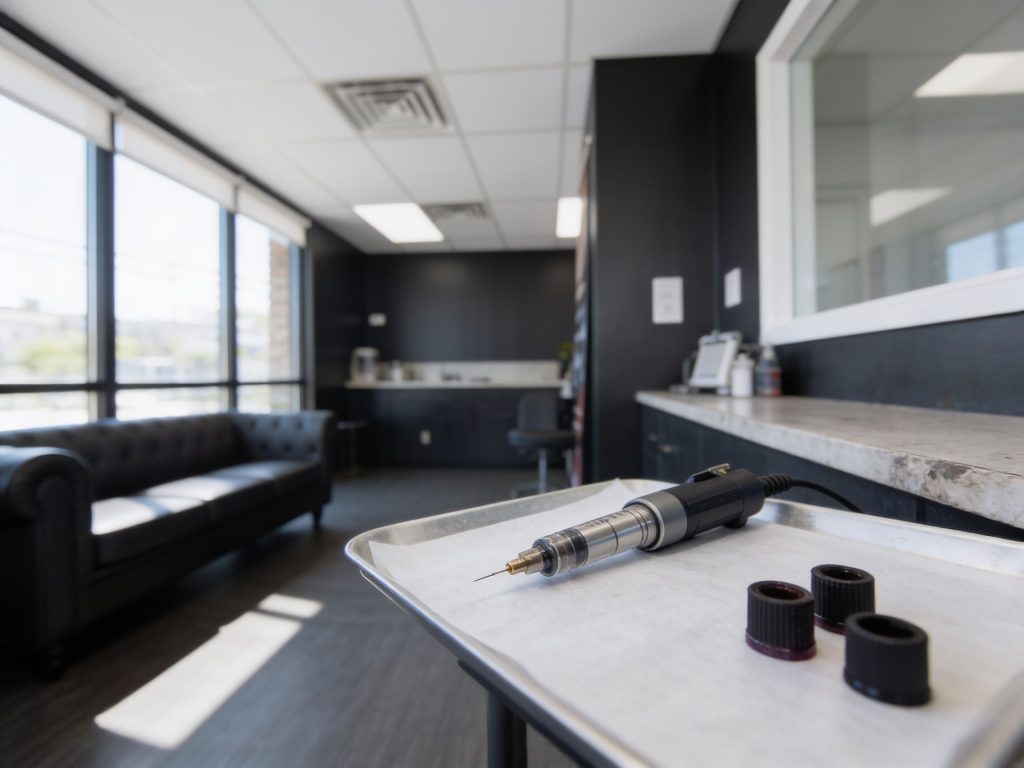
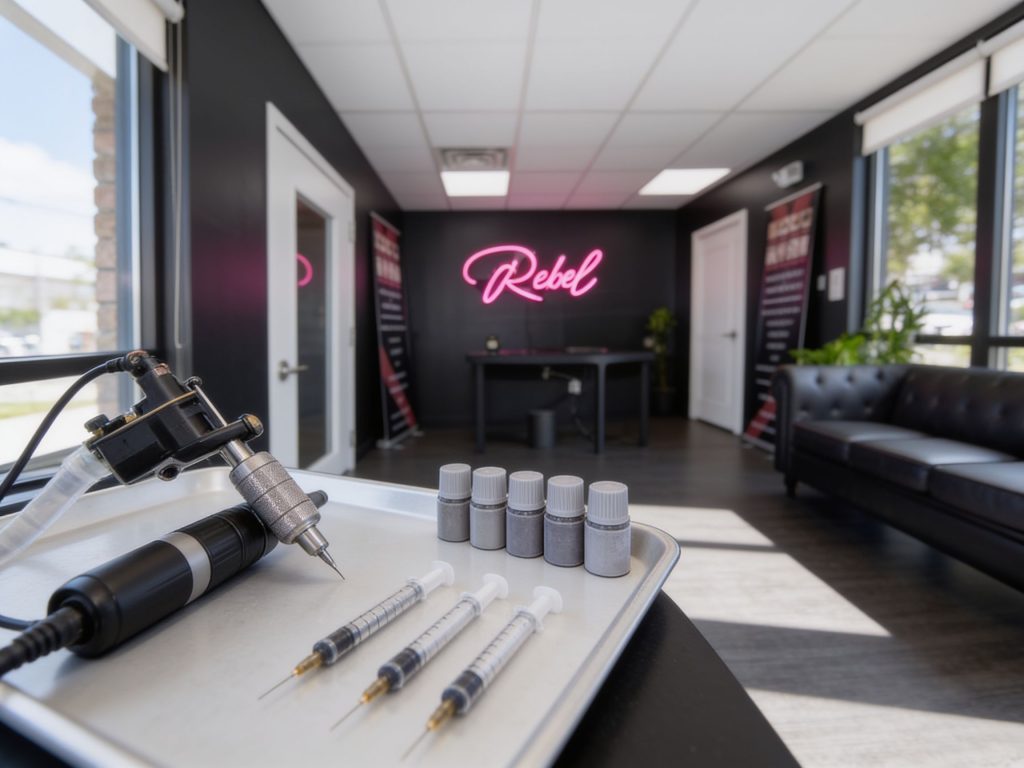
The hairline gets particular attention because it’s what everyone’s eye goes to first. Practitioners typically use a finer needle, around 0.2mm, for the hairline border itself, switching to a slightly thicker 0.25mm needle for denser areas like the crown, temples and back of the scalp. A well-designed hairline isn’t a straight edge. It has slight irregularity, varied dot spacing, and a soft transition zone, because that’s how a genuine hairline actually grows.
How it differs from a real buzz cut
Here’s the part most people don’t want to hear but need to: SMP does not replicate the texture of real hair. A genuine buzz cut has slight variation in shadow because individual hairs catch light at different angles. SMP is flat pigment in the skin, so under a torch held close to your scalp or in very harsh overhead lighting, it can look slightly more uniform than natural stubble.
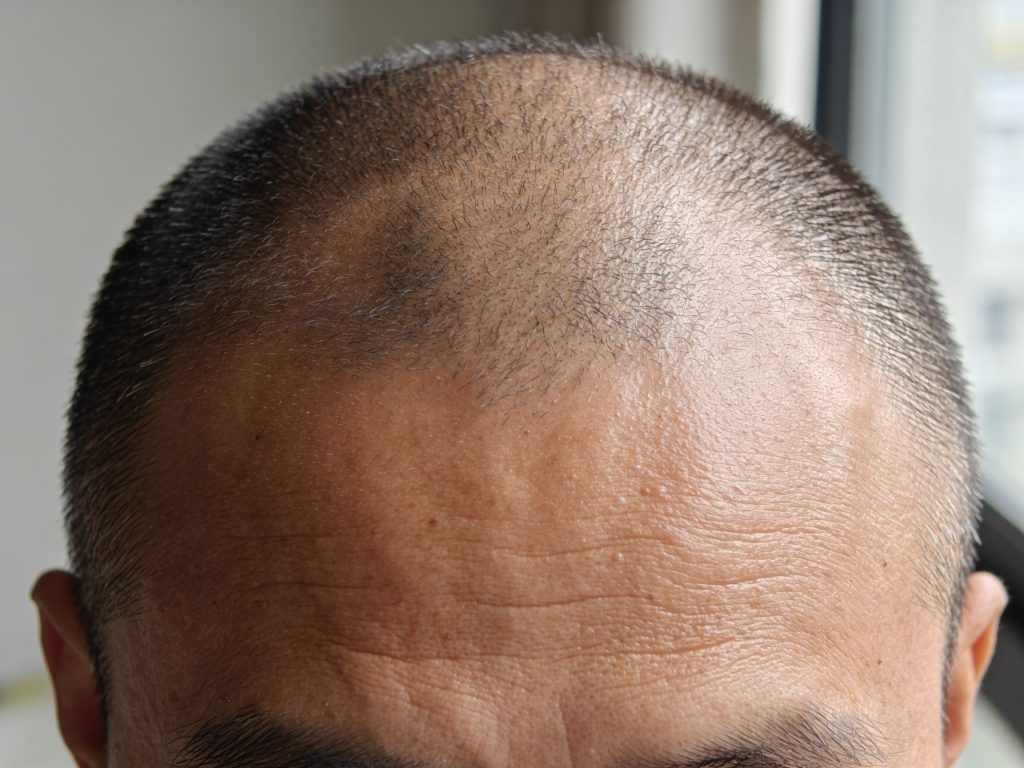
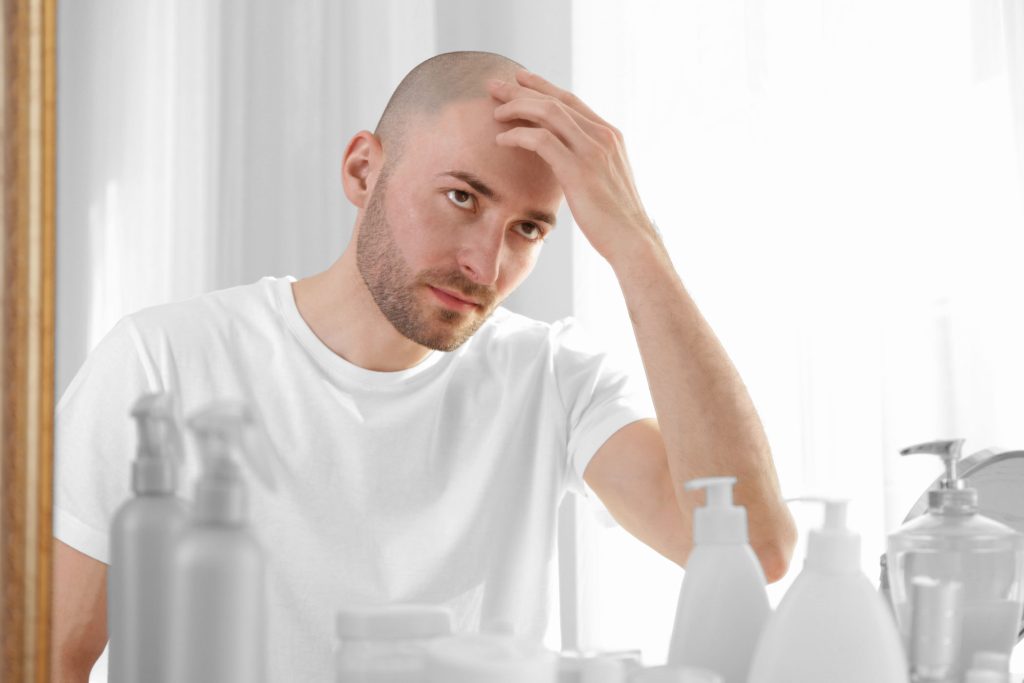
What it does exceptionally well is eliminate the shine and patchiness that comes with a thinning or balding scalp. If you’ve got visible scalp showing through wispy hair, or a smooth, shiny crown, SMP replaces that with consistent, matte density. Most people who see you day to day, including people who knew you before treatment, read it as a deliberately shaved head, not as cosmetic work.
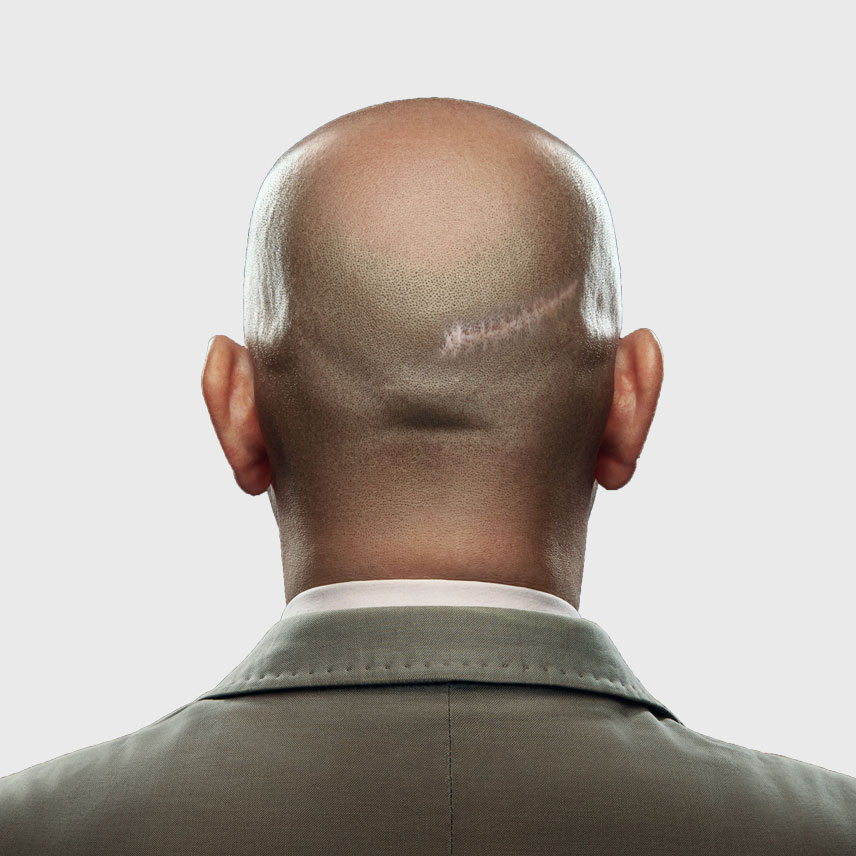
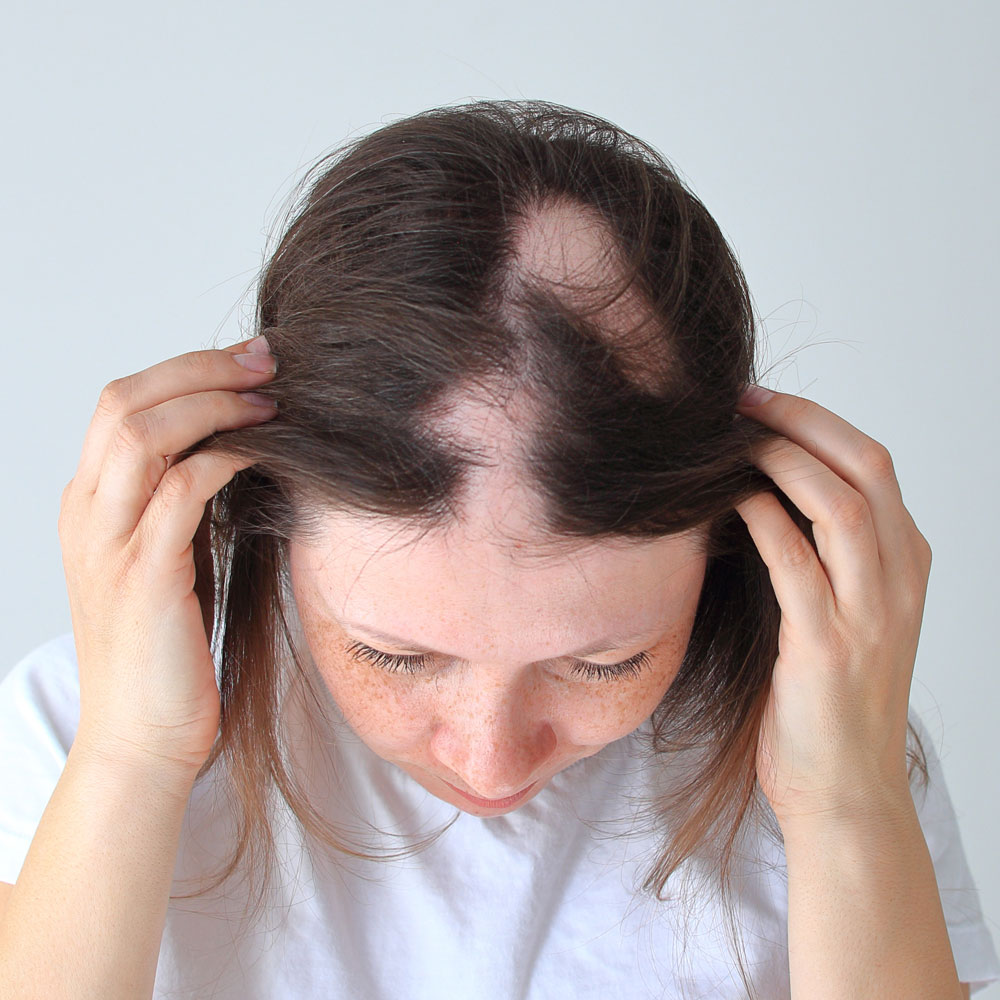
It’s also worth being clear about what SMP won’t fix. It doesn’t restore hair growth, and it isn’t a treatment for the biology behind male or female pattern hair loss, alopecia, or scarring alopecia. It’s camouflage, done extremely well, not a cure. If you’re comparing it against a hair transplant, SMP is significantly less invasive, involves no surgery or grafts, and costs a fraction of the price, but it changes appearance rather than biology.
Sessions, healing gaps and what your scalp looks like in between
Most shaved head SMP treatments take two to three sessions, occasionally four for larger areas or more complex scarring. Each session runs one to five hours depending on how much scalp is being covered. Sessions are spaced two to three weeks apart, giving your skin time to settle and the pigment to show its true healed colour before the next layer goes in.
Between sessions, your scalp won’t look finished, and that’s completely normal. After session one, pigment often looks darker and more solid than the final result, because the skin hasn’t fully settled and some surface pigment hasn’t yet shed. Redness typically fades within two to three days. You’ll see the true colour and density only after the skin has gone through its natural healing cycle, which is why practitioners always wait before adding the next layer rather than rushing to “fix” anything.
Aftercare matters more than people expect in these gaps. For the first four days, no water on the scalp, no shampoo, no sweating and no shaving. From day five to ten, gentle washing is fine but keep the scalp out of direct sun. From day ten onwards you can resume normal grooming and should start applying SPF 30 to 50 to protect the pigment. Swimming pools are off limits for a full 28 days, and full healing takes around a month.
Longevity is the other piece of the puzzle worth planning around. A well-done shaved head SMP result typically lasts four to eight years before it needs a touch-up, with most clients returning every four to six years. Fading happens gradually through natural skin turnover, sun exposure and skin ageing, not suddenly, so you’ll have plenty of warning before a refresh is due. If you’re searching for an SMP practitioner near you, ask any specialist you’re considering how many shaved-head cases they’ve done specifically, since hairline design and density layering for a fully shaved look is a distinct skill from adding density to existing hair.
Frequently Asked Questions
How many sessions does shaved head SMP usually take?
Most shaved head SMP treatments need two to three sessions, spaced two to three weeks apart, with occasionally a fourth for larger areas or scarring. Each session builds dot density gradually, moving from around 40 dots per square centimetre early on to 80 to 100 in later sessions for full coverage.
Does SMP look real on a fully shaved head?
Yes, from normal viewing distance and lighting, healed SMP on a shaved head reads convincingly as real, closely shaved hair. Under very harsh direct light or extreme close-up, the pigment can look slightly more uniform than natural stubble, but day-to-day it’s rarely noticeable to others.
What does the scalp look like between SMP sessions?
Between sessions, the scalp often looks darker and less refined than the final result, with some redness for the first two to three days after each appointment. Density and colour only reach their true appearance once the skin has fully healed, which is why sessions are spaced weeks apart.
How long does a shaved head SMP result last?
A healed shaved head SMP result typically lasts four to eight years before noticeable fading, with most people returning for a touch-up every four to six years. Longevity depends on skin type, sun exposure and aftercare, particularly consistent SPF use once the scalp has fully healed.
Can SMP fix a receding or uneven hairline on a shaved head?
Yes, hairline redesign is a core part of shaved head SMP. Practitioners use fine needles, typically around 0.2mm, to create a naturally irregular hairline with soft density transitions, rather than a hard, artificial-looking edge, matching what a genuine hairline looks like up close.
Ready to talk it through?
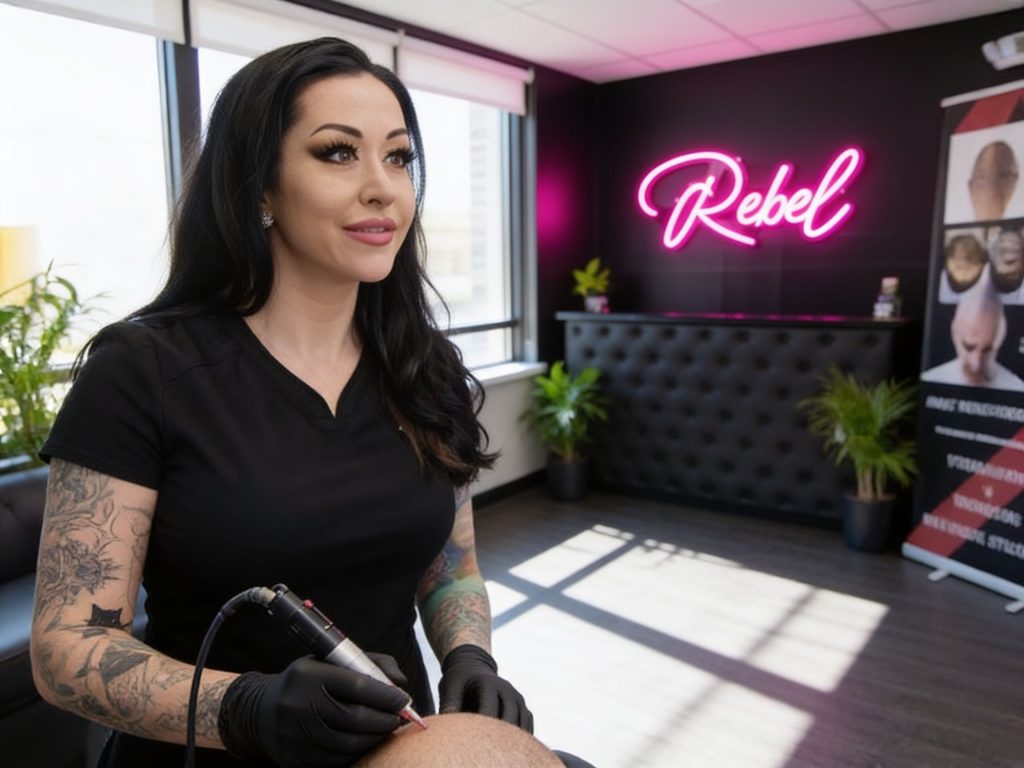
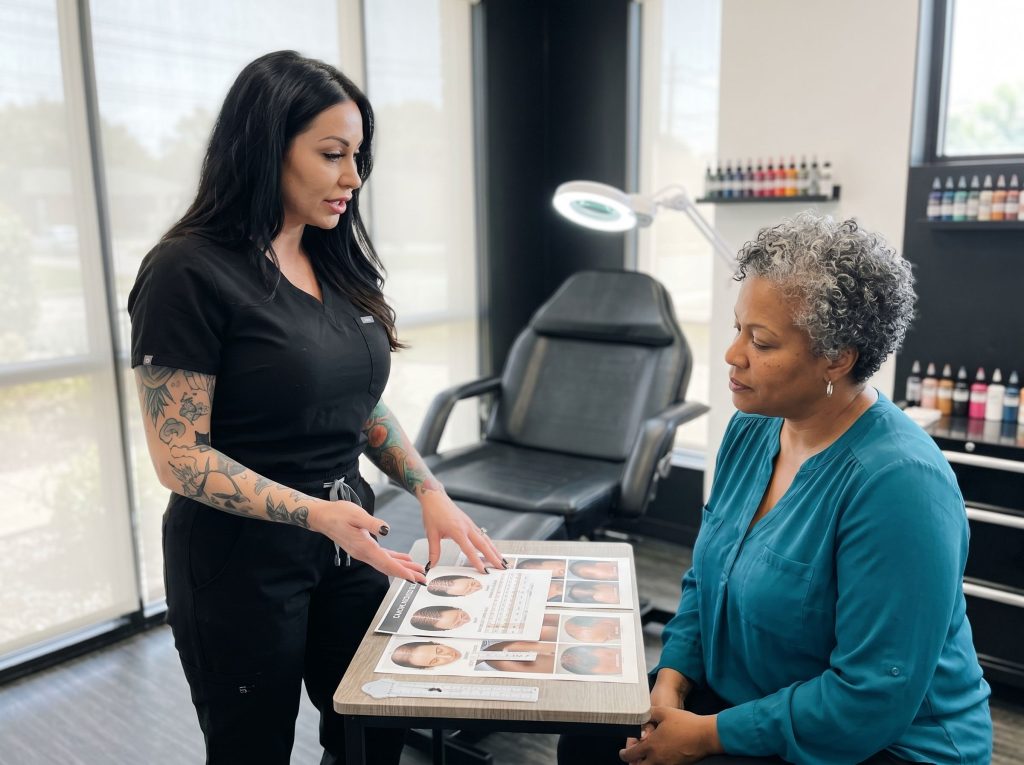
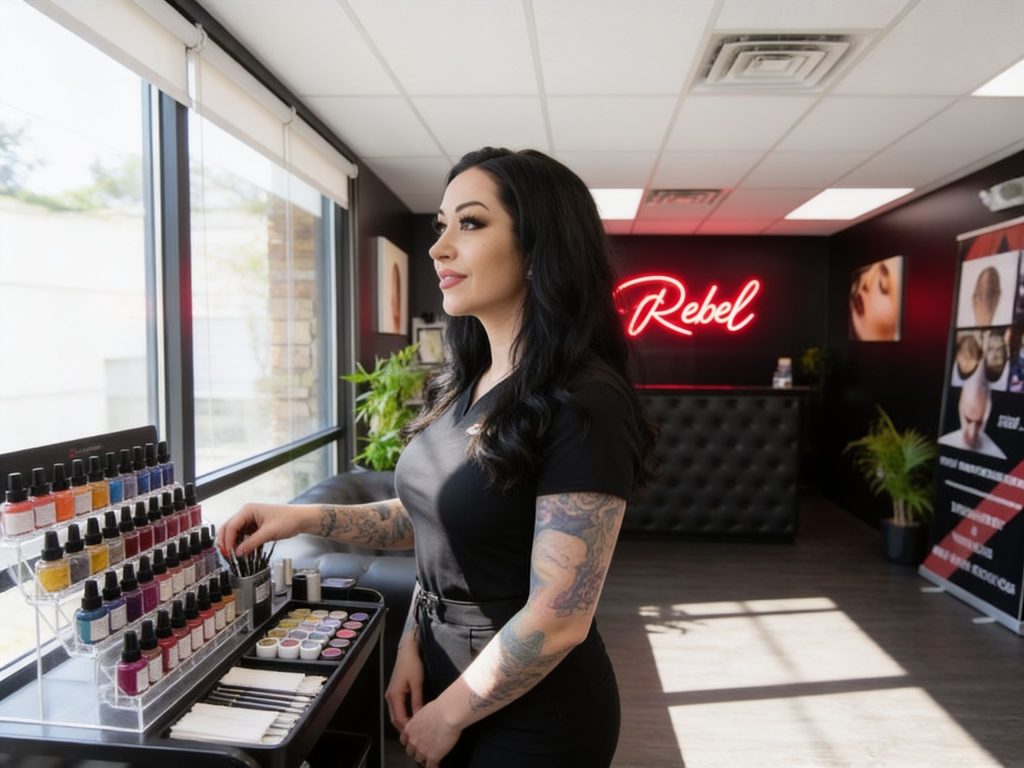
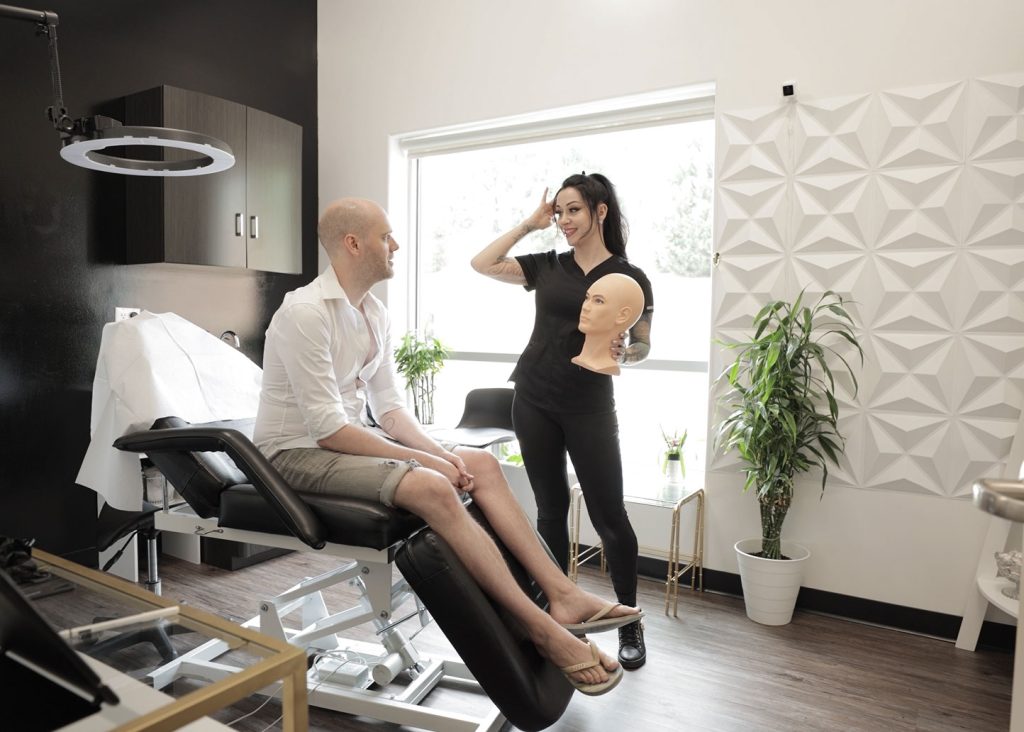
Rebel Aesthetic in Philadelphia offers a personal consultation to answer your questions and recommend the right approach for you. Get in touch with Rebel Aesthetic to book your consultation.