You have done the research, accepted what is happening with your hair, and now you need one clear answer: what is this actually going to cost? Female scalp micropigmentation pricing in the United States varies more than most people expect, and that range is not random. This article breaks down exactly what drives the price, what you should expect to pay across different scenarios, and what separates a quote worth trusting from one that should raise questions.
The real price range for female SMP in the United States
Female SMP pricing in the United States sits anywhere between $400 and $5,000 for a full treatment course. That is a wide range, and it reflects genuine differences in what is being done, not simply what practitioners choose to charge. A single small scar being camouflaged is a very different procedure to treating diffuse thinning across the full crown and mid-scalp in a woman with advanced female pattern hair loss.
Most women seeking SMP for thinning hair fall somewhere in the middle of that range. A density treatment covering the crown and part line, completed across two to three sessions, typically costs between $1,500 and $3,500 at a reputable clinic. The lower end of the market usually reflects either a limited treatment area, a less experienced practitioner, or a location with lower operating costs.
It is also worth understanding how costs are structured. Responsible clinics price by session rather than by a flat package fee, because the number of sessions required depends on your hair density, scalp condition, and how well your skin holds pigment. Most women require two to four sessions spaced three to six weeks apart. Always ask for a per-session breakdown, not just a total, so you understand exactly what you are committing to.
What drives the cost of scalp micropigmentation for thinning hair
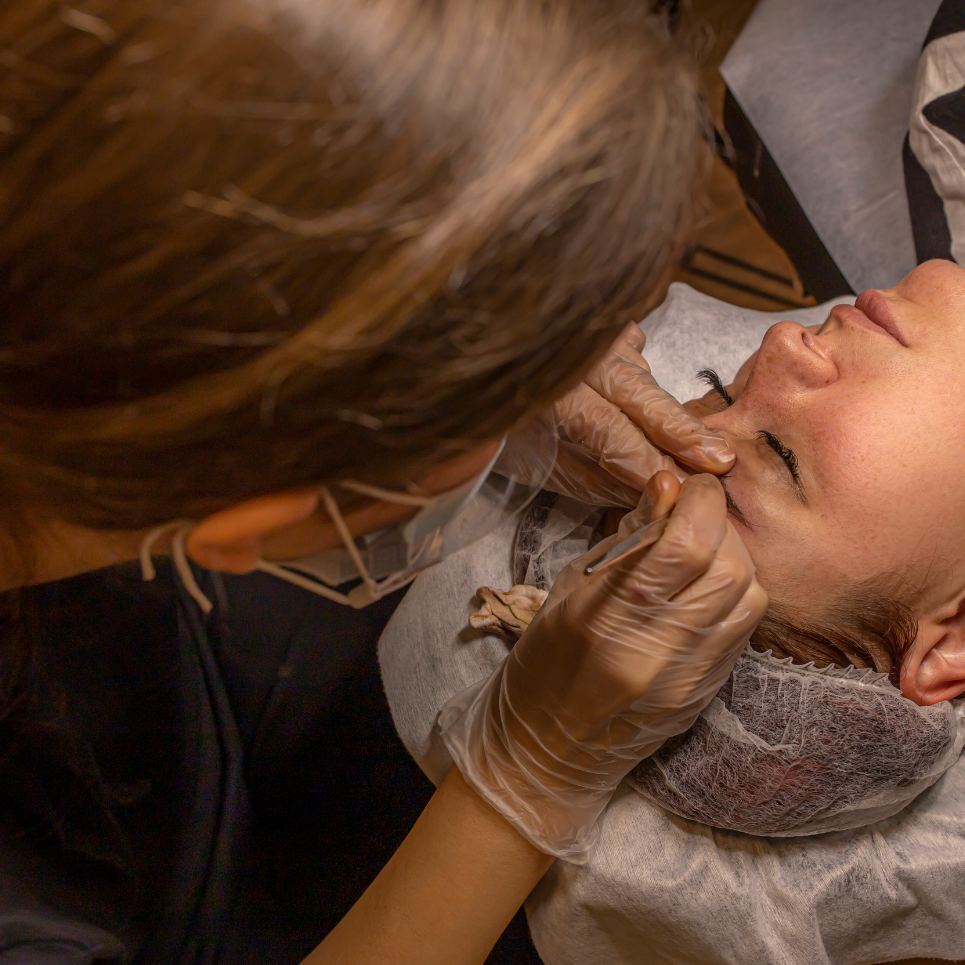
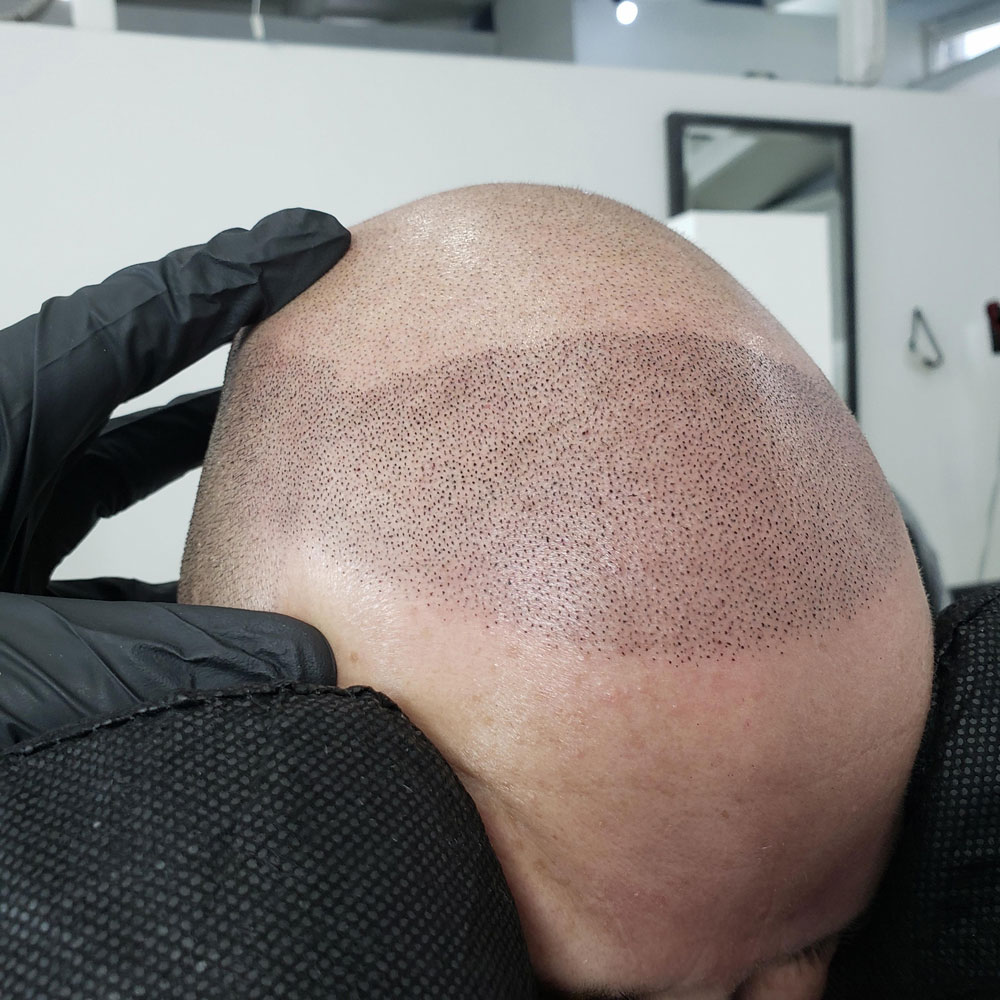
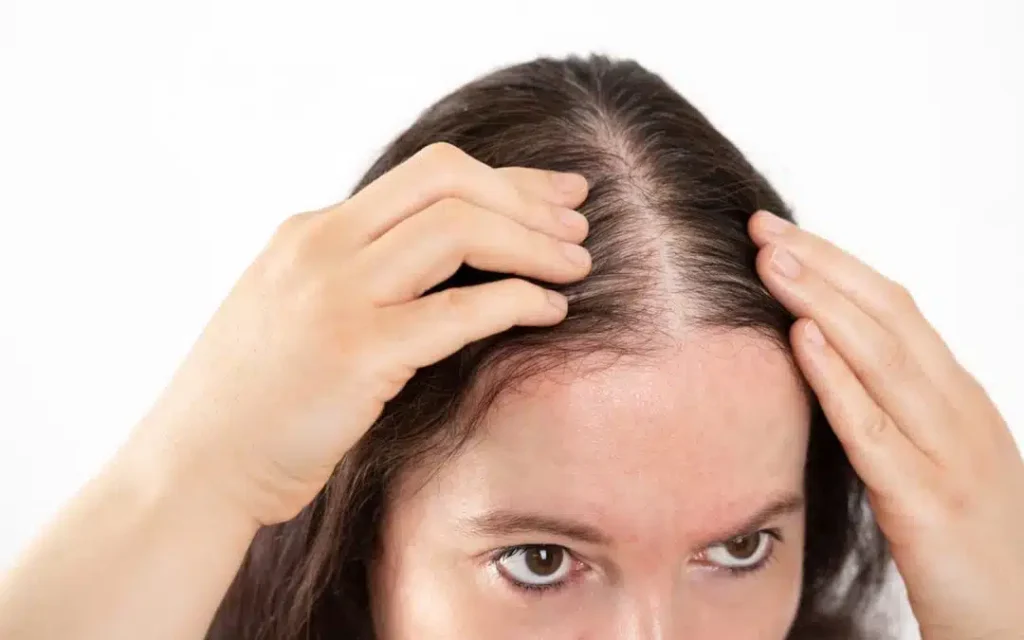
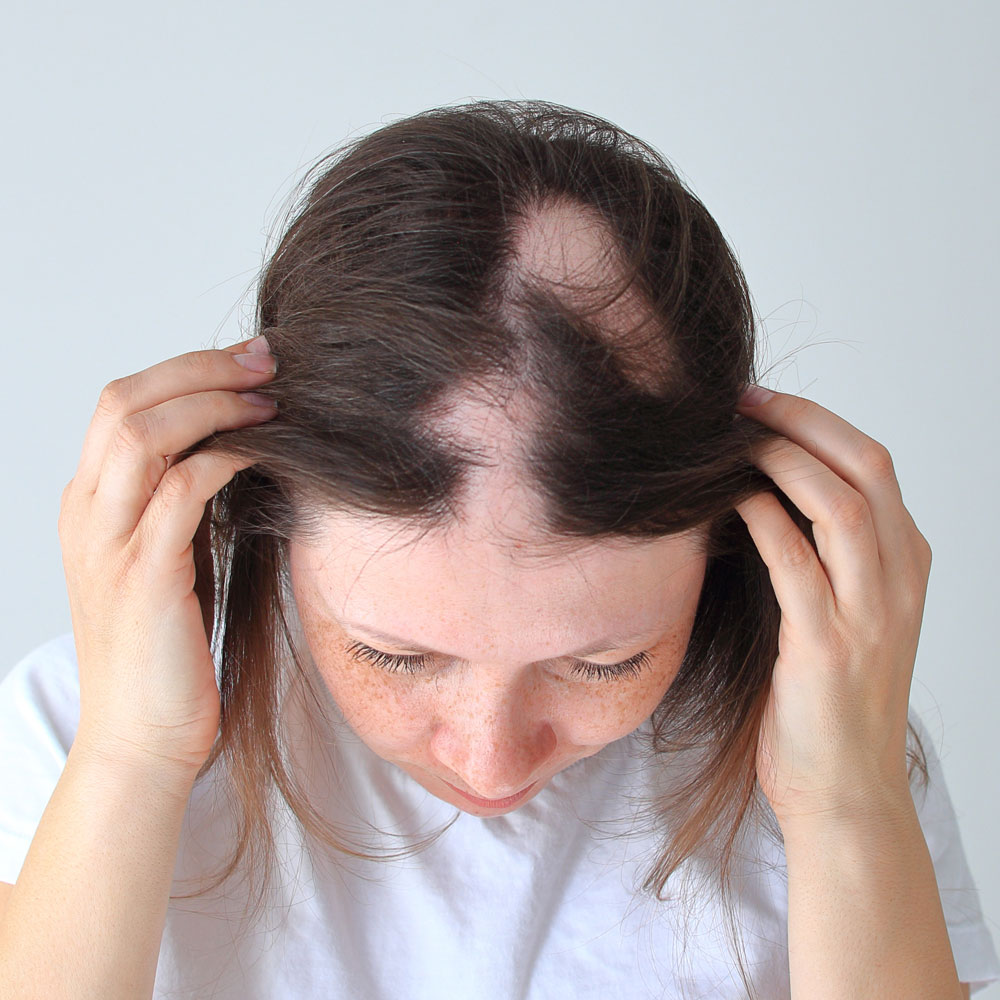
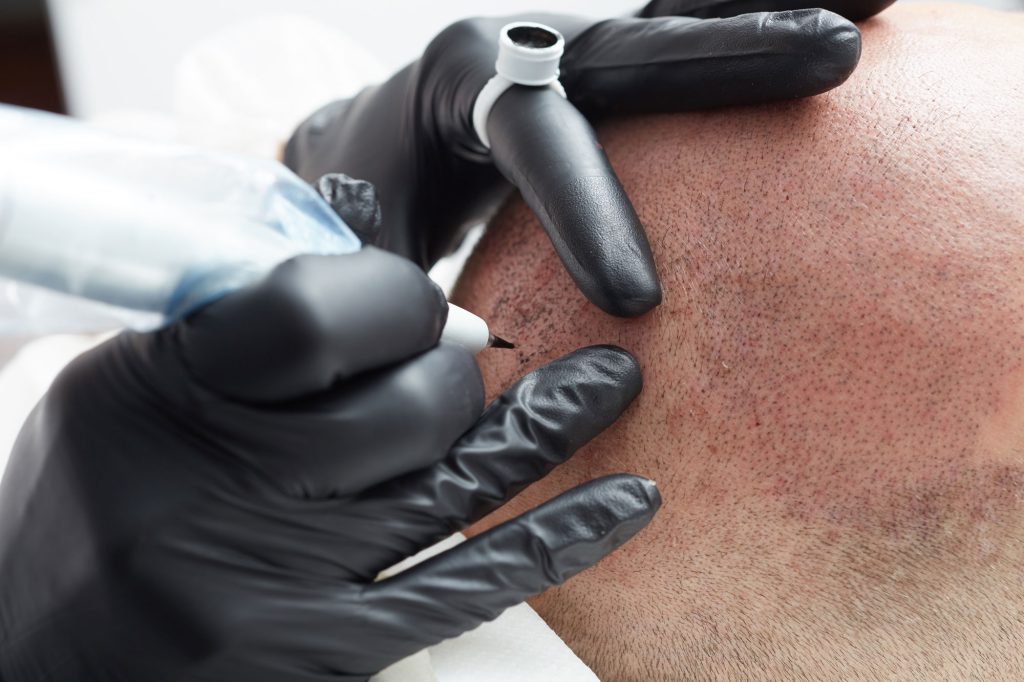
Treatment area size is the single biggest pricing variable. Female pattern hair loss typically presents as diffuse thinning across the crown and a widening part line, rather than the complete baldness seen in many male cases. This means the technique used for women differs: rather than recreating a shaved-head look, the goal is to increase the visual impression of density by depositing pigment between existing hair strands. It is precise, time-consuming work that requires a high dot density, built progressively across sessions from roughly 40 dots per square centimetre in the first session to 80 to 100 by the final one.
Practitioner experience is the second major driver. SMP has no universally mandated licensing in the United States. Some states regulate it under body art or permanent cosmetics law; others have almost no framework at all. Practitioners charging at the higher end of the market have typically accumulated hundreds or thousands of treatments, hold certifications from bodies such as the American Academy of Micropigmentation, and carry proper insurance. That experience matters enormously when the work involves blending pigment invisibly through existing hair, a task where poor depth placement or the wrong pigment tone is immediately obvious.
Clinic location plays a role too, but do not let geography alone guide your decision. A clinic in a high-cost city may charge more to cover overheads, but that does not automatically mean better outcomes. Equally, a lower-cost location is not a reason to lower your standards. Complications such as pigment bleeding, colour shifts to blue or green, and uneven dot placement are the direct result of undertrained practitioners, not of geography.
Session length matters as well. Each session for a female density treatment can run between two and five hours. Longer, more detailed work costs more, and rightly so: this is not a service where speed is a virtue.
Long-term maintenance and touch-up costs
SMP is not a one-off expense. Pigment fades over time as the skin naturally turns over and as sun exposure gradually breaks down the deposited colour. For most women, results look their best for three to six years before a touch-up becomes worthwhile. A maintenance appointment every three to four years is typical, and that single session is considerably less involved, and less costly, than the original treatment course.
Touch-up sessions generally cost between $200 and $800 depending on how much has faded and which area needs refreshing. Skin that has been consistently protected with SPF 30 to 50 sunscreen tends to hold pigment longer, resulting in lower long-term maintenance costs as well as better-looking results. Sun protection is not optional aftercare advice: it directly affects how long your investment lasts.
Factors that accelerate fading include oily skin, high sun exposure, faster cellular metabolism, and certain medications. Drier skin, minimal sun exposure, and more mature skin tend to support longer-lasting results. Knowing where you sit on that spectrum gives you a realistic expectation for your own maintenance schedule.
How to evaluate a quote and choose a provider wisely
When comparing scalp micropigmentation costs for thinning hair across different clinics, price alone tells you very little. A $600 quote for a full crown treatment should prompt questions, not excitement. Ask specifically how many sessions are included, what needle sizes are used for hairline work versus the crown, and whether the practitioner has experience with female density treatments specifically, rather than only the shaved-head style common in male SMP.
Ask to see healed results, not just freshly treated photographs. Fresh work looks sharp and saturated on almost everyone; the real test is how the result looks at one month, six months, and two years post-treatment. Scarring alopecia and alopecia areata cases also tend to show greater fading than androgenetic cases, so if your hair loss has a scarring component, set your expectations accordingly and ask the practitioner directly about their experience in that area.
Contraindications are worth understanding too. Active scalp psoriasis, eczema flare-ups, scalp acne, and keloid-prone skin all affect whether you are a suitable candidate at any given time. A practitioner worth trusting will ask about your skin history before quoting, not after.
Frequently Asked Questions
What is the average cost of scalp micropigmentation for women in the US?
Female SMP in the United States typically costs between $1,500 and $3,500 for a full density treatment covering the crown and part line across two to four sessions. Total costs can range from $400 for a small area to $5,000 for extensive coverage at a premium clinic. Session count and treatment area are the biggest pricing variables.
How many sessions does female scalp micropigmentation require?
Most women need two to four sessions spaced three to six weeks apart. Female pattern hair loss is treated differently to male baldness: pigment is deposited between existing hair strands to increase visual density rather than recreating a shaved-head appearance. The number of sessions depends on your hair density, scalp condition, and how well your skin retains pigment.
How long does scalp micropigmentation last for thinning hair?
Results typically last three to six years before fading becomes noticeable enough to warrant a touch-up. Consistent use of SPF 30 to 50 sunscreen on the scalp significantly slows fading. Oily skin, high sun exposure, and certain medications accelerate pigment loss, while drier, more mature skin tends to hold results longer.
What does an SMP touch-up cost compared to the original treatment?
Touch-up sessions for scalp micropigmentation typically cost between $200 and $800, considerably less than the original treatment course. Most clients need a maintenance appointment every three to four years. The cost depends on how much pigment has faded and the size of the area needing refreshing. Protecting the scalp with sunscreen reduces how often touch-ups are needed.
What should I look for when choosing a female SMP provider?
Prioritise documented experience with female density treatments specifically, not just male shaved-head SMP. Ask to see healed results at six months or longer. Confirm the practitioner holds relevant certifications such as American Academy of Micropigmentation accreditation, carries insurance, and uses zone-specific needles. A very low quote for a full-crown treatment is a warning sign, not a bargain.