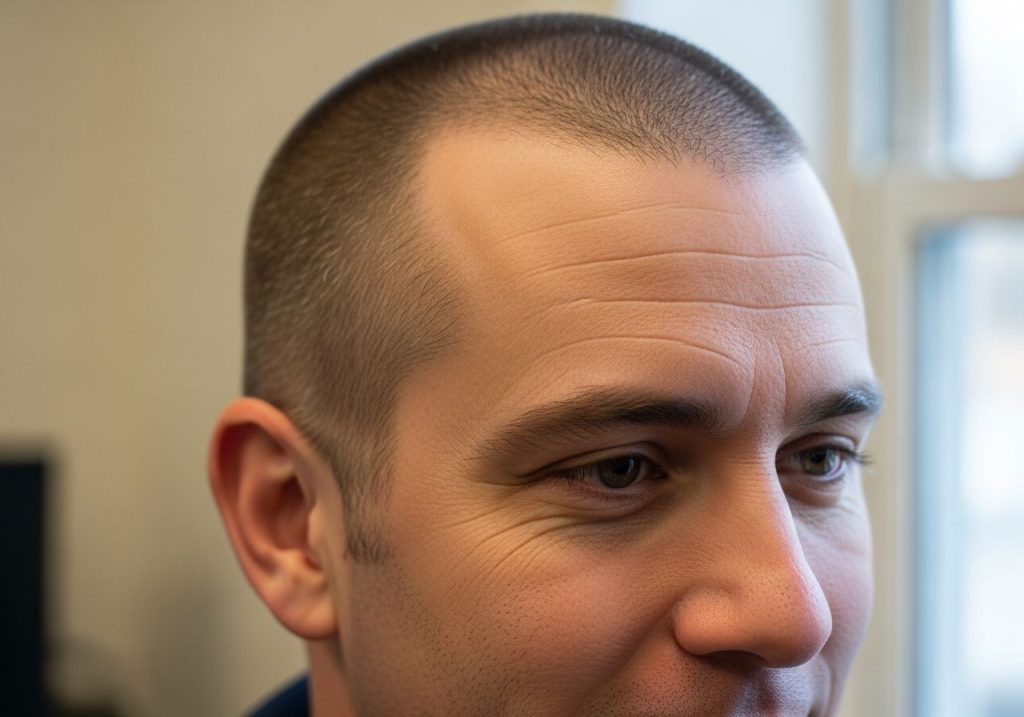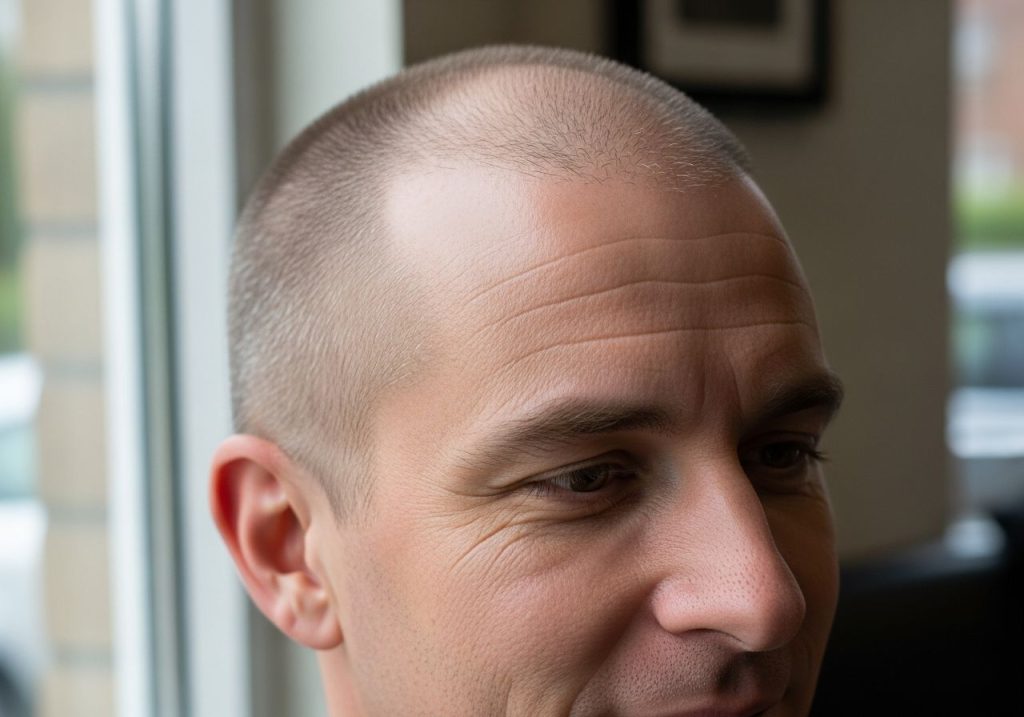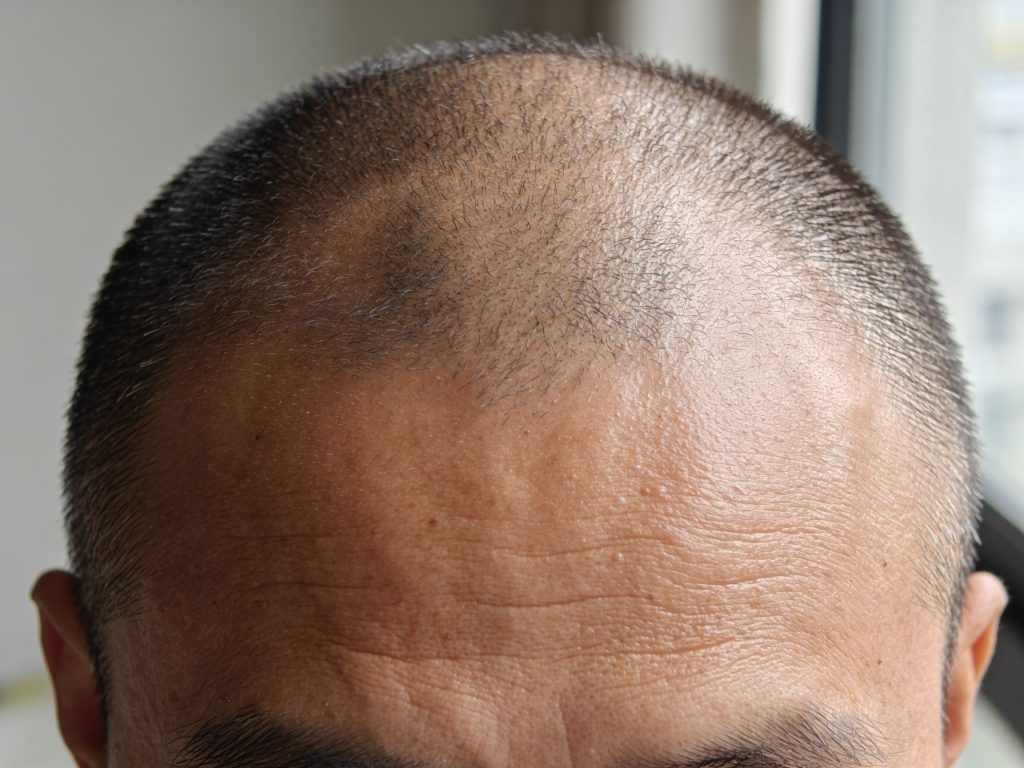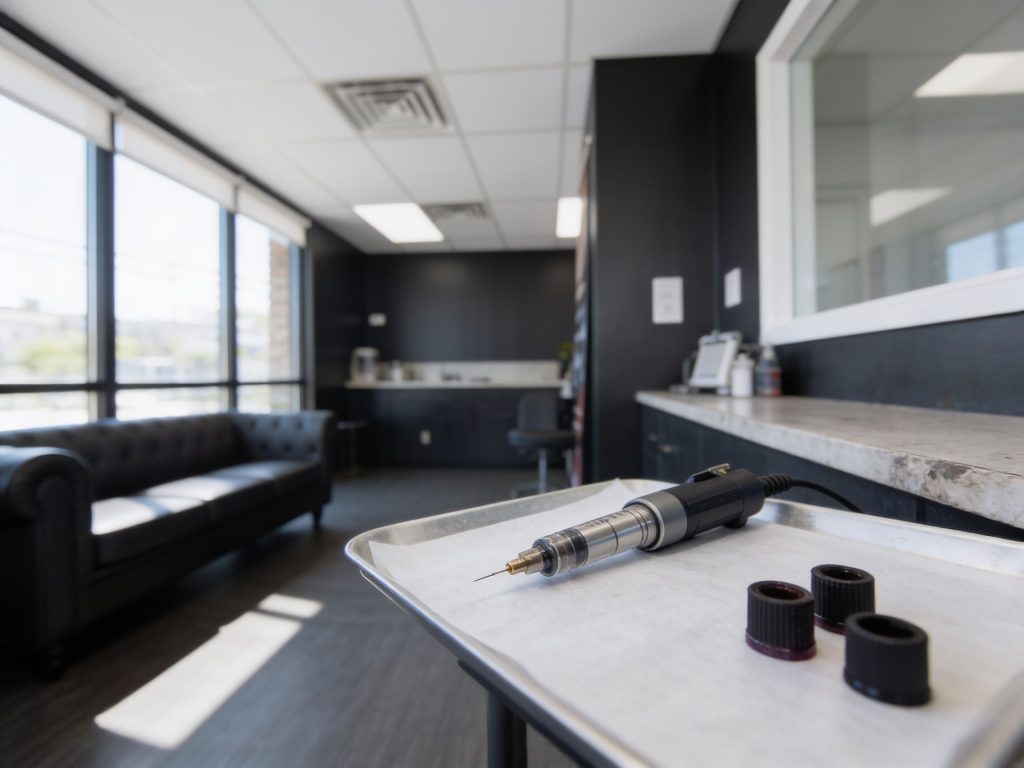
You are seriously considering SMP, but one question keeps stopping you: how much does it actually hurt? It is one of the most common things people ask, and it deserves a straight answer rather than vague reassurance. By the end of this article, you will know exactly what the sensation feels like, how numbing works, and what shifts across multiple sessions.
What scalp micropigmentation actually feels like
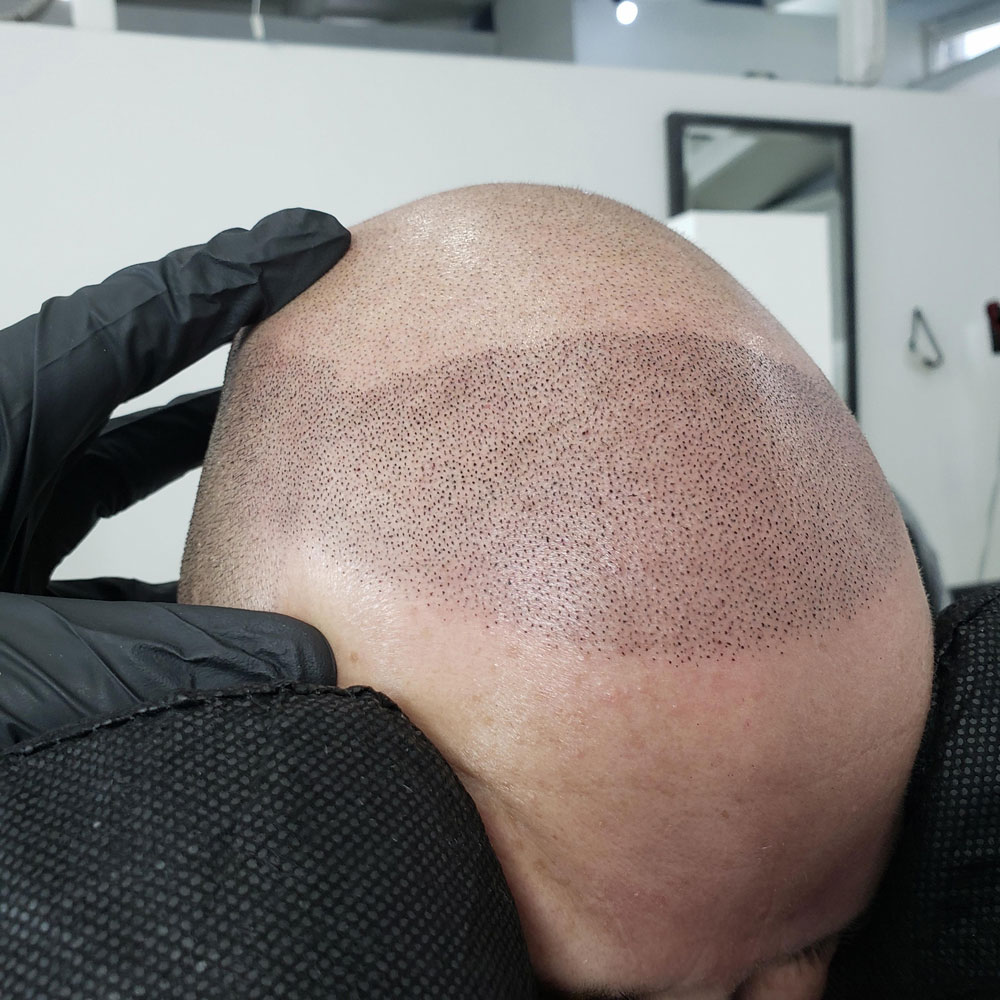
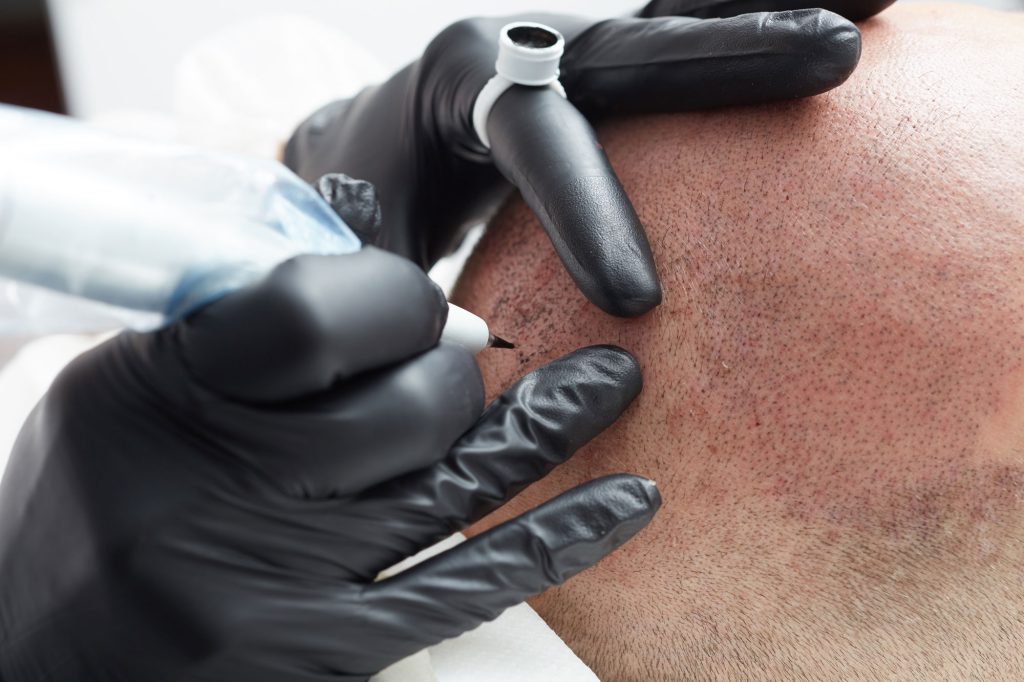
Scalp micropigmentation is not a pain-free procedure, but it is far milder than most people expect. The description heard most often from clients is a light scratching or soft tapping sensation, similar to a cat’s claw dragged gently across the skin. It is repetitive rather than sharp.
That said, the scalp is not uniform. The crown and mid-scalp tend to be the most comfortable zones. The hairline, temples, and the area around the ears are more sensitive because the skin sits closer to bone with less cushioning beneath it. Discomfort in these areas is real, but brief and manageable.
Compared with other cosmetic procedures, SMP holds up well. Traditional tattooing uses deeper needle penetration and more aggressive machine speed. Scalp micropigmentation works in the upper layers of the dermis with a much finer needle, which is a significant part of why the experience is gentler. Most clients are surprised by how quickly they settle into it.
Numbing options and how well they work
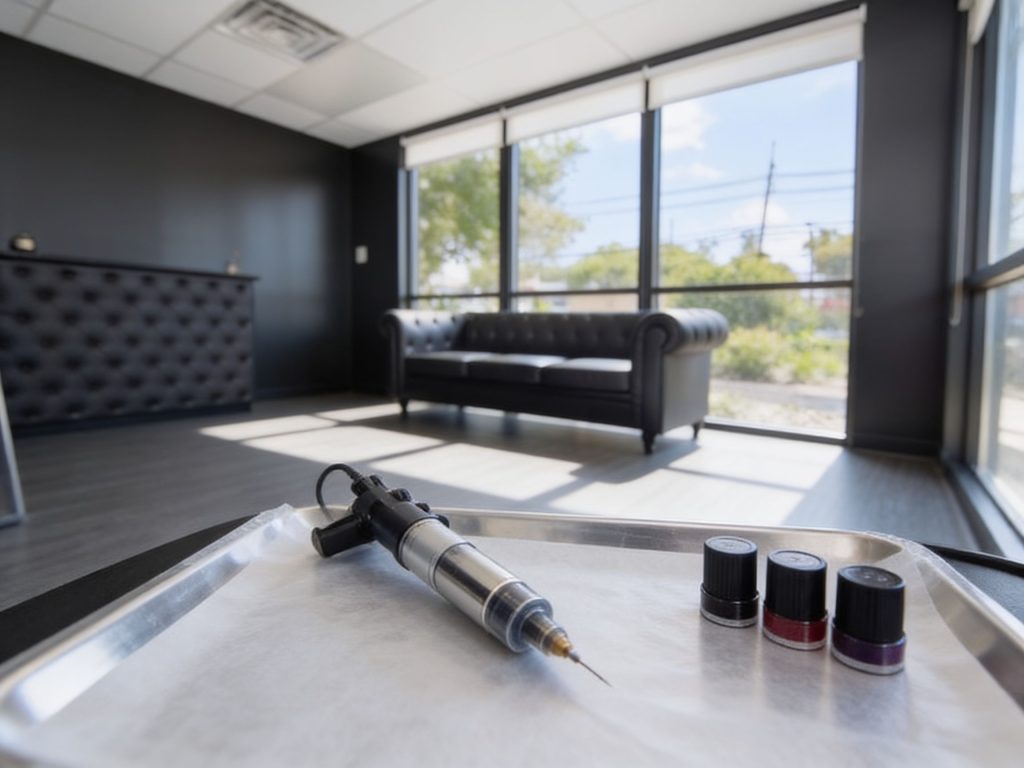
Topical anaesthetic is the best tool for managing scalp micropigmentation discomfort, and it is used as standard practice. A quality numbing cream applied 30 to 45 minutes before the session begins makes a meaningful difference to how the treatment feels, particularly for the more sensitive zones along the hairline.
There are also secondary numbing agents that can be applied during the session if needed. These are particularly useful if the cream begins to wear off after the first hour, or if a client’s sensitivity is higher than expected. The goal is always to keep the client comfortable enough to relax, because tension makes everything feel worse.
What numbing cannot do is eliminate sensation entirely. You will still feel the needle working. For the vast majority of clients, however, numbed SMP feels like a mild, steady pressure rather than anything requiring significant endurance. A small number of clients with very low pain thresholds find the temples genuinely uncomfortable even with numbing, and it is worth knowing that before going in.
How discomfort changes across sessions
A full shaved-style SMP treatment is completed across two to three sessions, and the experience does shift between them. The first session is typically the most unfamiliar, not because it is the most intense, but because you do not yet know what to expect. Once you have been through it once, the mental component disappears almost entirely.
Sessions two and three often feel slightly more sensitive because the skin has been worked and needs time to fully recover between appointments. Sessions are spaced at least five to seven days apart for this reason. Arriving well-rested and well-hydrated, and having eaten beforehand, makes a measurable difference to how the nervous system handles discomfort.
Scalp sensitivity also varies with lifestyle factors. Alcohol thins the blood and raises sensitivity, so clients are advised to avoid it for 24 hours before their appointment. Caffeine has a similar effect. A calm, prepared body is simply easier to work on, and the session goes more smoothly as a result.
What you can do to prepare
The clients who report the most comfortable sessions are those who come in knowing what to expect. Understanding that the sensation is repetitive but low-level, rather than sudden and sharp, changes how the brain interprets it. Anticipating pain that never arrives is its own kind of relief.
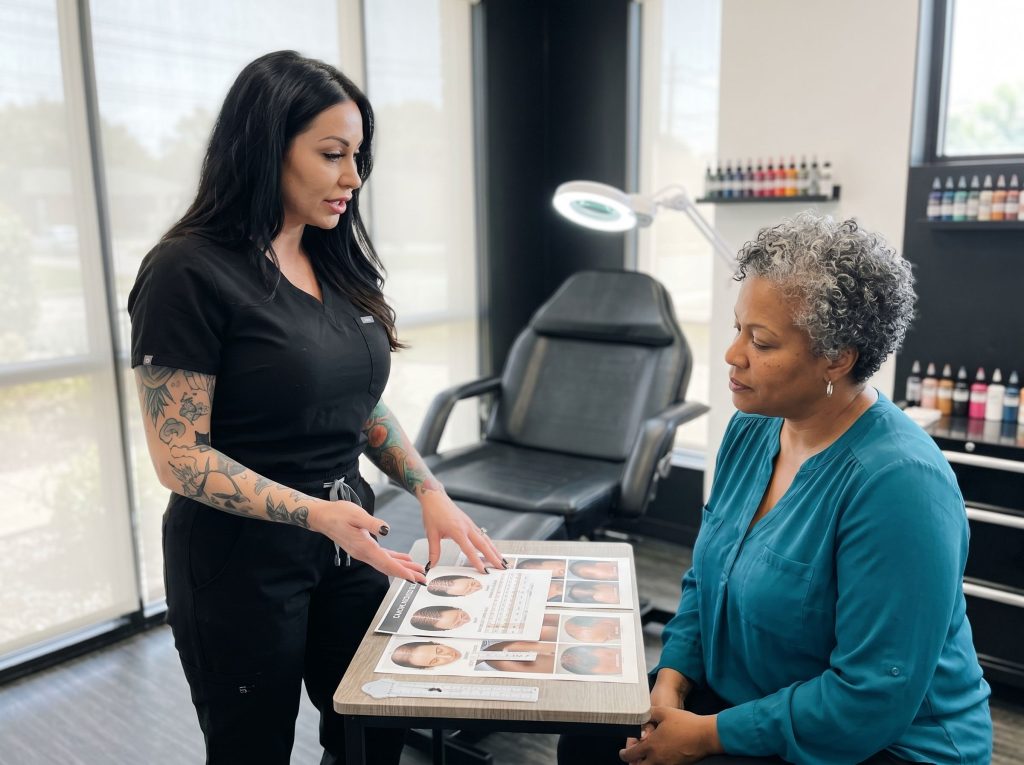
Practically speaking, wear something comfortable, bring headphones if music helps you switch off, and do not skip a meal. Numbing cream is applied before the session begins, and a good practitioner will check in throughout. If a particular area feels sharper than expected, it is perfectly reasonable to pause, reapply numbing agent, and wait a few minutes before continuing. There is no benefit to pushing through unnecessary discomfort.
For most people considering scalp micropigmentation as a long-term solution, the pain question turns out to be the smallest hurdle. The sessions take longer than many people expect, typically two to four hours each, and the sustained concentration required on both sides is more of a factor than any individual moment of sharpness. Go in informed, go in prepared, and you will find the reality is well within what most people handle without difficulty.
Frequently Asked Questions
Does SMP hurt more than a regular tattoo?
Scalp micropigmentation is generally less painful than traditional tattooing. SMP uses a finer needle and works at a shallower depth in the skin, which means less trauma to the tissue. Most clients who have experience with conventional tattoos report that SMP feels noticeably milder, particularly with topical numbing applied beforehand.
How long does the discomfort last after a session?
Post-session sensitivity is usually mild and fades within 24 to 48 hours. The scalp may feel tender to the touch, similar to mild sunburn, and some clients notice slight redness. This settles quickly with proper aftercare. Avoiding direct sun exposure and refraining from touching the treated area helps the skin recover without prolonged irritation.
Can I use numbing cream for scalp micropigmentation?
Yes, and it is standard practice in a professional SMP setting. A topical anaesthetic is applied 30 to 45 minutes before the session begins to reduce discomfort significantly. Secondary numbing agents can also be used during the appointment if sensitivity increases. Numbing reduces discomfort but does not eliminate all sensation.
Which parts of the scalp hurt the most during SMP?
The temples, hairline, and areas close to the ears tend to be the most sensitive zones during scalp micropigmentation because the skin sits directly over bone with less cushioning. The crown and mid-scalp are typically the most comfortable. Even in sensitive areas, discomfort is usually brief and manageable with proper numbing in place.
What should I do before my SMP session to minimise discomfort?
Avoid alcohol and caffeine for at least 24 hours before your appointment, as both thin the blood and heighten sensitivity. Arrive well-rested and have a proper meal beforehand. Wearing comfortable clothing and bringing headphones can also help you relax during the session. A calm, prepared body responds better to treatment and recovers more quickly afterwards.