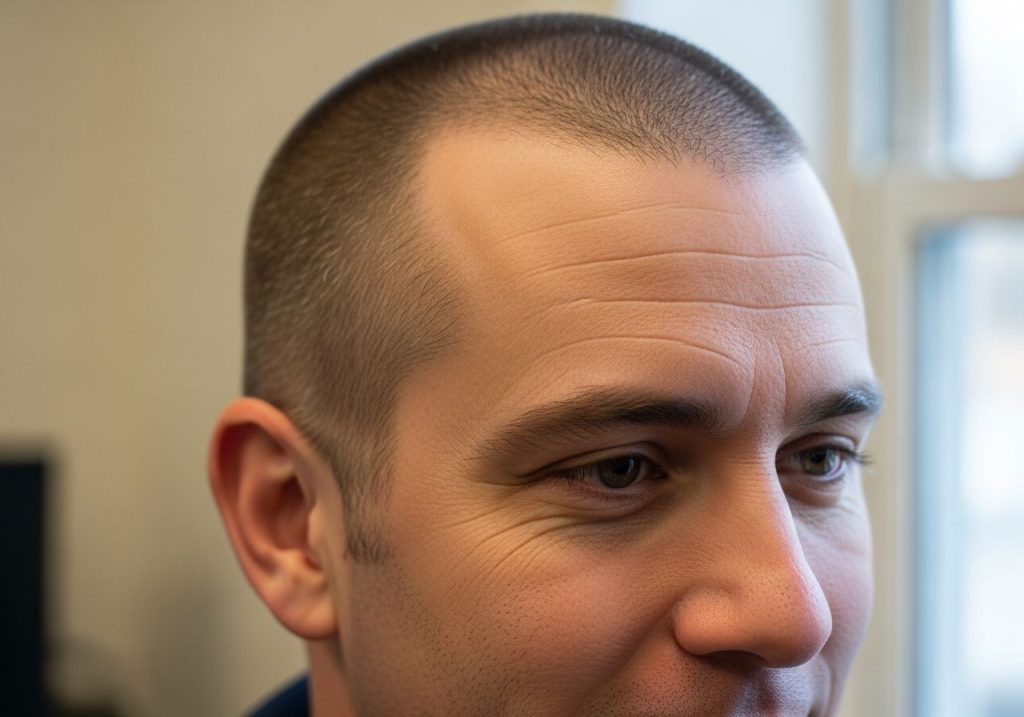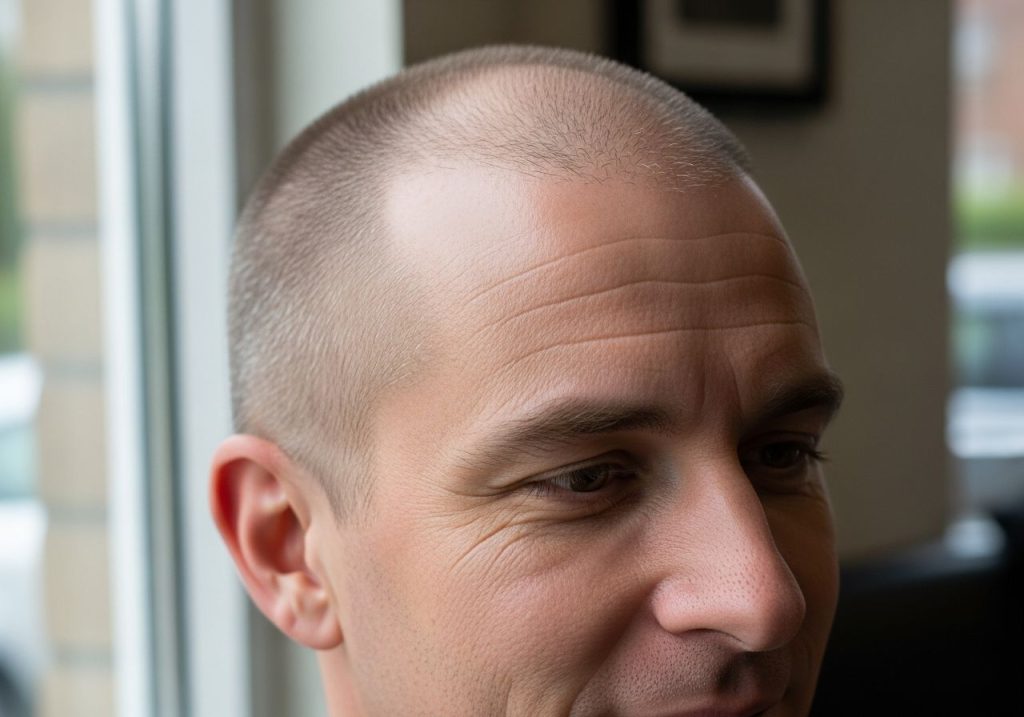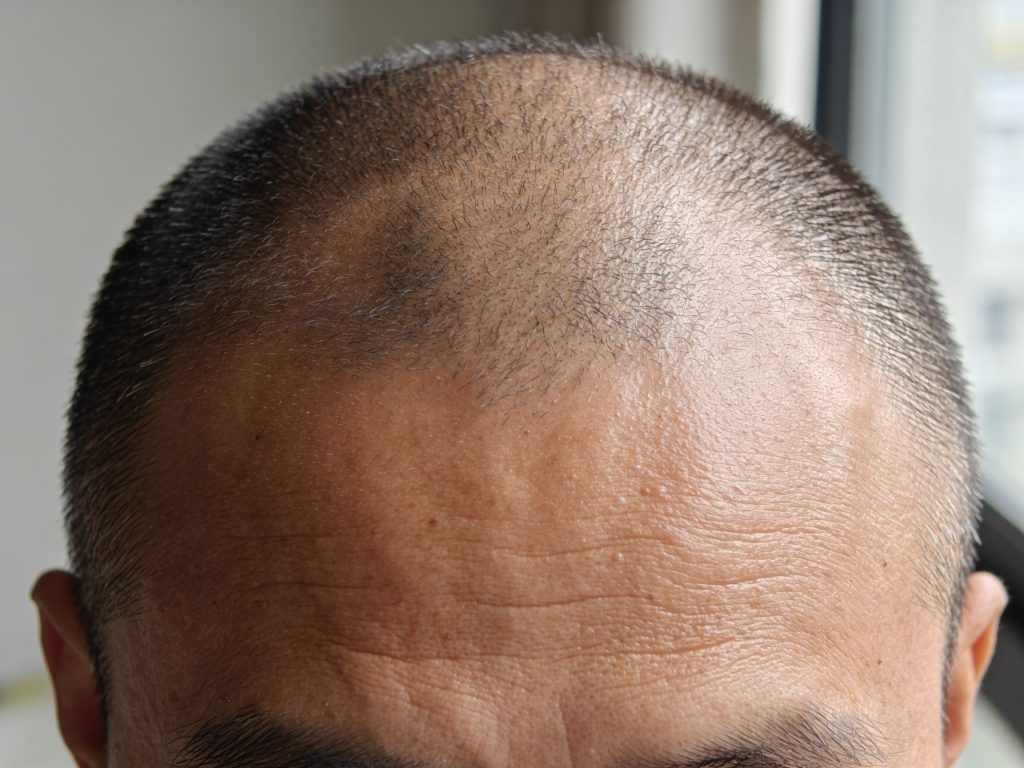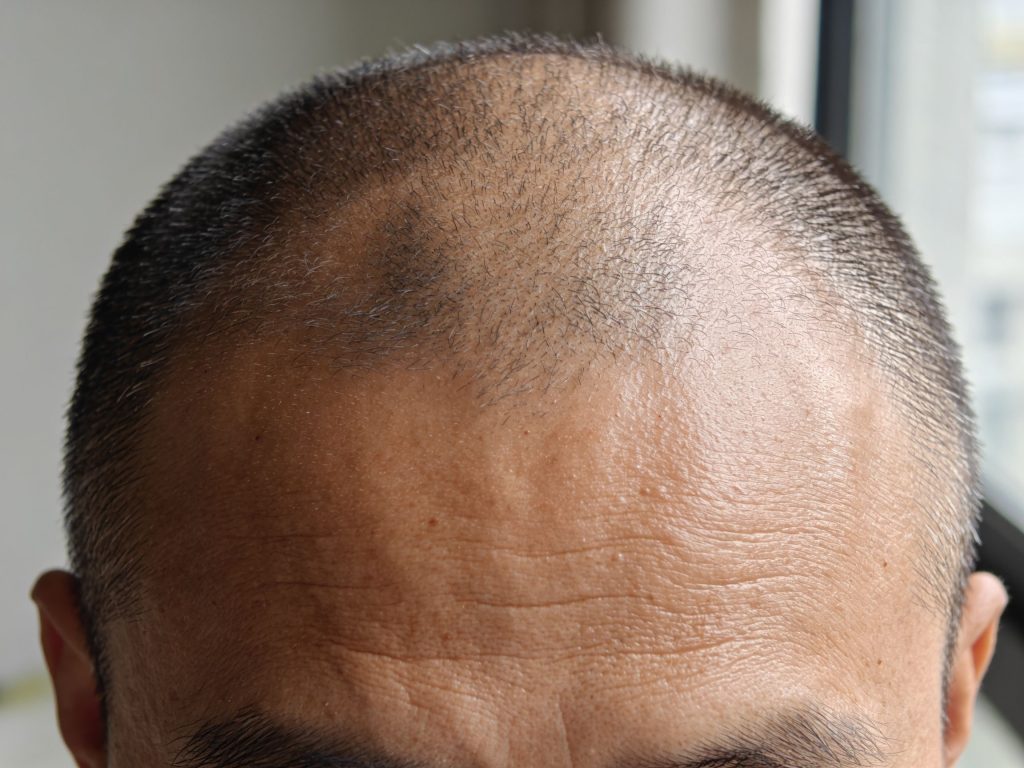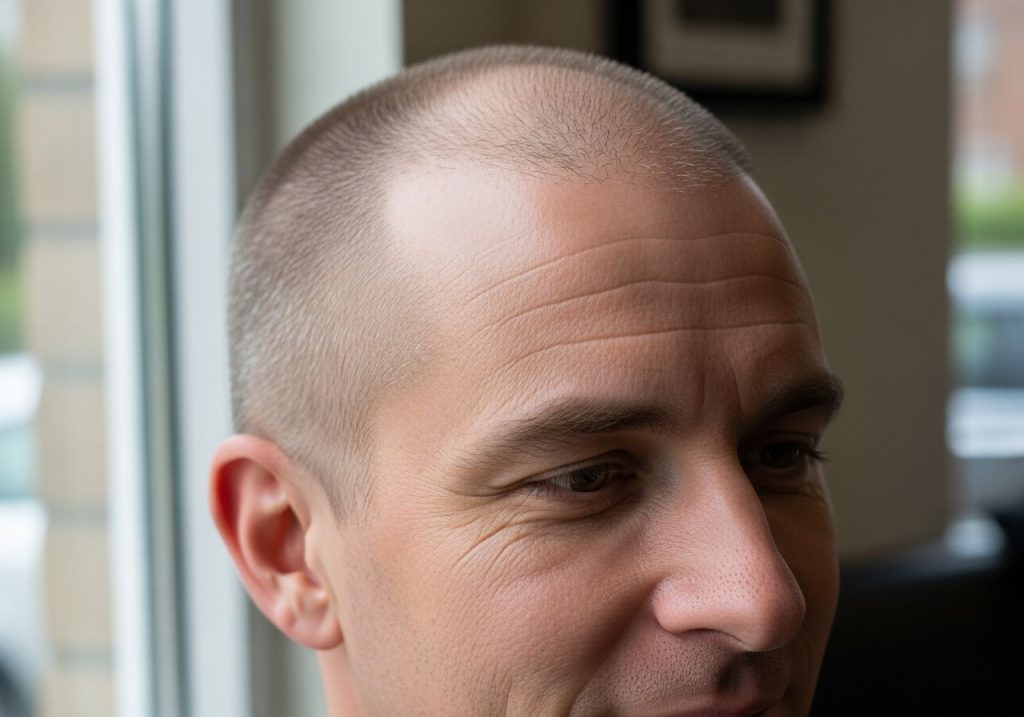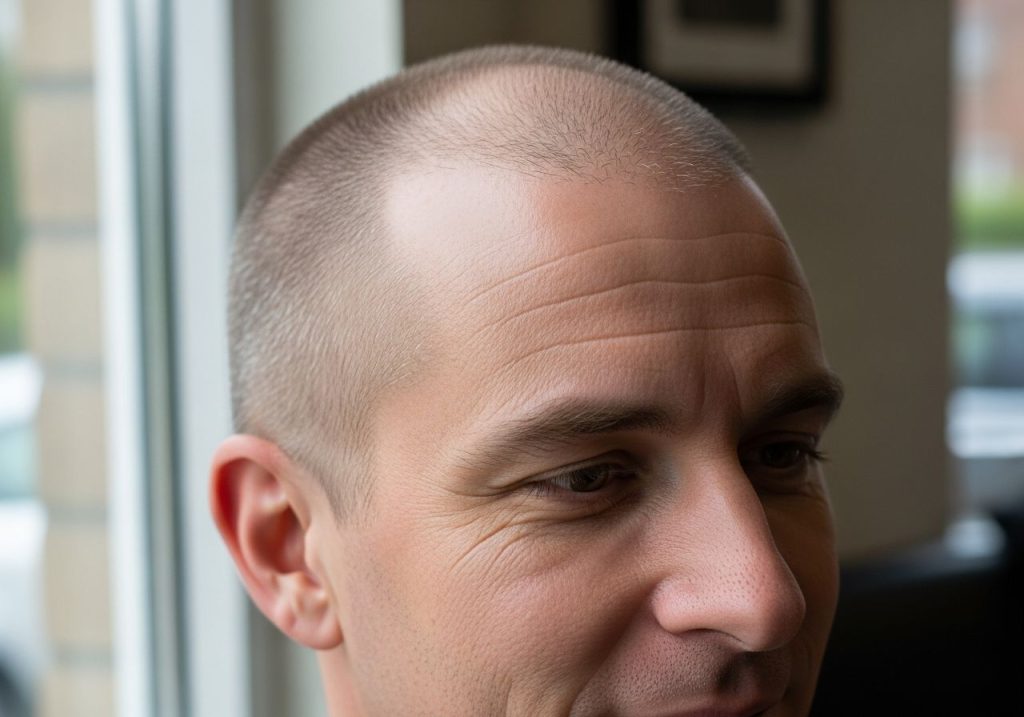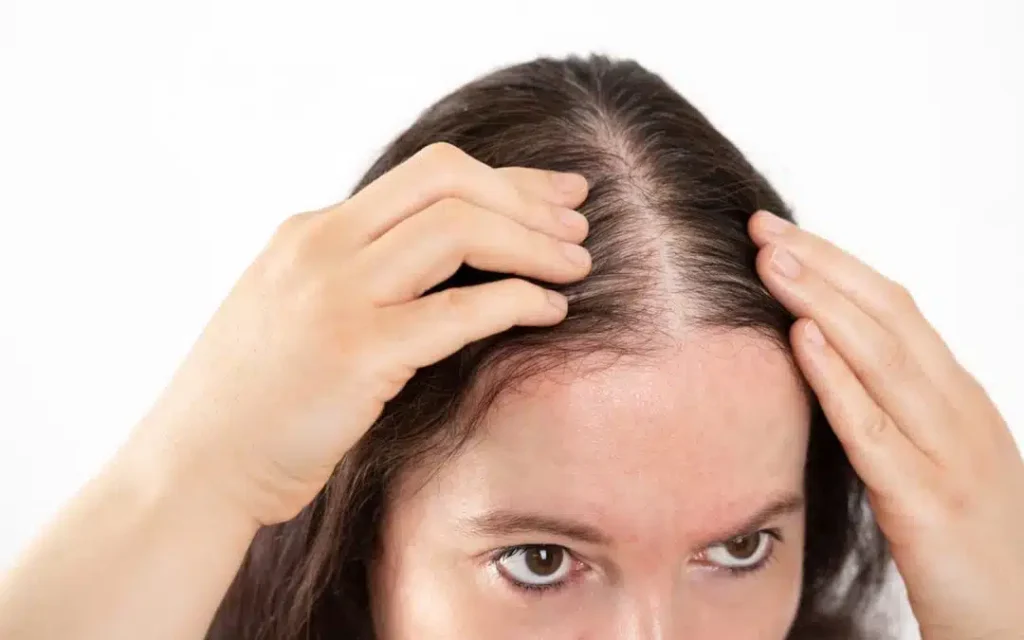
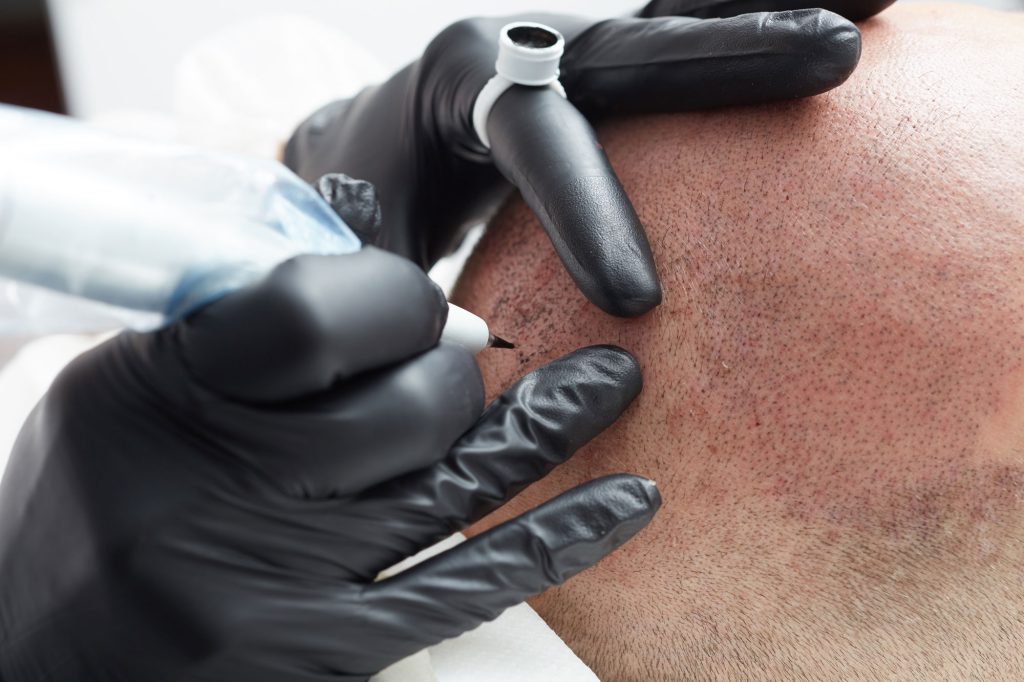
You are not ready to shave your head, but your temples are retreating and the front of your hairline is looking thinner than it did a few years ago. Scalp micropigmentation for a receding hairline is one of the most effective ways to address this without surgery, downtime, or daily products. Here is what you genuinely need to know before you book.
1. SMP doesn’t replace hair — it replaces the appearance of density
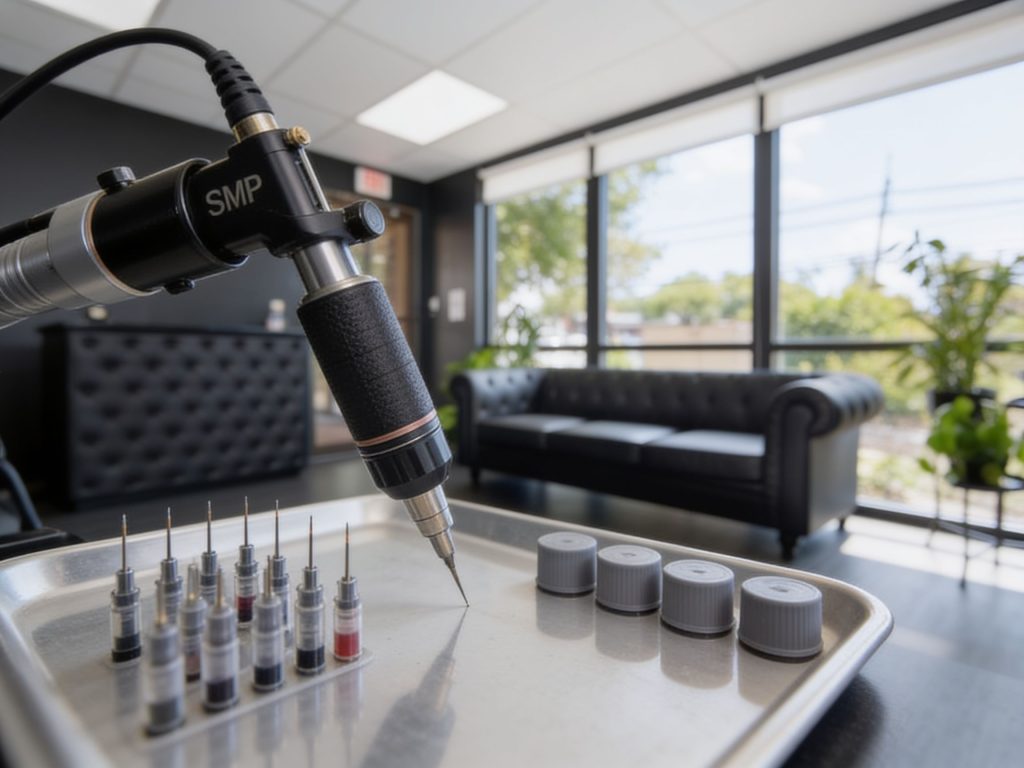
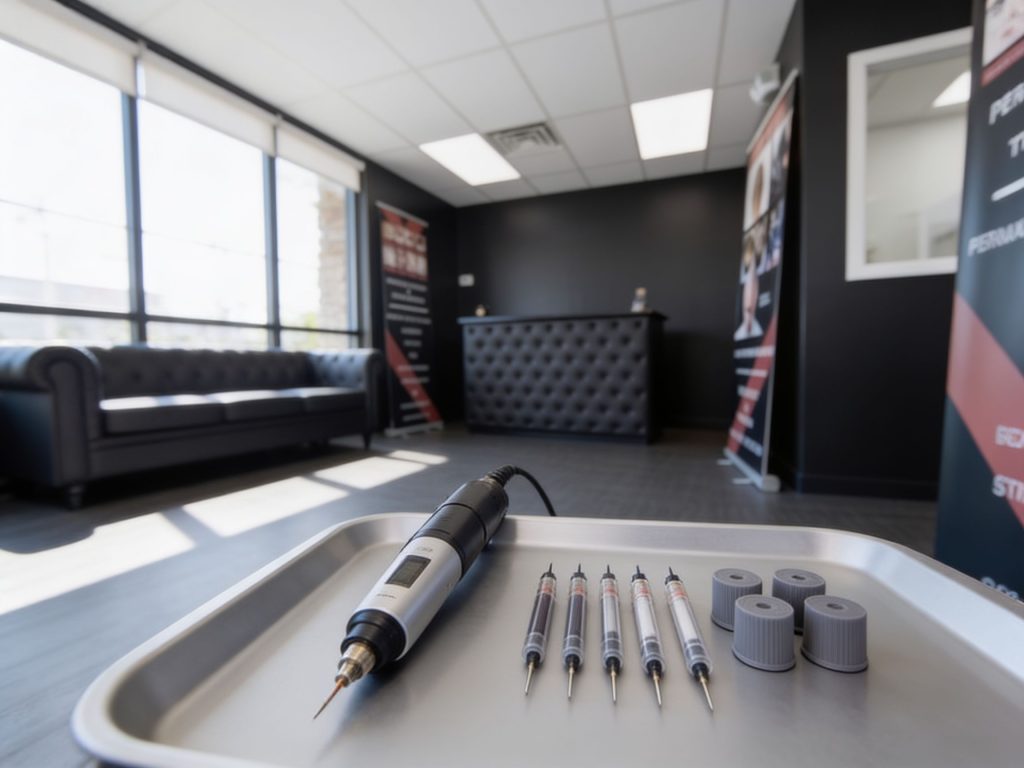
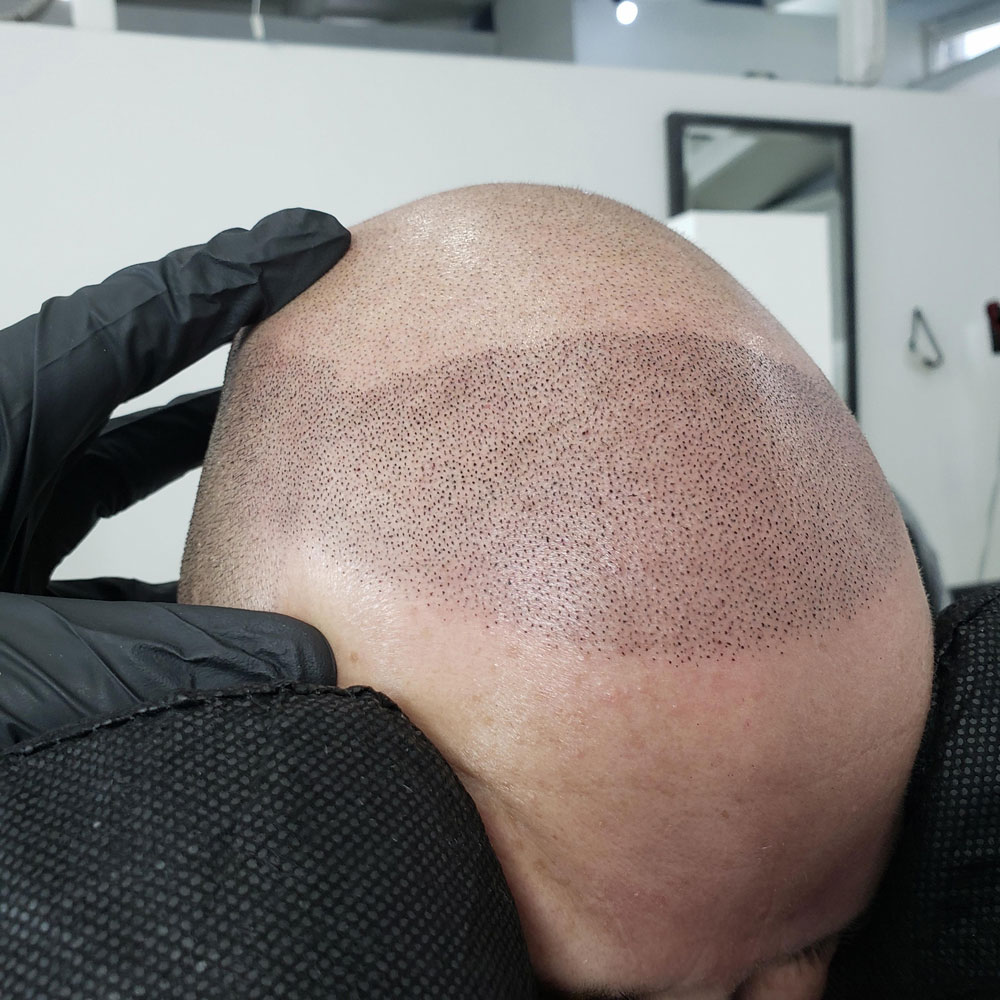
Scalp micropigmentation works by depositing precise, pigment-filled dots into the upper dermis of the scalp. Each dot is sized and spaced to mimic a real hair follicle seen from above. The result is not a painted stripe across your head — it is a pattern of micro-impressions that, together, create the convincing illusion of a full, defined hairline.
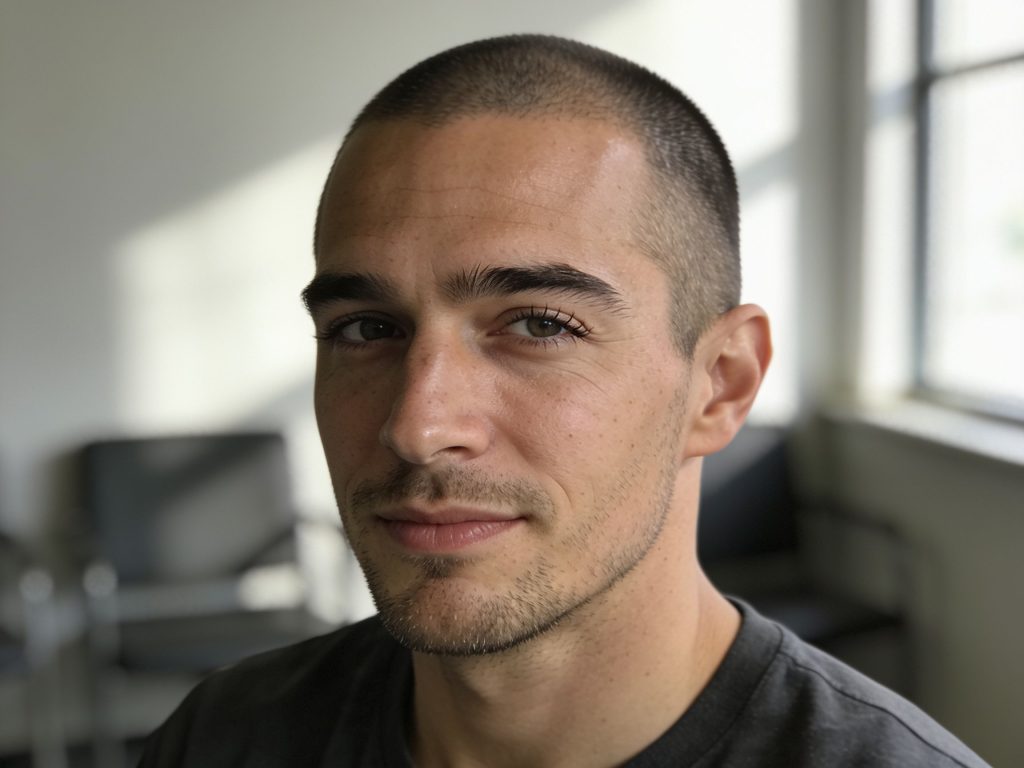
For men with thinning temples or frontal recession who still have some existing hair, the technique is called density SMP. Rather than outlining a completely shaved head, the pigment is blended into existing hair to fill the gaps, soften the contrast, and restore the visual weight of a thicker hairline. Done well, it is genuinely indistinguishable from real follicular density.
2. The hairline design is the most critical decision you will make
A receding hairline restored with SMP only looks natural if the design suits your face, your age, and your existing hair pattern. Placing the hairline too low or too straight creates an artificial look that can be difficult to correct. The best results come from a slightly irregular, softened edge that mirrors how real hair grows.
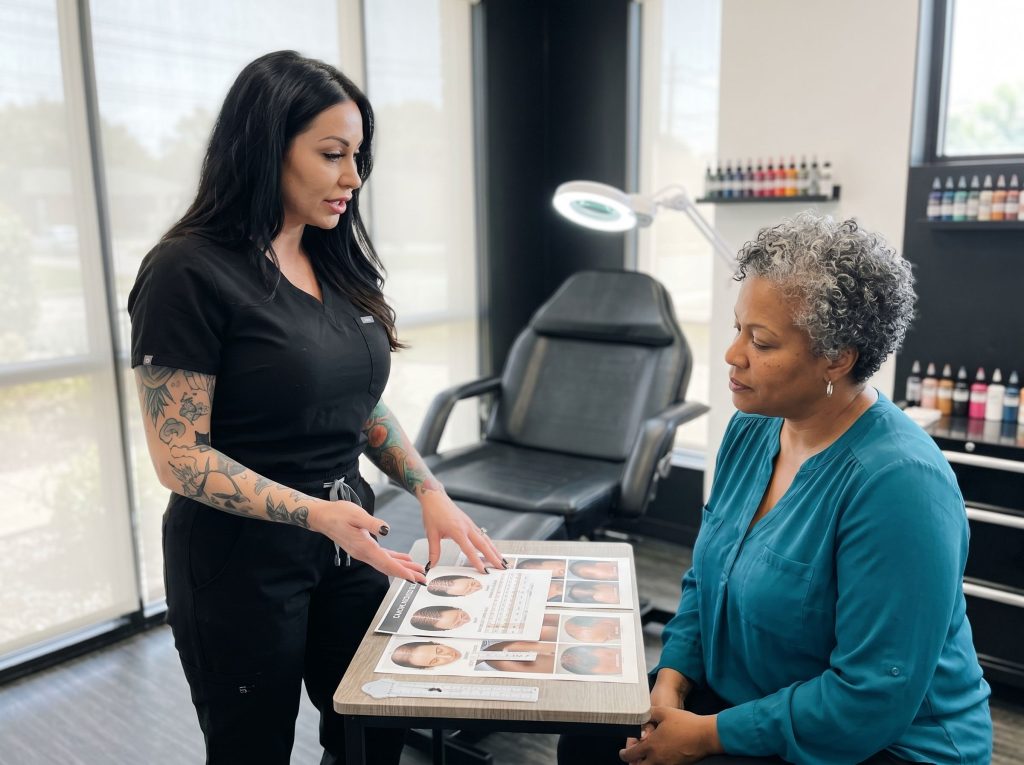
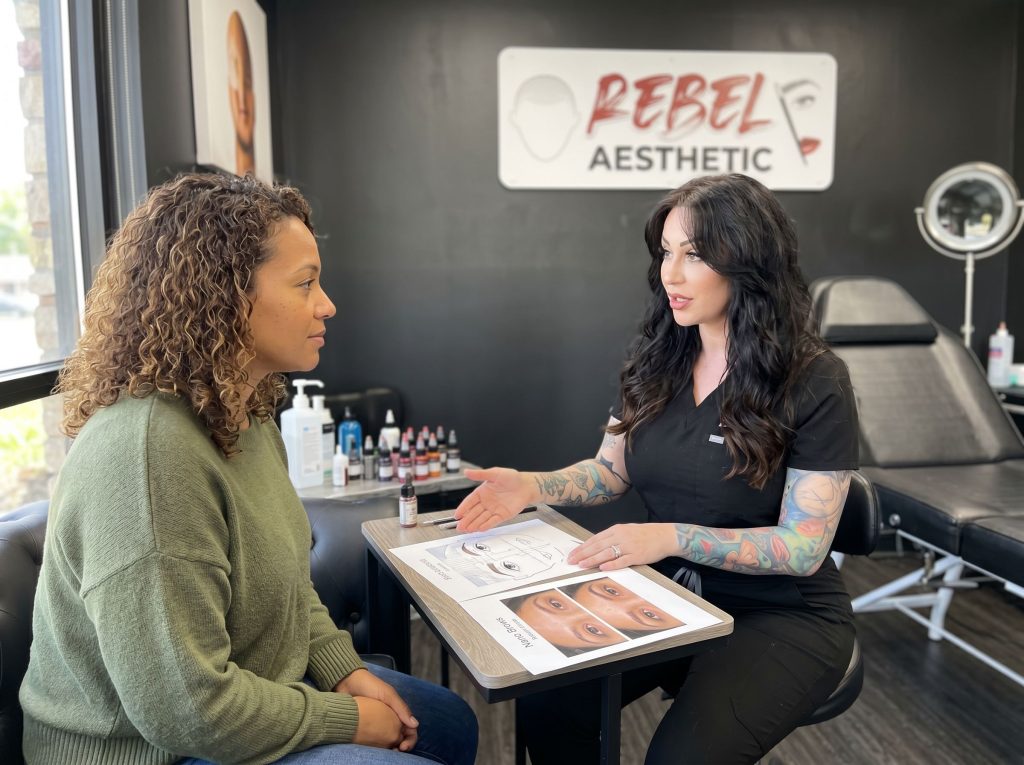
A significant portion of every consultation should be spent mapping the hairline before a single needle touches the scalp. Bone structure, the angle of recession, and even the natural direction of follicle growth all factor into where that line should sit. This is where design skill separates a great outcome from a regrettable one.
3. Density SMP technique differs from a full shaved-head treatment
When a client has not shaved their head, the SMP process requires a lighter touch and a more nuanced colour-matching approach. The pigment must blend seamlessly with existing hair, which means dot size, depth, and ink tone all need to be calibrated against the surrounding follicles rather than against bare scalp.
For receding temples and frontal thinning specifically, the work is built in layers, with density added gradually across sessions rather than applied heavily in a single pass. This produces a far more natural gradient from the thinner zones into the fuller areas. It also allows for precise adjustments between appointments, which matters enormously when blending into real hair rather than creating a standalone pattern.
4. Pigment colour and skin tone determine how believable the result looks
The most common mistake in hairline SMP is matching the pigment to the hair colour rather than to the shadow of the follicle. Hair colour and scalp shadow are not the same thing. A man with dark brown hair has a follicular shadow that reads as a cooler, slightly desaturated tone, not the rich brown of the hair shaft itself.
Getting this wrong, even slightly, results in dots that look like dots rather than follicles. Skin tone also shifts the perception of pigment: warmer complexions require warmer undertones in the ink, while cooler complexions require the opposite. This is one of those technical details that makes an enormous visible difference and is a skill developed only through significant hands-on experience with a wide range of clients.
5. Maintenance is straightforward, but the schedule matters
SMP on a receding hairline is not a single appointment. Most density treatments involve two to three sessions spaced roughly seven to fourteen days apart. The first session lays the foundational layer; subsequent sessions refine, deepen, and blend. Attempting to achieve full density in one long sitting leads to overworked skin and unpredictable healed results.
After the initial treatment, a colour refresh is typically needed every three to five years, depending on skin type, sun exposure, and how well the scalp is protected. Men with oilier skin or who spend a great deal of time outdoors may find that pigment fades more quickly. Applying a daily SPF to the scalp and avoiding prolonged sun exposure are the two most impactful steps you can take to extend the life of your hairline treatment.
The upkeep is genuinely minimal compared to other hairline restoration options. There are no medications, no ongoing topical treatments, and no daily styling concealers required. Once the treatment has healed, it simply looks like your hair.
Frequently Asked Questions
Is scalp micropigmentation for a receding hairline suitable if I still have hair?
Yes. Density SMP is specifically designed for men who retain some hair. The pigment is blended into your existing follicles to fill thinning zones and restore the frontal hairline, rather than creating the look of a fully shaved head. You do not need to shave to benefit from the treatment.
How many sessions does density SMP on a receding hairline usually take?
Most density hairline restoration treatments require two to three sessions spaced seven to fourteen days apart. The first session establishes the base layer, while subsequent sessions build depth and refine the blend into existing hair. Rushing the process with fewer sessions tends to produce flatter, less convincing results.
Does a hairline tattoo look natural on someone who hasn’t shaved their head?
When performed with the correct pigment tone and dot sizing calibrated to blend with existing hair, a hairline tattoo is virtually undetectable. The key is matching the follicular shadow rather than the hair colour itself. Clients with blended density SMP consistently report that even people close to them do not notice the treatment.
How long does scalp micropigmentation on a receding hairline last?
SMP on a receding hairline typically lasts three to five years before a colour refresh is needed. Longevity depends on skin type, sun exposure, and aftercare. Oilier skin and high UV exposure accelerate fading. Applying SPF to the scalp daily and limiting prolonged sun exposure are the most effective ways to extend results.
Will the hairline design look appropriate as I age?
A well-designed SMP hairline accounts for your age and natural recession pattern, so it continues to look appropriate over time. Placing the hairline too low or unnaturally straight creates problems as you age. An experienced practitioner will design a slightly irregular, receded-but-defined hairline that looks credible both now and in the years ahead.