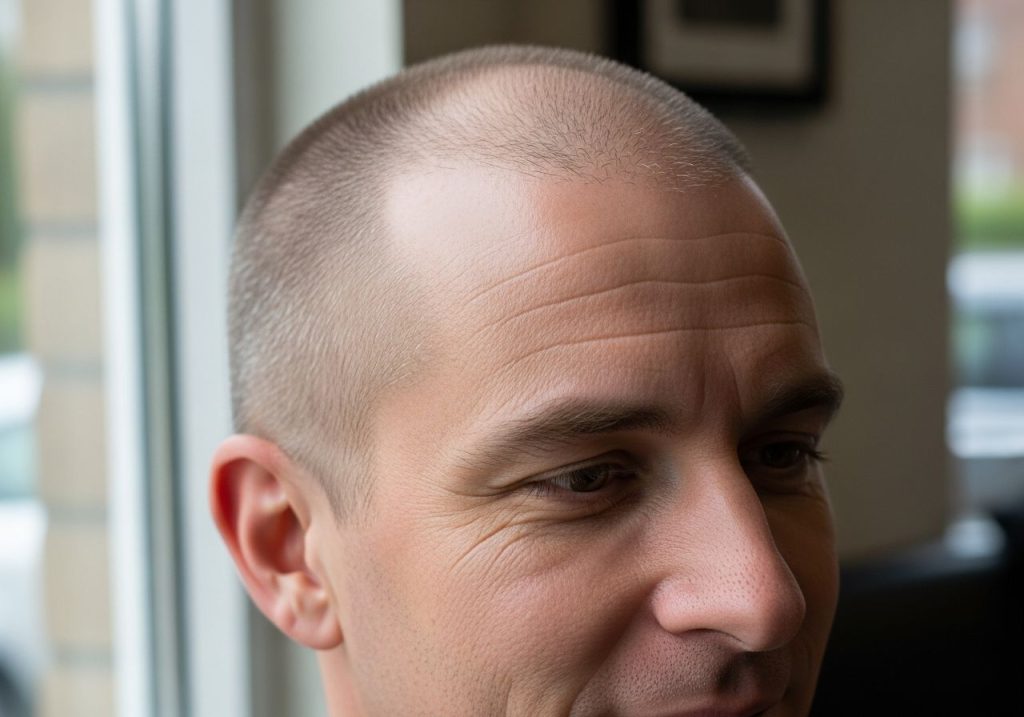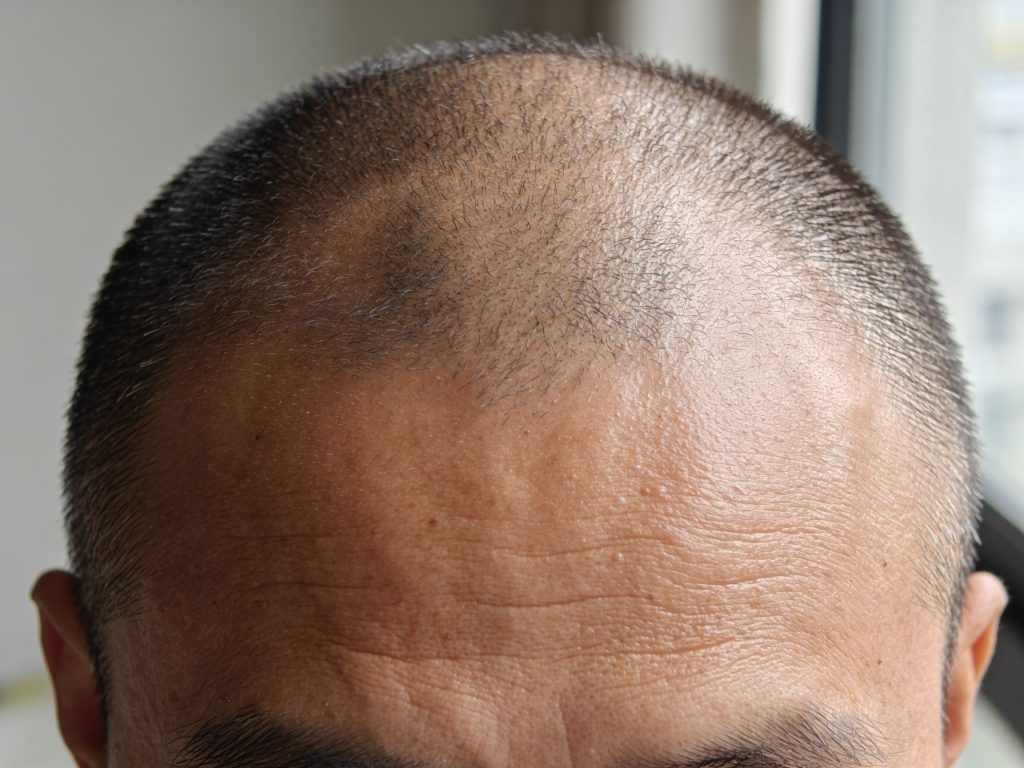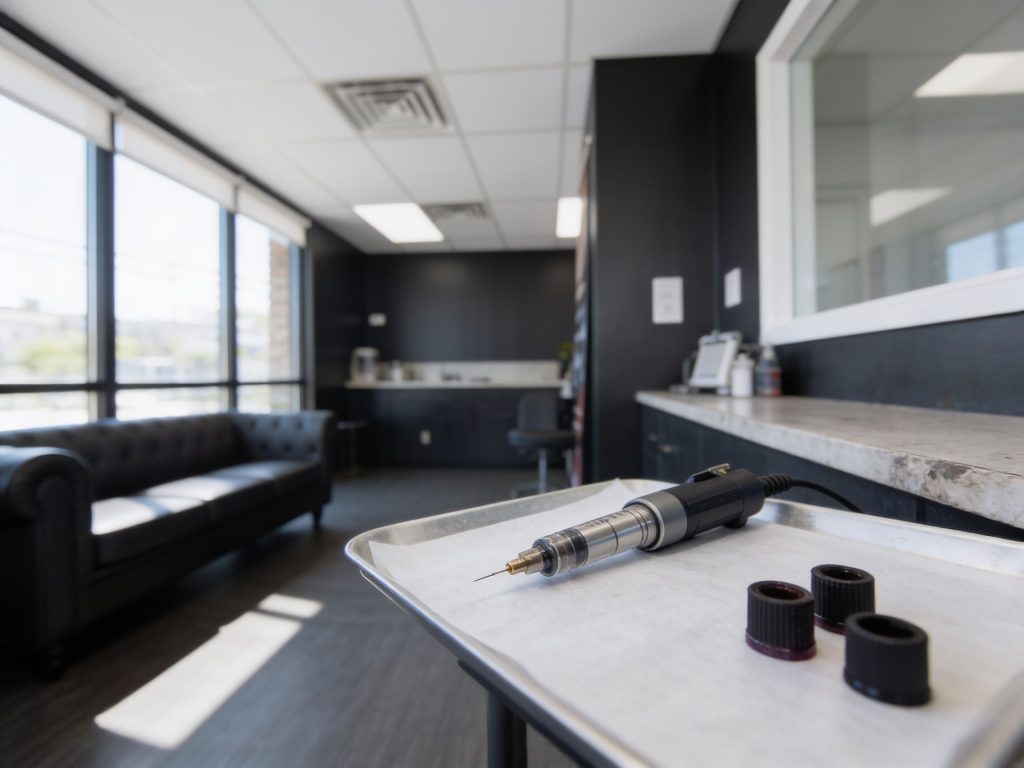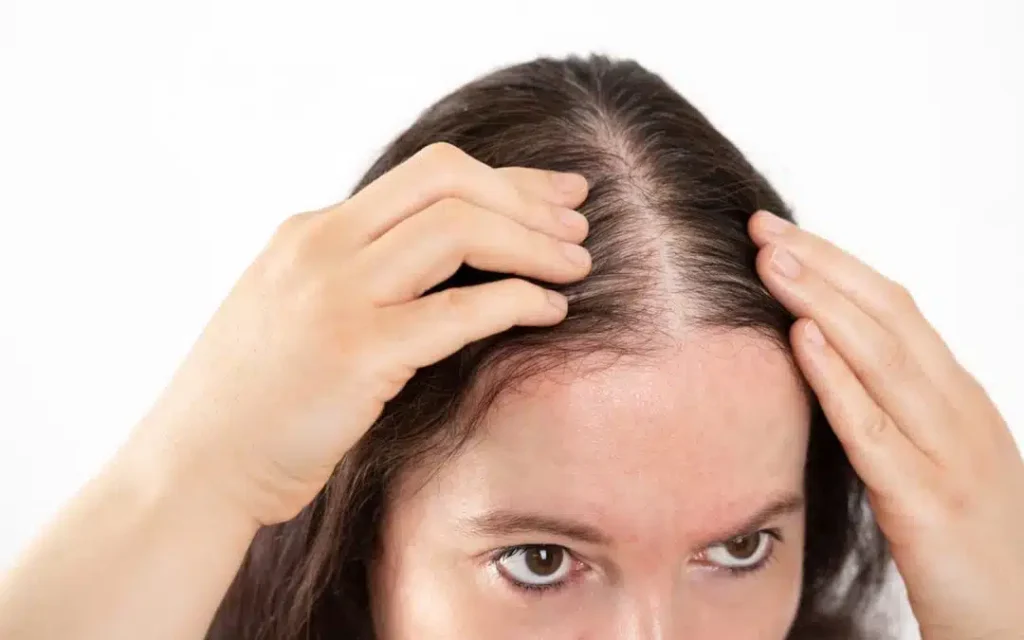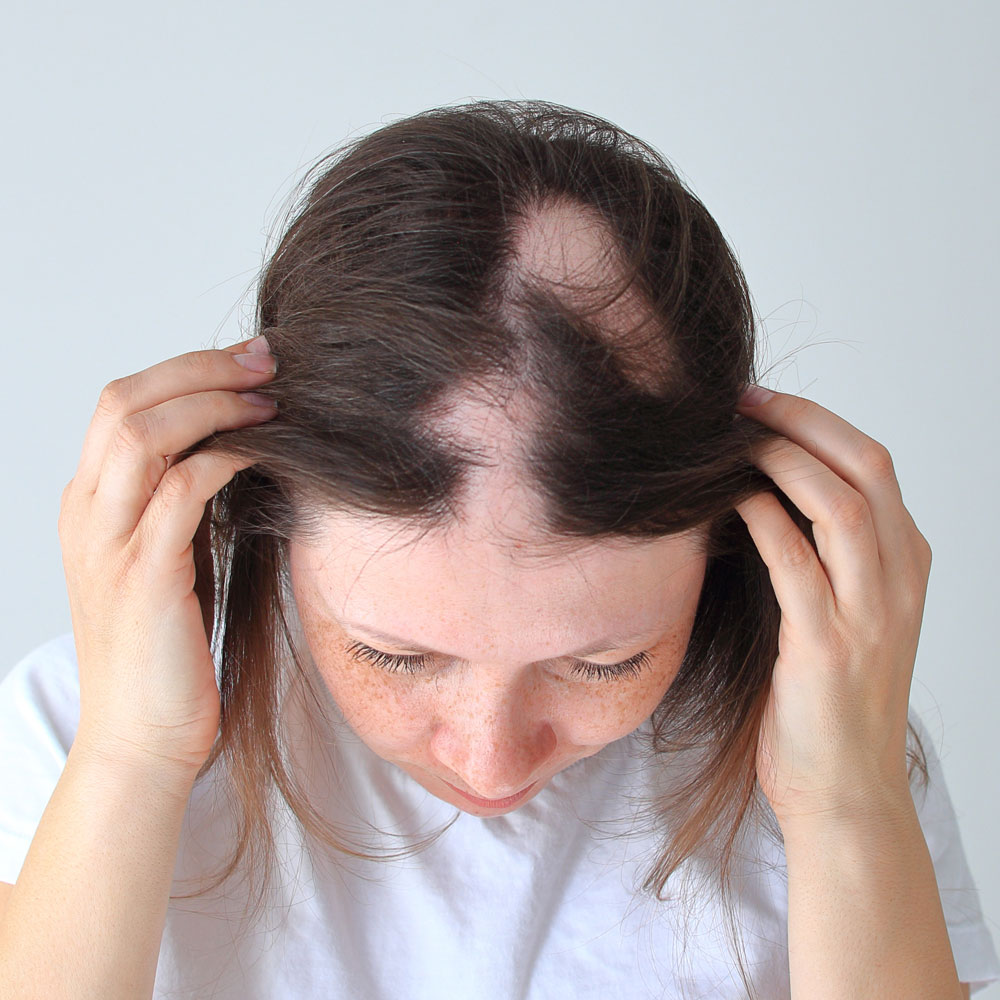

You may be noticing the thinning but feel unready to commit to anything permanent. That is a completely reasonable position to be in, and temporary SMP density exists precisely for that moment. This article covers what the treatment actually does, how long it lasts, and what the path forward looks like if you decide to make it lasting.
1. Temporary SMP density is not a watered-down version of the real thing
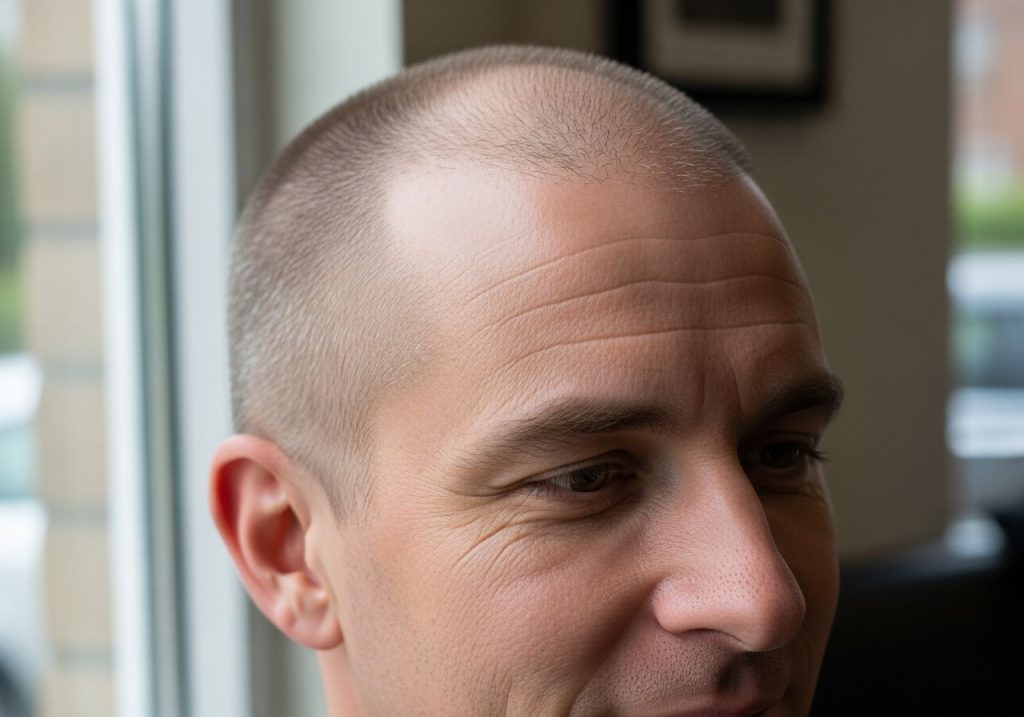
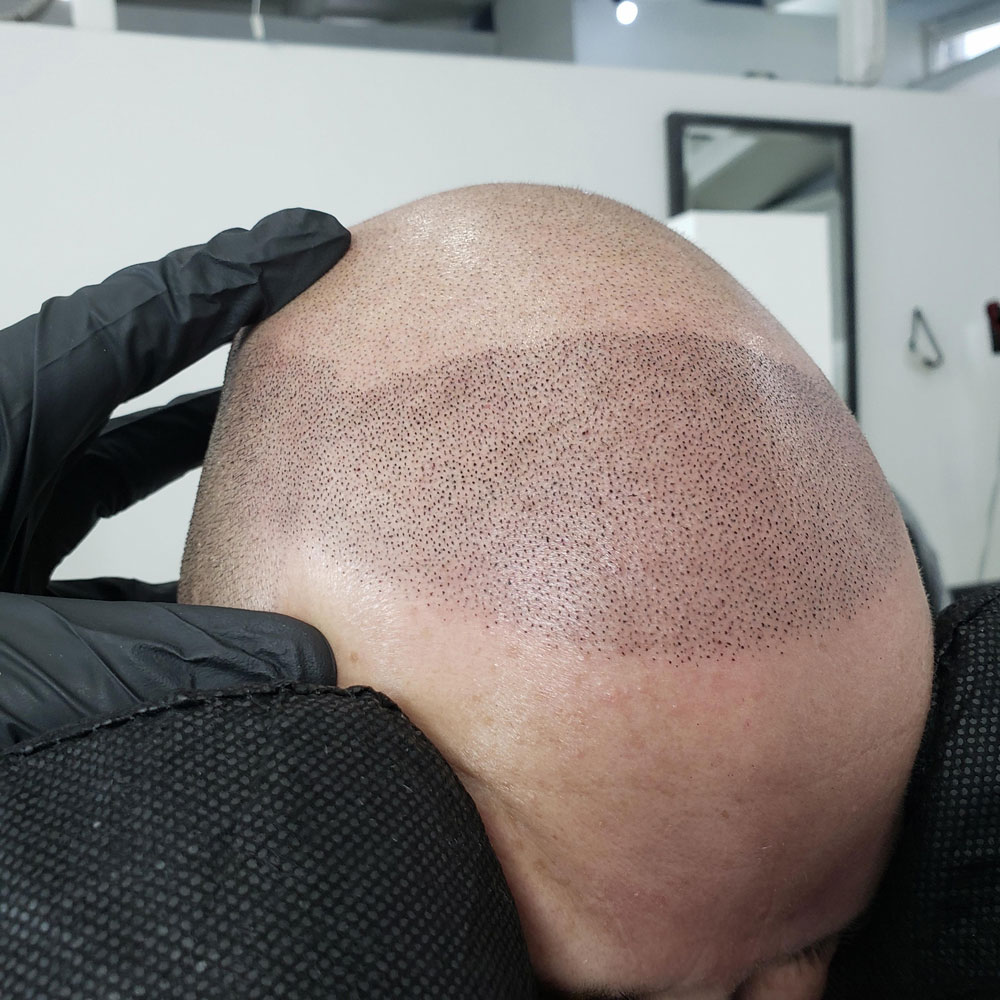
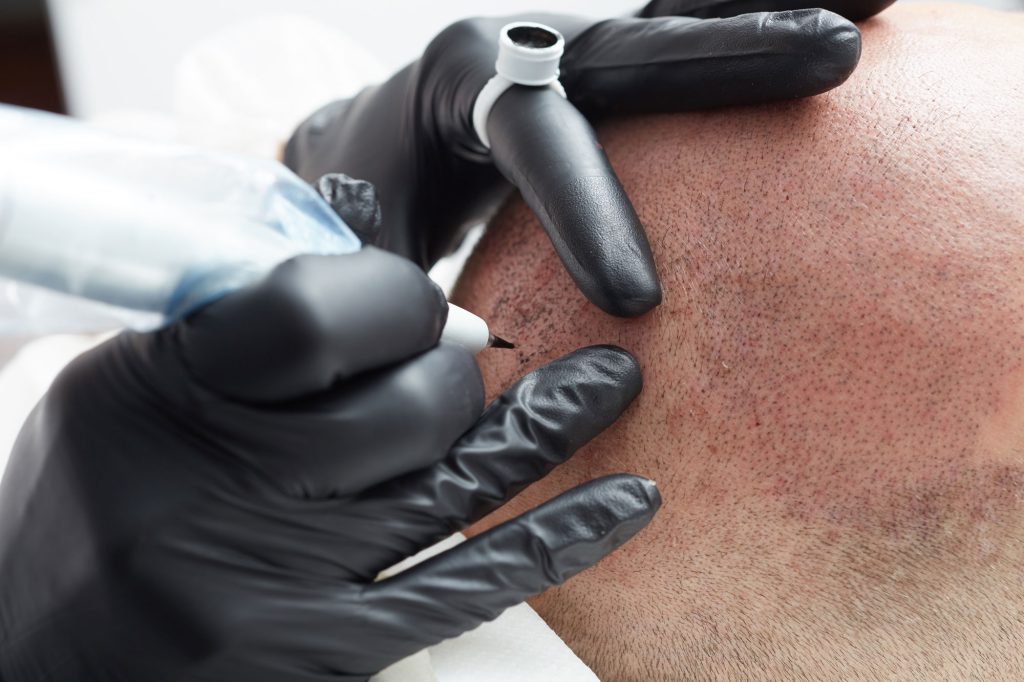
Temporary scalp micropigmentation for density uses a lighter, dissolvable pigment formula applied at a shallower depth than its permanent counterpart. The technique is identical: individual impressions are placed to replicate the look of hair follicles, adding visual density to thinning areas across the crown, temples, or hairline.
What changes is the longevity, not the skill required. The result looks just as natural immediately after the procedure. For men testing the aesthetic before committing, this is precisely the point.
2. You can expect the result to last four to eight weeks
Most temporary SMP density treatments remain visible for four to eight weeks, depending on your skin type, how oily your scalp is, and how much sun exposure you receive. Oilier skin tends to push pigment out faster. UV exposure accelerates fading significantly, so wearing a hat outdoors during those first weeks makes a real difference.
Unlike a semi-permanent scalp micropigmentation treatment designed to last years, this version is intended to fade cleanly. No patchwork is left behind, only a gradual, even lightening that returns you to your baseline.
3. The fade pattern tells you something useful
Pay attention to how your temporary result fades. If density disappears evenly and you find yourself wanting it back, that is a strong signal you are ready to move to a permanent treatment. If certain areas faded faster than others, that also tells a practitioner where to focus pigment depth and saturation in a full session.
Think of the temporary phase as a live consultation. It answers questions that photographs or appointments alone cannot: how the tone sits against your natural hair colour, whether the hairline position feels right, and how you feel waking up with it every morning.
4. Thinning hair density is a different discipline from shaved-head SMP
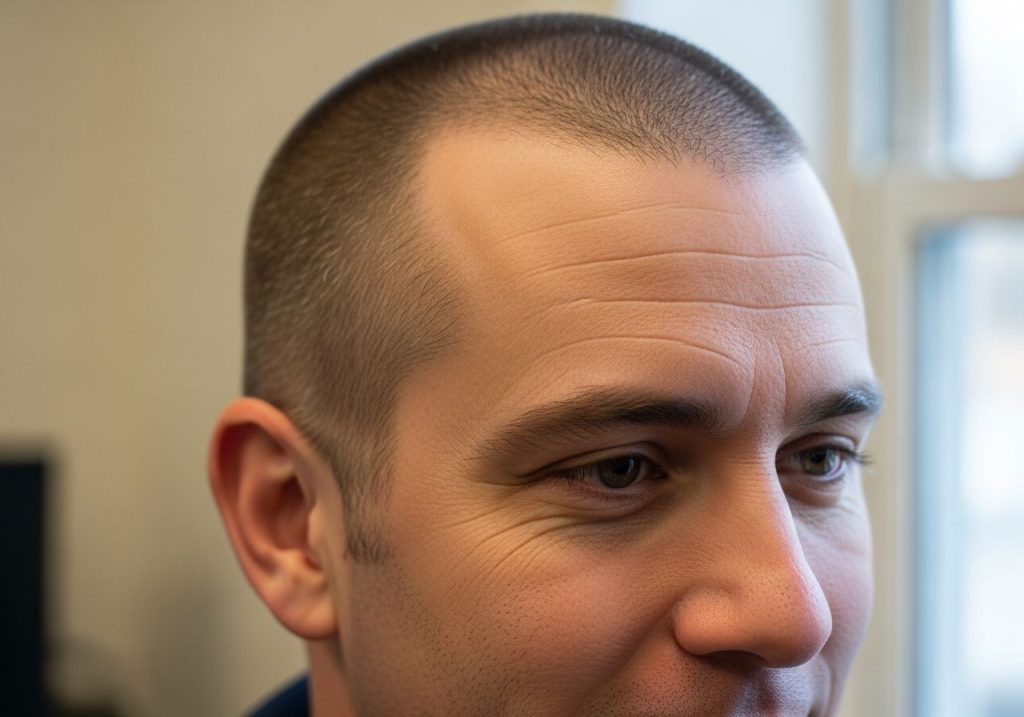
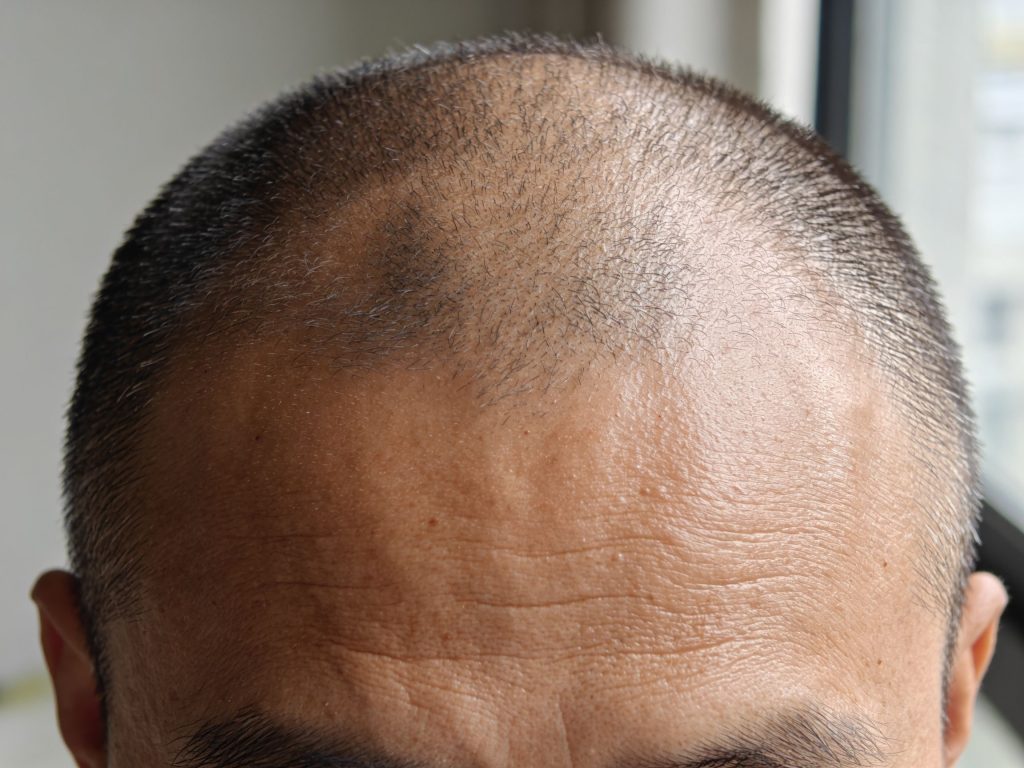
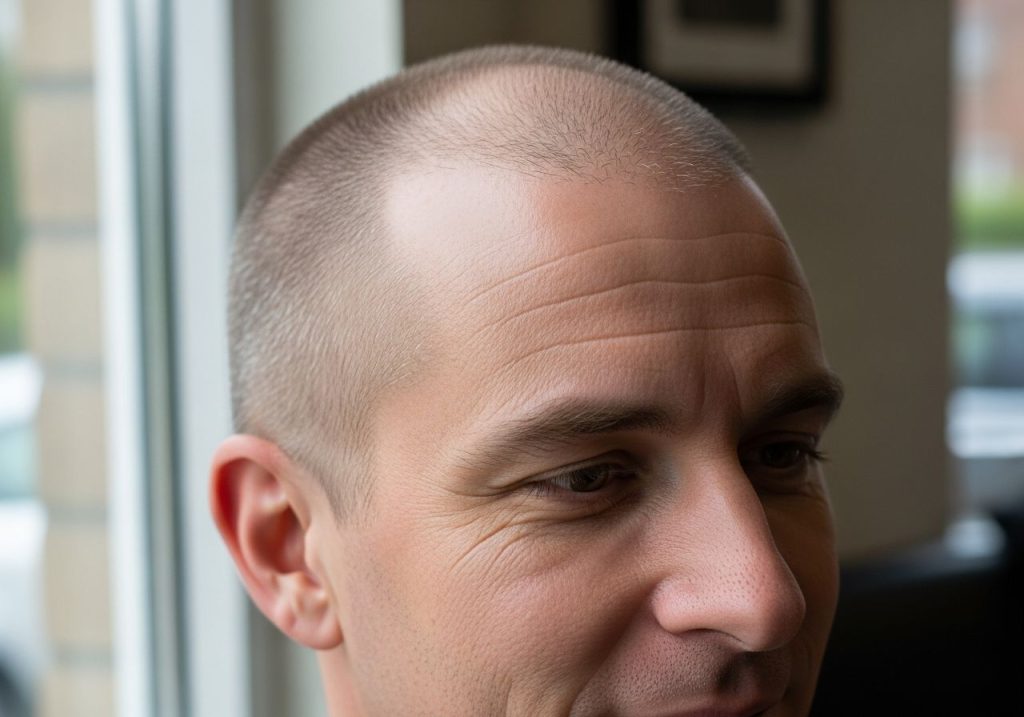
Men who want to keep their hair at a longer length need SMP applied specifically to blend with existing follicles, rather than to replicate a close-cropped look. This is called density work, and it requires placing pigment only in areas where natural hair has thinned, matching the colour and scale of your real hair follicles precisely.
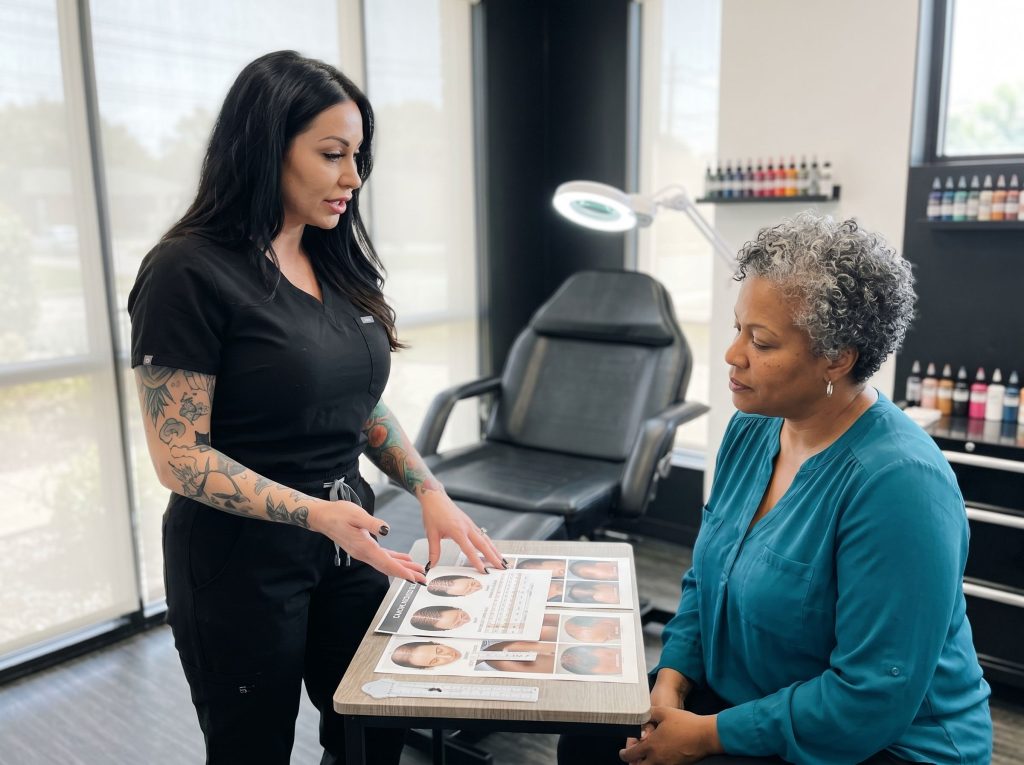
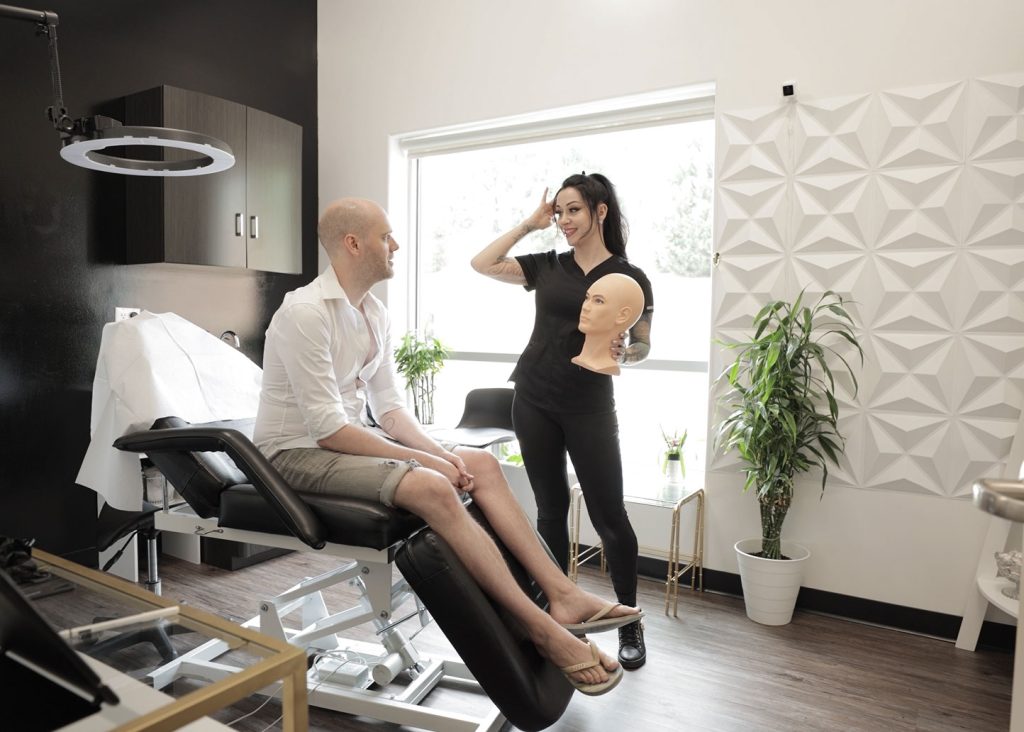
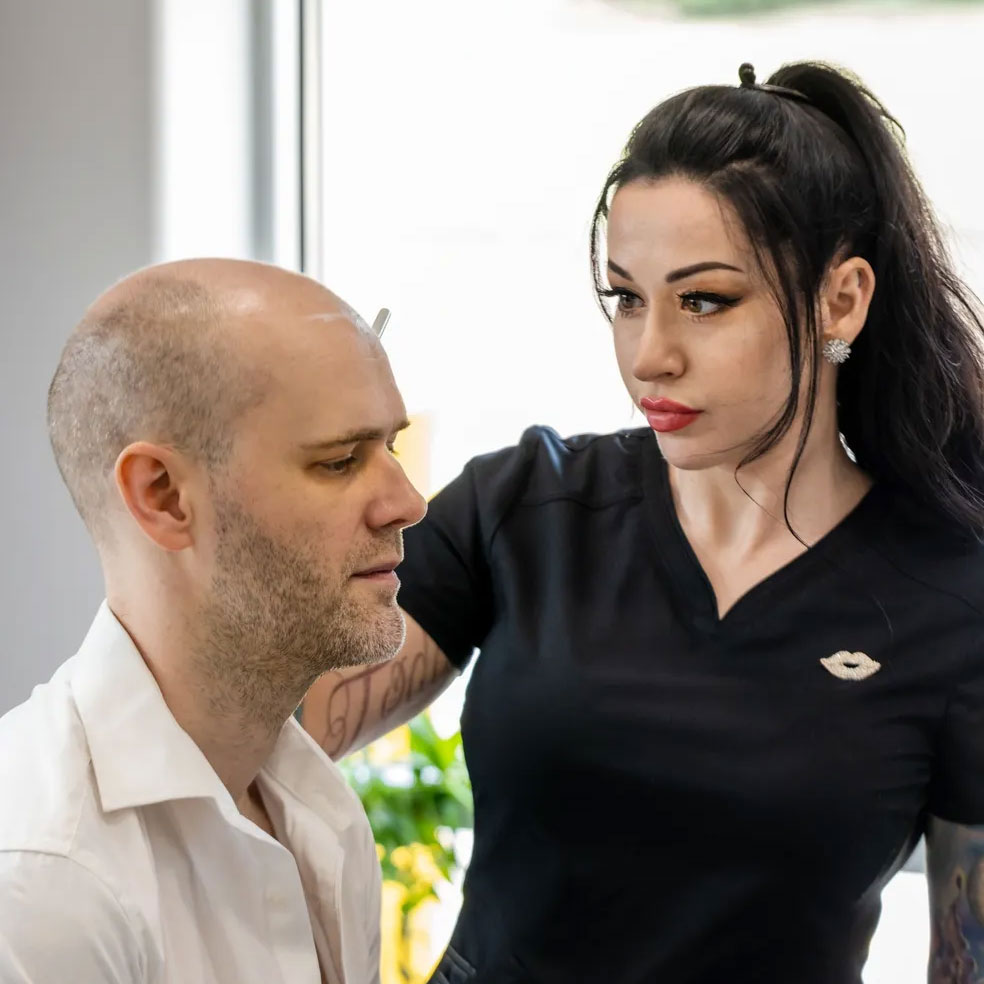
A practitioner experienced in male density work will assess your natural hair colour, grey distribution, and the shape of your thinning pattern before placing a single impression. The temporary version follows the same assessment process, which is another reason it functions as a genuine preview rather than merely a test patch.
5. Transitioning to permanent treatment is straightforward
If the temporary result convinces you, moving to a permanent scalp micropigmentation treatment is a natural next step. The groundwork has already been done: your practitioner knows how your skin holds pigment, which areas need the most attention, and which tone suits your colouring.
Permanent SMP density for thinning hair typically requires two to three sessions spaced seven to fourteen days apart, with a touch-up around six to eight weeks after the final session. The temporary phase does not replace this process, but it removes most of the uncertainty from it. You are not walking into a permanent decision without preparation.
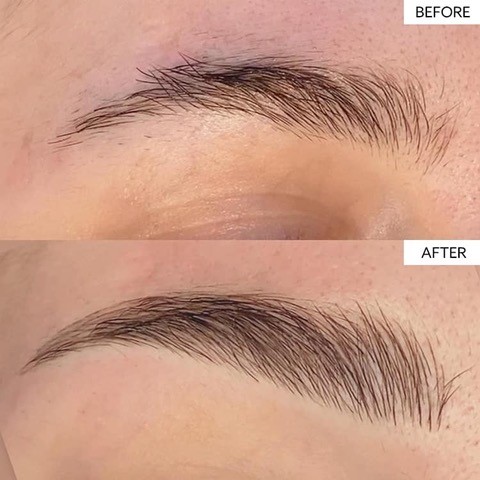
Temporary density SMP is one of the more honest options available for men sitting on the fence. It lets the result do the convincing rather than relying on before-and-after photographs of someone else’s scalp. Whether you move forward with permanent treatment or simply enjoy the confidence boost for a couple of months, the information you gain is genuinely worth having.
Frequently Asked Questions
How is temporary SMP density different from a permanent scalp tattoo?
Temporary SMP density uses a dissolvable pigment placed at a shallower level in the skin, so it fades naturally over four to eight weeks. A permanent scalp tattoo uses stable pigment deposited deeper, designed to last for years with only gradual, manageable colour shift over time.
Does temporary SMP density work for men who still have hair?
Yes. Density SMP is specifically designed for men who want to keep their hair at a longer length. Pigment impressions are placed between existing follicles to reduce the visible contrast between hair and scalp, creating the appearance of fuller, thicker coverage without requiring a shaved head.
Will the pigment look grey or unnatural as it fades?
A well-matched temporary SMP pigment fades evenly, becoming lighter rather than shifting to an unusual tone. Colour matching at the consultation stage is essential. If the starting tone is accurate, the fade simply resembles natural thinning returning, with no patchy or discoloured residue left behind.
How soon after a temporary session can I move to permanent treatment?
Most practitioners recommend waiting until the temporary pigment has fully faded before beginning permanent scalp micropigmentation, usually around eight to ten weeks. This ensures a clean canvas and allows accurate assessment of how your skin held the initial pigment, informing pigment depth and saturation for permanent sessions.
Is the temporary SMP density procedure painful?
Most men describe the sensation as mild scratching or light pressure. The scalp varies in sensitivity across different zones, with the crown generally more comfortable than the temples. A topical numbing cream is applied beforehand to minimise discomfort, and most clients find the process entirely manageable across a typical one to two hour session.