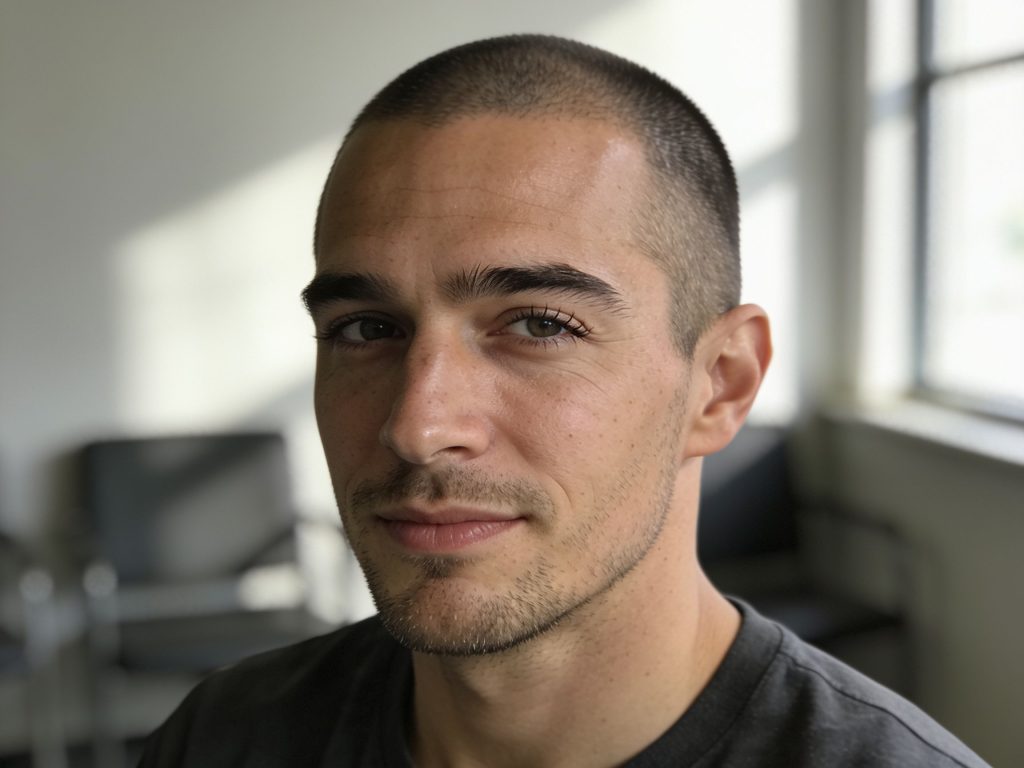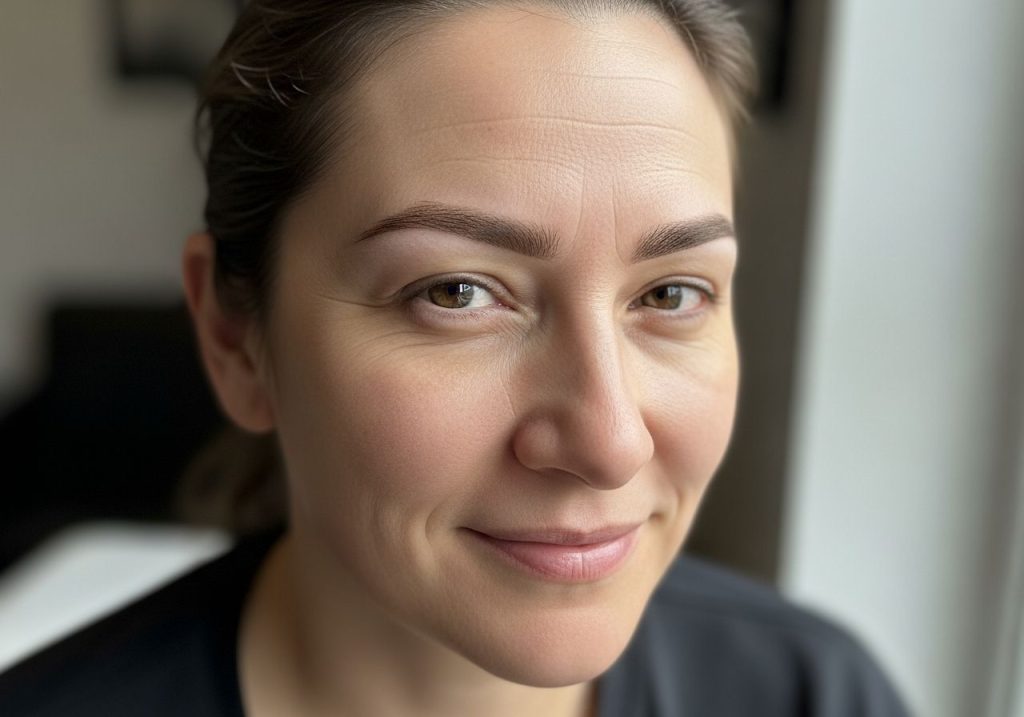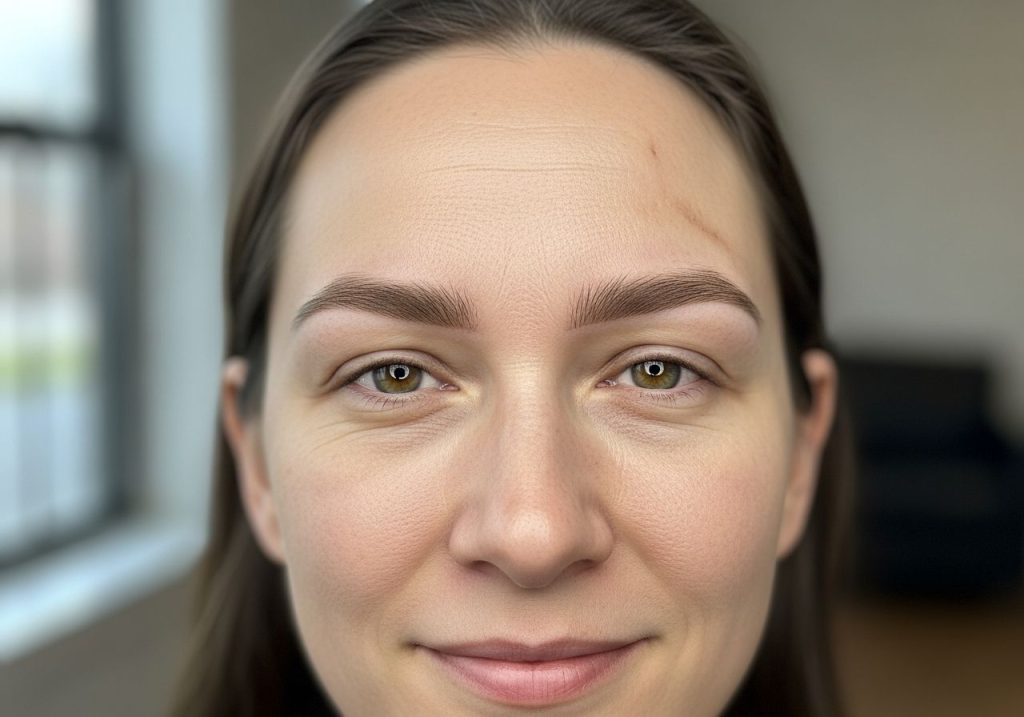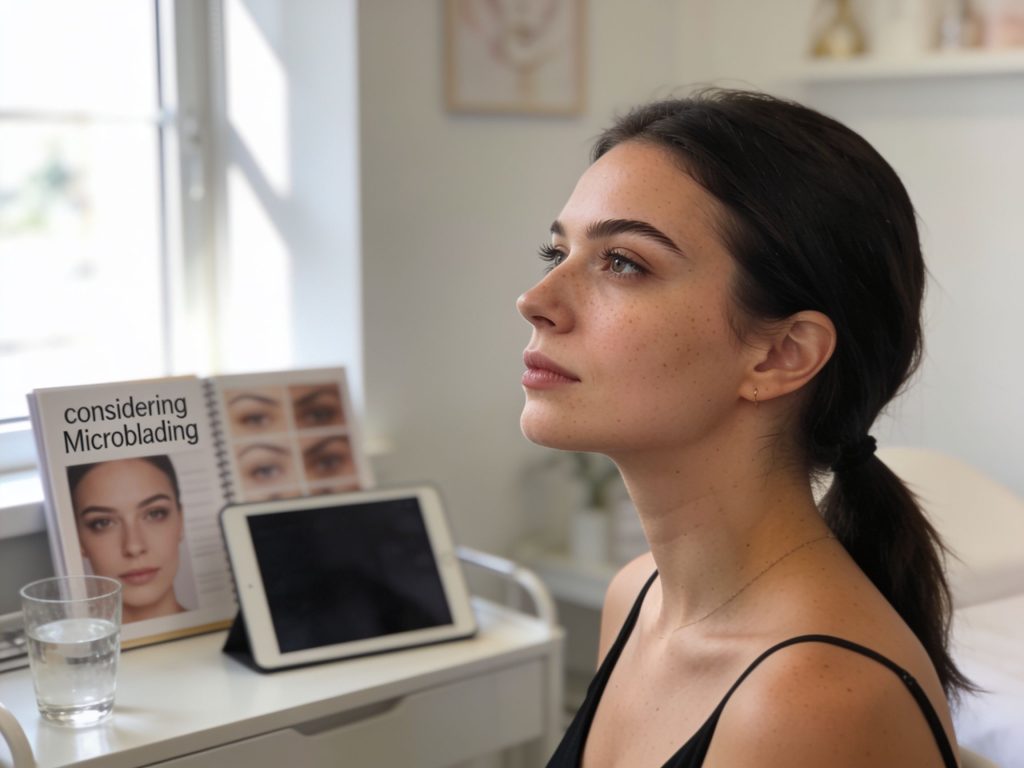
You have seen the polished photos online, but you are not sure what to trust. You want to know what nano brows actually look like on real people, across different skin types and starting points, not just the best-case scenario. This breakdown walks through what genuinely changes, why results vary, and what you can reasonably expect at every stage.
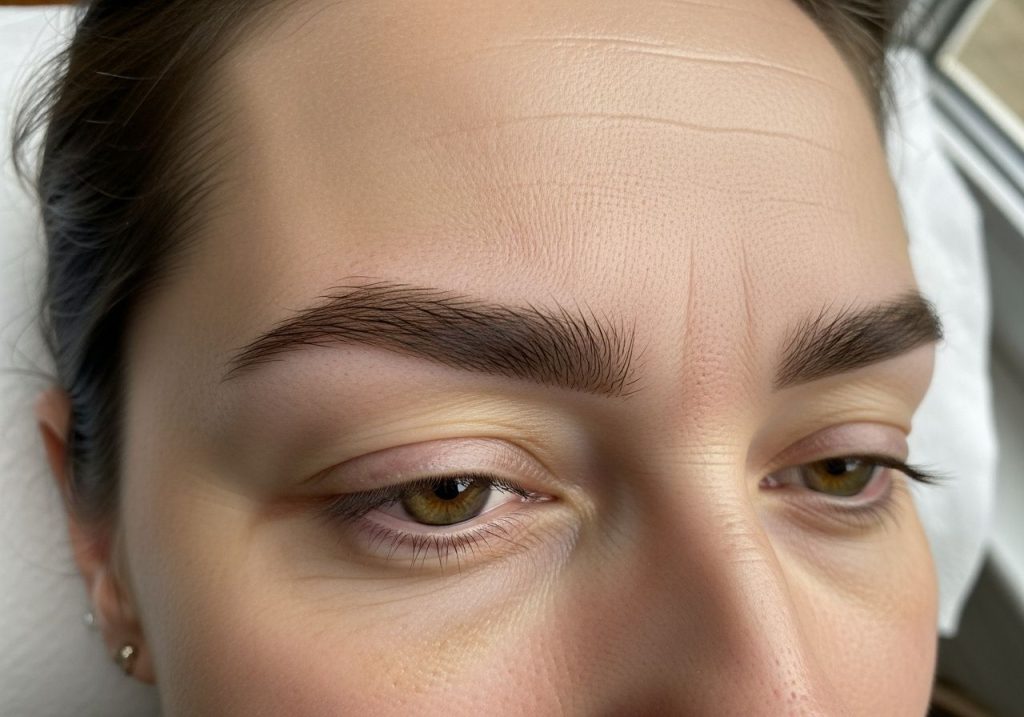
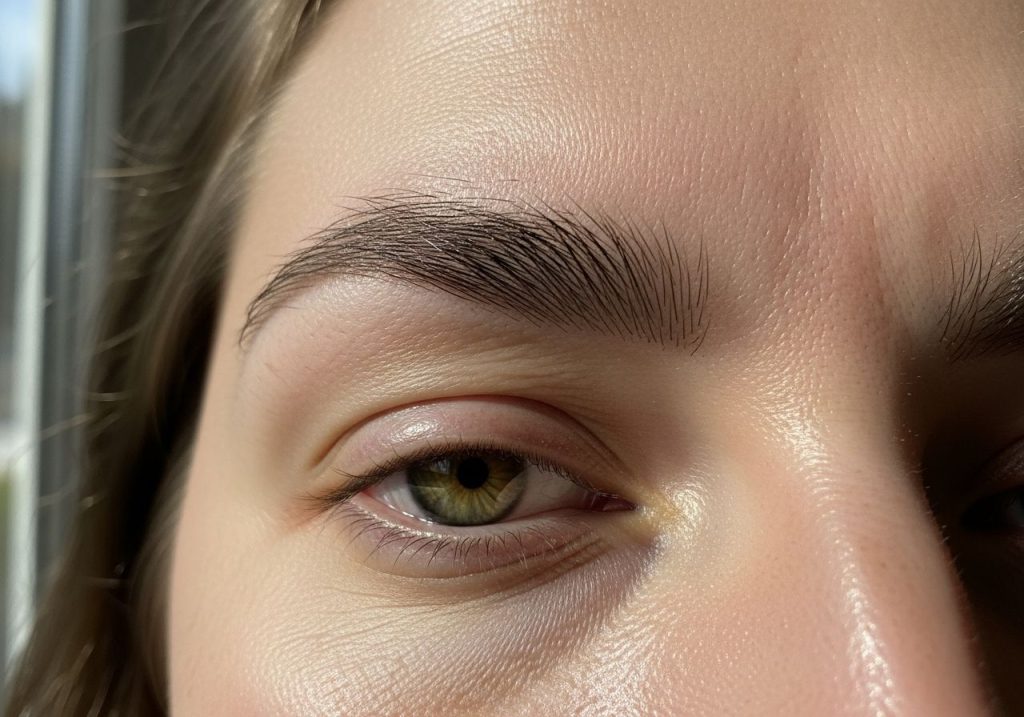
What you are actually looking at in a nano brows before and after
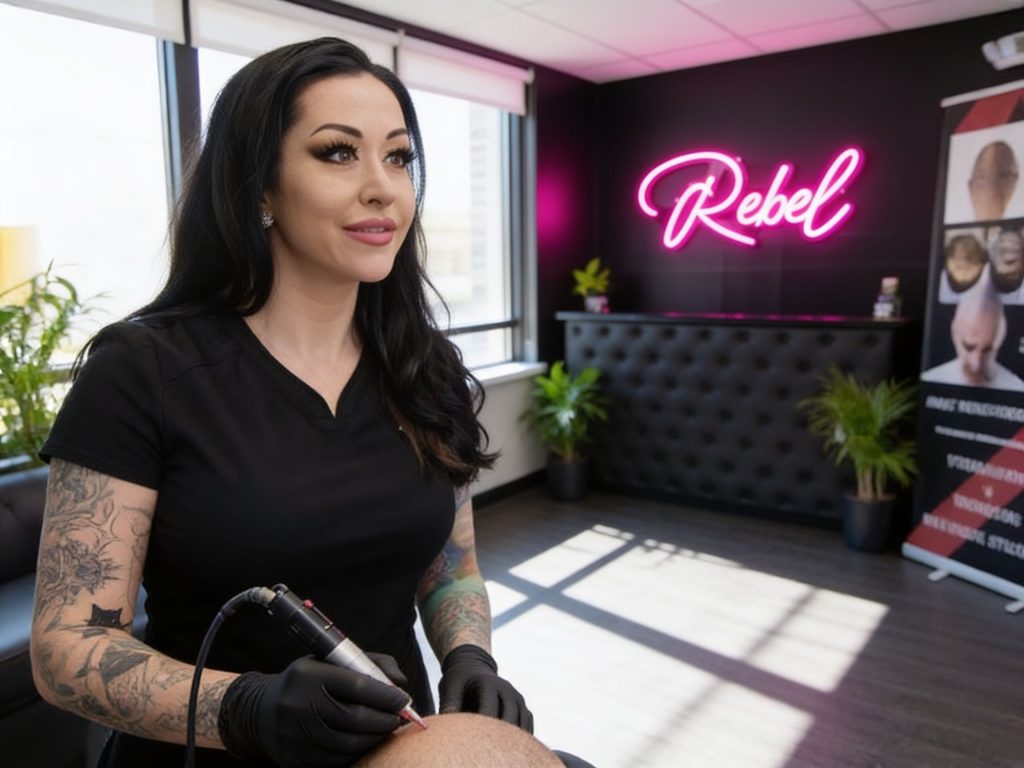
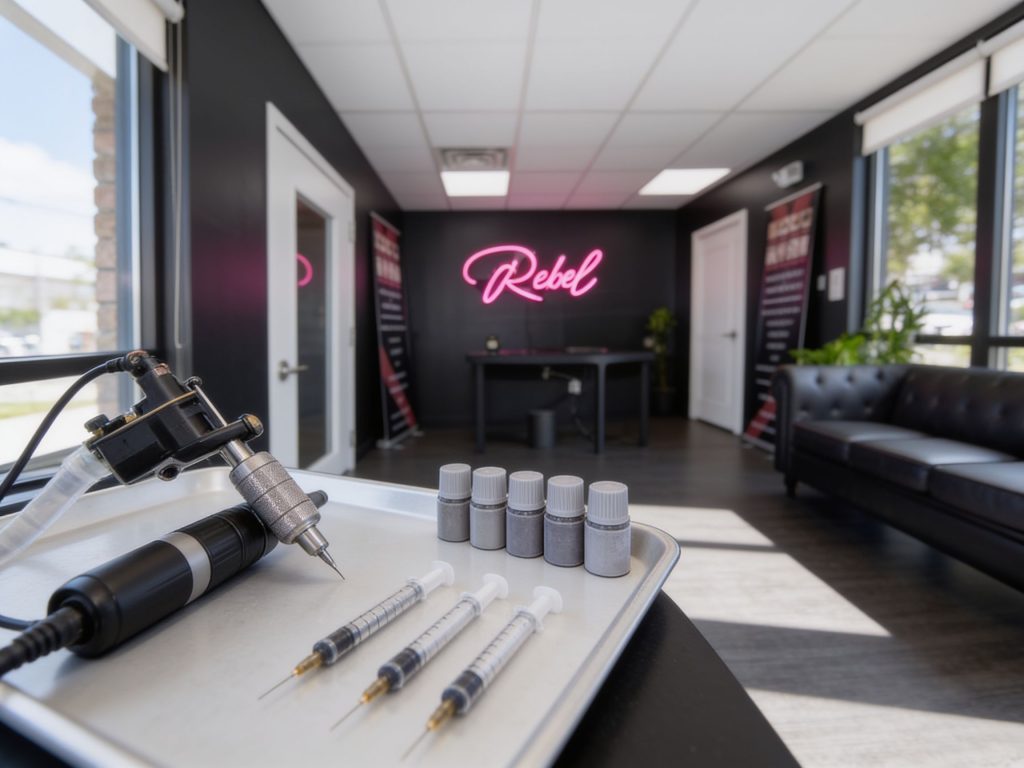
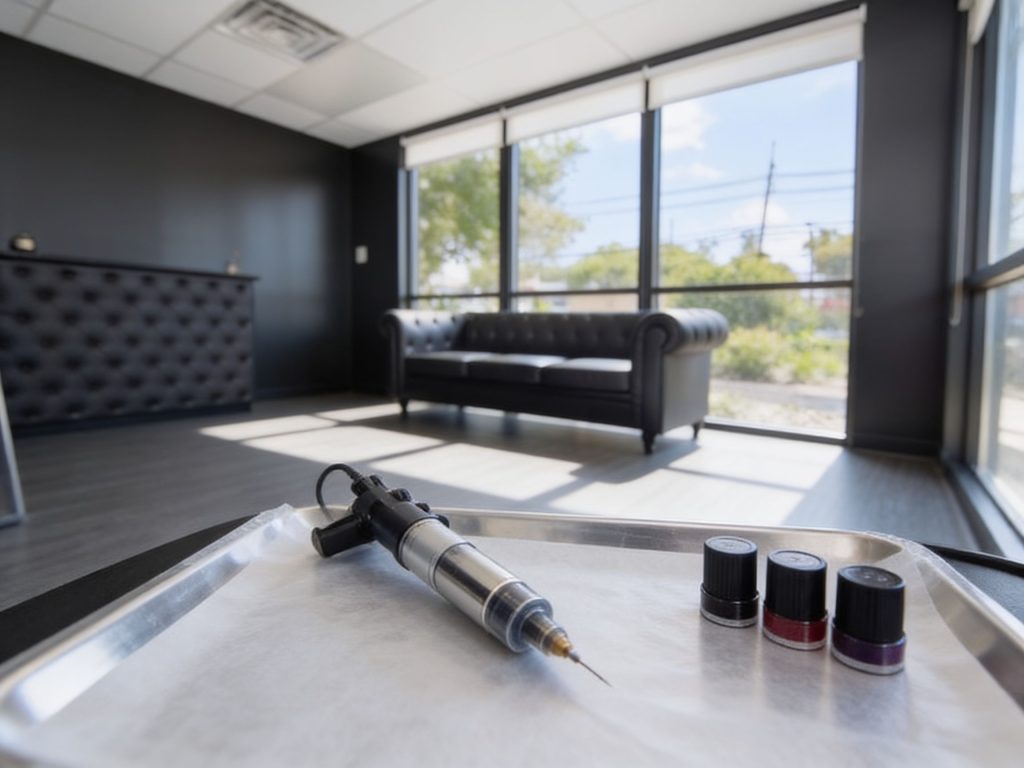
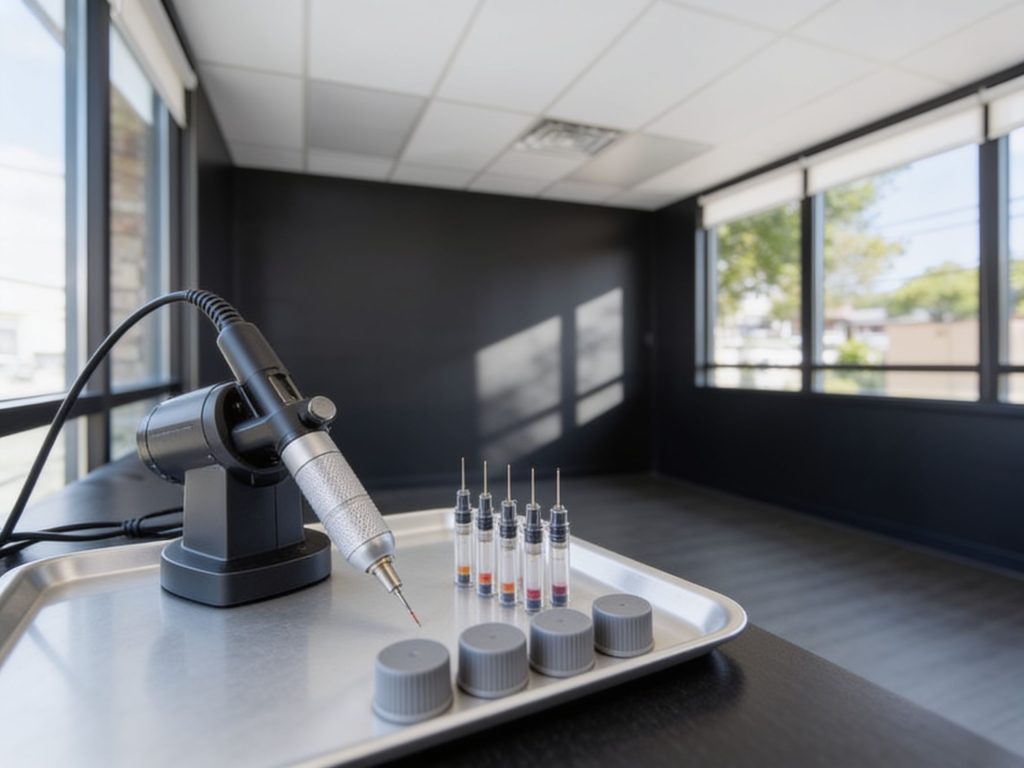
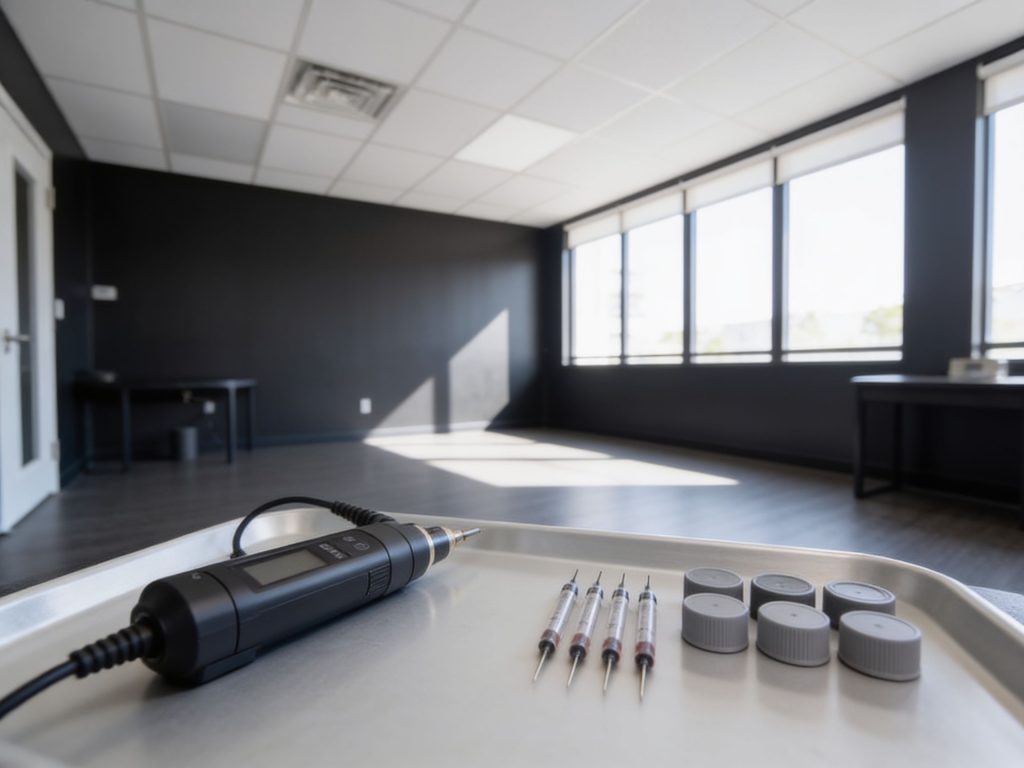
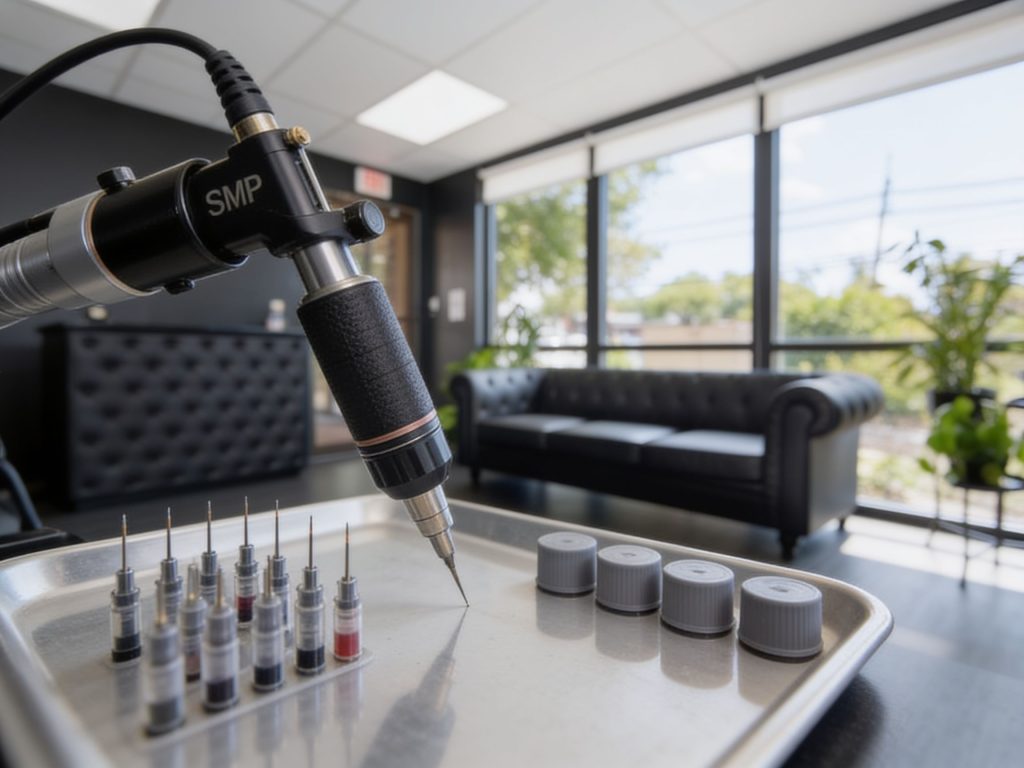
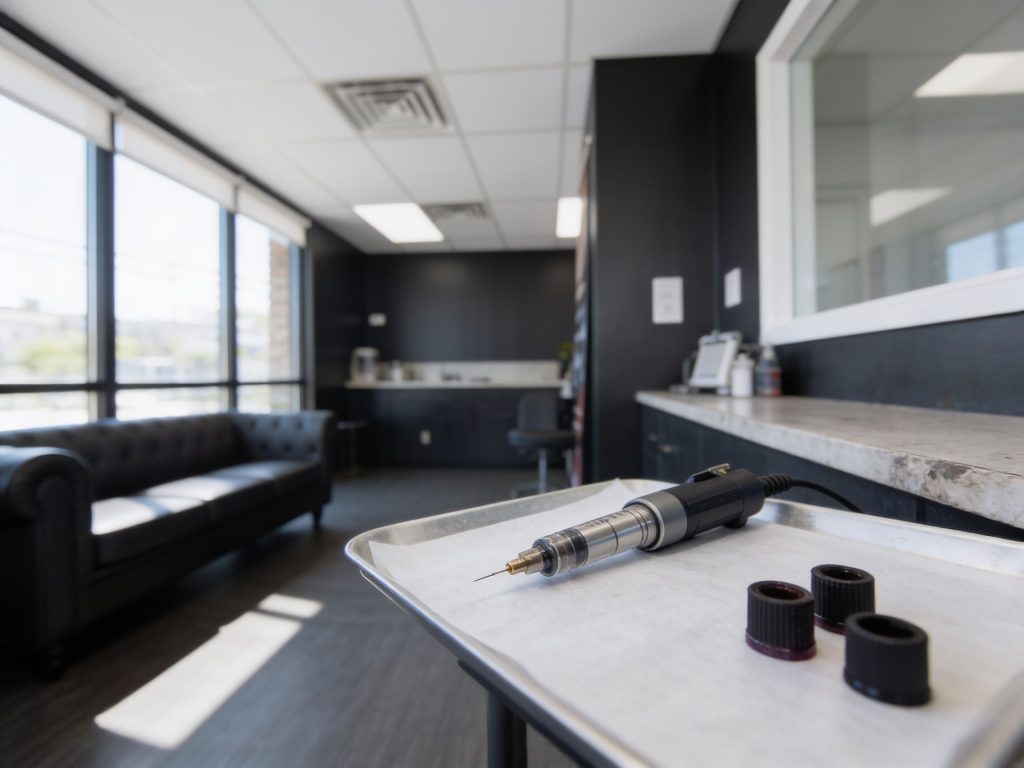
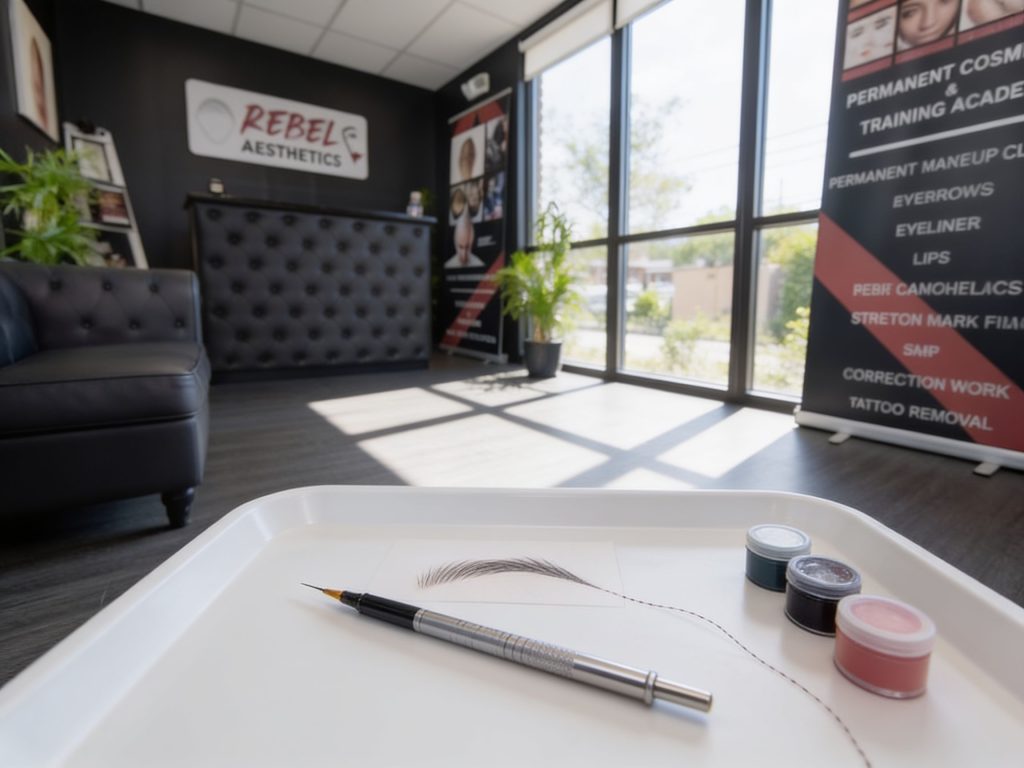
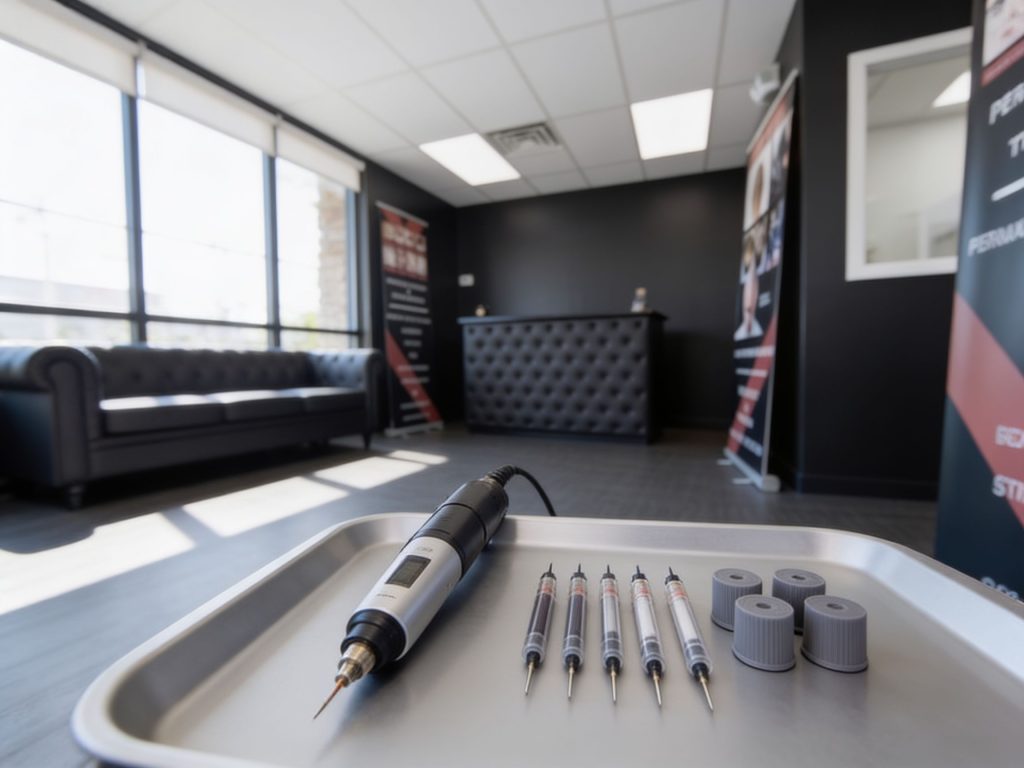
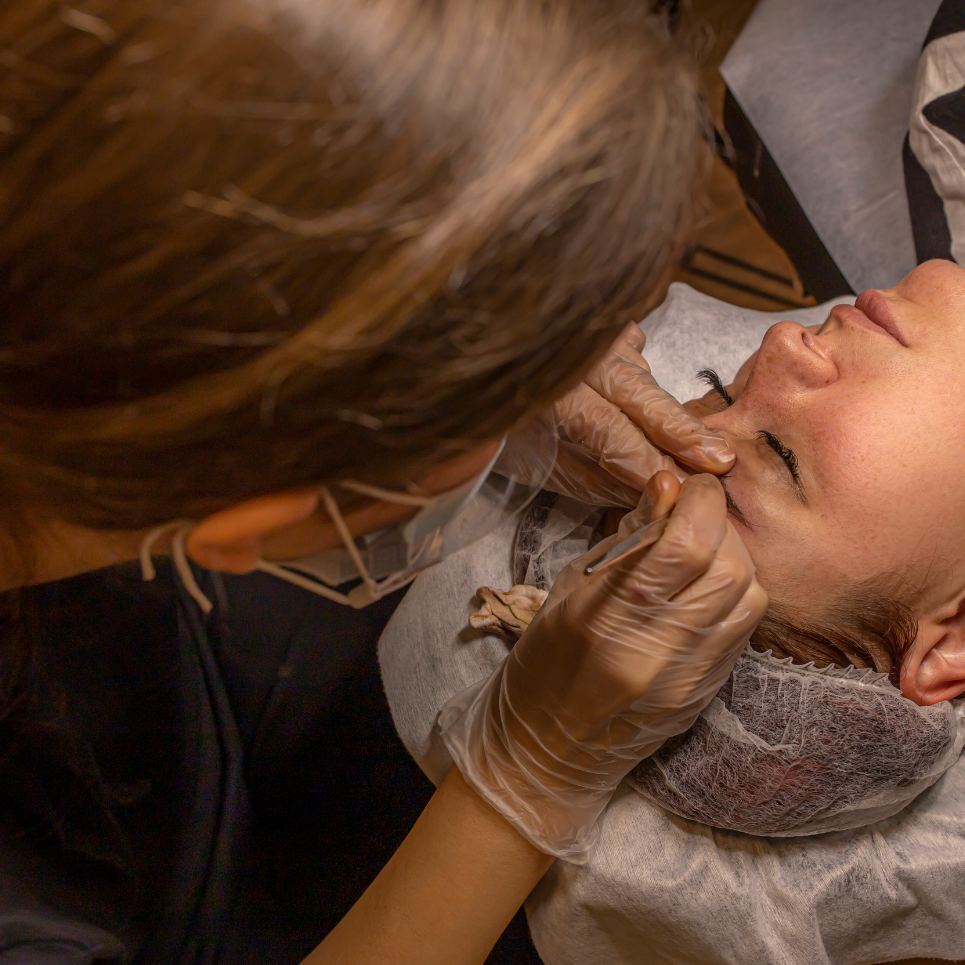
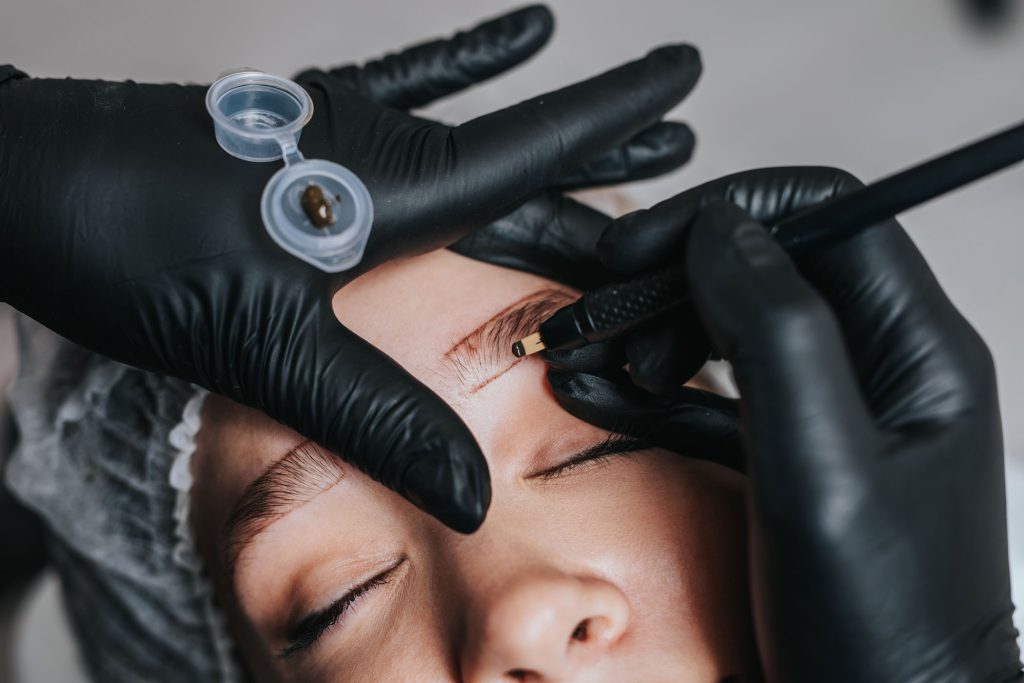
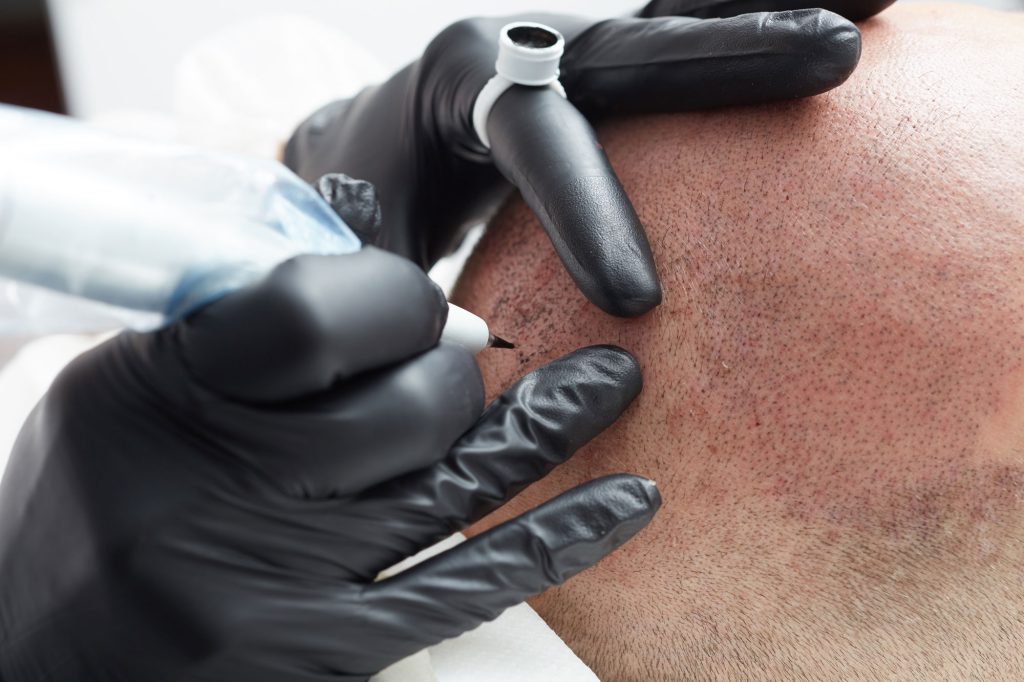
The technique uses a digital PMU machine with an ultra-fine single needle to implant pigment in shallow, precise hair-like strokes. Because the needle sits shallower than traditional tattooing and causes less trauma to the skin than microblading, the marks stay sharper and the colour holds more consistently over time.
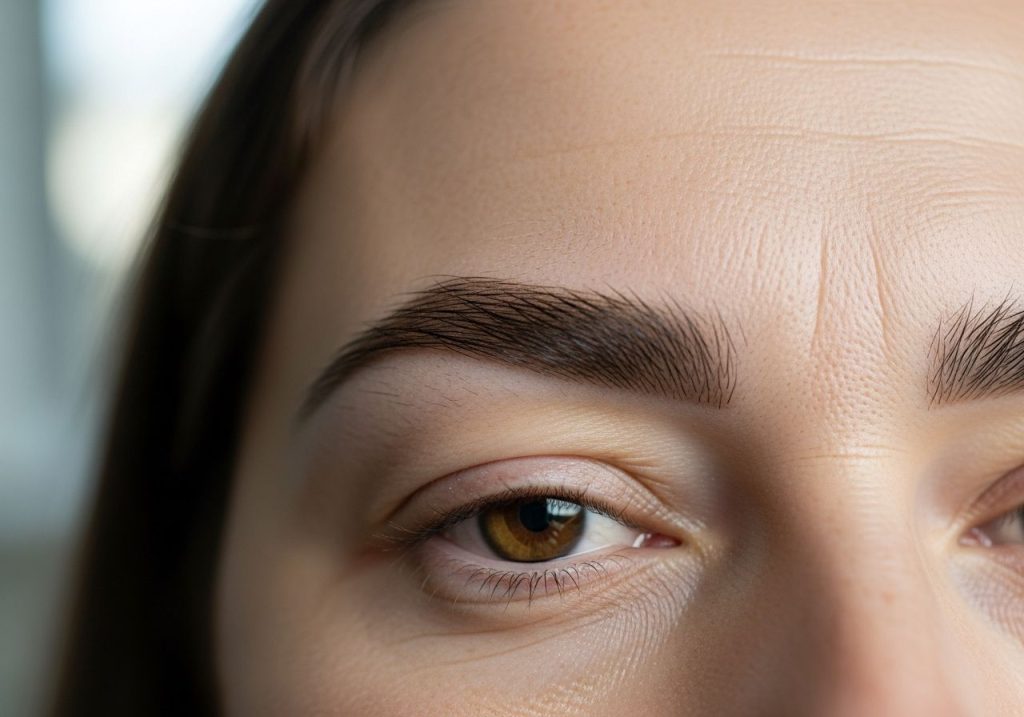
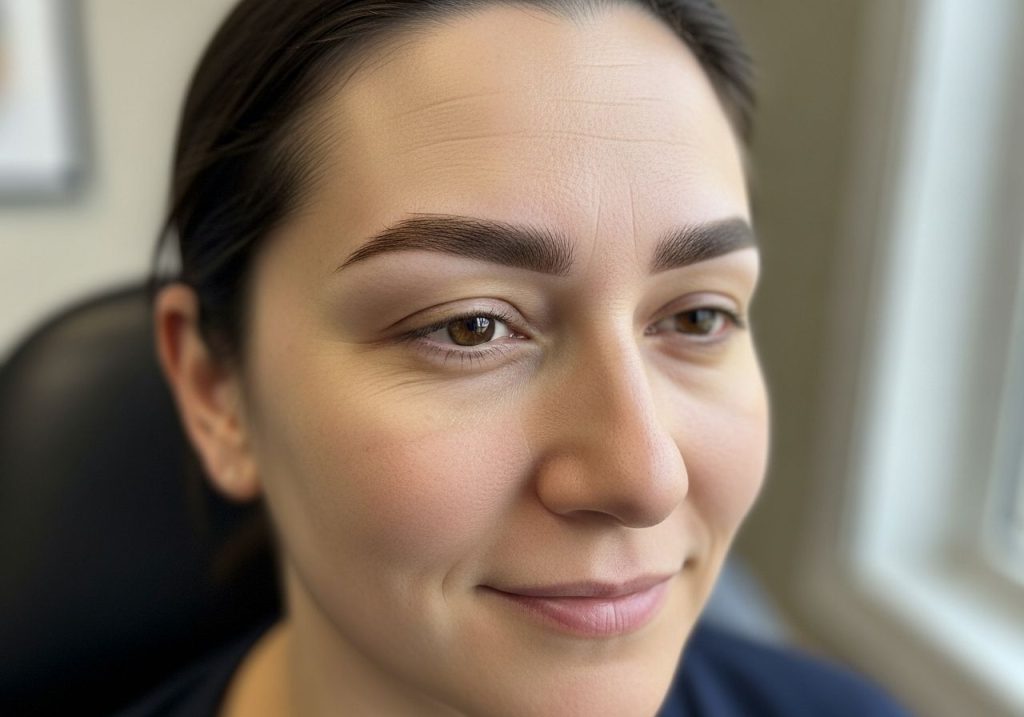
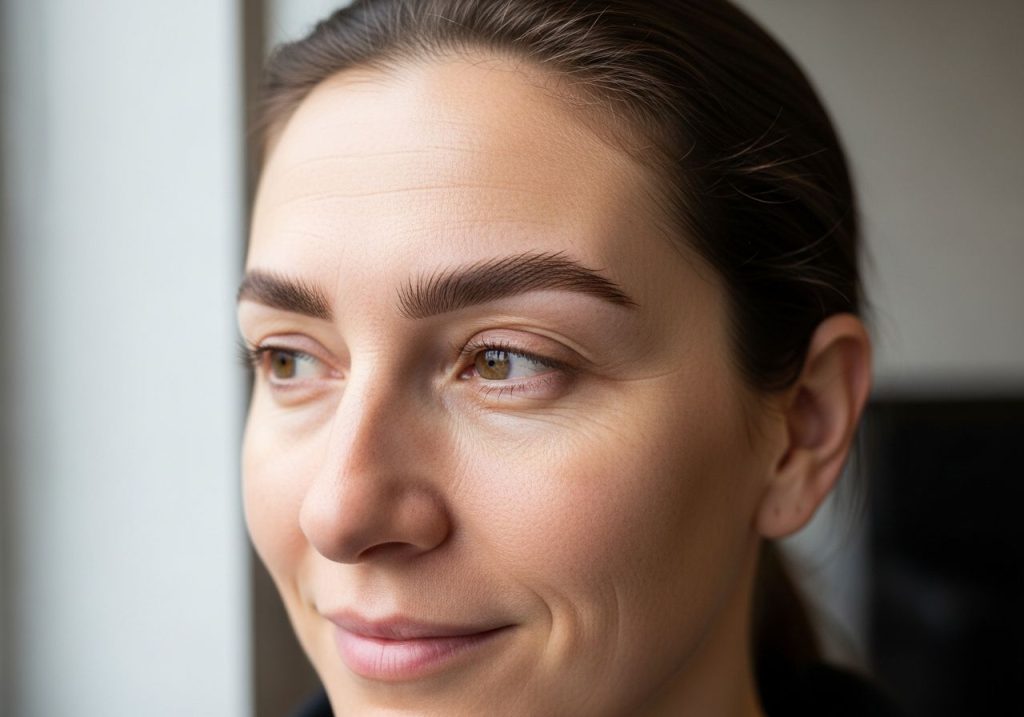
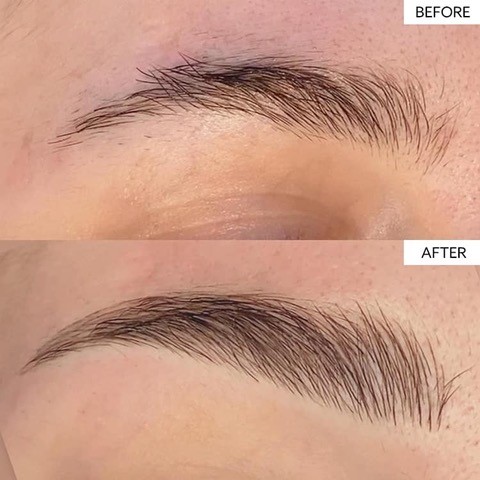
A strong nano brows transformation is not just about adding fullness. It is about correcting asymmetry, rebuilding a natural arch, and filling gaps in a way that looks as though the brow grew that way. Done well, it does not read as a tattoo at all.
Immediately after a session, expect the strokes to appear darker and bolder than the finished result. This is normal. Over the first ten to fourteen days, the top layer of skin heals and the colour softens by roughly thirty to forty per cent. What looks strong on day two often settles into something genuinely subtle by week three.
How skin type changes the nano brows results you will see
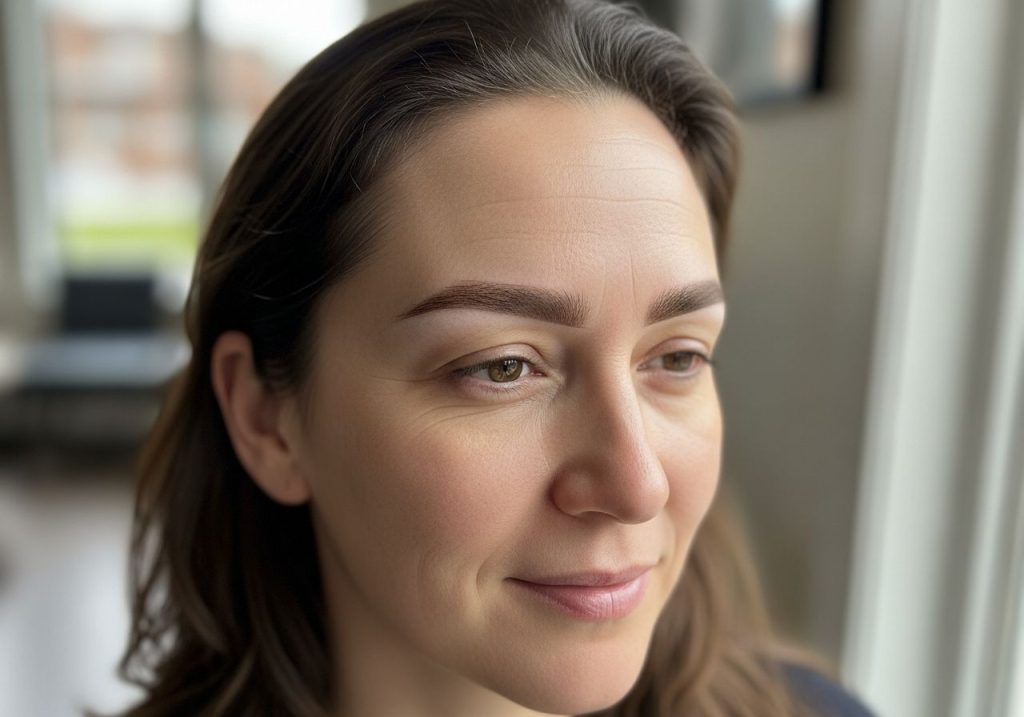
Skin type is the single biggest variable in how nano brows results turn out. On drier or more mature skin, strokes tend to retain their fine definition throughout the healing process, and the before-and-after contrast is often the most striking.
On oily skin, the picture is more nuanced. Microblading notoriously blurs on oily skin because the pigment migrates through sebum-rich tissue. Nano brows perform significantly better here because the digital machine implants more precisely and at a consistent depth. That said, fine strokes can still soften slightly, and some clients with very oily skin suit a combination approach where a soft powdered effect supports the hair strokes for longer-lasting definition.
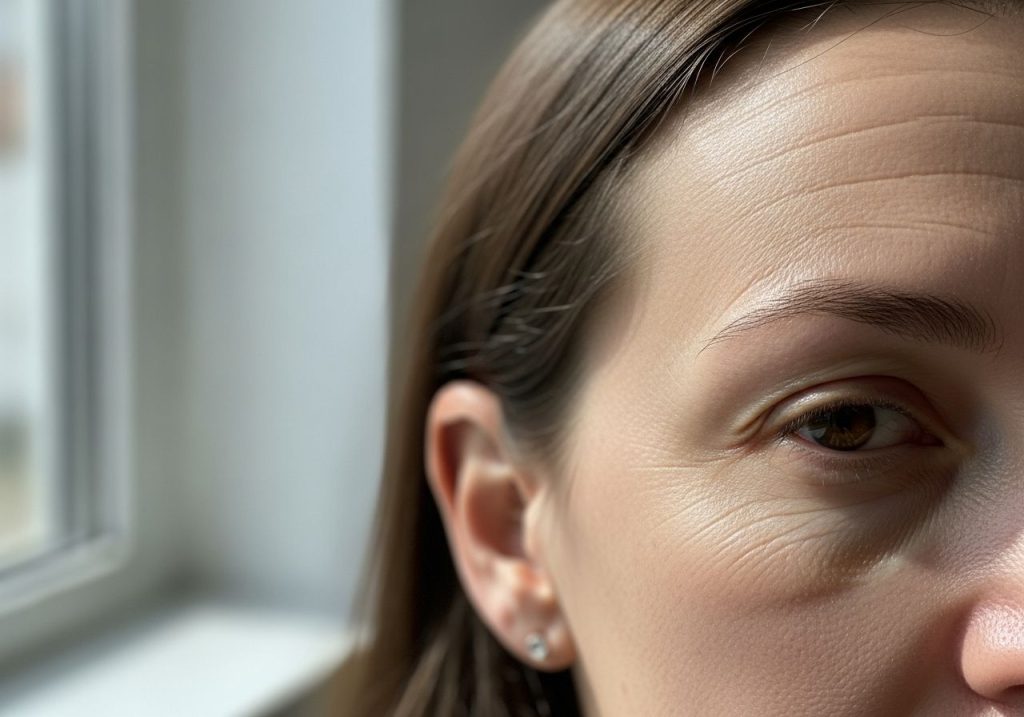
Mature skin with some laxity requires a slightly different stroke pattern. Placement is mapped carefully to account for how the skin moves, so the brows look balanced whether the face is at rest or animated. The transformation on a client in their fifties or sixties can be especially significant: sparse, flat brows regain shape and lift the whole eye area without looking drawn on.
The concerns that respond best to this treatment
Sparse brows from over-plucking or natural thinning show the clearest nano brows transformation. Where there is little or no existing hair, individual strokes are mapped to follow the natural growth direction, building density that moves convincingly with the face.
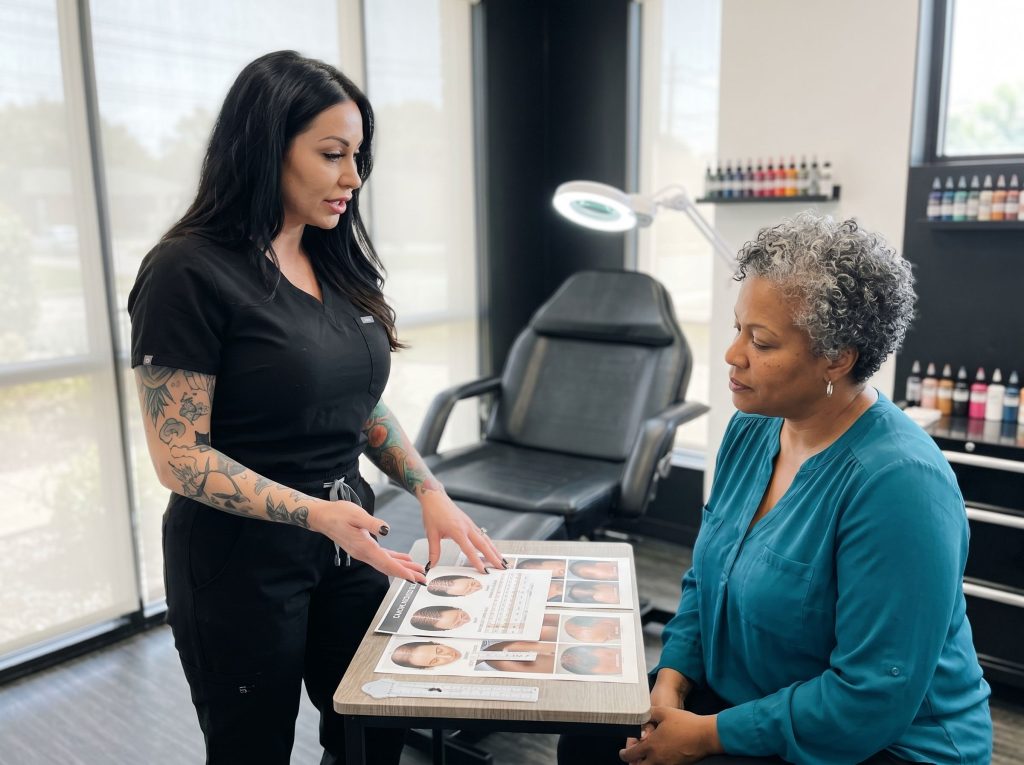
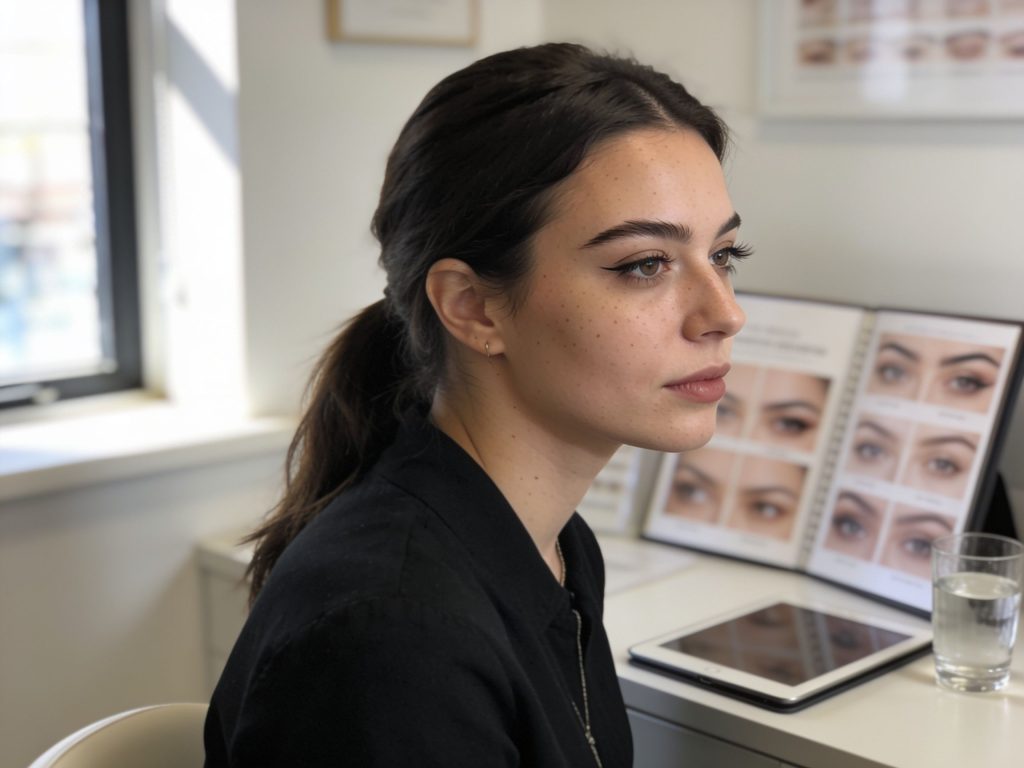
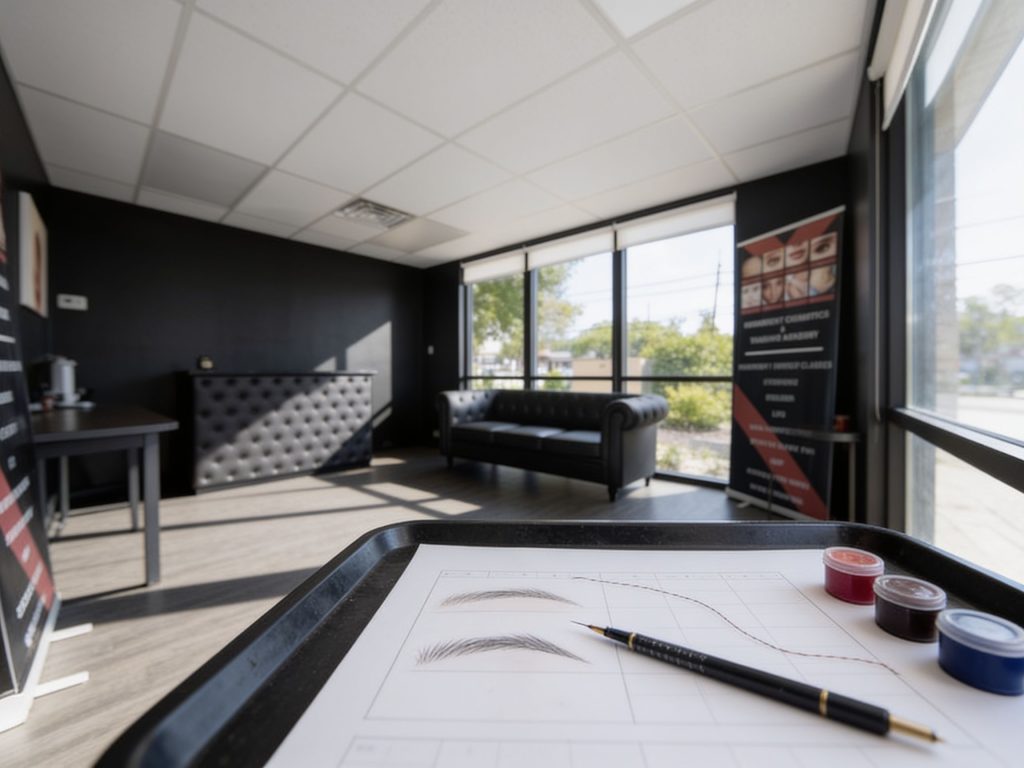
Uneven brows, where one sits higher, one is fuller, or the arches do not match, respond very well. A precise mapping process is carried out before a single stroke is placed to align the shapes, correcting a structural asymmetry that no amount of morning pencil work can reliably fix.
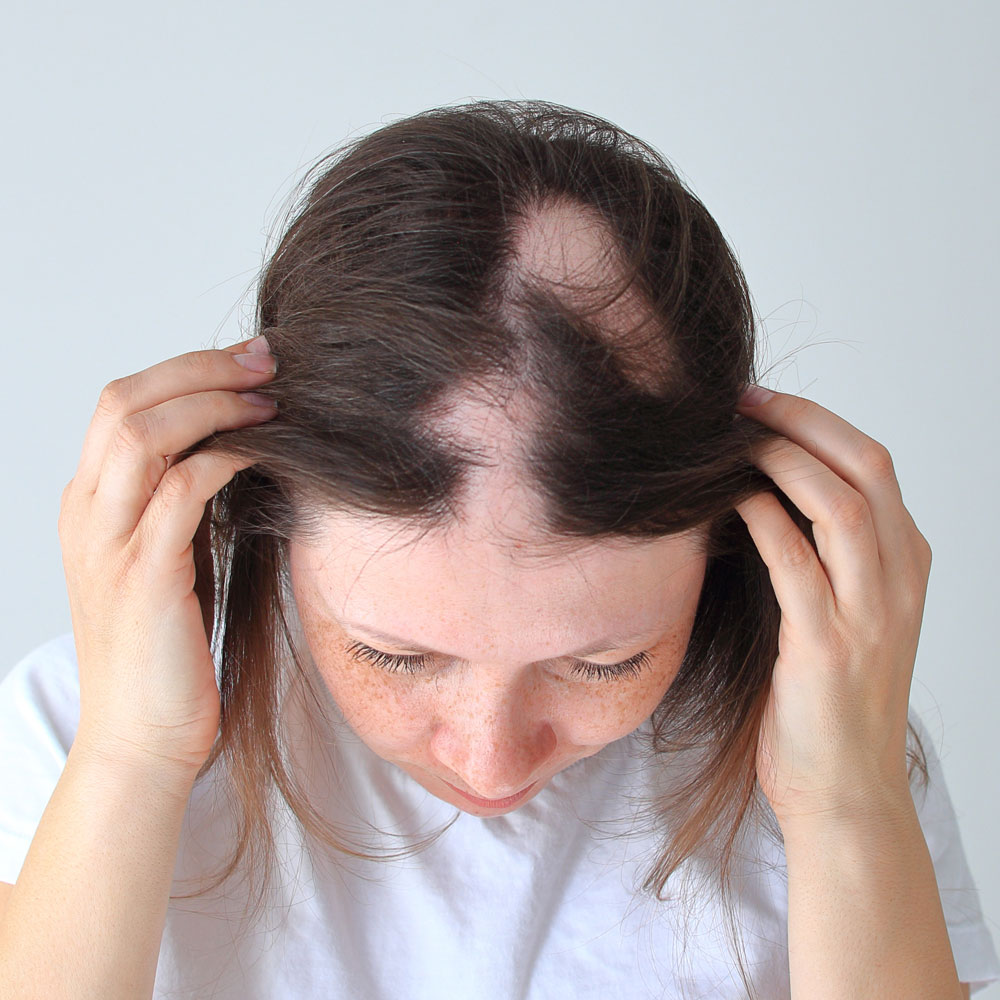
Clients with patchy brows from alopecia, thyroid changes, or scarring represent a more complex starting point. Results are still strong, but coverage over scar tissue depends on how the skin has healed. In some cases, a second session is planned from the outset to layer in density where the skin absorbed less pigment the first time.
Fair or light brows where the hair exists but does not show up also benefit enormously from nano work. The goal here is not to rebuild structure but to add colour contrast. The before-and-after looks less dramatic in terms of shape, but it genuinely transforms how much presence the brows have on the face.
What a realistic nano brows timeline looks like
The initial session produces results that look polished once healed, typically around three to four weeks in. A touch-up session, usually scheduled six to eight weeks after the first, refines any areas where the pigment healed unevenly and adds density where needed. This two-step process is where the final nano brows results are truly locked in.
From there, most clients find their brows last between two and three years before a colour refresh is needed. This is meaningfully longer than the eighteen-month average for microblading, because the digital technique causes less epidermal disruption and the pigment sits more stably in the skin.
Annual touch-ups are an option rather than a necessity. Some clients prefer to refresh at twelve months to keep the colour crisp; others are happy to let the brows fade naturally towards the two-year mark before booking a top-up. How your skin retains pigment, your sun exposure habits, and your skincare routine all influence the pace of fading.
Frequently Asked Questions
How different do nano brows look immediately after the procedure versus the healed result?
Immediately after the session, nano brows appear noticeably darker and more defined than the final healed result. Over the first ten to fourteen days, the surface skin heals and the colour softens by roughly thirty to forty per cent. Most clients reach their true healed result by around week three to four.
Do nano brows work on oily skin?
Yes, nano brows perform significantly better on oily skin than microblading does. The digital PMU machine implants pigment at a precise, consistent depth with less tissue trauma, which reduces the blurring that oily skin causes. Very oily skin types may benefit from a combination approach that adds a soft powder effect alongside the hair strokes.
How long do nano brows results typically last?
Nano brows typically last two to three years before a colour refresh is needed. This is longer than microblading, which averages around eighteen months, because the digital technique causes less epidermal disruption and the pigment settles more stably. Sun exposure, skincare products, and individual skin type all influence how quickly the colour fades.
Will nano brows look natural if I have very sparse or almost no brow hair?
Yes. Sparse or nearly bare brows are one of the concerns that respond best to this treatment. Individual hair-like strokes are mapped carefully to follow the natural growth direction, building density that moves with the face and reads as real hair. The result is significantly more convincing than a drawn-on brow because each stroke mimics a single hair.
How many sessions does it take to see the final nano brows transformation?
Most clients complete their nano brows transformation across two sessions. The initial appointment creates the foundational shape and colour, and a touch-up session six to eight weeks later refines areas where pigment healed unevenly and adds any extra density needed. The healed result after that second session represents the true finished outcome.