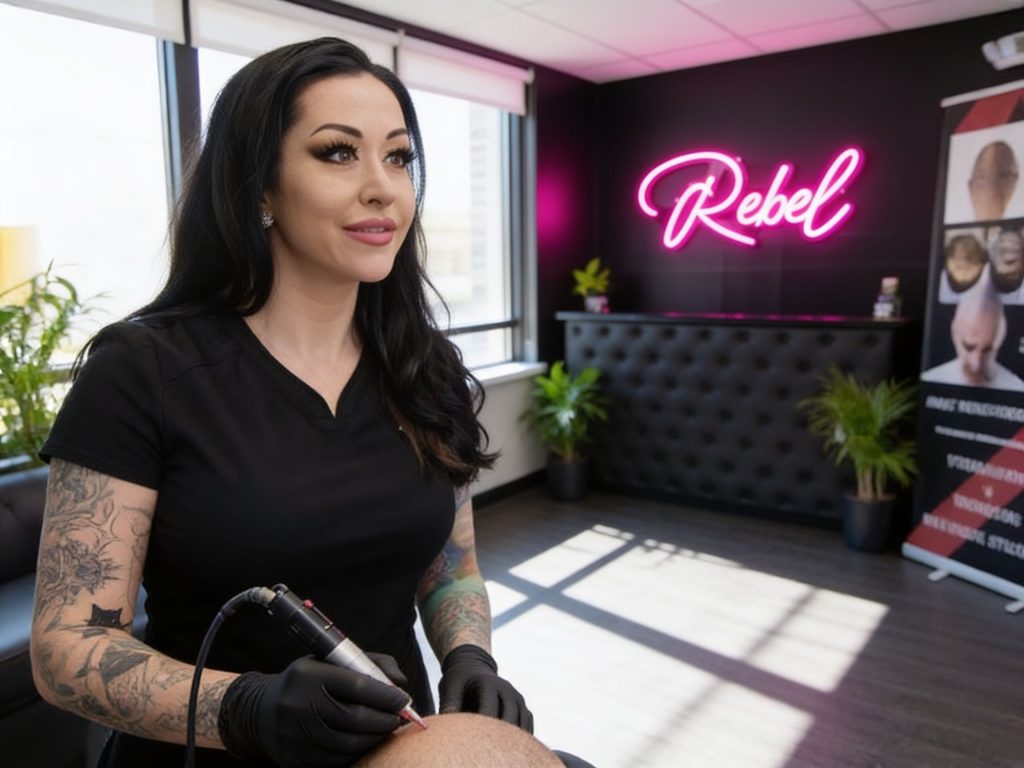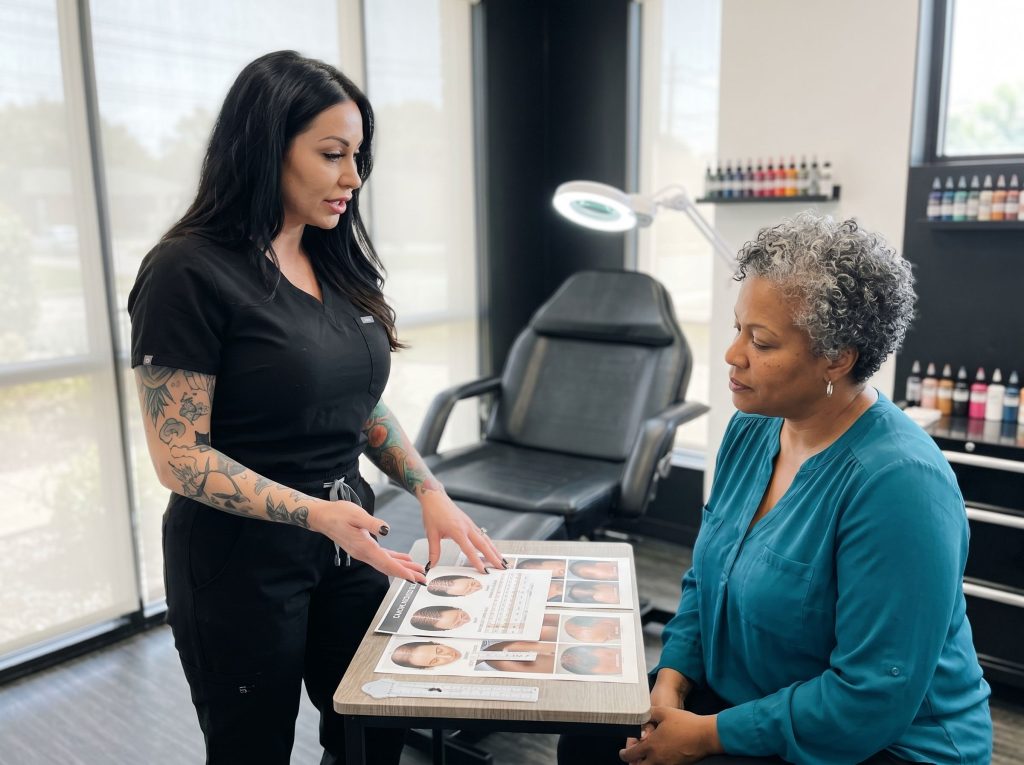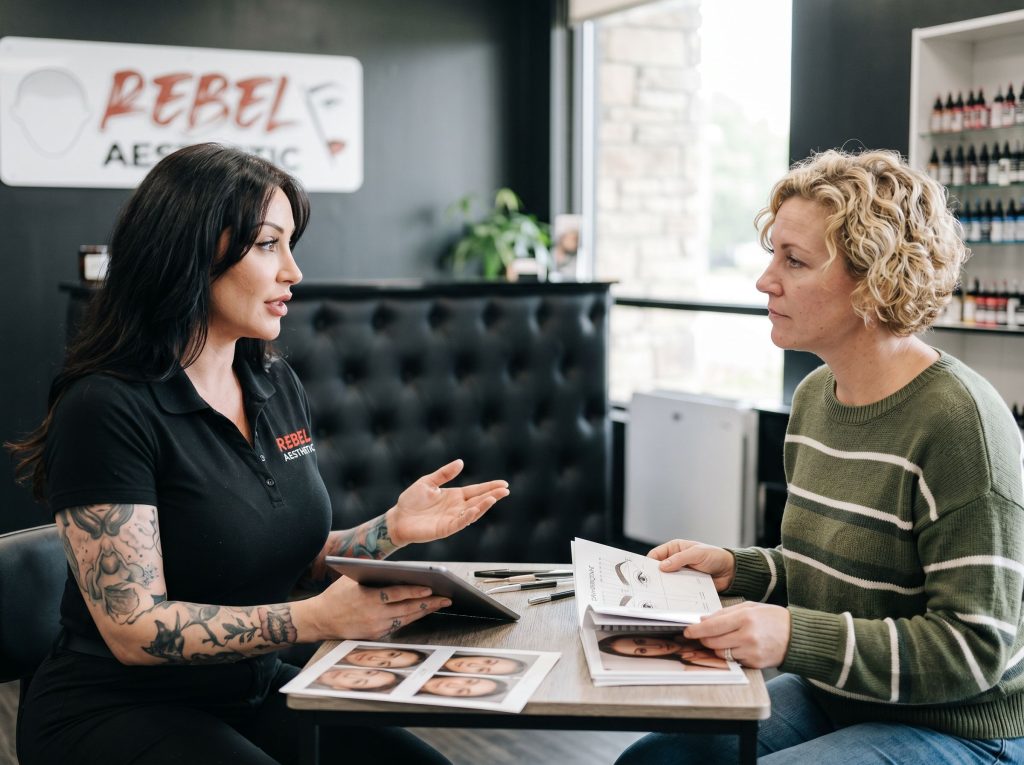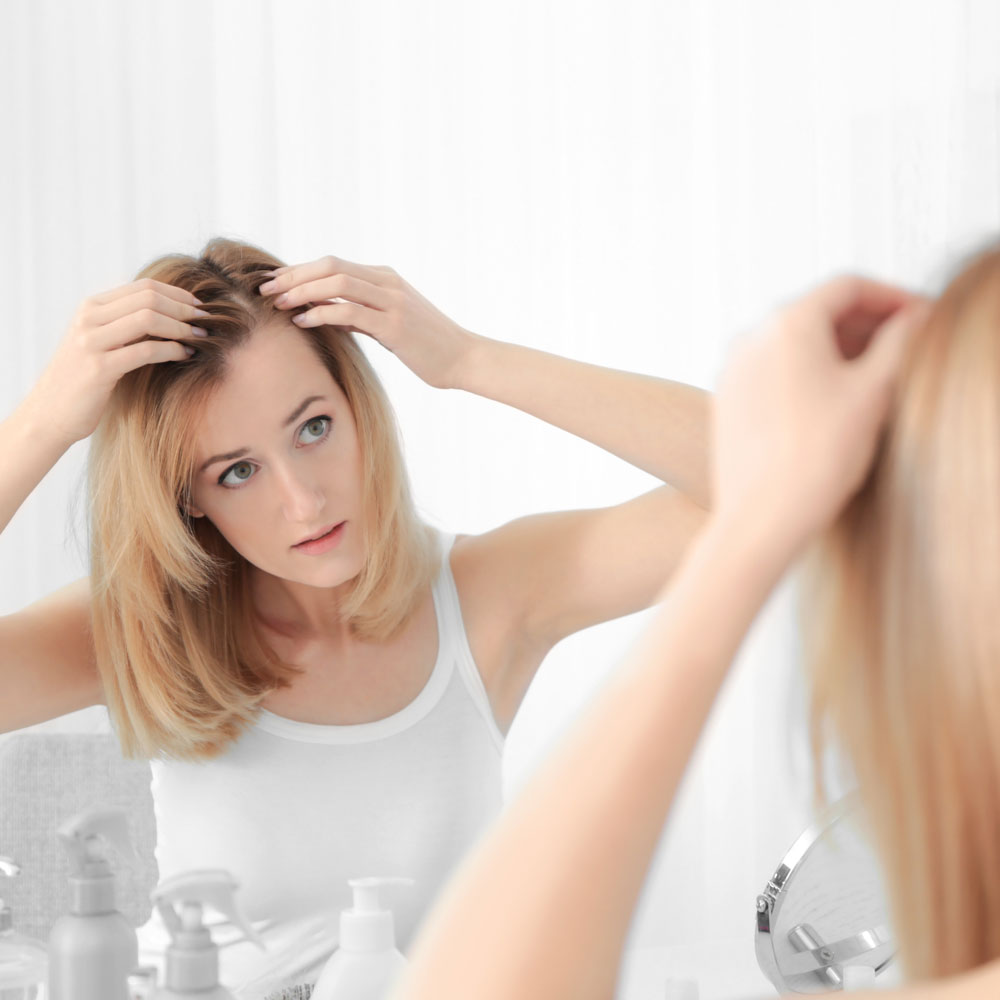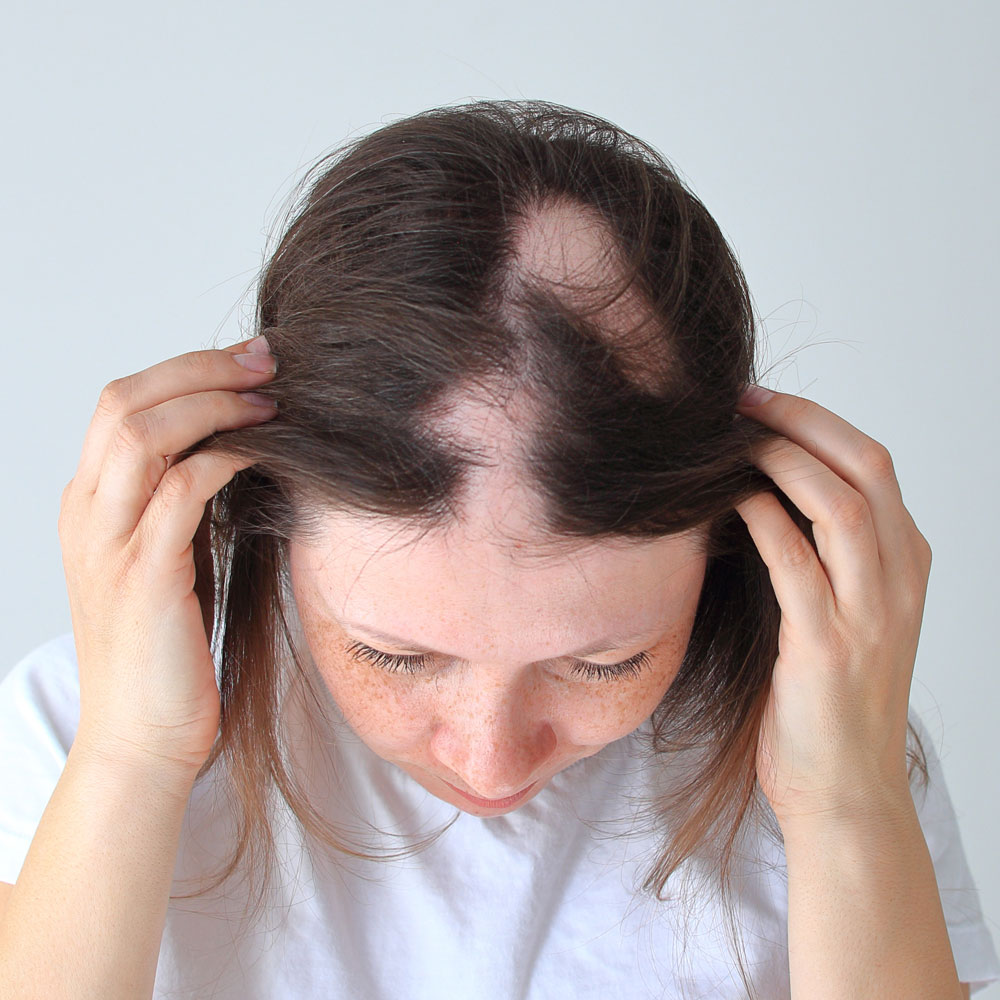
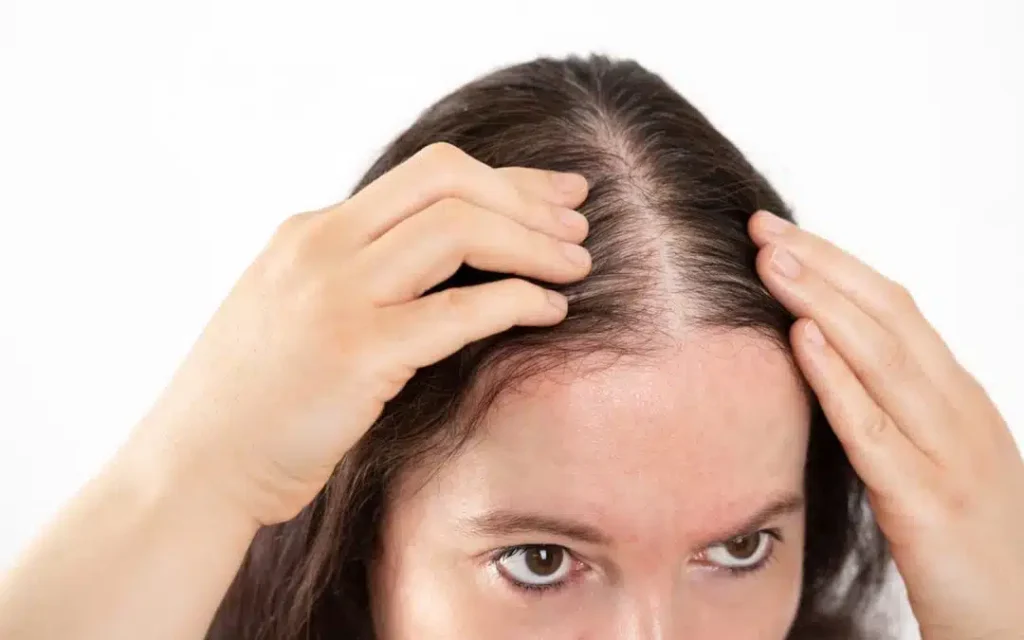
You can see more scalp than you used to. Maybe it is the parting, the temples, or the crown, and every mirror, every bright light, every photo reminds you of it. Female hair density SMP is a non-surgical treatment that places tiny pigment dots between your existing hair to recreate the look of fullness, without shaving, without surgery, and without downtime. Here is what you actually need to know before you decide.
1. Female SMP is a completely different technique from what most people picture
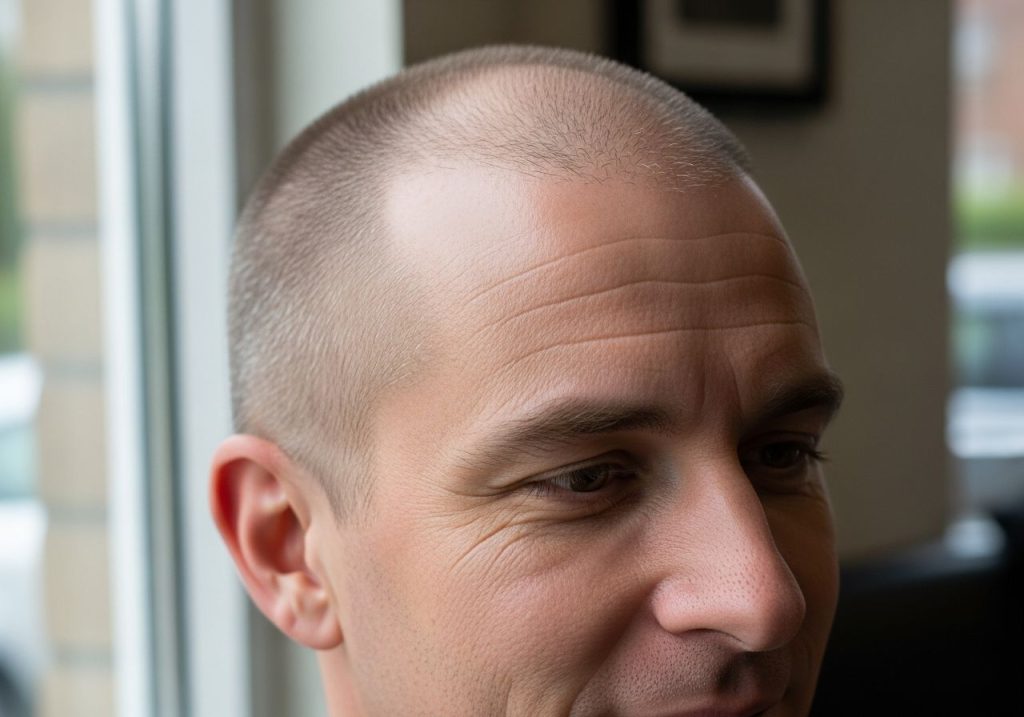
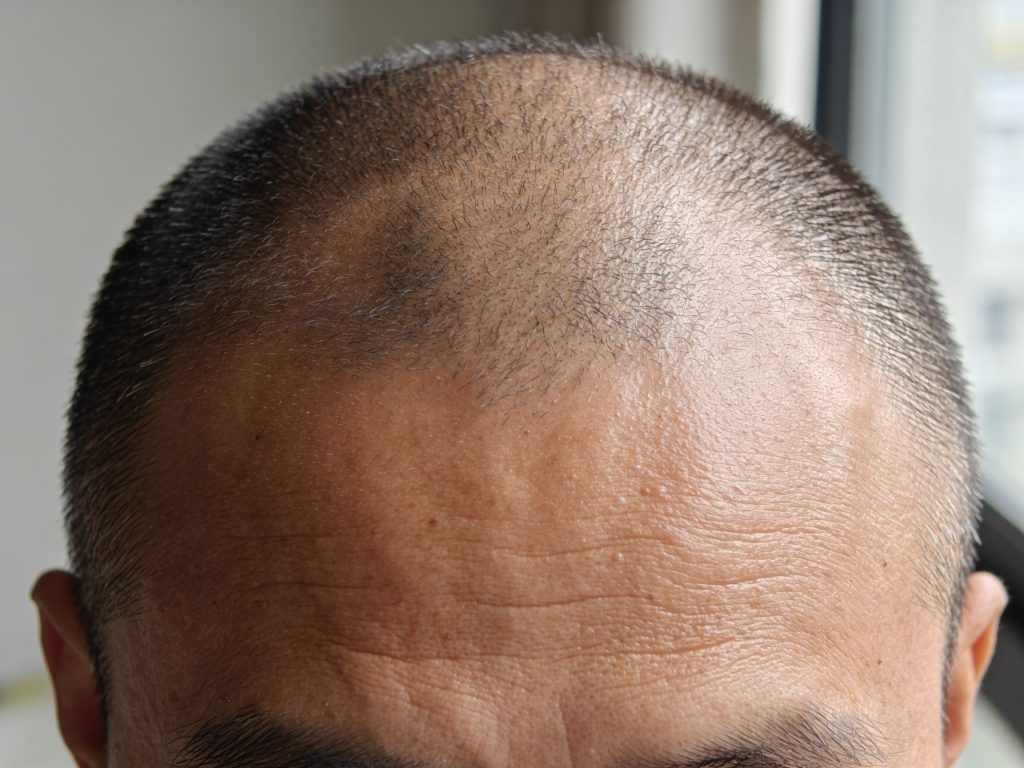
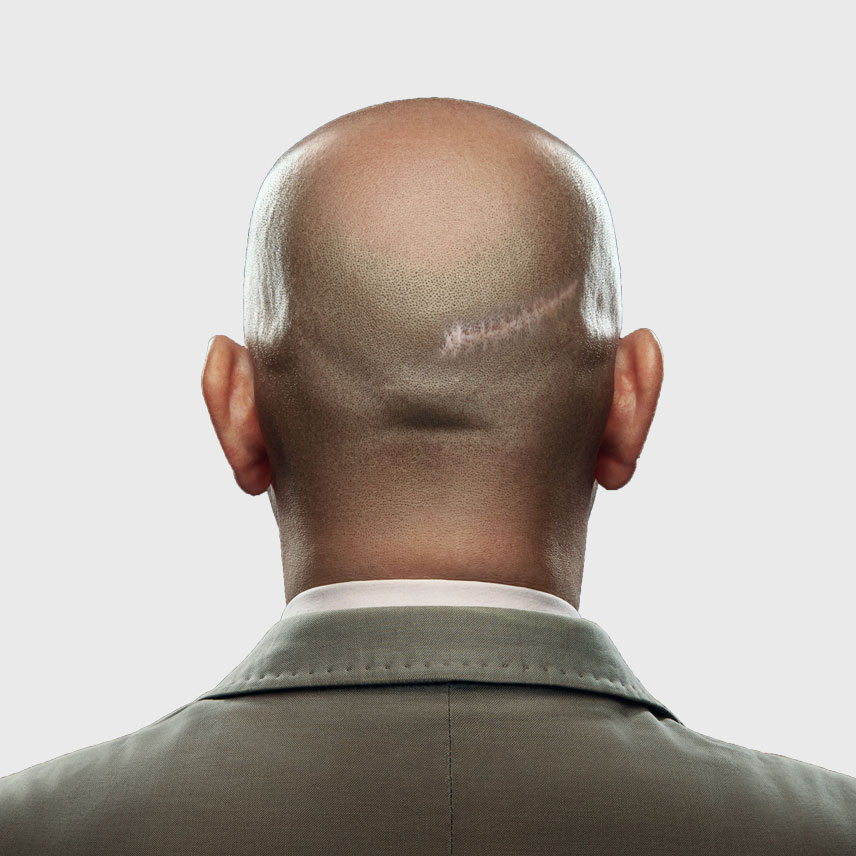
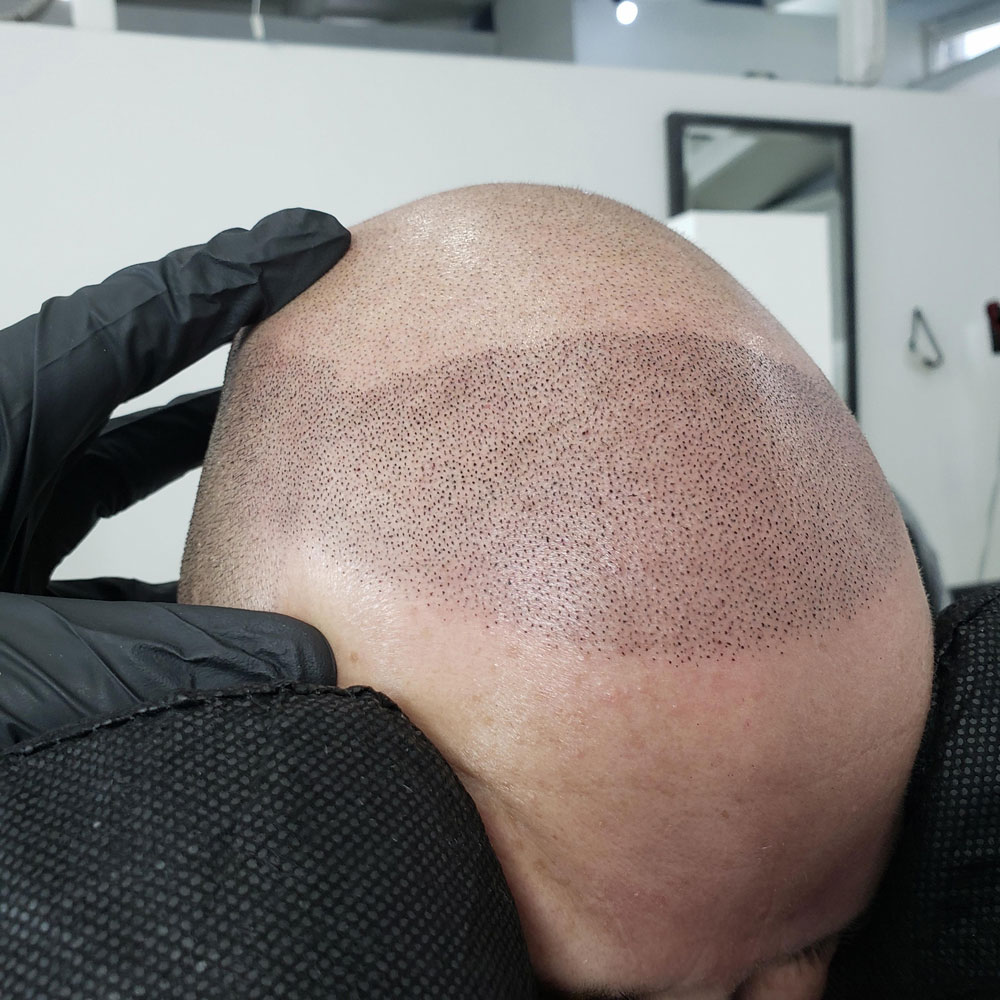
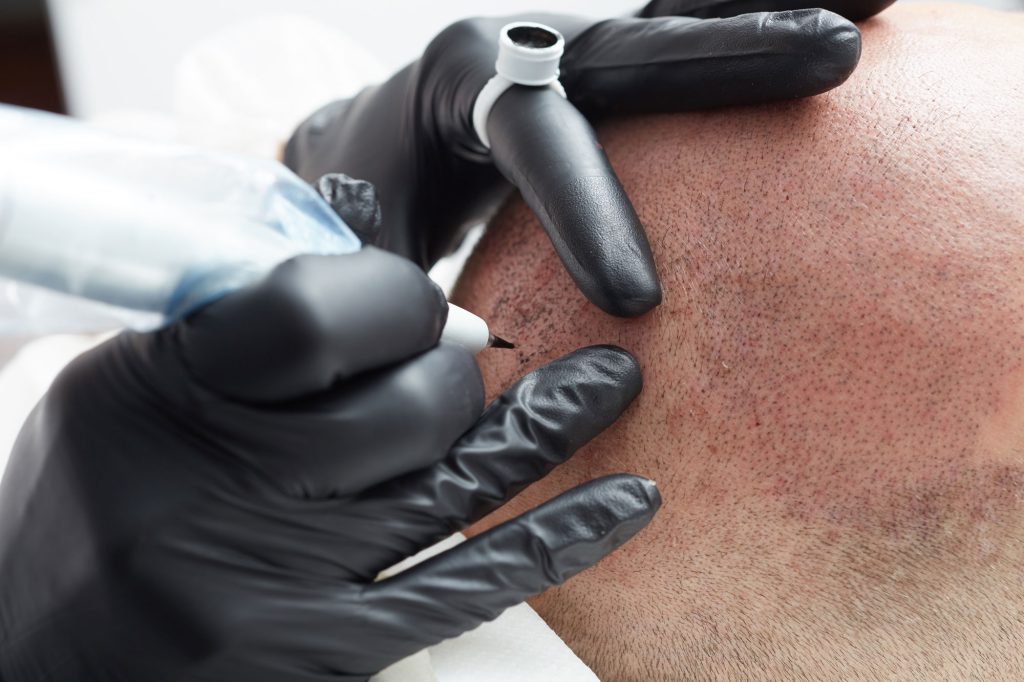
When most people think of scalp micropigmentation, they picture a close-shaved head with a hairline drawn on. That is not what density SMP for women looks like. This treatment works between your existing hair, using ultra-fine pigment impressions to mimic the appearance of hair follicles beneath the surface.
The result is the illusion of a thicker, denser scalp, not a drawn-on effect. Because your natural hair sits on top, it frames and softens everything. Done well, nobody will know you have had anything done. They will simply notice your hair looks fuller.
2. You do not need to shave your head
This is the single biggest misconception that stops women from exploring SMP as a hair density solution. The no-shave approach is standard for female density work. Your hair stays exactly as it is throughout the entire process.
The pigment is placed at scalp level, between follicles, so your existing length conceals the work naturally. Whether your hair is short, shoulder-length, or long, the treatment adapts to you. No dramatic style change is required, which is precisely why so many women find it life-changing rather than life-disrupting.
3. Hair thinning in women has many causes, and SMP addresses the visual result of all of them
Female hair loss is remarkably common, yet it carries a disproportionate emotional weight. Hormonal shifts, postpartum shedding, stress, hereditary thinning, and conditions such as alopecia can all reduce density at the scalp. For many women, the psychological impact, including the self-consciousness, the styling workarounds, and the reluctance to go out in certain lighting, is exhausting.
Female hair density SMP does not treat the underlying cause, but it addresses what you see. It restores the appearance of a healthy, full scalp, which for most women means restoring confidence. That visible change is the point, and it is a genuinely meaningful one.
4. The pigment colour and placement must be precisely matched to your natural hair
This is where technique separates an exceptional result from a mediocre one. The pigment must match your natural hair colour, including its tonal depth and any grey present. Placement must follow the natural growth pattern of your follicles, and the density must be graduated so it looks organic rather than uniform.
Every client’s scalp should be treated as a bespoke design challenge. The areas of concern vary: some women lose density at the parting, others at the temples or crown, and the technique must shift accordingly. Matching pigment to greying or mixed-colour hair requires careful blending, and it is one of the details that makes the difference between results that look natural and results that look obviously treated.
5. Results build across sessions, and they last for years with minimal upkeep
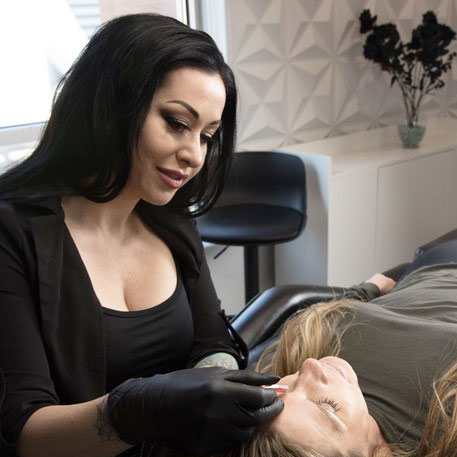
A typical female density SMP treatment involves two to three sessions, spaced a few weeks apart. The first session lays the foundation; subsequent sessions refine depth, density, and evenness. You will see a meaningful difference after the first appointment, but the final result emerges once the skin has settled and the layers are complete.
Properly applied SMP lasts several years before any colour refresh is needed. It does not wash out, is unaffected by swimming or sweating, and requires no daily maintenance. As a hair density treatment for women, it is one of the most low-effort, high-impact options available, especially compared to ongoing topical treatments or styling concealers that need reapplying every single day.
The best candidate for female hair density SMP is any woman with thinning but existing hair who wants a realistic, lasting improvement to the appearance of fullness. If you are still colouring your parting with powder or avoiding updos because of visible scalp, it is worth understanding exactly what this treatment can do.
Frequently Asked Questions
Is female hair density SMP suitable for all skin tones?
Yes. Female hair density SMP works across all skin tones. The key is accurate pigment matching: darker skin tones require deeper, richer pigments, while lighter skin tones need more nuanced, softer shades. An experienced SMP practitioner will customise the pigment blend to sit naturally against your specific complexion and hair colour.
Does scalp micropigmentation for hair density hurt?
Most women describe the sensation as mild discomfort rather than pain, similar to light scratching or pressure on the scalp. A topical numbing cream is applied before the session to significantly reduce sensitivity. Tolerance varies by area and individual, but the majority of clients find the process very manageable across a standard session of two to three hours.
How soon will I see results from a female hair density treatment?
You will notice a visible difference in scalp coverage after your first SMP session. The full result takes shape over two to three sessions, with the final colour settling within four weeks of the last appointment. Most women find the change noticeable enough after the first session that they feel comfortable with their hair before the treatment is even complete.
Will my existing hair still grow normally after SMP?
Yes, completely. Female density SMP is applied to the surface of the scalp and does not affect hair follicles or their growth cycle. Your natural hair continues to grow exactly as it did before the treatment. SMP adds the visual impression of density between existing strands and is entirely separate from your hair’s biology, causing no interference with growth.
Can SMP be used alongside other hair loss treatments for women?
In most cases, yes. Many women combine scalp micropigmentation with treatments such as platelet-rich plasma therapy, topical minoxidil, or nutritional support to address both the visual and physiological aspects of thinning. It is important to discuss any active treatments with your SMP practitioner beforehand, as some topical applications may need to be paused around session dates to protect healing skin.