You have just had your microblading done and are now wondering whether you are doing the right things to protect it. The aftercare phase is where results are either locked in or lost. Follow this guide and you will know exactly what to do, what to avoid, and what to expect at every stage of the healing process.
Why aftercare matters more than the appointment itself
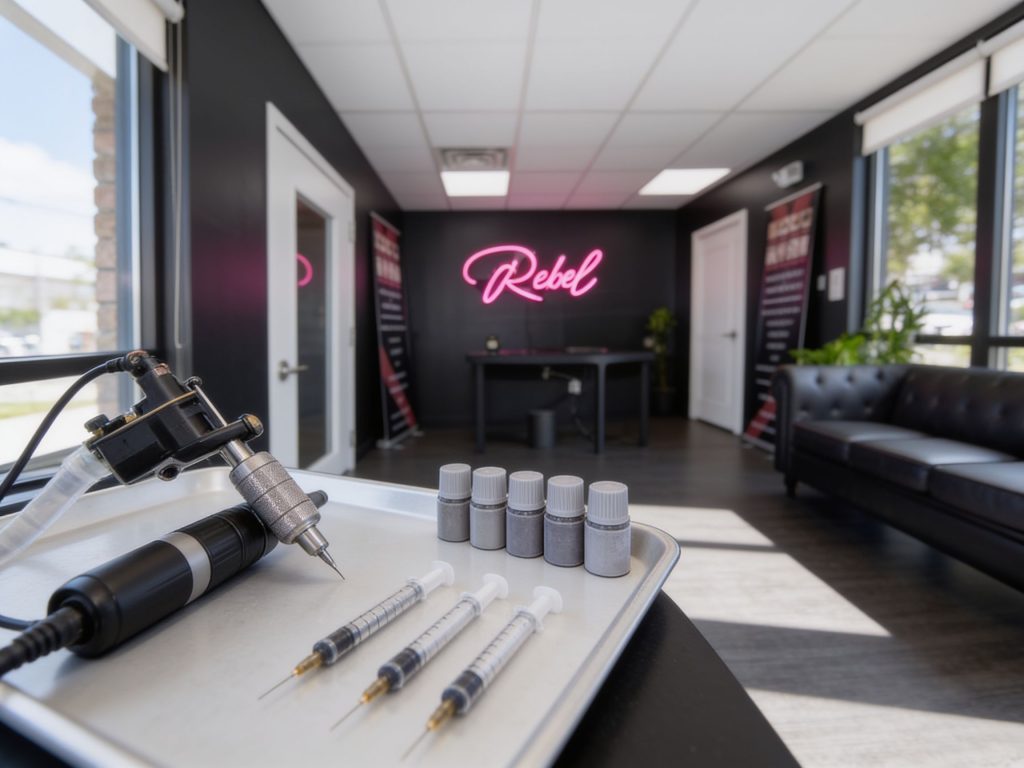
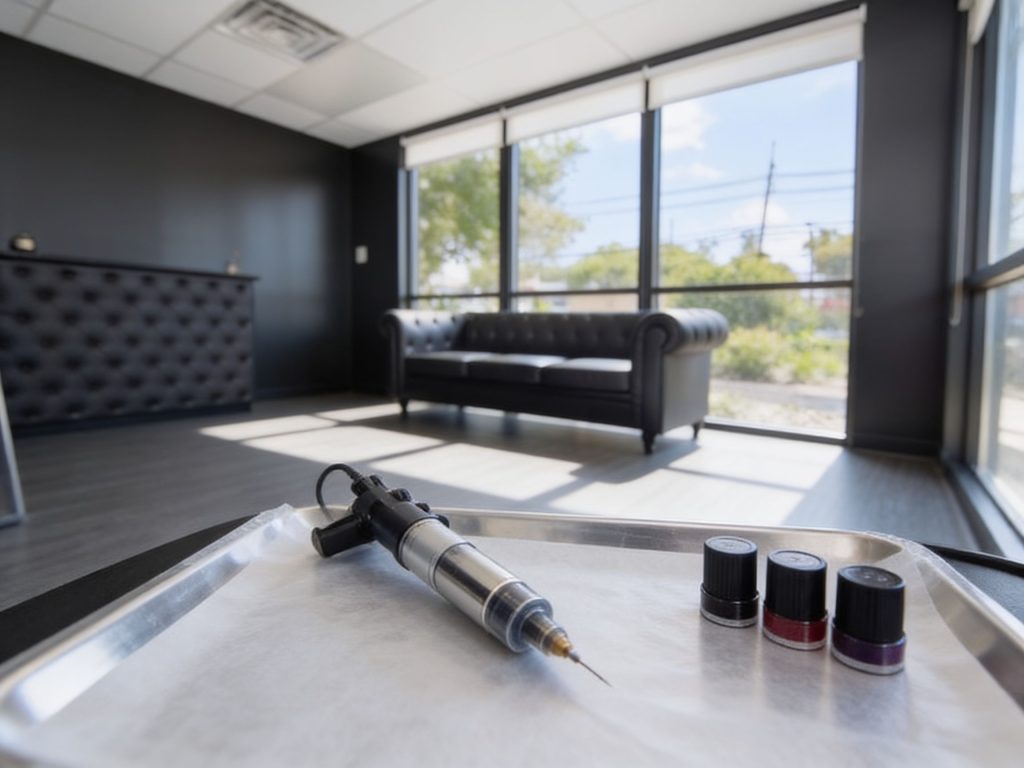
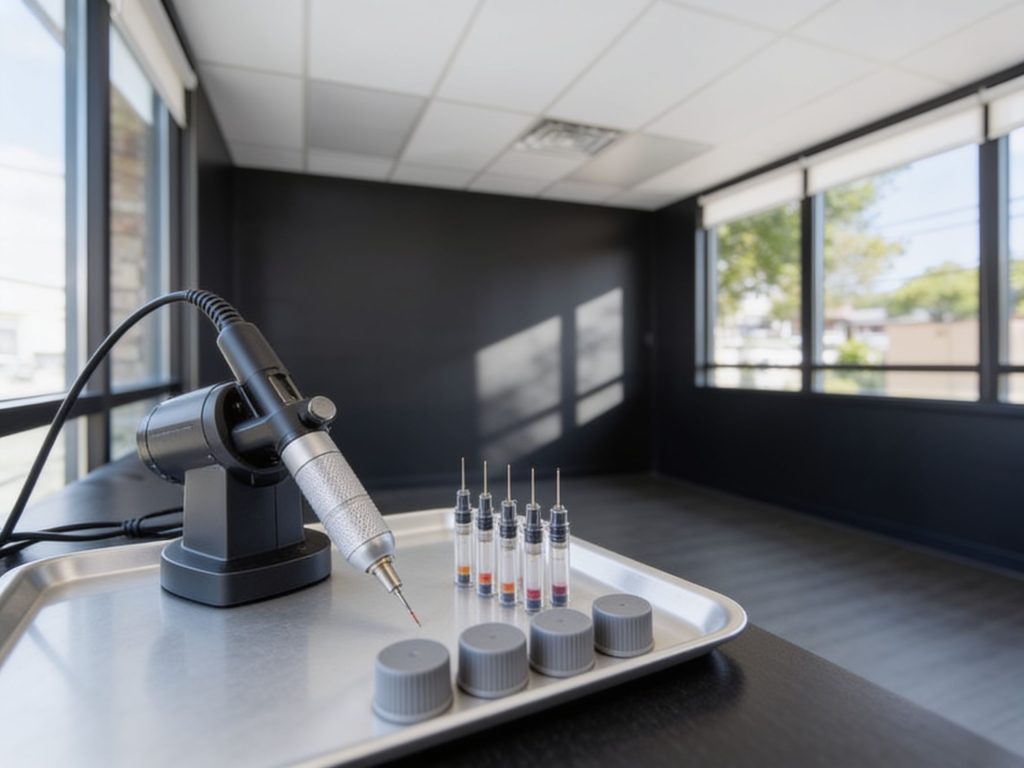
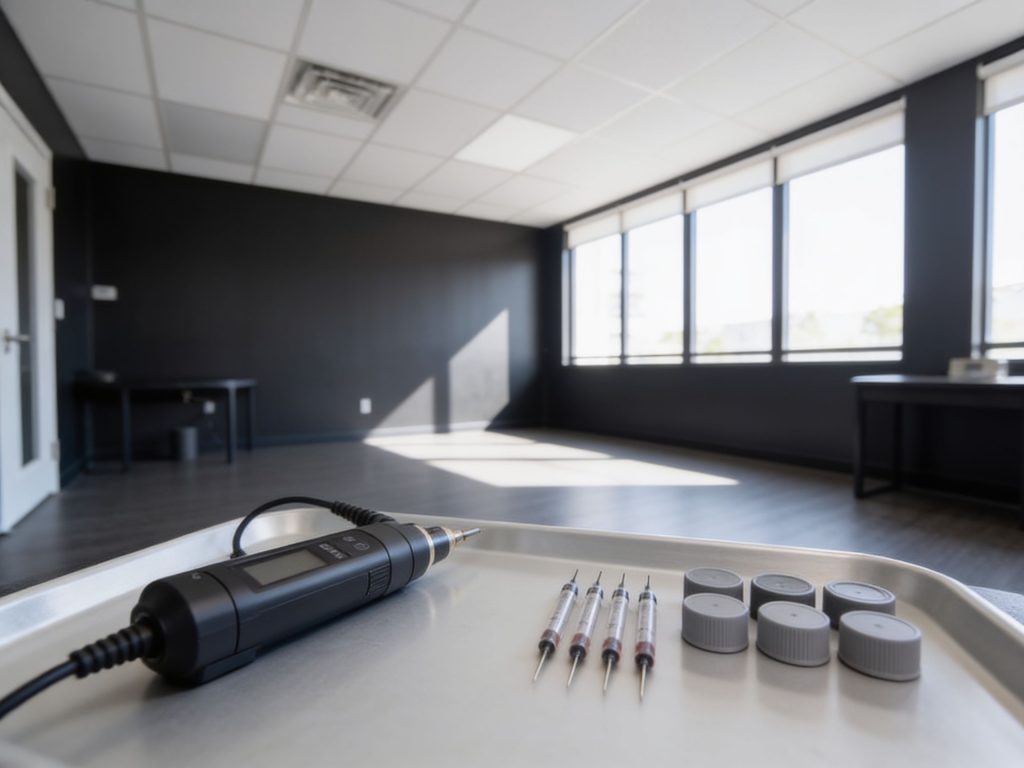
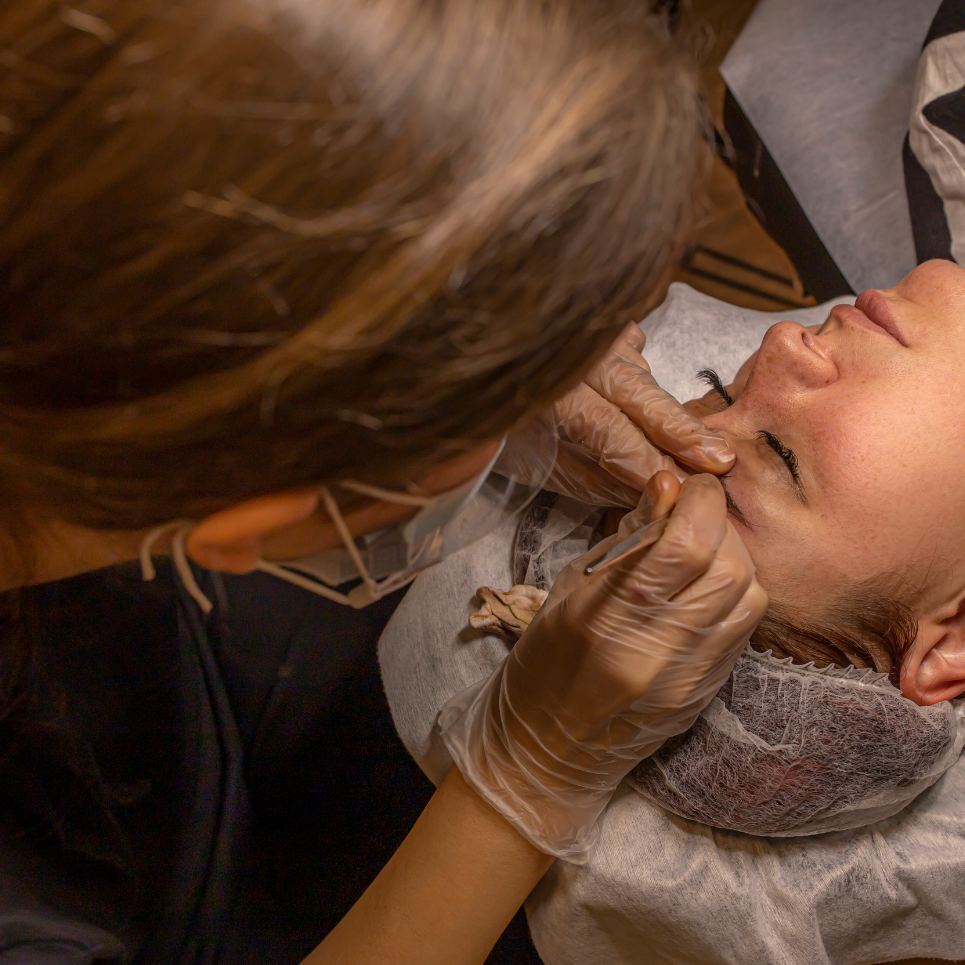
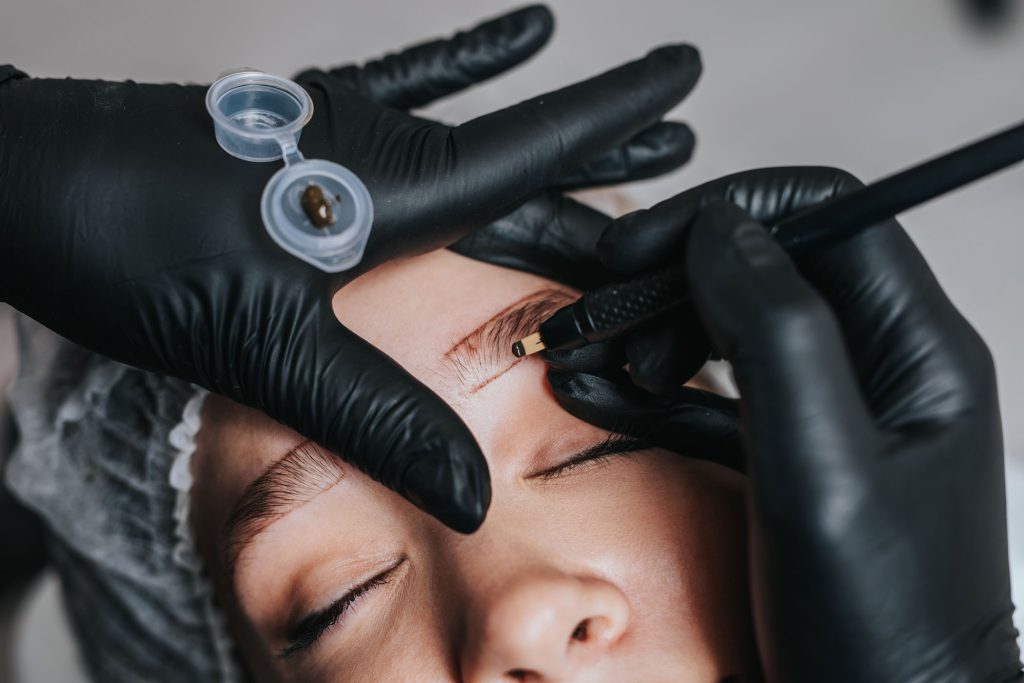
Microblading deposits pigment into the upper layers of skin using a handheld blade, creating fine, hair-like strokes. Because the skin has been manually worked, it needs time and the right conditions to heal properly and retain the colour.
Poor aftercare is the single biggest reason microblading fades too quickly or heals unevenly. Touching, wetting, or picking the area during the first two weeks directly undermines the pigment retention you paid for. The strokes visible immediately after your appointment will look 30 to 40 per cent lighter once healing is complete, so what you do now sets the baseline for your final result.
The first ten days: your non-negotiable dos and don’ts
The critical window is the first ten days. During this period, the skin is actively closing and the pigment is anchoring. These are the firm rules that apply from the moment you leave your appointment.
- Keep the brows completely dry for the first ten days. No rain, no splashing, no steamy showers directed at the face.
- Blot gently with a clean, dry cotton pad if the area weeps lymph fluid in the first 24 hours. Do not rub.
- Apply a rice-grain-sized amount of the recommended healing balm (such as Aquaphor or a dedicated PMU aftercare ointment) once or twice daily from day two onwards, but only if advised to follow the wet healing method. If you have been given dry healing instructions, skip the ointment entirely.
- Sleep on your back, or use a clean pillowcase each night, to prevent friction and the transfer of bacteria.
- Keep make-up, skincare, and SPF completely away from the brow area.
- Do not pick, peel, or scratch any flaking skin. The strokes lie underneath, and pulling skin away prematurely takes pigment with it.
- Avoid sun exposure, tanning beds, saunas, steam rooms, swimming pools, and any exercise that produces heavy perspiration.
- Avoid retinol, AHAs, BHAs, and any exfoliating product near the brow area for at least four weeks after your appointment.
Those with oily skin need to be especially diligent. Excess sebum can cause strokes to blur or fade more quickly, so keeping the area clean and dry is even more important if your skin tends to be oily.
What the healing stages actually look like
Knowing what is normal at each stage prevents unnecessary concern or, worse, interfering when you should not.
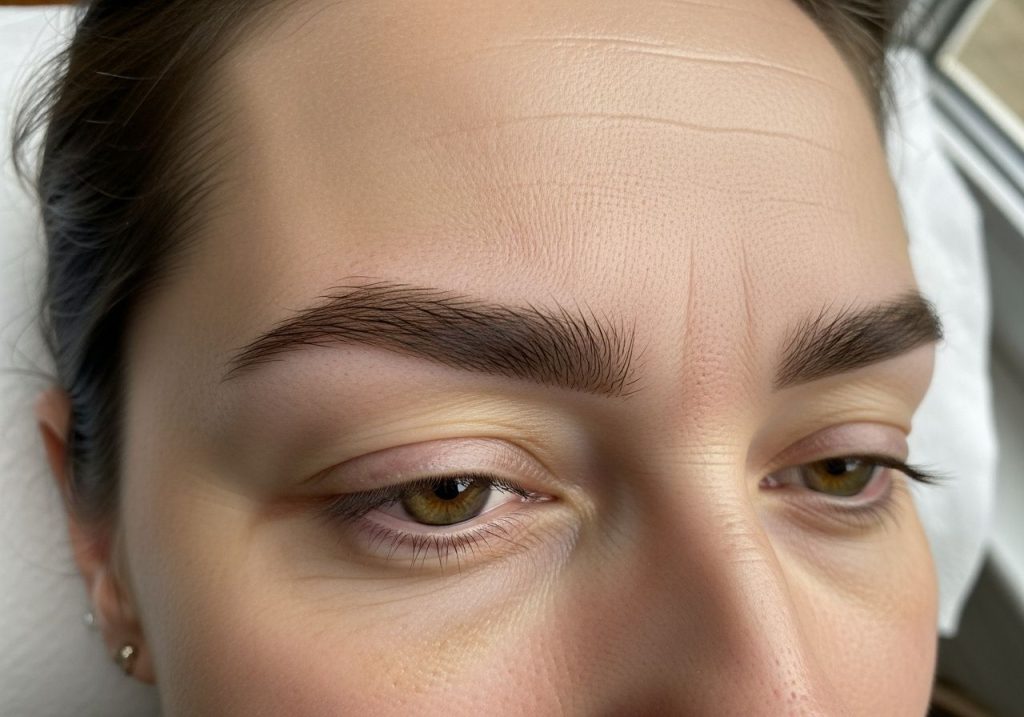
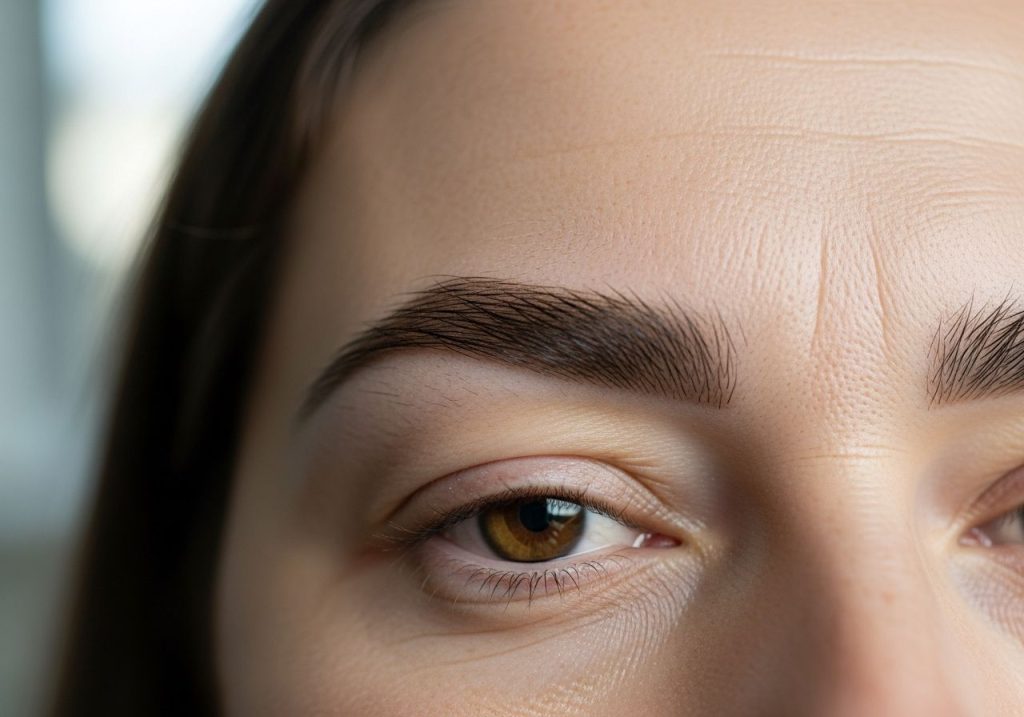
Days 1 to 3: The brows look bold, slightly swollen, and darker than expected. This is normal. The skin is responding to the blade work and the colour has not yet settled. A small amount of redness around the strokes is also to be expected.
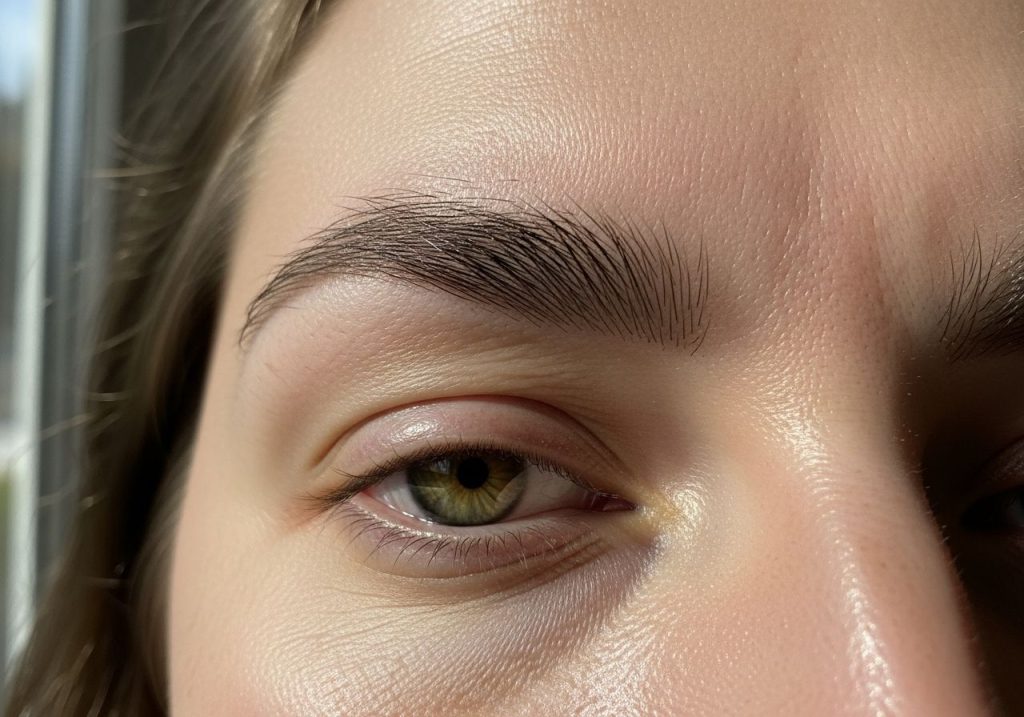
Days 4 to 7: Flaking and light scabbing begin. The brows may look patchy or ghost-like, or the pigment may appear to have nearly vanished. This stage can be alarming for first-timers, but it is entirely normal. The pigment sits beneath the surface layer of skin as it regenerates.
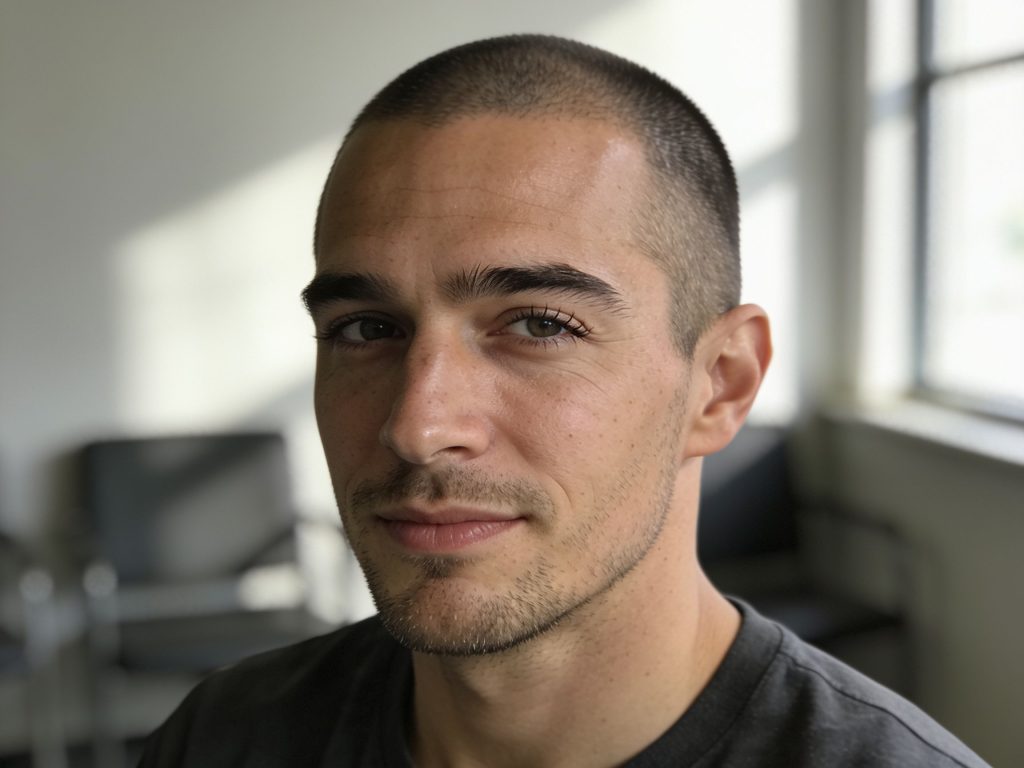
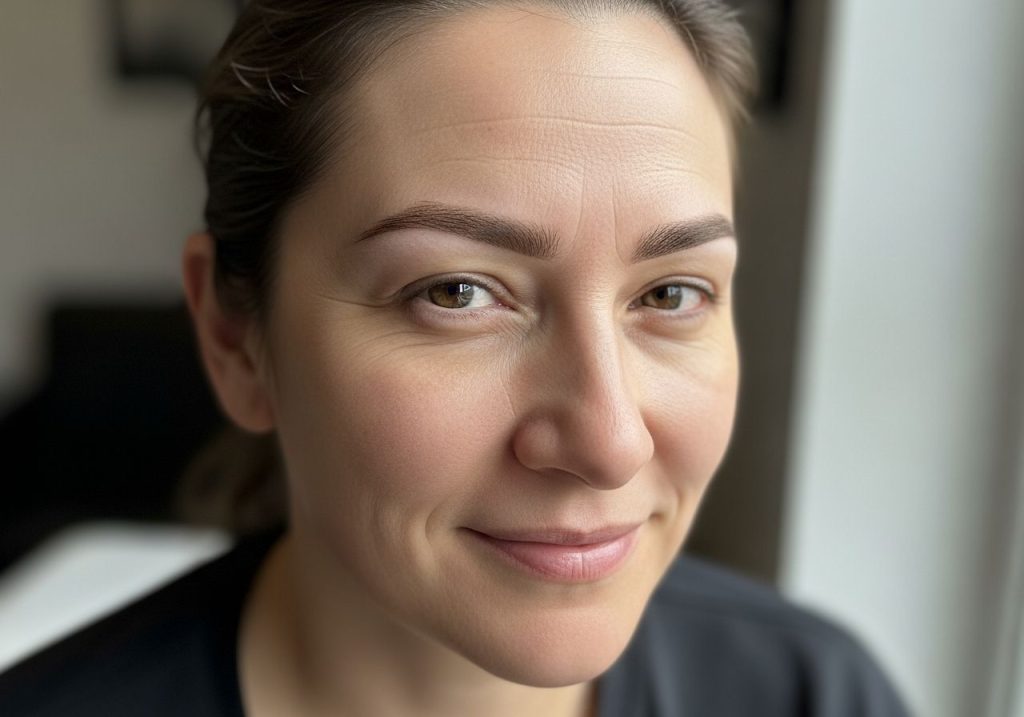
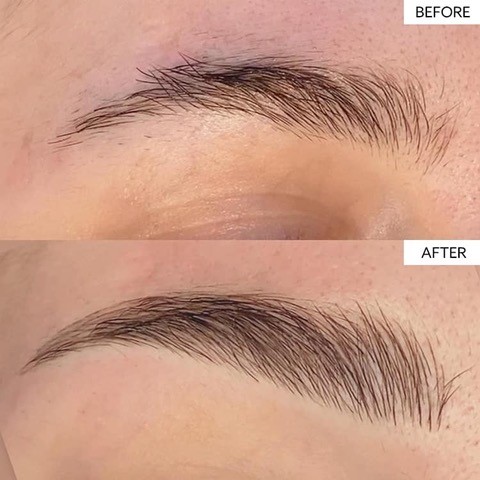
Days 8 to 14: The scabbing clears and the strokes begin to resurface. Colour looks softer and more natural. Any remaining dryness settles down. The hardest part is over.
Weeks 4 to 6: The fully healed result is now visible. Some areas may look lighter or slightly uneven. This is precisely what your four to six week touch-up appointment is designed to correct. The touch-up is not optional; it is a built-in part of the microblading process and the stage at which final adjustments are made.
Microblading may produce slightly more scabbing than machine hair-stroke techniques such as nano brows, owing to the manual nature of the tool. If you have particularly sensitive skin, this is worth factoring into your expectations.
Long-term care to protect your investment beyond the initial heal
Once you are fully healed, the goal shifts from protection to preservation. Pigment in the skin is affected by several long-term factors, and a few simple habits can significantly extend the life of your brows.
Sun exposure is the fastest way to fade microblading. Apply SPF 30 or higher to the brow area every day, and reapply if you are spending time outdoors. This single habit makes a measurable difference to how long your results last.
Retinol and exfoliating acids accelerate skin cell turnover, which in turn accelerates pigment fading. Keeping these products away from the brow area should become a permanent habit, not just a precaution during the initial healing period.
Most clients return for a colour boost every 12 to 18 months, depending on skin type, lifestyle, and sun exposure. Oily skin and active lifestyles typically require more frequent maintenance. Annual touch-ups keep the strokes looking defined and the colour true.
If you are ever unsure whether a product, activity, or treatment is safe near your brows, the rule is simple: when in doubt, keep it away. A brief message to your artist is always worth the reassurance.
Frequently Asked Questions
Can I wash my face normally after microblading?
For the first ten days, avoid getting water directly on the brow area. You can wash around the brows carefully using a damp cloth, but keep cleanser and water away from the treated skin entirely. After day ten, you can resume normal face washing, using gentle, non-exfoliating products near the brows for at least four weeks.
What happens if I sweat during the microblading healing period?
Sweat introduces salt and moisture to the healing skin, which can draw pigment out and disrupt the retention process. Avoid intense exercise, saunas, and hot environments for at least ten days after your appointment. Light walking is generally fine, but anything that produces significant perspiration on the face should be postponed until you are fully healed.
Is it normal for microblading strokes to disappear during healing?
Yes, entirely. Between days four and ten, the brows often look faded, patchy, or almost invisible as a thin layer of skin regenerates over the strokes. The pigment is still present beneath the surface. Once that skin layer sheds naturally, the strokes resurface with a softer, more natural appearance. This is known as the ghost phase and is a normal part of healing.
Which skincare ingredients should I permanently avoid near microbladed brows?
Retinol, tretinoin, glycolic acid, lactic acid, and salicylic acid all accelerate skin cell turnover and will cause microblading to fade more quickly over time. Keeping these ingredients away from the brow area should be a long-term habit, not just a measure observed during initial healing. Benzoyl peroxide and strong physical exfoliants should also be avoided directly on or around the treated skin.
How do microblading care instructions differ from nano brow aftercare?
The core principles are the same: keep the area dry, avoid picking, and protect from sun exposure. However, because microblading uses a manual blade rather than a machine, the skin may experience slightly more trauma and scabbing during the first week. Nano brow clients often report a smoother healing process. Both techniques require a touch-up appointment at four to six weeks for optimal results.