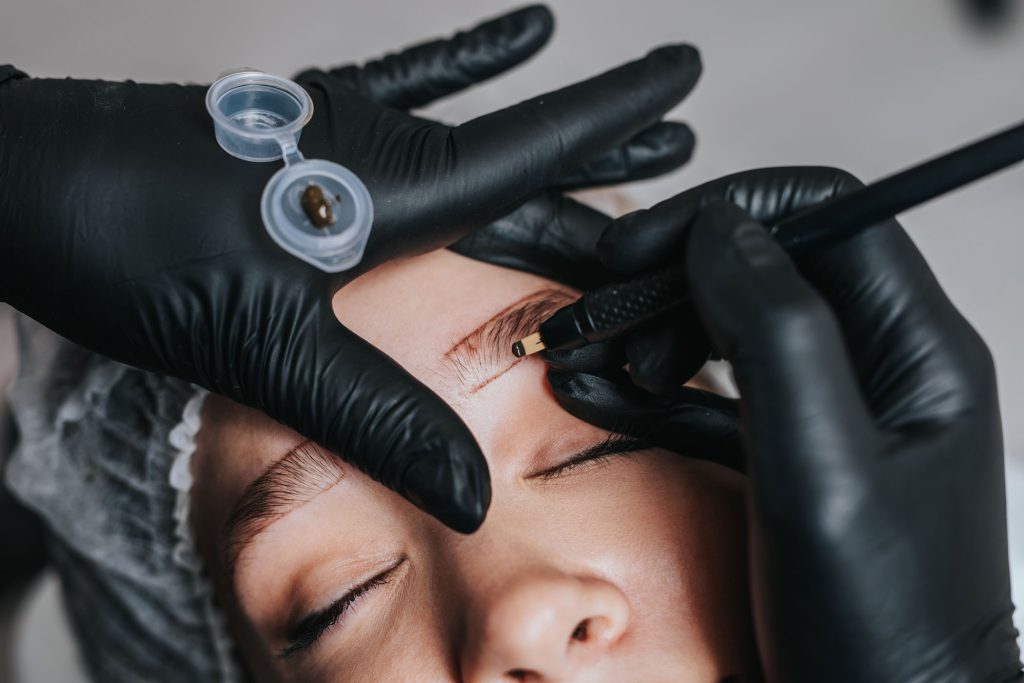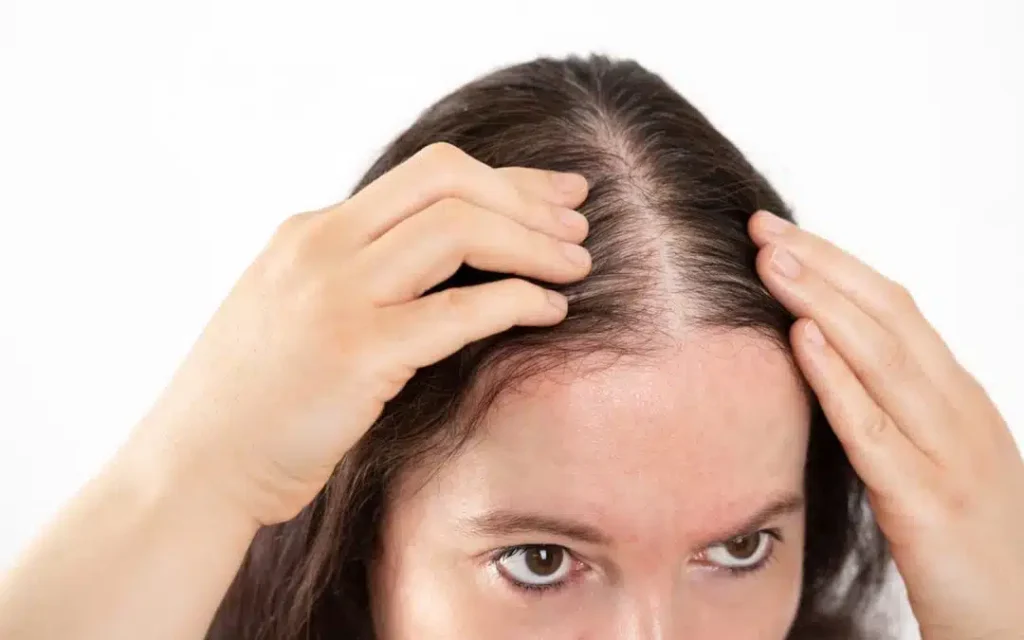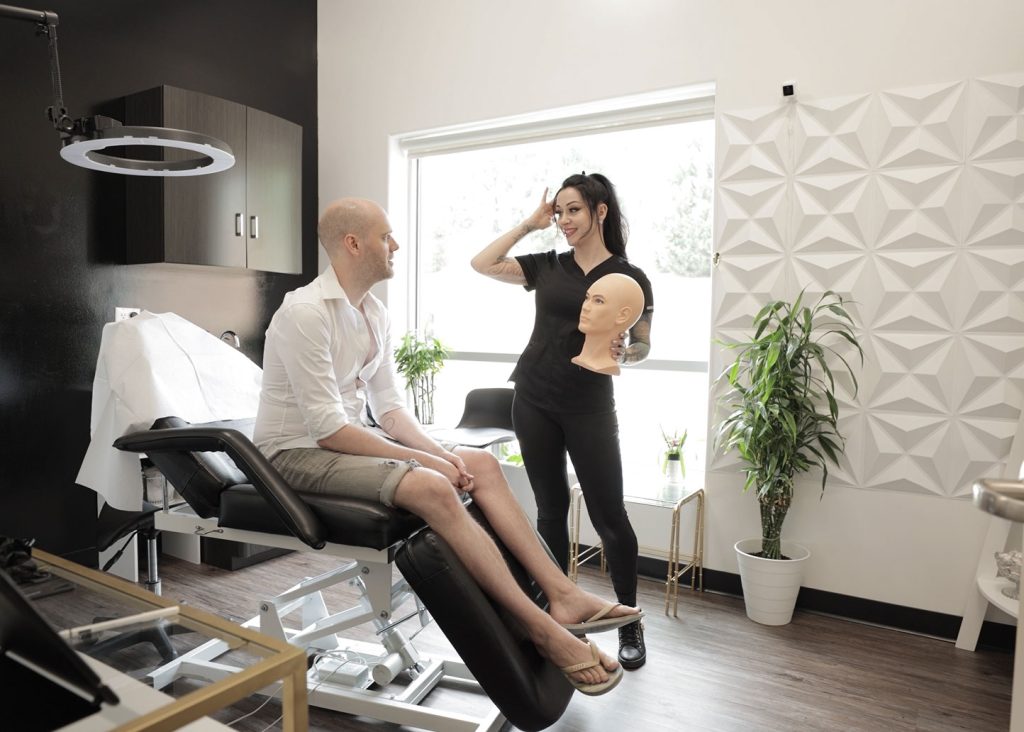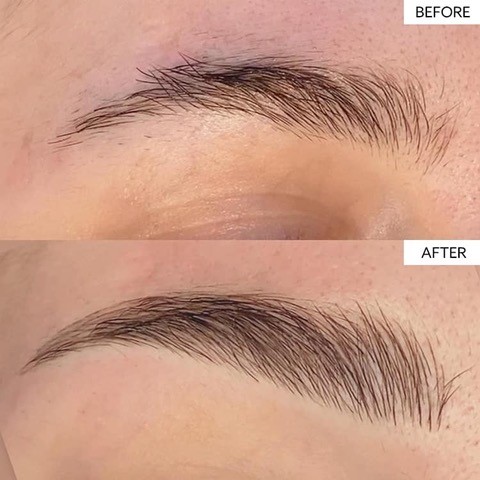
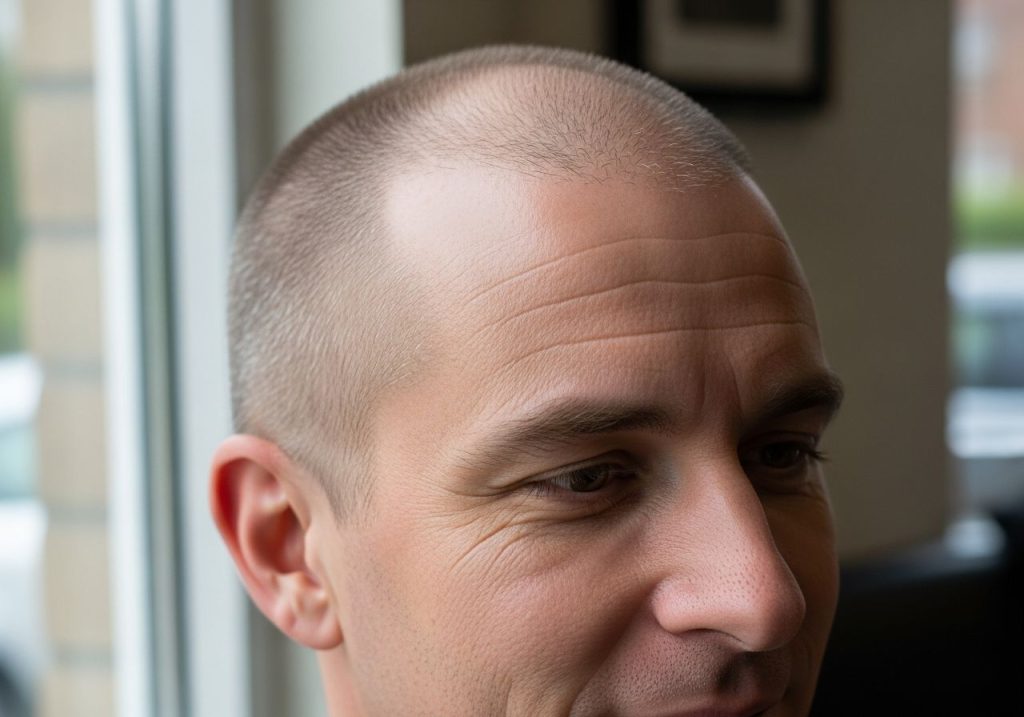
You have accepted the hair loss, done the research, and are now staring at a list of clinics wondering how to tell the good ones from those that will leave you with blue dots and regret. This guide cuts through the noise. By the end, you will have a clear shortlist of criteria that separates a genuinely skilled medical micropigmentation provider from someone who bought a machine last month.
1. State licensing classification determines what your practitioner is legally allowed to do
SMP sits in a regulatory grey zone across the United States. Some states classify it alongside cosmetic tattooing and require a body artist licence; others fold it under permanent cosmetics or aesthetics regulation; a handful have no specific classification at all. There is no federal standard, and no state universally requires a licence specifically for SMP practitioners.
Before booking a consultation, ask the clinic which licence category applies in their state and how their practitioner is registered. At minimum, look for a body artist licence, a current bloodborne pathogens certification, and registration with the American Academy of Micropigmentation (AAM). Practitioners who hold AAM credentials have met a recognised professional benchmark, which is one of the clearest signals of serious intent in an otherwise unregulated field.
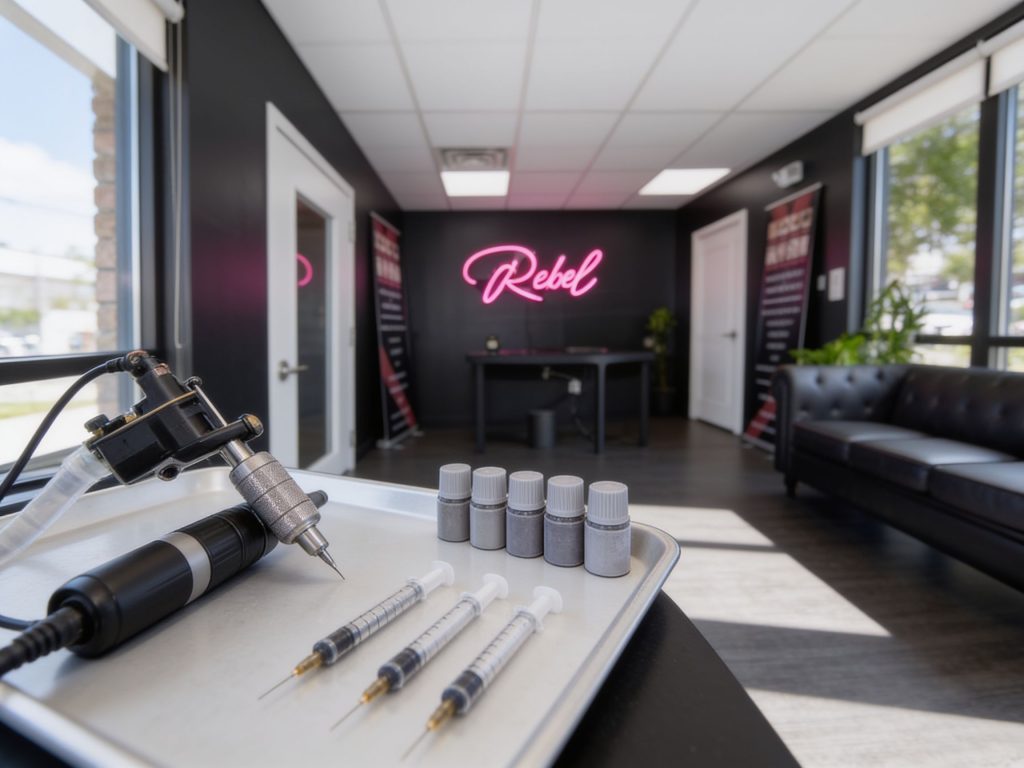
AAM certification and full insurance in New Jersey means a practice operates to a documented standard. That level of accountability should be a baseline expectation, not a bonus feature.
2. A healed portfolio of male density work tells you far more than fresh results
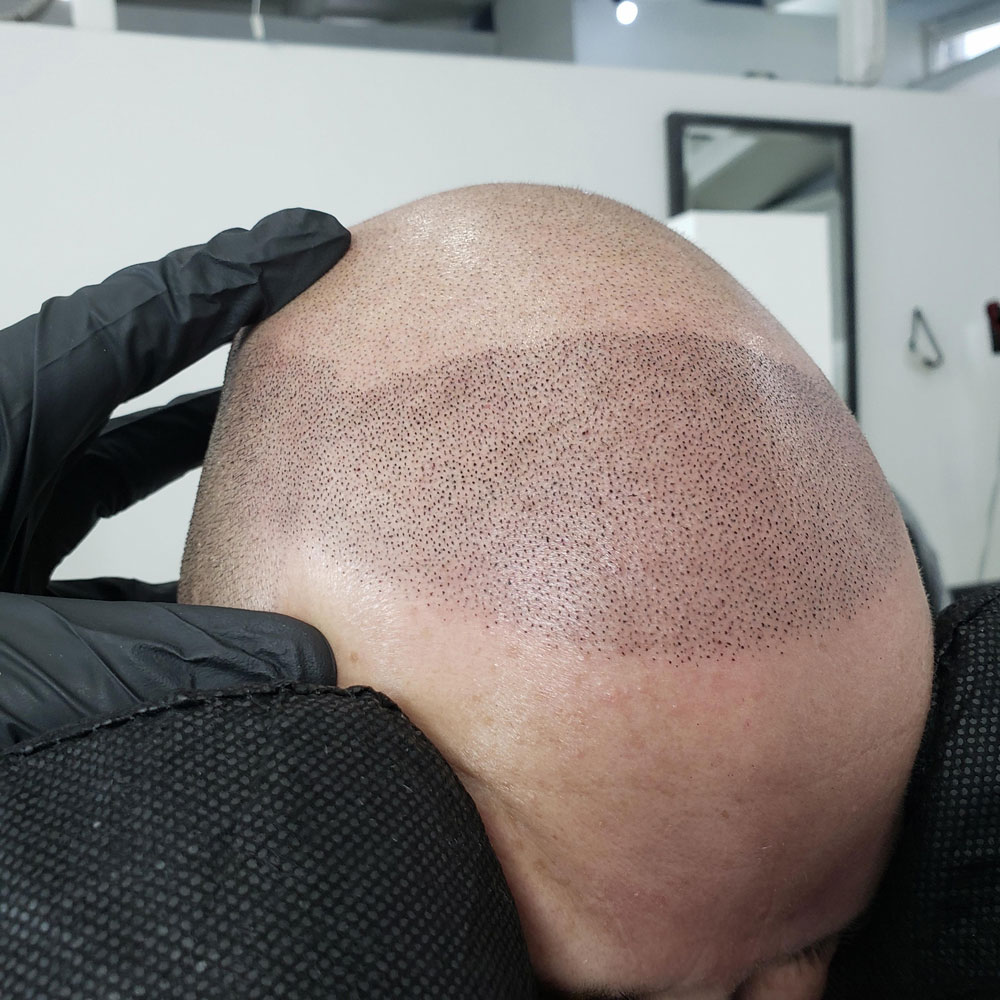
Fresh SMP always looks impressive. Pigment is vivid, dots are crisp, and the contrast is striking. The real test is what it looks like four weeks later, once the skin has fully healed and the epidermal layer has cycled through. Pigment deposited at the wrong depth migrates, spreads, or turns a blue-grey shade that reads as a bruise rather than a follicle.
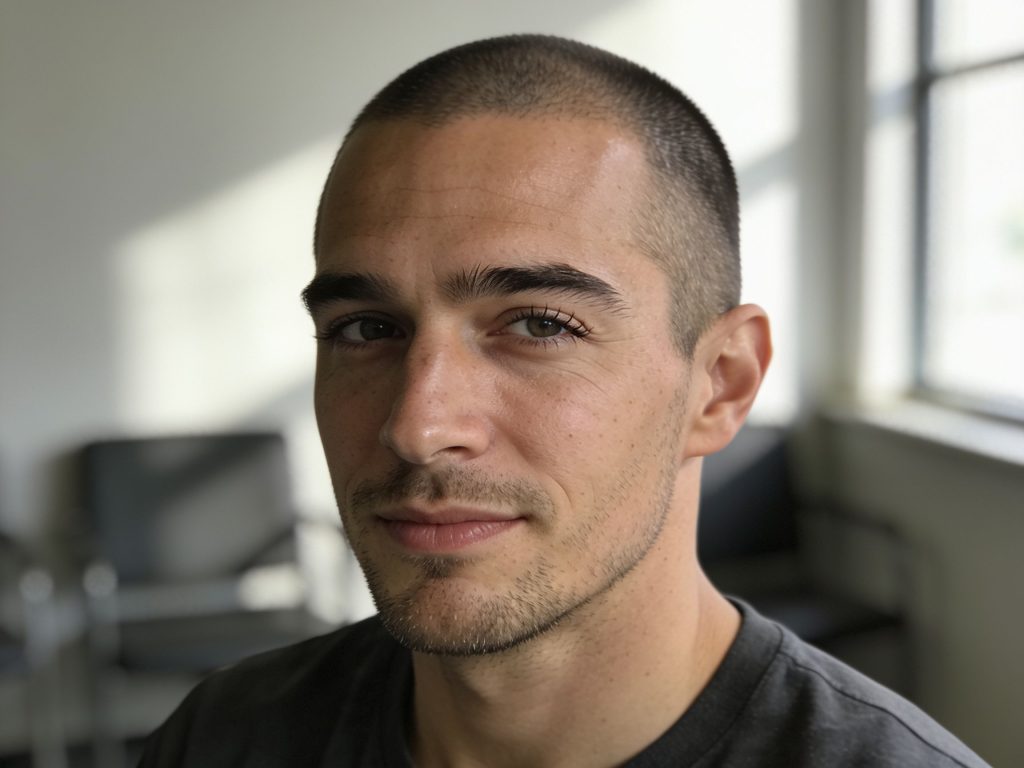
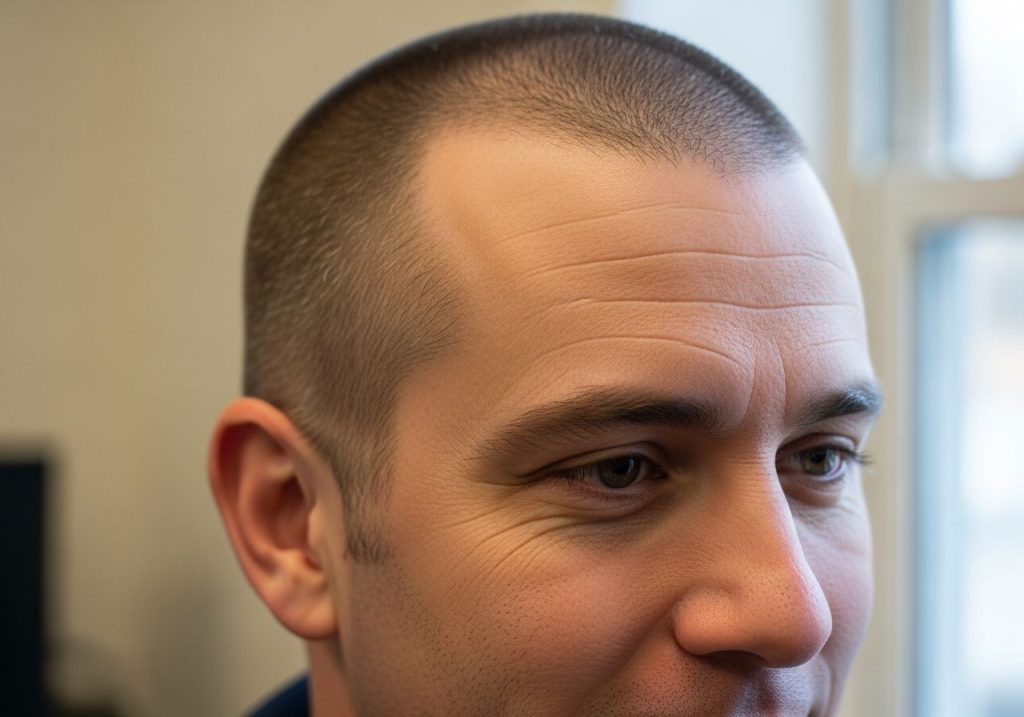
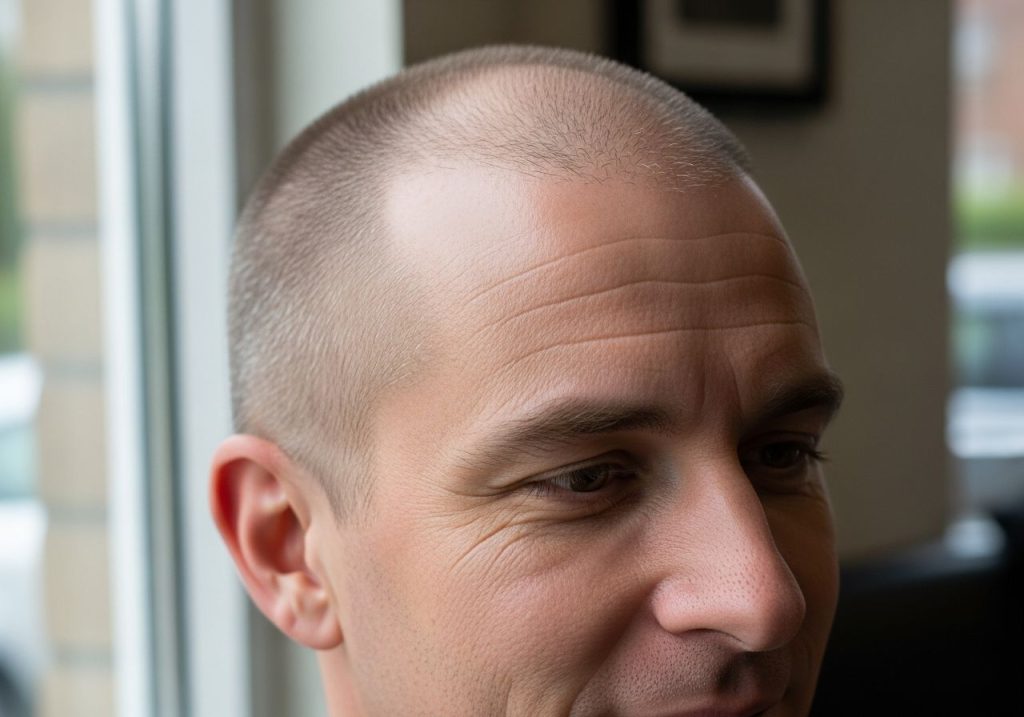
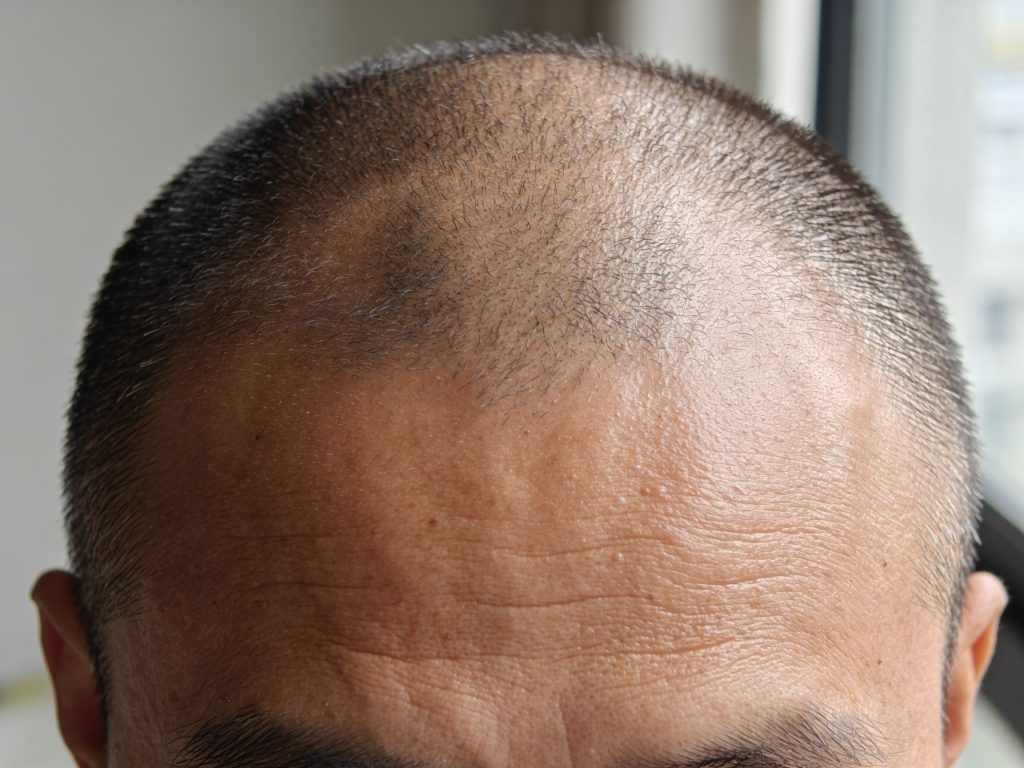
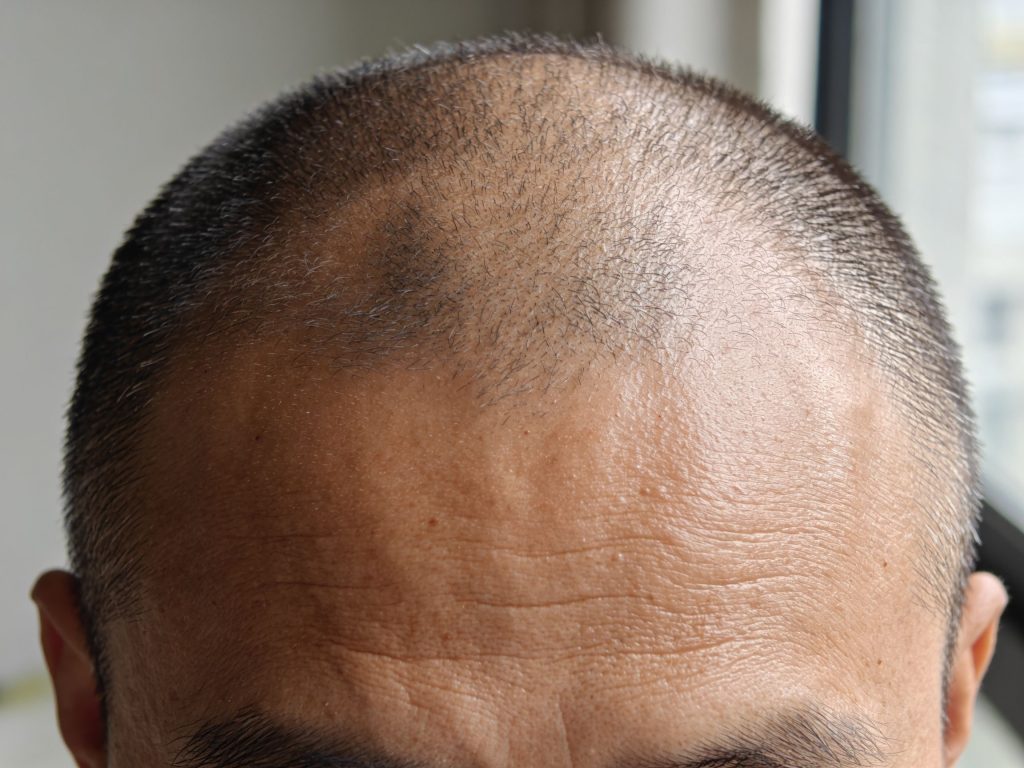
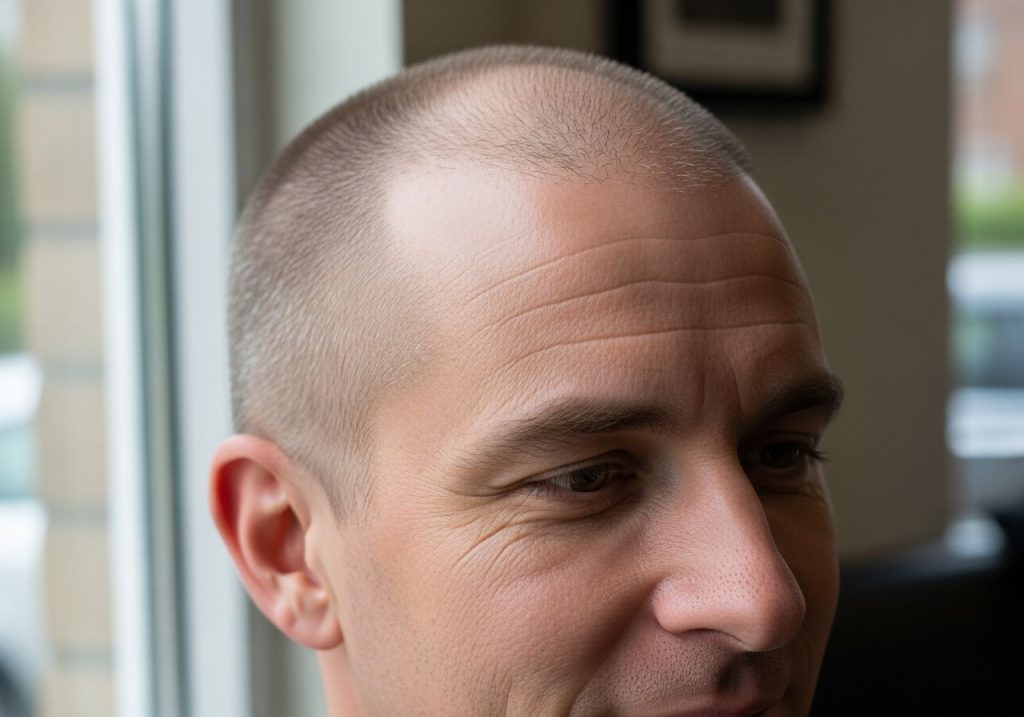
When reviewing a clinic’s portfolio, specifically ask for healed results on male density work, which is the technique used to add visual fullness to thinning areas rather than creating a shaved-head look. Healed density SMP should show consistent dot distribution, no patchiness, and a natural colour that matches the client’s hair. If a clinic can only show you photos taken on the same day as treatment, that is a significant gap.
Look for before-and-after sets with a minimum 30-day gap between treatment and the after photo. Where possible, ask to see results at six months to a year post-treatment as well.
3. Session structure and dot density progression reveal whether a practitioner understands the technique
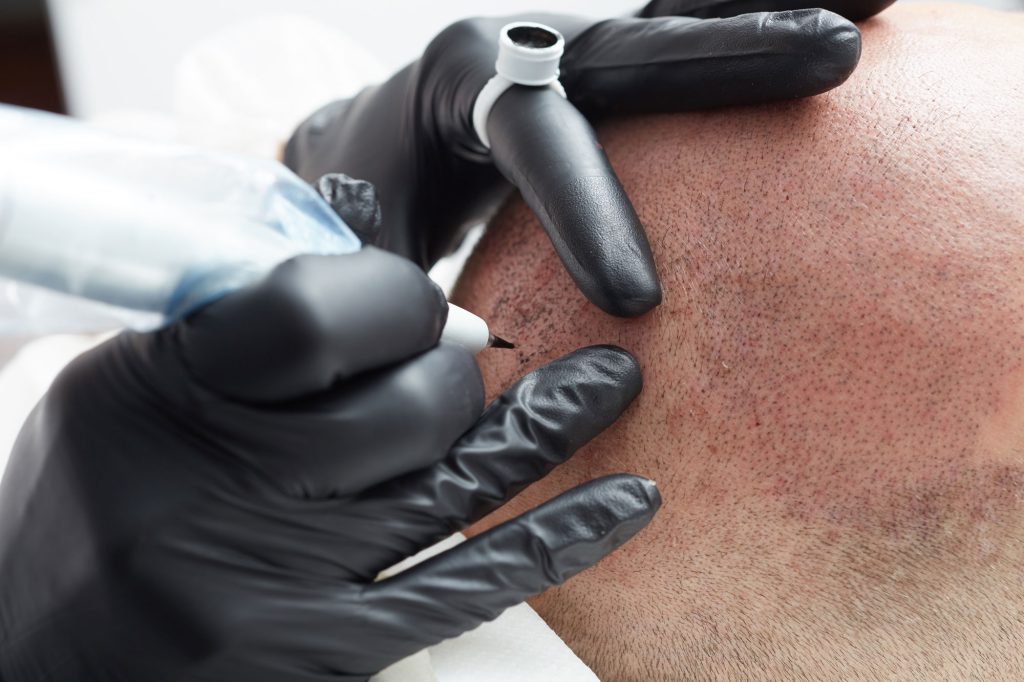
Quality SMP for male density is built across multiple sessions, not delivered in a single heavy appointment. The reasoning is deliberate: pigment dot density is progressively increased from around 40 dots per square centimetre in early sessions up to 80 to 100 dots per square centimetre in the final session. Rushing this process overloads the skin and produces a flat, unnatural result.
Most men require two to four sessions spaced several weeks apart. Each session runs between one and five hours depending on the coverage area. A practitioner who quotes a single session for full density work, or who cannot explain the layering rationale, is a red flag.
Ask specifically: how many sessions do you recommend for my coverage area, and what does each session aim to achieve? The answer should describe a logical progression, not a one-size-fits-all response.
4. Realistic price ranges by region help you spot outliers in both directions
SMP costs in the United States range from roughly $400 to $5,000 depending on coverage area, practitioner experience, and location. Major metropolitan areas such as New York, Los Angeles, and Miami sit at the higher end of that range; smaller cities and rural clinics typically come in lower. Neither extreme automatically signals quality or poor value.
For male density work specifically, expect the total cost to be broken down by session count rather than quoted as a single flat figure. A legitimate clinic will provide a per-session cost and an estimated session range, so you can plan the full investment before committing. Factor in touch-up appointments too: most SMP results hold well for four to six years before a refresh is worth considering, though some clients return every three to four years depending on skin type, sun exposure, and how their pigment ages.
Be cautious of prices that sit dramatically below regional norms. Underpriced SMP is almost always a sign of undertrained practitioners, inferior pigments, or a clinic cutting corners on sterilisation protocols.
5. Consultation questions expose the practitioner’s knowledge before any needles touch your scalp
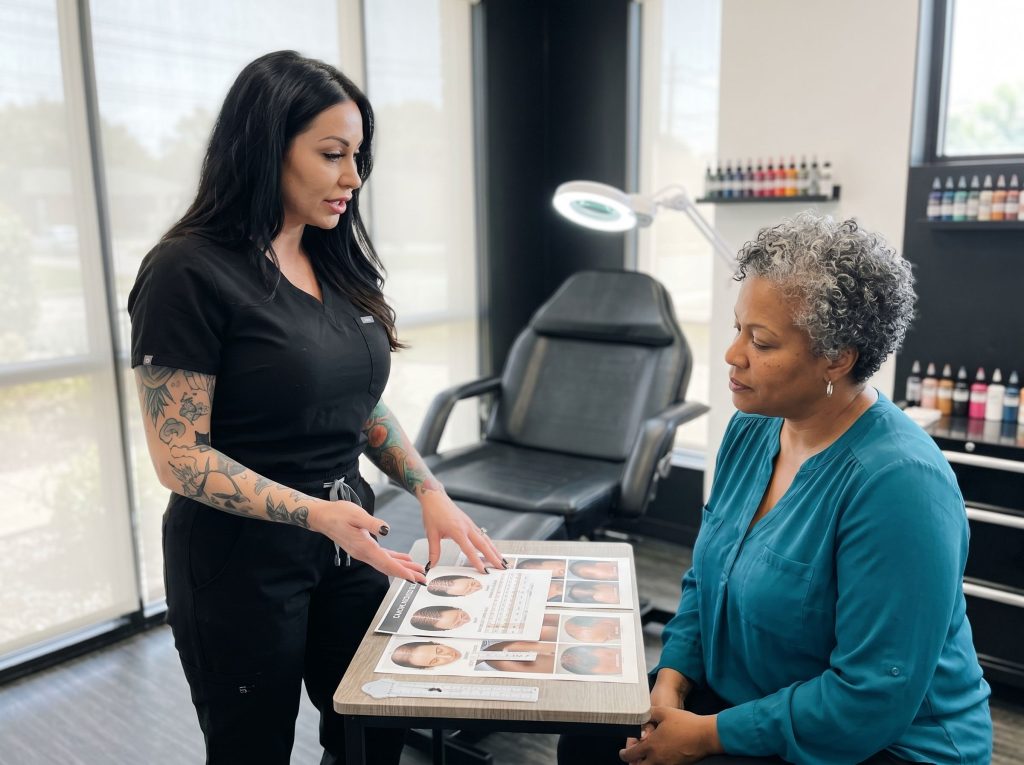
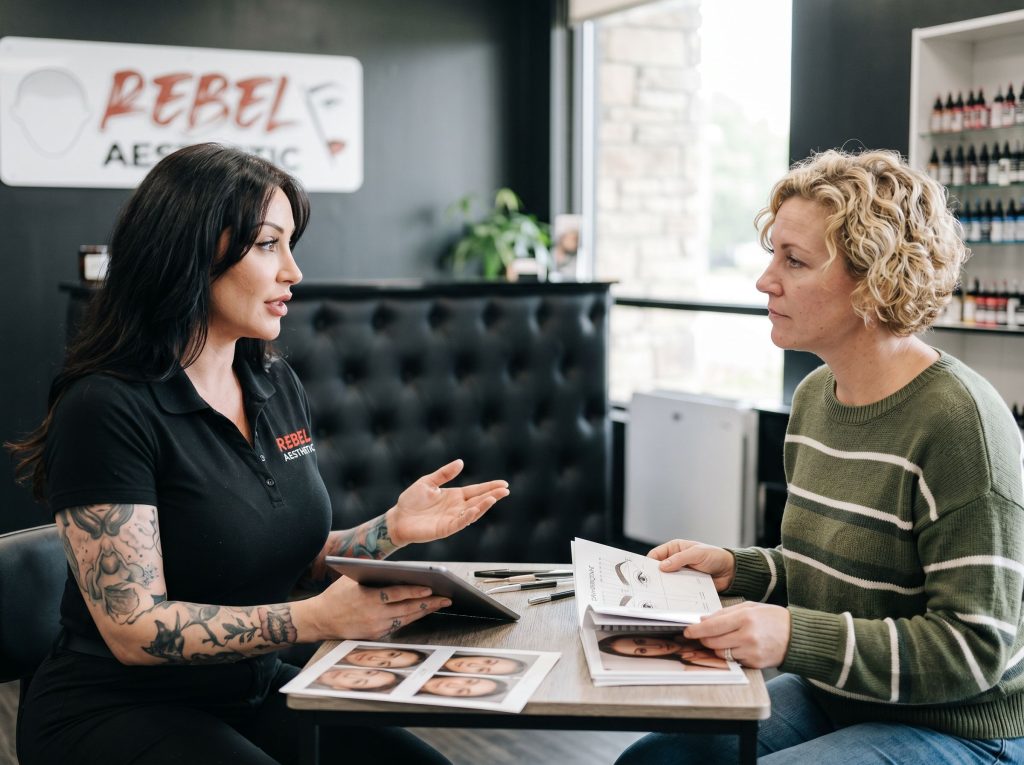
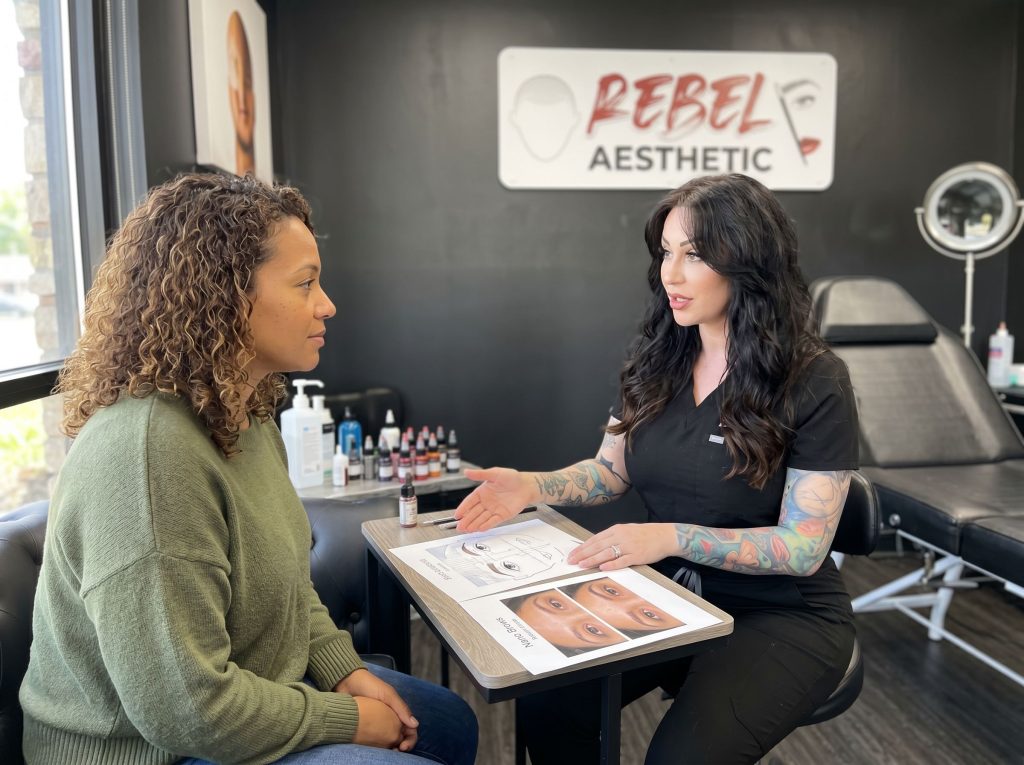
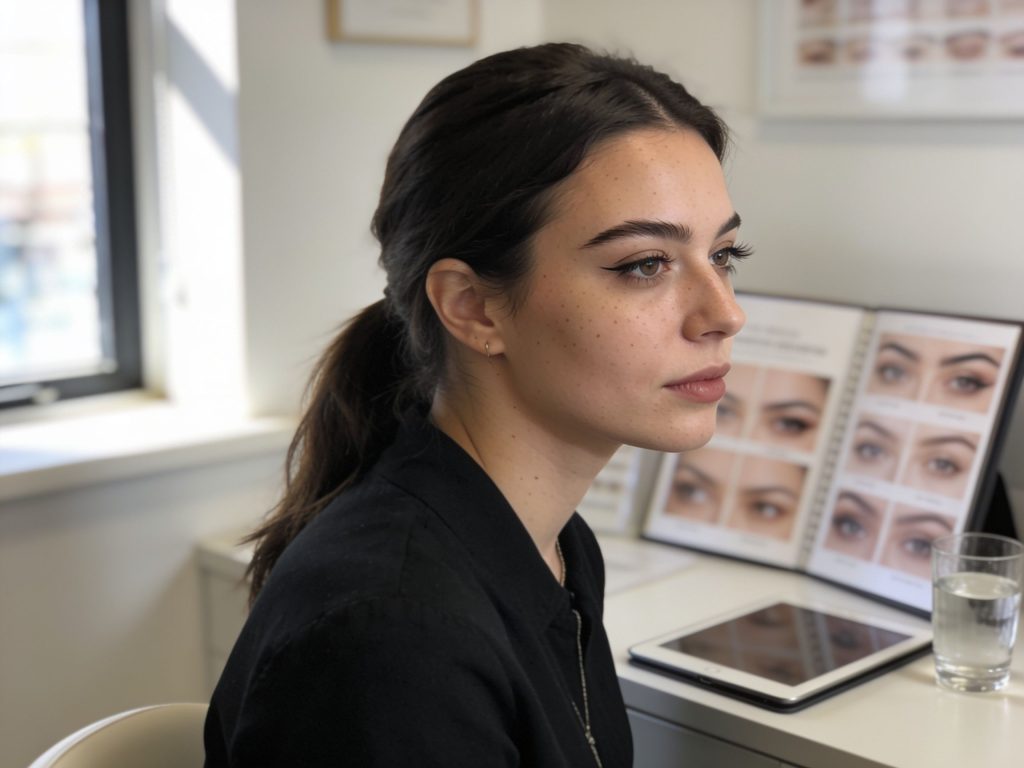
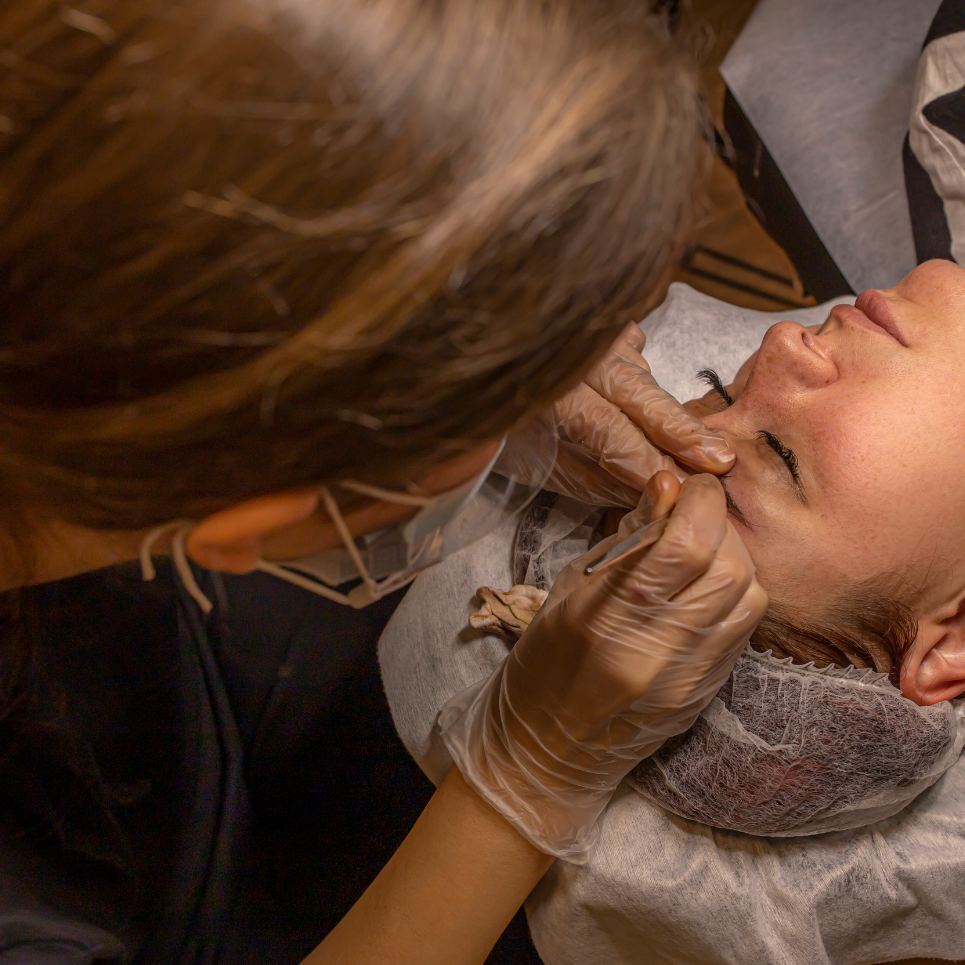
A confident, knowledgeable practitioner welcomes detailed questions. A consultation is not simply a sales call; it is your opportunity to assess whether the person genuinely understands hair loss patterns, skin types, and the constraints of medical micropigmentation as a technique.
Ask these specifically: what needle configuration do you use for hairline borders versus the vertex? How do you match pigment colour to my natural hair, and what happens as it fades? Are there any contraindications that might affect my candidacy, such as active scalp conditions or keloid-prone skin? What aftercare will I need to follow, and how does that affect my daily routine?
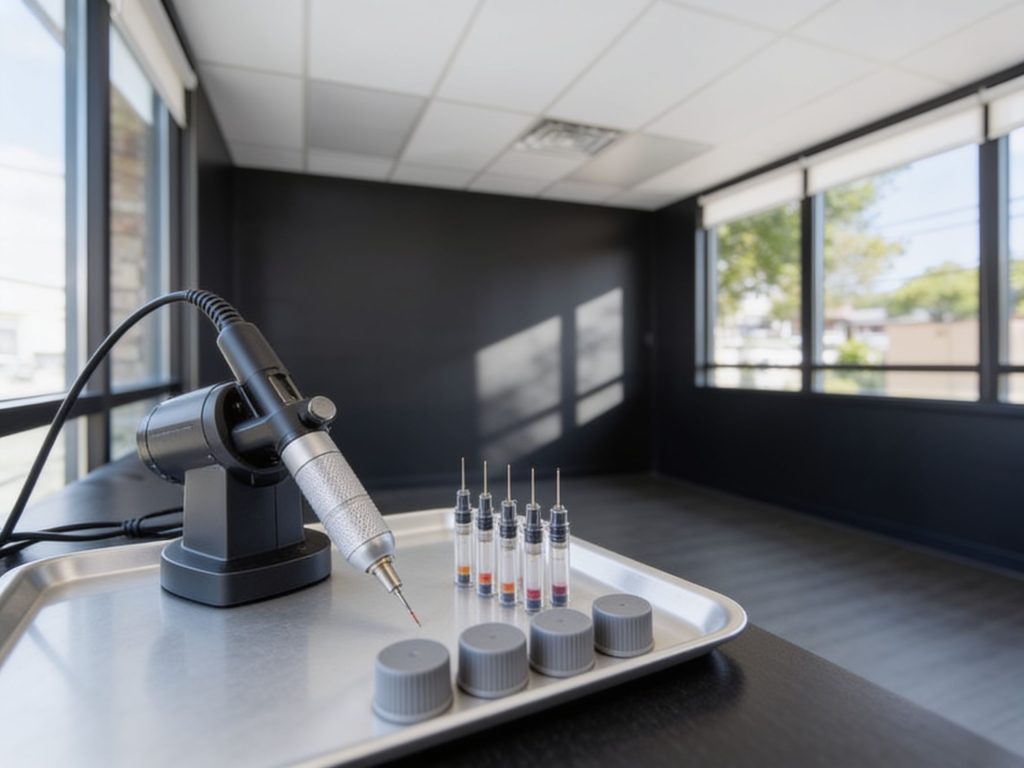
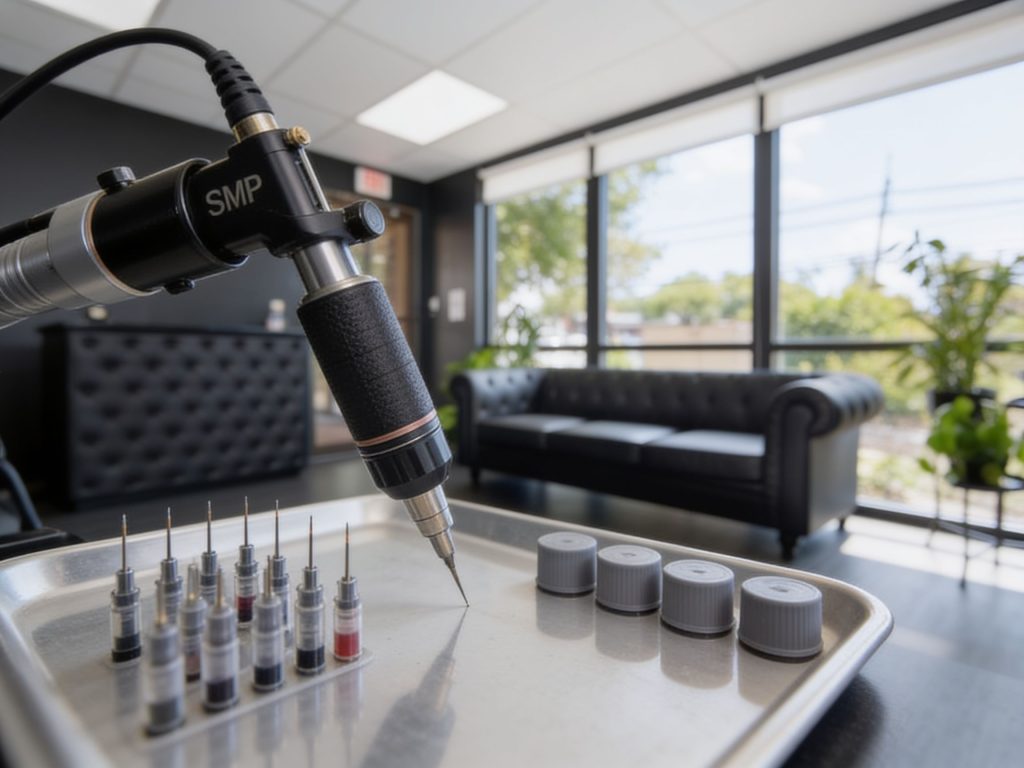
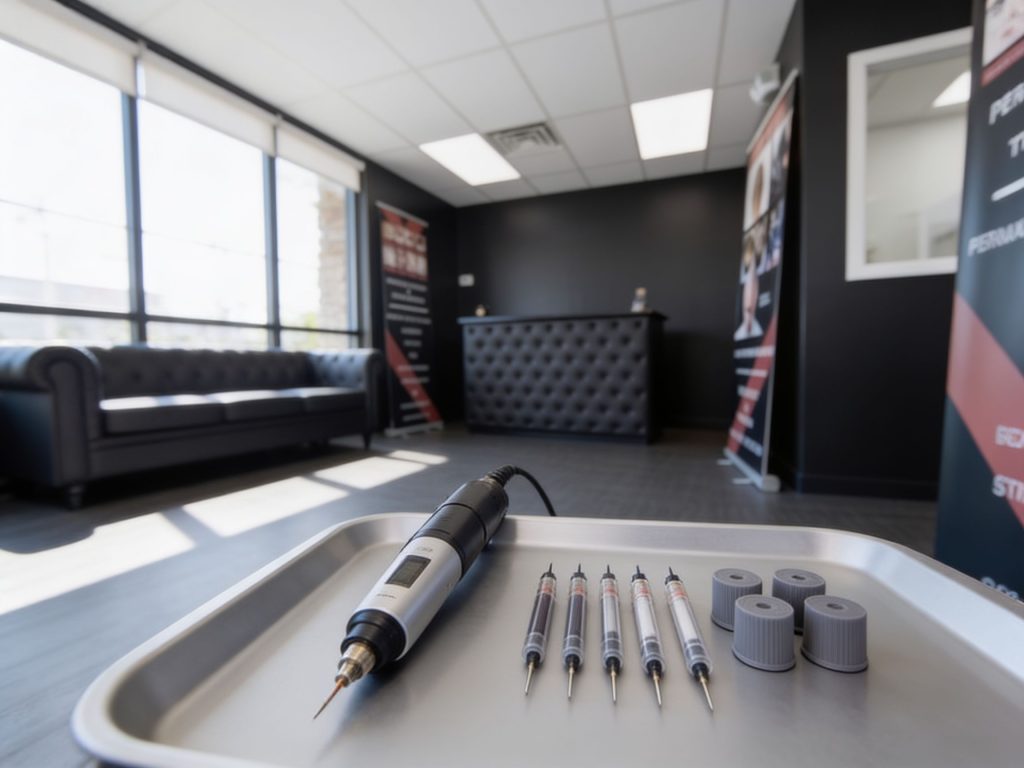
The answers matter less than the depth behind them. A practitioner who explains that a 0.2 mm single-point needle is used for hairline precision while a triple-point needle covers the vertex and crown, and can tell you why, is demonstrating real technical knowledge. Vague or generalised answers deserve follow-up questions before you agree to anything.
Finding the right SMP clinic in the United States comes down to evidence over marketing. Licensing compliance, healed portfolio quality, session structure logic, transparent pricing, and consultation depth are the five filters that matter. Apply all five, and your shortlist becomes much shorter and much more reliable.