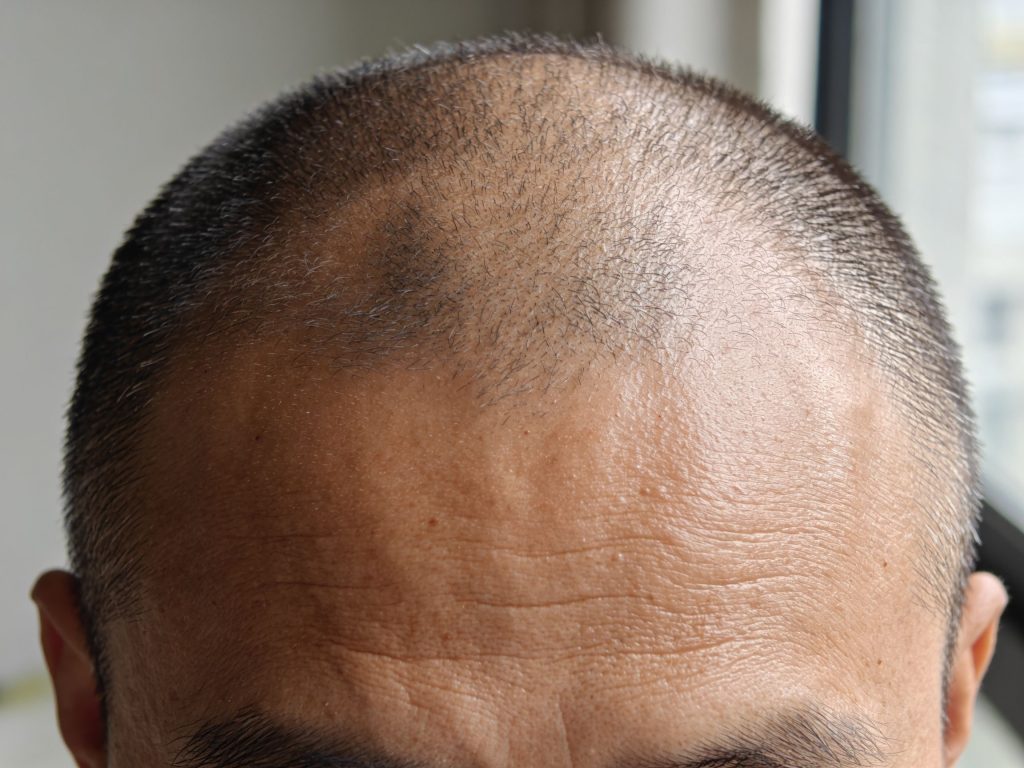
You have done your research, you are seriously considering scalp micropigmentation for thinning hair, and the one question you cannot get a straight answer on is: how long does it actually last? This article gives you the real figures, the variables that matter, and a clear picture of what a long-term maintenance schedule looks like. By the end, you will know exactly what to expect.
1. The honest baseline: 3 to 5 years for most men
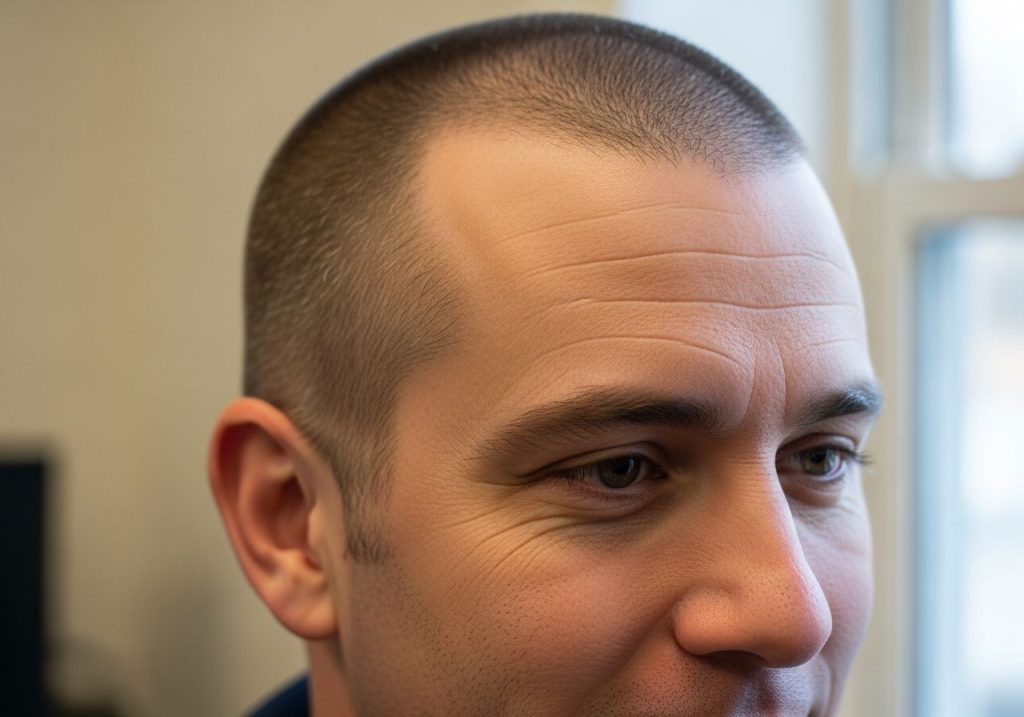
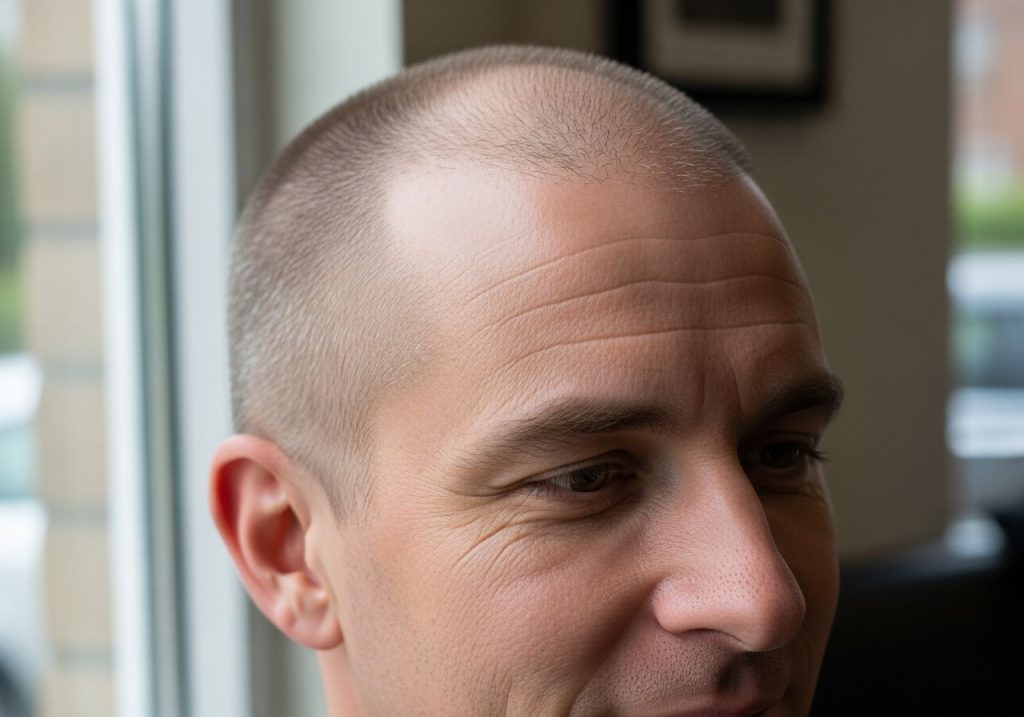
Male density SMP typically lasts three to five years before the result needs refreshing. That is the working figure most practitioners use with clients, and it is consistent with what the research supports. A 2025 case series found visual density scores averaging 8.7 out of 10 immediately after treatment, declining modestly to 7.7 at six months, a result that remained clinically strong.
Fading is gradual and predictable. Epidermal pigment clears within roughly 27 days via natural skin turnover, while the dermal pigment that remains fades slowly over years due to sun exposure, skin ageing, and immune activity. It is not a dramatic change, but it is cumulative.
Some clients return every three years. Others comfortably go four or five. A handful stretch longer. Skin type and lifestyle, covered below, are the deciding factors.
2. Your skin type either protects or accelerates the fade
Oily skin speeds fading. Faster cellular metabolism and higher sebum production both push pigment out of the skin more quickly than average. If your scalp tends to become oily by midday, factor in a shorter cycle between touch-ups.
Dry, mature skin tends to hold pigment longer. The cell turnover rate is slower, and the dermal environment is more stable. Men with advanced hair loss, meaning a larger treated surface area with less remaining hair, often see longer-lasting results for the same reason.
This is not a disadvantage if your skin runs oily. It simply means building a realistic touch-up schedule from the outset rather than being surprised when a refresh is needed earlier than expected.
3. Sun exposure is the single biggest lifestyle accelerant
UV exposure degrades pigment. For scalp micropigmentation longevity specifically, this is the variable clients most commonly underestimate. A shaved or closely cropped scalp offers no natural protection from the sun, so without SPF, the fade is accelerated every time you are outdoors.
Applying SPF 30 to 50 to the scalp after full healing, which takes approximately 30 days following the final session, is essential for getting the most from your treatment. Not occasionally, but every day the scalp is exposed to daylight.
Men who work outdoors or spend significant time in direct sun without a head covering should expect to sit at the shorter end of the three to five year window. Men who are diligent with SPF and generally spend more time indoors routinely reach the longer end.
4. Aftercare compliance in the first 30 days shapes long-term retention
The initial healing period determines how well pigment settles into the dermal layer. Days one to four are the most critical: no water on the scalp, no shampoo, no sweating, no shaving. Breaking these rules does not just risk irritation; it disrupts pigment deposition before it has fixed.
From day five to ten, gentle washing is permitted, but sun exposure should still be avoided. From day ten onwards you can resume normal grooming, though swimming pools should be avoided for the full 28-day period. Chlorine is particularly damaging to freshly deposited pigment.
Clients who follow aftercare precisely tend to require fewer corrective sessions and see more even, longer-lasting density. Clients who cut corners often notice patchy fading within the first year. The aftercare window is short; the payoff is years of better retention.
5. Session count and pigment density affect how gracefully the result ages
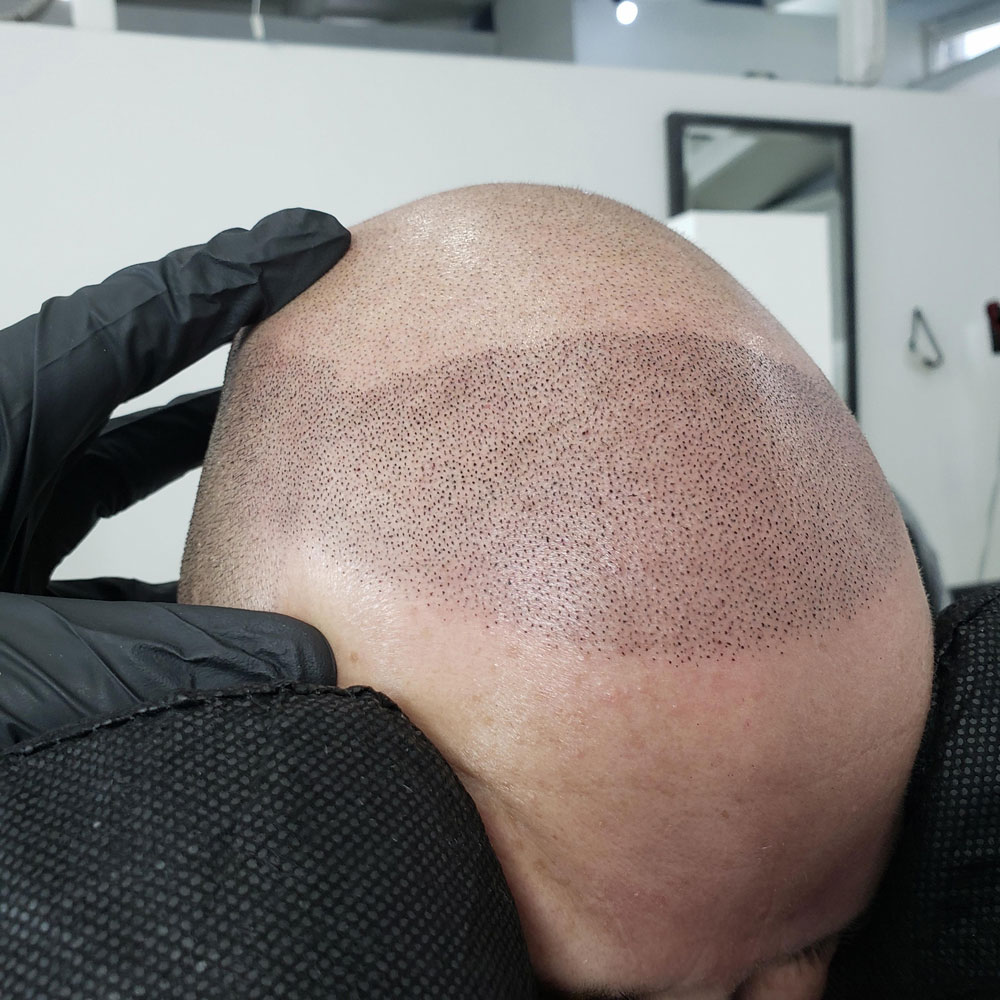
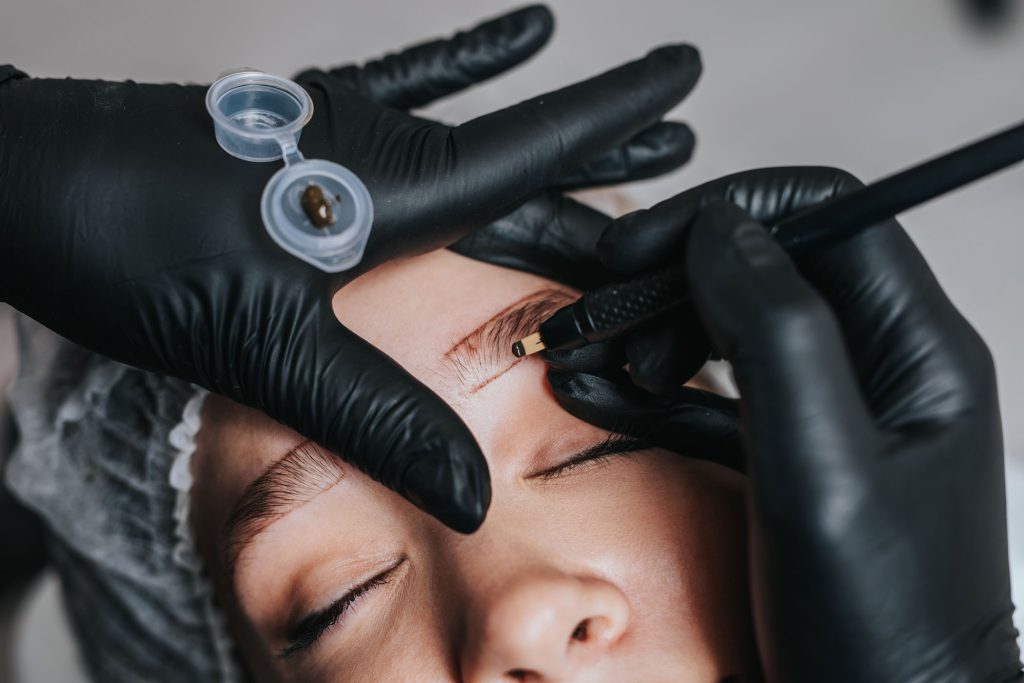
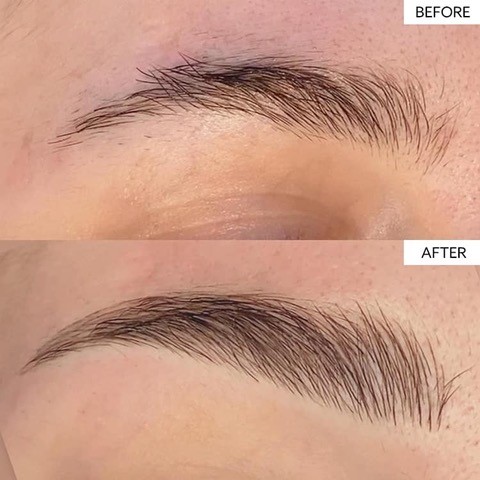
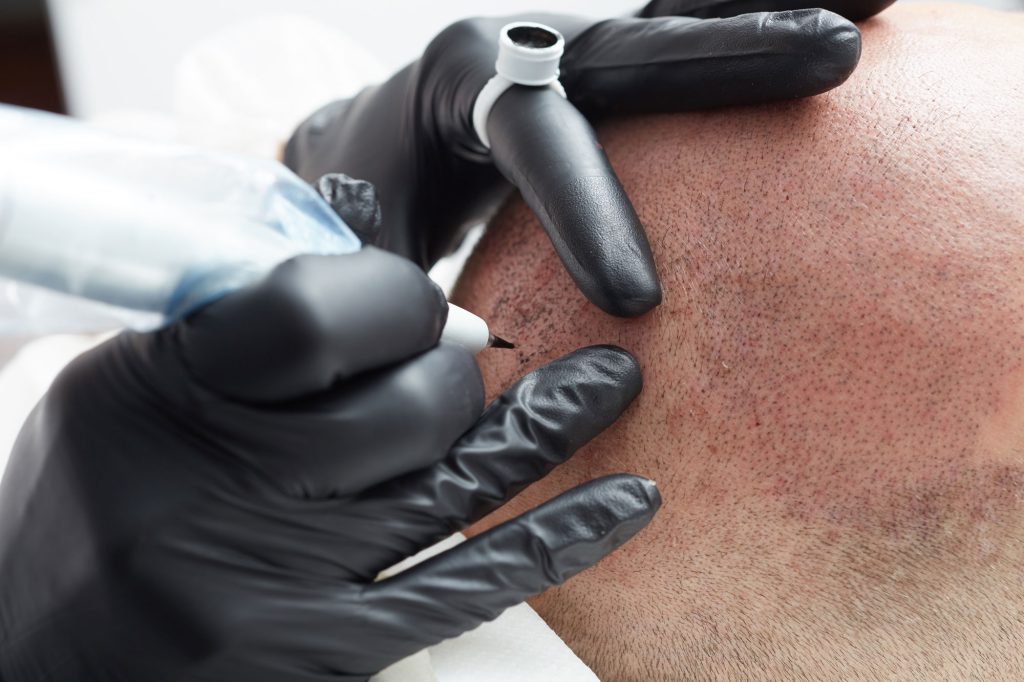
Most men require two to four sessions to build the right density. Pigment dot density is progressively increased across sessions, from around 40 dots per square centimetre initially to 80 to 100 in the final session. This layered build is what creates a natural, dimensional result rather than a flat, uniform appearance.
A result built properly across the correct number of sessions fades more evenly and more gracefully. A rushed result, meaning fewer sessions with heavier initial deposits, can fade unevenly or shift in tone. Colour migration to blue or grey is a documented complication of incorrect pigment depth, not a general feature of well-executed SMP.
When the time comes for a touch-up, the appointment is significantly shorter than the original treatment. You are refreshing existing pigment rather than building from scratch. Most clients are in and out within one to two hours, and results are immediate.
The bottom line for male density SMP is straightforward: plan for a touch-up every three to five years, protect your scalp from the sun daily, follow aftercare precisely, and choose a practitioner who builds density correctly across the right number of sessions. Do those things and the result ages well, staying visually strong for years.
Frequently Asked Questions
How long does male density SMP last before a touch-up is needed?
Male density SMP typically lasts three to five years before a refresh is recommended. Fading is gradual rather than sudden, driven by natural epidermal turnover, sun exposure, and skin ageing. Men with dry or mature skin and diligent SPF use tend to sit at the longer end of that range.
What does a scalp micropigmentation touch-up appointment involve?
An SMP touch-up for male density refreshes faded pigment rather than rebuilding from scratch. It typically takes one to two hours and targets areas where contrast has softened. The same aftercare rules apply: avoid water, sun, and sweating for the first four days, with full healing taking around 30 days.
Does oily skin affect scalp micropigmentation longevity?
Yes. Oily skin accelerates fading because higher sebum production and faster cellular metabolism push pigment out of the skin more quickly. Men with oily scalps should plan for touch-ups closer to the three-year mark rather than five, and should be particularly diligent with SPF application to slow the fade.
How many sessions does male density SMP typically require?
Most men need two to four sessions to achieve the correct density for thinning hair. Pigment is built progressively from around 40 dots per square centimetre in the first session to 80 to 100 in the final session. Spacing sessions several weeks apart allows proper healing and accurate assessment of how the result is developing.
Can you extend scalp micropigmentation longevity with aftercare?
Significantly, yes. Applying SPF 30 to 50 daily after the 30-day healing period is the single most effective habit for preserving results. Following strict aftercare in the first four days post-session also improves pigment retention long-term. Avoiding chlorinated swimming pools for 28 days after each session protects freshly deposited pigment from premature breakdown.