You have just had your lip tattoo and you are already wondering whether the colour is going to survive. The swelling looks intense, the tone seems too bold, and someone has mentioned a ghost phase. This article walks you through every stage of the lip tattoo healing timeline, week by week, so you know exactly what is normal, what needs your attention, and when to relax.
The first 72 hours: swelling, intensity, and why your lips look like that
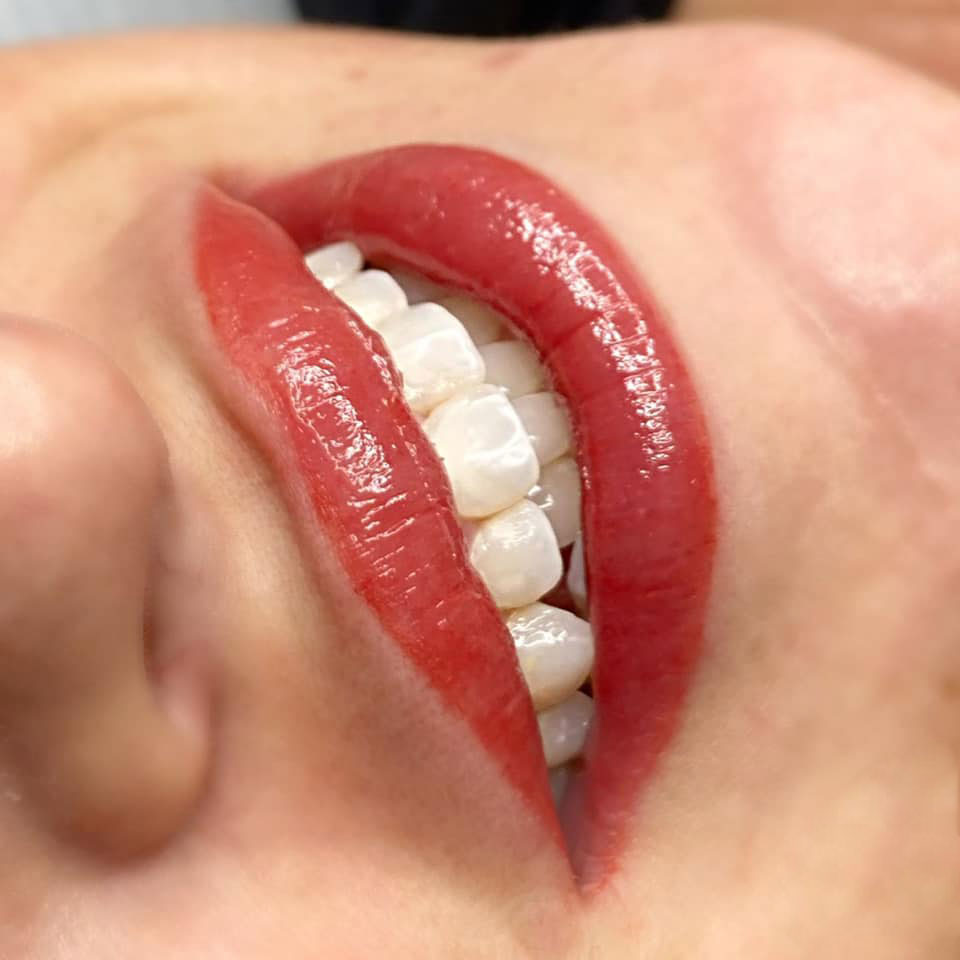
Right after your appointment, your lips will be swollen. Not a little tender, but properly swollen, potentially up to twice their usual size depending on your skin type. The colour will look significantly darker and more saturated than the finished result you are expecting. That is normal. You are looking at fresh pigment sitting in inflamed tissue, not the healed result.
By day two, the swelling usually begins to ease, though some clients still feel a tightness or tenderness. A thin, flaky layer may start to appear on the surface. Do not pick it. Do not rub it. Apply a thin layer of the healing balm your artist has provided to keep the area moist, as this is one of the most important lip blush aftercare steps there is. Dryness slows healing and increases the risk of losing pigment unevenly.
Keep water, sweat, and any lip product other than your prescribed ointment well away from the treated area during these first few days. That means no hot drinks held to your lips, no steamy showers directed at your face, and no greeting kisses at social events. It sounds strict because it matters.
Days four to ten: the peeling stages and why you must leave them alone
This is the phase most clients enquire about in a mild panic, and it is entirely understandable. The lip tattoo peeling stages can look alarming if you are not prepared. The surface skin will begin to flake and peel, sometimes in visible strips, and as it does, the colour underneath can look patchy, faded, or almost completely gone.
This is completely normal. What you are seeing is the outermost layer of skin shedding, taking some surface pigment with it. The pigment deposited at the correct depth is still there, sitting underneath. Picking or pulling at the peeling skin removes more than just dead cells; it takes pigment with it and can leave light patches in the healed result that will need correcting at your touch-up appointment.
Continue applying your healing ointment as directed, two to three times a day. Avoid direct sun exposure on the healing area, and skip anything acidic, including lip scrubs, vitamin C serums near the mouth, and anything exfoliating. Keep your meals gentle: very spicy or heavily salted food can irritate the healing skin, and anything oily or greasy should be patted away cleanly rather than wiped. Hydration matters too; drink water normally, but dab rather than smear your lips dry.
Weeks two to four: the ghost phase explained
Once the peeling resolves, you will likely enter what is known in the permanent cosmetics world as the ghost phase. The colour you chose appears to have almost completely disappeared. Your lips look close to their natural shade, or even lighter. If you were not warned about this, it can genuinely look as though the procedure did not work.
It did work. What is happening is that a fresh layer of skin has formed over the pigmented area and is temporarily obscuring the colour. Think of it as looking through frosted glass. Over the following two to four weeks, that skin barrier becomes more transparent as it matures, and the colour slowly reappears. Most clients see a significant shift somewhere between weeks three and five.
This is also why a top-up appointment exists. No matter how well an initial session goes, the healed result may have soft spots, asymmetries, or areas where the pigment took more lightly than others. The top-up, usually scheduled at six to eight weeks post-procedure, is where those refinements are made. Judging the outcome before the six-week mark is premature; the colour simply has not finished settling.
Weeks five and six: the fully healed result
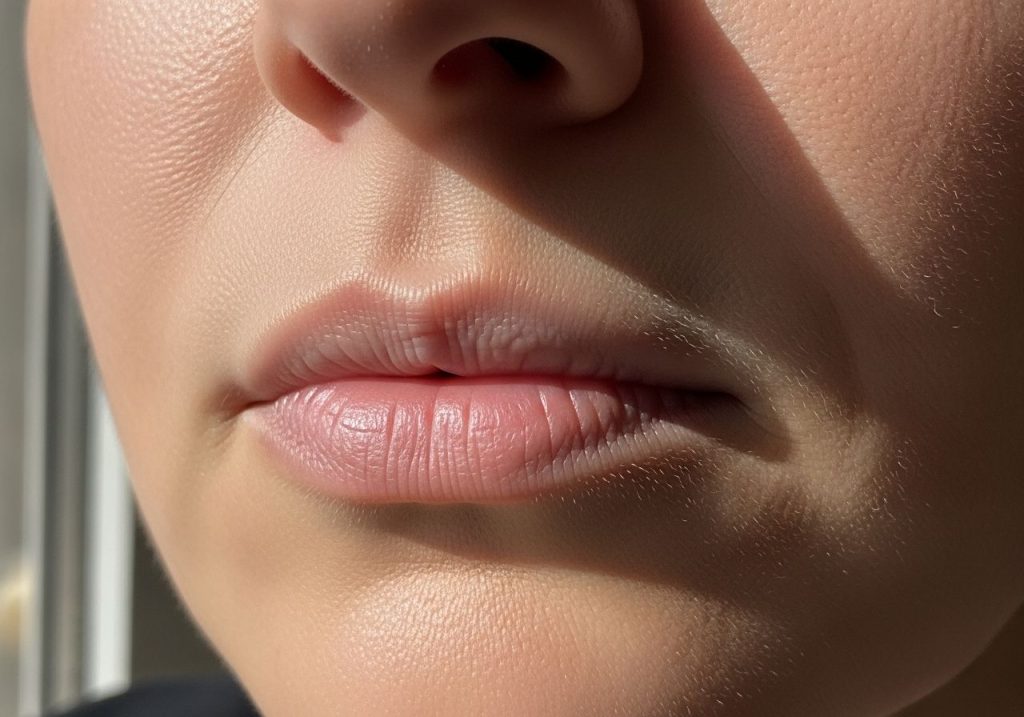
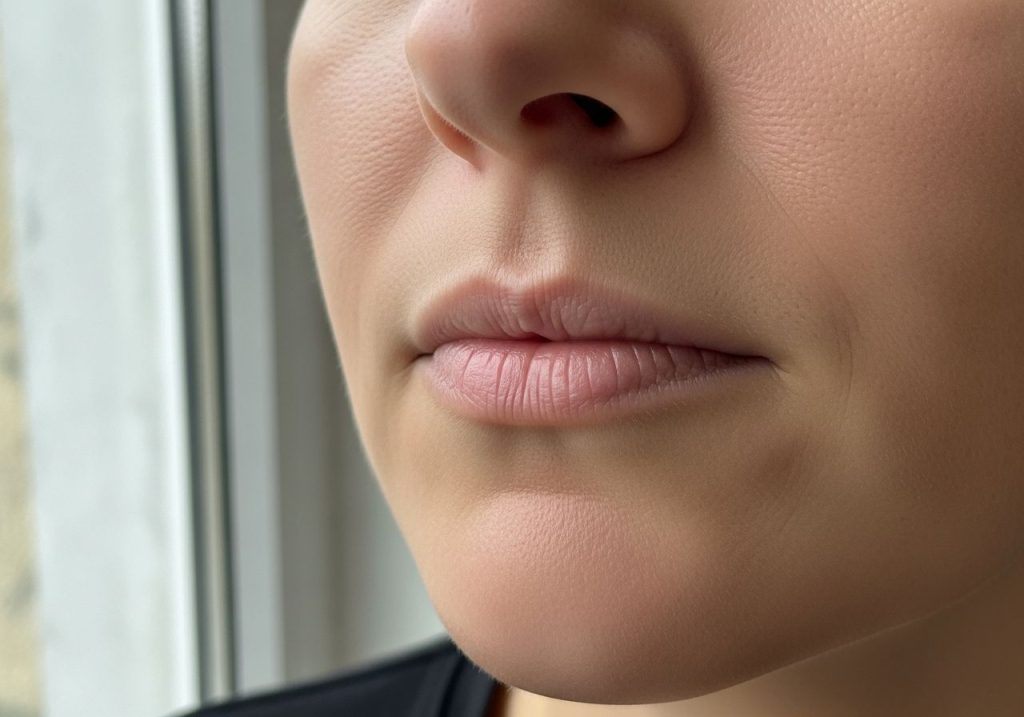
By weeks five and six, the lip tattoo healing process is largely complete. The colour that has settled is your true healed result. Expect it to be approximately 30 to 50 per cent softer than it appeared immediately after your appointment; that degree of lightening during healing is entirely standard across lip blush and full lip colour procedures alike.
The finished result should look like a natural enhancement of your own lip tone: defined, even, and genuinely wearable without any additional product. If areas appear uneven or lighter than the rest, make a note of them before your top-up appointment. A good artist will assess the healed result methodically and adjust density or tone where needed.
Once healed, protect your result from prolonged sun exposure, as UV light is the main factor that fades cosmetic pigment over time. A lip balm with built-in SPF during summer months is a simple habit that meaningfully extends the life of your colour. Most lip tattoos hold well for one to three years before a colour refresh is needed, depending on skin type, sun exposure, and individual pigment retention.
Frequently Asked Questions
Is it normal for lip tattoo colour to almost disappear during healing?
Yes, this is called the ghost phase and it is a standard part of the lip tattoo healing timeline. It occurs when new skin forms over the pigmented area and temporarily obscures the colour. The true healed result becomes visible around weeks four to six as the skin matures and the colour reappears.
What are the most important lip blush aftercare instructions to follow?
Keep the area clean and moisturised with your prescribed healing ointment, avoid water, sweat, and makeup on the lips for the first seven to ten days, and never pick or pull at peeling skin. Avoid direct sun exposure, exfoliating products near the mouth, and spicy or heavily salted food during the initial healing period.
How long do the lip tattoo peeling stages last?
The peeling stages typically begin around days three to four and resolve by days seven to ten. The skin sheds in fine flakes or visible strips, taking some surface pigment with it. This is normal and does not indicate a failed procedure. The pigment deposited at the correct depth remains intact beneath the shedding skin.
When can I wear lipstick after a lip tattoo?
Wait until the peeling has fully resolved and the skin feels smooth and comfortable, which is usually around day ten to fourteen. Applying lipstick or any cosmetic product before that point risks introducing bacteria to the healing area and disrupting the pigment. Confirm the all-clear with your artist if you are unsure at the two-week mark.
How much colour will I lose during the lip tattoo healing process?
A degree of lightening between 30 and 50 per cent is completely normal during lip tattoo healing. The final settled colour is always softer than the immediate post-appointment result. Any uneven areas or light patches can be addressed at your six to eight week top-up appointment, which is a standard and expected part of the process.