You have seen the soft, powdery finish online and you are convinced it could work for you. But before you book, there is a question worth sitting with honestly: does your skin, your health, and your daily routine actually set you up for the results you are picturing? This article walks through exactly what makes someone a strong candidate for ombre brows, what might complicate things, and what a proper consultation should cover.
Why skin type matters more than most people expect
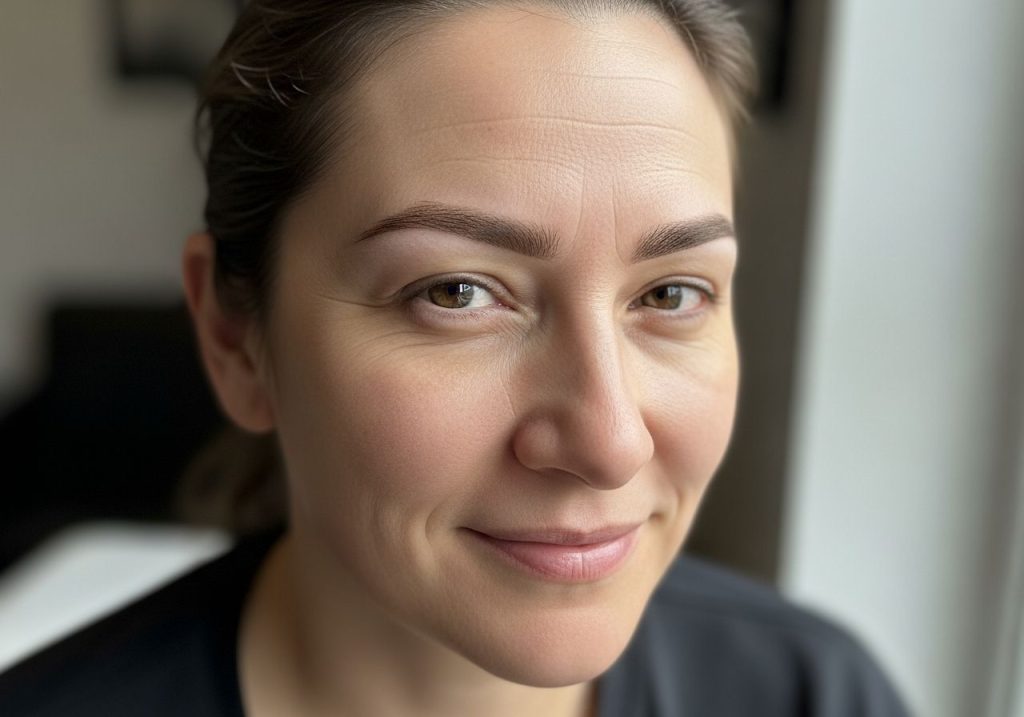
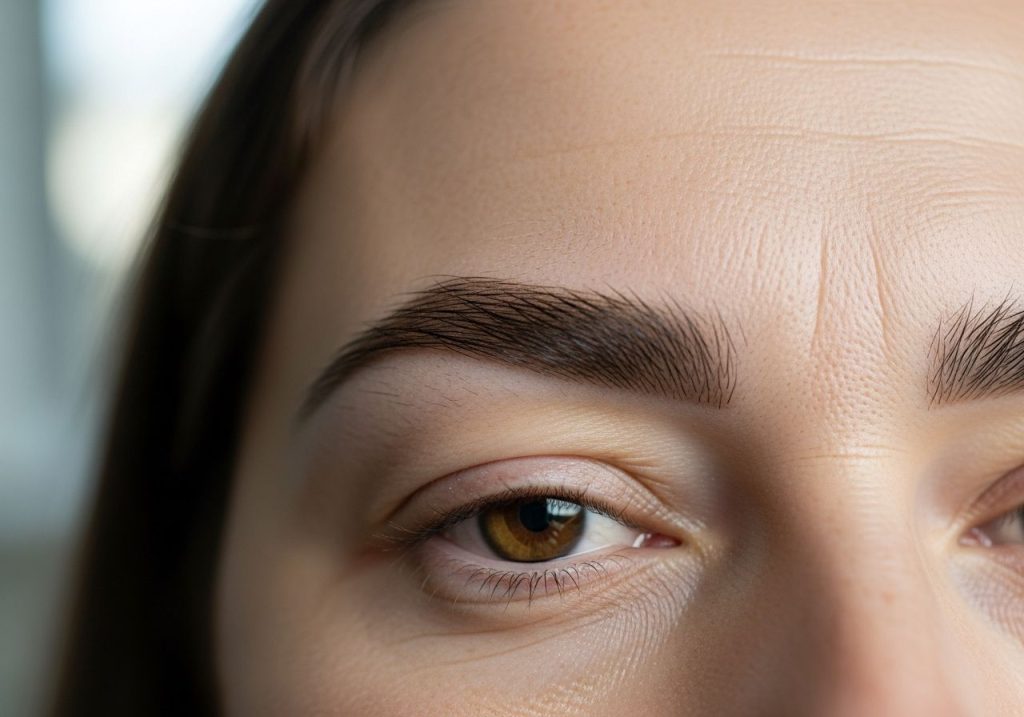
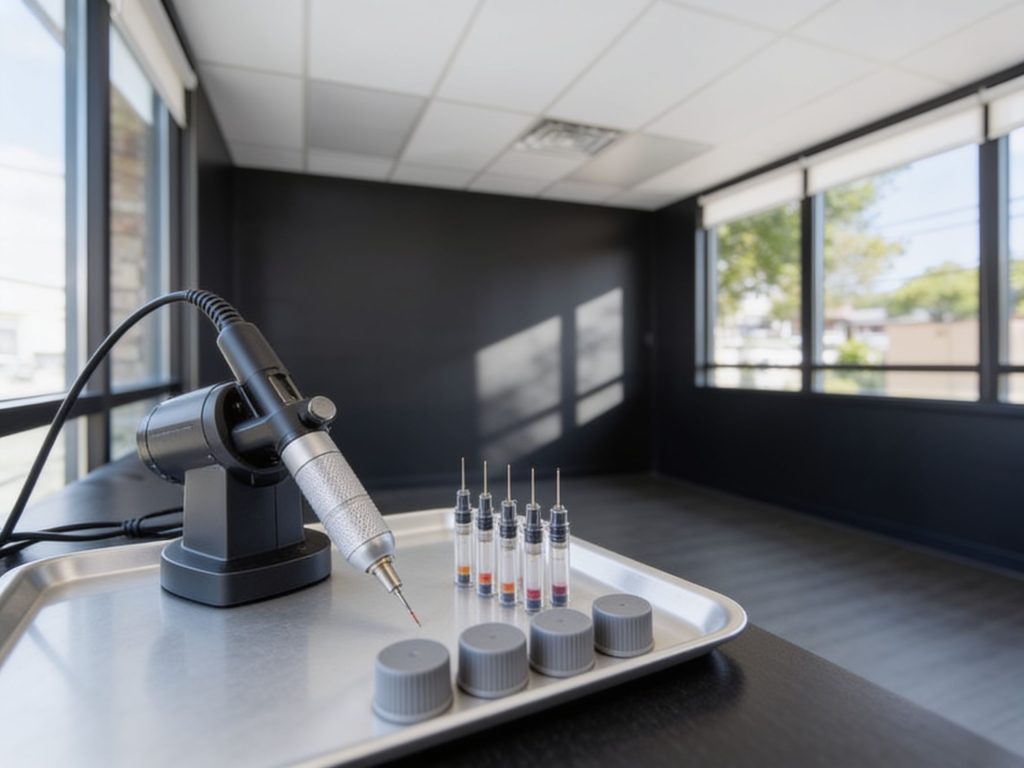
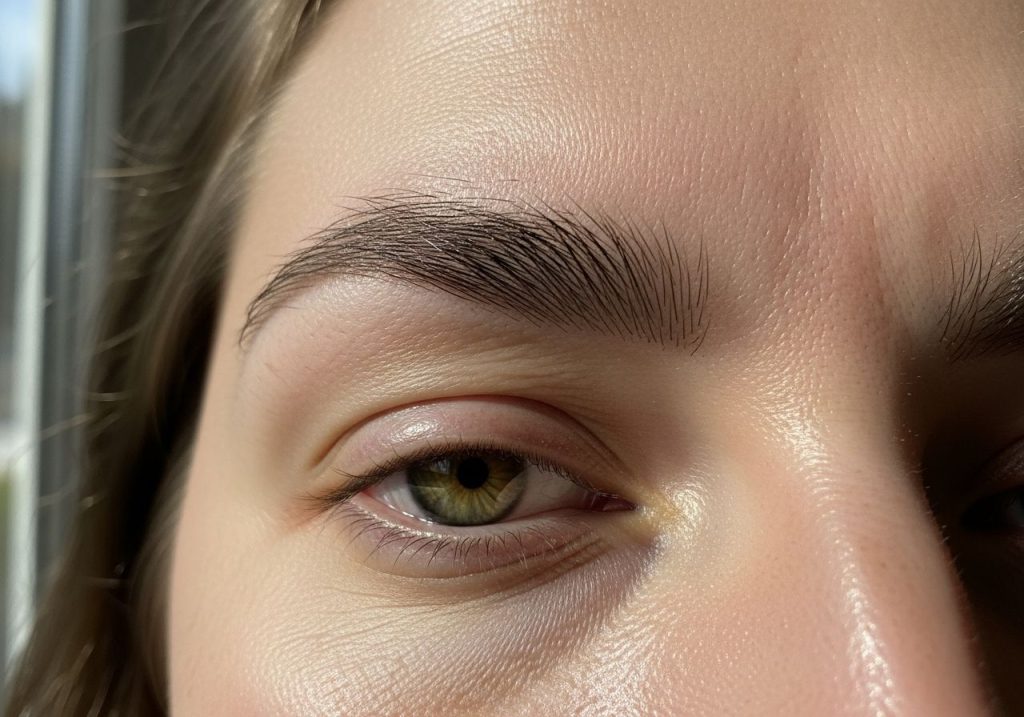
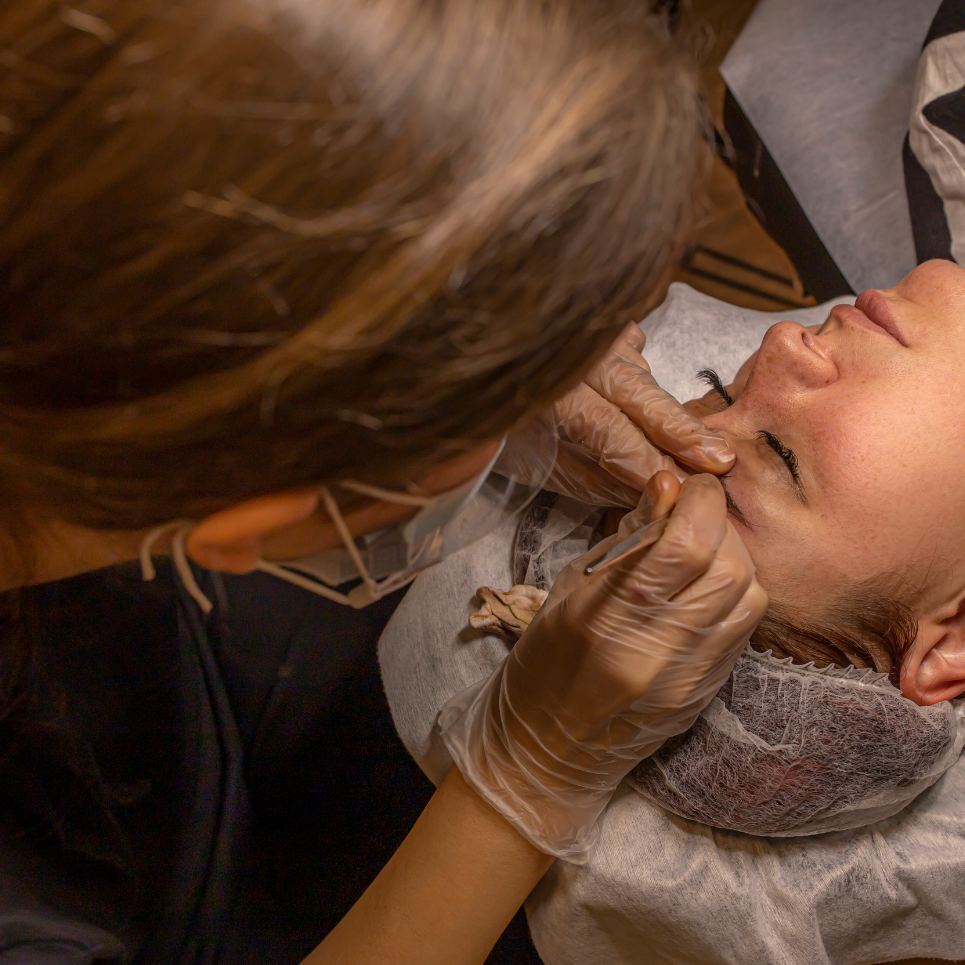
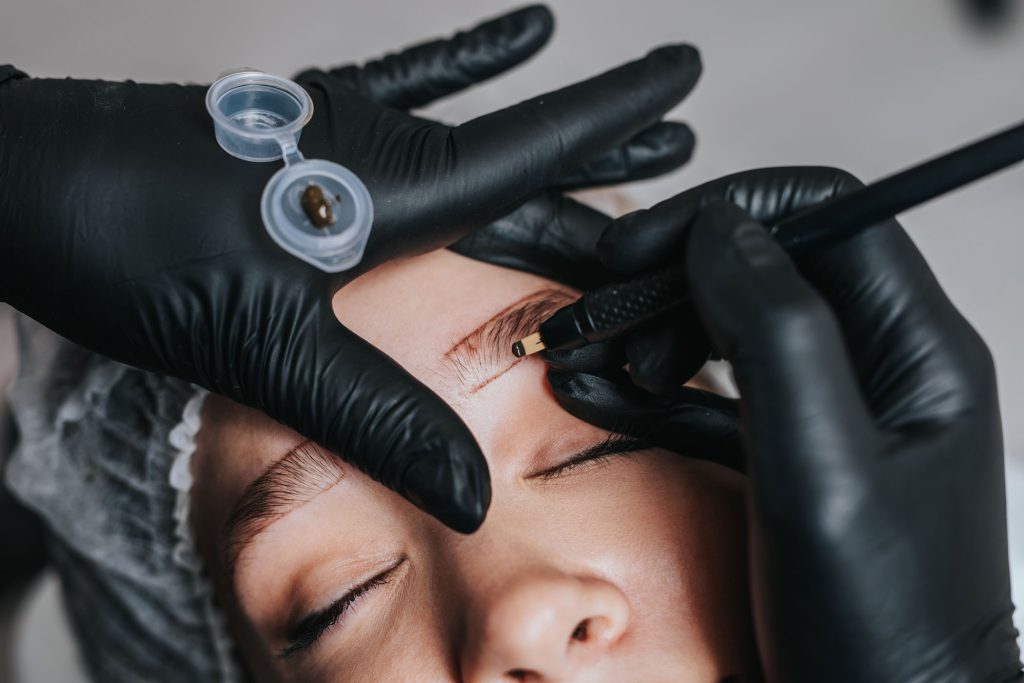
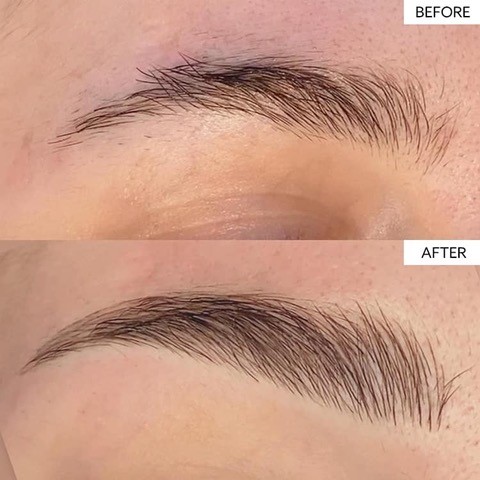
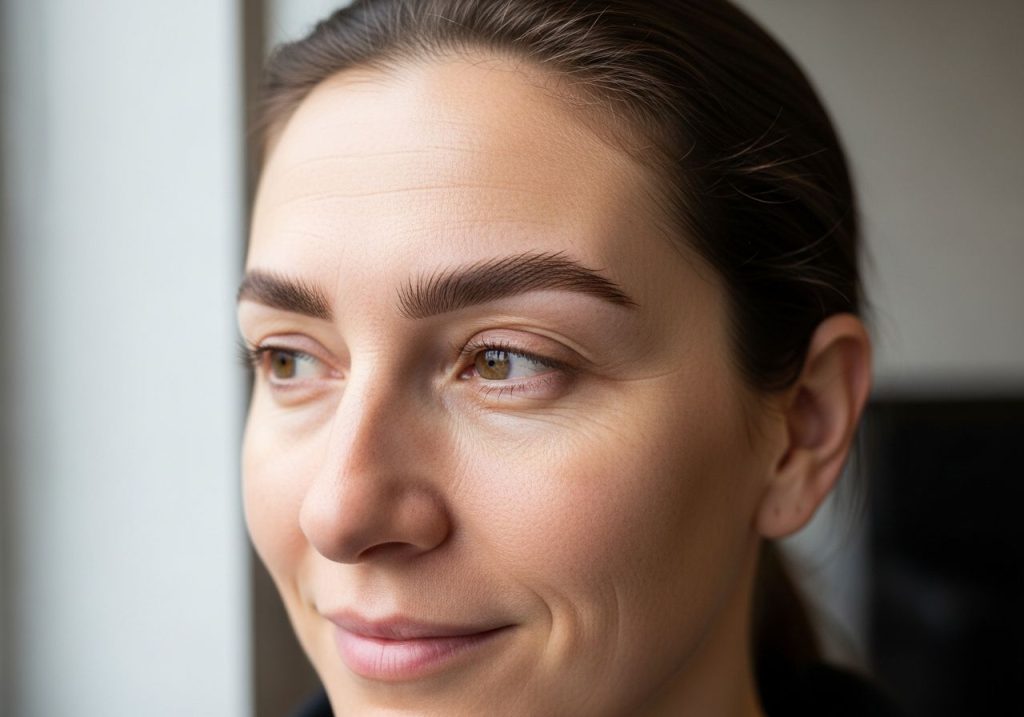
Ombre brows work by depositing pigment into the upper layers of the skin using a machine technique that creates a soft, shaded effect, lighter at the front and denser towards the tail. The result mimics the look of filled-in brows without a drawn-on edge. Because the pigment sits in the skin, how your skin behaves has a direct bearing on how long the results last and how crisply they heal.
Oily skin is actually one of the best arguments for choosing ombre brows over hair-stroke techniques. The powder effect tends to hold its shape better on oilier skin types, where individual strokes can blur over time. If you have been told in the past that your skin is not ideal for brow work, ombre is often the technique that changes that conversation.
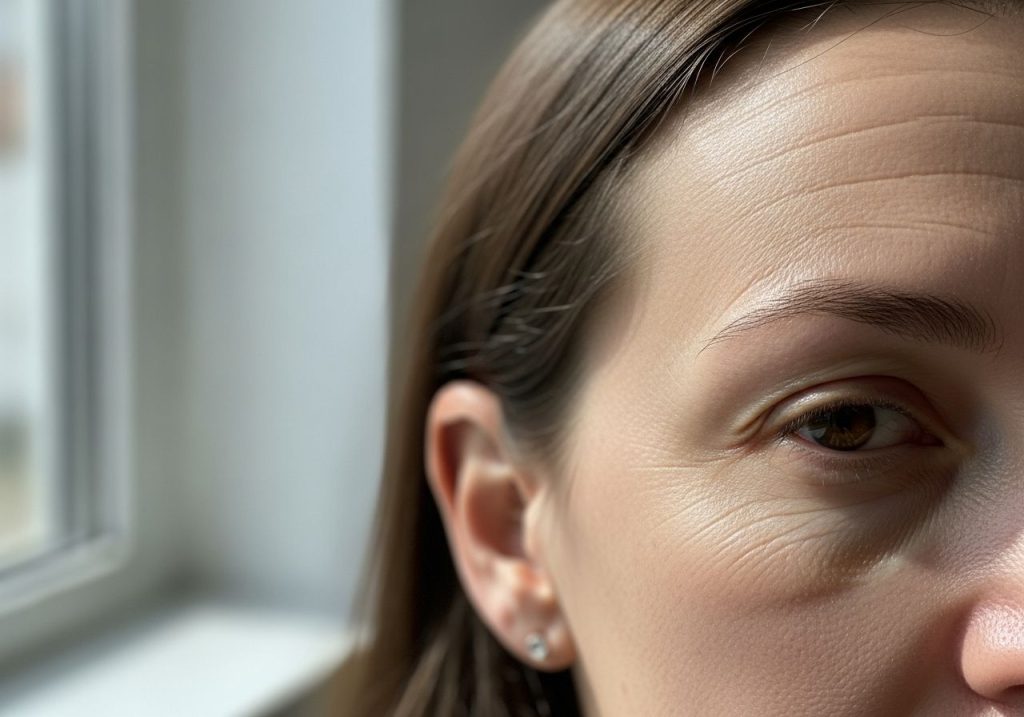
Dry or mature skin also responds well. The soft gradient sits beautifully on skin that has lost some elasticity, and it can give the appearance of fullness without requiring a great deal of natural brow hair to blend into. Combination skin falls comfortably in the middle and is rarely a barrier.
What does need careful consideration is sensitised, reactive, or rosacea-prone skin. These skin types can be worked with, but healing may take longer and the outcome can be less predictable. A thorough consultation is essential before proceeding.
Medical conditions and medications that affect candidacy
There are genuine ombre brows contraindications that every artist should screen for, and that you should disclose fully before any appointment. This is not paperwork for the sake of it. Certain conditions or treatments directly affect how your skin heals and retains pigment.
Active skin conditions in or near the brow area, including eczema, psoriasis, and dermatitis, are typically a reason to postpone. Treating over compromised skin risks poor pigment retention and can irritate the condition further. Similarly, if you are using retinol, tretinoin, or any prescription-strength exfoliant regularly, you will need to pause these for a period before and after your appointment, as they accelerate skin cell turnover and can cause pigment to fade faster.
Blood-thinning medications and certain autoimmune conditions warrant an honest conversation with both your GP and your artist. Chemotherapy and radiation treatment are generally a contraindication. Thyroid disorders, depending on whether they are managed, can affect pigment retention. Pregnancy and breastfeeding are also periods during which permanent cosmetic work is not performed.
Diabetes does not automatically rule you out, but controlled diabetes with good wound healing is very different from unmanaged diabetes where healing is compromised. This is worth discussing directly in consultation, as it genuinely affects the plan.
Being transparent about your medical history is not about being screened out. It is about making sure the timing, technique, and aftercare approach are right for you specifically.
Lifestyle factors that shape your results
Your day-to-day life affects how ombre brows heal and how long they last. This is not about judging how you live; it is about setting honest expectations.
Sun exposure is one of the biggest factors in pigment longevity. If you spend significant time outdoors without SPF on your brows, the pigment will fade faster. This does not mean you cannot have the treatment. It means you will likely need top-up appointments more frequently, typically every 12 to 18 months rather than every two years.
Active lifestyles involving daily intense exercise and heavy sweating during the healing period, the first seven to ten days, do need to be managed carefully. Sweat can disrupt the healing skin and affect how the pigment settles. During healing, you will also need to avoid water, makeup, and direct sun on the treated area, so it is worth timing your appointment around any major events or holidays.
Skincare habits matter too. Regular chemical exfoliants, microdermabrasion, and laser treatments near the brow area all accelerate pigment fading over time. Knowing this in advance allows you to plan your skincare routine around protecting your results.
Those who smoke or have significant sun damage may notice slightly less pigment retention overall. This is simply how the skin behaves and it can be factored into the colour and deposit strategy at your appointment.
What a thorough consultation should actually involve
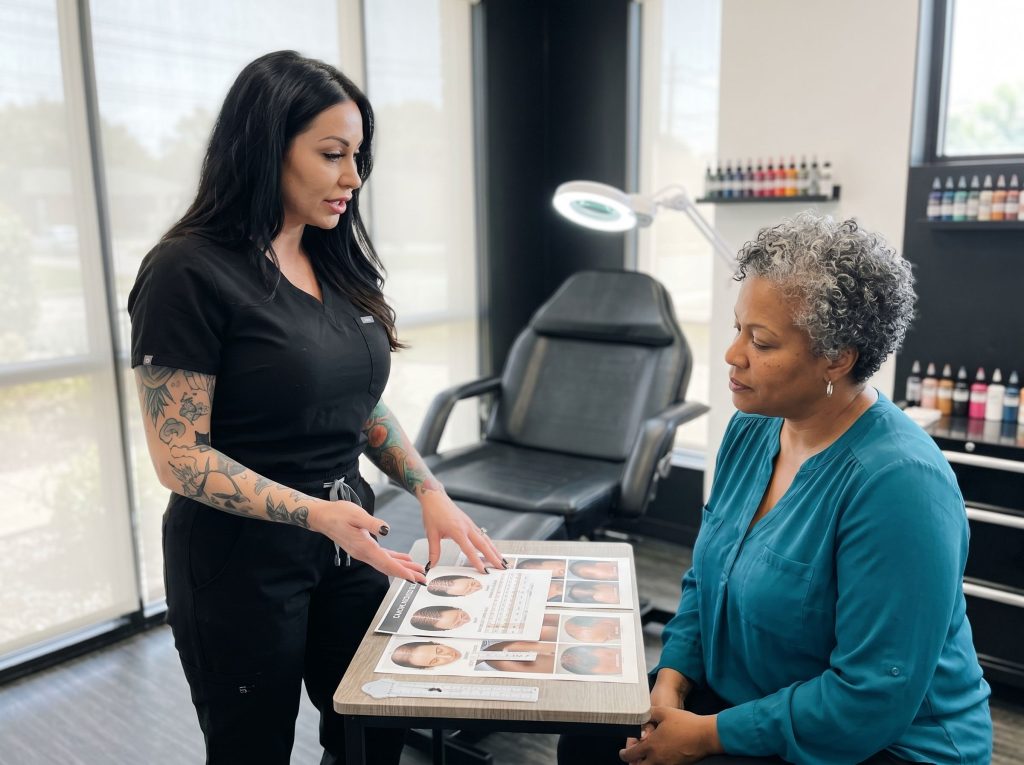
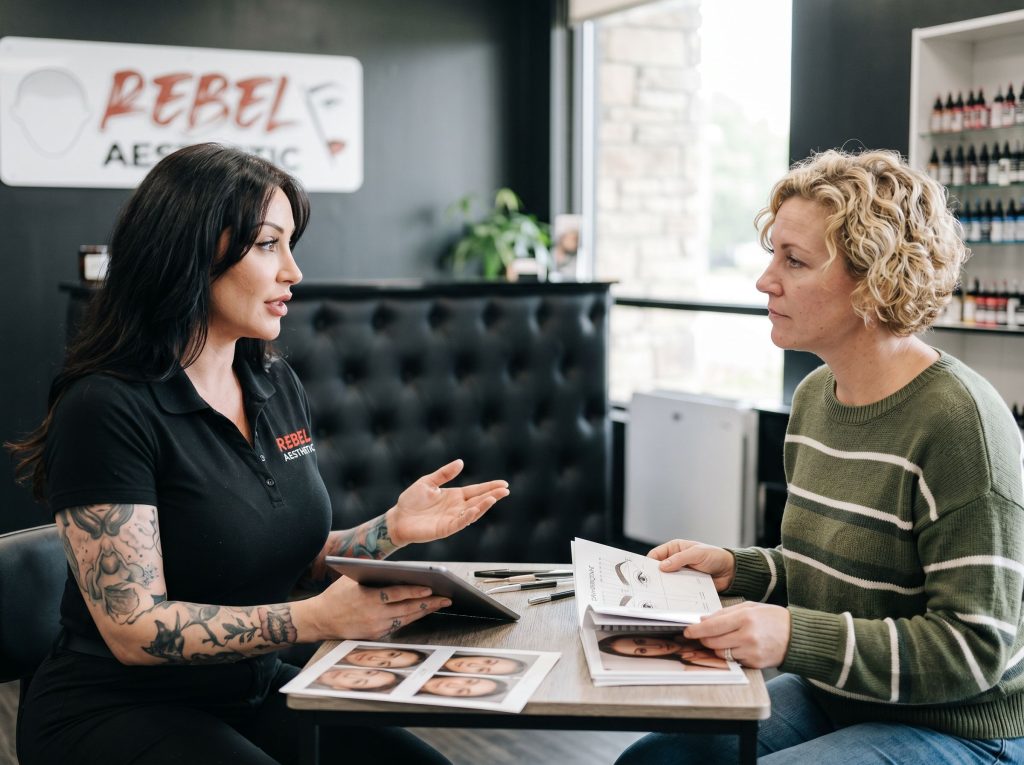
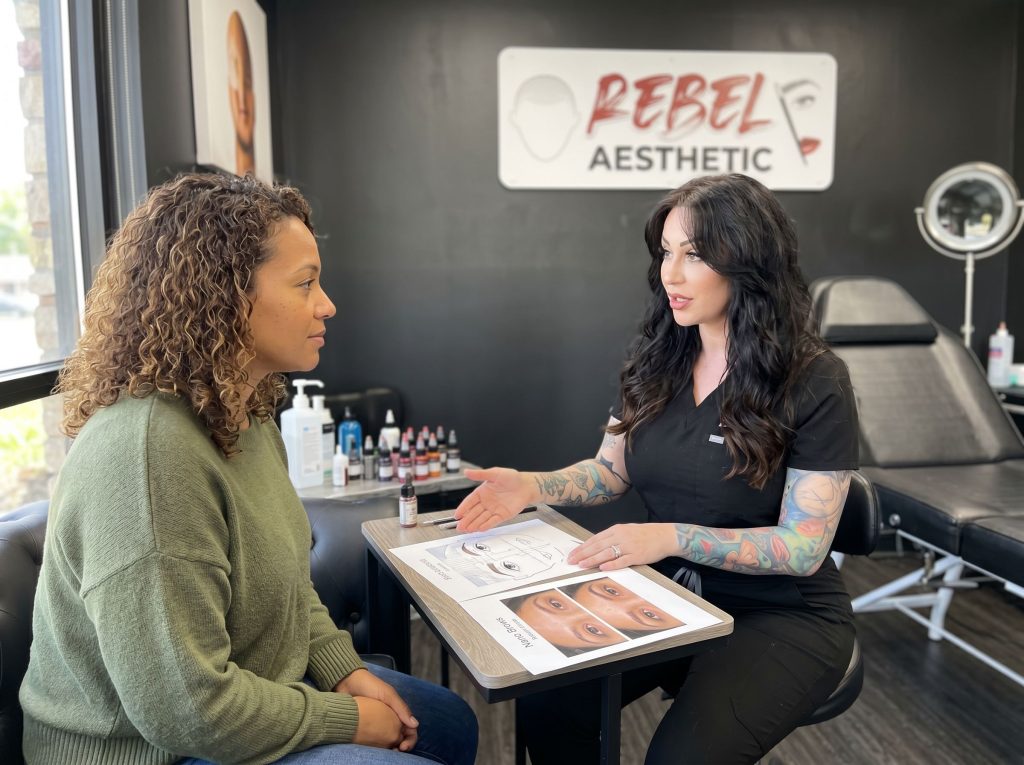
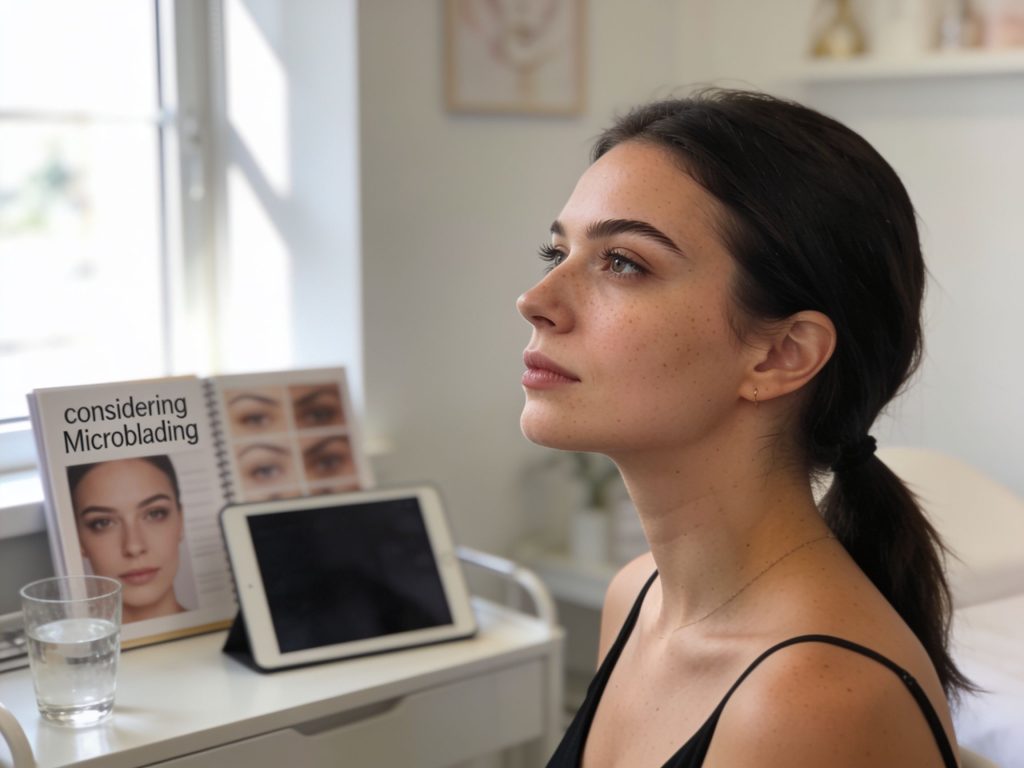
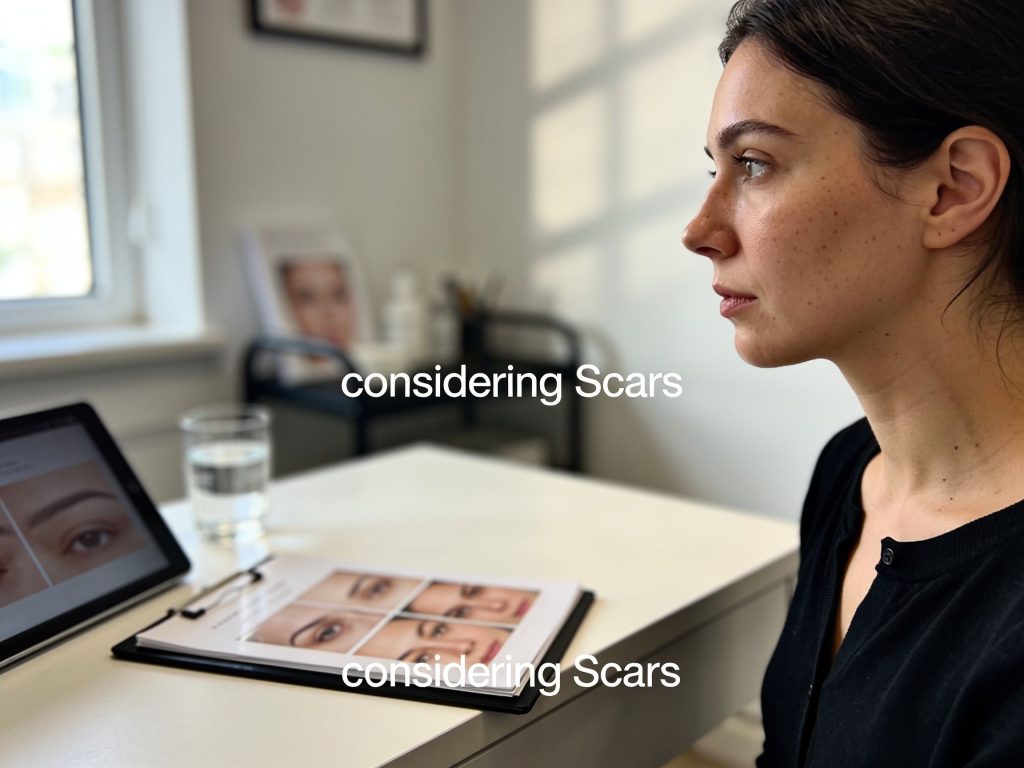
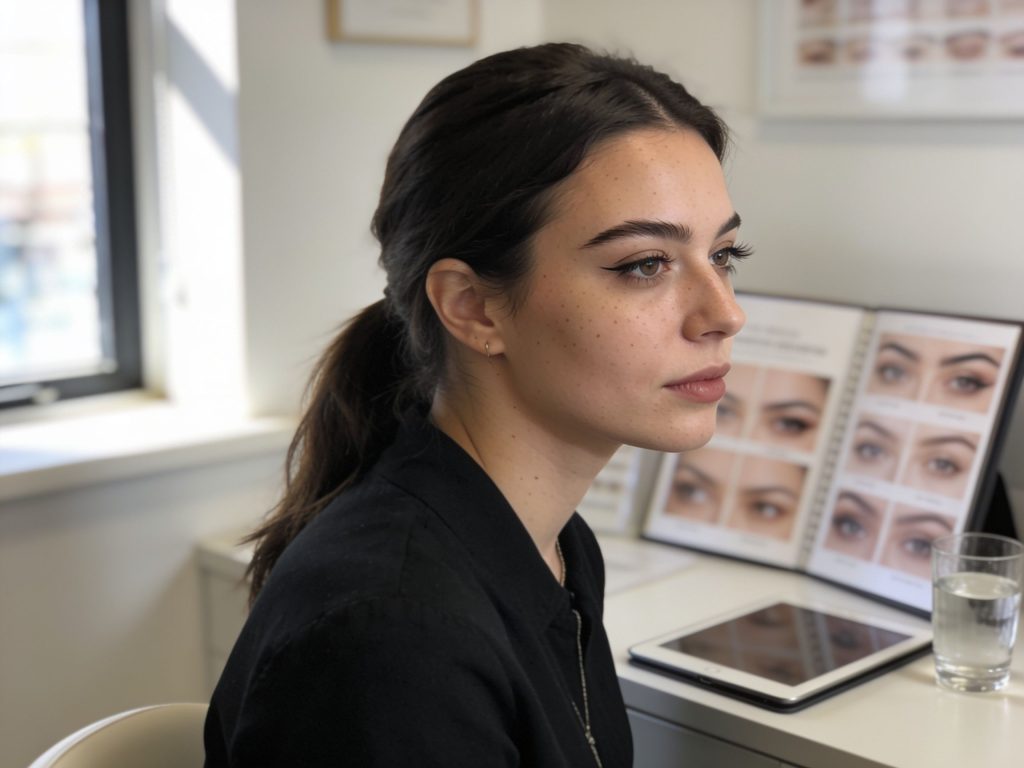
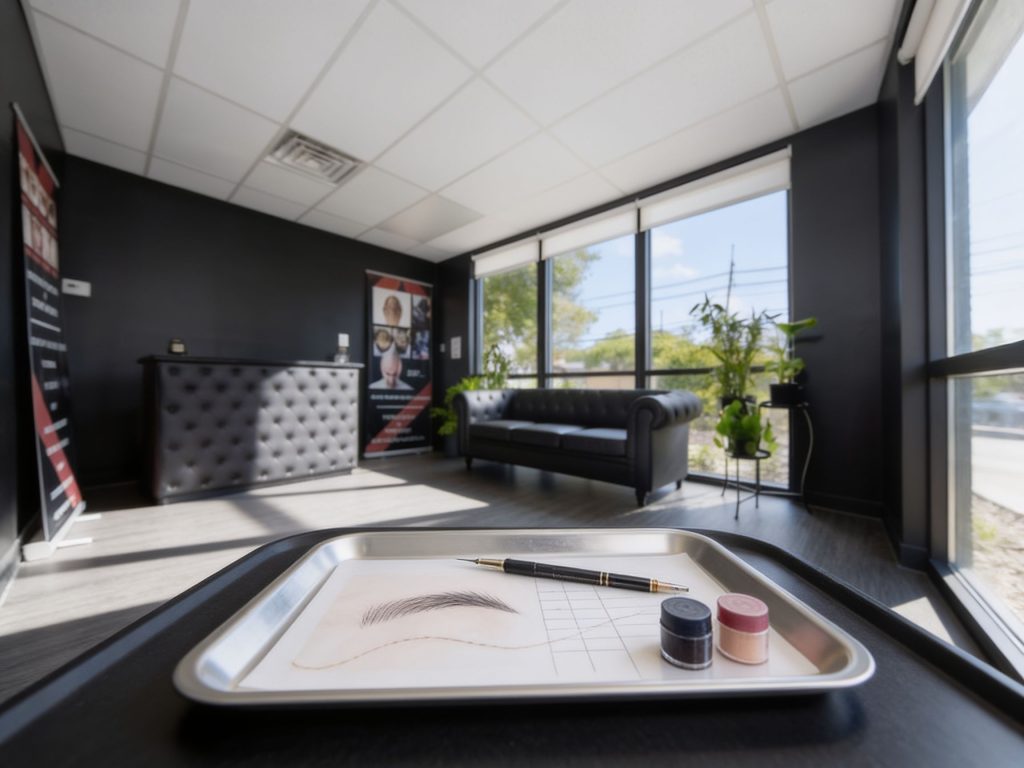
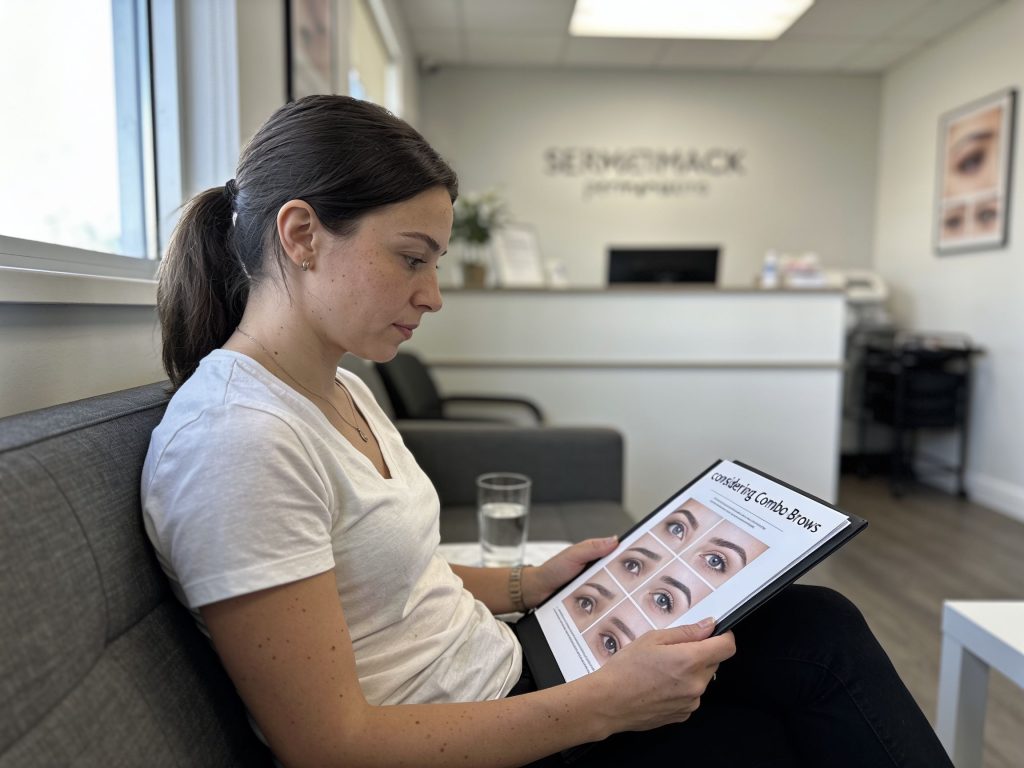
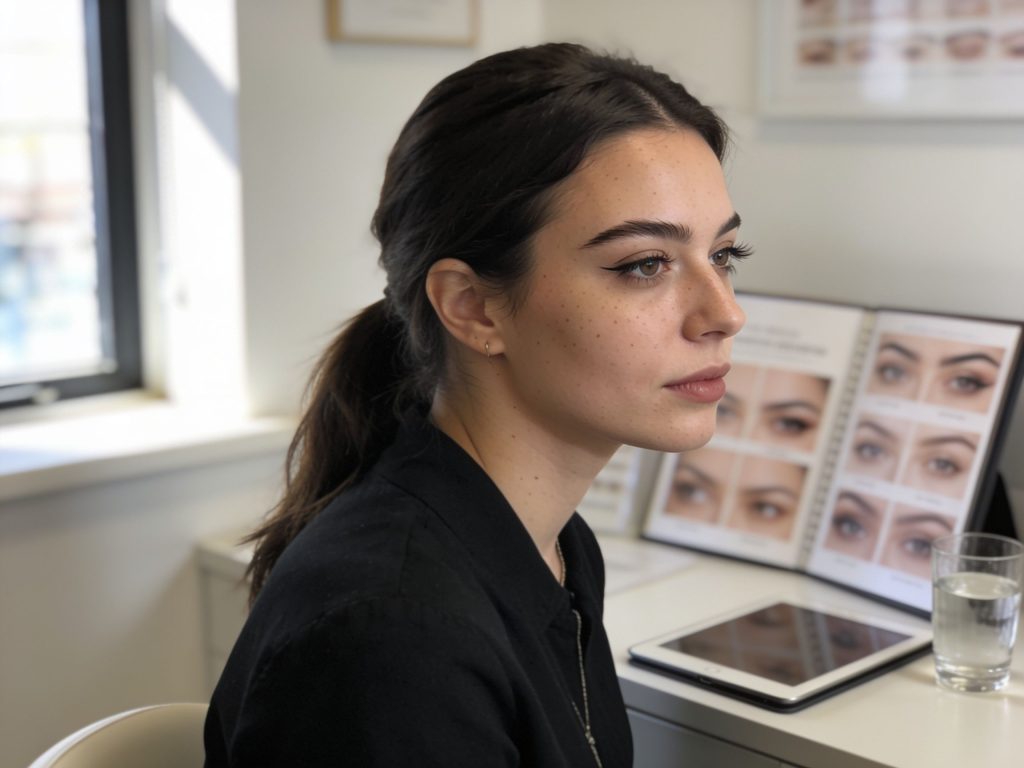
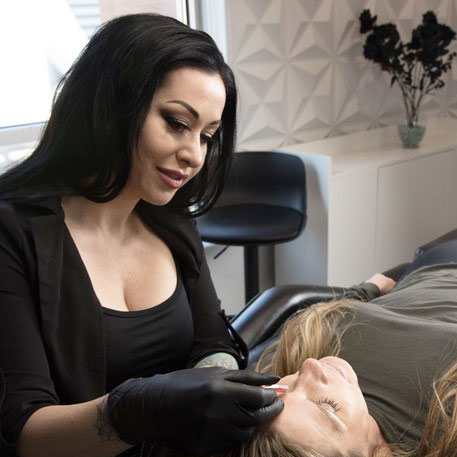
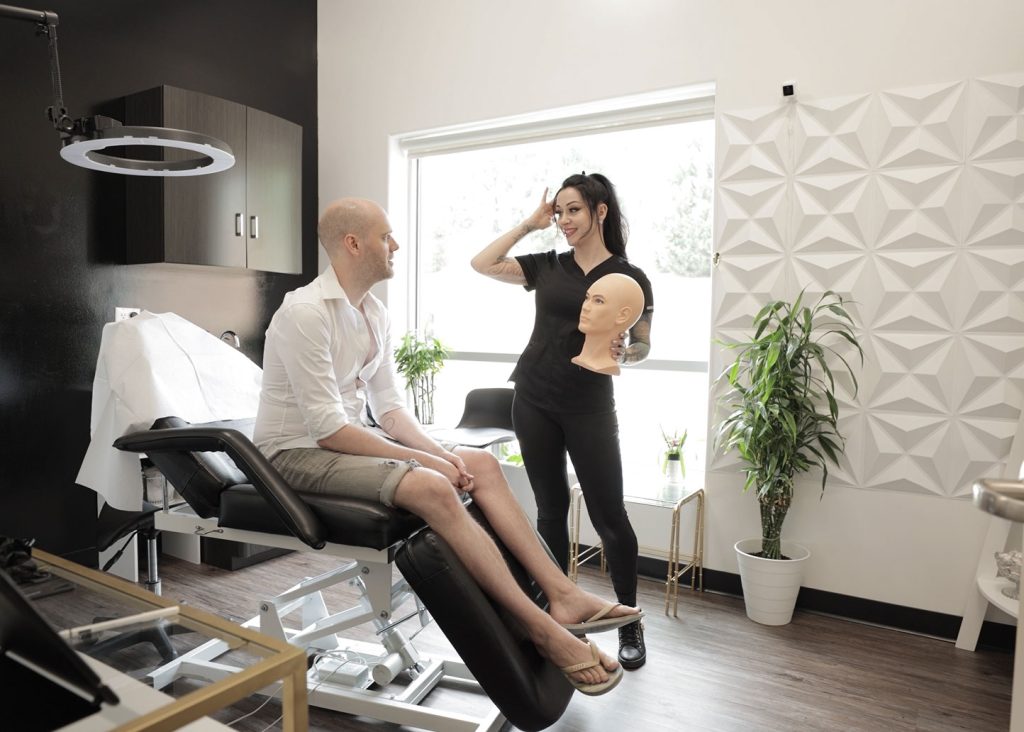
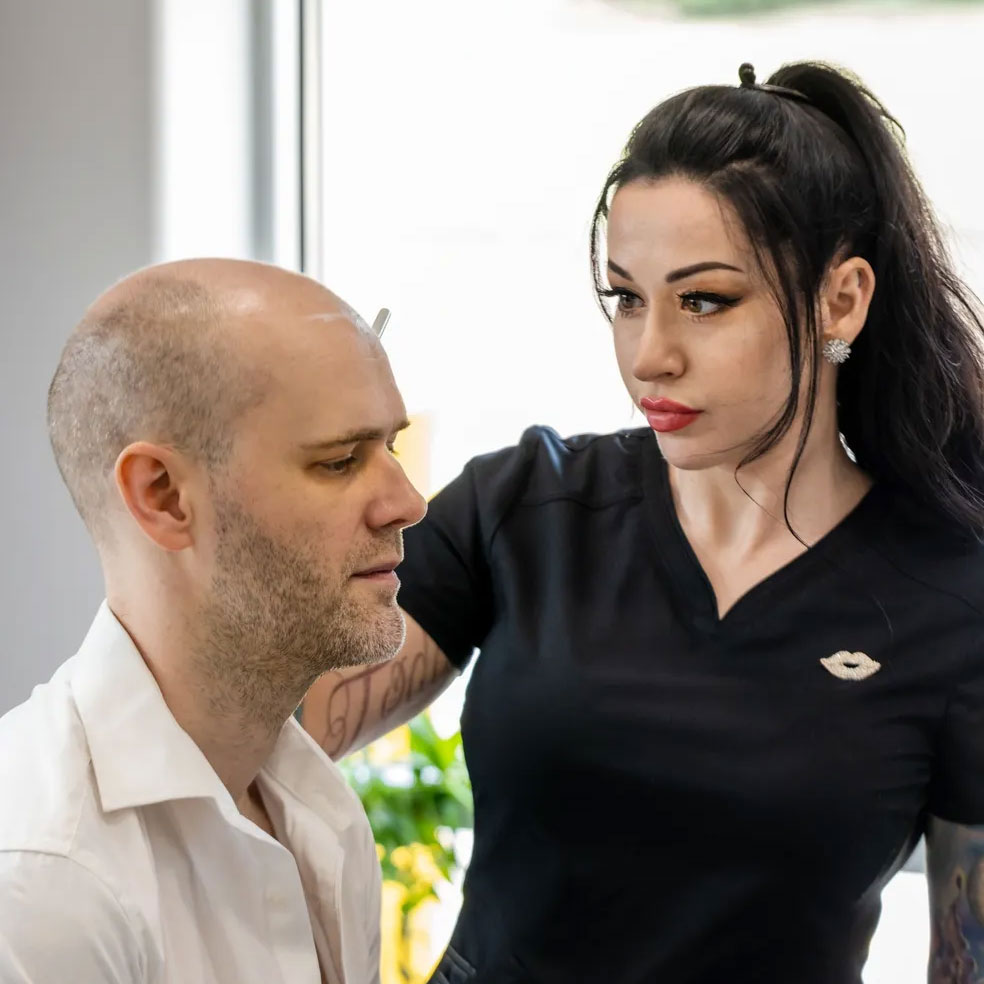
A consultation before ombre brows is not a formality. It is where good results are built. A thorough consultation should examine your natural brow shape and bone structure, your skin tone and type, and your existing brow hair, as well as covering the look you have in mind. Realistic expectations are part of that conversation, including the fact that colour lightens by 30 to 50 per cent during the four to six week healing process before settling to its final tone.
Questions worth asking your artist include:
- What technique do you use and why is it right for my skin type?
- What does the healing timeline look like for someone with my skin?
- How many sessions are typically needed?
- What is included in the price, and does that cover a top-up?
- Are there any conditions or medications in my history that would change your approach?
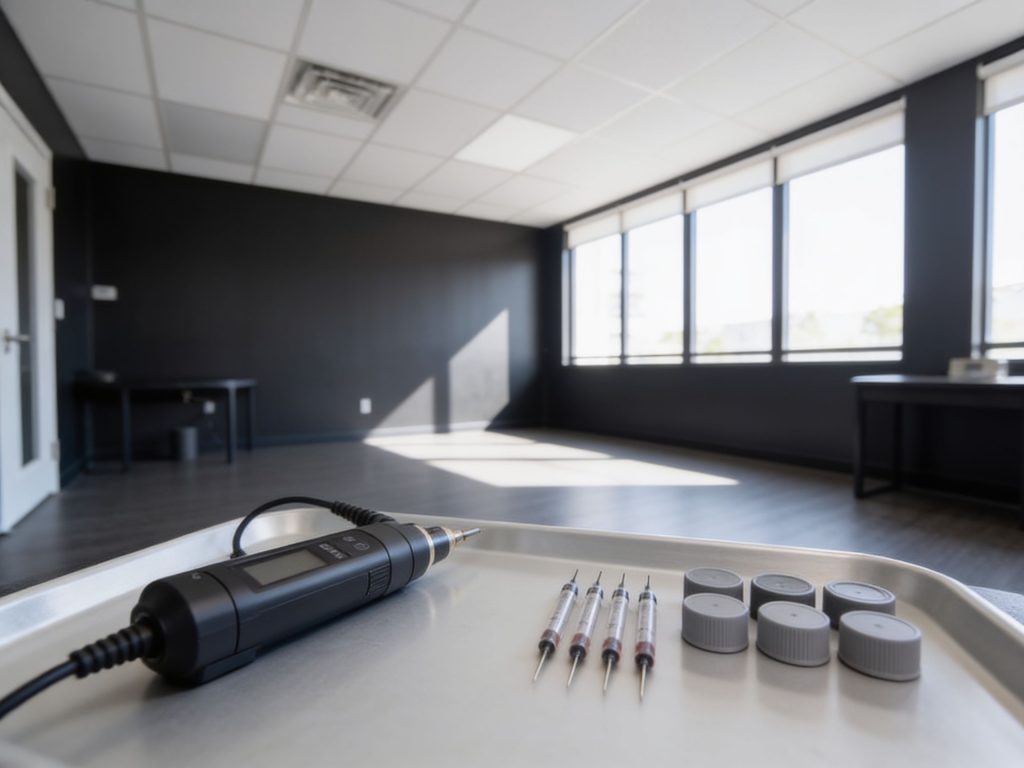
A licensed, certified artist will ask as many questions as you do. If a consultation feels rushed or skips your medical history entirely, that is a signal worth heeding. The right appointment for permanent eyebrows starts with someone who takes the time to understand you before they pick up a tool.
Frequently Asked Questions
Can I get ombre brows if I have oily skin?
Yes, oily skin is actually well-suited to ombre brows. The soft, powdered effect tends to retain its shape better on oily skin types than individual hair-stroke techniques do. You may need top-up appointments slightly more regularly, but oily skin is rarely a barrier to achieving good results with this technique.
What are the main contraindications for ombre brows?
Common ombre brows contraindications include active skin conditions such as eczema or psoriasis in the brow area, pregnancy and breastfeeding, chemotherapy or radiation treatment, use of blood-thinning medications, and unmanaged diabetes. Retinol or prescription exfoliant use typically requires a pause before treatment. A thorough consultation should cover your full medical history.
How long does it take for ombre brows to fully heal?
Full healing takes four to six weeks. In the first seven to ten days, you should avoid water, sweat, makeup, and direct sun on the treated area. During healing, the colour will lighten by 30 to 50 per cent before settling to its final tone. This lightening is completely normal and is not a sign that the treatment has not worked.
How do I find a qualified permanent eyebrows artist near me?
When searching for a permanent eyebrows artist, look for someone who holds recognised certification, carries insurance, and has a portfolio of healed results rather than just fresh work. A proper consultation should be offered before any commitment. Checking reviews and asking about their screening process for contraindications are reliable indicators of a professional practitioner.
Will my lifestyle affect how long ombre brows last?
Yes. Regular sun exposure without SPF, frequent intense exercise, chemical exfoliants, and treatments such as laser near the brow area all accelerate pigment fading. With good aftercare and a protective skincare routine, most people see results lasting one to two years before a top-up is needed. Your artist can tailor the approach based on your specific habits.