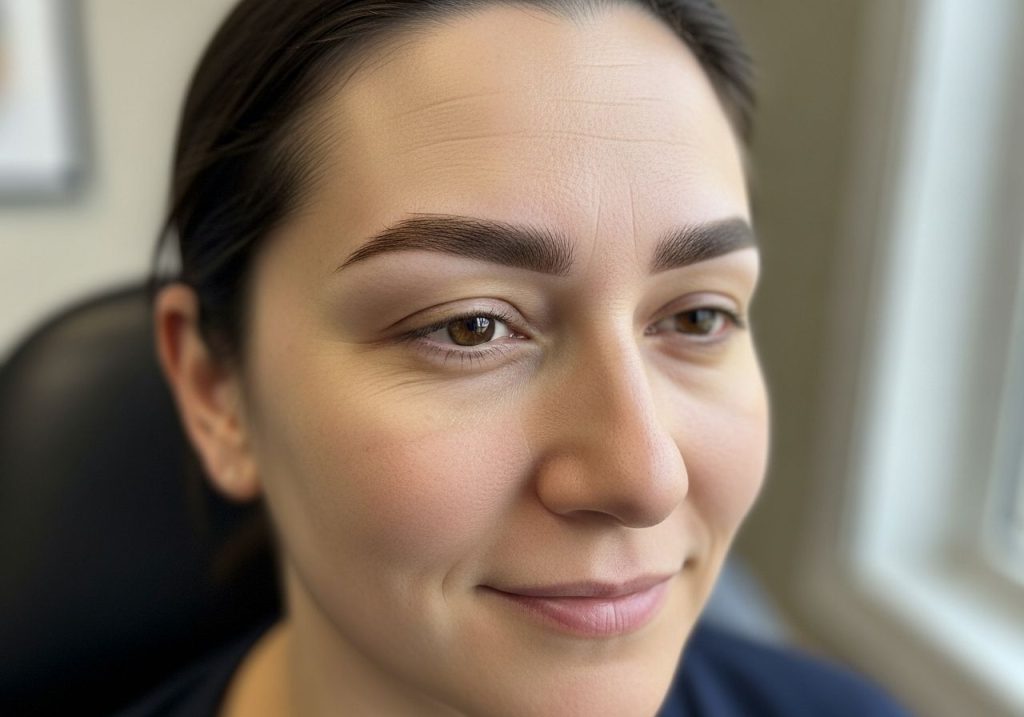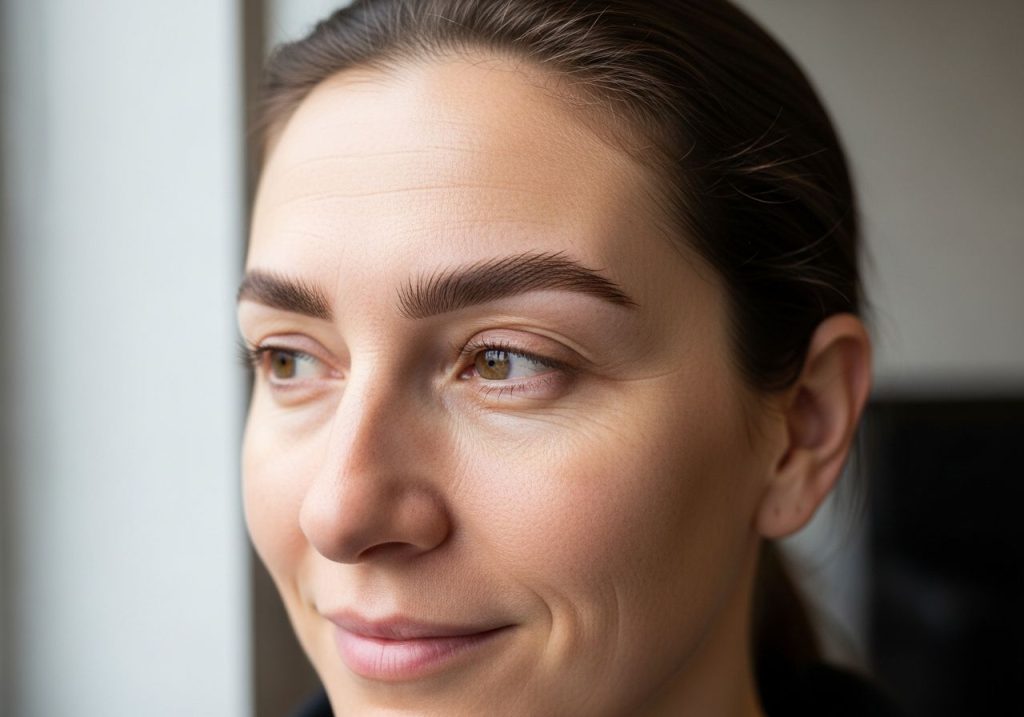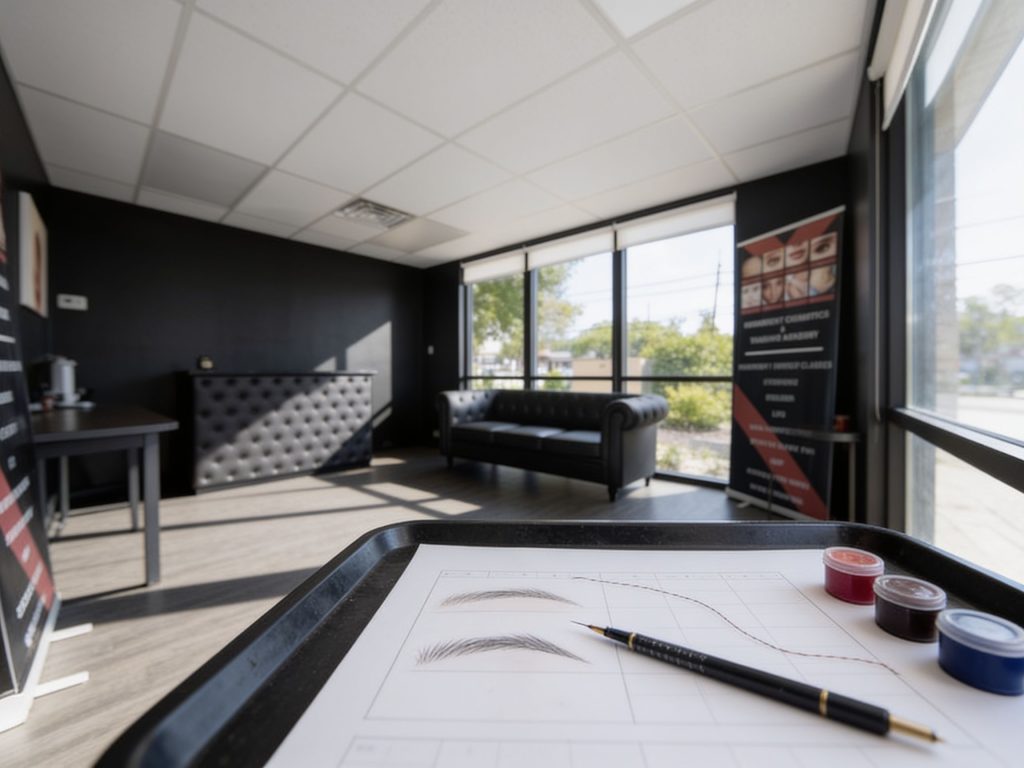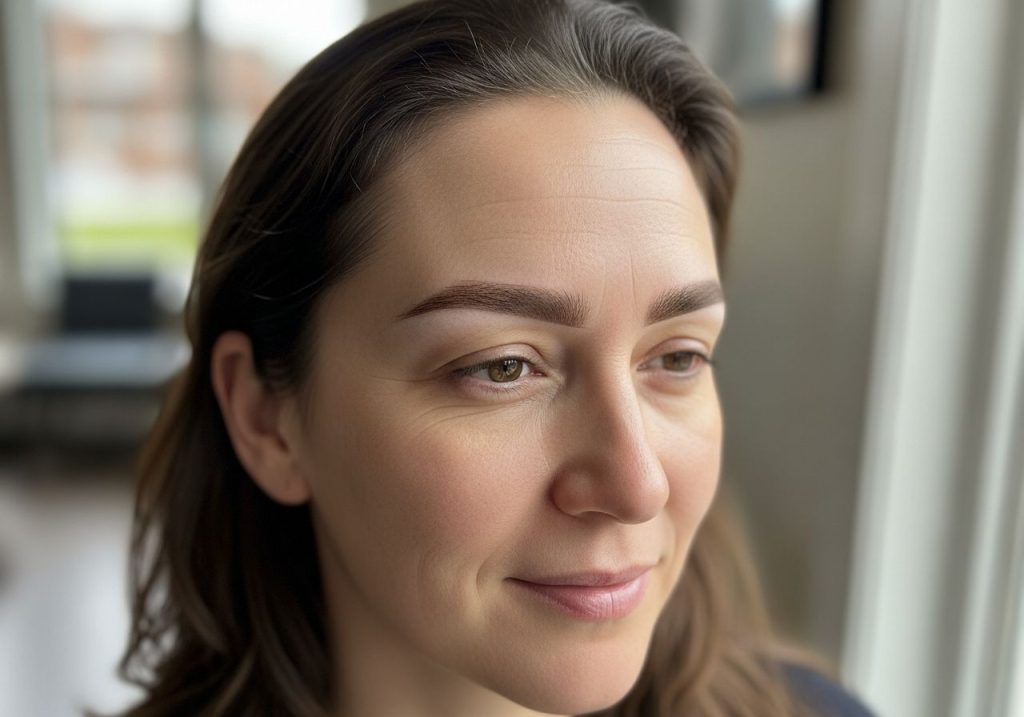
You have just had your nano brows done and you are already wondering whether you are doing the aftercare correctly. That is a smart instinct, because how you treat your brows in the first two weeks has a direct impact on how much colour stays, how crisp the strokes look once healed, and whether your top-up appointment corrects small gaps or has to do heavy lifting. This guide covers exactly what to do, day by day, so you protect your investment from the start.
Why aftercare shapes your healed result
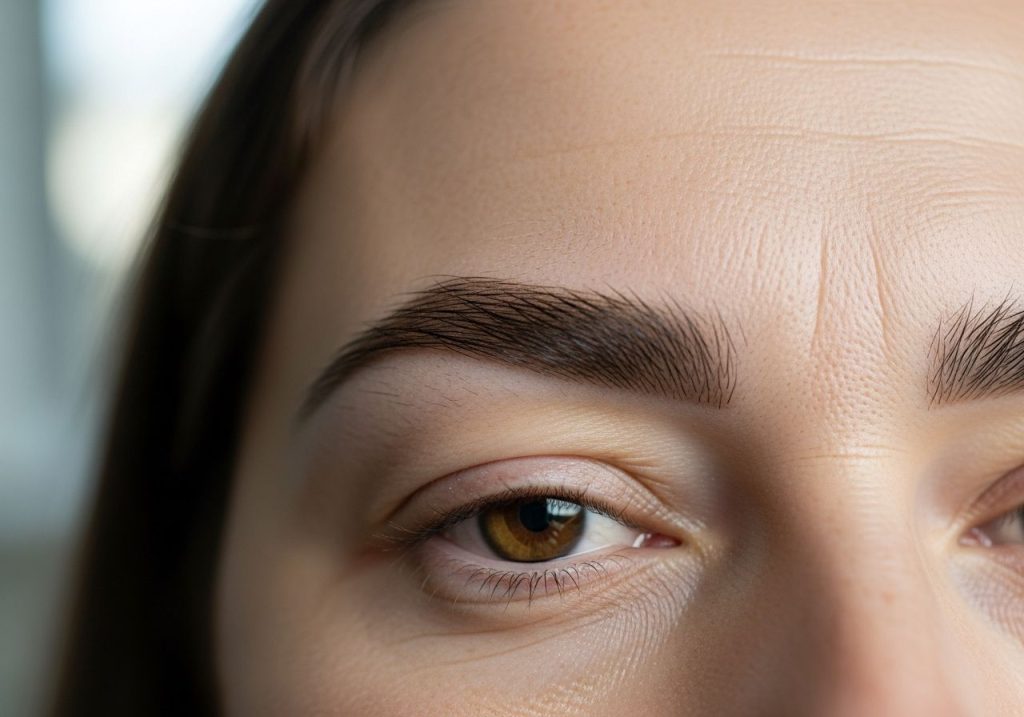
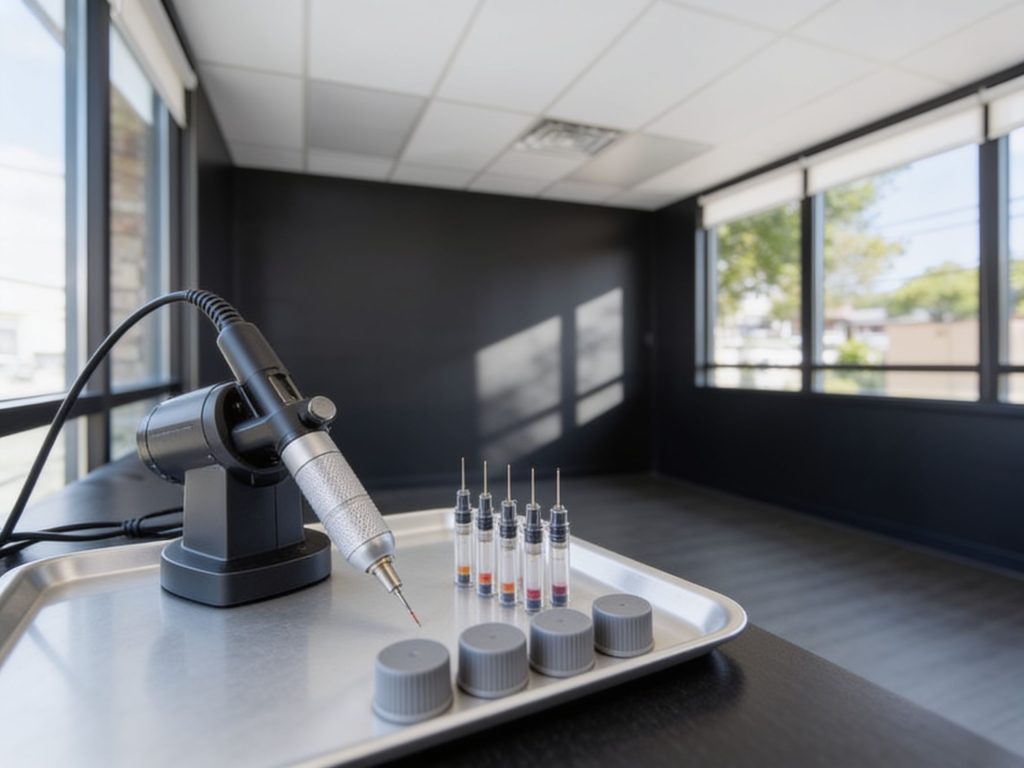
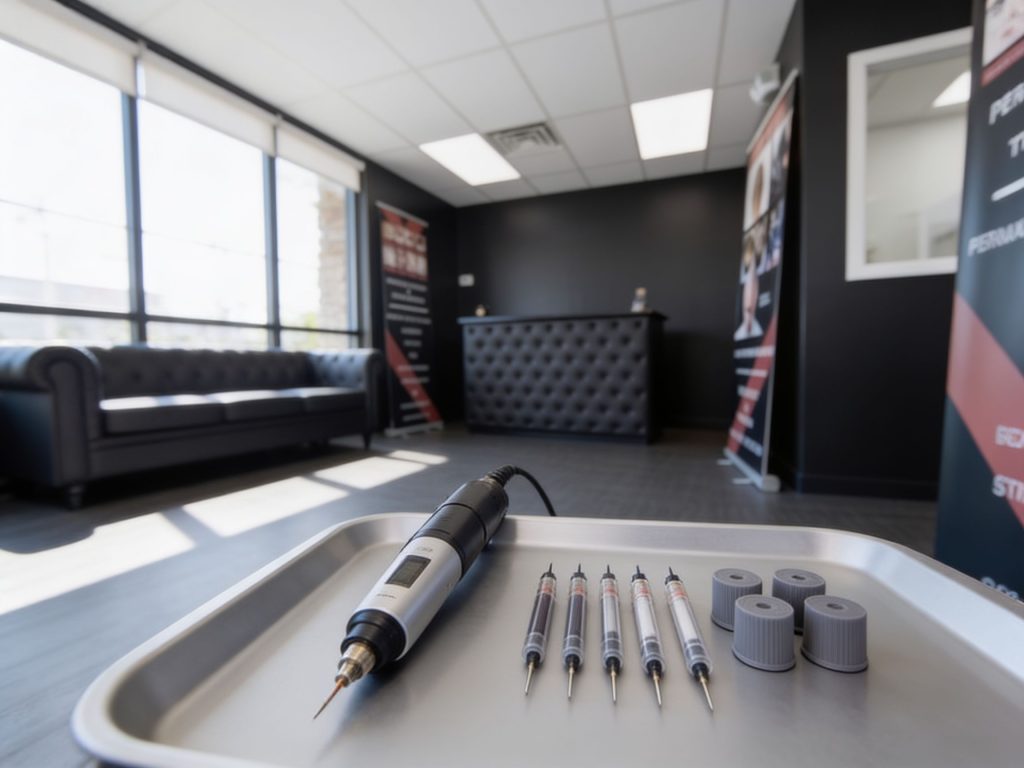
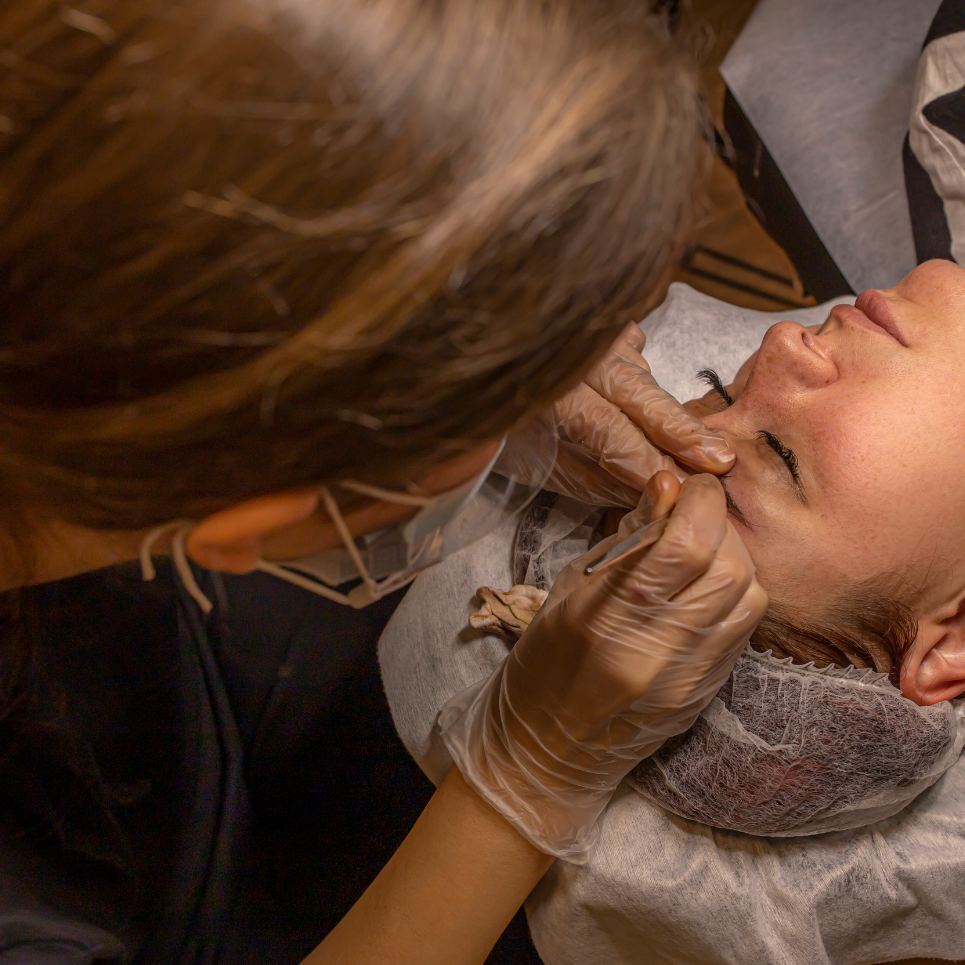
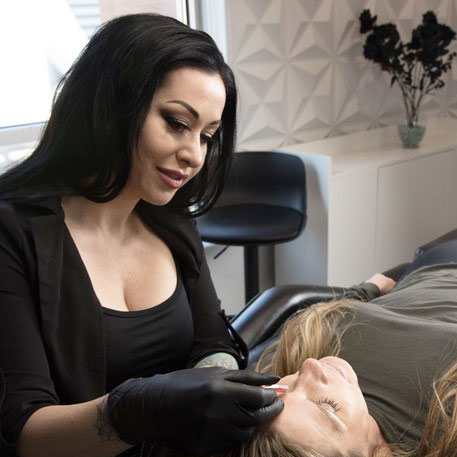
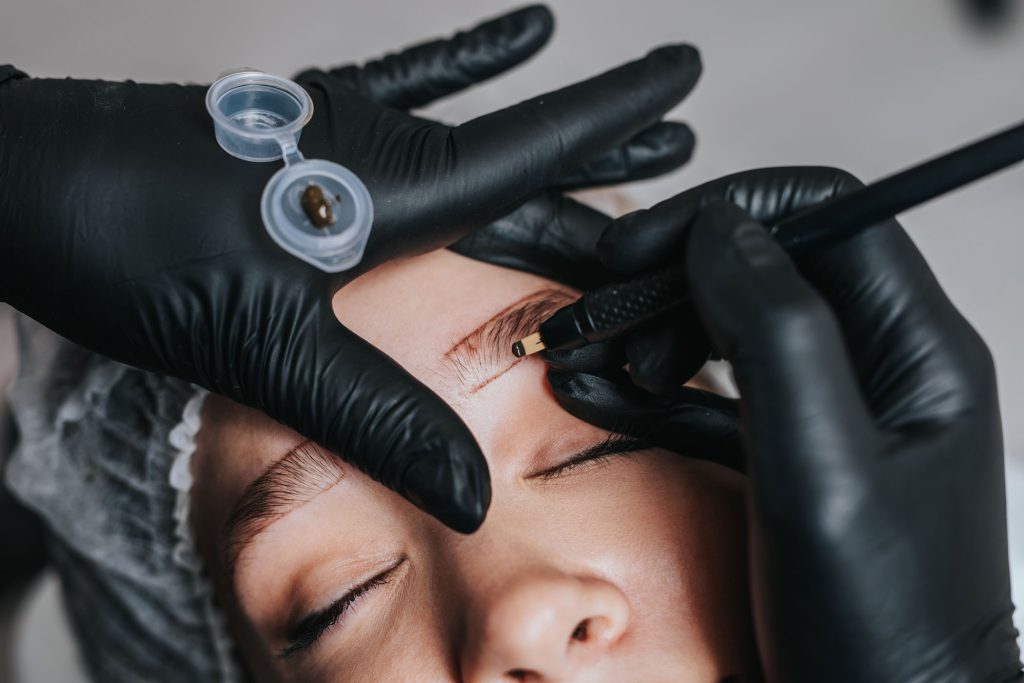
Nano brows are created using a single, ultra-fine needle that deposits pigment into the upper layers of the skin in precise, hair-like strokes. The pigment is not sealed in place the moment you leave the chair. Your skin spends the next four to six weeks determining how much of it to retain. Aftercare is the variable that tilts that process in your favour.
During the first seven to ten days, a thin layer of skin forms over each stroke as the body heals. If moisture, friction, or certain skincare ingredients interfere with that layer, pigment lifts out with it. You can lose anywhere from 30 to 50 per cent of apparent colour during healing even with perfect aftercare, and that is completely normal. Poor aftercare pushes that figure higher and can leave strokes looking patchy, faded, or uneven once everything settles.
The difference between a beautifully healed result and one that needs significant correction at the top-up often comes down to these two weeks. That is not a scare tactic; it is simply the reality of how cosmetic tattooing works with your skin’s biology.
The critical first 7 to 10 days: what to avoid and why
Water is the primary concern during the early healing phase. Keep your brows completely dry for the first seven to ten days. That means washing your face carefully around the brow area, avoiding face-down showers, and skipping swimming, steam rooms, and saunas entirely. Even a single wet exposure at the wrong moment can pull pigment from a stroke that has not yet fully anchored.
Sweat is equally disruptive. Intense exercise raises your body temperature, opens pores, and produces salt-based moisture across your forehead, all of which can compromise healing strokes. Give your brows the best chance by keeping workouts light or avoiding them altogether for the first week.
Sun exposure causes pigment to break down faster than almost anything else. Direct sunlight on freshly treated skin can alter the colour before it has even had a chance to settle. Stay out of direct sun, avoid sunbeds, and hold off on applying SPF products directly over the brows until the skin has closed. Most SPF formulations contain ingredients that should not sit on open skin during active healing.
Skincare actives are another firm no. Retinol, AHAs, BHAs, vitamin C serums, and exfoliants all accelerate skin cell turnover, which is precisely what you do not want near healing nano brow strokes. Keep your routine simple and gentle across the whole face during this period, not just over the brows themselves.
Do not pick, rub, or peel any flaking skin. As the brows heal, some light flaking or scabbing is normal. It can feel tight or slightly itchy. Pulling anything off manually removes the pigment beneath it. Allow everything to shed naturally in its own time.
Dry healing versus wet healing: which approach is right
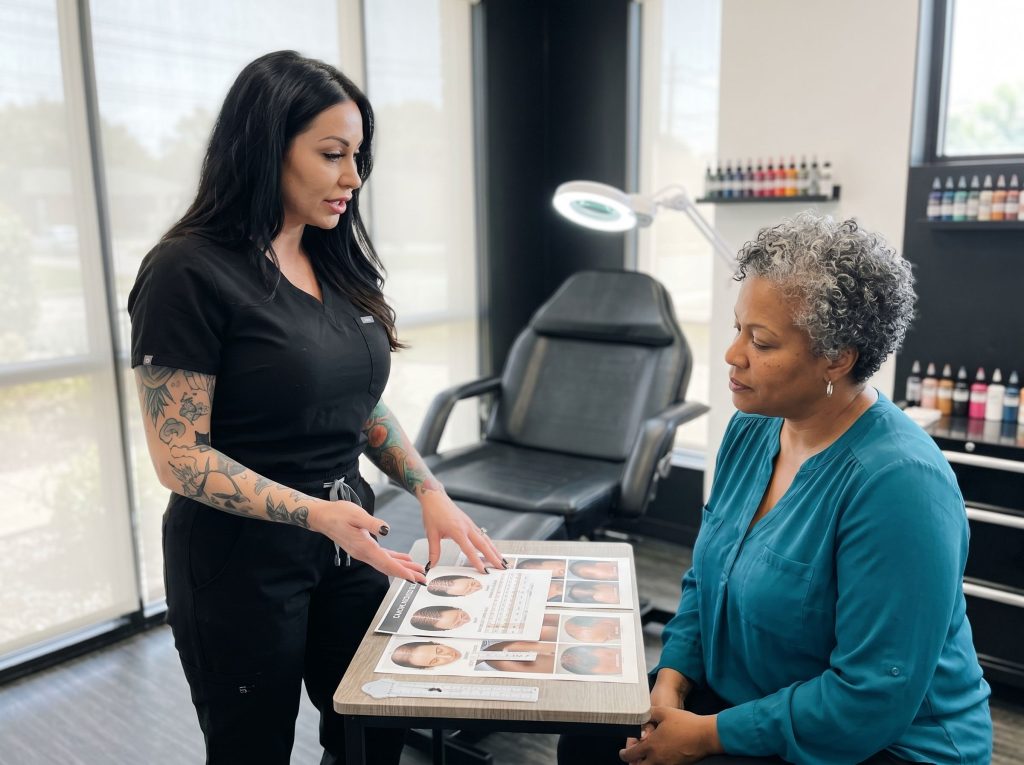
There are two main aftercare methods used across the permanent cosmetics industry: dry healing and wet healing. Your artist will specify which approach they recommend for your skin type and the technique used, and you should follow their guidance precisely rather than mixing the two methods.
Dry healing means applying nothing to the brows after your appointment and allowing them to heal completely without any added moisture or ointment. It tends to produce slightly crisper, more defined strokes on normal to oily skin types, but can feel more uncomfortable for clients with naturally dry skin.
Wet healing involves applying a very thin layer of a specified aftercare balm or ointment at intervals throughout the day. The aim is to keep the skin just supple enough to prevent excessive tightness and cracking, without suffocating the healing tissue. If your artist recommends this method, less is more: a barely-there layer, not a thick coating.
What you should not do is switch between methods, apply products your artist has not approved, or assume that a skincare product you already own is suitable. Every formulation is different, and some common ingredients actively interfere with pigment retention.
The nano brows healing timeline: what to expect week by week
Understanding the nano brows healing timeline takes the anxiety out of watching your brows change in real time. Here is what is normal at each stage.
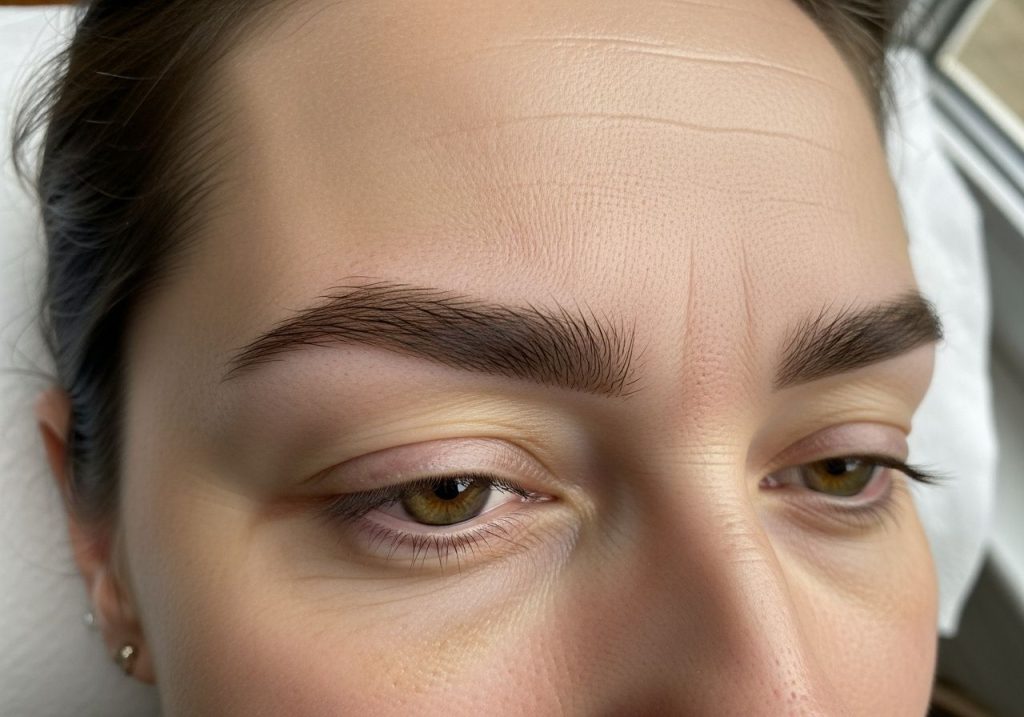
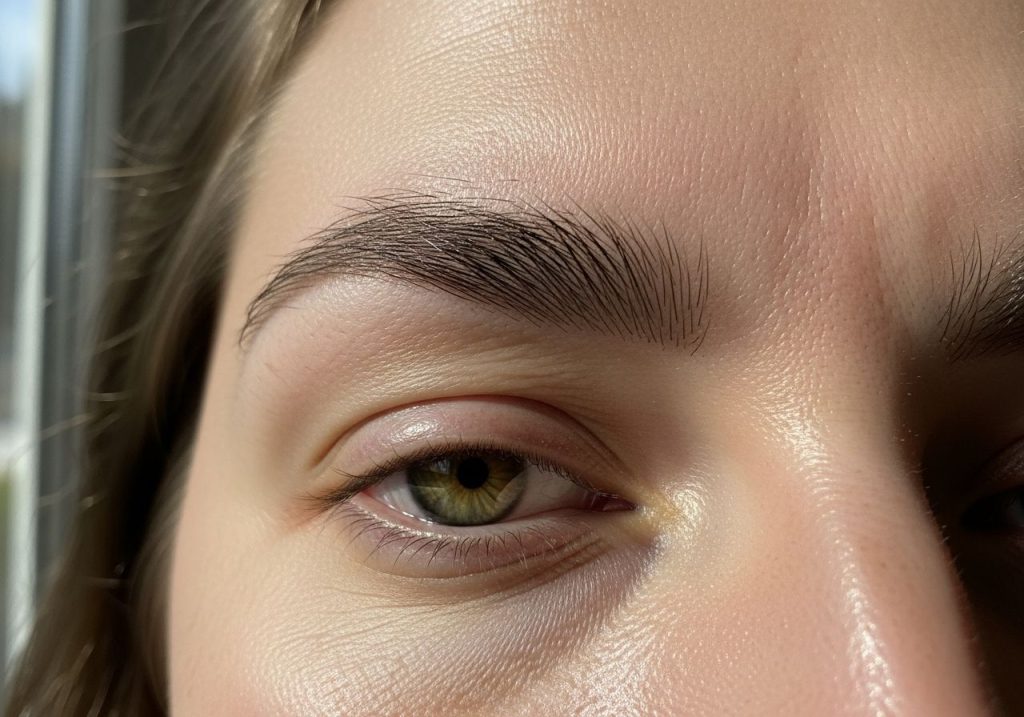
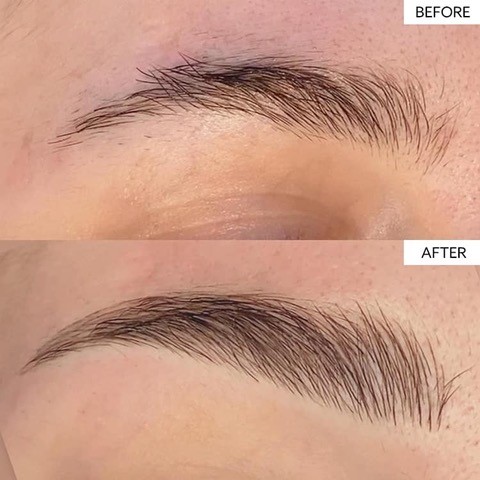
Days one to three: your brows will look bold, dark, and more defined than you expected. Some mild redness around the strokes is normal. The colour at this stage is not your healed result and it will lighten significantly.
Days four to seven: the skin begins to flake lightly. Brows may look patchy or uneven as different areas shed at different rates. This is the stage where most clients experience a moment of concern. Stay calm and keep your hands away from them.
Days seven to fourteen: most surface flaking has finished. The brows can look very light or may appear to have almost disappeared at this point. This is known as the ghosting phase and it is completely normal. Pigment is still settling beneath the surface layer of new skin.
Weeks three to six: colour gradually reappears and the strokes become visible again as the new skin becomes more translucent. By six weeks, you will see your true healed result. This is when your top-up appointment is typically booked, usually between six and ten weeks after your first session.
The top-up is not optional polish; it is a built-in part of the nano brows process. It is where your artist refines density, adjusts any areas that healed lighter, and locks in the final look. Going into it with well-healed brows means the appointment can focus on refinement rather than recovery.
Frequently Asked Questions
Can I wear makeup over my nano brows while they are healing?
No. Keep all makeup, including brow pencils, tinted moisturisers, and foundations, away from the treated area for the full seven to ten day healing window. Makeup products can introduce bacteria, interfere with the healing skin layer, and cause pigment to lift out unevenly before the strokes have properly anchored.
My nano brows look like they have almost disappeared at day ten. Is that normal?
Yes, this is completely normal and is known as the ghosting phase in the nano brows healing timeline. A fresh layer of skin forms over the strokes, temporarily making them look very faint or even invisible. Colour reappears gradually over weeks three to six as the new skin becomes more translucent and the settled pigment shows through clearly.
How much colour loss is expected during healing?
A lightening of 30 to 50 per cent during the nano brows healing process is entirely normal and expected. This is why the top-up appointment exists. Your artist designs the first session knowing that some softening will occur and uses the top-up to build density, adjust tone, and refine any strokes that healed lighter than intended.
What happens if I accidentally get my brows wet?
Gently pat the area dry immediately with a clean tissue. Do not rub. A single brief exposure is unlikely to ruin your result, but repeated or prolonged moisture during the first seven to ten days can lift pigment from healing strokes. Avoid it where possible and mention any such incidents to your artist before your top-up appointment.
When can I return to my normal skincare routine after nano brows?
You can return to your full skincare routine, including retinol and exfoliating actives, once the brows have fully healed, typically after four to six weeks. After that point, ongoing use of retinol or AHAs close to the brows can accelerate long-term fading, so applying those products carefully around the brow area will help preserve your results between top-ups.