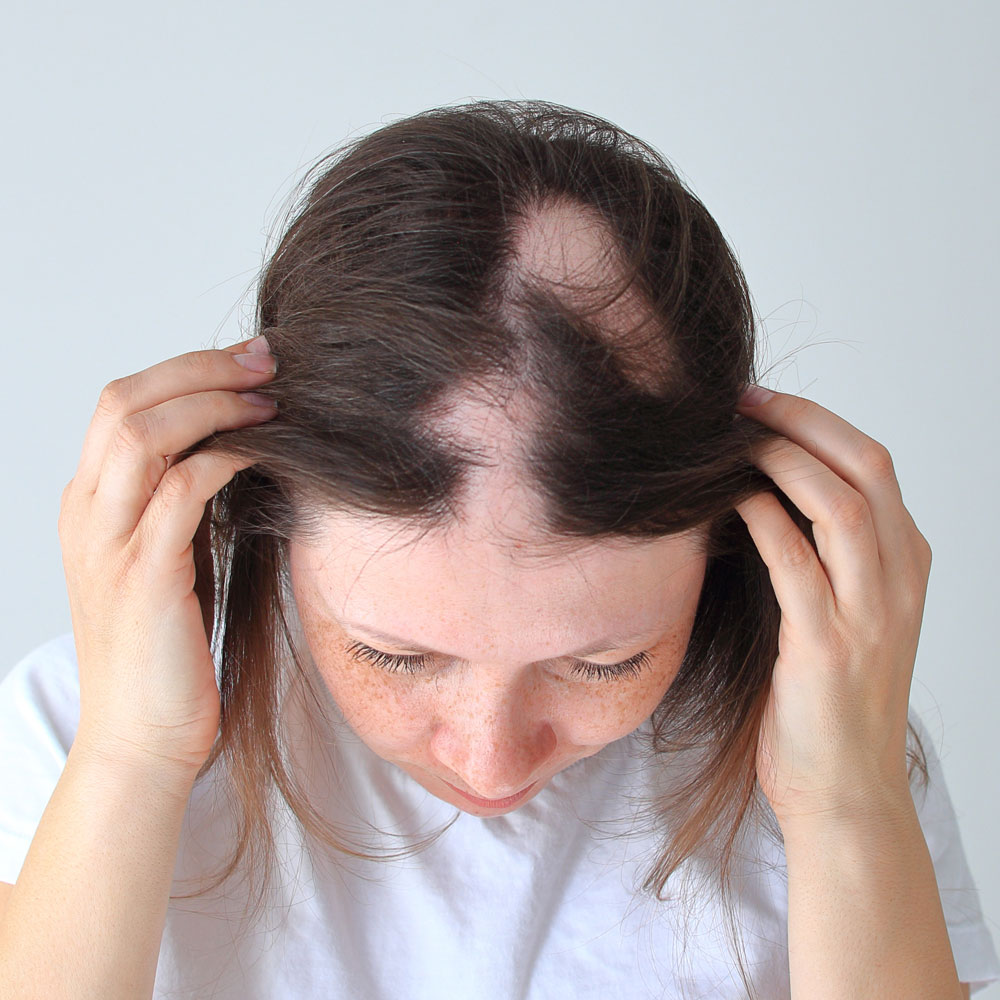
You are losing density, your parting looks wider than it did a year ago, or thinning at the crown is something you find yourself styling around every single morning. You have looked into SMP and now you want the practical detail: exactly how many sessions, how far apart, and what you are actually looking at in the mirror along the way. This article answers all of that, with a realistic timeline from your first appointment to your finished result.
The typical session count for female clients
Most women need two to three SMP sessions to reach their desired result. That is the direct answer, and it holds true for the vast majority of female clients, whether you are dealing with androgenetic hair loss, diffuse thinning, alopecia areata, or scalp scarring.
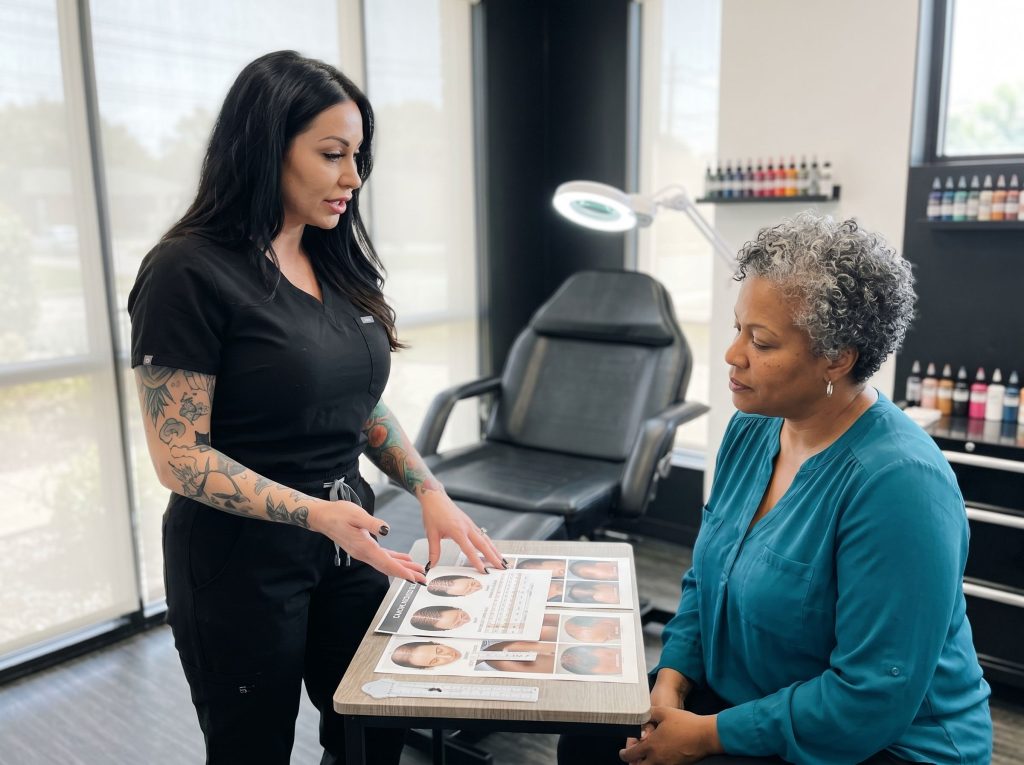
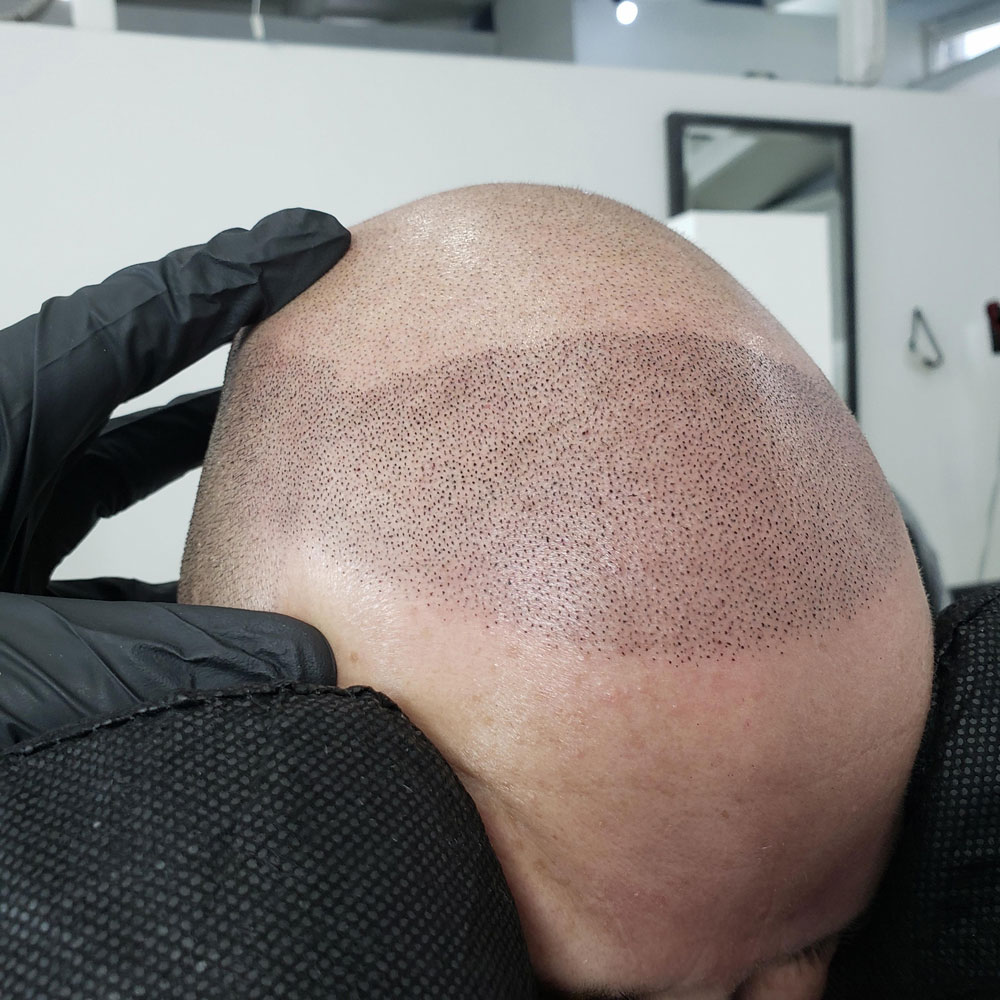
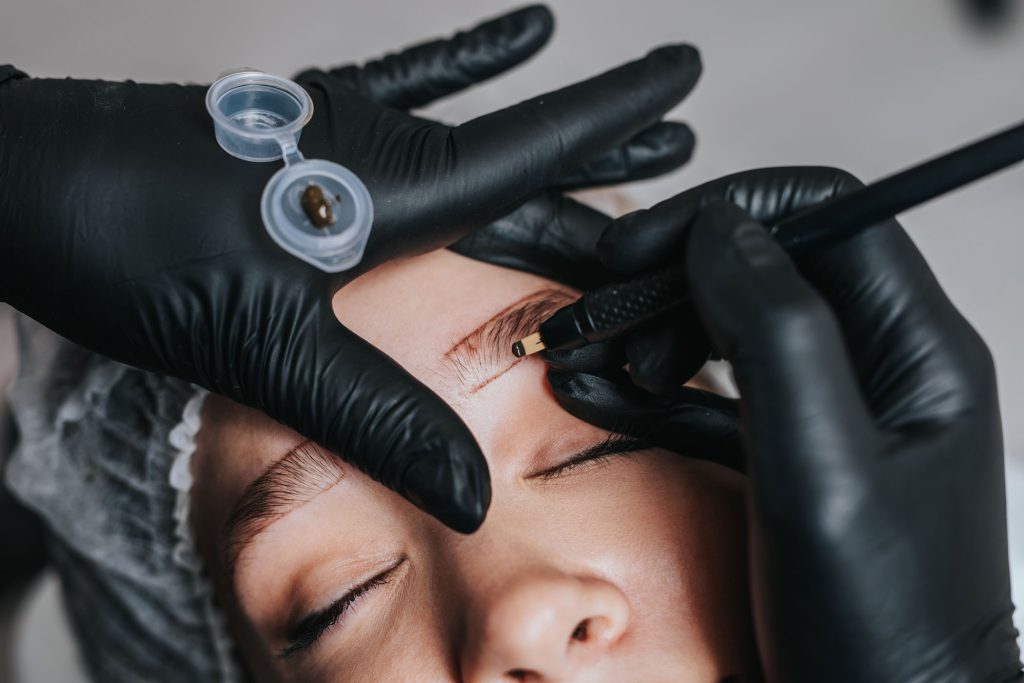
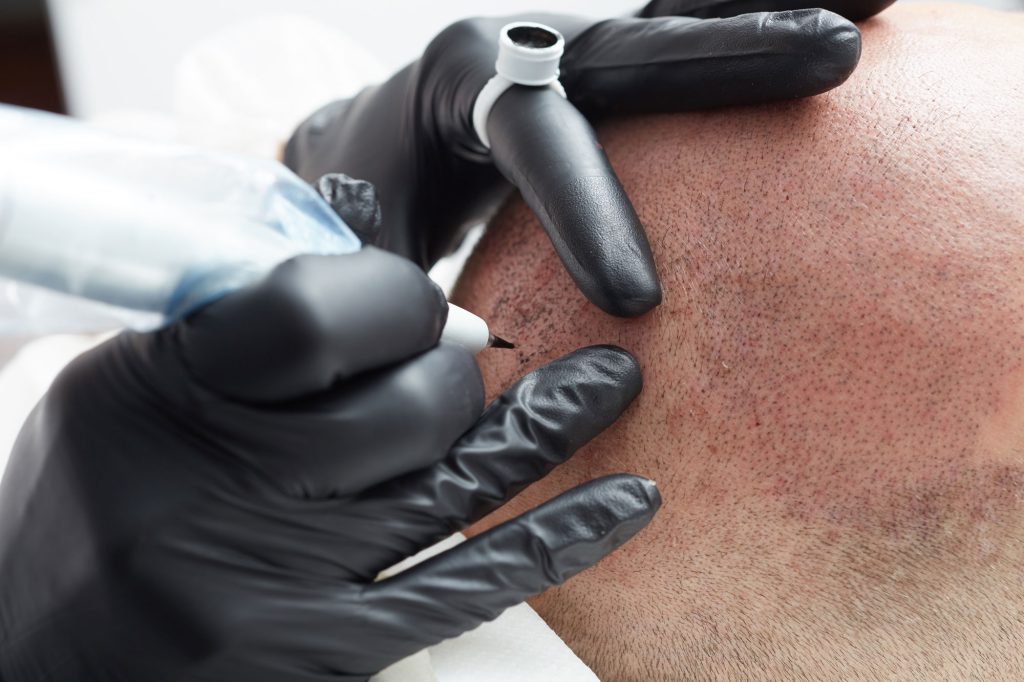
The reason it is rarely just one session is structural. SMP works by progressively building pigment dot density across the scalp. The first session lays an initial layer, typically around 40 dots per square centimetre, to establish the visual foundation and allow your practitioner to assess how your skin holds pigment. Depositing maximum density in a single visit would look harsh before it heals and leaves no room for adjustment. Two or three sessions allow density to be built gradually, corrections to be made, and the result to be refined to your exact hairline shape, colour match, and coverage goals.
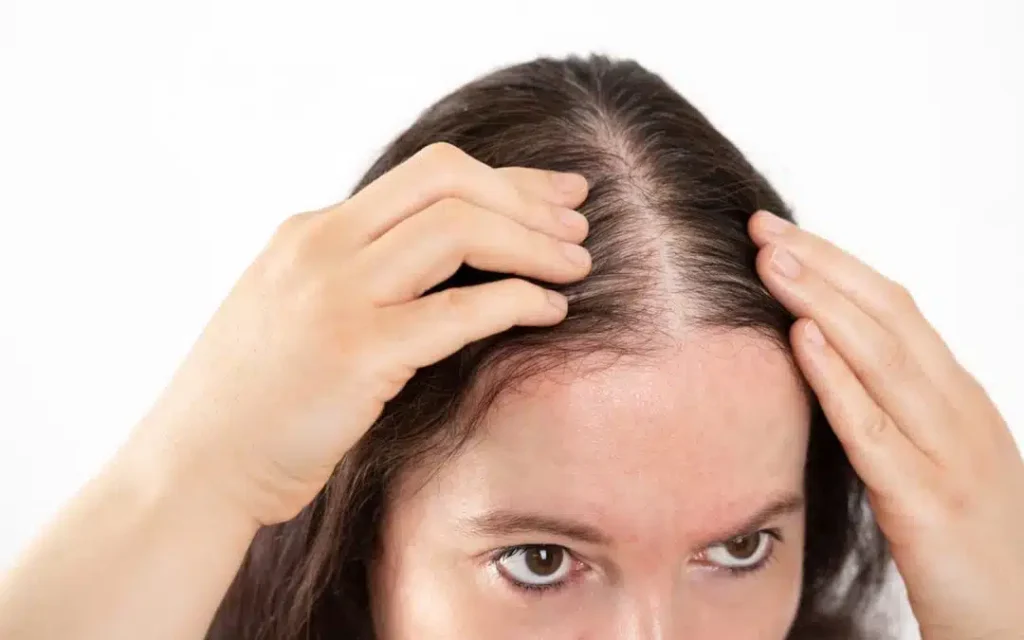
Female pattern hair loss rarely progresses to total baldness and typically preserves the frontal hairline, which means SMP for women is most often about adding visual density to the mid-scalp and crown rather than creating a full shaved-head impression. That is a more nuanced treatment, and a second or third session allows your practitioner to layer pigment precisely where it reads most naturally through your existing hair.
What each session achieves and how they are spaced
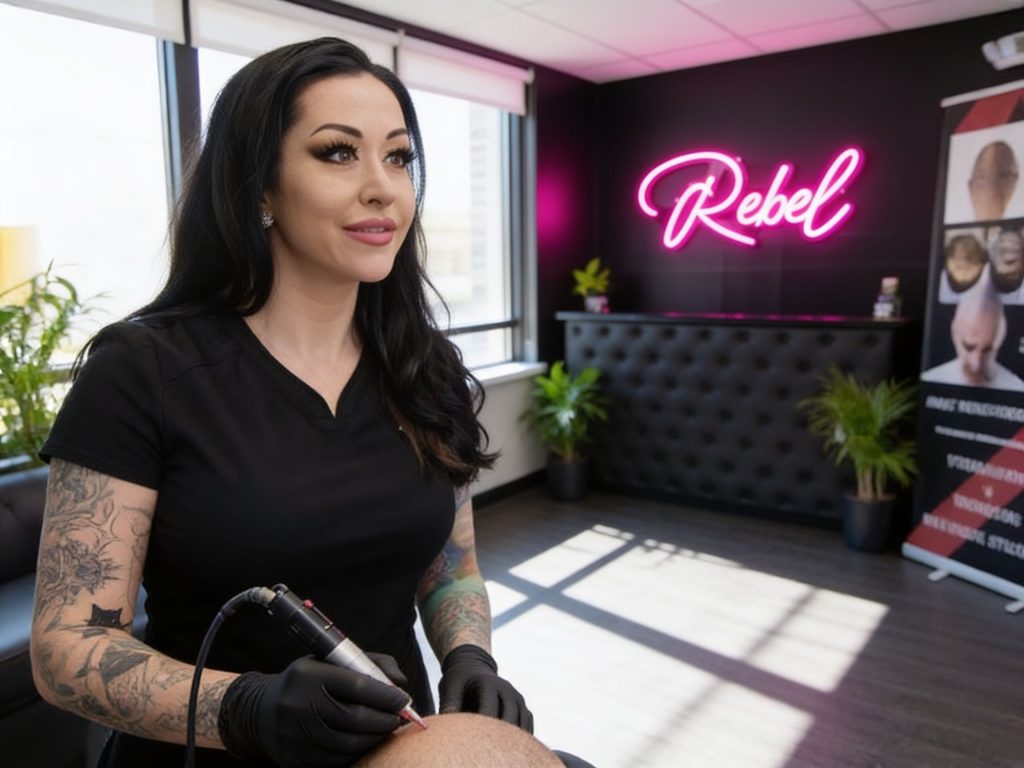
Session one is about foundation. Your practitioner maps out the treatment area, matches pigment to your natural hair colour, and deposits an initial layer across the scalp. For most women this session lasts two to three hours, sometimes longer depending on the coverage area. You will leave with visible density, but the dots will appear slightly darker and more defined than the healed result. That is normal. Expect some redness for two to three days.
There is typically a gap of four to six weeks between sessions. That spacing is non-negotiable: the scalp needs to complete its healing cycle before the next layer is added. Epidermal pigment turns over in approximately 27 days, and your practitioner needs to see the true healed colour before building on top of it. Going too soon risks overcorrecting and depositing pigment before the skin is ready.
Session two refines and deepens. Density is increased, typically toward 60 to 80 dots per square centimetre in areas where coverage is needed most. Any minor inconsistencies from session one, such as slight variations in how your skin retained pigment in different zones, are corrected here. At this stage, most clients begin to see the result take its final shape. For women with mild to moderate thinning, two sessions is often sufficient.
Session three, where needed, is the finishing pass. It addresses any remaining patchiness, takes density to its final level of up to 80 to 100 dots per square centimetre, and allows your practitioner to make small adjustments to tone or distribution. Clients with more advanced hair loss, alopecia, or scarring are most likely to need this third visit. After session three, you wait the full healing period before you can properly assess your result.
The SMP healing timeline for women, stage by stage
Understanding the healing timeline prevents you from panicking at the wrong moment or judging the result before it is ready. The process is consistent, and every stage has a clear explanation.
Days one to four: the scalp is sensitive and the pigment looks noticeably darker than your intended result. This is expected. Avoid all water on the scalp, including shampoo, sweat from exercise, and steam. No saunas, no swimming, no strenuous workouts. The treated area needs to stay completely dry.
Days five to ten: you can begin gentle washing. The scalp may feel slightly tight or show light flaking as the outer epidermal layer sheds. The pigment will appear to lighten during this phase, sometimes dramatically. There is no cause for alarm. That surface layer clearing away is part of normal healing, and the dermal pigment beneath is settling into its permanent position.
Day ten onwards: grooming can largely return to normal. The most important addition to your routine from this point is SPF. Apply SPF 30 to 50 to the scalp whenever you are in sunlight. Sun exposure is the primary accelerant of pigment fading, and protecting your scalp significantly extends the longevity of your result. Avoid swimming pools for a full 28 days after your final session, as chlorine can disrupt the healing pigment.
Full healing takes approximately 30 days after each session. Your final healed result, the one you can genuinely evaluate, is visible around four weeks after your last appointment. The colour will have softened, the dots will sit naturally within your existing hair, and the overall impression will be one of improved density rather than an obvious cosmetic treatment.
How long the result lasts and what to expect further down the line
SMP results for women typically last three to five years before a touch-up is needed, though some clients go four to six years depending on individual factors. Skin type, sun exposure habits, medication, and cellular metabolism all influence how quickly pigment fades. Oily skin and high sun exposure accelerate fading. Mature skin, dry skin, and consistent SPF use support longevity.
Touch-up sessions are straightforward. Most clients need a single session every three to four years to refresh density and restore the result to its original standard. A well-maintained SMP result looks natural and consistent for years; the maintenance commitment is minimal compared to the daily styling effort that hair loss so often demands.
If you have contraindications including active scalp psoriasis, eczema, acne in the treatment area, or keloid-prone skin, a qualified practitioner will assess these before proceeding. Timing your sessions around any active scalp conditions protects both your result and your skin.
Frequently Asked Questions
How many SMP sessions does a woman with diffuse thinning typically need?
Most women with diffuse thinning need two to three SMP sessions. Two sessions are often sufficient for mild to moderate cases, while more significant coverage or uneven pigment retention may require a third. Sessions are spaced four to six weeks apart to allow full healing between each visit.
Why does my SMP look darker right after treatment and then fade?
The initial darkness after an SMP session is due to pigment sitting in the outer epidermal layer, which sheds naturally over 27 days. As this surface layer turns over, the colour lightens significantly before settling at its true healed tone in the deeper dermal layer. This fading is normal and expected.
Can I wash my hair between SMP sessions?
You should avoid washing the scalp for the first four days after each SMP session. From day five onwards, gentle washing is permitted. Between sessions, once healing is complete at around 30 days, your normal washing routine can resume fully. Avoid harsh shampoos or vigorous scrubbing during the active healing phase.
How long after my final SMP session can I judge the result?
Allow a full 30 days after your final SMP session before evaluating the result. During this healing period the pigment settles, surface fading resolves, and the dots integrate naturally with your existing hair. Judging the outcome at one or two weeks is too early and will not reflect the true healed appearance.
How often do women need SMP touch-up appointments?
Most women return for an SMP touch-up every three to four years. Results typically last three to five years before noticeable fading occurs, though this varies with sun exposure, skin type, and lifestyle. Applying SPF 30 to 50 to the scalp daily is the single most effective way to extend the time between touch-up appointments.