You have just had your SMP sessions, the results look exactly right, and the last thing you want is to accidentally compromise them. Female SMP carries its own set of aftercare considerations, including factors such as hormonal changes and styling heat that most general guides simply do not address. This article walks you through exactly what to do from day one to month one, and what to expect over the years that follow.
The first four days: what you must avoid and why
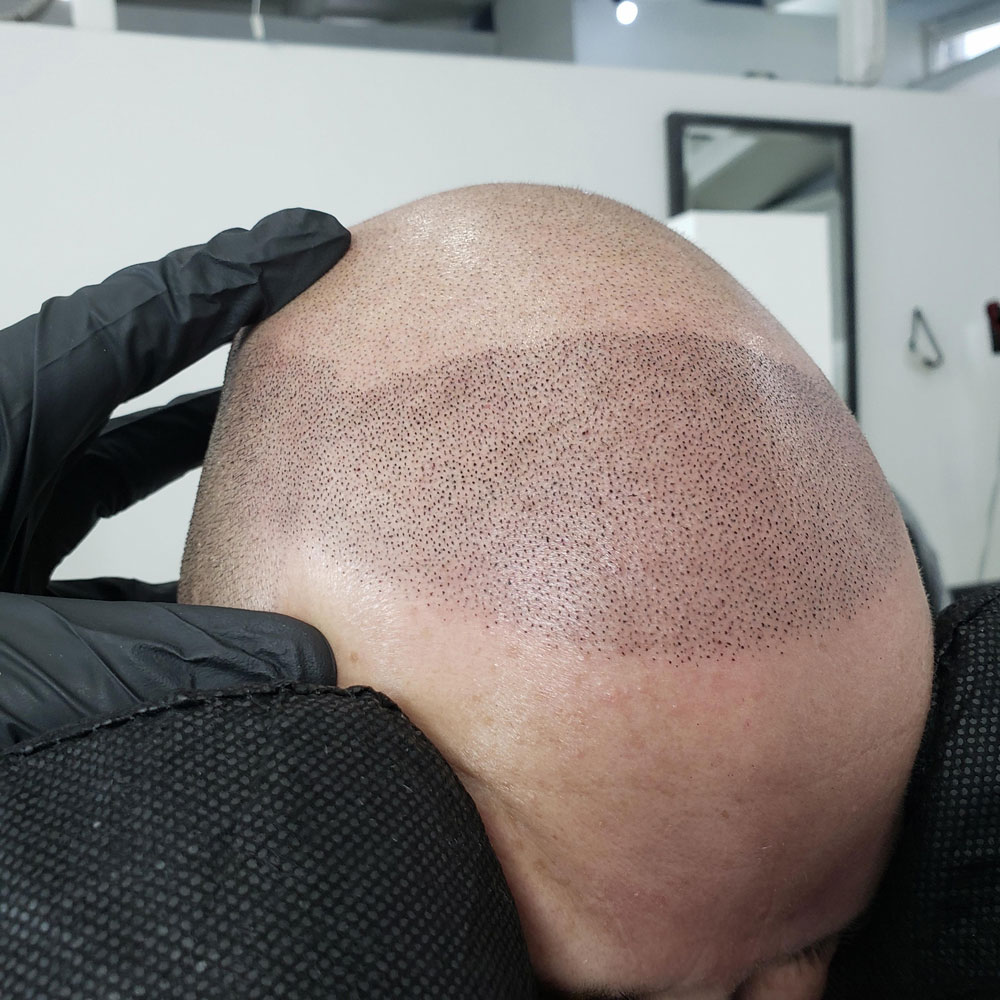
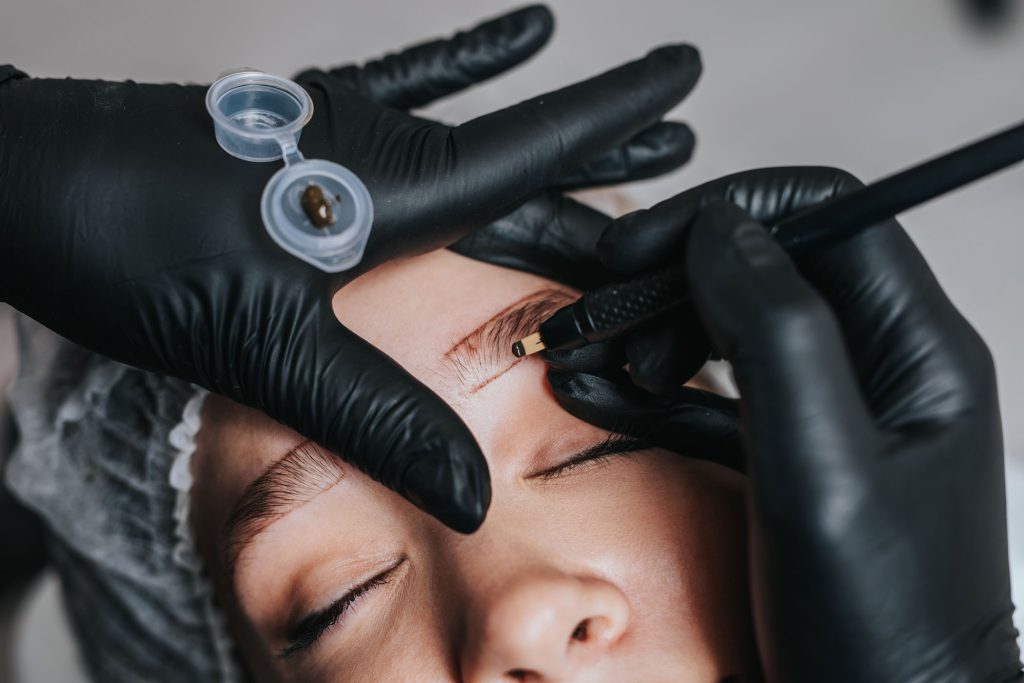
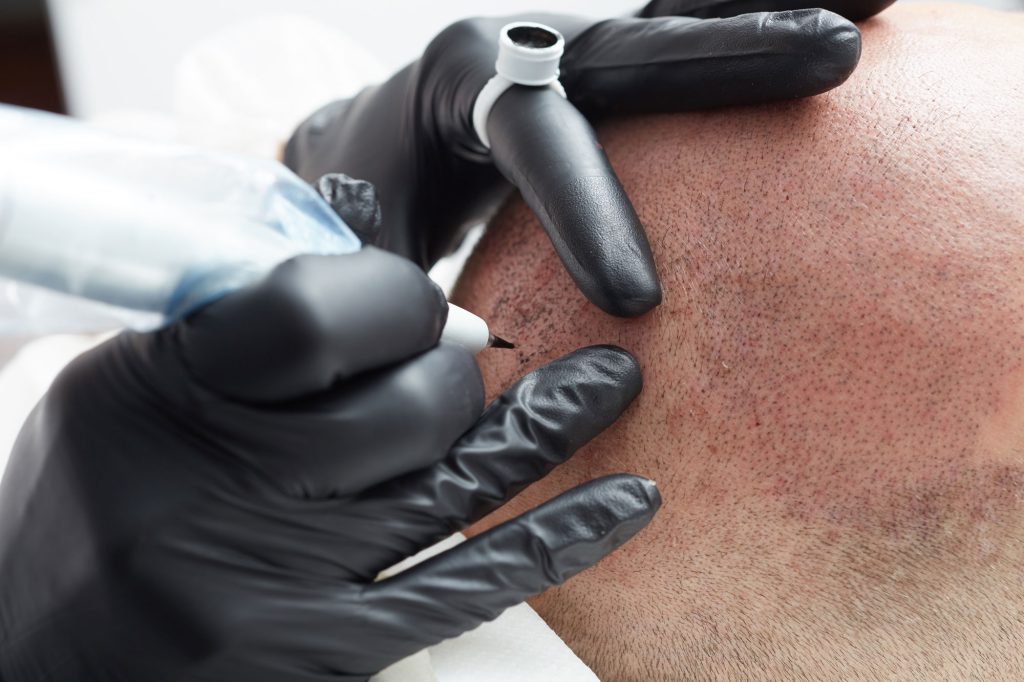
The pigment has just been deposited into your scalp at a depth of 1.5 to 2 millimetres. During these first days, it sits at the epidermal-upper dermal interface, where it is vulnerable to displacement, dilution, and premature fading before it has had any chance to settle.
No water on the scalp. No shampoo. No sweating. That means skipping the gym, the sauna, and any activity that raises your core temperature enough to produce perspiration. Even leaning over a steaming pot counts. The surface needs to stay completely dry.
Avoid touching the treated area with your fingers. Oils, bacteria, and friction all work against pigment retention at this stage. If your scalp feels tight or slightly tender, that is normal. Initial redness typically subsides within two to three days.
Days five to thirty: the gradual return to normal
From around day five, you can begin gentle washing. Use lukewarm water and a mild, sulphate-free shampoo, patting rather than rubbing. What you still cannot do is expose your scalp to direct sun. UV radiation is one of the primary drivers of pigment fading, and your scalp is unusually vulnerable during this healing window.
Swimming pools and open water are off the table for a full 28 days after your final session. Chlorine is particularly harsh on freshly deposited pigment, and the risk of infection from public water is real when your scalp is still healing at the follicular level. Avoid both completely.
From day ten onwards, SPF becomes a non-negotiable part of your routine. Apply SPF 30 to 50 to any exposed scalp area before going outside. If you have diffuse thinning rather than a shaved style, a parting-safe SPF spray or a light, non-greasy scalp sunscreen works well. SPF protection should become a permanent daily habit rather than a temporary aftercare step. It is one of the single most effective things you can do to protect your long-term results.
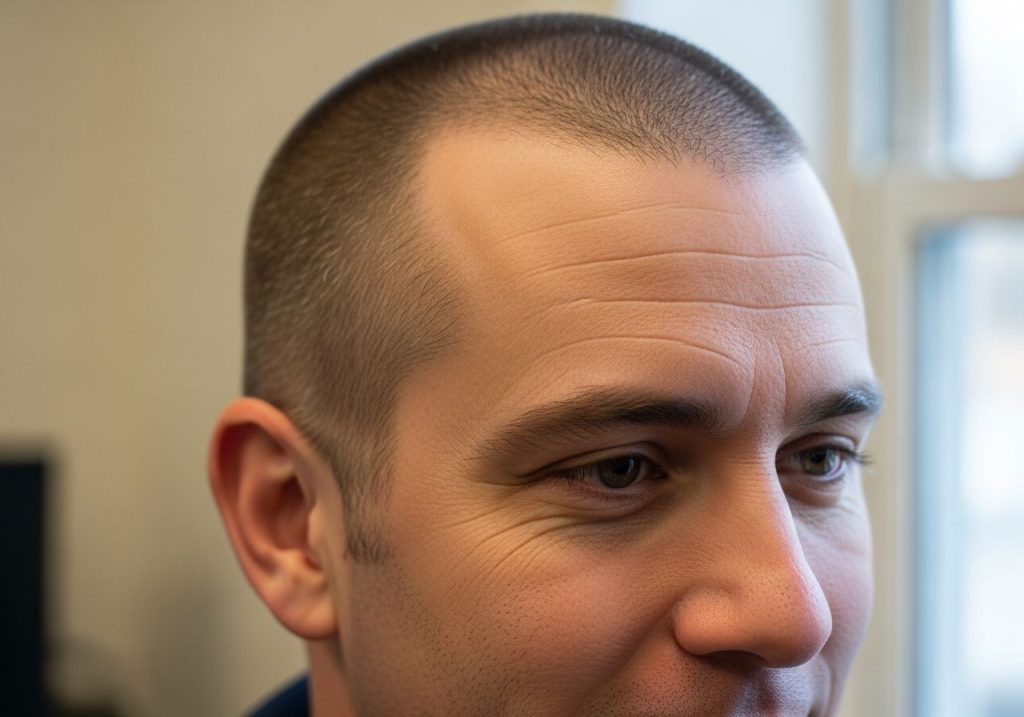
By day thirty, the scalp has completed the majority of its healing cycle. The epidermal pigment will have cycled through stratum corneum turnover, and what remains is the dermal pigment that gives SMP its lasting visual effect. Your final result is now established.
What specifically affects pigment retention in women
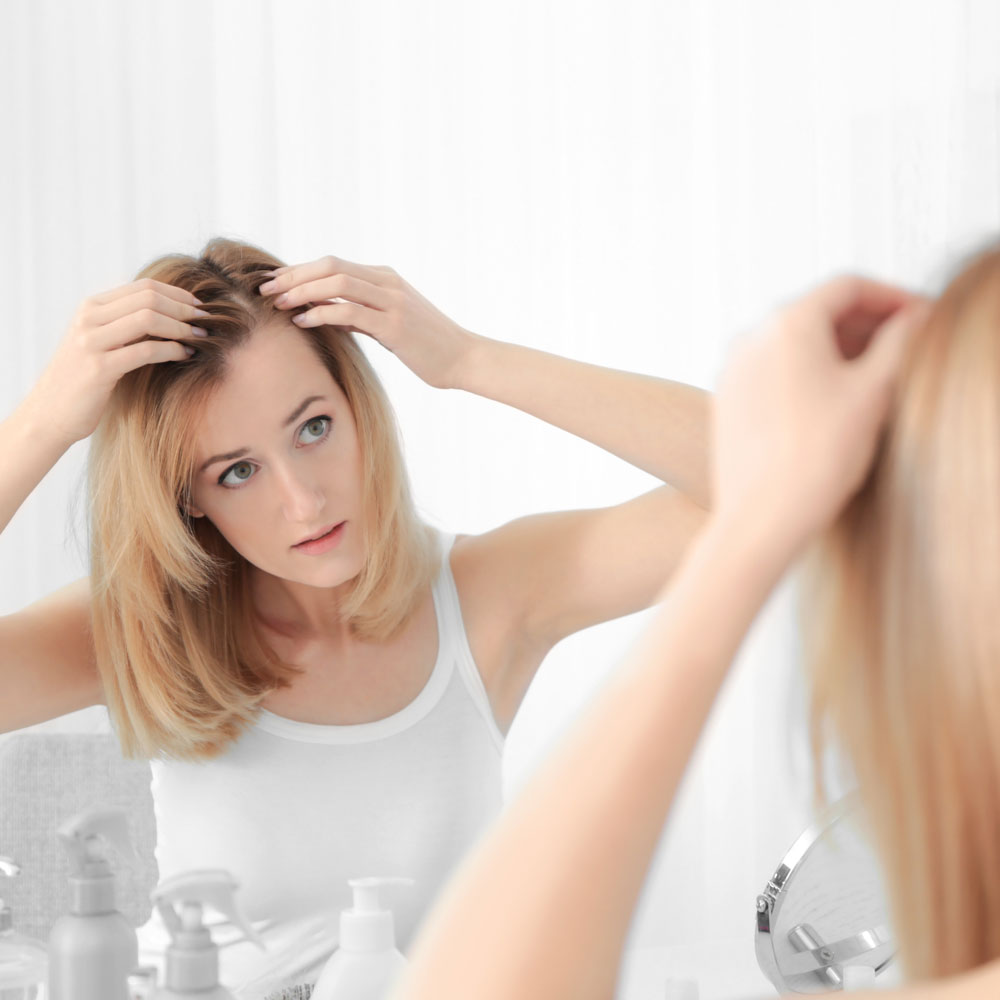
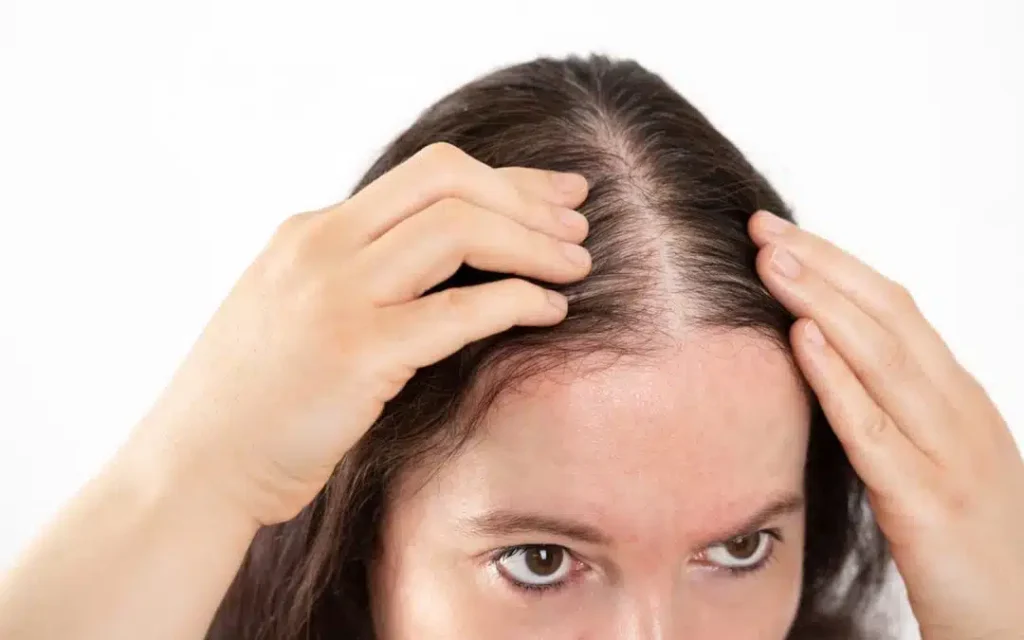
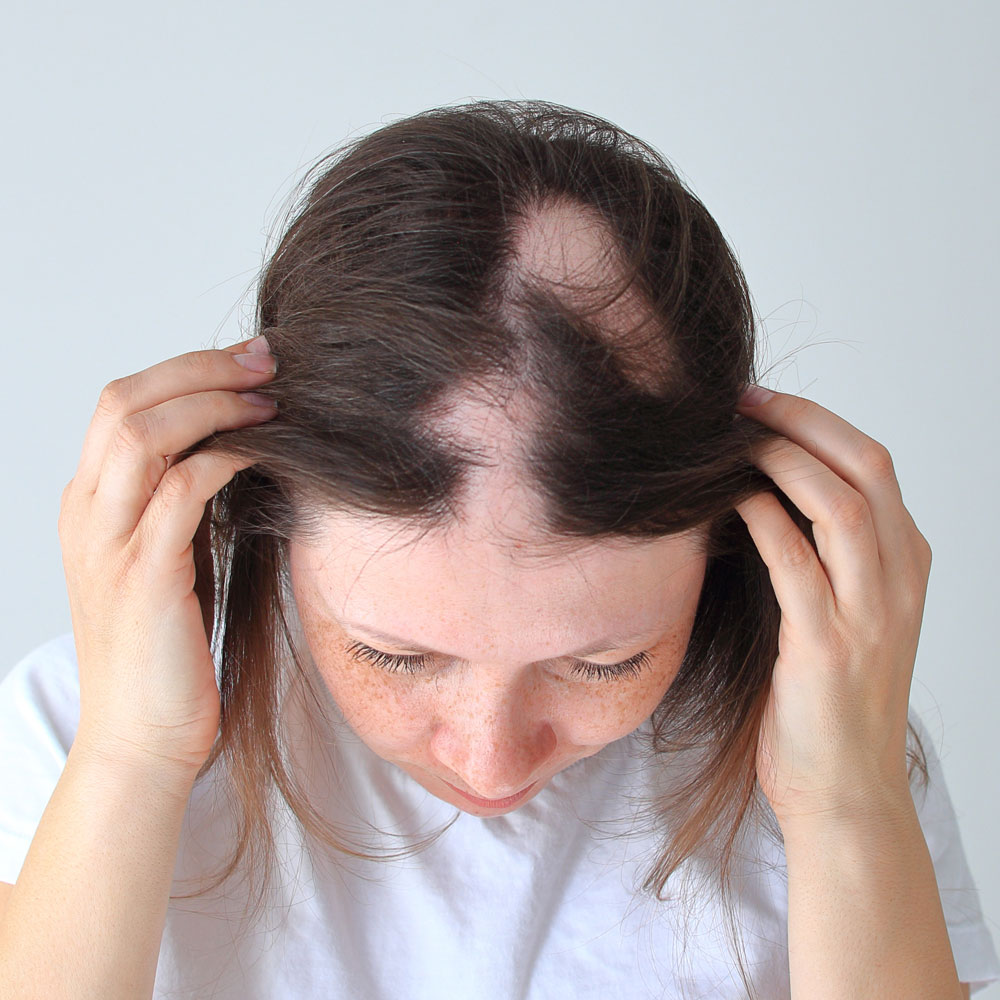
Female pattern hair loss involves gradual diffuse thinning driven by different mechanisms than male pattern baldness, without the same DHT involvement and rarely progressing to total baldness. That means most female SMP clients have existing hair to manage around the treated areas, which introduces some specific considerations.
Styling heat is a real factor. Frequent use of high-heat tools, such as straighteners, blow-dryers held at close range, and hot rollers, applied directly to the scalp can accelerate fading of the underlying pigment over time. You do not need to abandon your styling routine, but directing heat tools away from the scalp surface where possible, and using a heat protectant, is sensible long-term practice.
Hormonal changes matter too. Pregnancy, the postpartum period, perimenopause, and changes in contraception can all affect cellular metabolism and skin turnover rates. Faster cellular metabolism, which can be triggered by hormonal fluctuation, is a recognised factor in accelerating pigment fading. There is no way to predict exactly how your hormonal landscape will shift, but it is worth factoring into your expectations and your touch-up planning. If you are going through a significant hormonal change, your SMP may fade slightly faster than the general estimate.
Oily skin is another variable. Women with naturally oilier scalps tend to see faster fading than those with drier skin types. If that applies to you, using a gentle scalp-balancing shampoo and keeping SPF application consistent will help offset the difference. Regular SPF use, mature skin, and dry skin types are all associated with longer-lasting results in the published literature.
Alopecia areata and scarring alopecias also tend to show faster fading than androgenetic cases. This was confirmed in a 2025 case series from Chongqing Medical University, which observed greater pigment decline at six months in scarring cases. If your hair loss has a scarring component, build a slightly shorter touch-up interval into your planning from the outset.
Long-term longevity and when to book a touch-up
Female SMP results typically last three to five years before a refresh is needed. Some clients go longer with excellent sun protection habits and naturally dry, mature skin. Others need attention closer to the three-year mark due to faster metabolism, lifestyle factors, or hormonal history.
Fading is gradual and natural. The dermal pigment slowly diminishes through sun exposure, skin ageing, and immune macrophage activity, which is the body’s natural process of clearing foreign particles from tissue over time. You will not wake up one morning with no result. What you will notice is that the contrast and density look a little softer than they did at your final session. That is the right time to book a refresh.
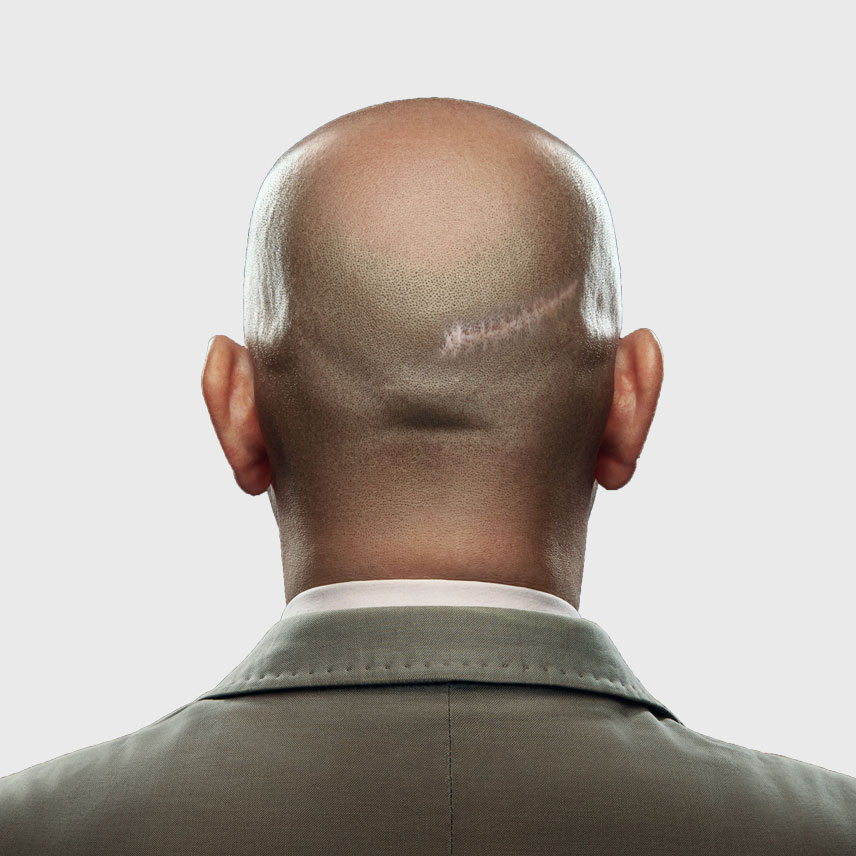
A touch-up is not a full re-treatment. It restores the density and crispness of the original result, typically in a single session, and resets your longevity clock. Planning financially for a touch-up every three to four years makes SMP one of the more cost-effective options for managing long-term hair loss, especially when compared with the ongoing cost and recovery demands of surgical hair transplantation.
The women who get the most from their results are those who treat aftercare as an ongoing practice rather than a temporary inconvenience. Daily SPF, heat-aware styling, and an awareness of how your skin and hormones are changing over time are the practical tools that keep your investment looking its best for as long as possible.
Frequently Asked Questions
Can I colour or bleach my hair after female SMP?
Wait at least 30 days after your final SMP session before applying any chemical colour or bleach to the hair. Harsh chemicals applied to the scalp during the healing window can disrupt pigment settling and increase the risk of irritation. After full healing, colour treatments are generally fine, but avoid direct scalp contact where possible.
Will hormonal changes after pregnancy affect my SMP results?
They can. Faster cellular metabolism, which can occur during the postpartum period or during hormonal fluctuation, is a recognised factor in accelerating pigment fading. Your SMP results may fade slightly more quickly during significant hormonal shifts, so factor this into your touch-up planning. Consistent SPF use helps offset some of the additional fading.
How long does female SMP last before a touch-up is needed?
Female SMP typically lasts three to five years before a touch-up is needed, though this varies depending on skin type, sun exposure, hormonal factors, and aftercare consistency. Women with oily skin or higher sun exposure may need a refresh closer to the three-year mark, while those with dry skin and strong SPF habits often see longer-lasting results.
Is there anything specific about aftercare for women with diffuse thinning rather than total hair loss?
Yes. Women with diffuse thinning have existing hair around the treated area, so heat styling tools directed at the scalp are a relevant long-term consideration. Using heat tools at a distance from the scalp and applying a heat protectant reduces the cumulative impact on dermal pigment. SPF application using a parting-safe scalp spray also works well for this hair loss pattern.
What are the signs that my SMP needs a touch-up?
The most reliable sign is a noticeable reduction in density and contrast compared to your original healed result. The stippled follicle impression will appear softer or patchier. Fading is gradual rather than sudden, and most clients notice it around the three to five year mark. A touch-up is usually a single session that restores the original result and resets longevity.