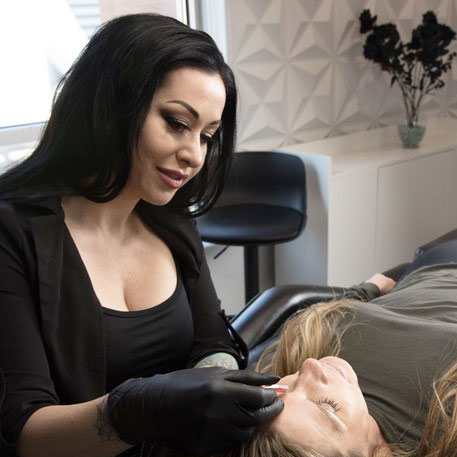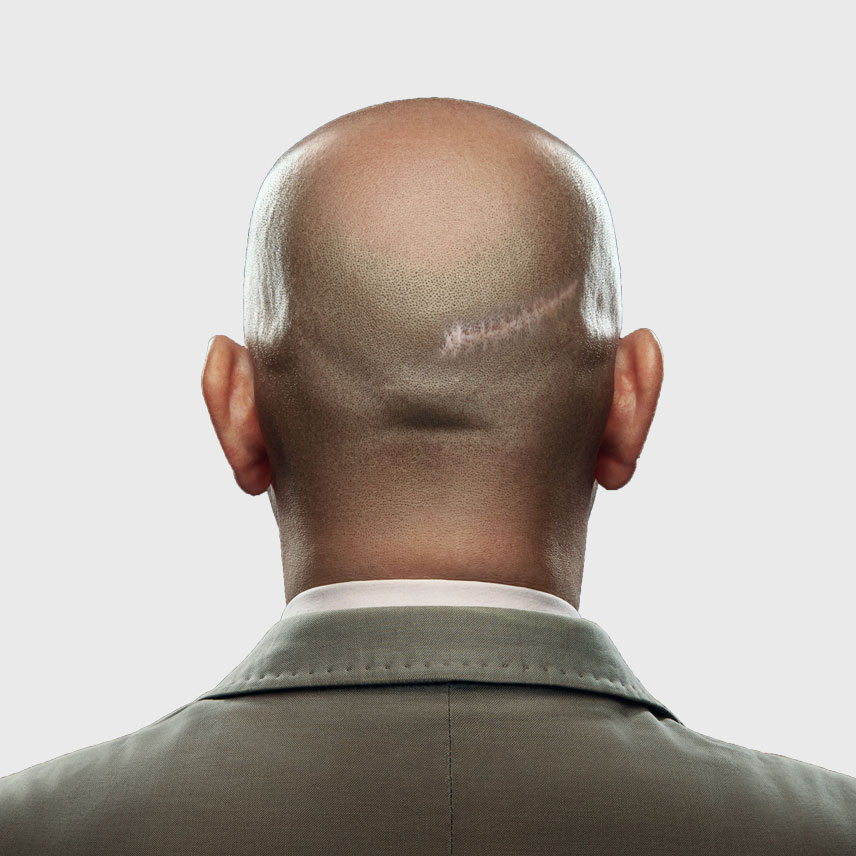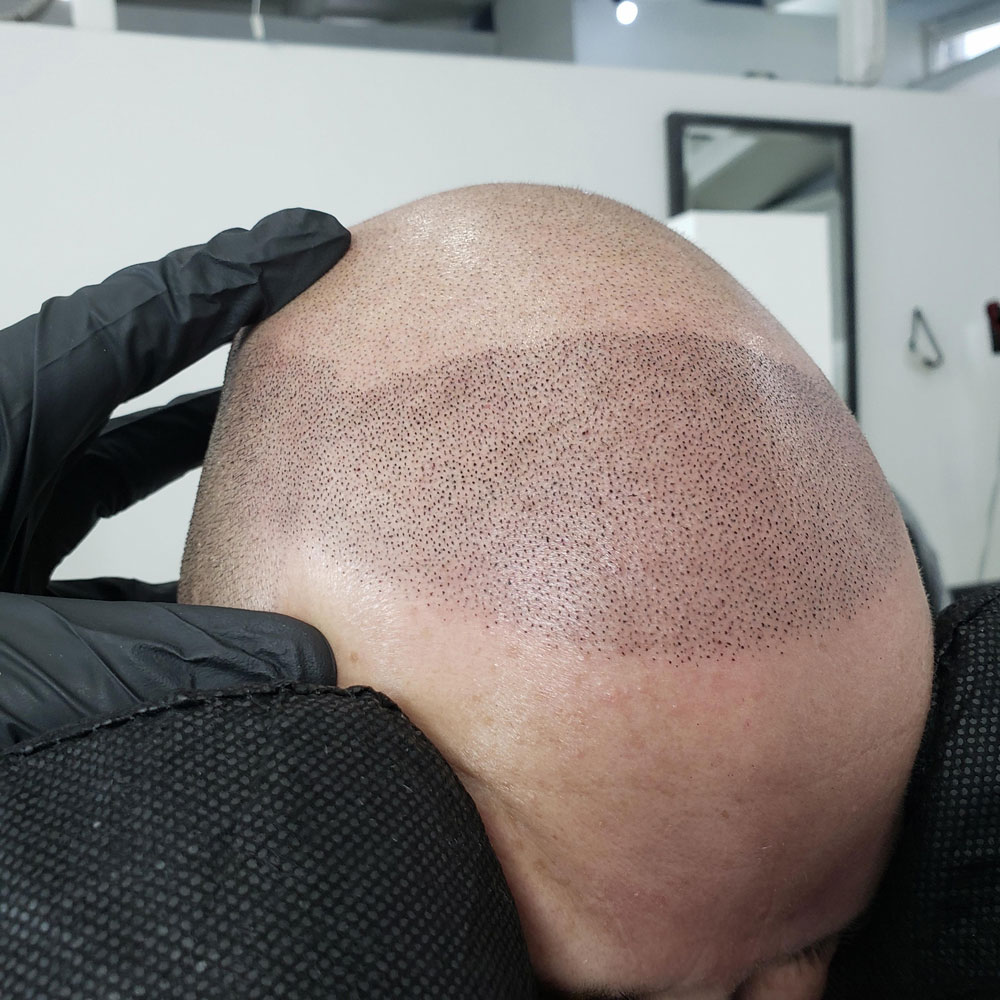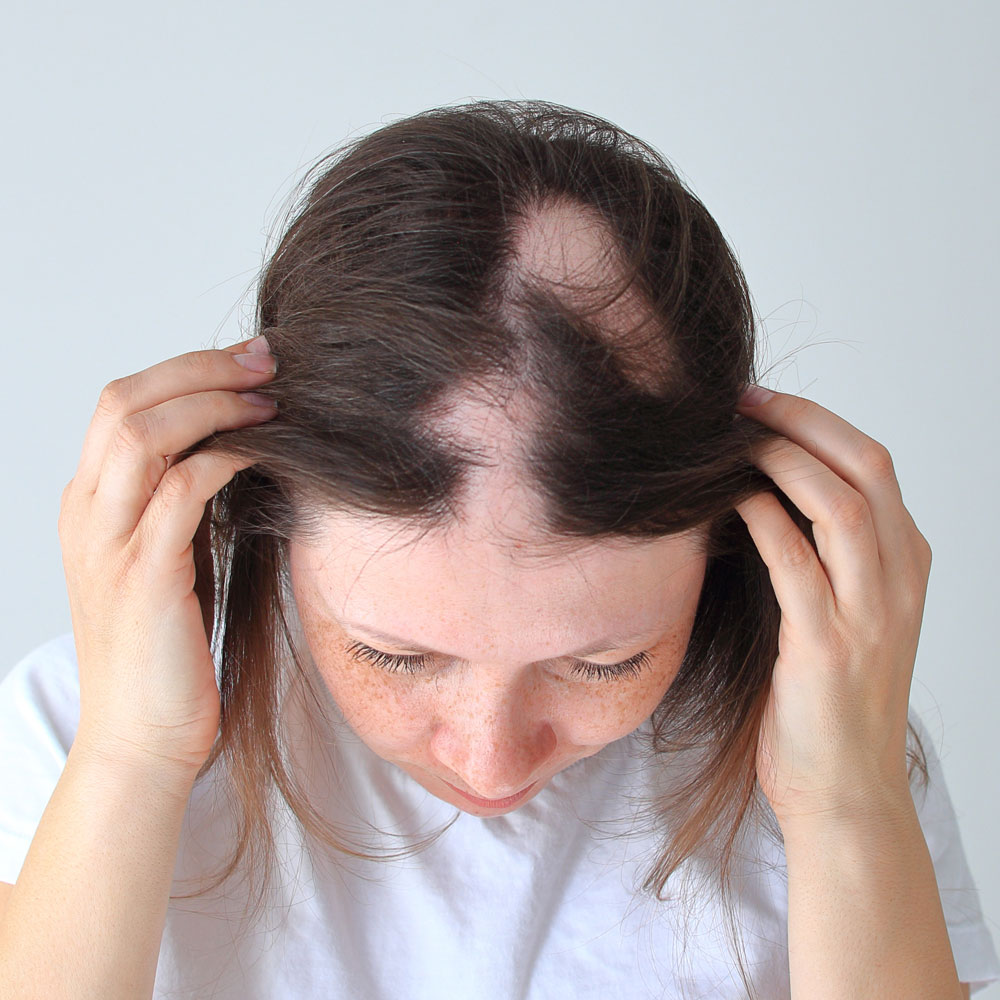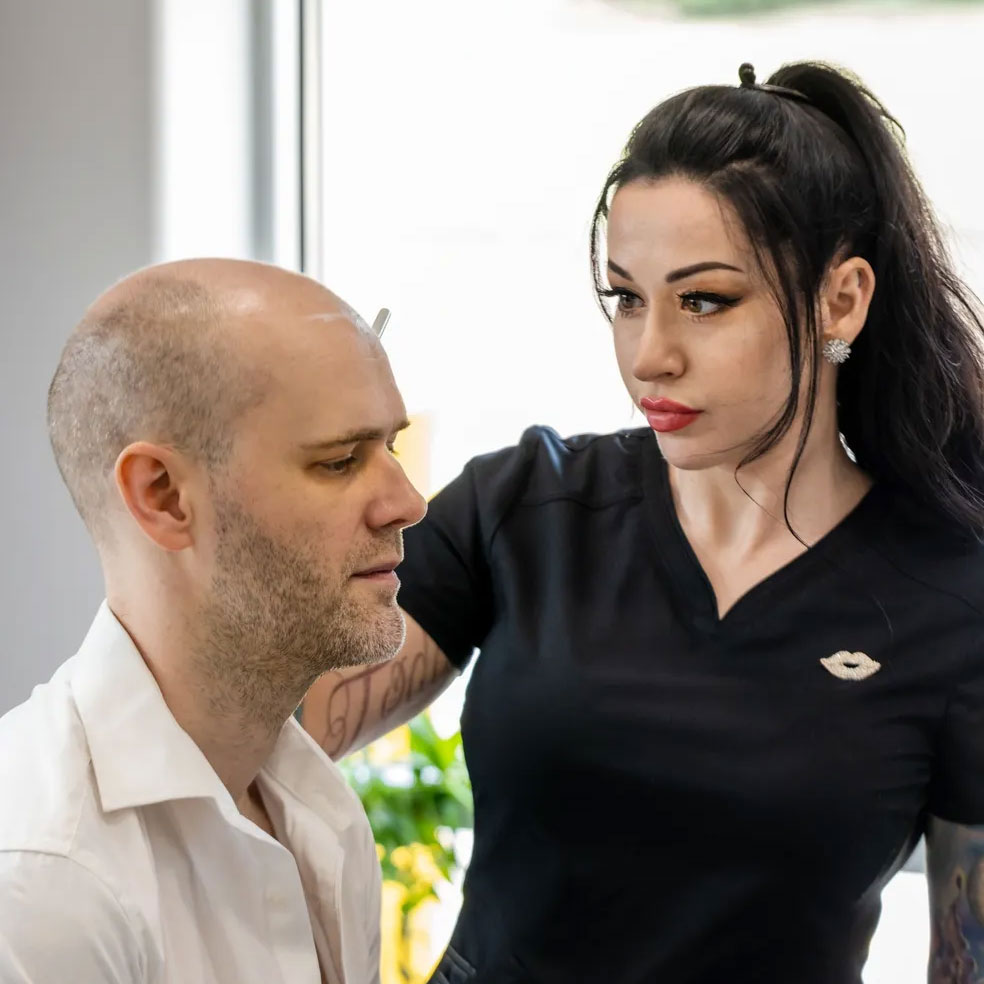
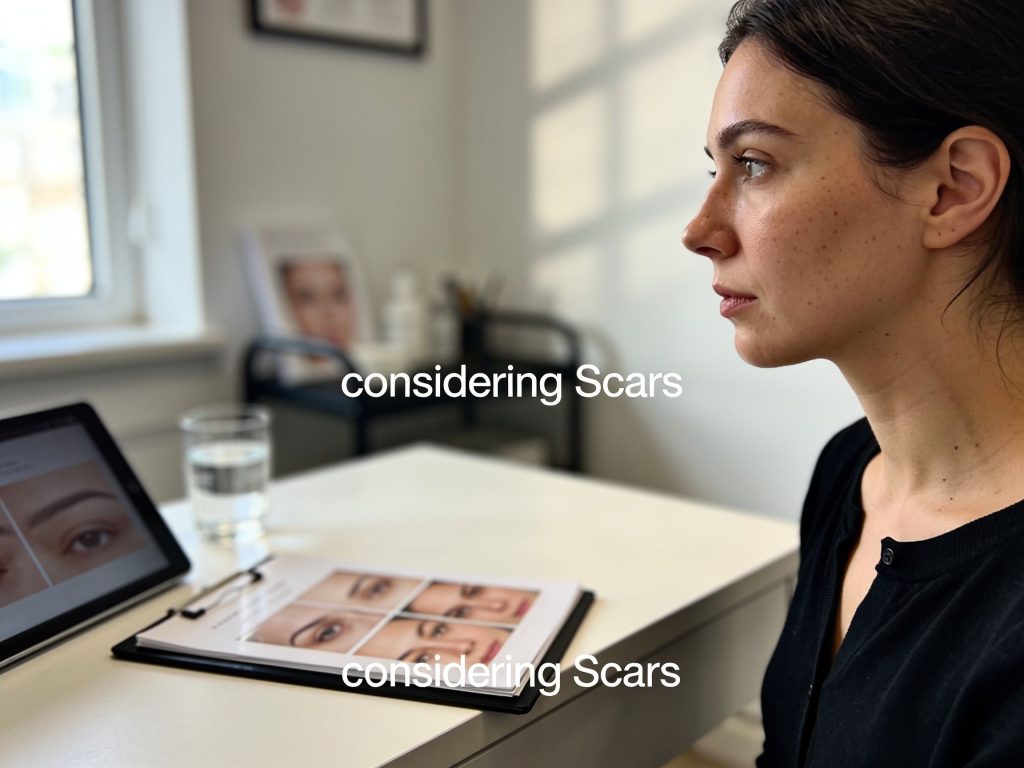
You have done the research, you like what you see in before-and-after photos, and you are ready to do something about that scar. But SMP on scar tissue is not a universal fix, and the wrong timing or the wrong scar type can lead to poor pigment retention, complications, or a result that looks worse than the original concern. This article sets out exactly who should wait, who should reconsider, and what to check before booking.
Why scar tissue responds differently to pigment
Healthy scalp skin has a relatively uniform structure, which makes pigment placement predictable. Scar tissue is the opposite: it is dense, fibrous, and architecturally irregular, formed when the body repairs a wound by laying down collagen in overlapping patterns rather than the neat, basket-weave arrangement of undamaged skin.
That altered structure changes how pigment behaves at the dermal level. The needle encounters variable resistance, depth consistency becomes harder to achieve, and pigment retention is less reliable. In some scar types, pigment disperses or migrates outward; in others, it fades dramatically within weeks of the initial session. Understanding the scar’s physical character is the first step in assessing whether treatment is viable.
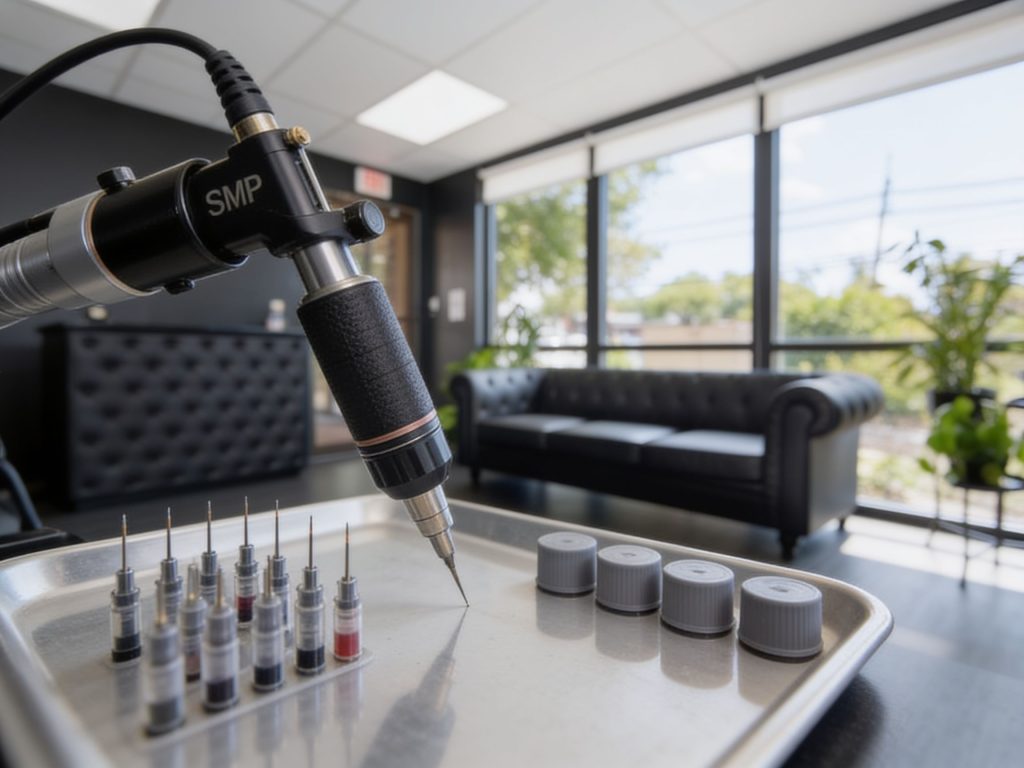
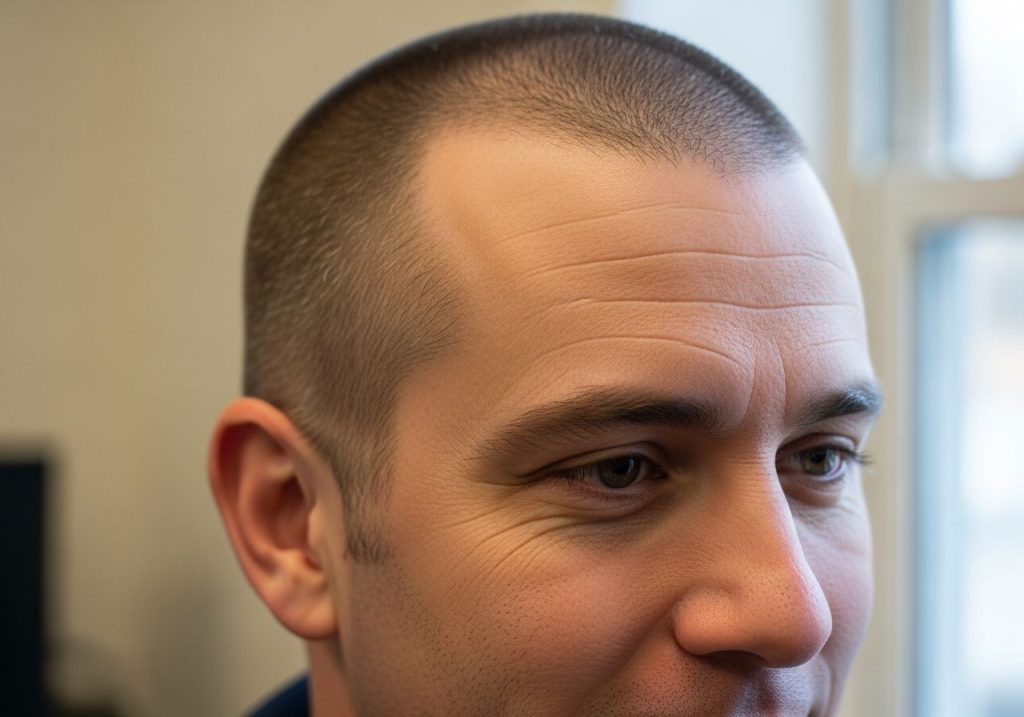
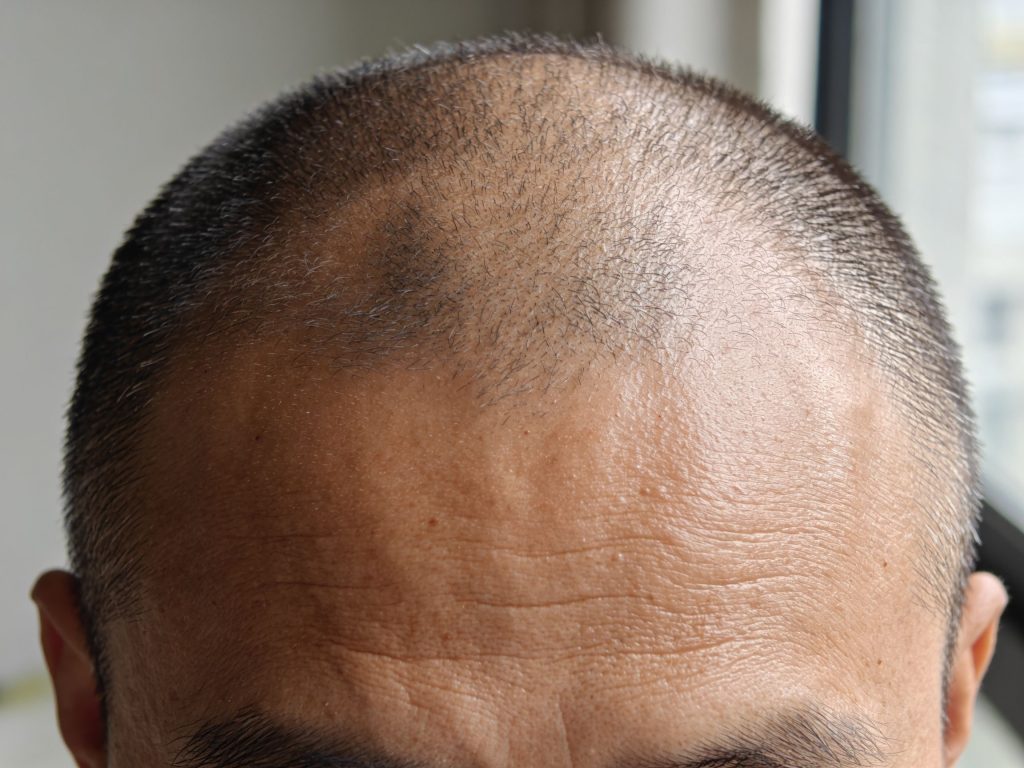
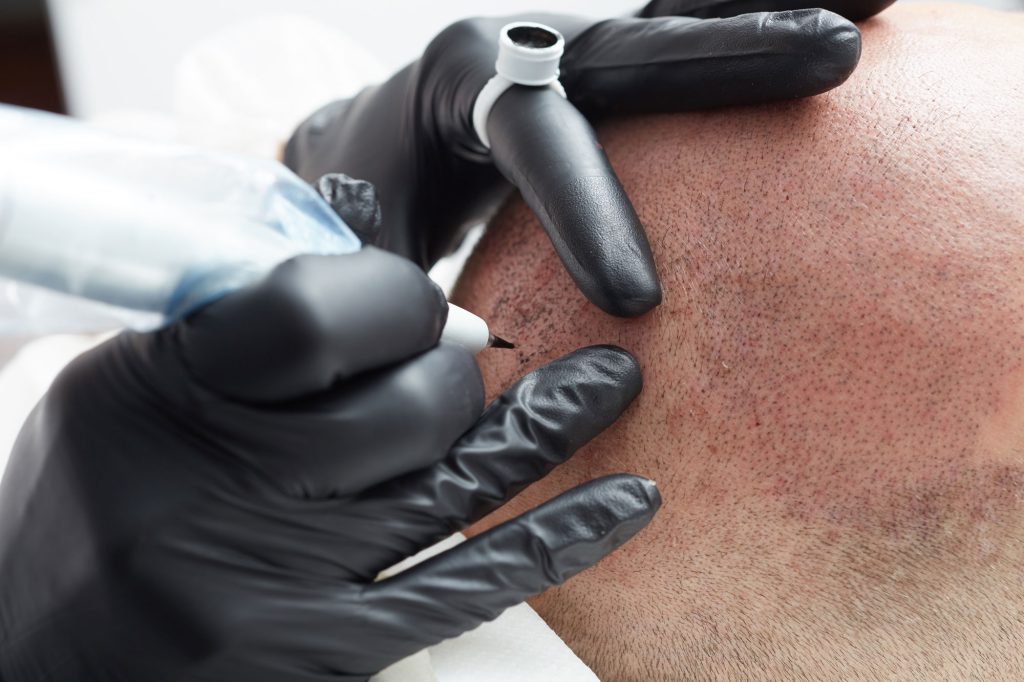
Scar micropigmentation, when it works well, deposits medical-grade pigment into the upper dermis at a depth of roughly 1.5 to 2 millimetres, using a pointillism technique to replicate the visual impression of hair follicles and reduce the contrast between scar tissue and surrounding scalp. The goal is camouflage, not correction. That distinction matters when evaluating whether a particular scar will respond well to treatment.
Raised and reactive scars: the clearest contraindication
Keloid scars represent the most significant contraindication in SMP scar treatment. A keloid forms when the body’s healing response overshoots, producing an excess of collagen that extends beyond the original wound boundary. The tissue is firm, raised, and often continues to grow over time.
Introducing a needle into keloid-prone skin carries a real risk of triggering a further keloid response. In practical terms, that means the treatment itself could enlarge or worsen the scar rather than improve its appearance. If you know you form keloids, or if a past wound, piercing, or surgical site developed one, that history must be disclosed before any needlework is considered.
Hypertrophic scars sit in a related but distinct category. Unlike keloids, they remain within the wound boundary, but they are still raised and thickened. Fresh hypertrophic scars are generally not suitable for SMP. Mature ones that have flattened over 12 to 18 months may become viable, but that is an assessment made at consultation rather than something to assume from photographs alone.
The conversation around keloid scars and scalp micropigmentation risk is one that should be taken seriously at every pre-treatment assessment. Scar tissue that looks visually similar can behave very differently under a needle, and a conservative approach protects the client every time.
Active skin conditions and timing-based contraindications
Several skin conditions make SMP scar treatment inadvisable regardless of scar type, at least until they are brought under control. Active scalp psoriasis, eczema, and acne in or around the treatment area all affect the skin’s barrier integrity and healing response. Working through compromised or inflamed tissue increases infection risk and makes pigment retention unpredictable.
The timing of a scar also matters considerably. A surgical scar needs a minimum of 12 months to fully mature before micropigmentation can be considered. During the first year, scar tissue is still actively remodelling: it changes colour, texture, and dimension as collagen reorganises. Treating too early means working on a moving target, and the result six months later may bear little resemblance to what was originally placed.
Beyond the scar itself, certain systemic factors create medical micropigmentation contraindications regardless of skin condition. These include active bleeding disorders, immunosuppressive therapy, ongoing chemotherapy, and the use of blood-thinning medications. Clients with a history of allergic reactions to pigments, particularly those with metallic components, also require careful screening, as pigment granulomas and allergic responses are a documented complication in the field.
Pregnancy is a straightforward timing contraindication. Not because the procedure is categorically harmful, but because the healing response is altered during pregnancy and the ethical standard in permanent cosmetics is simply to wait.
Skin tones, scar depth, and the pigment retention question
Pigment retention in scar tissue varies based on two factors that are often overlooked: the depth of the original injury and the client’s skin tone relative to the surrounding scalp.
Deep scars, particularly those that penetrated to the subcutaneous layer, may have lost functional dermal architecture entirely in the affected zone. Without the normal dermal structure to anchor pigment, dots may appear uneven, fade rapidly, or fail to hold their defined shape. This does not automatically rule out treatment, but it does affect expectations and session planning. Dot density in initial sessions starts conservatively, at around 40 dots per square centimetre, building progressively across sessions to avoid oversaturation in tissue that may not retain pigment uniformly.
On darker skin tones, the visual contrast between treated and untreated scalp can be more pronounced if pigment matching is not precise. This is not a contraindication in itself, but it demands a higher level of technical skill in shade selection and placement. Poor colour matching in scar SMP is one of the more common causes of unsatisfactory outcomes, and it is an area where practitioner experience directly affects the result.
Atrophic scars, the sunken type common after chickenpox or certain surgeries, present their own challenge. The depressed surface means the needle must account for a different topography, and results can appear inconsistent across the scar boundary. Some atrophic scars respond well; others do not retain pigment reliably enough to justify the investment. Each case warrants individual assessment.
Frequently Asked Questions
Can I have SMP on a scar if I have previously formed a keloid elsewhere on my body?
A history of keloid formation anywhere on the body is a significant contraindication for SMP scar treatment on the scalp. Introducing a needle into keloid-prone skin risks triggering a new or enlarged keloid response at the treatment site. A thorough consultation is essential before proceeding, and in most cases treatment is not advisable.
How long after surgery should I wait before considering SMP on a scalp scar?
Most practitioners require a minimum of 12 months after surgery before assessing a scar for medical micropigmentation. During the first year, scar tissue is still actively remodelling, changing in colour, texture, and dimension. Treating too early risks inconsistent pigment retention and a result that does not hold as the scar continues to mature.
Does skin tone affect whether SMP on scar tissue will work?
Skin tone does not contraindicate SMP scar treatment, but it does affect the complexity of pigment matching and the risk of visible contrast between treated and untreated areas. On deeper skin tones, precise shade selection is critical. Poor colour matching is a common cause of unsatisfactory outcomes, so practitioner experience with diverse skin tones matters significantly.
What skin conditions are considered SMP scar contraindications?
Active psoriasis, eczema, or acne in or near the treatment area are standard SMP scar contraindications, as compromised skin affects healing and pigment retention. Systemic factors including bleeding disorders, immunosuppressive therapy, and blood-thinning medications also apply. These conditions do not always rule out treatment permanently, but they require resolution or medical clearance before proceeding.
Are atrophic or sunken scars suitable for scalp micropigmentation?
Atrophic scars can be treated with SMP in some cases, but the sunken surface creates an uneven topography that makes consistent pigment placement more technically demanding. Deep atrophic scars that have lost significant dermal structure may not retain pigment reliably across the full area. Each case requires individual assessment rather than a blanket answer.