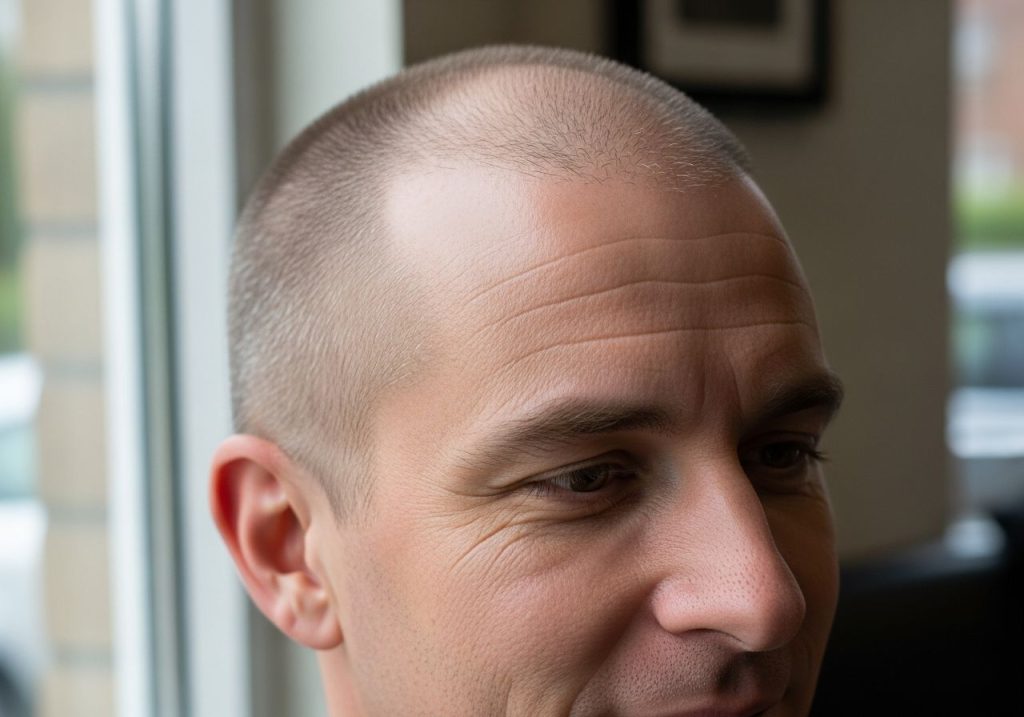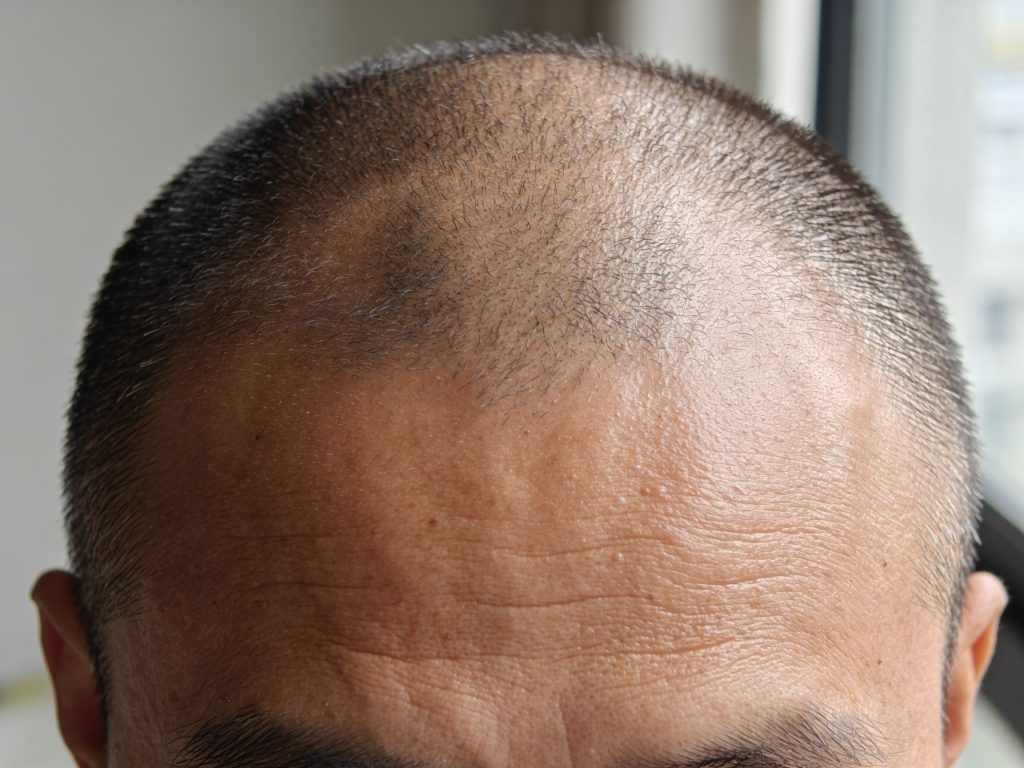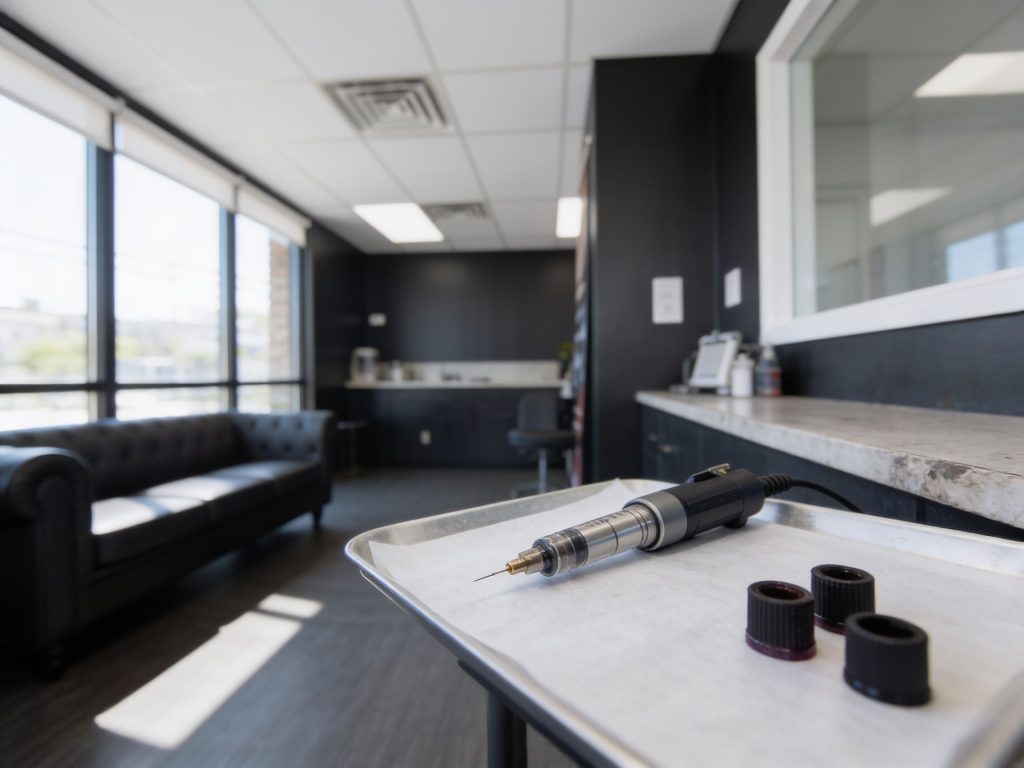
You’ve been researching scalp micropigmentation, you like what you see, and now you’re asking the one question that actually matters: is this right for you? Not every man with thinning hair is a suitable candidate for male density medical micropigmentation, and knowing where you stand before booking saves time, money, and disappointment. Here’s exactly how to self-qualify.
1. Your hair loss has stabilised
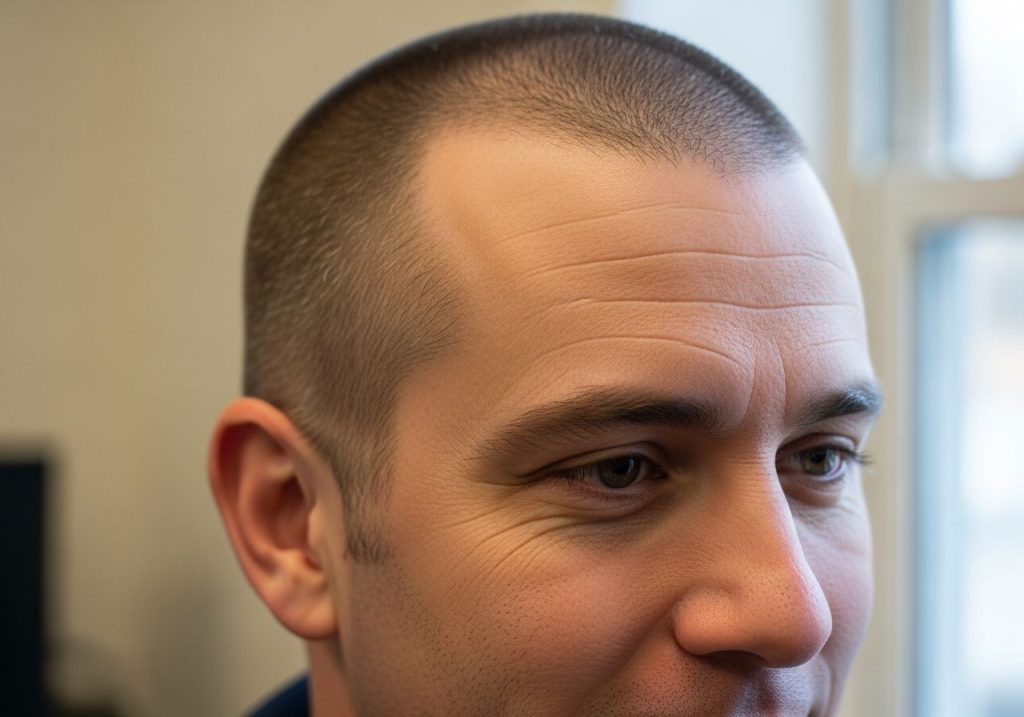
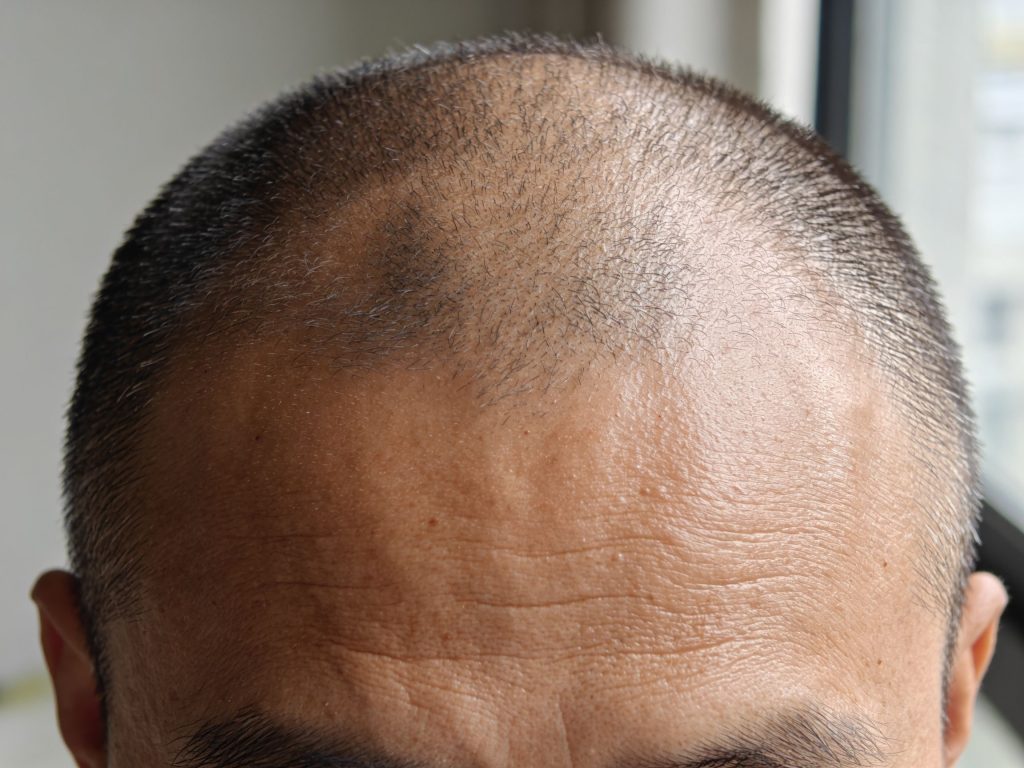
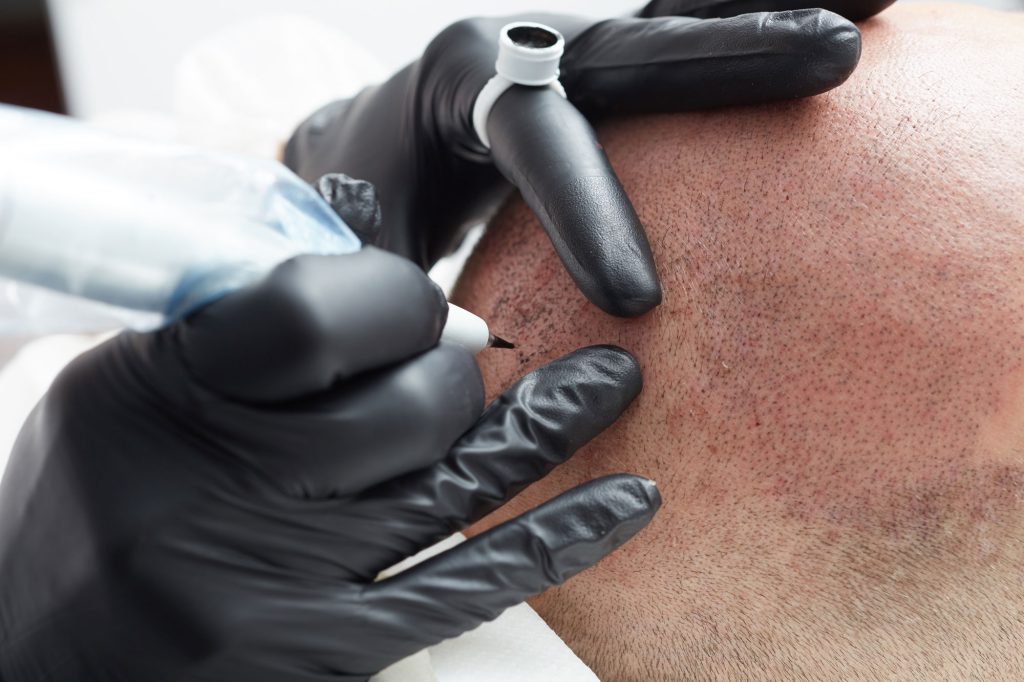
This is the single most important factor. Male density SMP works by depositing medical-grade pigment into the scalp to replicate the appearance of existing hair follicles and increase the visual impression of thickness. If your hair loss is still actively progressing, the result can become uneven as surrounding hair continues to thin around treated areas.
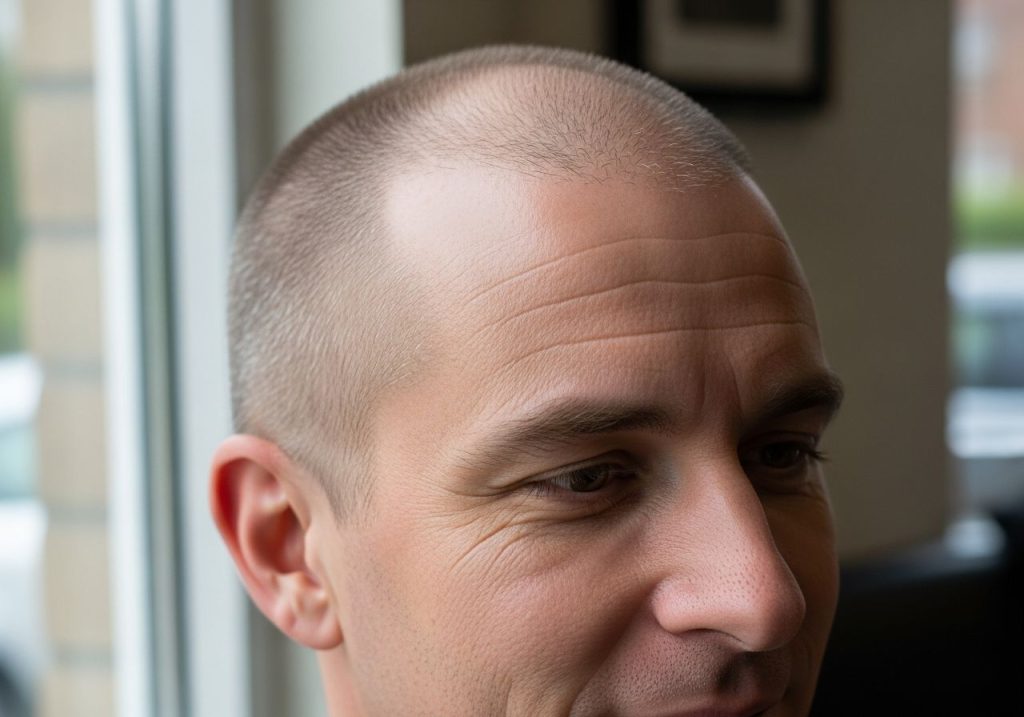
Most practitioners look for a pattern that has been consistent for at least 12 months. Men with Norwood scale stages two through five who have not seen significant change in the past year are typically strong candidates. If you are mid-shed, the honest advice is to wait, stabilise if possible, and return when the picture is clearer.
2. You have realistic expectations about what the procedure does
Male density SMP does not restore hair growth. It does not affect existing follicles, stimulate regrowth, or treat the underlying cause of hair loss. What it does do is reduce the visible contrast between your scalp and your hair, creating the impression of greater density. For many men, that difference is transformative, but it starts with understanding what you are actually getting.
The best candidates come in knowing this. They are not looking for a miracle; they are looking for a credible, lasting cosmetic solution. Results typically last four to eight years before a touch-up is needed, and the procedure requires two to four sessions spaced several weeks apart. If those parameters suit you, you are already thinking like an ideal candidate.
3. Your scalp skin is healthy and free from active conditions
The condition of your scalp matters enormously. Active psoriasis, eczema flare-ups, or scalp acne in the treatment area are firm contraindications. Introducing a needle into inflamed or broken skin raises the risk of infection, inconsistent pigment uptake, and unpredictable healing. These are not permanent disqualifiers, but they do mean the condition must be addressed first.
Oily skin is worth mentioning too. It does not disqualify you, but it does influence longevity. Higher sebum production can accelerate fading, so touch-up appointments may be needed sooner. Applying SPF after healing is one of the most effective steps you can take to extend results, regardless of skin type.
4. You are not prone to keloid scarring
Keloid-prone skin is a contraindication for SMP. Keloids are raised, overgrown scar tissue that can form in response to skin trauma, including needle penetration. If you have developed keloid scars after cuts, piercings, or previous procedures, the scalp micropigmentation needle carries a real risk of triggering the same response on your scalp.
This is a conversation worth having openly during your consultation. A small test patch in a discreet area is sometimes used to assess your response before committing to a full treatment, but the starting point is an honest discussion about your scarring history.
5. You have androgenetic hair loss or a defined density concern
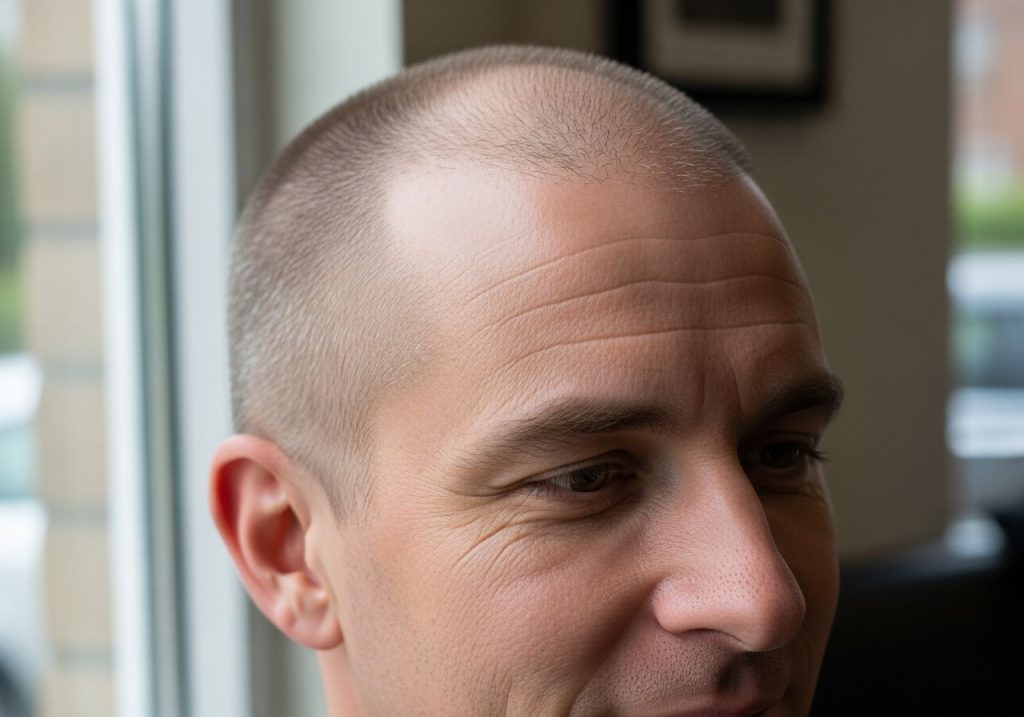
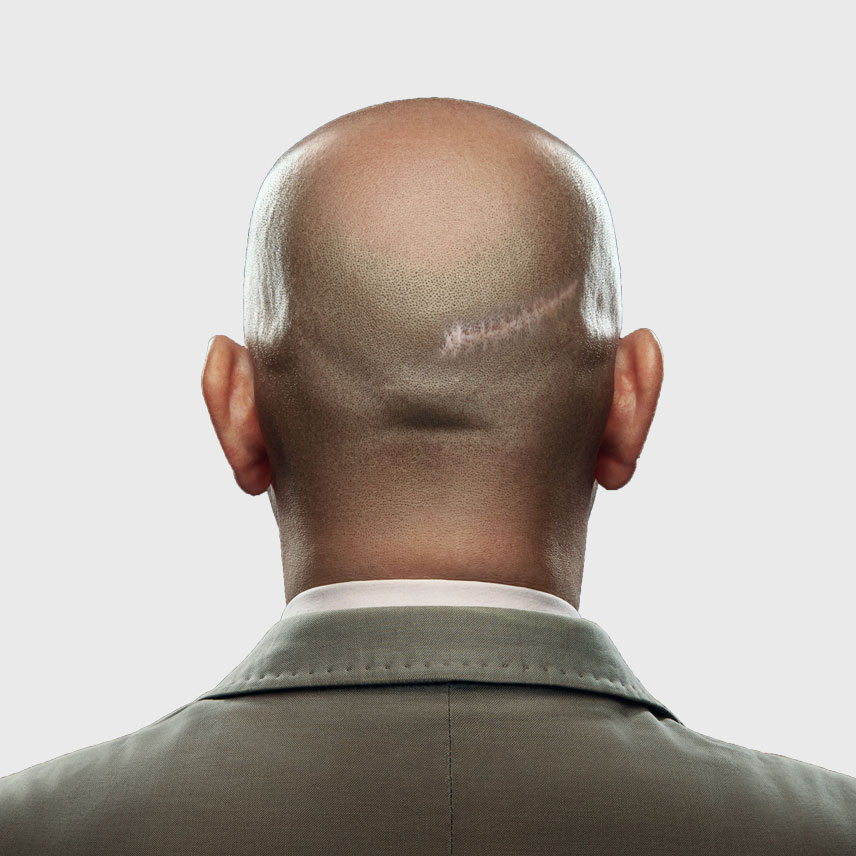
Male pattern baldness, driven by dihydrotestosterone shortening the hair follicle growth cycle, affects at least 50% of men by the age of 50. It is the most common presentation, and the results are consistently strong. Beyond androgenetic alopecia, male density SMP also produces excellent outcomes for men with post-transplant density gaps, chemotherapy-related thinning, and scalp scarring or birthmarks that affect the appearance of hair density.
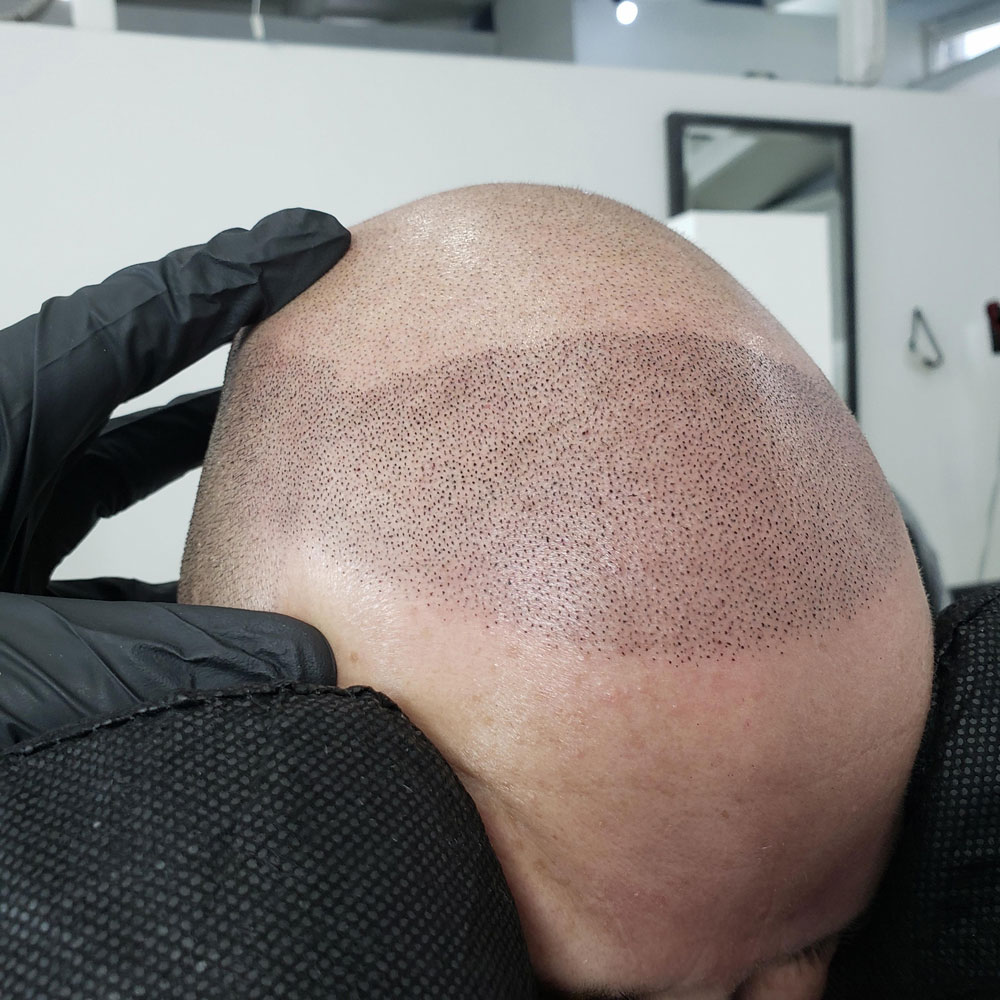
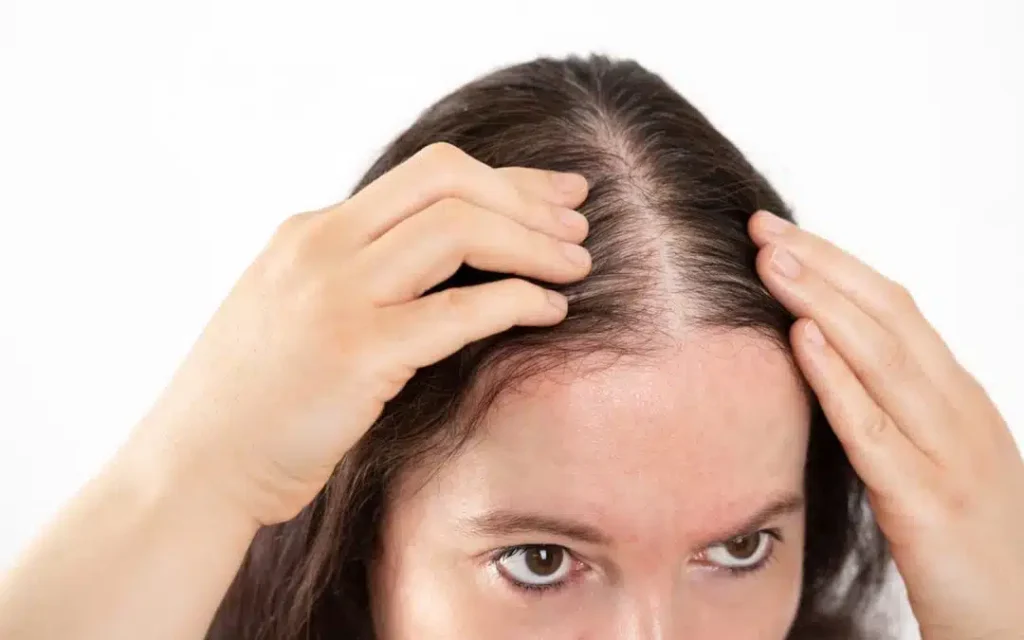
Diffuse thinning across the crown and vertex responds particularly well to the density technique, where pigment dot density is built progressively across sessions, from around 40 dots per square centimetre initially to 80 to 100 in final sessions. The result is a graduated, natural-looking increase in visual thickness.
6. Active alopecia areata puts you in a wait-and-see category
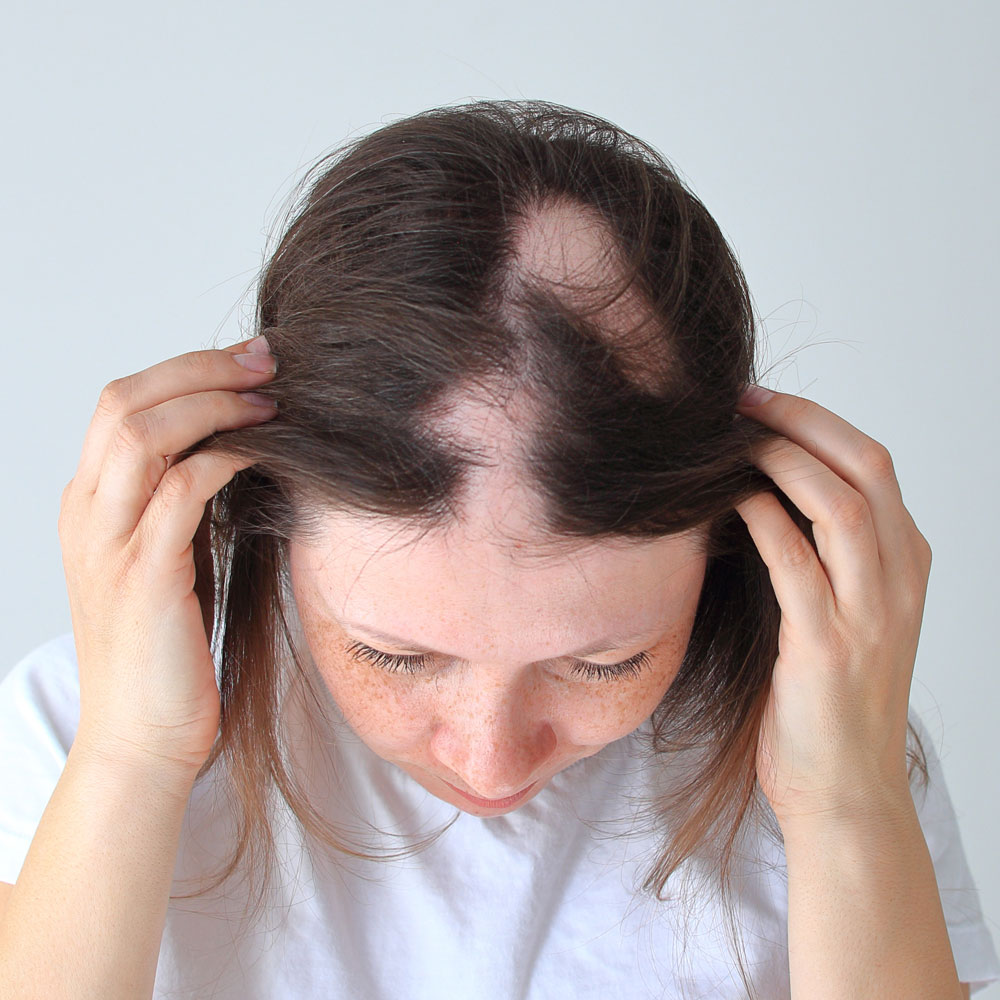
Alopecia areata is an autoimmune condition causing patchy hair loss, and it presents a specific challenge for density SMP. Because the condition is unpredictable and can shift after treatment, pigmented areas may become exposed if further loss occurs in previously unaffected zones, or, conversely, hair may regrow and create an inconsistent appearance against treated skin.
This does not mean SMP is never an option for alopecia areata, but it does mean timing is everything. Patients with alopecia totalis, where all scalp hair is absent, can be excellent candidates for a full-coverage approach rather than density work. Androgenetic cases consistently show stronger long-term satisfaction scores in clinical research than scarring or autoimmune presentations.
7. You’re not in the right headspace yet
This point is less clinical but just as important. SMP is a cosmetic procedure that requires commitment: multiple sessions, a 28-day healing period after the final session, ongoing SPF use, and touch-ups every few years. If you are still undecided about whether you want visible dots on your scalp, or if you are hoping the procedure will resolve something deeper than a cosmetic concern, now is not the right time.
The men who are most satisfied are those who have accepted their hair loss, done their research, and are choosing SMP as a confident, informed decision rather than a last resort made under pressure. That mindset is, genuinely, part of what makes someone a good candidate.
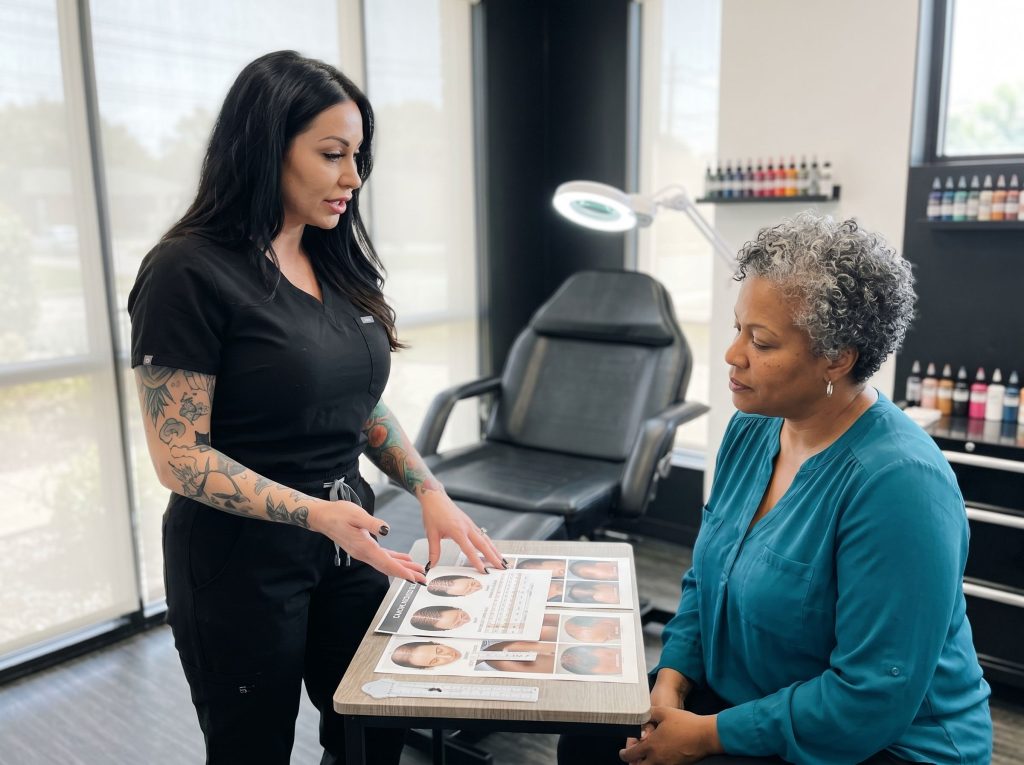
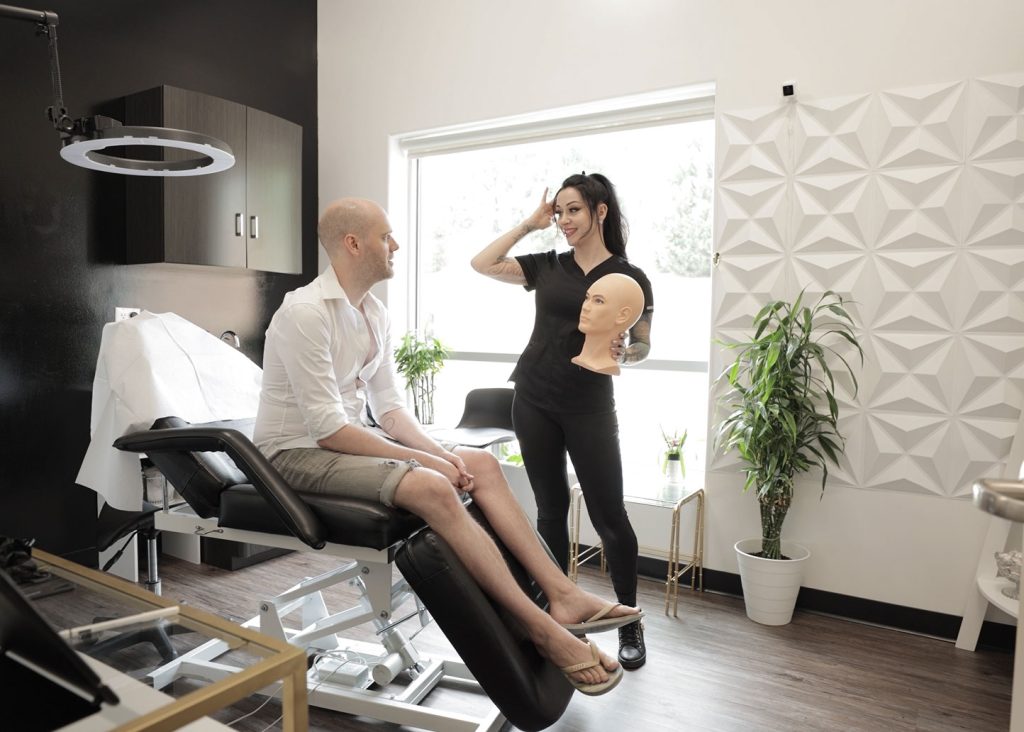
If you have read through this list and found yourself nodding along to the first five points, you are likely in a strong position to move forward. If either of the final two gave you pause, that is useful information too. A thorough consultation is where the details get resolved.
Frequently Asked Questions
Can men with oily skin get male density SMP?
Yes, oily skin is not a contraindication for male density SMP, but it can accelerate pigment fading due to higher sebum production. Men with oily scalps may need touch-up appointments slightly sooner and should apply SPF 30 to 50 sunscreen daily once fully healed to extend the longevity of results.
What scalp conditions make SMP unsuitable for men?
Active scalp acne, psoriasis flare-ups, eczema in the treatment area, and keloid-prone skin are the main contraindications for male density SMP. These are not always permanent disqualifiers, as many can be addressed before treatment begins, but proceeding with an active skin condition risks infection, uneven pigment uptake, and poor healing outcomes.
Is scalp micropigmentation unsuitable for men with active alopecia areata?
Active alopecia areata is a caution rather than a hard contraindication. Because the condition is unpredictable, treated areas may become inconsistent if hair loss shifts after the procedure. Scalp micropigmentation is not recommended as a first-line option for unstable alopecia areata, though men with alopecia totalis can be strong candidates for full-coverage treatment instead.
How many sessions does male density SMP typically require?
Most men require two to four sessions for male density SMP, spaced several weeks apart. Each session builds pigment dot density progressively, from roughly 40 dots per square centimetre in early sessions to 80 to 100 in final sessions. Each appointment lasts one to five hours depending on the coverage area being treated.
How long do male density SMP results last before a touch-up is needed?
Male density SMP results typically last four to eight years, though some sources cite three to five years as a more conservative estimate. Fading is caused by natural epidermal turnover, sun exposure, and immune activity. Regular SPF application, avoiding excessive sun exposure, and attending touch-up appointments every three to four years all help maintain a consistent, natural-looking result.