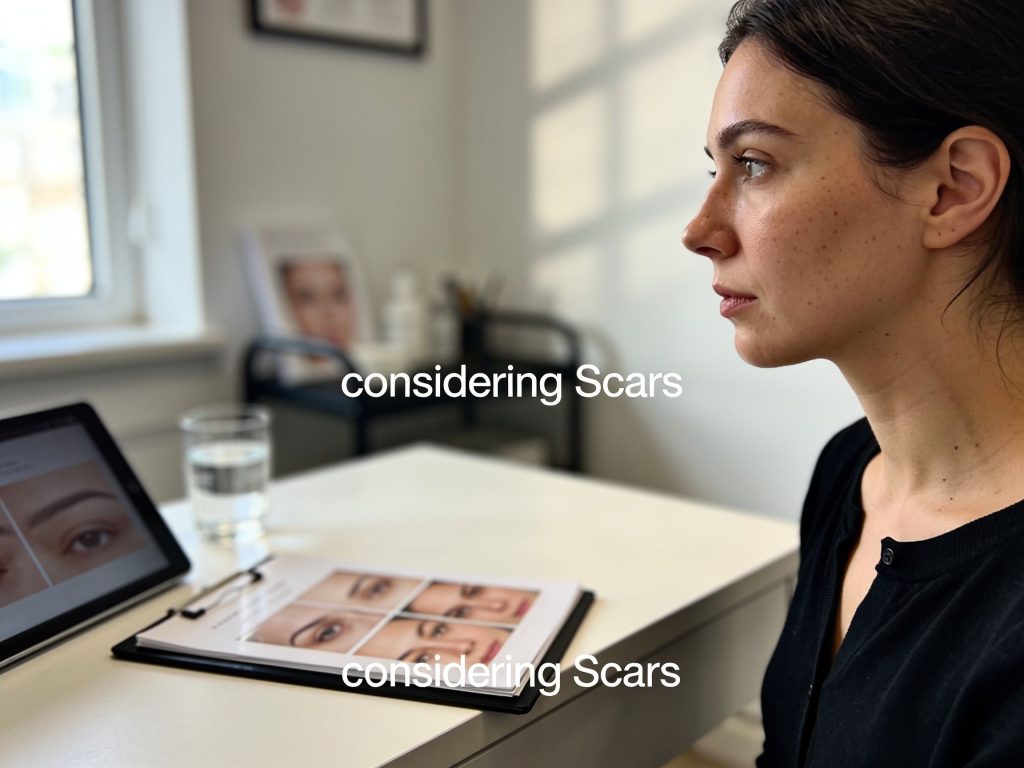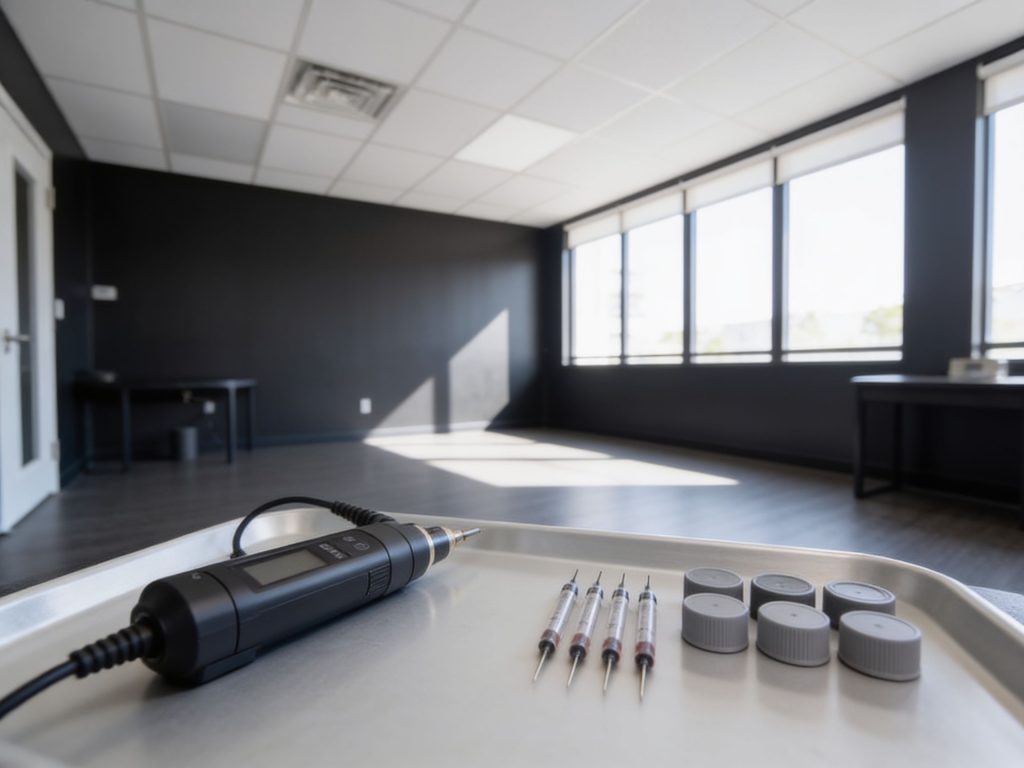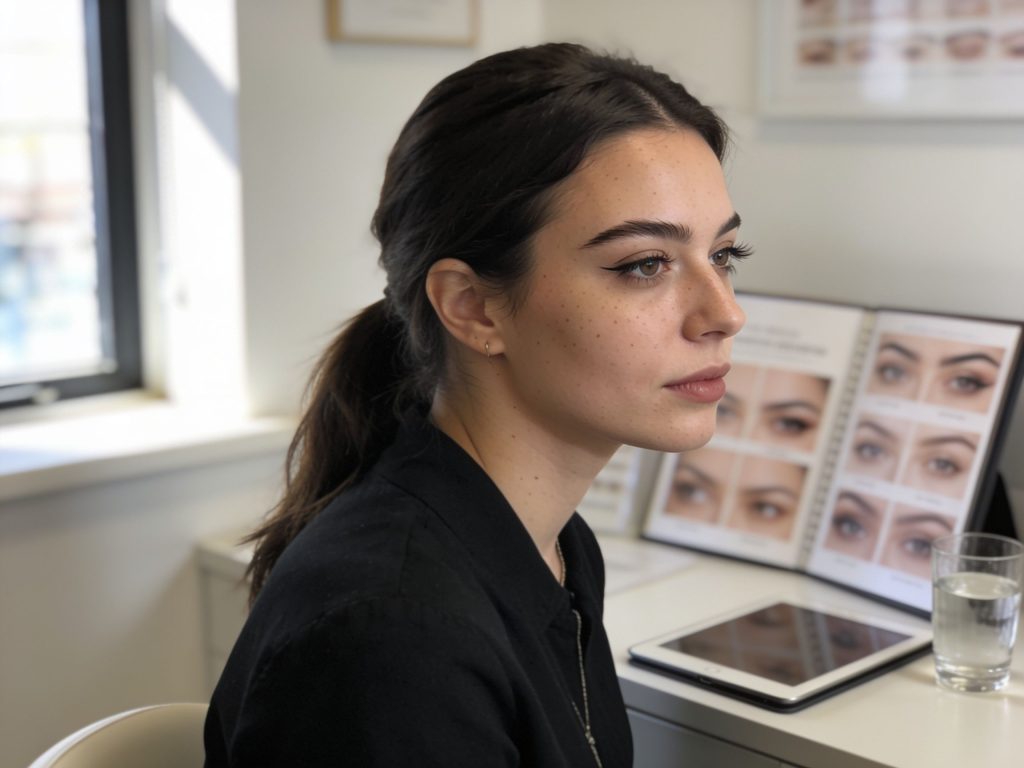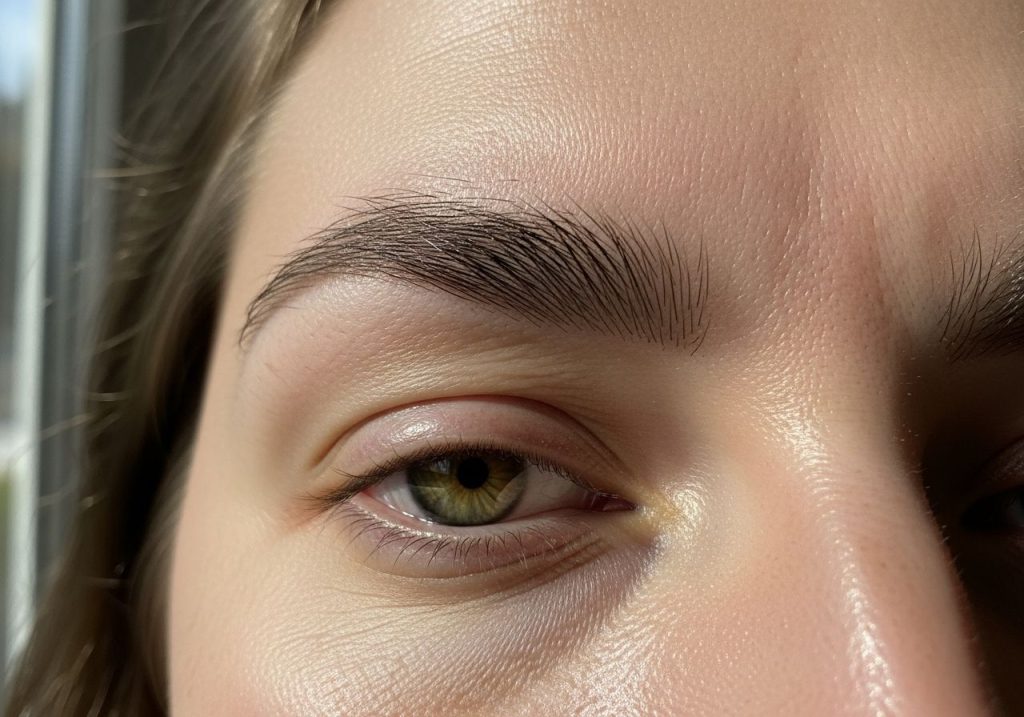
You’ve done the research, saved the before-and-afters, and you’re ready to wake up with perfect liner every day. But before you book, there’s one question worth asking honestly: are you actually a candidate? Eyeliner tattooing delivers life-changing results for most people, but certain conditions genuinely put the outcome, and your safety, at risk. Here’s what to know before you sit in the chair.
1. You have an active eye condition or recent eye surgery
This is the most immediate contraindication, and it is non-negotiable. If you have an active infection such as conjunctivitis, a stye, blepharitis, or any ongoing inflammation around the eye, treatment cannot go ahead. Introducing pigment near an already-compromised area risks spreading infection and dramatically slows healing.
Recent eye surgery, including LASIK, cataract surgery, or any procedure involving the cornea or eyelid, also rules you out, typically for a minimum of 12 months. Your surgeon’s sign-off is required before any permanent cosmetic work near the eye. Do not skip this step, even if you feel fully recovered.
2. You are on blood-thinning or immunosuppressant medication
Medications including warfarin, daily aspirin, and certain fish oil supplements taken in high doses affect how your skin responds to the tattooing process. Blood thinners increase bleeding during the procedure, which dilutes the pigment and makes achieving consistent colour significantly harder. The healed result is often patchy and unpredictable.
Immunosuppressants, including those taken for autoimmune conditions or following organ transplants, slow the body’s ability to heal and raise the risk of infection. This does not automatically mean a permanent no, but it does mean a conversation with both your prescribing doctor and a certified permanent cosmetics artist before anything moves forward.
3. You have a history of keloid scarring or unpredictable skin
Keloid-prone skin heals by producing excess scar tissue, and the delicate skin of the eyelid is no exception. If you know you form raised, thickened scars from cuts, piercings, or tattoos elsewhere on your body, eyeliner tattooing carries a real risk of an unwanted outcome that cannot easily be reversed.
Certain skin conditions, including active eczema, psoriasis on or near the eyelid, or rosacea affecting the eye area, can also interfere with pigment retention and healing. Skin in an active flare-up is not stable enough to accept pigment evenly. A skilled artist will assess this at consultation rather than making assumptions.
4. You are pregnant or breastfeeding
This surprises some people, but the reason is straightforward. There is no established research confirming that the pigments used in permanent cosmetics are safe for a developing baby or nursing infant. In the absence of that evidence, the responsible course of action is to wait.
Hormonal fluctuations during pregnancy also affect how the skin heals and retains pigment, meaning results would likely be unpredictable in any case. The good news is that this is a short-term hold, not a permanent one. Once you have finished breastfeeding and your cycle has regulated, you are typically clear to book.
5. You have not verified your artist’s certification and blood-borne pathogen training
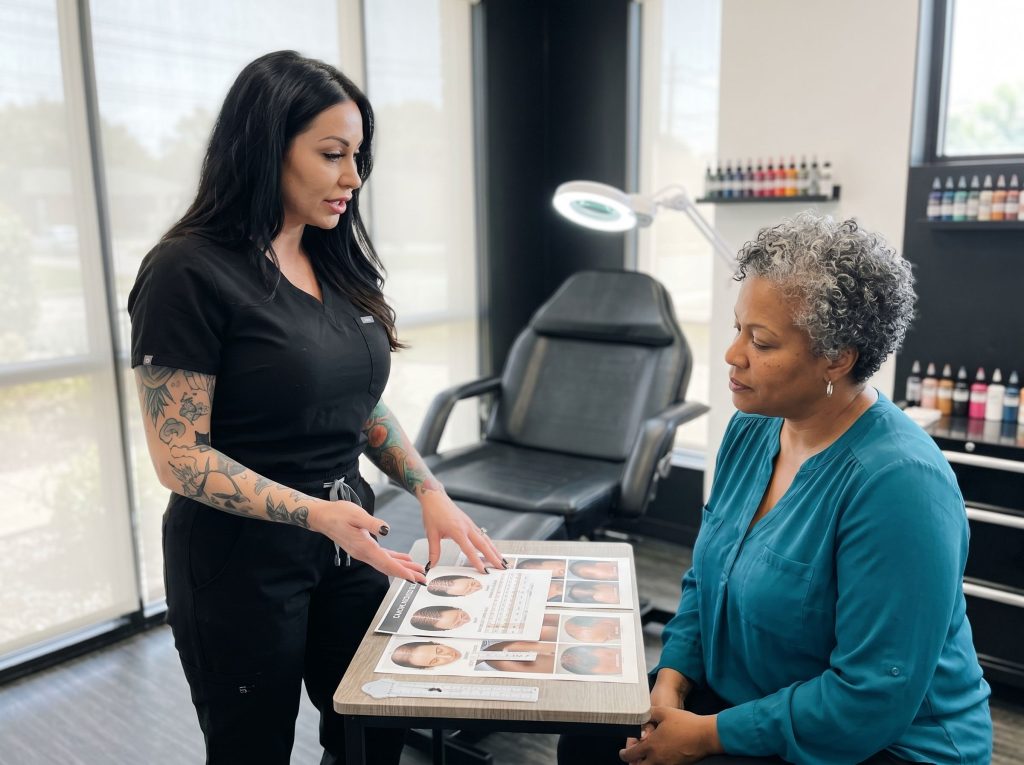
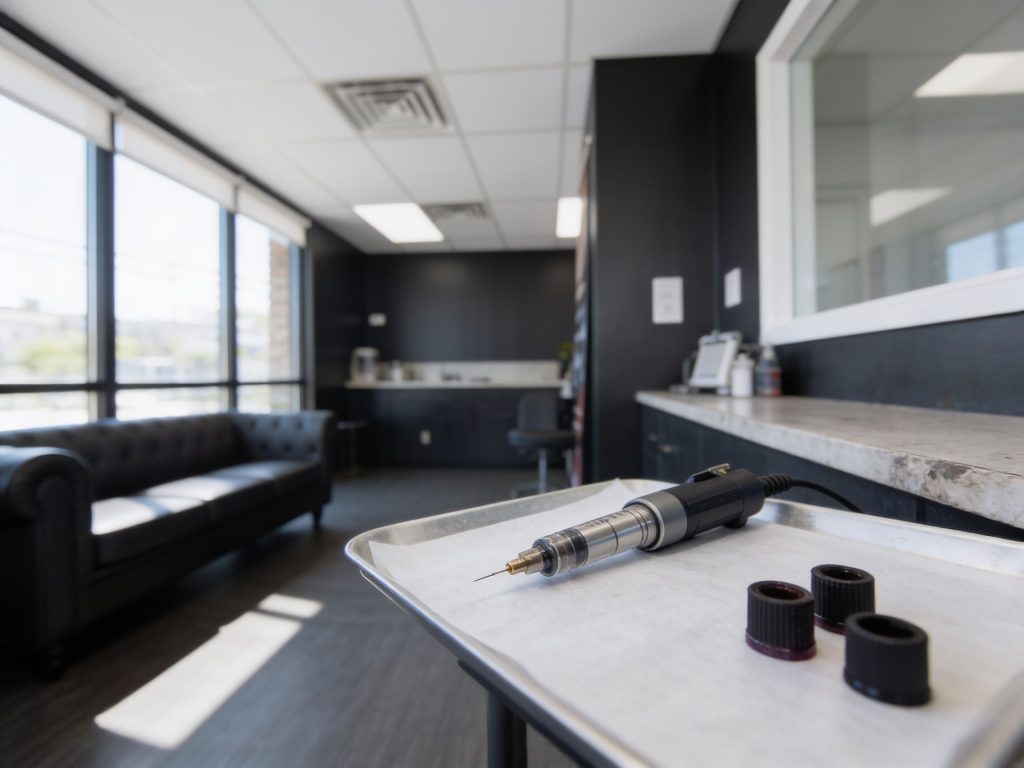
This point sits slightly differently from the others because it is not about your health history; it is about the environment you are walking into. Who should not get eyeliner tattooing? Anyone booked with an artist who cannot clearly evidence licensure, blood-borne pathogen certification, and proper sterilisation protocols.
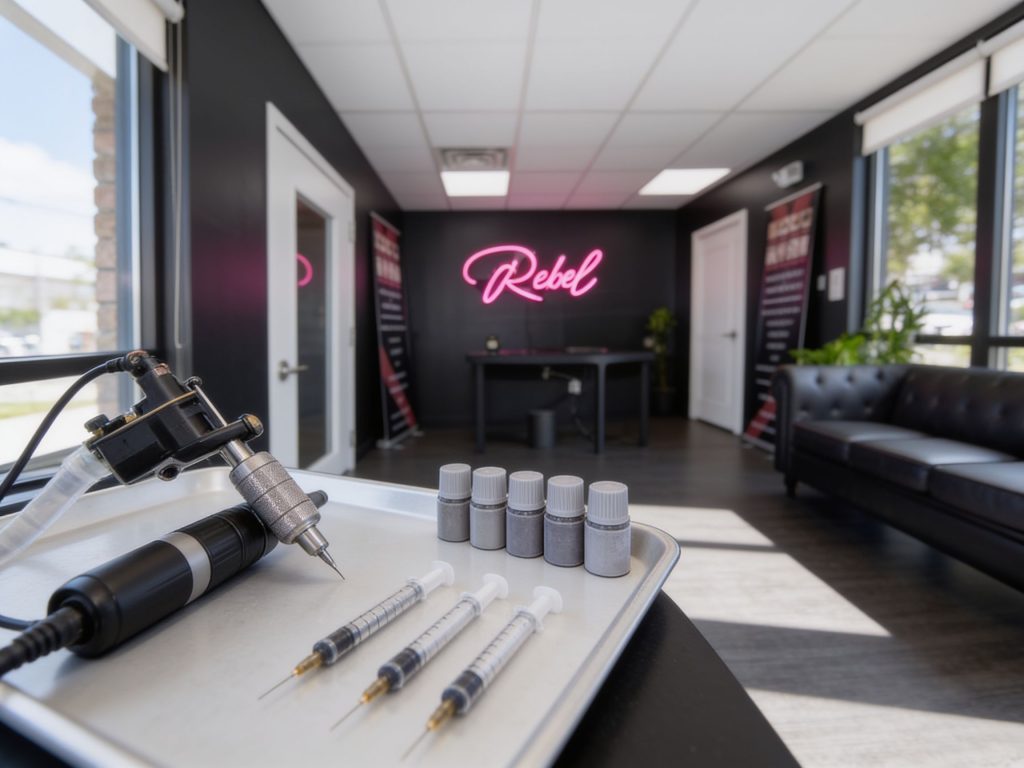
Eyeliner tattooing is performed millimetres from your eye, and the consequences of a cross-contamination event in that area can be severe. A licensed, insured, and certified practitioner will have this documentation readily available and will not be defensive about sharing it. If you search for a permanent makeup artist on the basis of price alone, you are taking on a risk that no aftercare routine can fix. Ask to see credentials. A confident professional will welcome the question.
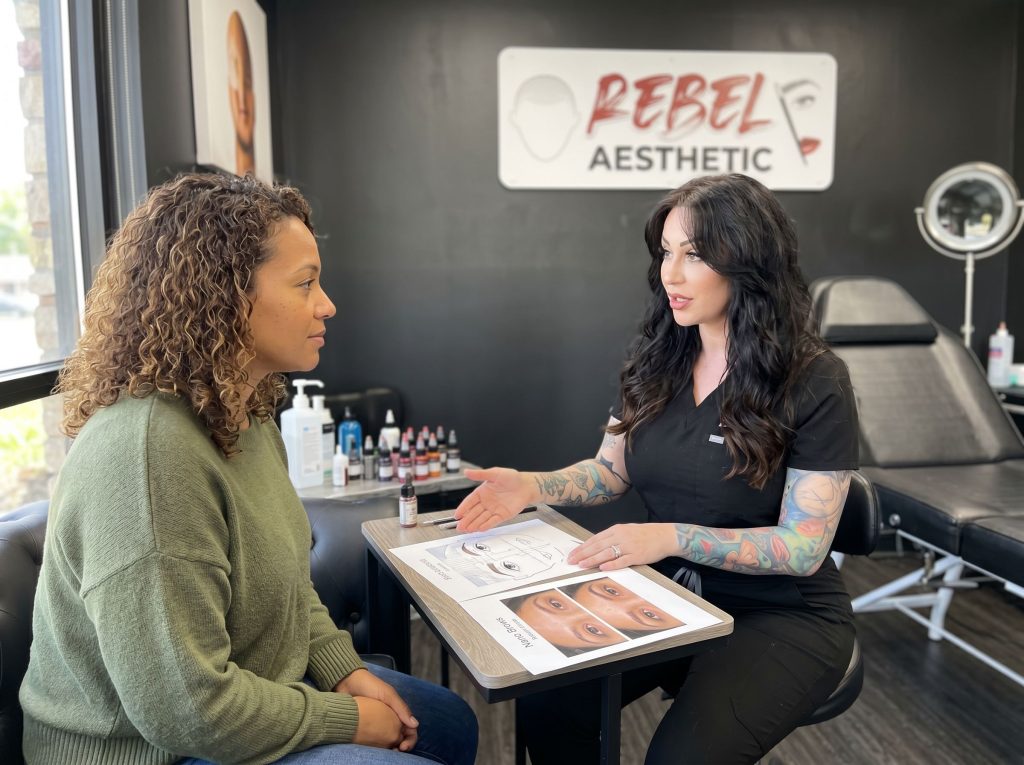
The good news is that most contraindications are either temporary or manageable with the right approach. A thorough consultation, rather than a quick online booking, is where a qualified artist will work through your individual health history, assess your skin, and give you an honest answer about timing and candidacy. If the answer is “not yet”, that is the professional response you want to hear.
Frequently Asked Questions
Can I get an eyeliner tattoo if I wear contact lenses?
You will need to switch to glasses for at least 48 to 72 hours before your appointment and throughout the initial healing period. Contact lenses introduce a contamination risk near the treated area. Most artists will specify this clearly in their pre-care instructions, so check with your practitioner in advance.
How long after LASIK surgery can I get an eyeliner tattoo?
Most permanent cosmetics artists require a minimum of 12 months after LASIK or any corrective eye surgery before proceeding with eyeliner tattooing. You will also need written clearance from your ophthalmologist. Healing timelines vary between individuals, so always confirm with your surgeon before booking any cosmetic tattooing near the eye.
Who should not get an eyeliner tattoo due to skin type?
People with active eczema, psoriasis, or blepharitis affecting the eyelid area should wait until the condition has fully settled. Keloid-prone individuals are also at higher risk. Very oily skin can affect pigment retention in healed results. A qualified artist will assess your skin at consultation and advise on whether timing or technique needs adjusting.
Does eyeliner tattooing hurt, and does anxiety affect candidacy?
Topical numbing is used throughout the procedure, and most clients describe the sensation as mild pressure rather than sharp pain. Anxiety alone does not disqualify you, but if you have a strong aversion to eye-area procedures or a condition such as blepharospasm, discuss this openly at consultation so your artist can plan the session accordingly.
How do I know if an eyeliner tattoo artist near me is properly qualified?
Look for licensure in your area, blood-borne pathogen certification, and membership of a recognised professional body. A qualified artist will also carry professional insurance and work in a clinical-standard environment with single-use, sterile equipment. Do not hesitate to ask for credentials before committing to any permanent cosmetics procedure.