You have invested in combo brows and want to know exactly how long you can expect them to look great before any further action is needed. That is a completely fair question, and the honest answer is more nuanced than most artists admit. This article gives you a realistic longevity window, the lifestyle factors that accelerate fading, and a clear checklist for recognising when a top-up is actually due.
What to realistically expect from combo brow longevity
Combo brows typically last between one and three years before a top-up is needed. That is the honest range, and where you land within it depends almost entirely on your skin type and how you live your daily life, not on the quality of the initial work alone.
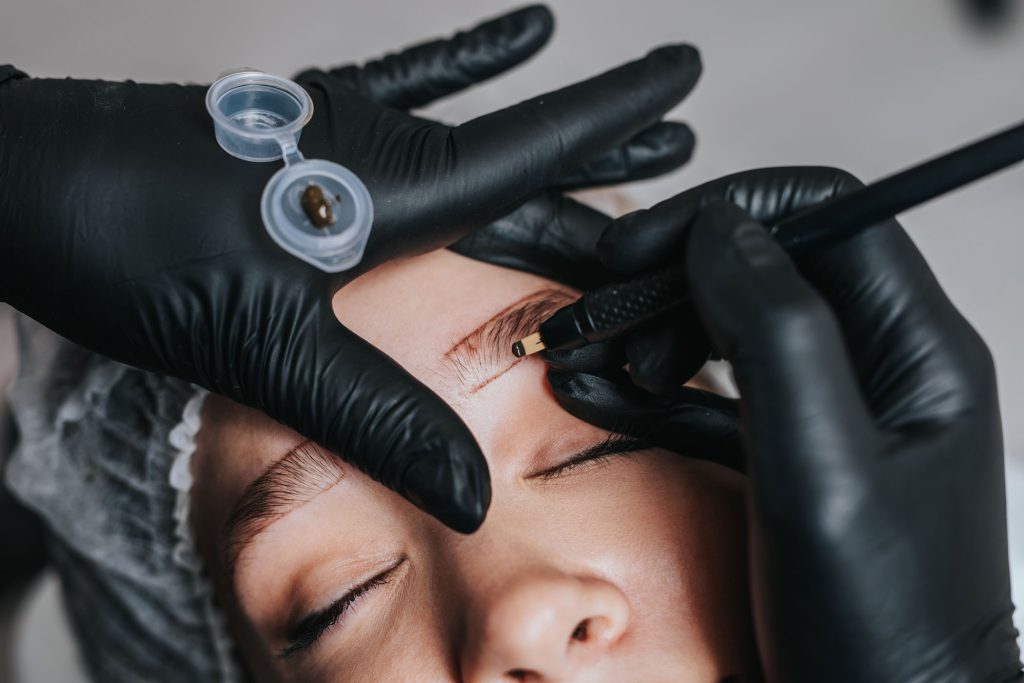
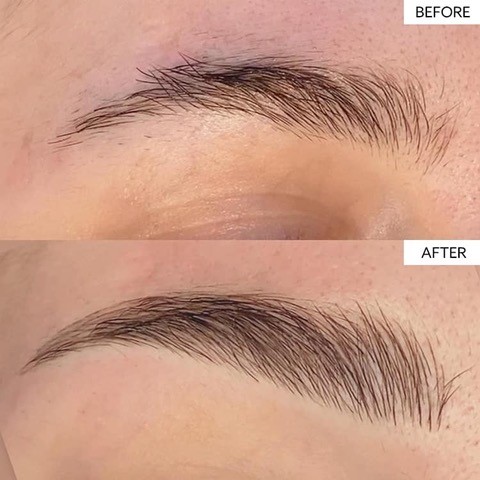
The technique combines hair-stroke marks with a soft powder-fill effect, which gives it a retention advantage over microblading on its own. Microblading relies on fine incisions that can blur, soften, or fade significantly within 12 months on oily or combination skin. The shaded element in combo brows adds staying power, giving the overall result more depth and colour retention as the strokes naturally soften over time.
On drier skin types, clients often see crisp, defined results for closer to two to three years. On oilier skin, the powder element still holds well, but clients may notice fading beginning around the 12 to 18-month mark. Neither outcome means something went wrong; it is simply how the skin interacts with pigment.
The lifestyle factors that make your brows fade faster
Sun exposure is the single biggest accelerant. UV light breaks down pigment molecules, and if you are regularly outdoors without sun protection on your brows, you will notice fading much sooner than someone who is not. A broad-spectrum SPF applied to the brow area once healing is complete makes a measurable difference to longevity.
Sweat is the second factor most clients underestimate. Regular high-intensity exercise, hot yoga, or anything that produces sustained perspiration will draw pigment out of the skin more quickly. This does not mean you need to change your lifestyle; it means you will likely sit at the shorter end of the longevity window and should plan accordingly.
Skincare habits also matter significantly. Retinoids, exfoliating acids, and certain active ingredients accelerate cell turnover, which naturally pushes pigment out faster. If you use retinol or glycolic acid regularly, avoid applying these products directly over the brow area and keep this in mind when thinking about your top-up schedule. Certain medical treatments and medications can also affect pigment retention, which is why a thorough consultation is essential before your first appointment.
Finally, the healing process itself shapes the long-term result. The first four to six weeks after your appointment are critical. Colour can appear to lighten by 30 to 50 per cent during this period as the skin heals over the pigment; this is completely normal and not a sign that the result has failed. Picking at any flaking skin or scabbing during healing disrupts pigment placement and can create patchiness that affects longevity from the outset.
How to tell when a top-up appointment is actually due
There is no single date that applies to every client, but there are clear signs that your brows are ready for a refresh. The most obvious is uneven fading: one brow or one area lightens noticeably faster than the other, creating asymmetry that was not present after your initial appointment. This is common and straightforward to correct.
A more subtle sign is colour shift. As pigment ages in the skin, it can take on a slightly warmer, cooler, or greyer tone depending on the original pigment used and your skin’s undertones. If your brows look less like the colour you chose and more like a faded version of something else, that is a reliable signal it is time to rebook.
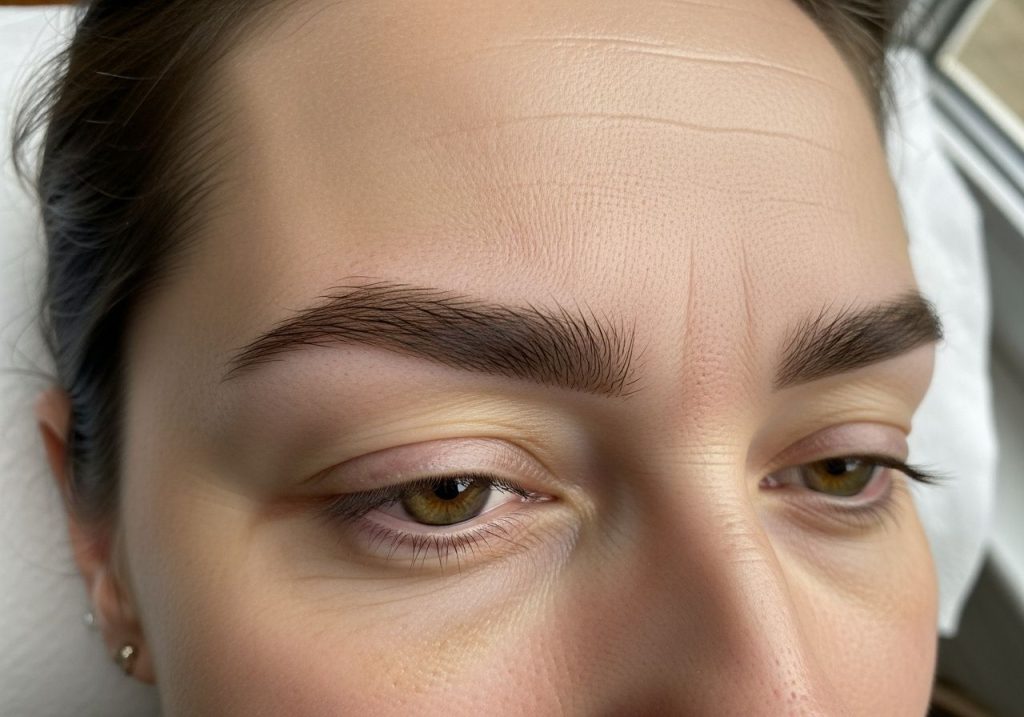
The third indicator is loss of definition. Combo brows should have a soft but recognisable shape. When the strokes begin to blur together and the overall outline looks less structured, a top-up will restore the crispness of the original design. You do not need to wait until the result has completely faded; addressing it when you first notice softening makes the top-up session simpler and the outcome sharper.
Most clients settle into a rhythm of topping up every 12 to 18 months, though some with drier skin and low UV exposure comfortably go two years or more. Keeping a note of when you had your last appointment and reviewing how the result is looking at the 12-month mark is the most practical way to stay ahead of it.
Why combo brows hold longer than microblading alone
If you have had microblading in the past and found it faded quickly, the powder-shading component in combo brows is the reason retention is generally better. Microblading creates fine hair-stroke incisions that sit relatively shallow in the skin. On oily or mature skin, these strokes can soften and become difficult to distinguish from natural hairs within a year.
The powder fill in combo brows deposits pigment differently, using a stippling technique that distributes colour across the brow body. This element tends to hold its tone more consistently across a wider range of skin types, and it gives the result somewhere to anchor as the hair strokes naturally evolve. The combination of both techniques means the brows retain their shape, dimension, and colour longer than either technique would deliver independently.
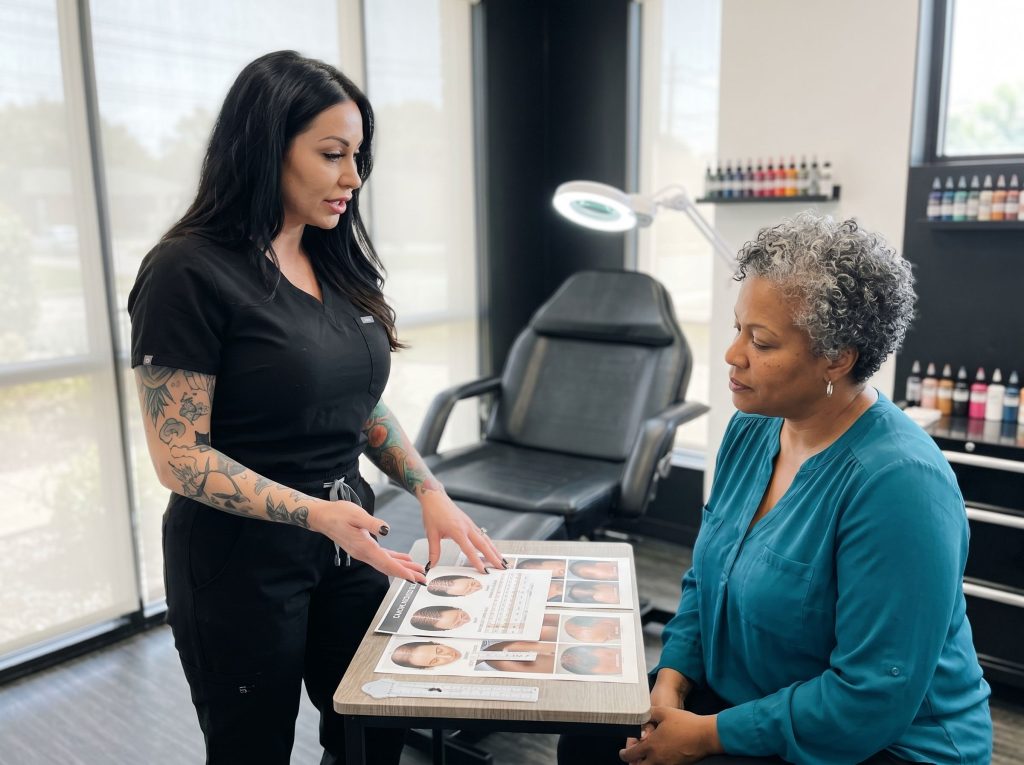
For clients weighing up their options, this distinction is worth understanding before committing to a technique. The right choice depends on your skin type, your lifestyle, and the look you are after, all of which should be covered in detail during a proper consultation before any work is carried out.
Frequently Asked Questions
How long do combo brows last on oily skin?
On oily skin, combo brows typically last between 12 and 18 months before a top-up is needed. The powder-shading element holds better than microblading alone on this skin type, but excess sebum does accelerate fading. Regular SPF use and avoiding active skincare ingredients over the brow area can help extend the result.
How does combo brow longevity compare to how long microblading lasts?
Microblading alone typically lasts 12 to 18 months, and often less on oily or combination skin types. Combo brows generally last longer, between one and three years, because the powder-shading component adds pigment depth and retention that hair strokes alone cannot achieve. The combined technique suits a broader range of skin types as a result.
Is the colour change during healing a sign something has gone wrong?
No. It is completely normal for combo brows to appear 30 to 50 per cent lighter during the healing period, which takes four to six weeks. The skin heals over the pigment and the colour settles to its true tone at around the six-week mark. Picking at scabs or flaking skin during this time disrupts results and should always be avoided.
What lifestyle habits make combo brows fade more quickly?
Regular sun exposure without SPF, high-intensity exercise that produces heavy perspiration, and the use of retinoids or exfoliating acids near the brow area are the main accelerants. Clients with these habits will typically fall at the shorter end of the longevity window and should plan their top-up schedule at around 12 months rather than waiting longer.
How many sessions do combo brows require in total?
Most clients need an initial appointment followed by a perfecting session six to eight weeks later, once healing is complete and the final colour has settled. After that, top-ups are typically booked every 12 to 24 months depending on skin type and lifestyle. The perfecting session is an essential part of the process, not an optional add-on.