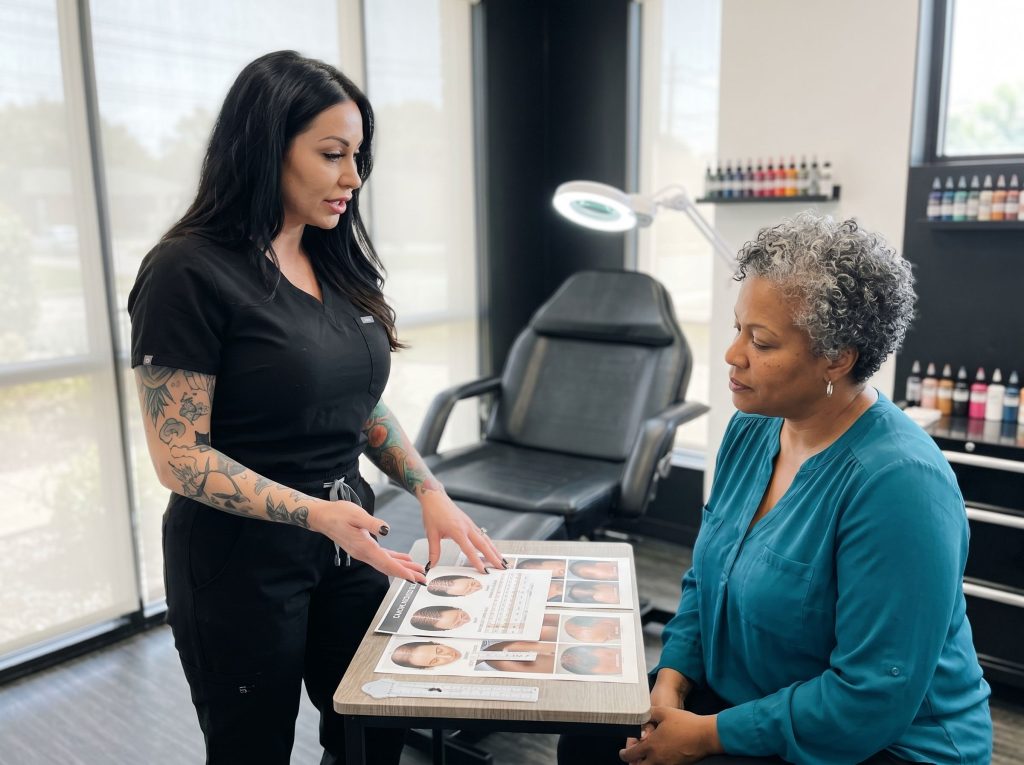
You’ve noticed your part line getting wider, or your ponytail feeling thinner in your hand, and you’re wondering whether tattooing your scalp can actually help without making things look worse. It can, but only when it’s done with a technique built for women’s hair patterns, not a copy-paste of the male treatment. Here’s what actually matters before you book a consultation.
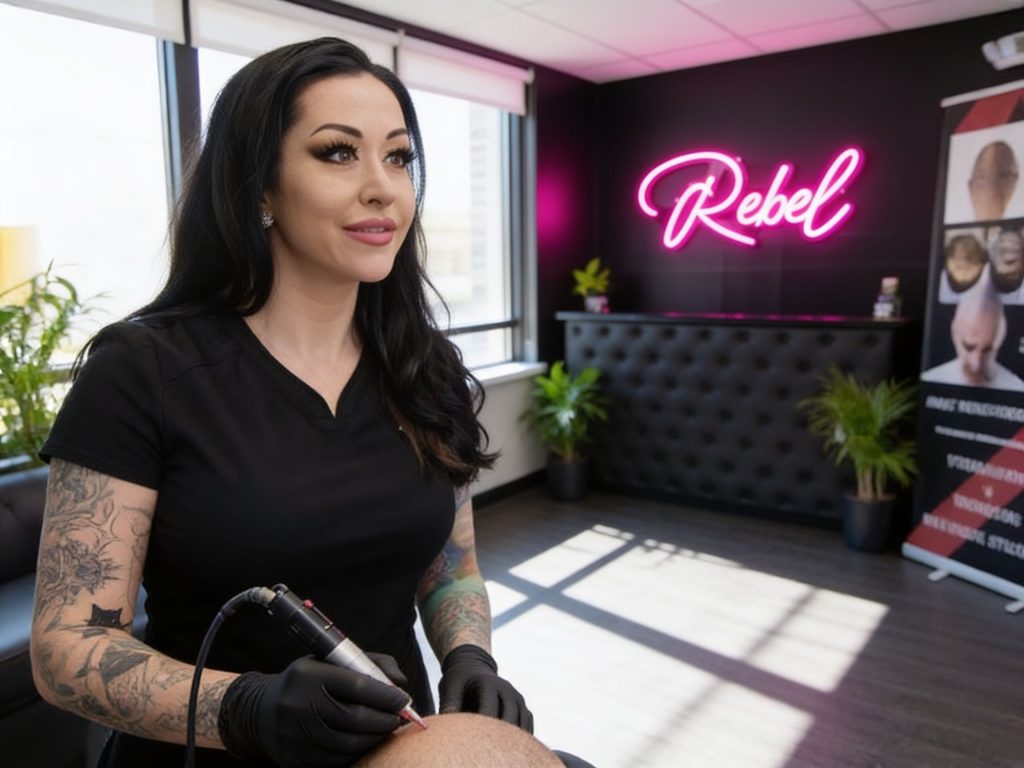
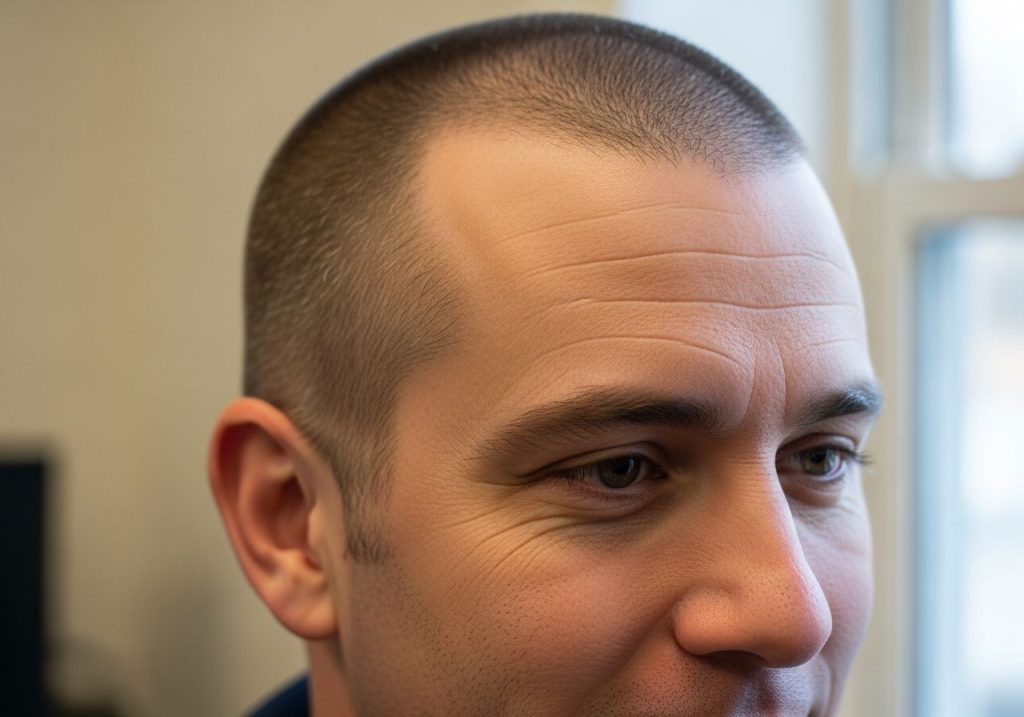
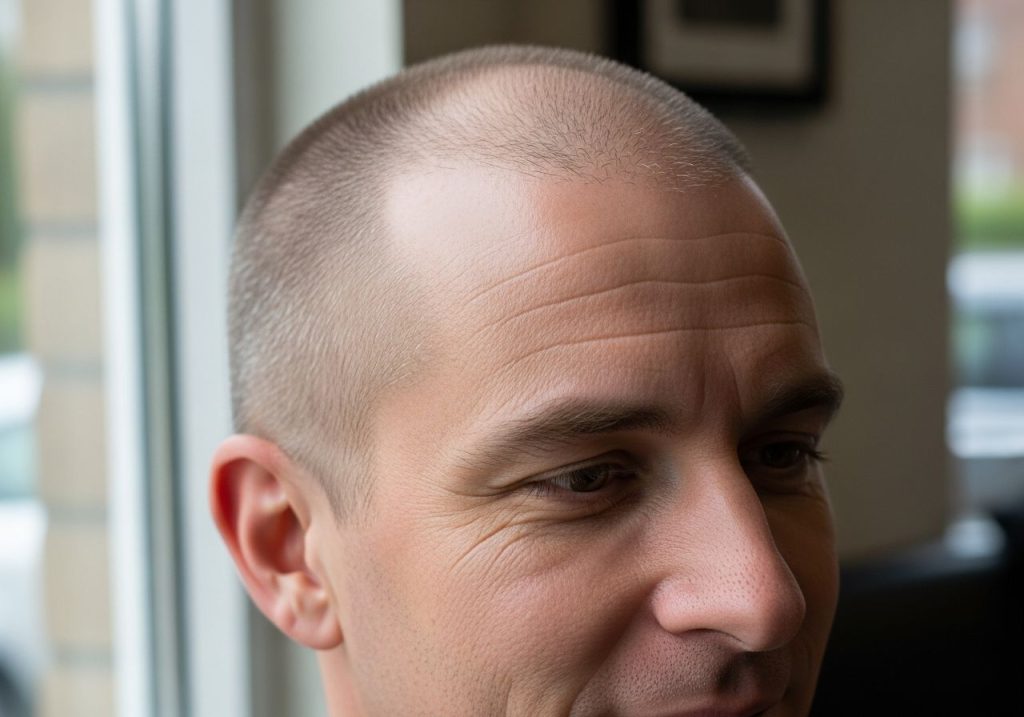
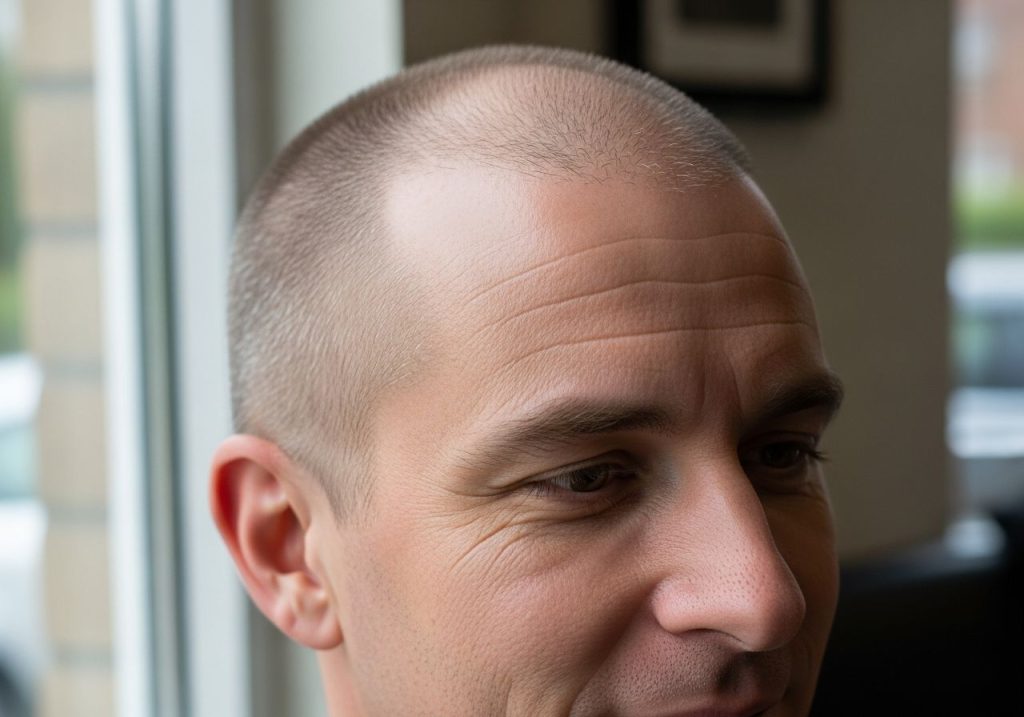
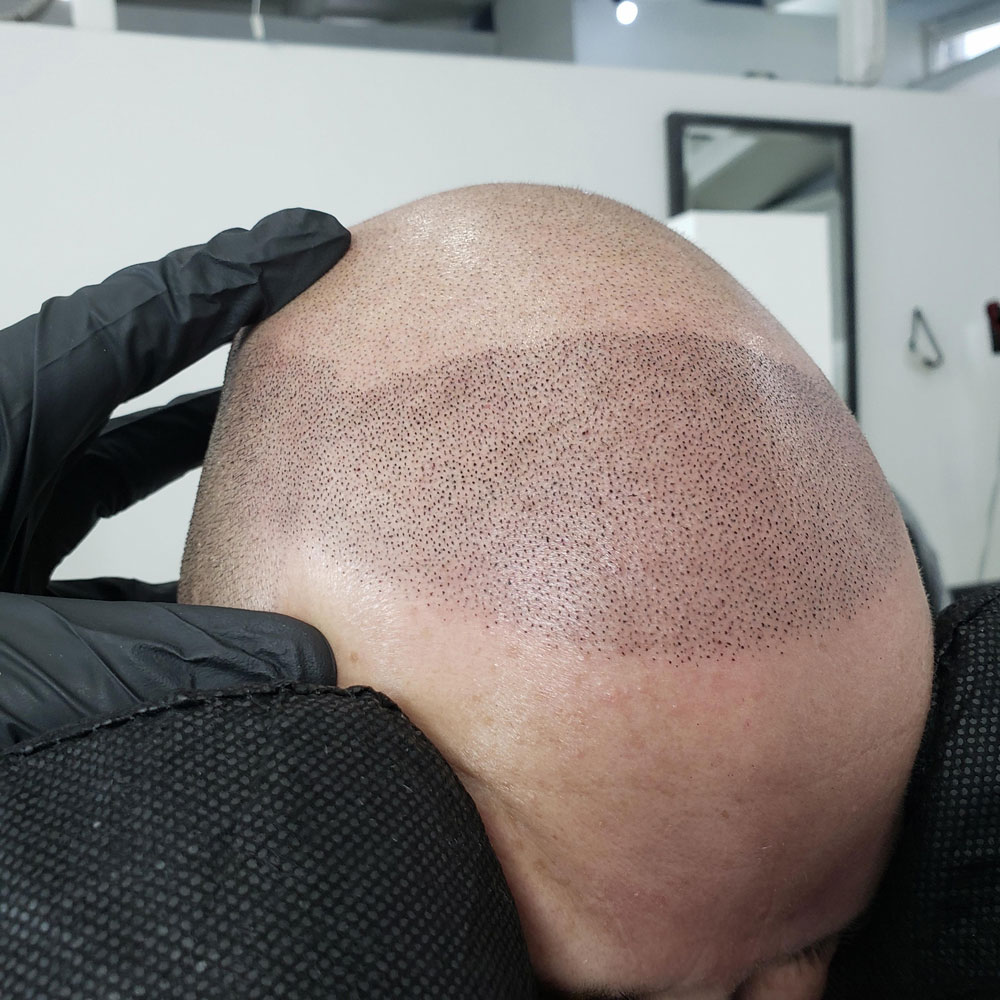
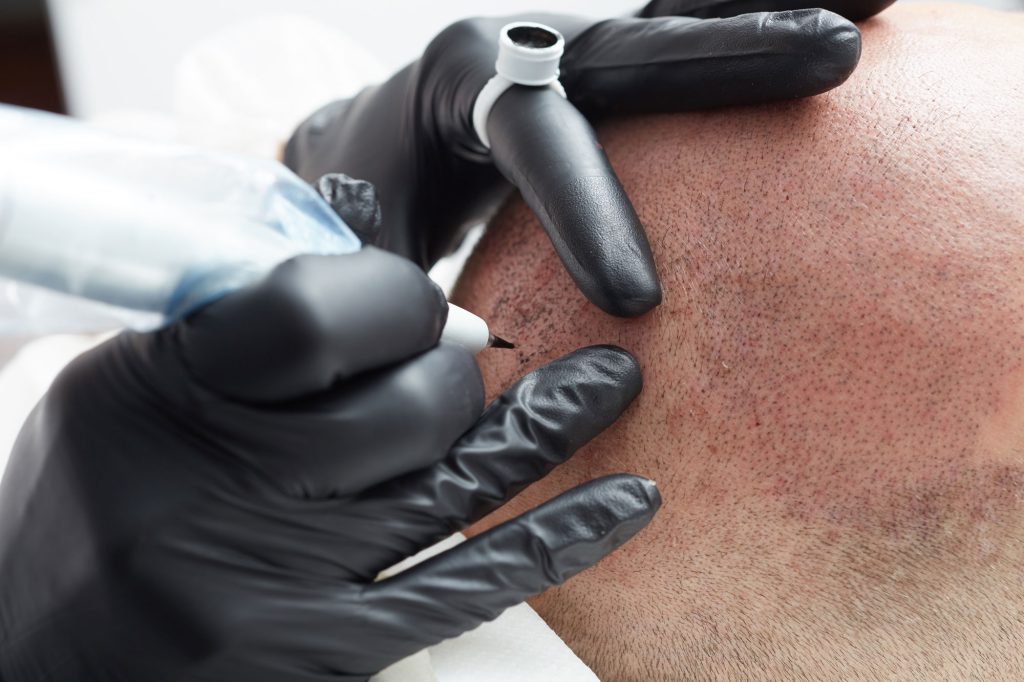
Scalp micropigmentation for women’s hair loss works by placing tiny deposits of pigment between the hairs you still have, so the scalp underneath matches your hair colour instead of showing through as a pale, shiny gap. It’s not a treatment that regrows hair or halts the biological process behind your thinning. It’s camouflage, and when it’s done well, it’s remarkably convincing camouflage.
1. It’s built for diffuse thinning, not just a receding hairline
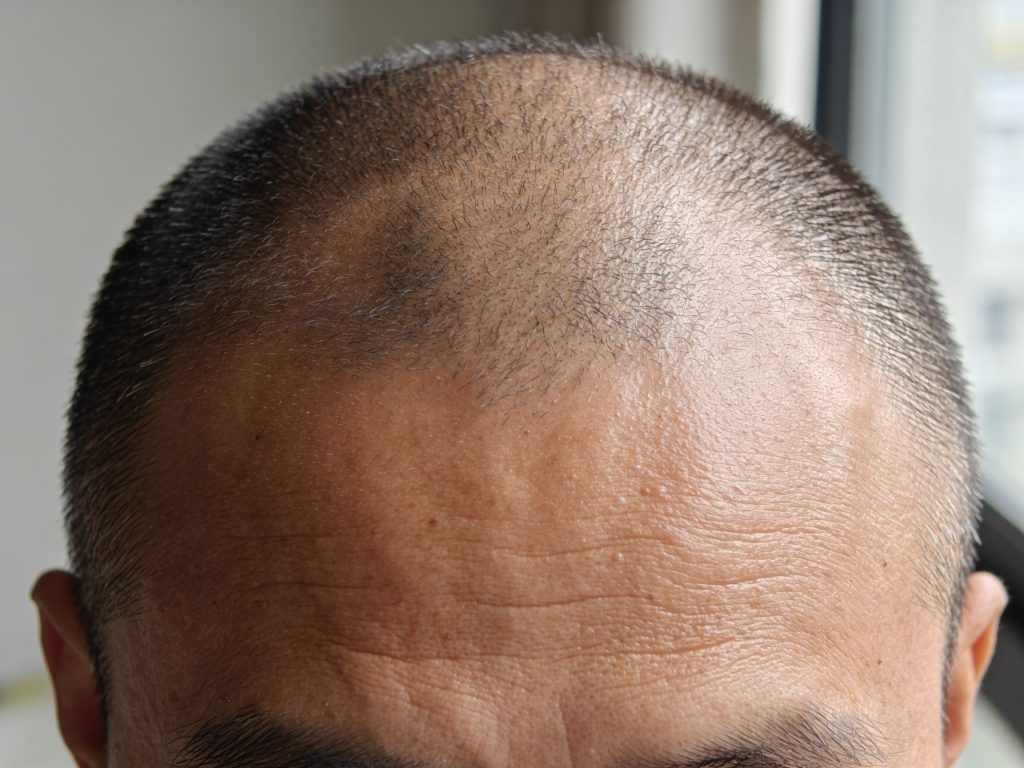
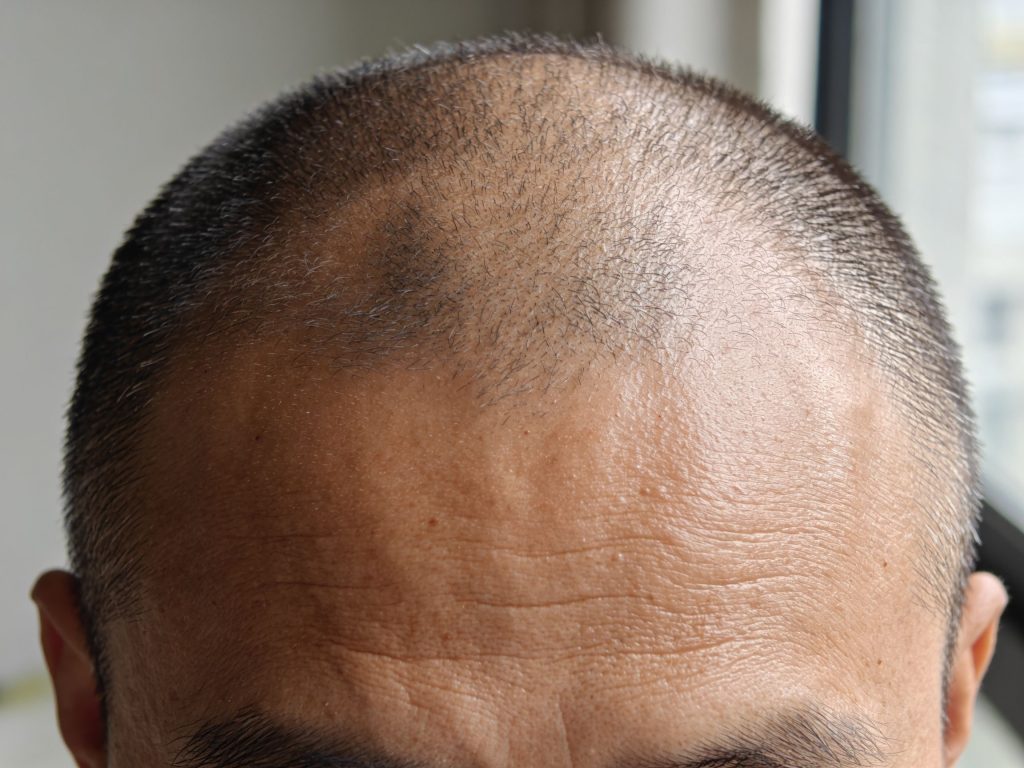
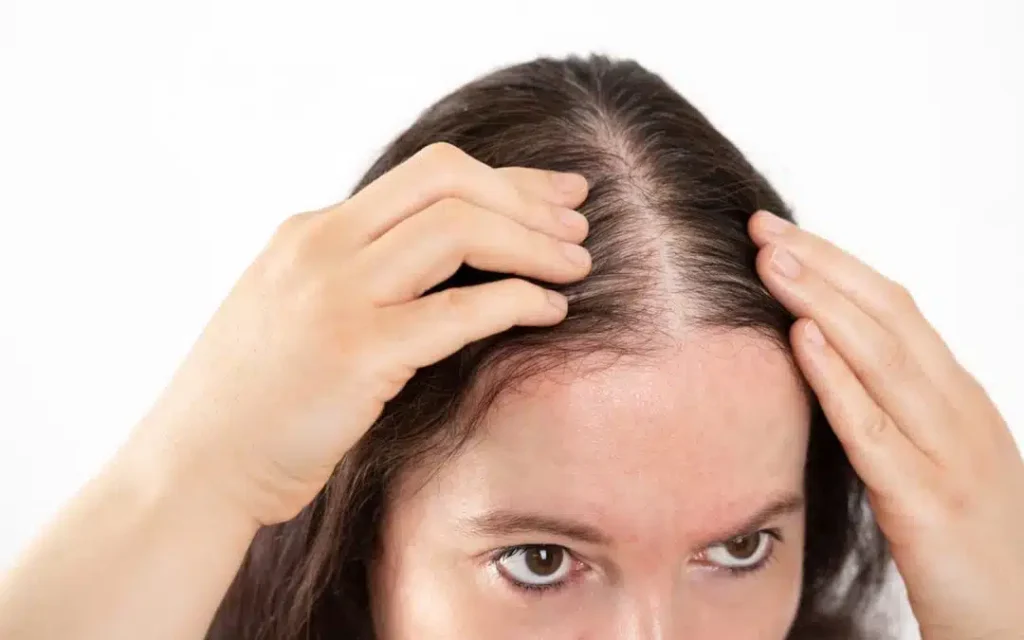
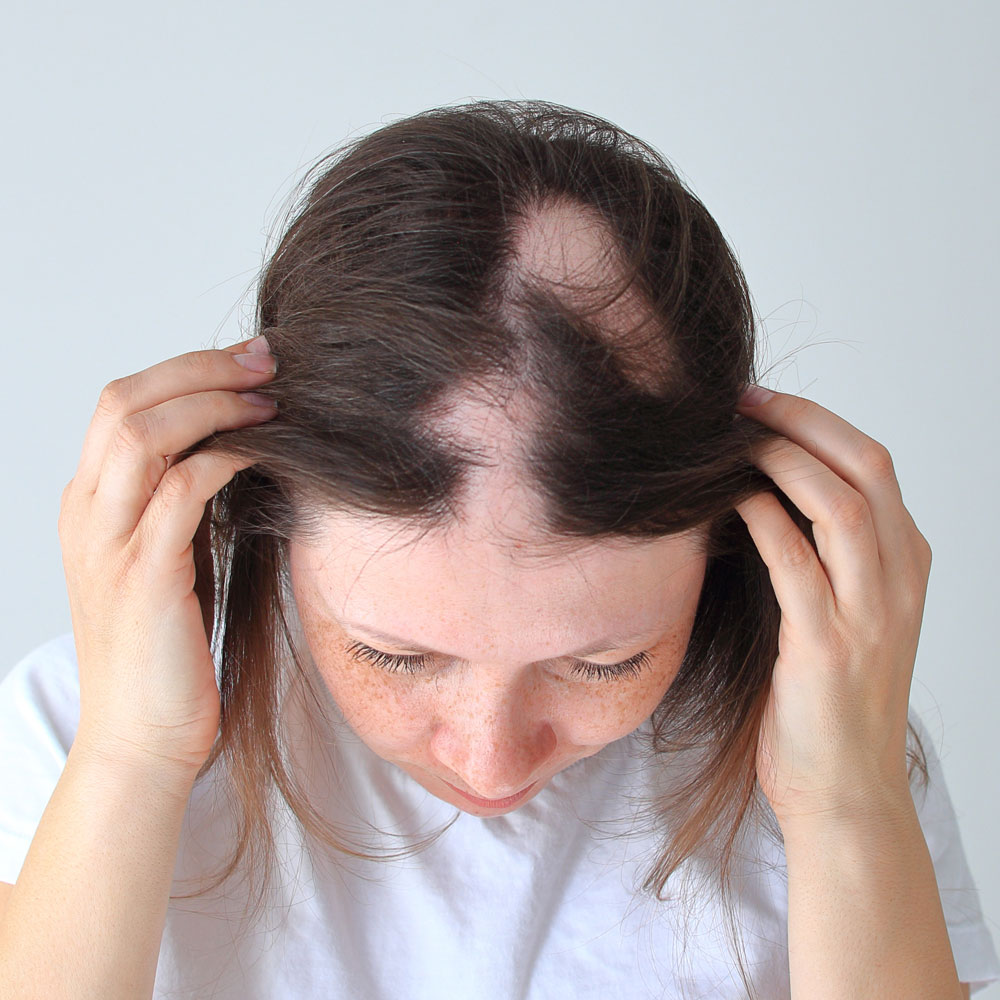
Female pattern hair loss rarely follows the horseshoe pattern seen in men. It tends to show up as a widening part, a see-through crown, or an overall reduction in density across the whole scalp, affecting roughly one in three women at some point. That’s a different problem to solve, and it needs a different pigment strategy.
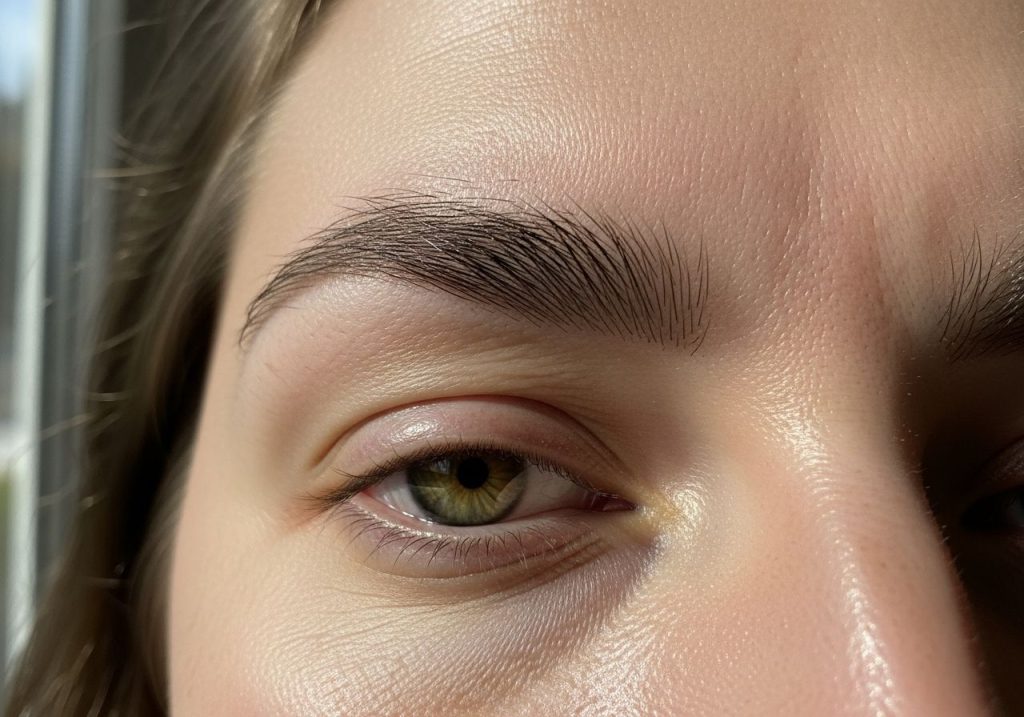
Instead of drawing a defined hairline border the way male SMP often does, practitioners work between existing strands, adding density where the scalp is peeking through. The goal is to darken the canvas so your own hair reads as fuller, not to create a new frontal edge that wasn’t there before.
2. The pigment placement changes depending on how much hair you’ve got left
If you’ve got moderate density with a widening part, a lighter dot pattern is used, concentrated along the parting and any visible scalp show-through, blending it gradually into the surrounding hair so there’s no obvious line where treatment starts and stops.
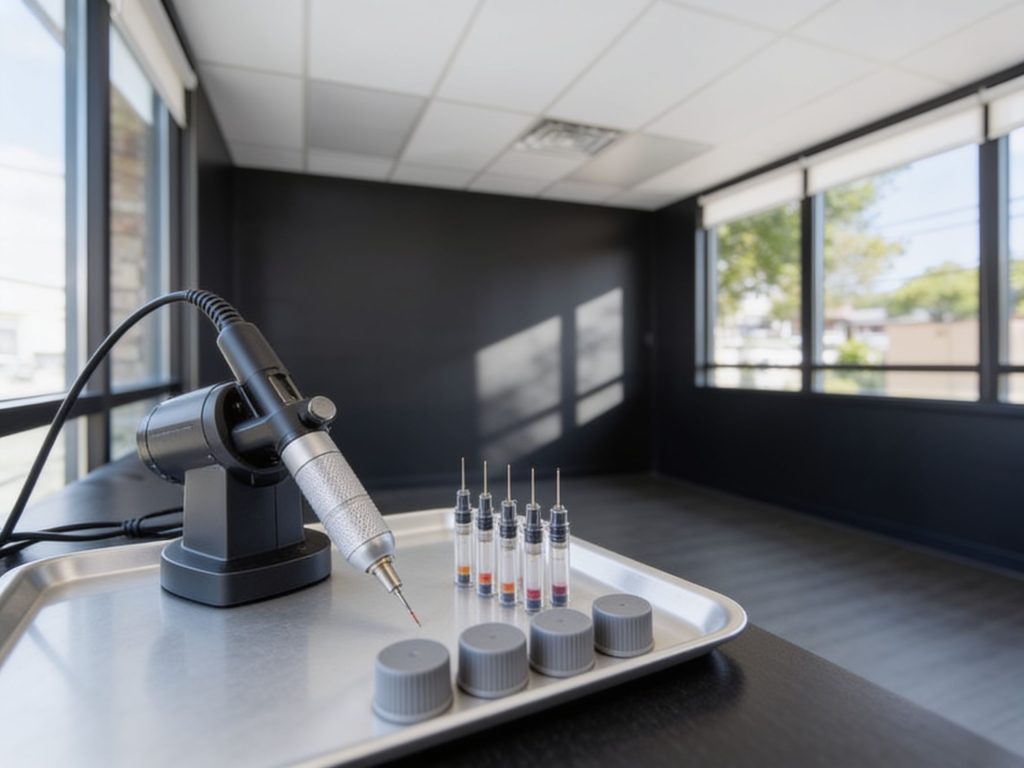
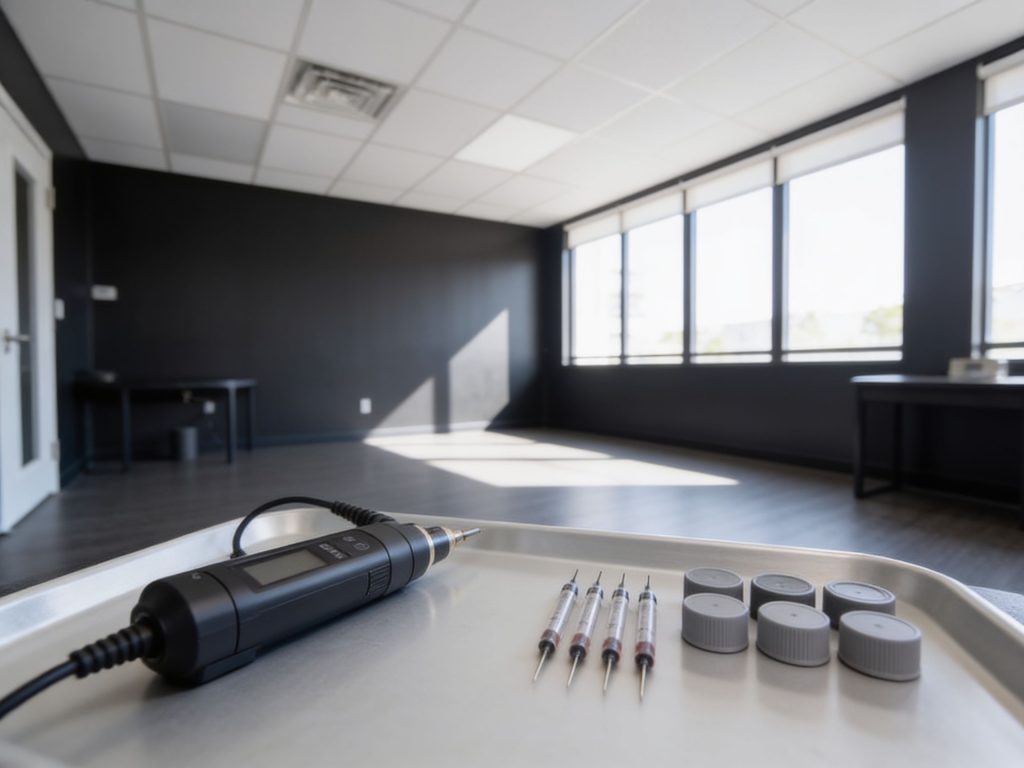
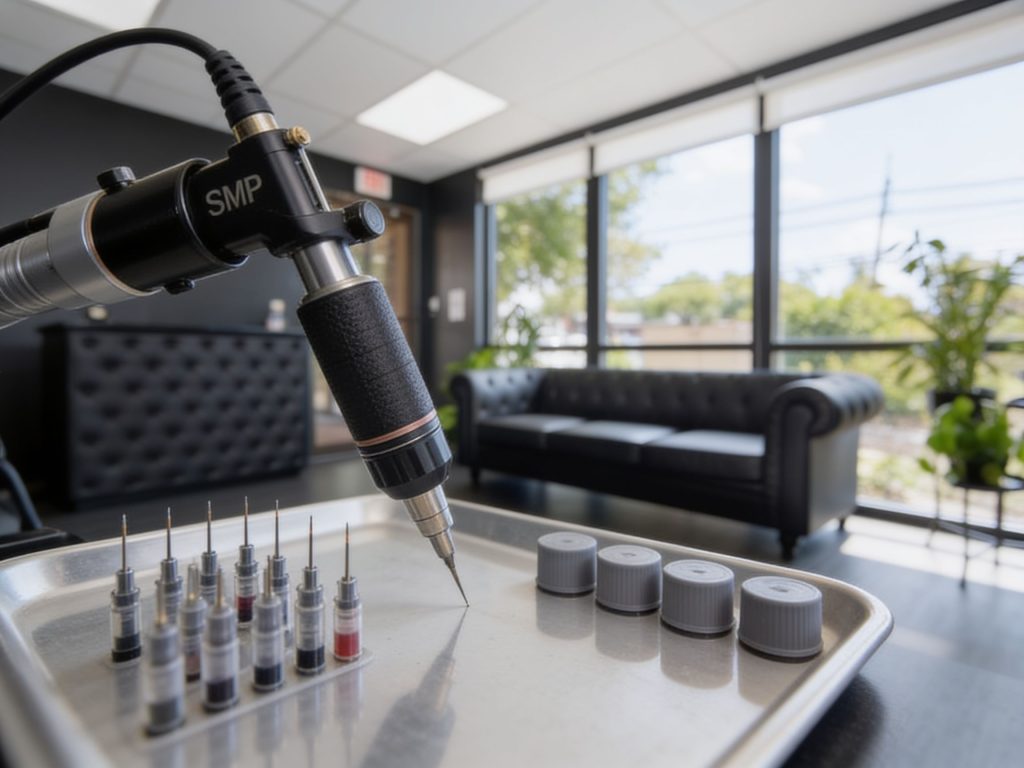
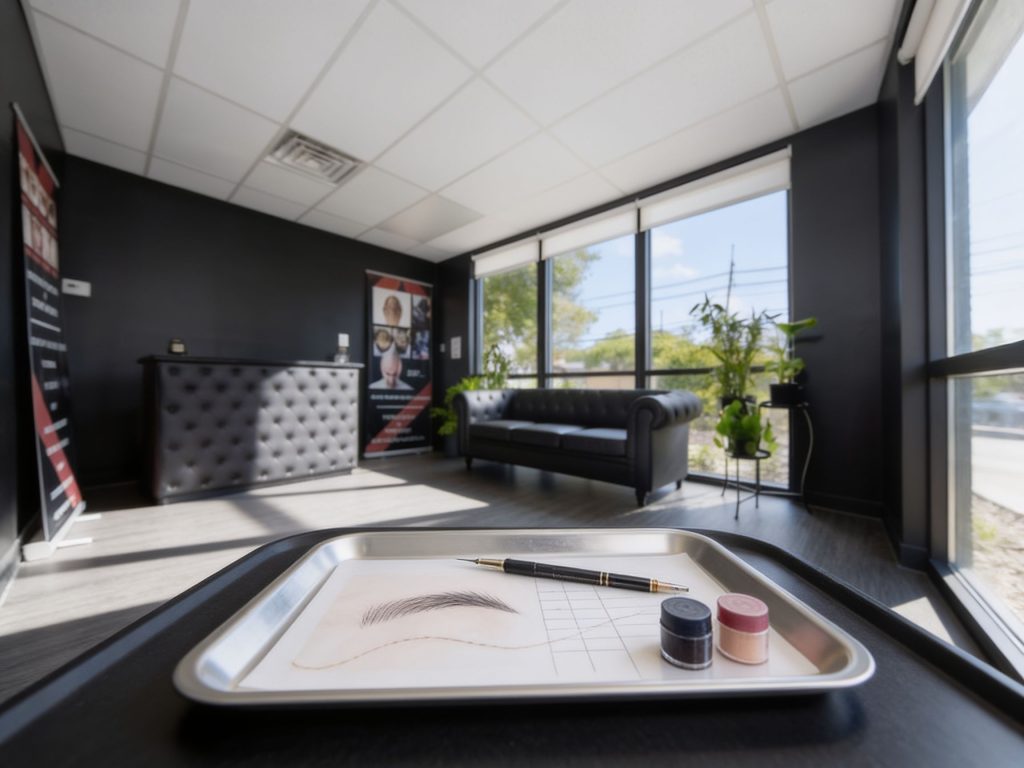
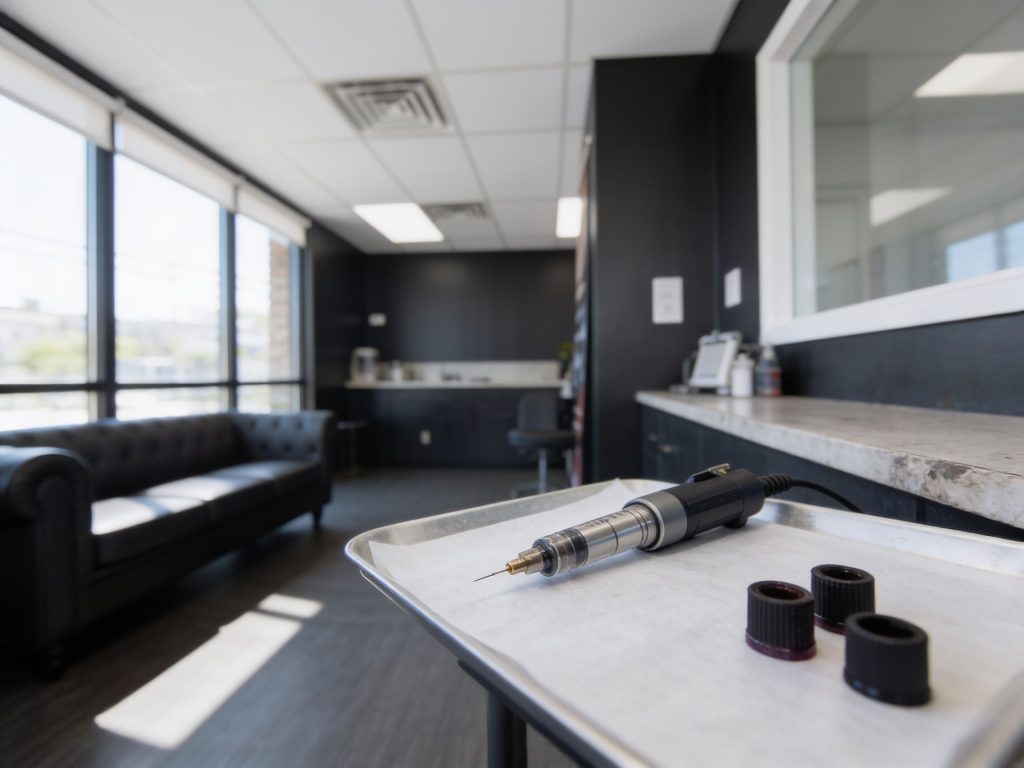
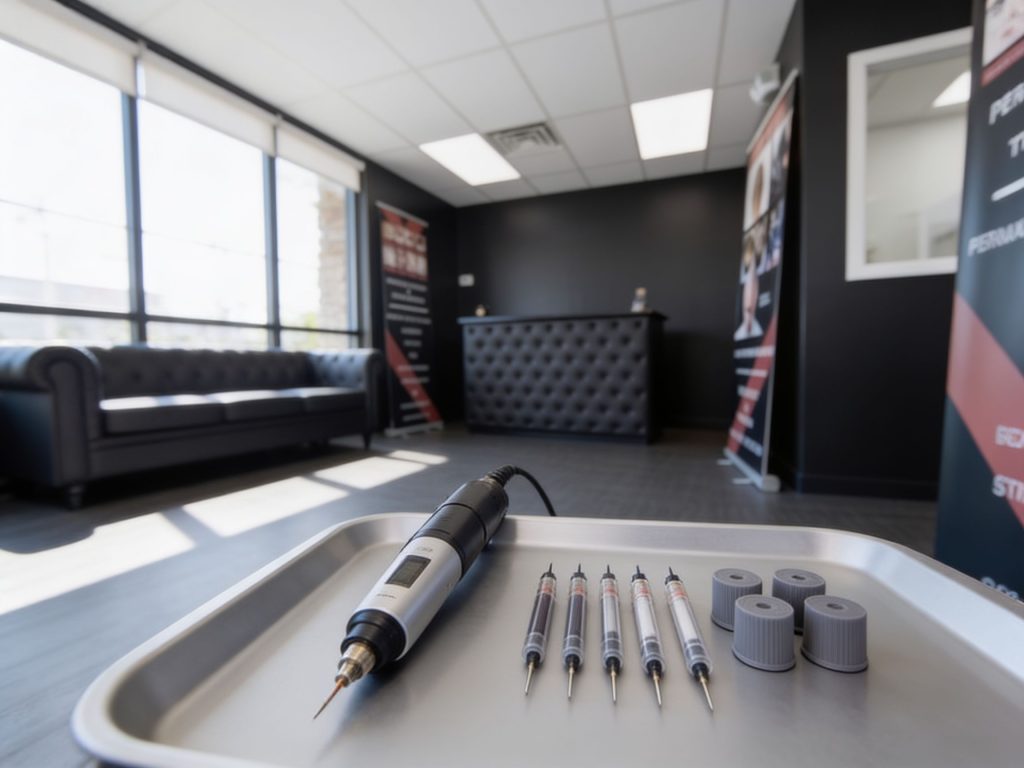
If thinning is more advanced and larger areas of scalp are visible, the dot density increases, sometimes progressing from around 40 dots per square centimetre in an early session up towards 80 to 100 dots per square centimetre by the final session. Needle choice matters here too. A finer single-point needle handles delicate areas like the part line, while a triple-point needle covers broader thinning zones faster without looking heavy-handed.
3. Good candidates have realistic expectations about what SMP can’t do
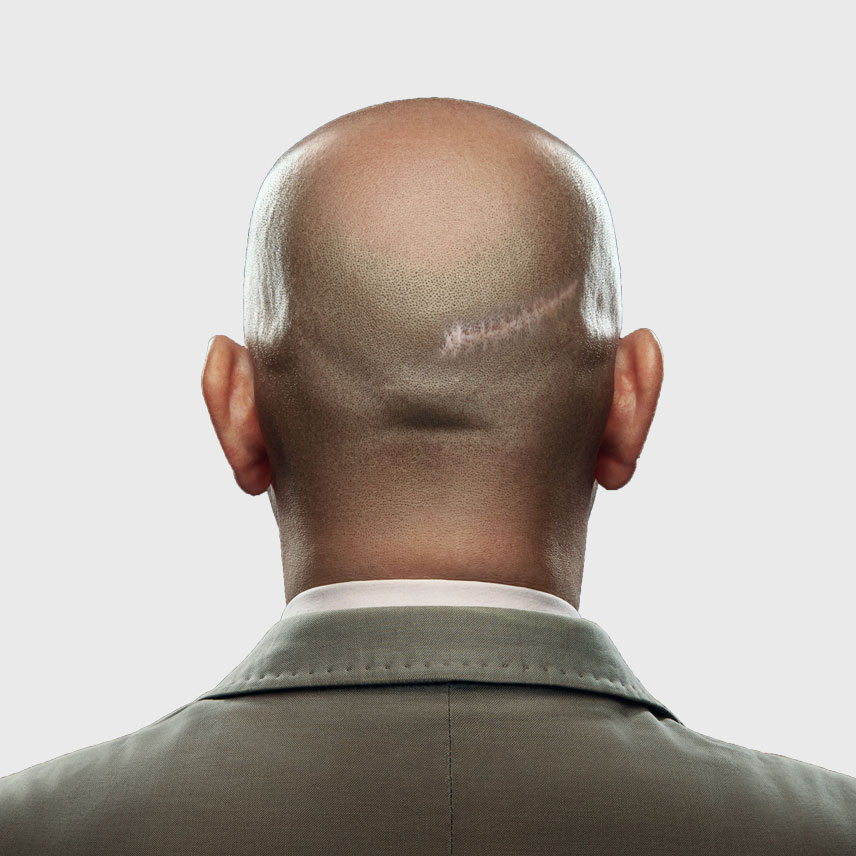
SMP suits women with androgenetic thinning, alopecia areata, traction alopecia from tight hairstyles, scarring from previous surgery, or scalp marks they’d rather not see every morning. It also works well for women who’ve lost hair through chemotherapy and want camouflage while they wait to see what regrowth looks like.
It’s not suitable if you’ve got active scalp acne, a psoriasis flare, eczema, or a history of keloid scarring, since the skin needs to be calm and healthy for pigment to heal properly. And it’s worth being blunt: nothing about this treatment regrows hair or reverses the underlying cause of your thinning. It changes how the thinning looks, which for most women is exactly what they came for.
4. Healed results look different depending on your starting density
Immediately after a session, pigment often looks slightly darker and more solid than the final healed result, because the top layer settles and softens over the following weeks. Don’t judge the outcome from day three.
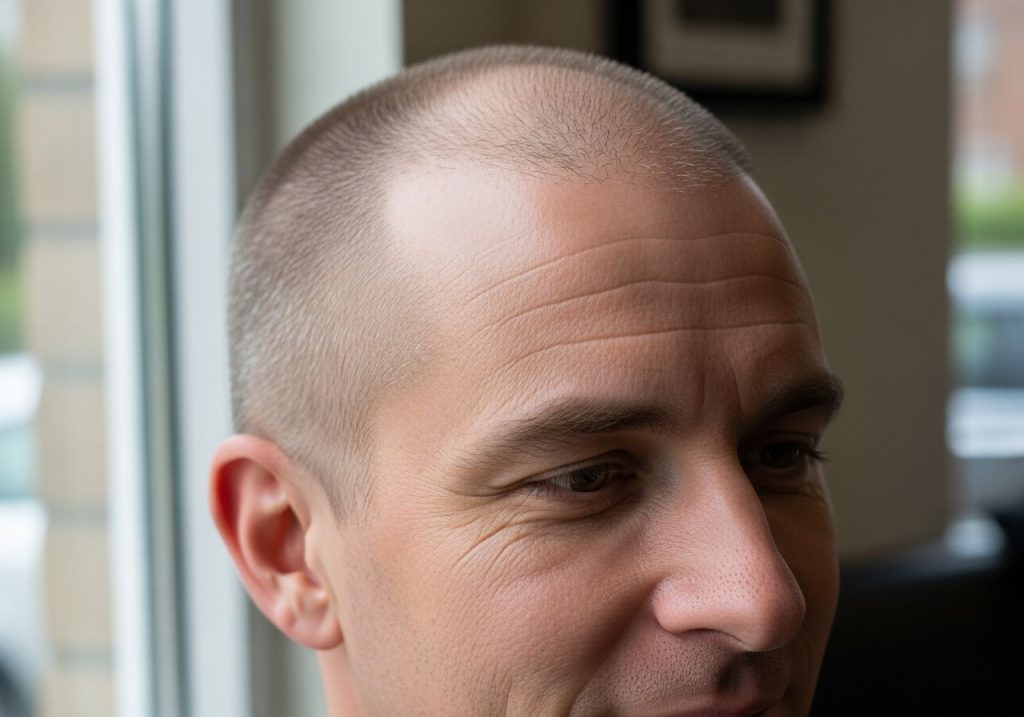
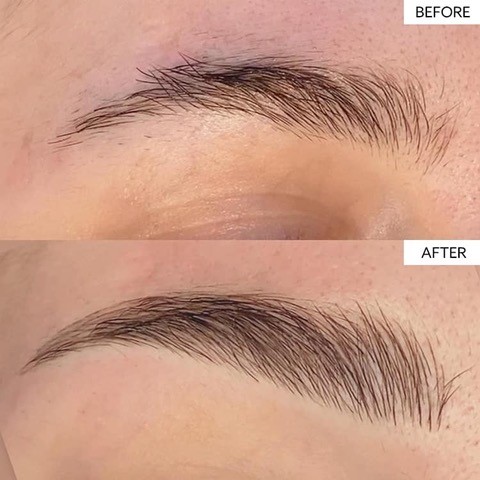
Women with moderate thinning and plenty of surrounding hair usually heal to a soft, natural density boost that’s genuinely hard to spot as treatment. Women with more advanced diffuse loss get a bigger visual lift in scalp coverage, though the result will always read as “fuller scalp”, not as new hair growth. Setting that expectation before you start avoids disappointment at the mirror.
5. It takes two to four sessions, and the healing rules are non-negotiable
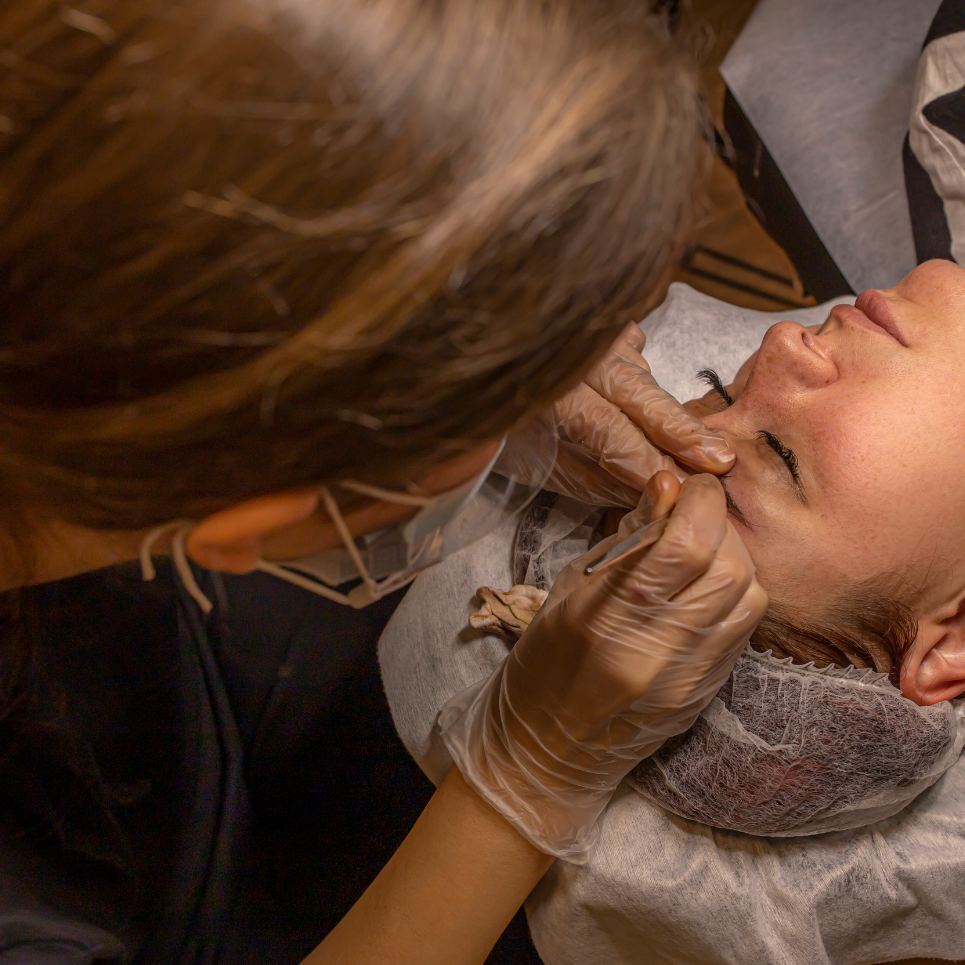
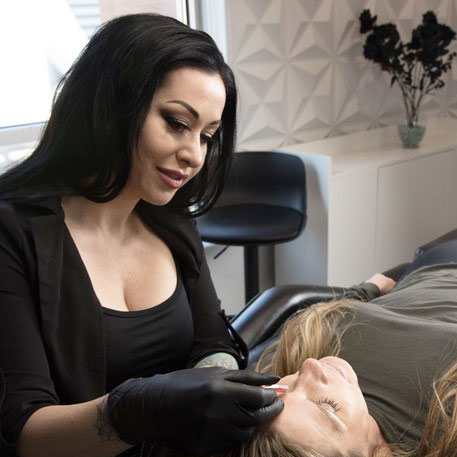
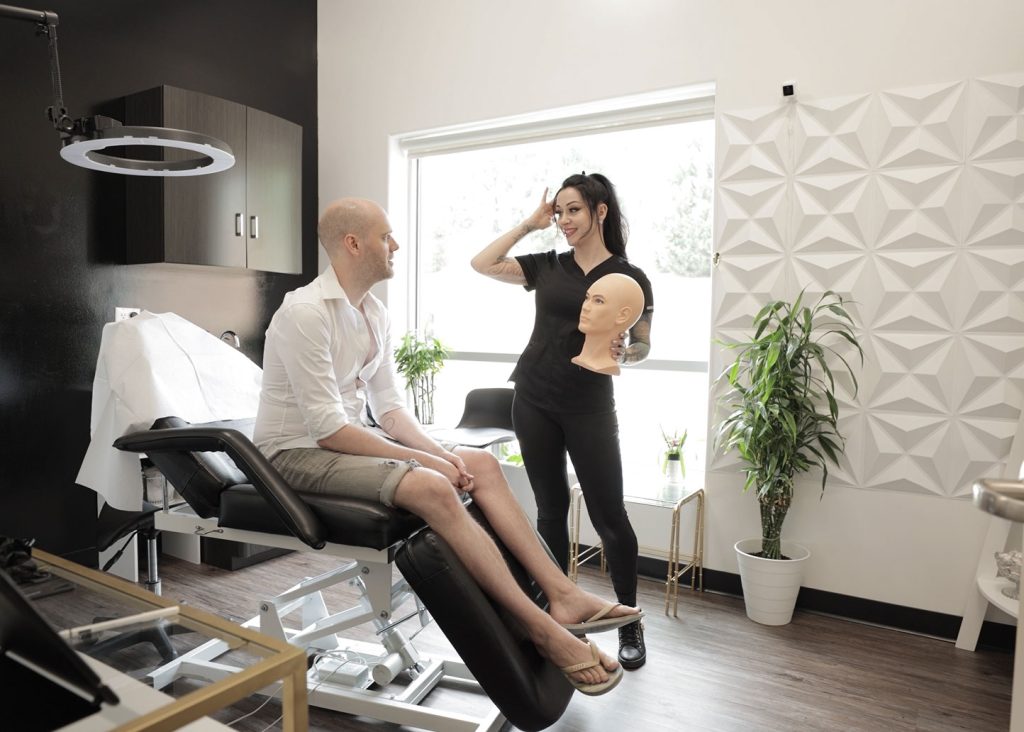
Most women need two to four sessions spaced several weeks apart, each lasting one to three hours depending on the area treated. Pigment is built up gradually across sessions rather than in one sitting, partly because skin needs time to heal and partly because it allows the practitioner to check how the tone settles before adding more.
Aftercare is strict for a reason. No water, shampoo, sweating or shaving on the treated scalp for the first four days. From day five to ten, gentle washing is fine but keep it out of direct sun. After day ten, SPF becomes part of your routine and normal grooming can resume, but swimming pools are off-limits for a full 28 days while the pigment settles into the dermis. Full healing takes about a month.
Results typically hold for three to eight years before fading enough to need a touch-up, with lighter skin, high sun exposure and oilier skin generally speeding up that fade. Budget for a top-up appointment every four to six years as routine maintenance, the same way you’d think about colour or a skin treatment, rather than a one-off cost.
Frequently Asked Questions
Does scalp micropigmentation work for women with diffuse thinning rather than a receding hairline?
Yes. Diffuse thinning is actually the most common pattern SMP treats in women, since pigment is placed between existing hairs to reduce scalp show-through across the whole area, rather than drawing a new hairline border like typical male treatments.
How is SMP for women different from SMP for men?
Women’s treatment usually works between existing hair rather than creating a defined hairline, focuses on blending along part lines and crown thinning, and uses lighter dot density in early sessions since most women retain more surrounding hair than typical male candidates.
Will scalp micropigmentation regrow my hair?
No. SMP does not regrow hair or affect the biological cause of your hair loss. It’s a cosmetic technique that deposits pigment to reduce the visible contrast between scalp and hair, making thinning look denser without changing what’s happening underneath.
How long does scalp micropigmentation last before it needs a touch-up?
Results generally last three to eight years before noticeably fading, with most women returning for a touch-up every four to six years. Sun exposure, skin type and cellular turnover all affect how quickly pigment softens over time.
Who shouldn’t get SMP for thinning hair?
Women with active scalp acne, a current psoriasis or eczema flare, or a history of keloid scarring should hold off until skin is calm and healthy. Anyone expecting hair regrowth rather than cosmetic density improvement isn’t a suitable candidate either.