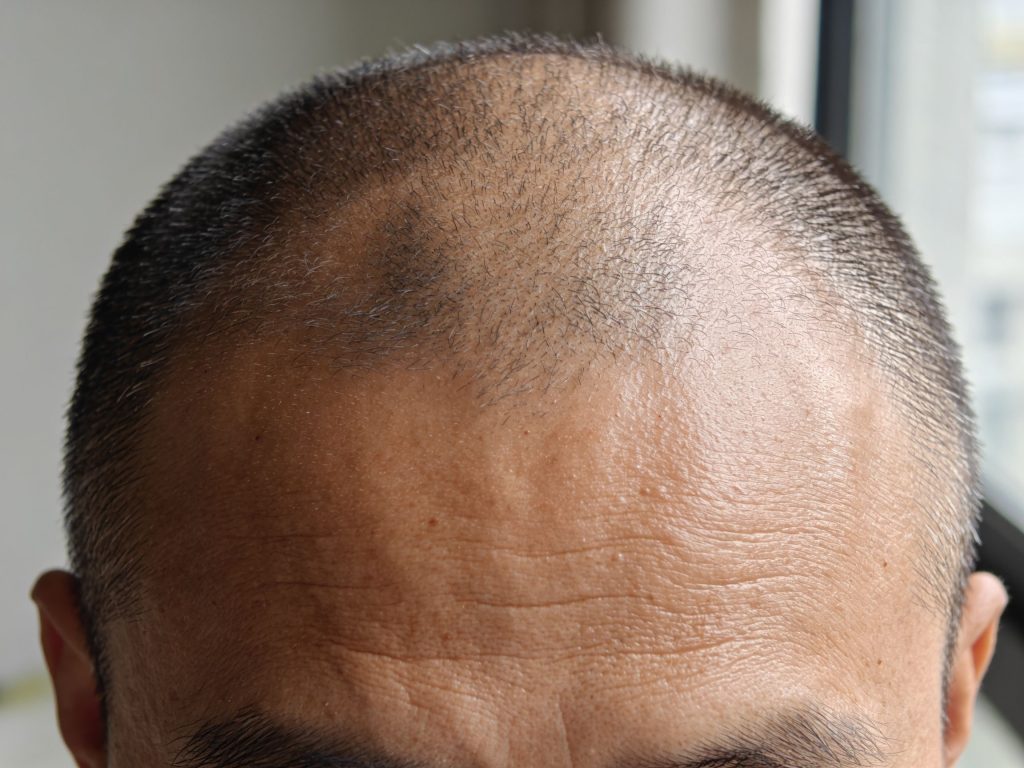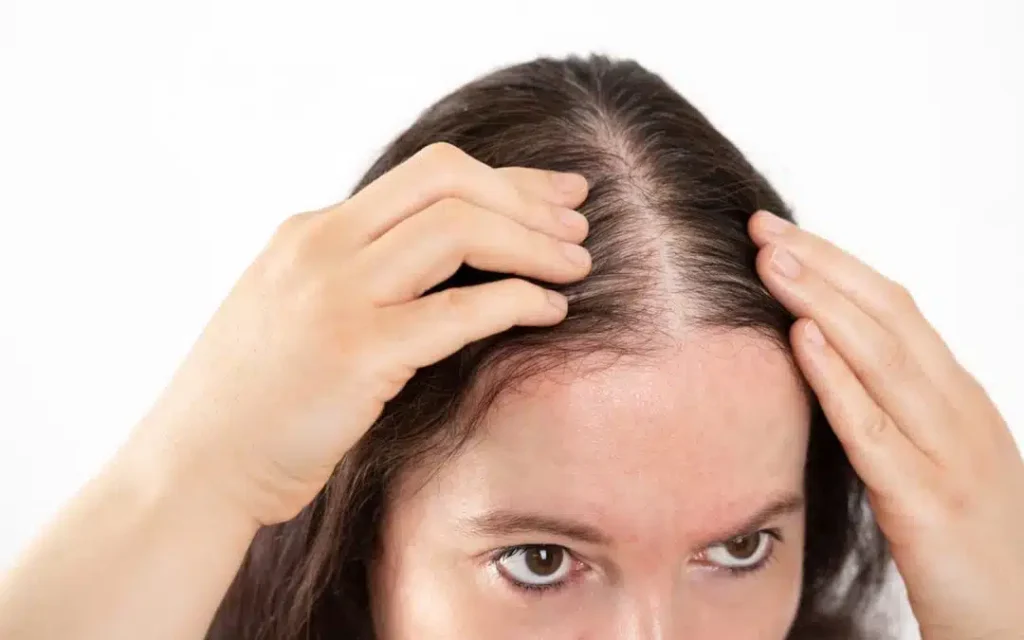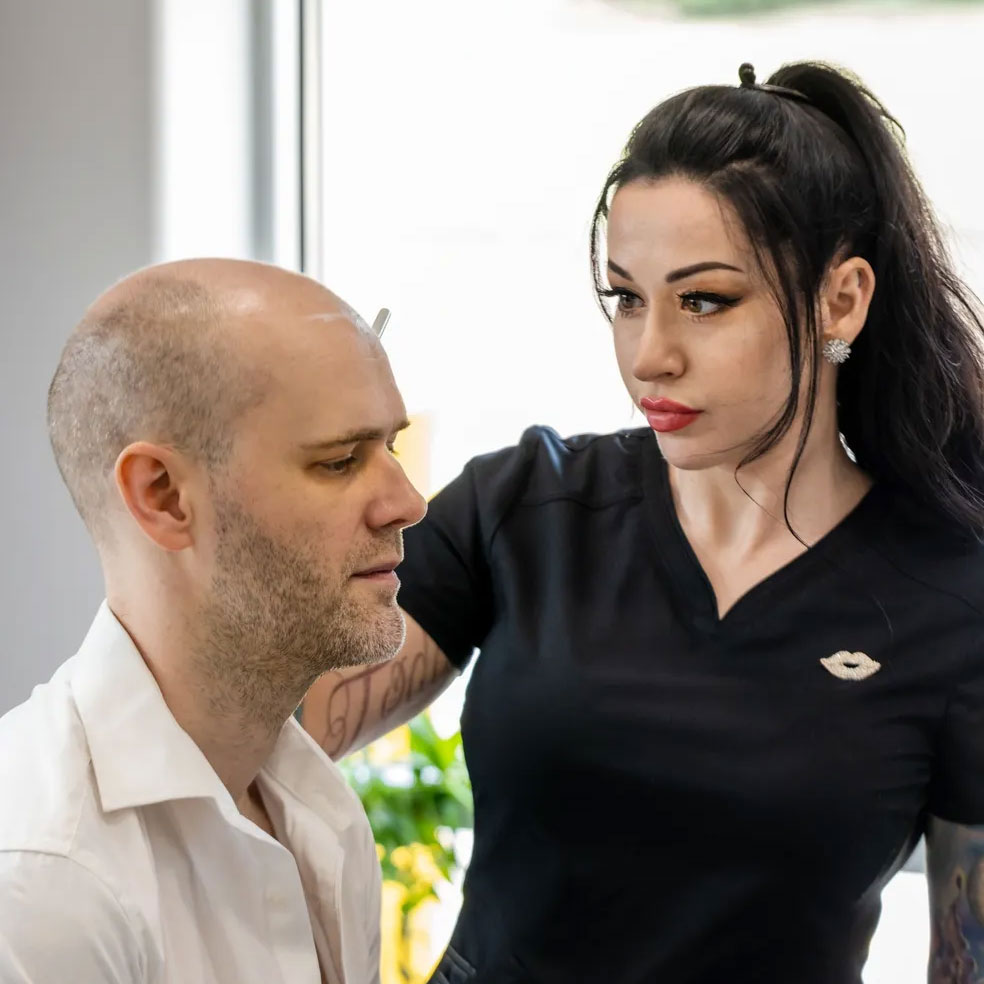
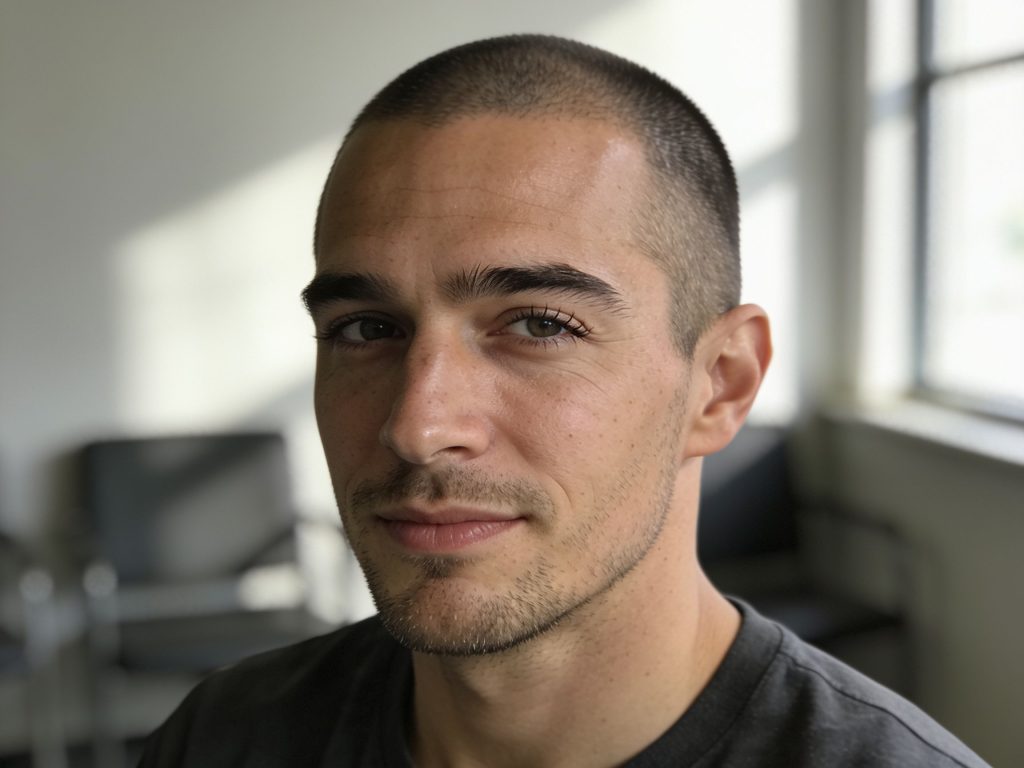
You’ve still got hair, just not as much as you used to, and you’re wondering if scalp micropigmentation only works for men who go fully shaved. It doesn’t. Here’s exactly how the density version of this treatment fills in thinning patches, who it suits, and what the healed result actually looks like on a scalp that isn’t bald.
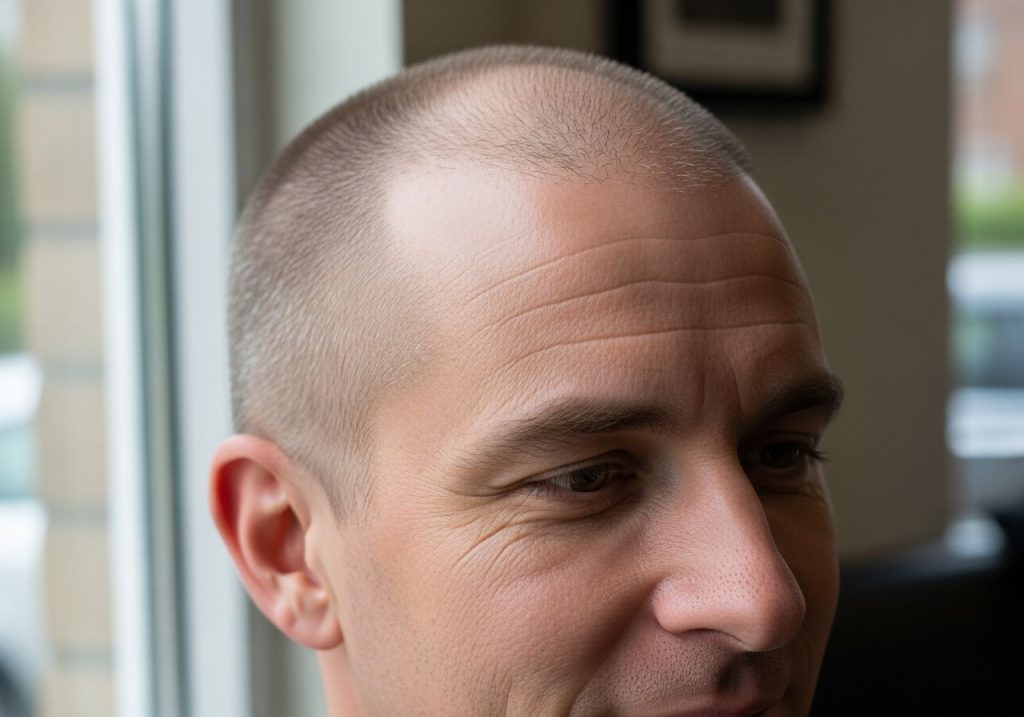
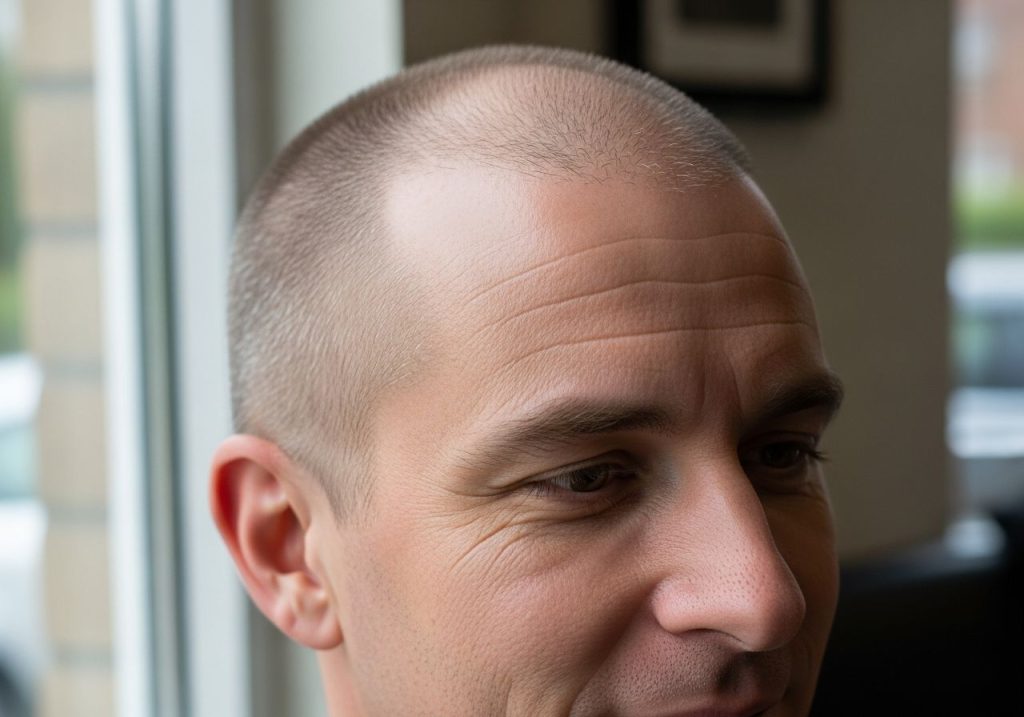
Scalp micropigmentation for thinning hair works by adding pigment dots between your existing strands rather than replicating a shaved head from scratch. It’s called a density treatment, and it’s a completely different technique from the buzz-cut hairline work most people picture when they hear SMP. The goal isn’t to fake a haircut. It’s to make the hair you already have look thicker.
1. Density treatment blends pigment with hair you still have
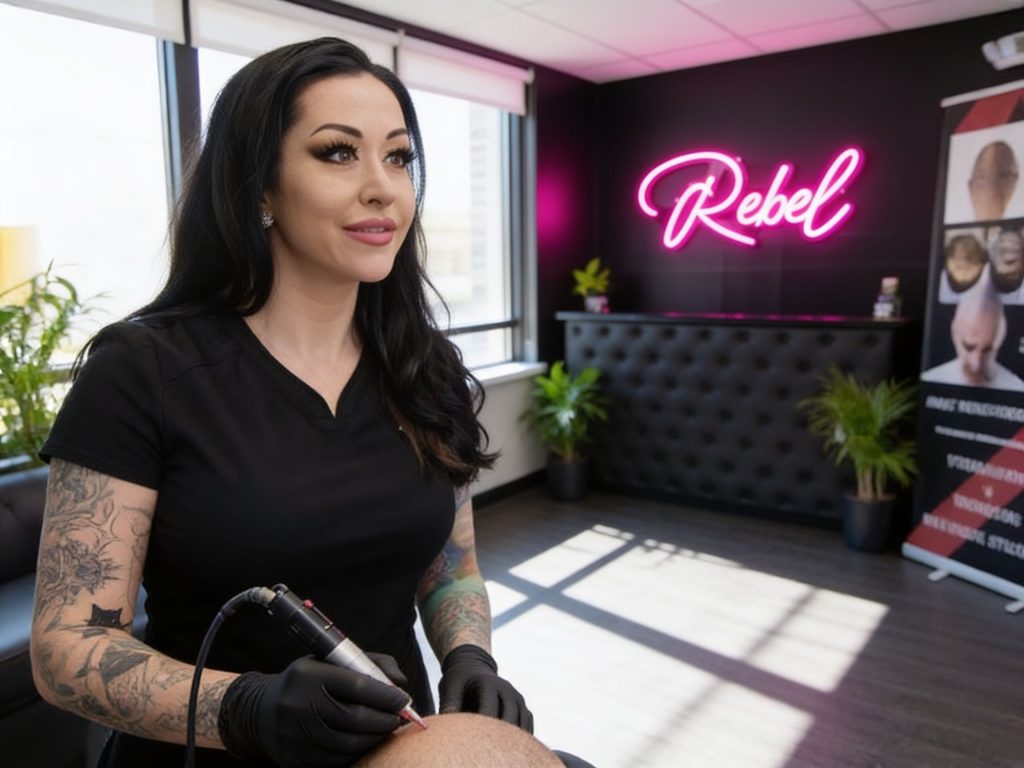
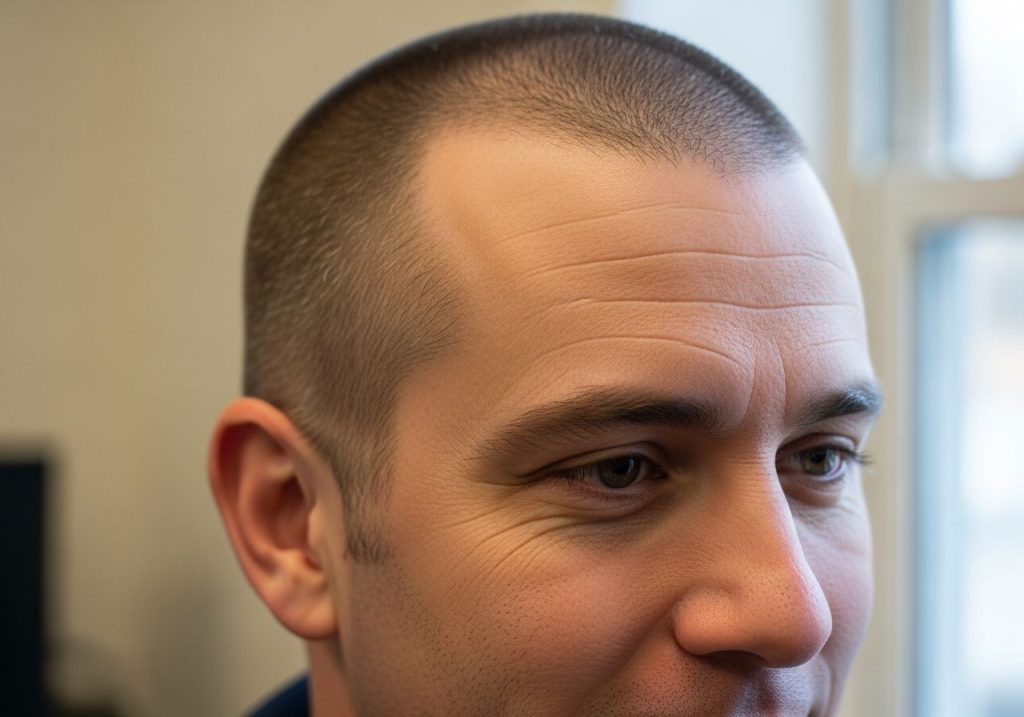
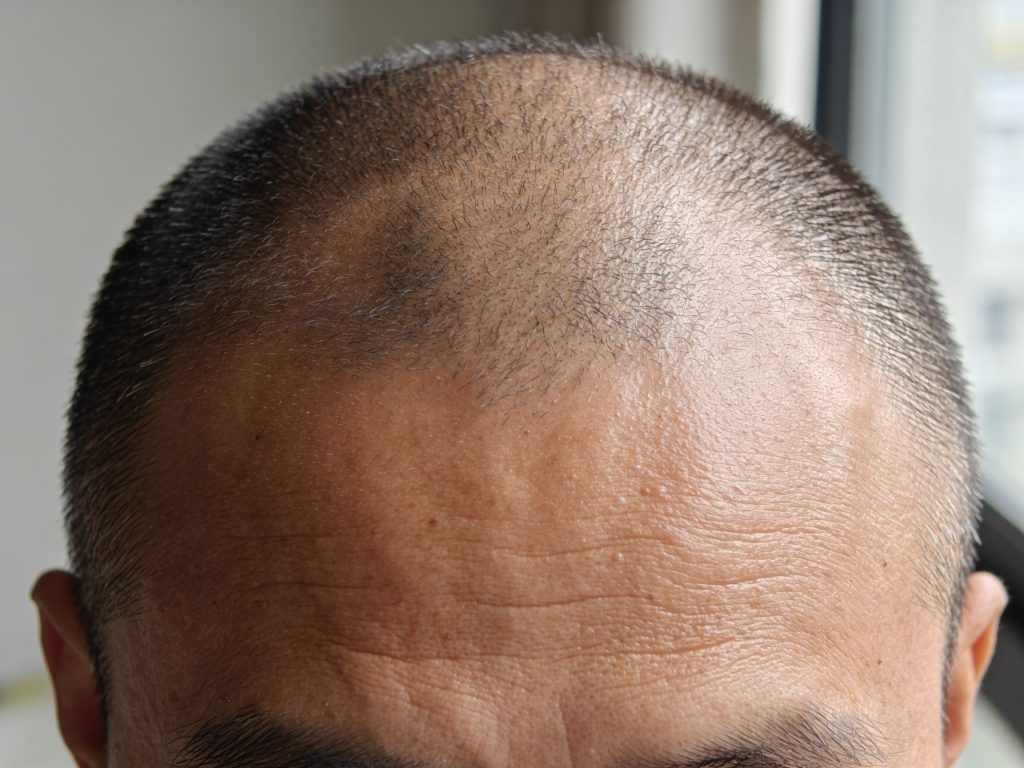
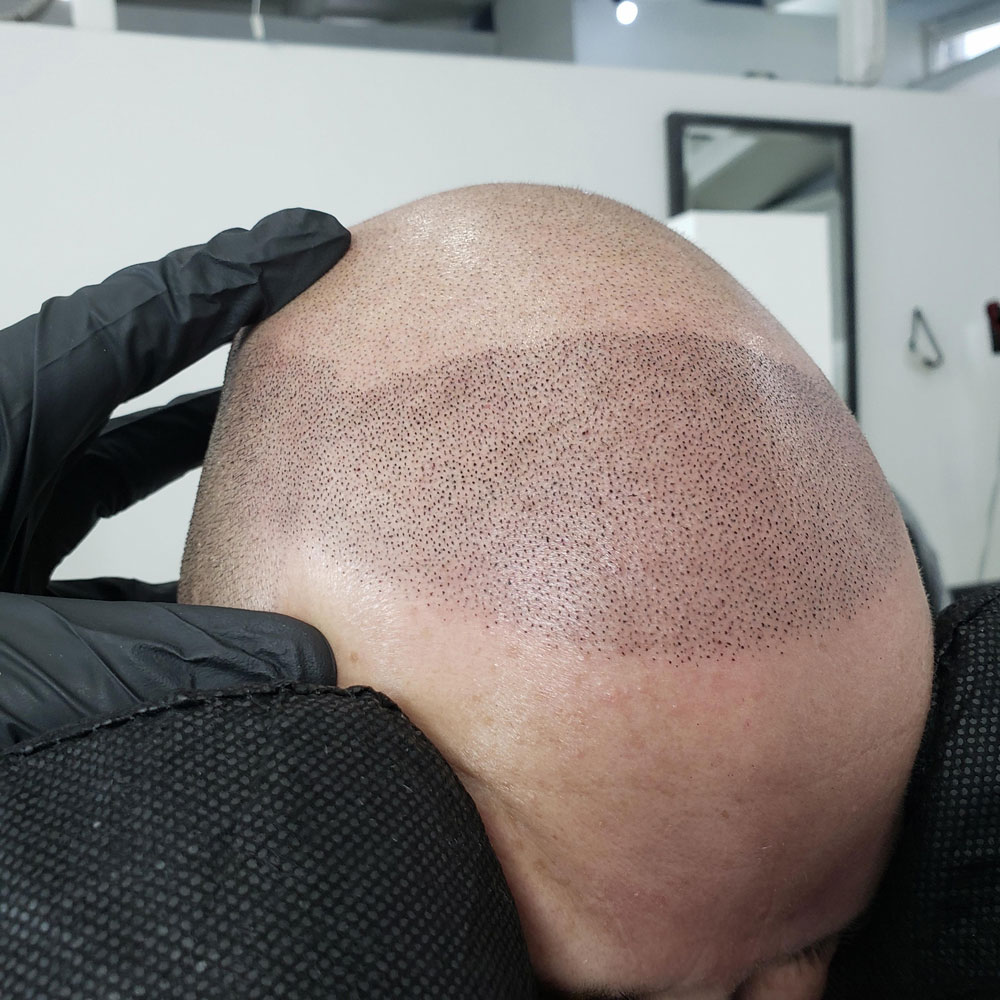
Full scalp SMP recreates the look of a closely shaved head, dot by dot, across skin with little or no hair left. Density SMP is different: it’s layered underneath and around hair that’s still growing, so the pigment reduces the shine and scalp-show that makes thinning look obvious under bathroom lighting or overhead sun.
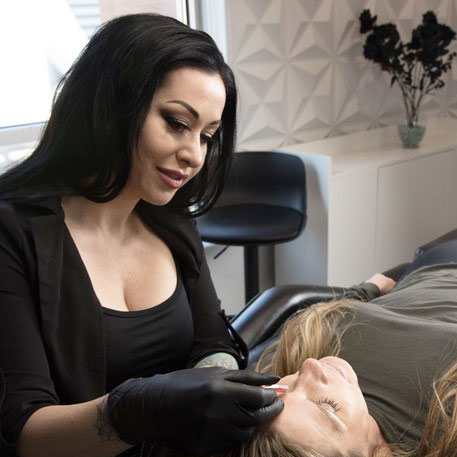
The technician places dots in a shallower, more scattered pattern, usually starting around 40 dots per square centimetre in the first pass, well below the 80 to 100 dots per square centimetre used for a fully shaved result. That lighter touch matters. Too much pigment on a head with surviving hair looks unnatural, almost like a shadow that doesn’t move when your hair does.
2. Pigment depth is precise, not generic
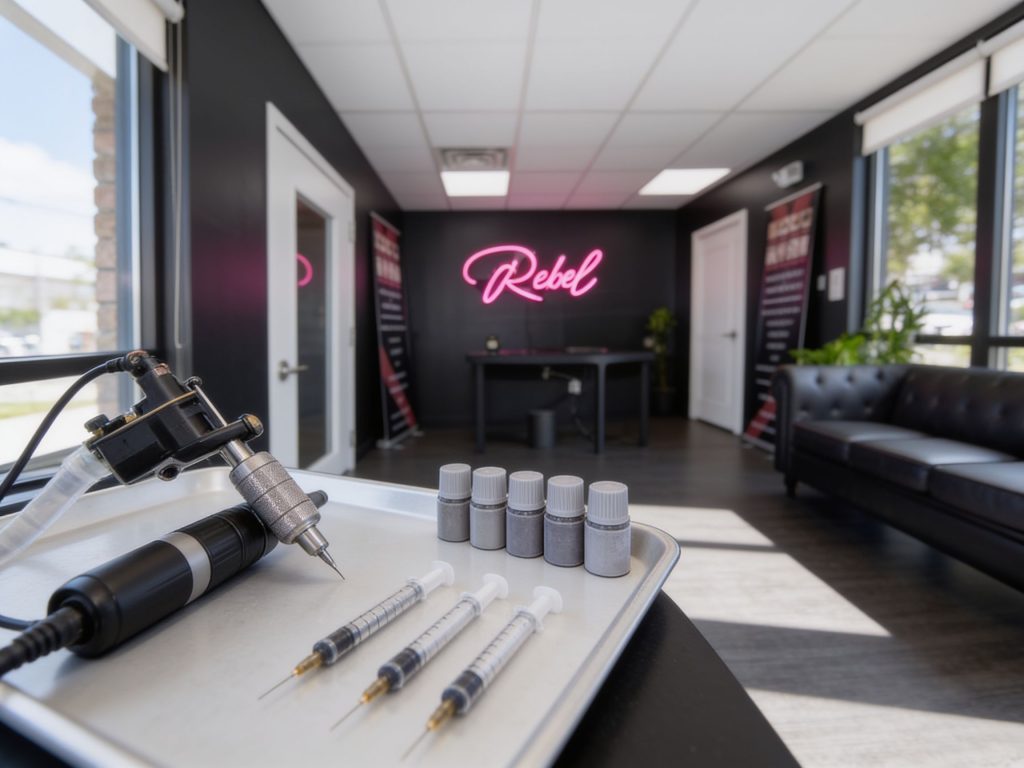
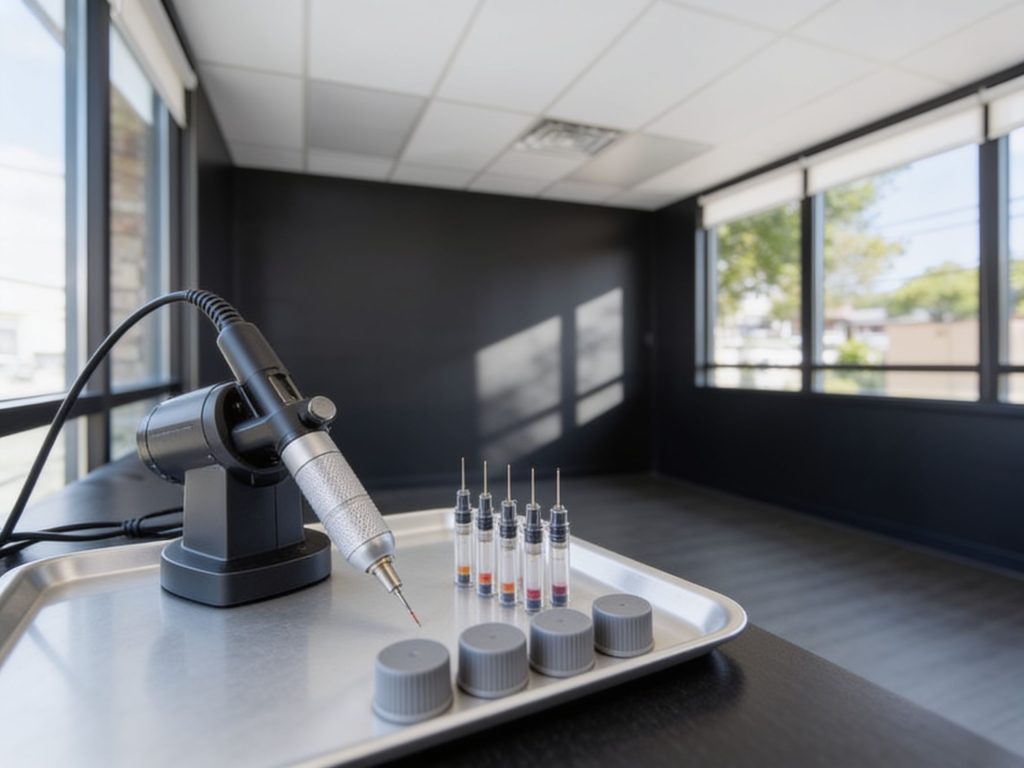
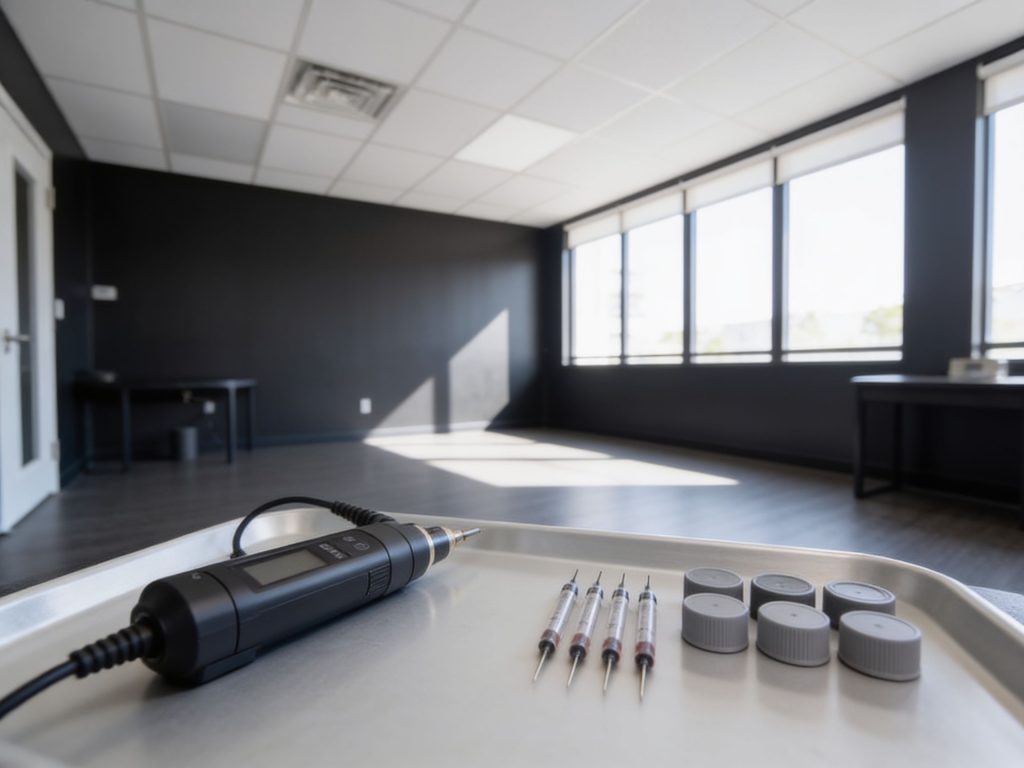
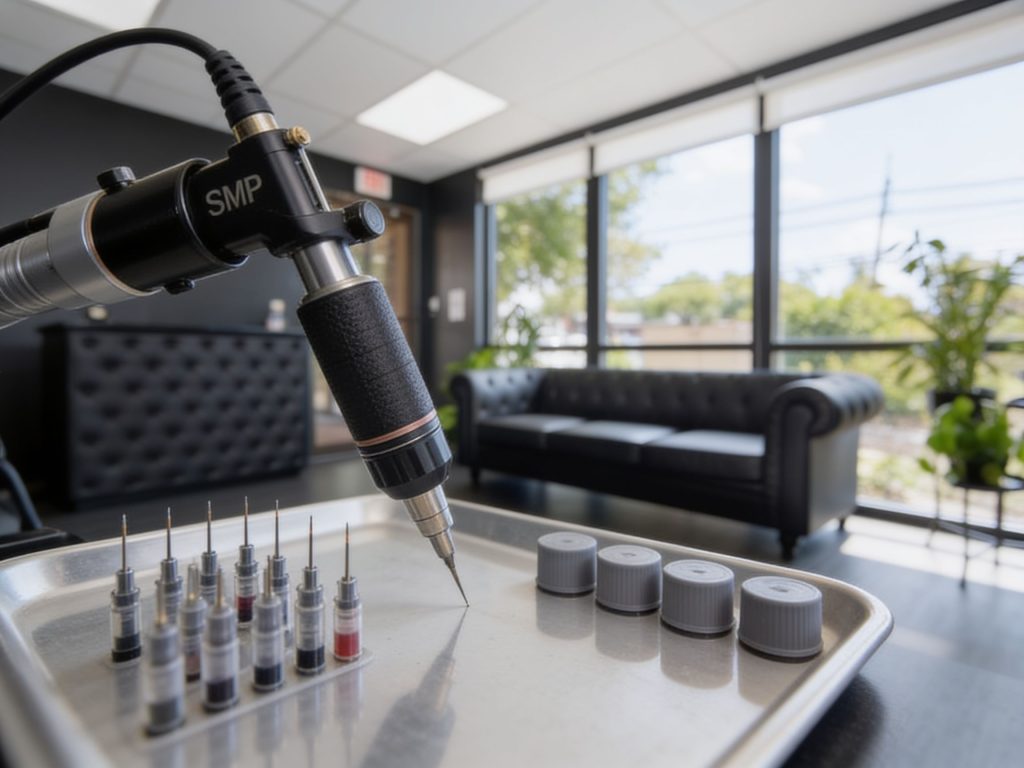
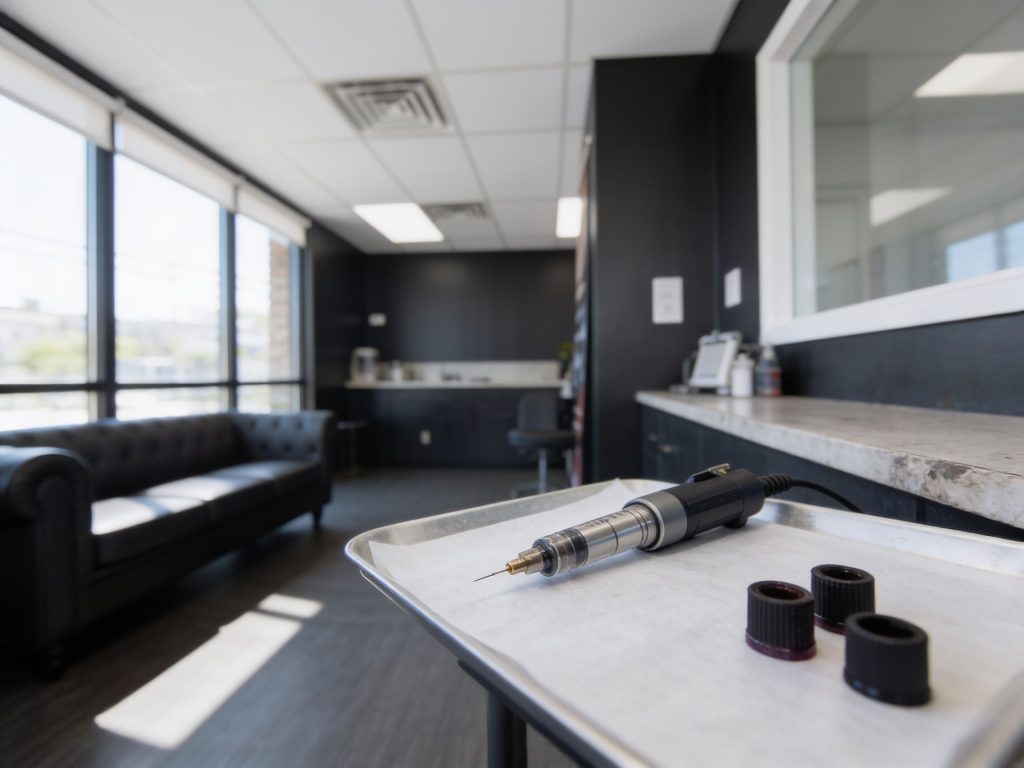
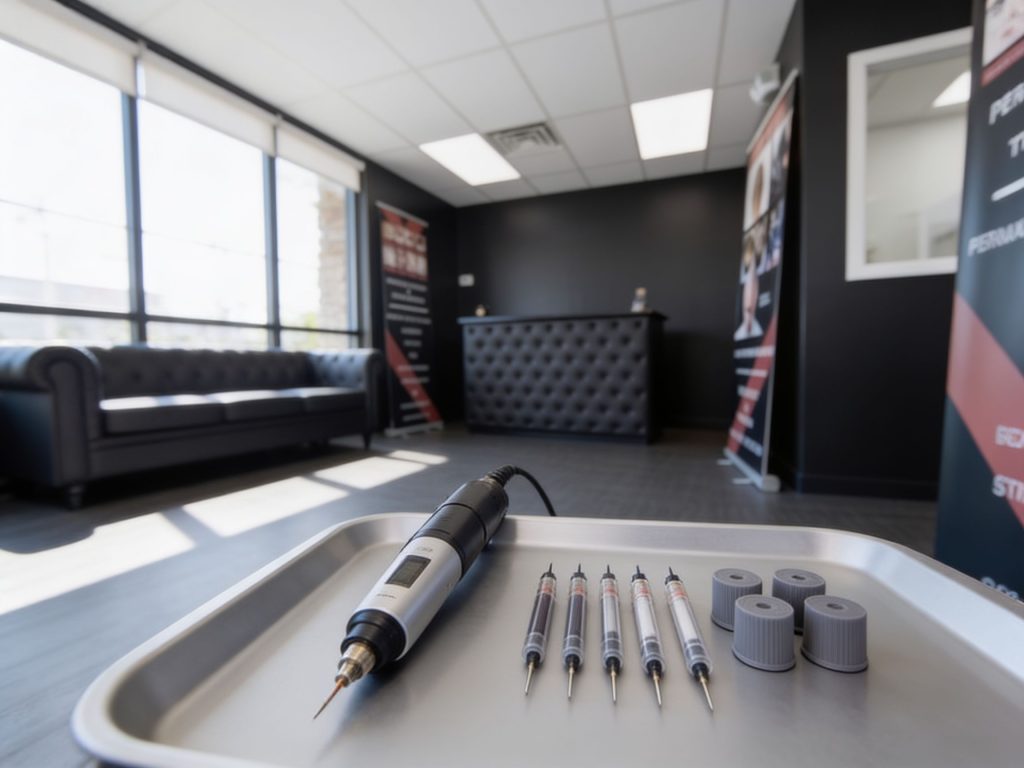
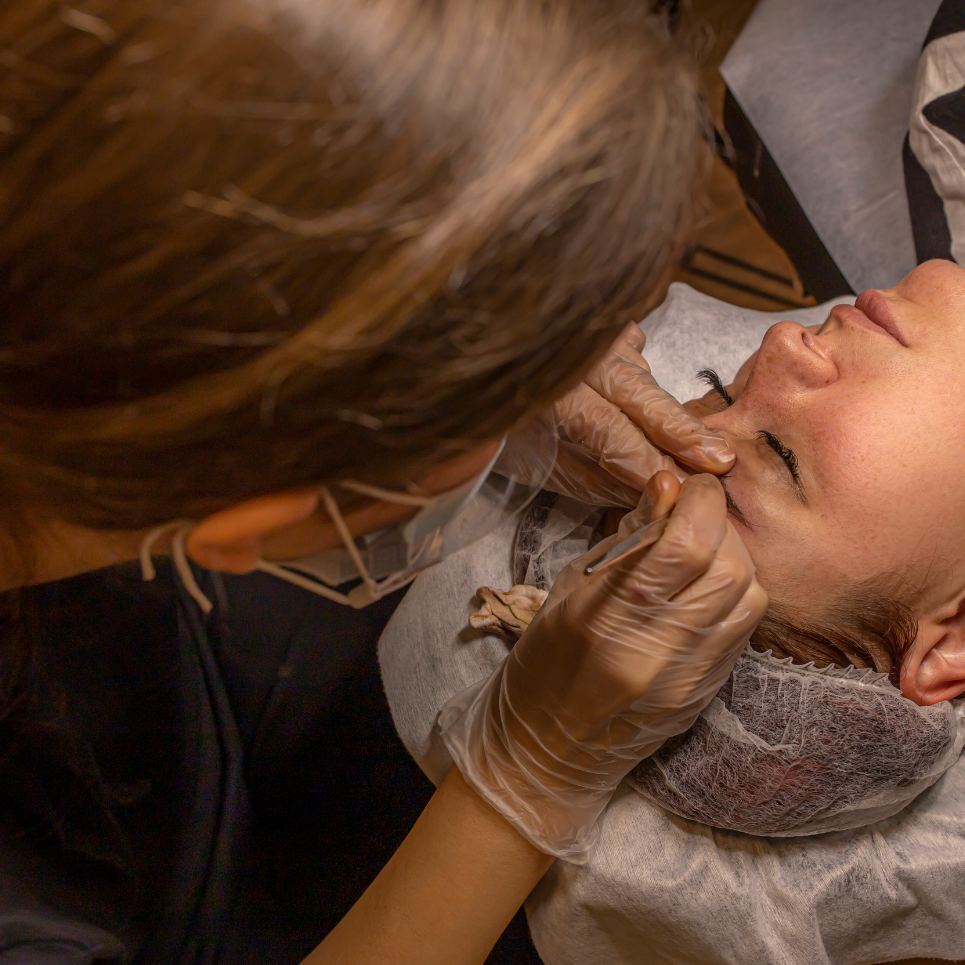
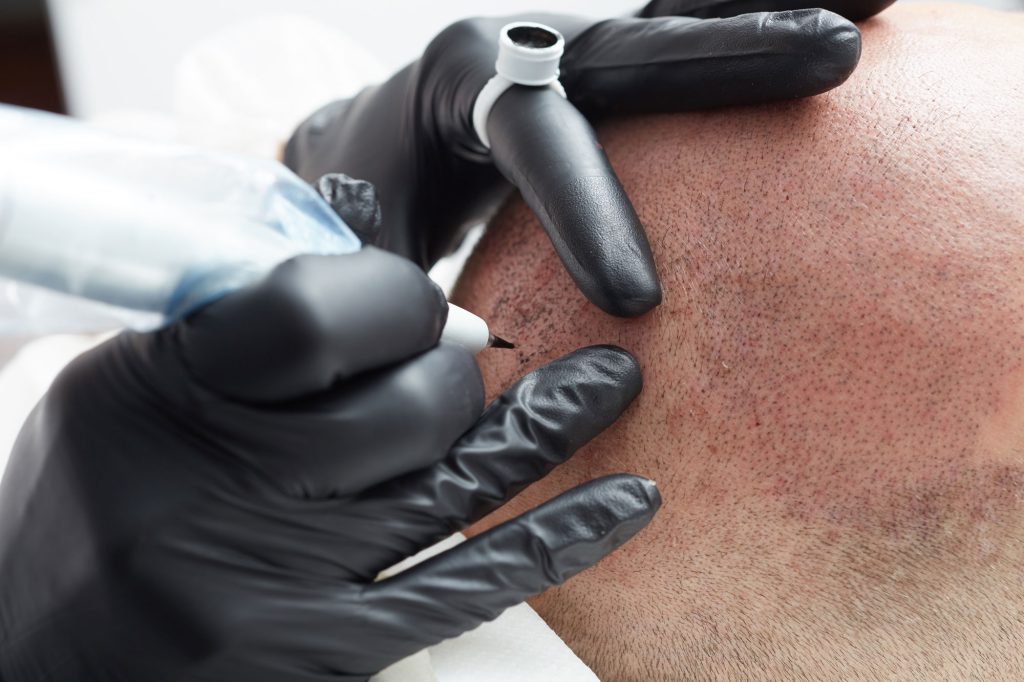
Pigment goes in at the epidermal to upper dermal boundary, roughly 1.5 to 2 millimetres deep, using an electric needle device cycling at 100 to 150 times per second. That depth is deliberate. Too shallow and the pigment fades within months. Too deep and it can spread under the skin, a problem called pigment migration that leaves you with soft, blurry blotches instead of crisp dots.
Needle choice changes by zone too. A 0.2mm single-point needle handles hairline and parting detail, where precision counts most, while a 0.25mm triple-point needle covers broader thinning areas like the crown or mid-scalp faster, without sacrificing the stippled, follicle-like texture that makes healed SMP convincing.
3. The healed look mimics real follicle density, not a solid tone
What you’re after isn’t a flat grey patch. It’s thousands of individual dots, varied slightly in size and placement, that trick the eye into reading “hair follicle” rather than “tattoo”. A single treatment plan can involve over 40,000 pigment dots, built up in layers across two to four appointments spaced several weeks apart.
Each session refines what came before it. Your first appointment lays the foundation; the second and third add depth, correct any patchy spots, and adjust tone once the pigment has settled and you can see how your skin actually held it. This gradual build is what separates a natural-looking result from the flat, painted-on look people worry about.
4. Not every thinning pattern or skin type is an ideal candidate
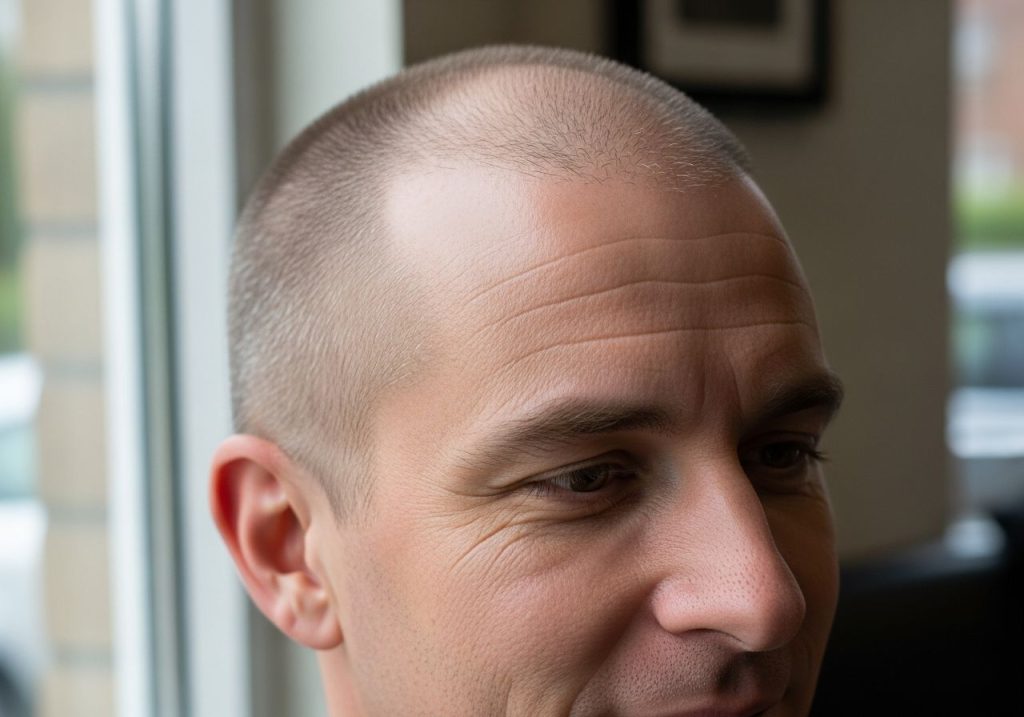
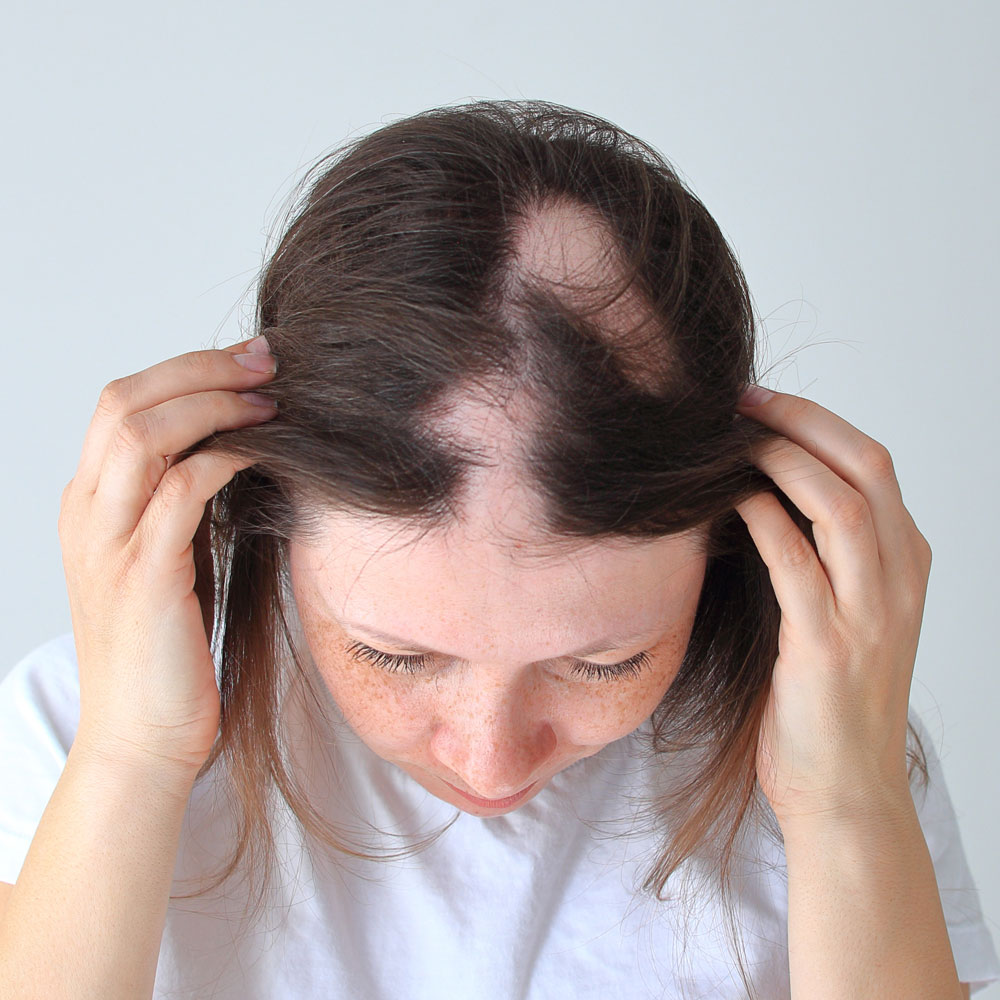
SMP density treatment works best if you’ve got diffuse thinning, visible scalp through the hair, or a receding pattern where some coverage remains. Male pattern baldness, driven by DHT shortening the hair growth cycle, affects at least half of men by age 50, and most of them still have some hair left when they start looking into treatment. That’s exactly the profile this technique is built for.
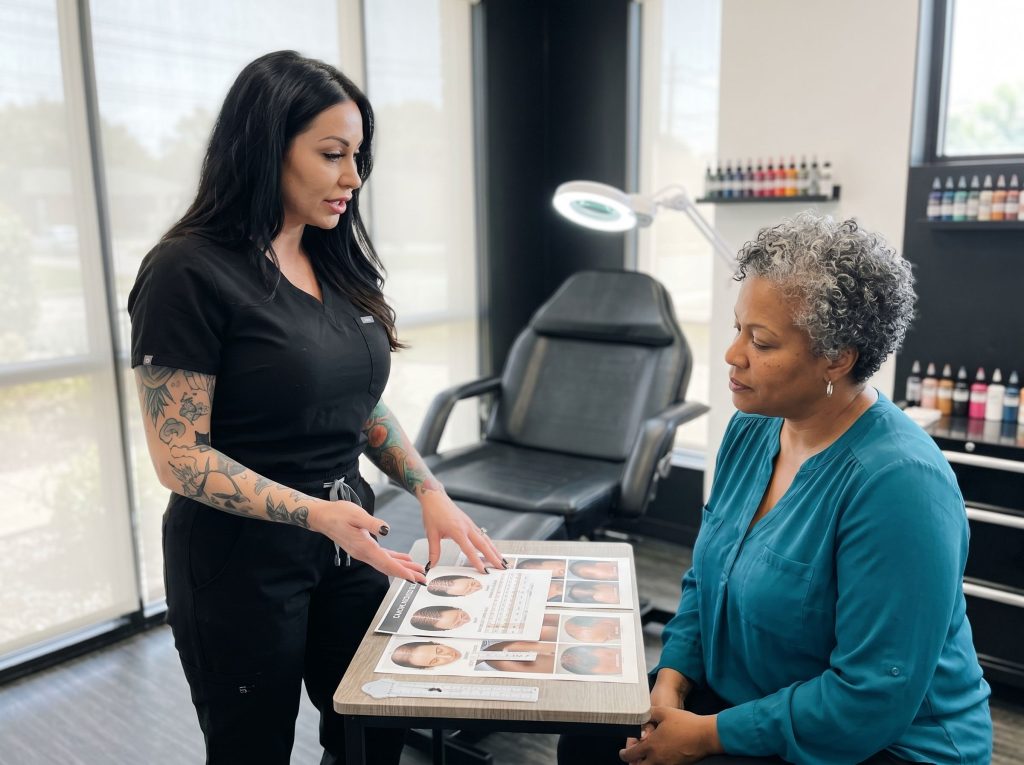
It’s less suited to men with active scalp acne, psoriasis flare-ups, eczema, or keloid-prone skin, since pigment can trigger irritation or scar unpredictably on compromised skin. Very oily skin also causes pigment to fade faster, so it’s not a disqualifier but it does mean more frequent touch-ups. A consultation with a trained SMP practitioner should assess your skin condition and hair pattern before anything gets booked.
5. Longevity depends on upkeep, not luck
Results from scalp micropigmentation typically hold for four to eight years before the pigment fades enough to need a refresh. Sun exposure is the biggest factor in how fast that happens. Daily SPF 30 to 50 on the treated scalp from day ten onward genuinely extends how long your density treatment looks sharp.
Aftercare in the first month matters just as much as the sun habit that follows. No water on the scalp for the first four days, no shampoo or sweating, and no shaving. From day five you can wash gently, though sun exposure still needs to wait. By day ten you’re back to normal grooming with SPF added in, and full healing takes around 30 days. Swimming pools are off-limits for 28 days, since chlorine breaks down fresh pigment before it’s settled.
If you’re comparing options, ask specifically about density work, not just full-head SMP. It’s a different skill, and the practitioner’s portfolio should show it.
Getting the density right on thinning hair takes more precision than a fully shaved result, simply because there’s more to blend with and more to get wrong. A practitioner who can show you healed density cases, not just shaved-head hairlines, is the clearest sign they know the difference.
Frequently Asked Questions
Does scalp micropigmentation regrow hair on thinning areas?
No. SMP doesn’t stimulate hair growth or affect existing follicles. It’s a cosmetic technique that deposits pigment dots to reduce scalp-to-hair contrast, making thinning areas appear denser. Any actual hair growth would need a separate treatment, since SMP works entirely on the visual appearance of the scalp.
How is SMP density treatment different from full scalp micropigmentation?
Density treatment blends pigment with hair you still have, using a lighter dot pattern around 40 dots per square centimetre. Full scalp SMP replicates a shaved head from scratch at 80 to 100 dots per square centimetre. They’re different techniques suited to different stages of hair loss.
Who isn’t a good candidate for SMP on thinning hair?
Men with active scalp acne, psoriasis flare-ups, eczema, or keloid-prone skin generally aren’t good candidates until those conditions are managed. Very oily skin isn’t disqualifying but tends to fade pigment faster, meaning more frequent touch-ups. A consultation should assess your specific skin and hair pattern first.
How many sessions does SMP for thinning hair usually take?
Most men need two to four sessions, spaced several weeks apart, each lasting one to five hours. The first session lays the foundation, while later sessions build depth, correct patchy areas, and adjust tone once the pigment has settled into the skin.
How long does SMP density treatment last before it needs a touch-up?
Results typically last four to eight years before fading enough to need a refresh. Daily SPF on the treated scalp, avoiding excessive sun exposure, and skin type all affect how quickly that happens, with touch-ups every four to six years being typical.
Ready to talk it through?
Rebel Aesthetic in Philadelphia offers a personal consultation to answer your questions and recommend the right approach for you. Get in touch with Rebel Aesthetic to book your consultation.