You’ve just had ombre brows done and the colour looks far darker and more dramatic than you expected. You’re wondering if this is normal, or if something’s gone wrong. It isn’t, and nothing has: this is exactly how the healing process is supposed to unfold, and knowing what happens each week means you’ll never panic over a stage that’s meant to happen.
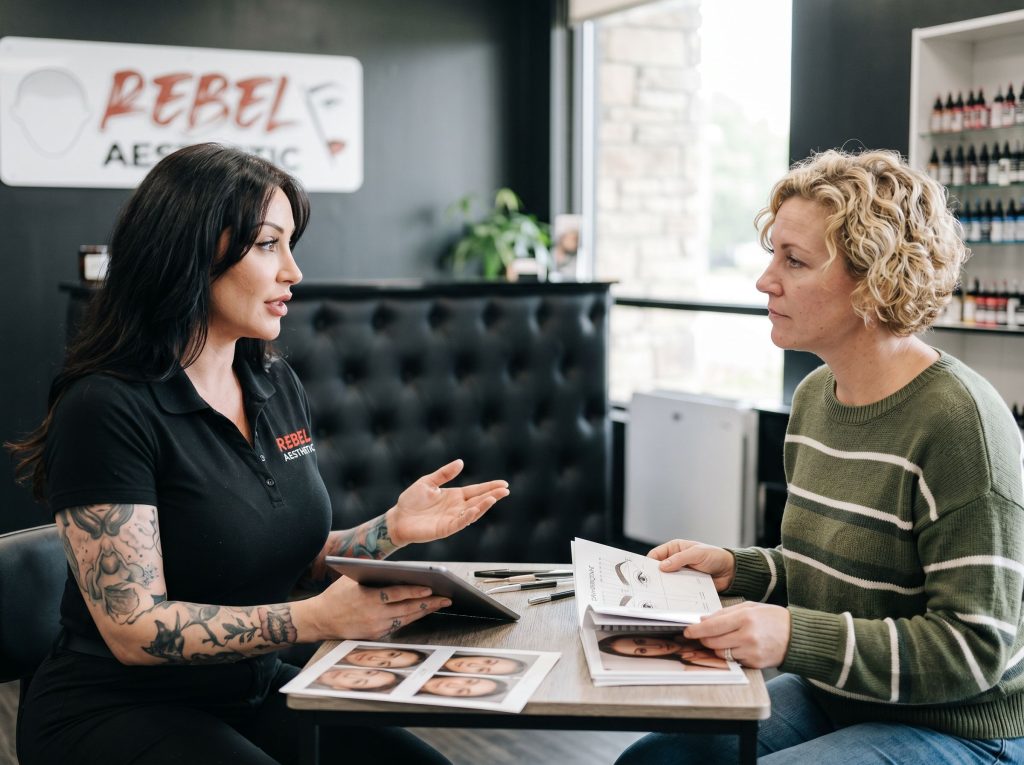
The ombre brows healing timeline runs in five distinct phases over roughly six to eight weeks, moving from bold and dark, through flaking and fading, into a soft, settled result. I walk every client through this at their consultation because the middle stretch, when brows look patchy and pale, is where most people start to worry unnecessarily. Understanding the pattern in advance takes the anxiety out of it.
Week one: bold colour, mild swelling, and the urge to touch
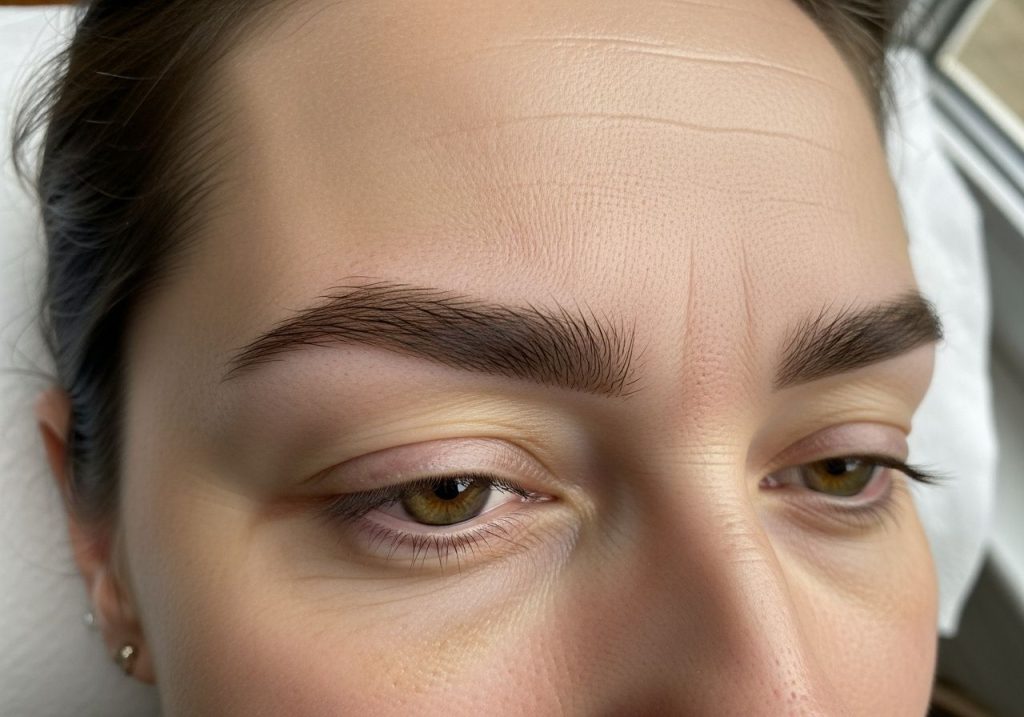
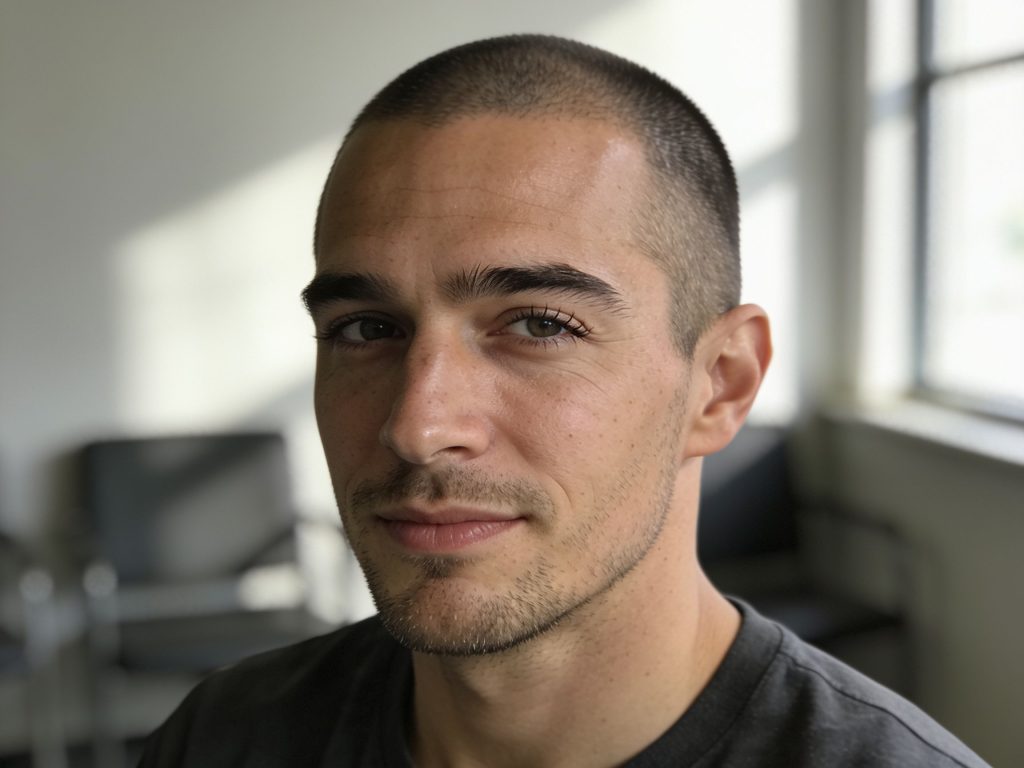
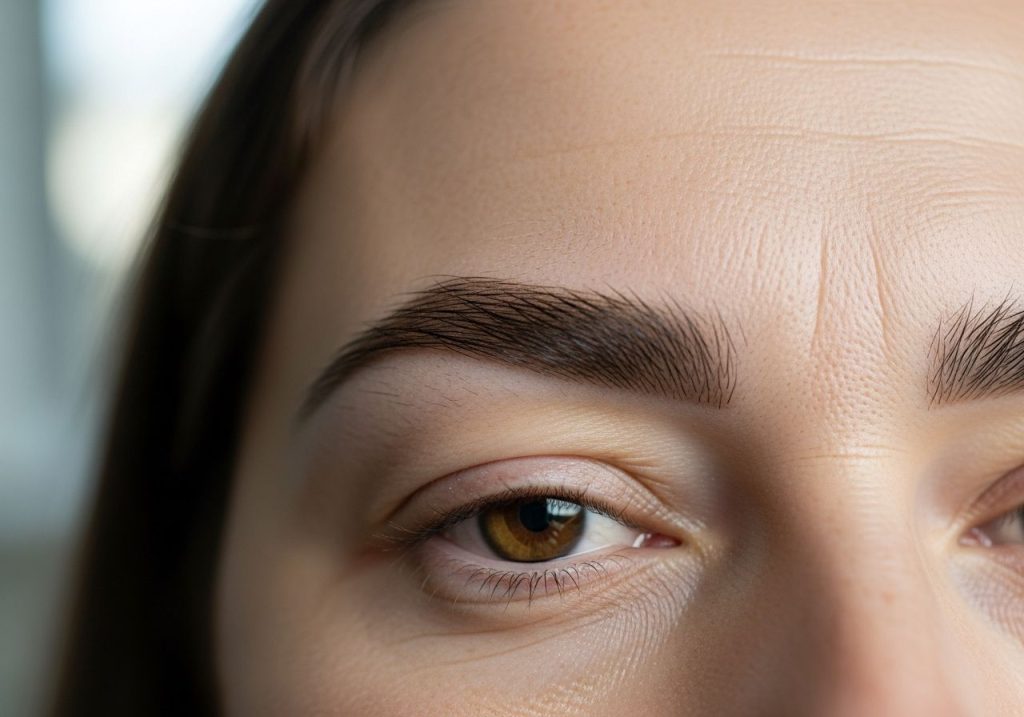
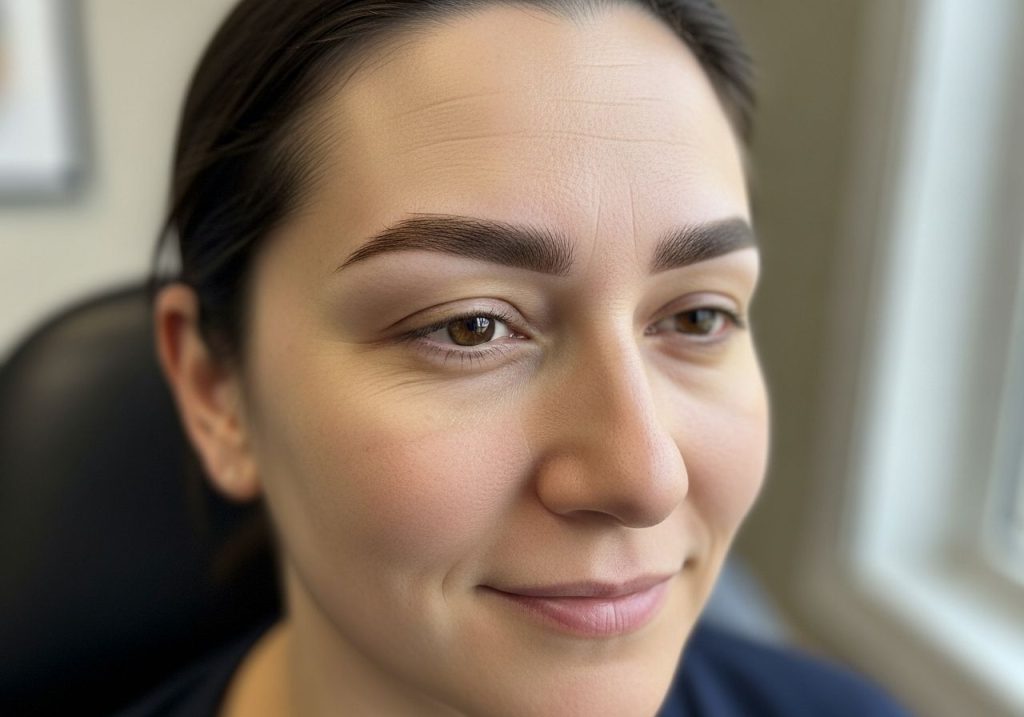
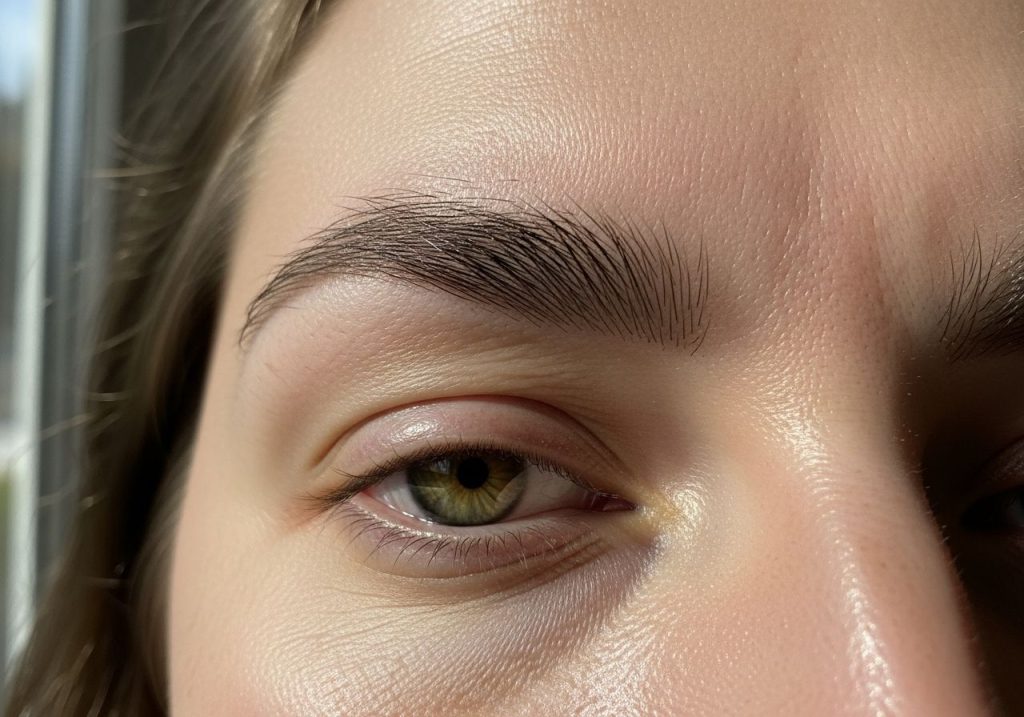
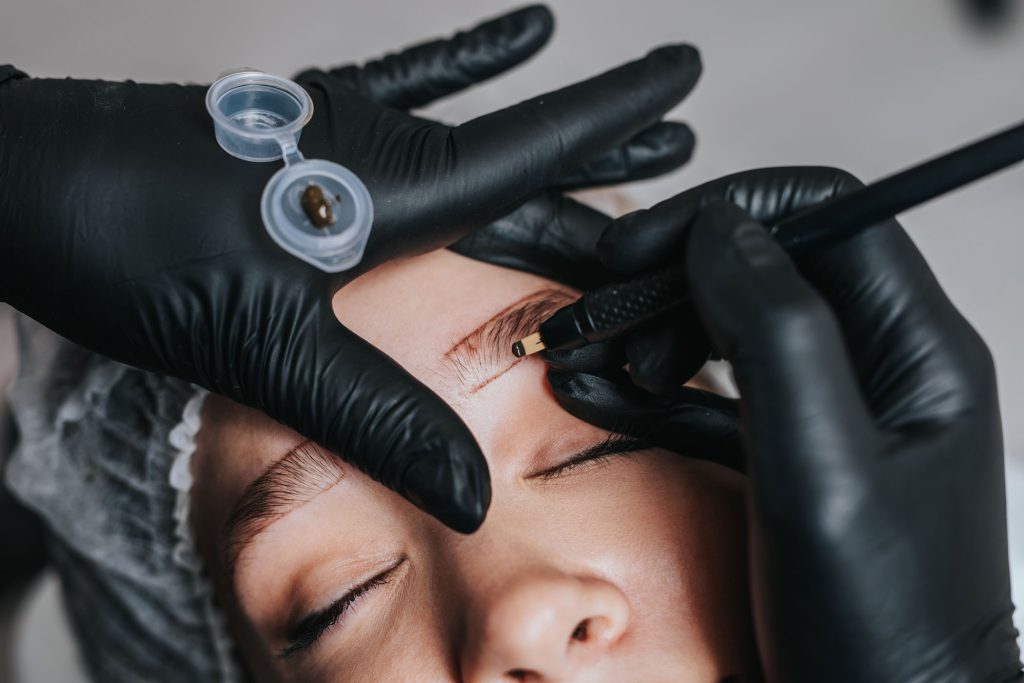
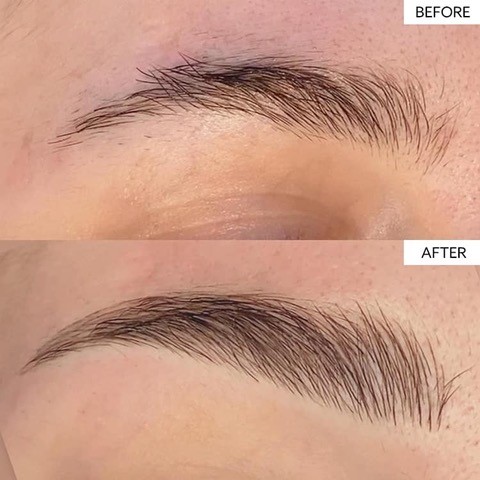
Days one to three are the most intense. Your brows will look noticeably darker and more solid than the colour you’ll end up with, sometimes by two or three shades. There’s often slight swelling and tenderness, similar to a light graze, and the skin around the brow may feel warm.
By day four, the surface starts to dry out and tiny flakes begin lifting at the edges. This is when the itching kicks in. Resist touching. Picking at this stage pulls out pigment unevenly and can leave patchy gaps that need correcting at your follow-up session.
Keep the area completely dry for the first seven to ten days: no makeup, no sweat-inducing workouts, no direct sun, and no submerging the brows in water. A fan brush of sterile aftercare balm, applied sparingly as instructed, is usually all the skin needs during this window.
Weeks two and three: the ghosting phase nobody warns you about
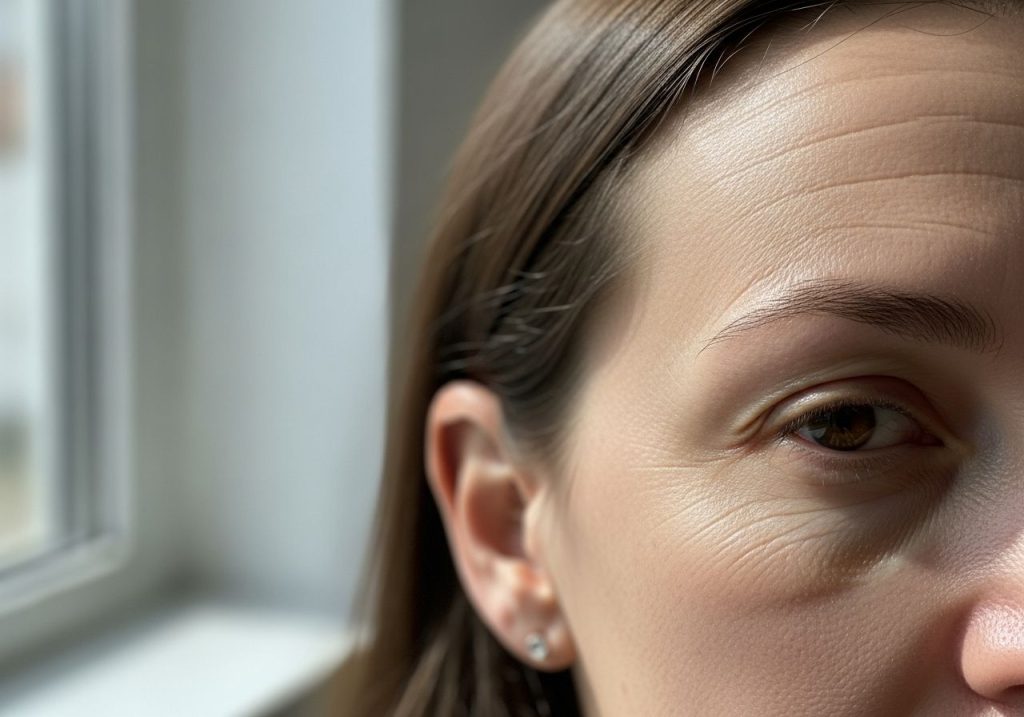
This is the stage that catches people off guard. Somewhere between day ten and day 18, the flaking finishes and the brows can look noticeably lighter, patchy, or almost like they’ve disappeared in places. Artists call this “ghosting,” and it’s a completely normal part of how pigment settles into the skin.
What’s actually happening is that the top layer of skin, along with some surface pigment, has shed away. The colour sitting deeper in the dermis hasn’t resurfaced yet. Expect a 30 to 50% lightening at this stage compared to how dark the brows looked in week one. It can feel alarming if you’re not expecting it, but it always looks worse before it looks right.
Avoid the temptation to book an early top-up during this phase. The pigment needs the full healing window to tell you its true, final result. Judging colour or shape before week six almost always leads to unnecessary rework.
Weeks four to six: true colour rebuilds from underneath
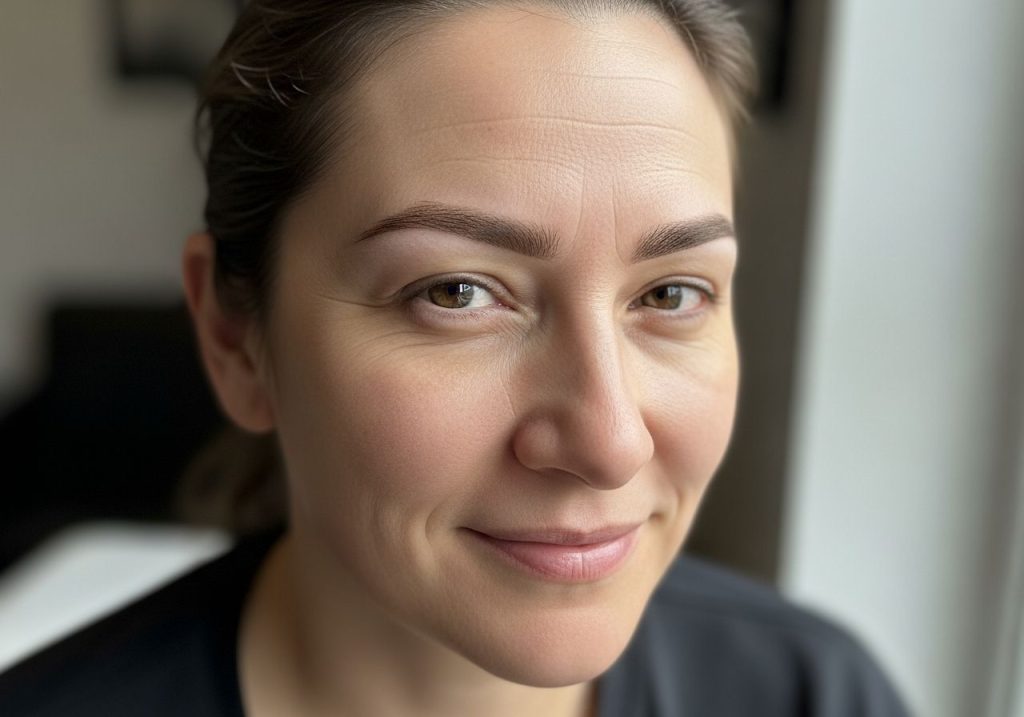
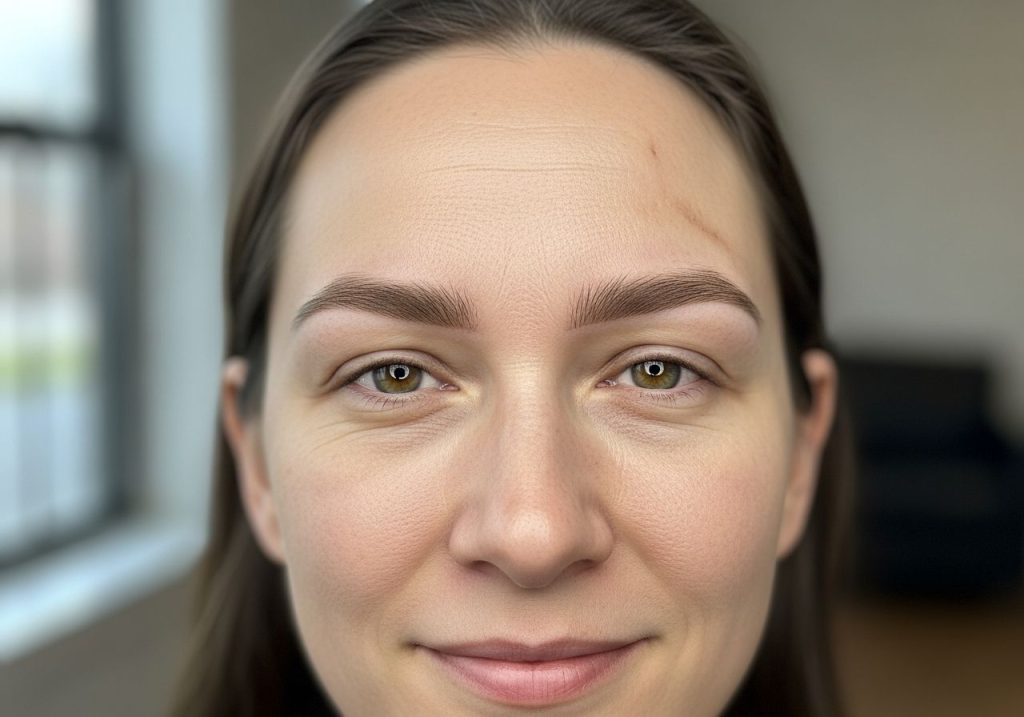
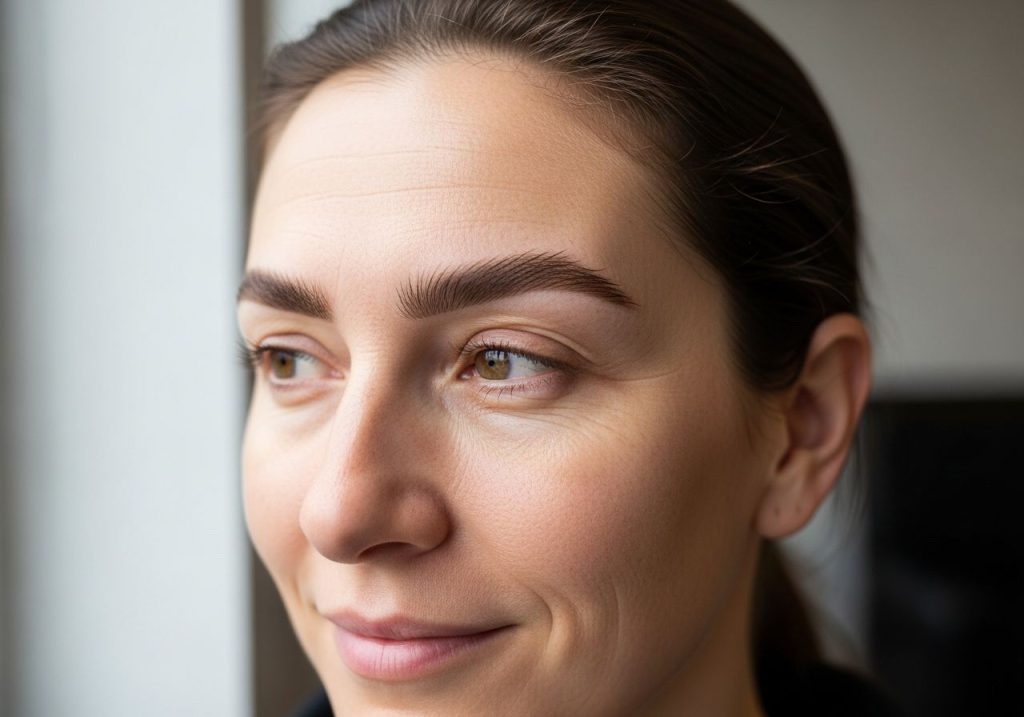
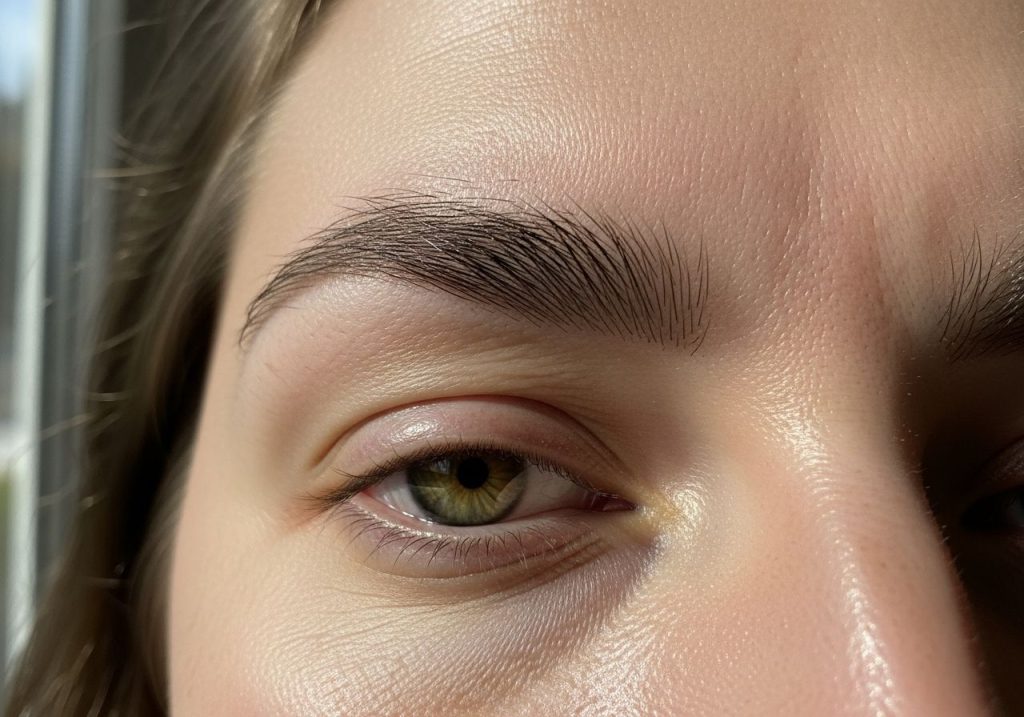
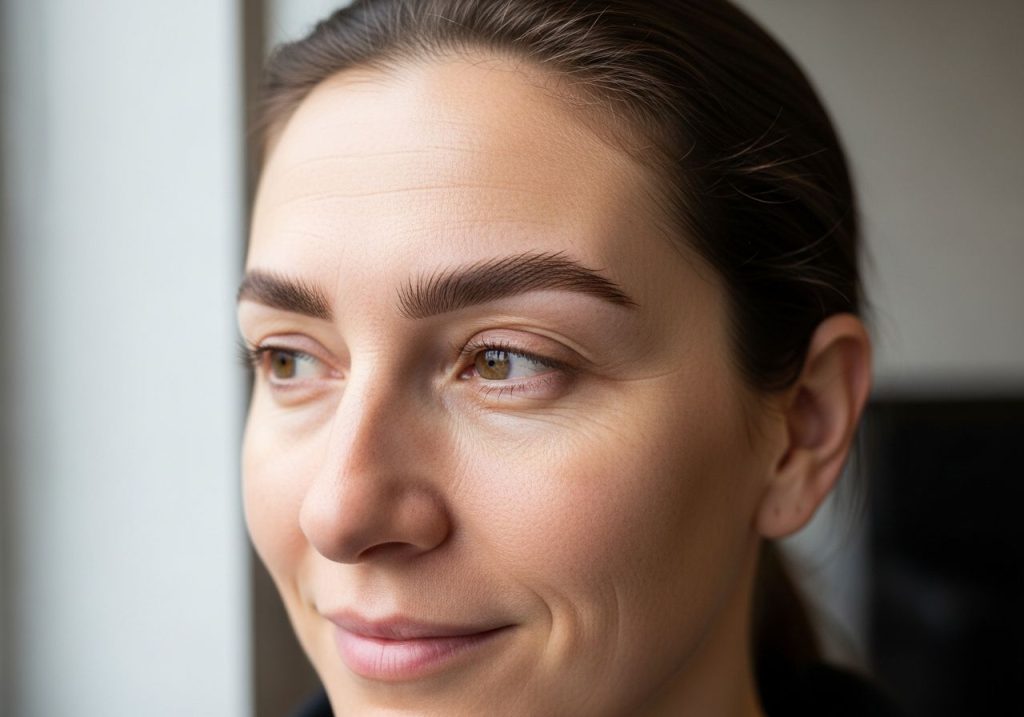
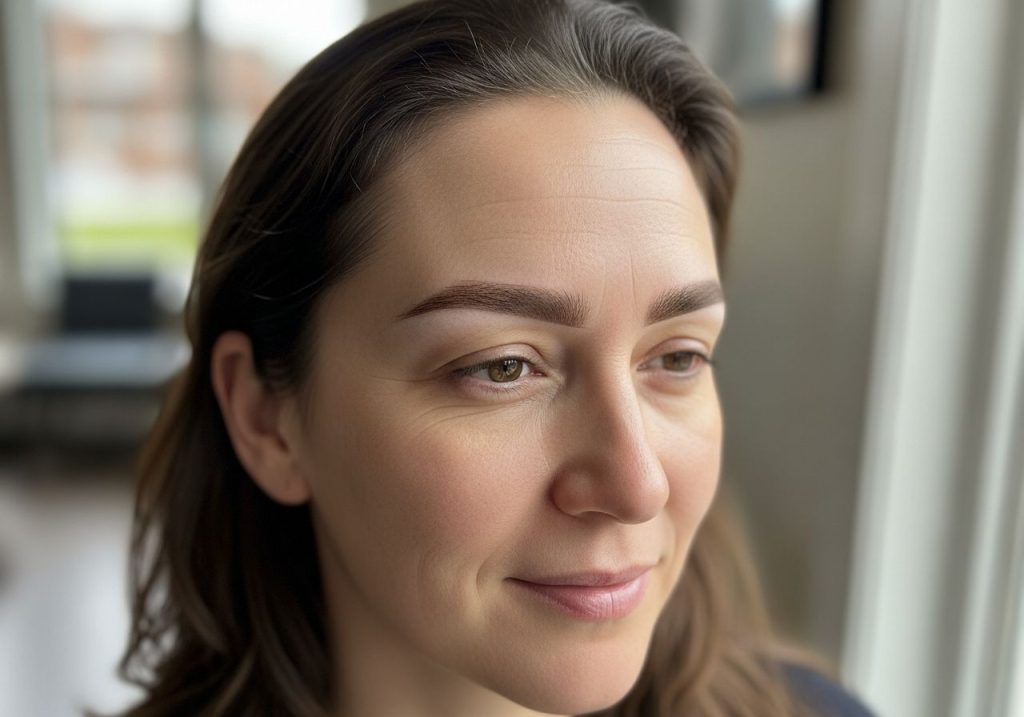
This is where things start looking good again. From around week four, the skin’s texture normalises and a warmer, richer tone begins reappearing as the healed pigment rises back to the surface. The powdery, soft-shaded finish that ombre brows are known for becomes visible properly for the first time.
Some patchiness at this stage is still expected, particularly at the front or tail of the brow where pigment tends to hold less consistently on first pass. This is exactly what the follow-up perfecting session, usually booked around week six to eight, is designed to correct. It’s a standard part of the process, not a sign the first session went wrong.
How long does the result actually last?
Once fully healed, ombre brows typically hold their colour and shape for 18 months to three years before a top-up is needed, depending on your skin type, sun exposure, and how quickly your skin cell turnover runs. Oilier skin tends to soften pigment faster than dry or normal skin, sometimes needing a refresh closer to the 12 to 18 month mark.
Microblading, by comparison, tends to fade faster: most people need a top-up within 12 to 18 months because hair-stroke pigment sits more superficially in the skin. That shallower placement is also why microblading isn’t typically recommended for oily or thicker skin, where strokes can blur into a soft grey shadow well before the ombre technique would fade. If you’re deciding between the two, longevity is often the deciding factor.
Annual or biannual top-ups keep ombre brows looking crisp rather than letting them fade out completely and need a full rebuild from scratch. Think of it as maintenance rather than a redo: a quick refresh session takes far less pigment and time than the original appointment.
Signs that need a professional check, not a panic
Some redness, tightness and light scabbing in week one is expected. What isn’t normal: increasing pain after day three, spreading heat or swelling beyond the brow area, pus, or a fever. Any of those warrant a call to your artist or a GP rather than waiting it out.
Uneven fading that leaves one brow visibly patchier than the other by week eight is also worth flagging at your follow-up, though it’s rarely anything urgent. Most unevenness at that stage is simply corrected during the standard perfecting session rather than treated as a problem.
Frequently Asked Questions
How long does the ombre brows healing timeline take from start to finish?
Full healing takes six to eight weeks. The first week involves bold colour and light flaking, weeks two to three bring a lighter “ghosting” phase, and the true, softened colour settles in fully by week six, ready for a perfecting top-up if needed.
Is it normal for ombre brows to look patchy in week two?
Yes. Patchy, lighter-looking brows between days ten and 18 are a normal stage called “ghosting,” caused by surface pigment shedding before the deeper colour resurfaces. It typically resolves on its own by week four without any intervention needed.
How long does microblading last compared with ombre brows?
Microblading typically lasts 12 to 18 months before fading noticeably, since the pigment sits more superficially in the skin. Ombre brows generally hold for 18 months to three years, making them the longer-lasting option, particularly for oilier skin types.
When can I wear makeup after ombre brows?
Avoid makeup directly on the brow area for at least seven to ten days while the skin heals and flakes naturally. Applying products too early can introduce bacteria, disrupt pigment retention, and lead to uneven colour once fully healed.
Why do my ombre brows look darker in the first week?
Fresh pigment always appears two to three shades darker immediately after the session due to slight swelling and surface oxidation. This darkness fades naturally as the skin heals, settling into a softer, truer tone by around week six.
Ready to talk it through?
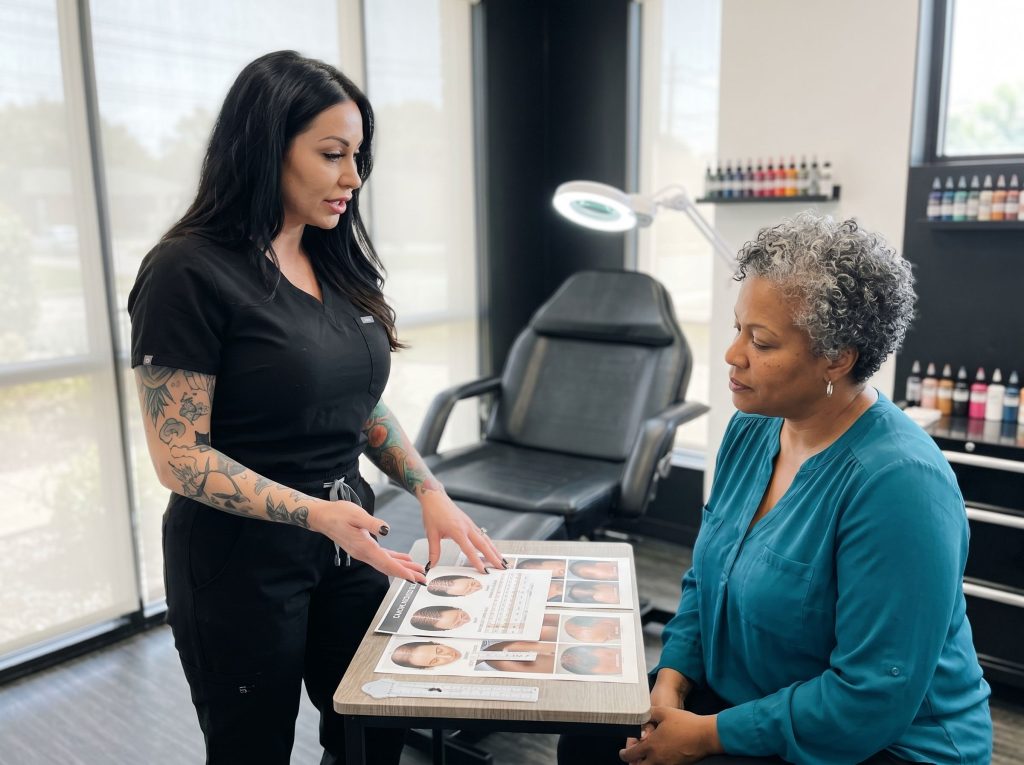
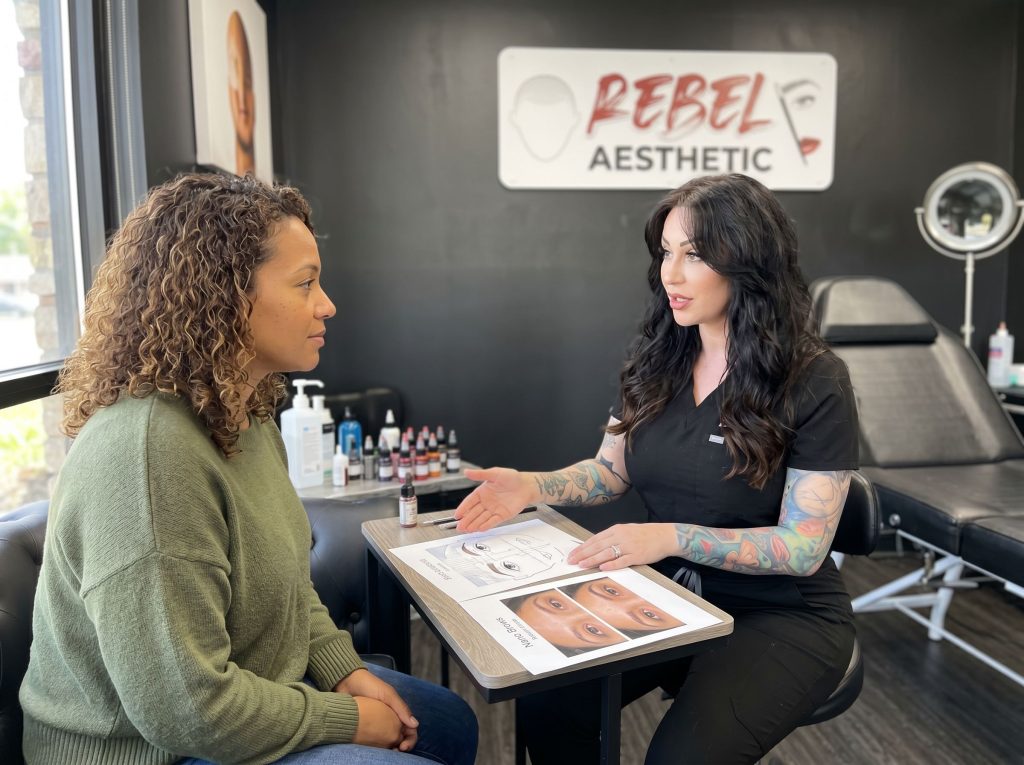
Rebel Aesthetic in Philadelphia offers a personal consultation to answer your questions and recommend the right approach for you. Get in touch with Rebel Aesthetic to book your consultation.