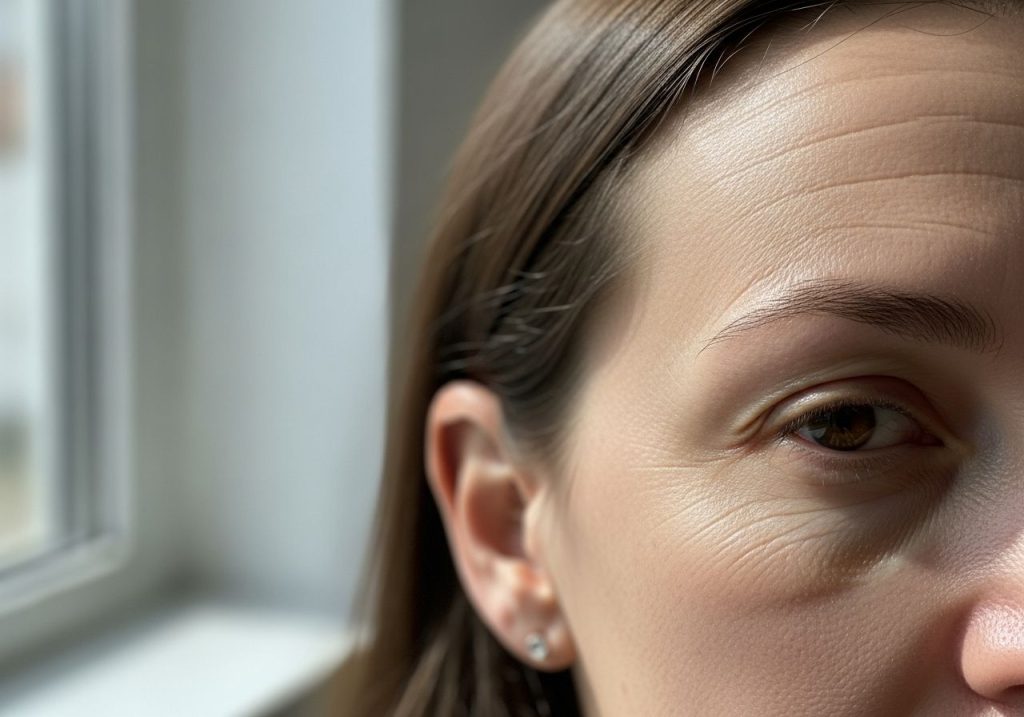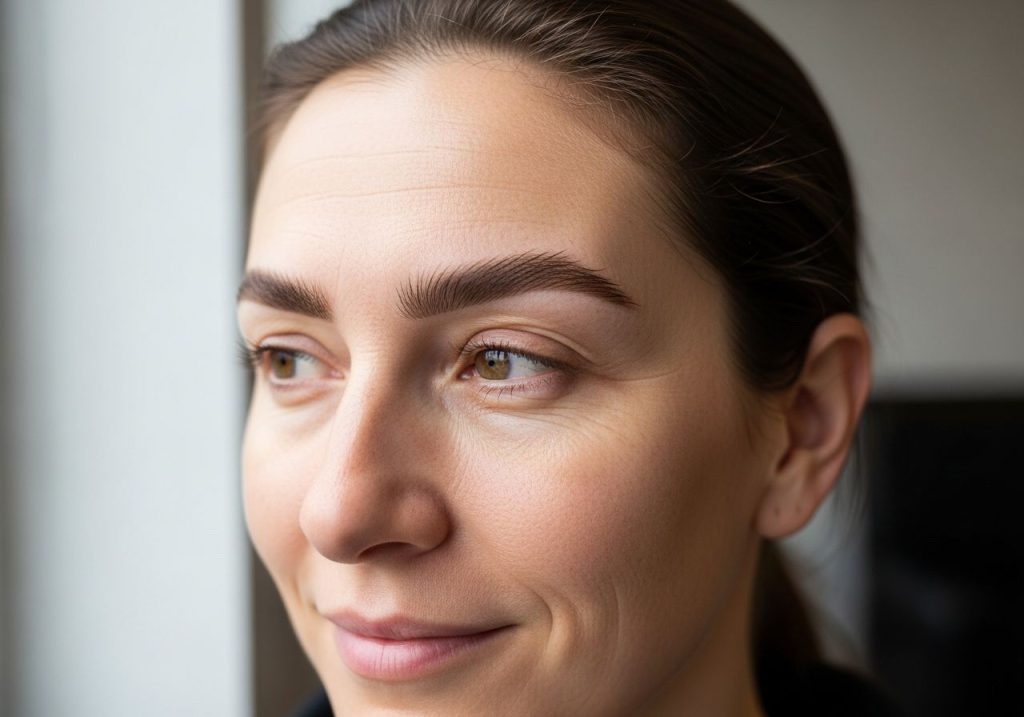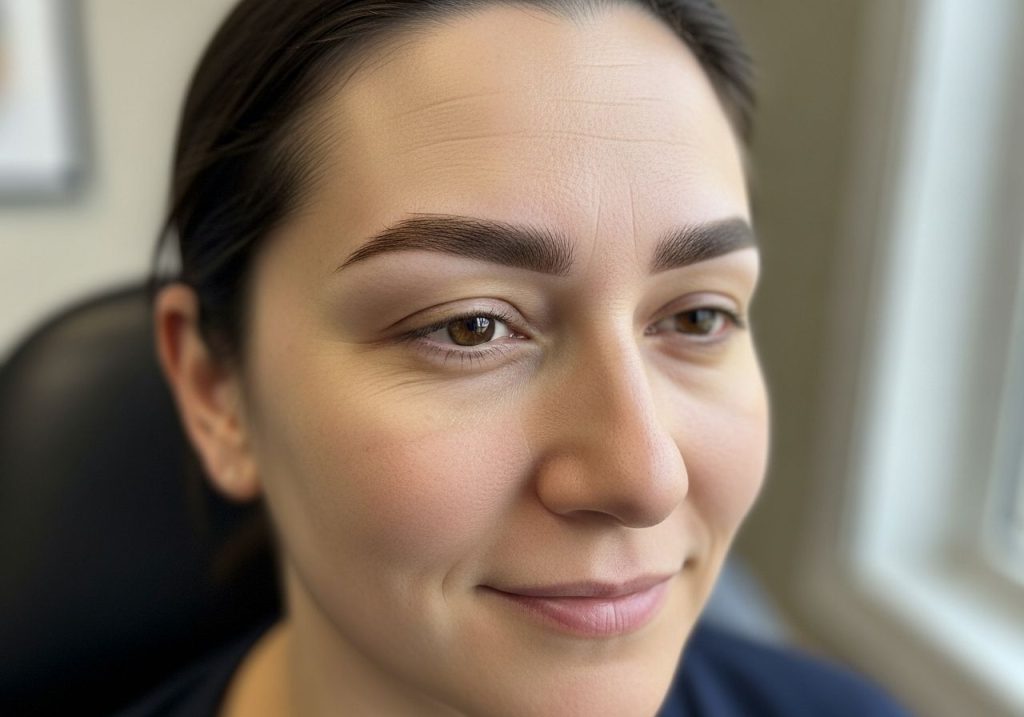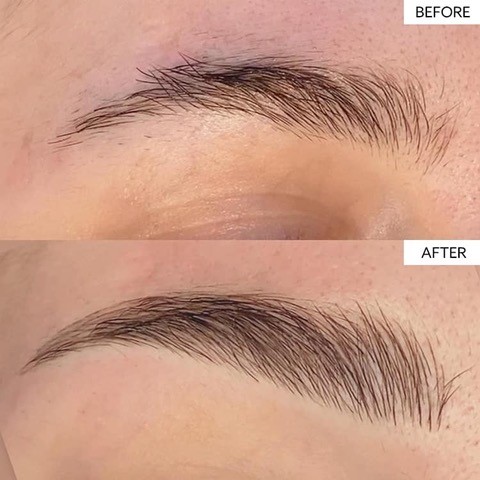
You’ve scrolled through dozens of before and after photos and you’re still not sure what your own result would look like. Diffuse thinning, a receding hairline, and a bald patch you’ve been covering for years don’t all respond in the same way. Here’s what actually changes, what stays the same, and how to read those photos properly.
Scalp micropigmentation before and after results for women depend on the type of hair loss being treated, not just the technique used. Diffuse thinning across the crown responds differently to pigment work than a sharply defined patch of alopecia, and a receding hairline is a different job again. Understanding which category you fall into is the single biggest predictor of how your own results will look.
1. Diffuse thinning shows subtle change, not dramatic transformation
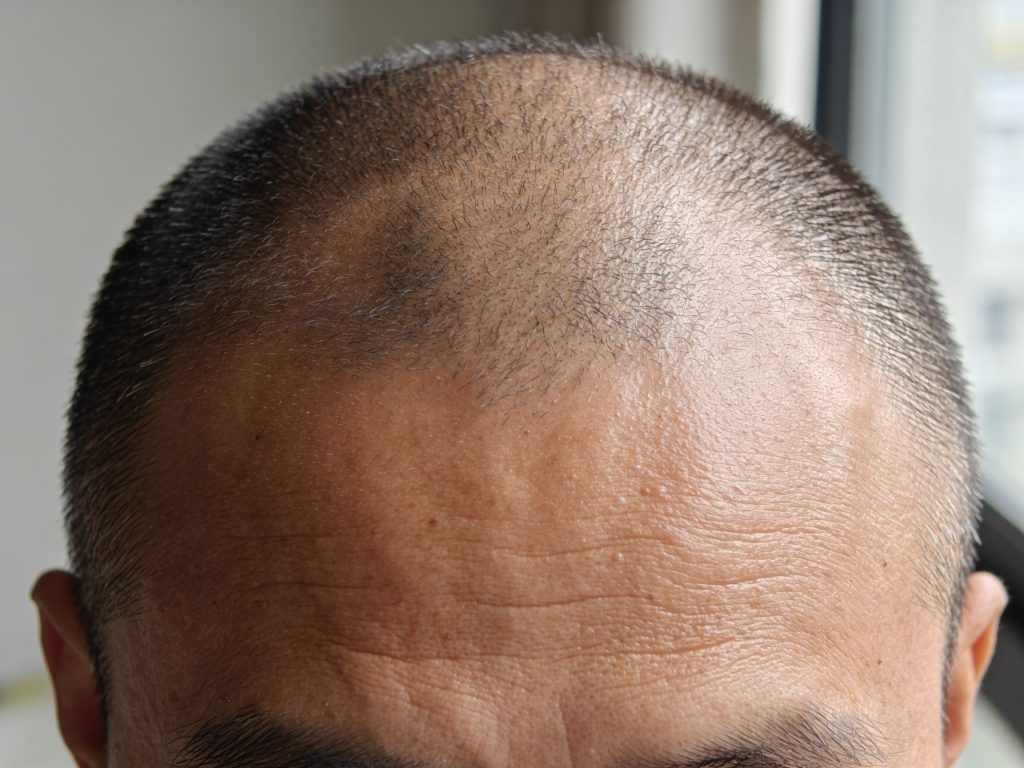
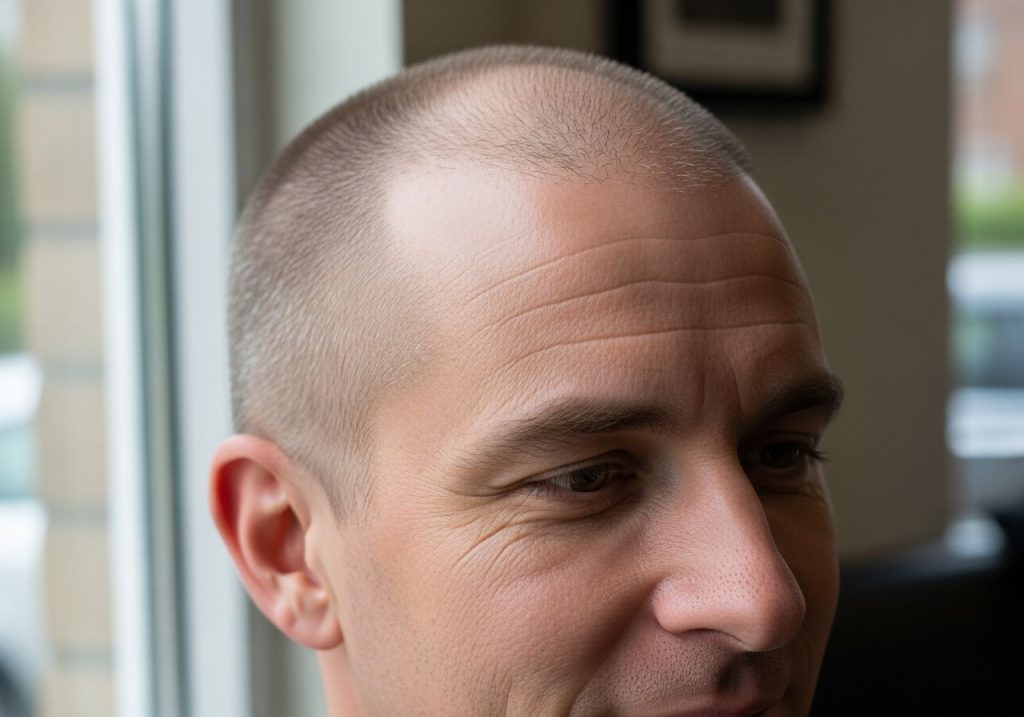
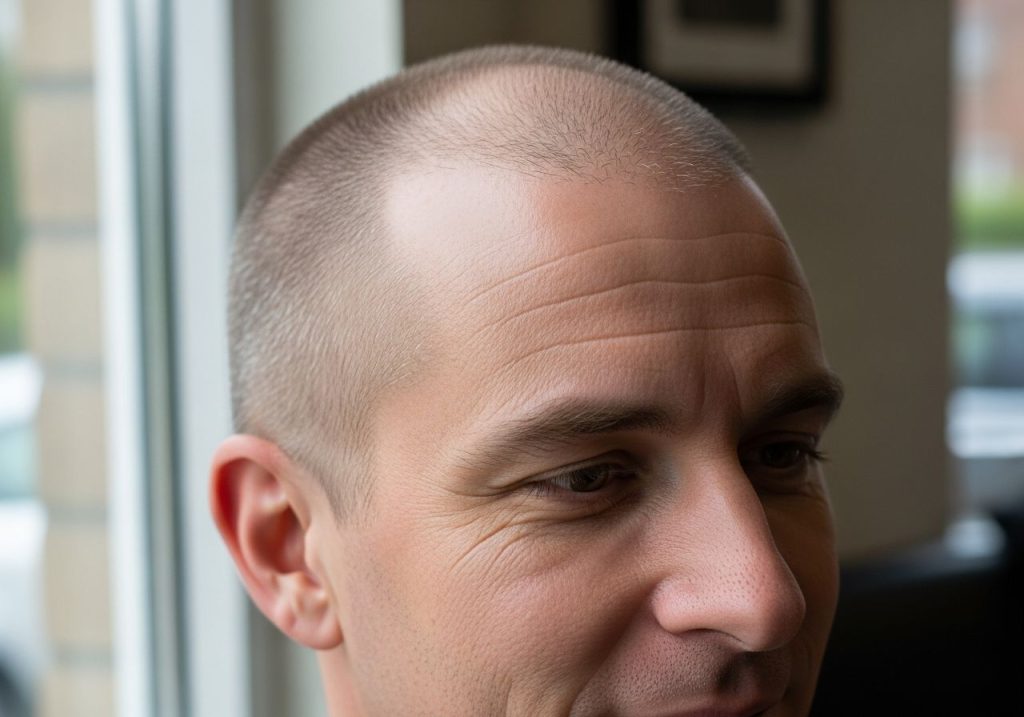
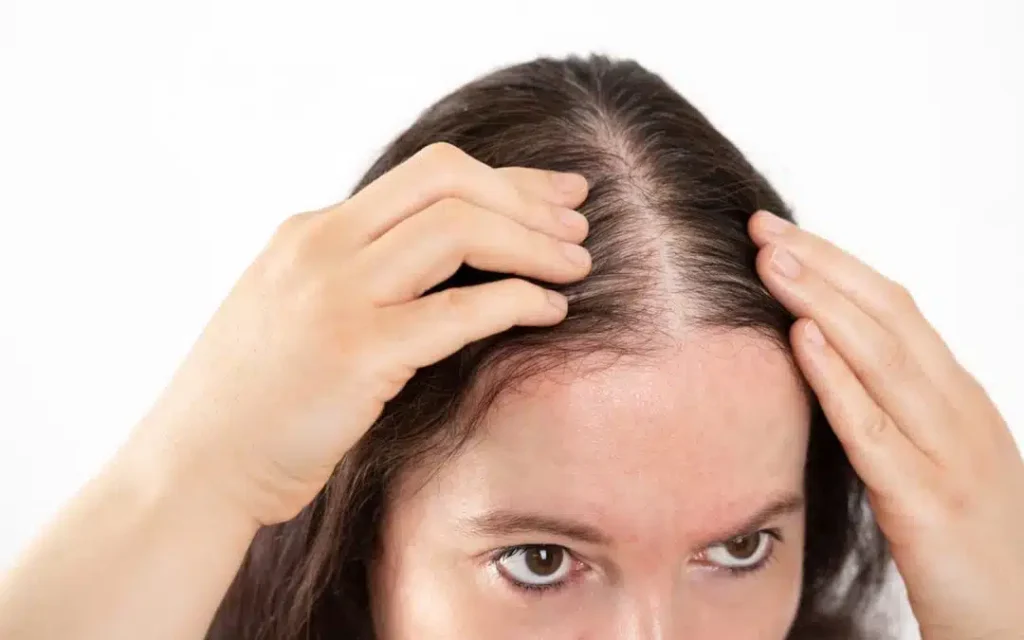
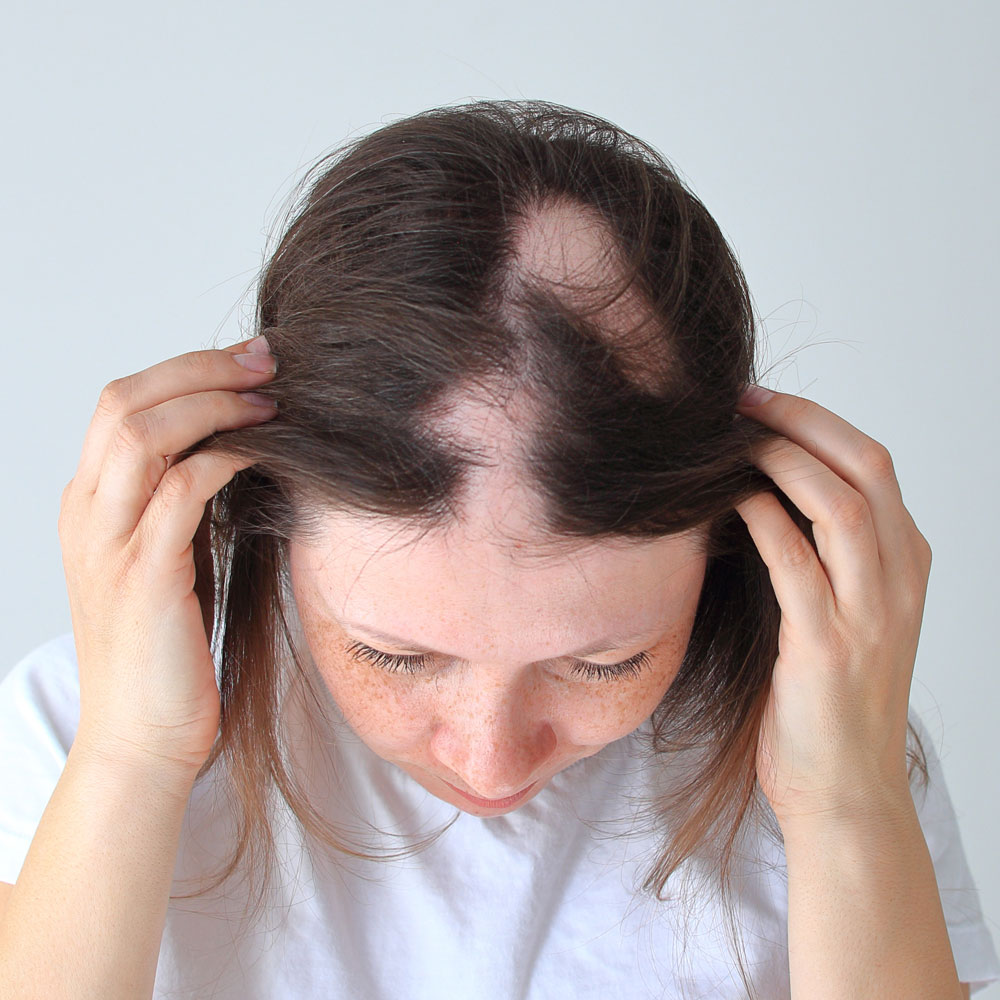
If your hair loss looks like gradual see-through thinning across the crown or part line, rather than a bald patch, your before and after photos will look understated. That’s not a limitation of the treatment, it’s the nature of the problem being solved. SMP fills in the gaps between existing hairs with tiny pigment deposits that mimic follicles, so the scalp reads as denser without a stark line of contrast anywhere.
Female pattern hair loss affects roughly one in three women and tends to be diffuse, without the DHT-driven progression seen in male pattern baldness. It rarely clears the frontal hairline completely. For this group, the most convincing before and afters are taken under the same lighting and at the same part width, because the change is about reduced scalp show-through rather than a dramatic new outline.
2. Defined bald patches and scarring alopecia produce the most striking contrast
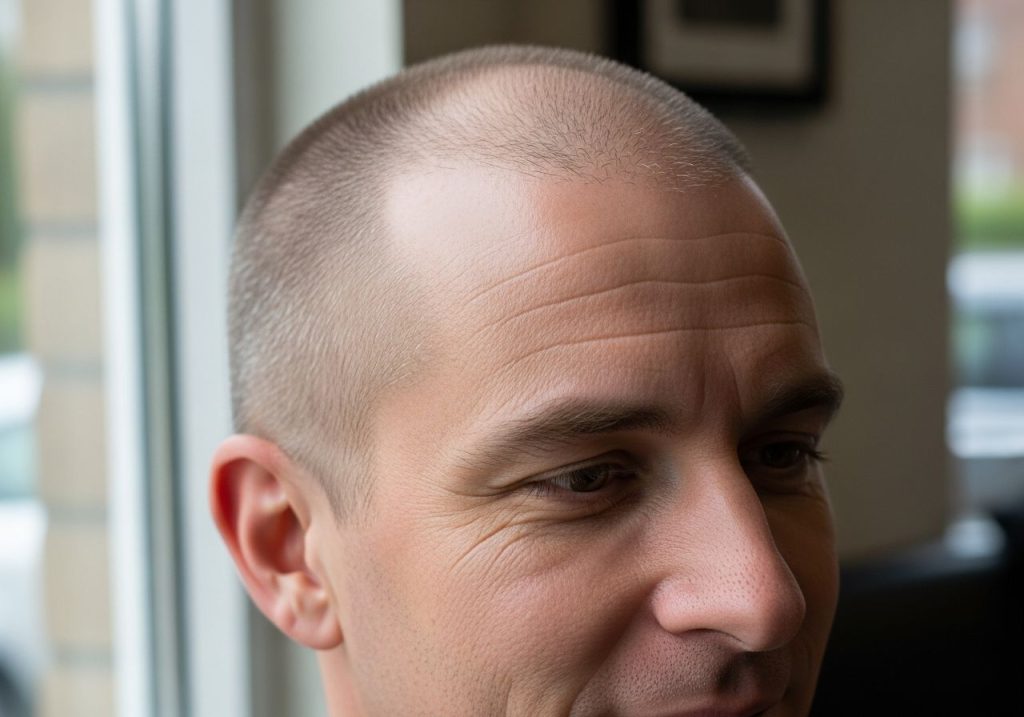
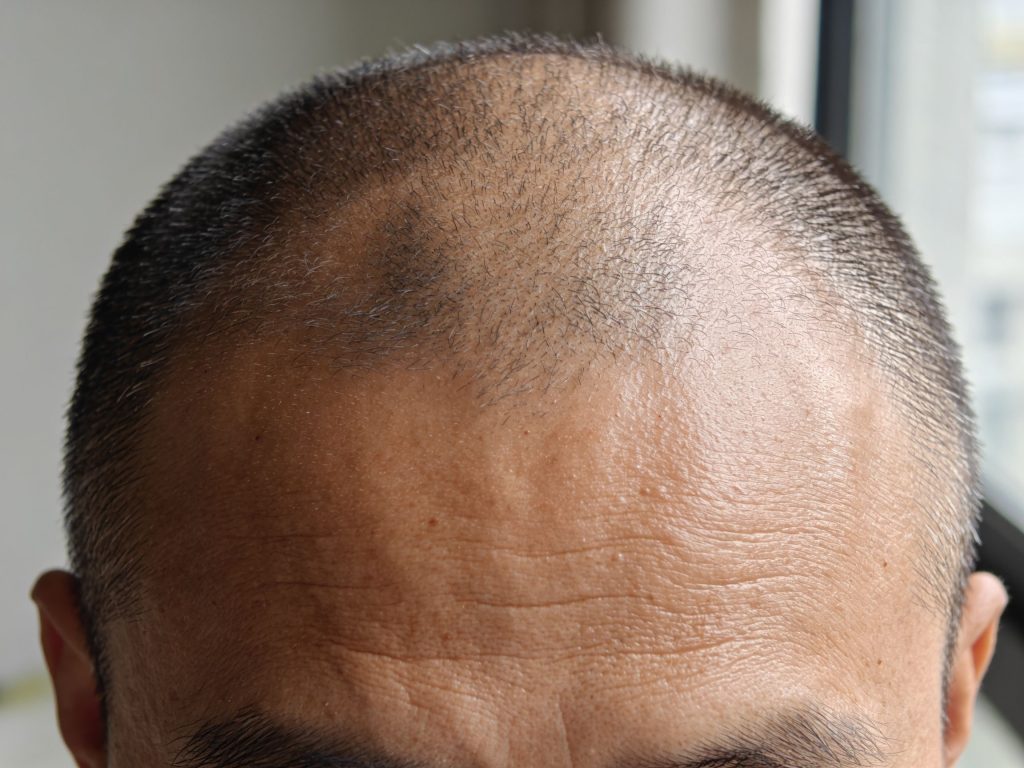
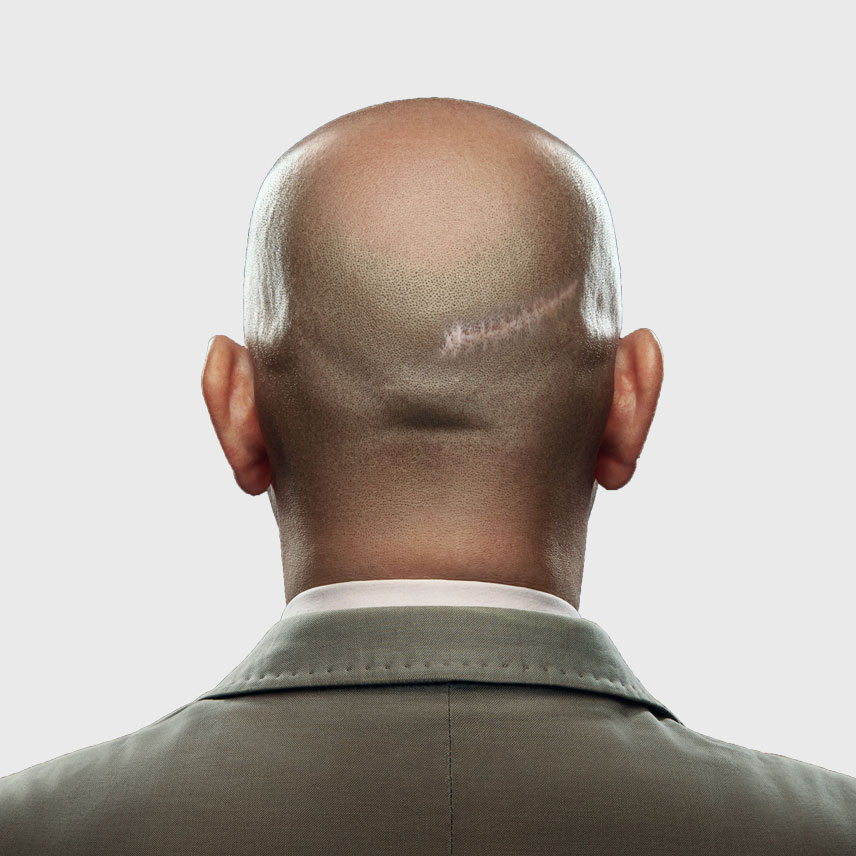
Alopecia areata, alopecia totalis and scarring alopecias create clearly bordered areas where no hair grows at all. These cases photograph the most dramatically because the pigment work has a defined boundary to blend into surrounding hair, creating an obvious before and after contrast that diffuse thinning simply won’t show.
A 2025 case series tracking ten patients found visual density scores averaging 8.7 out of 10 immediately after treatment, though scarring alopecia cases faded somewhat faster than androgenetic thinning by the six-month mark. If you’re comparing your own expected results to online galleries, check whether the “after” photo you’re admiring belongs to someone with a scar or patch, not general thinning, because the techniques and outcomes aren’t interchangeable.
3. Hairline recession needs restraint, not a dramatically lower hairline
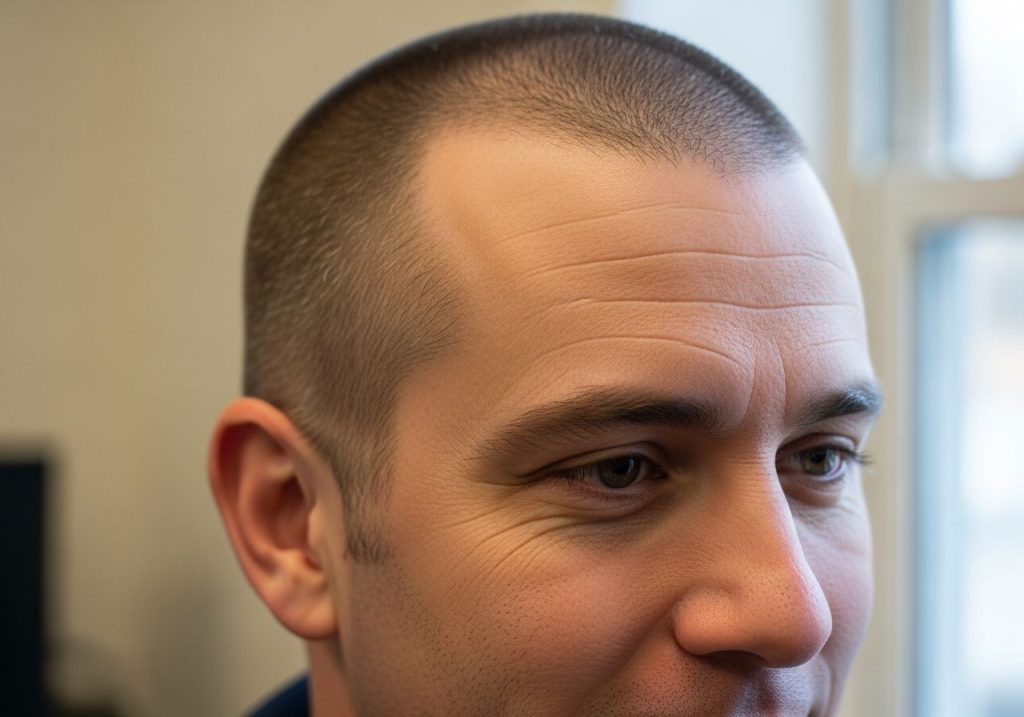
Women considering SMP for a receding or thinning hairline often expect the same aggressive, low, dense hairline reconstruction seen in men’s before and after photos. That approach looks wrong on a female hairline. Women’s hairlines are typically softer, slightly irregular, and framed with shorter baby hairs at the edges, and a skilled artist will replicate that irregularity rather than drawing a solid line.
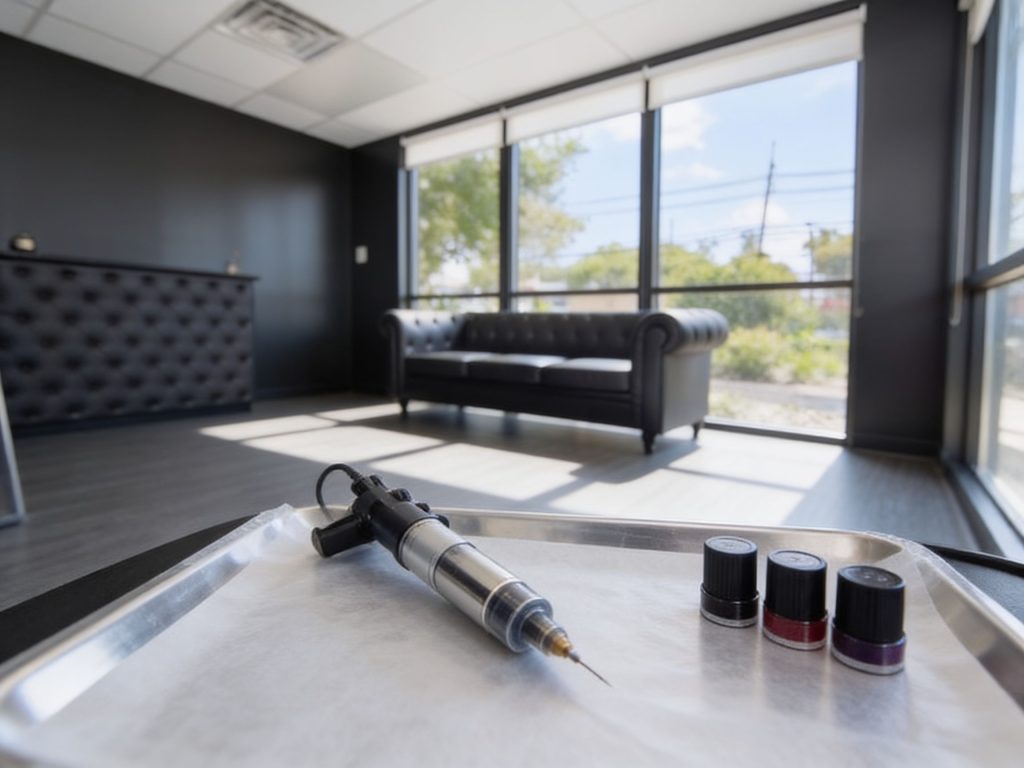
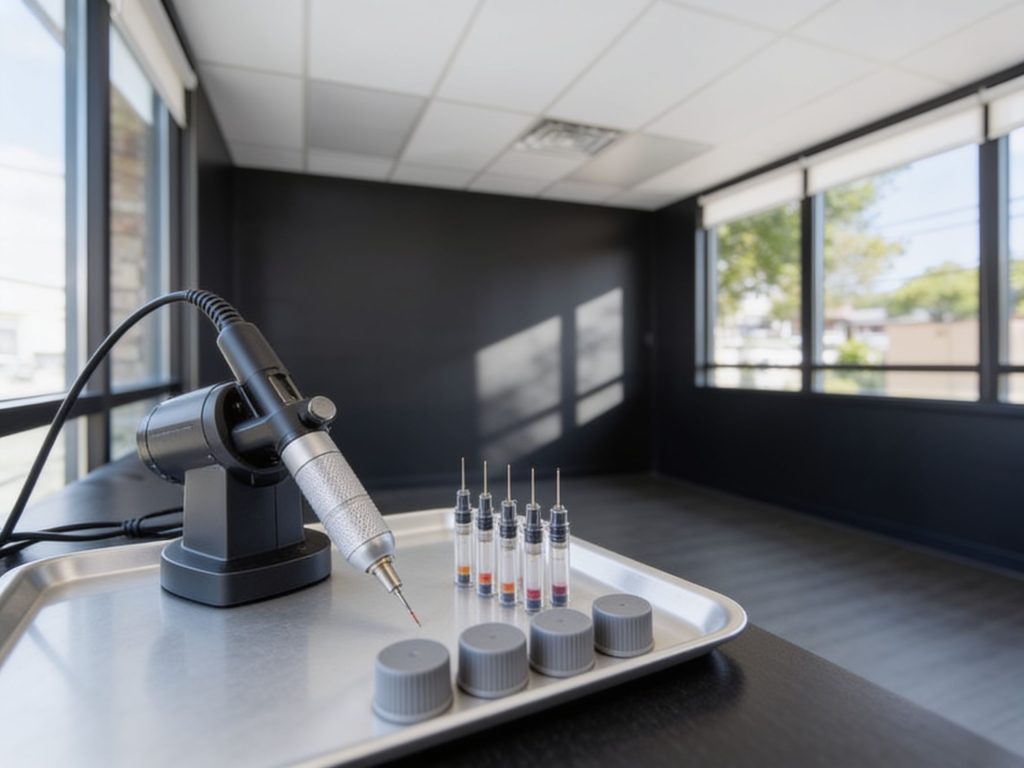
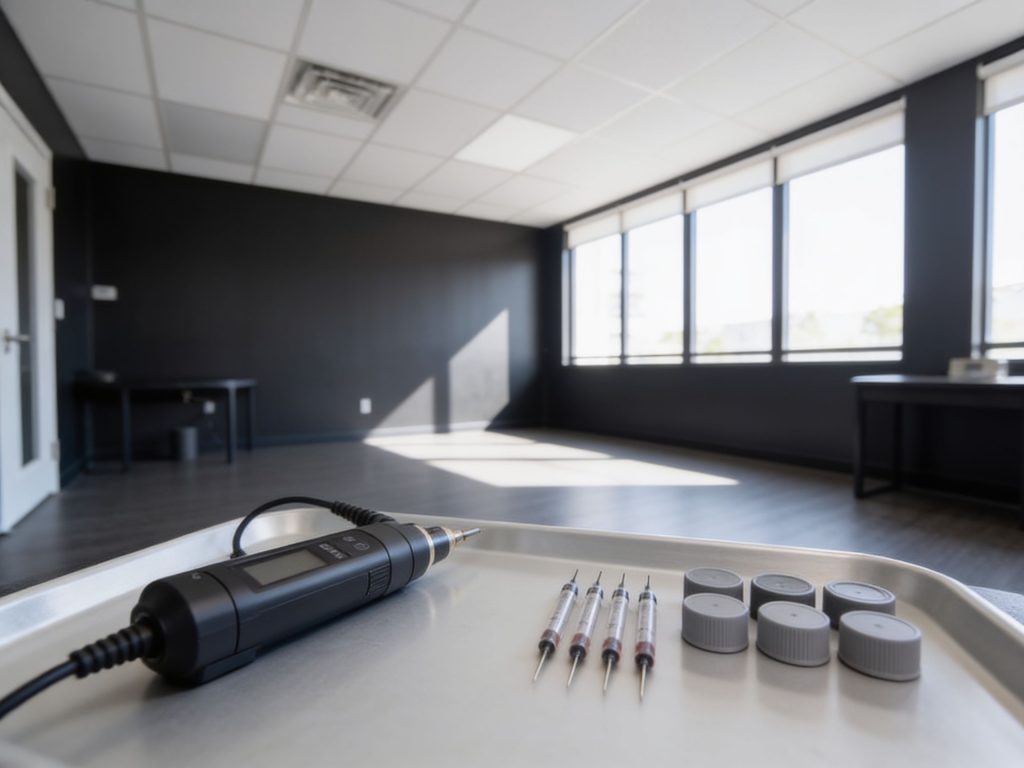
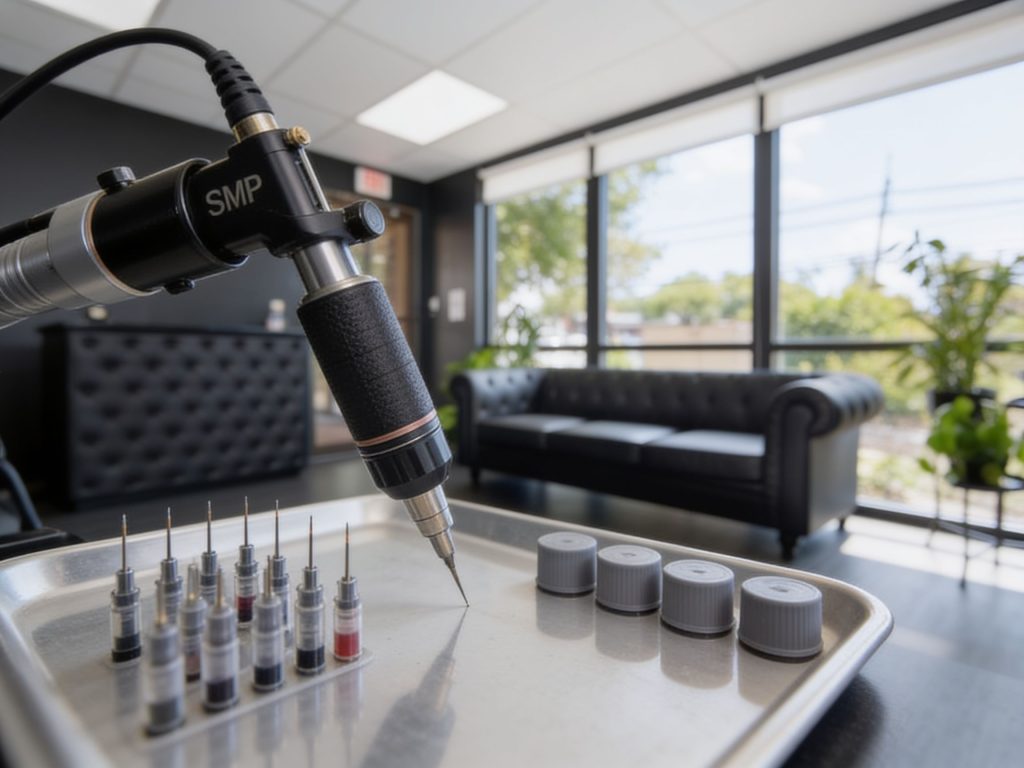
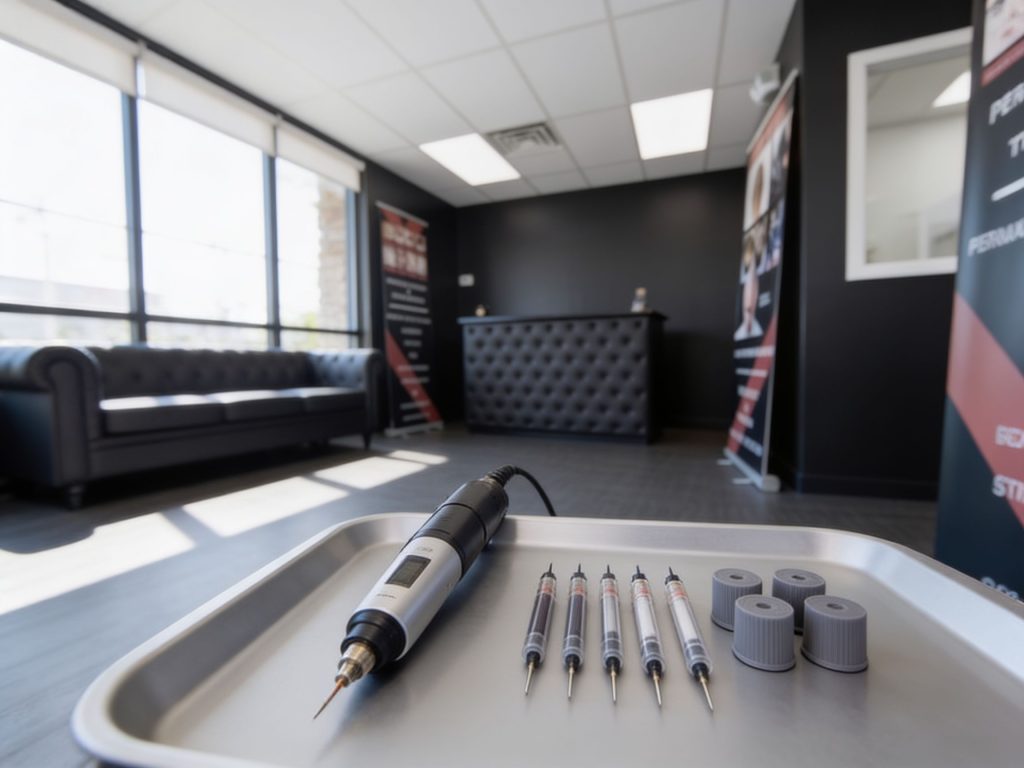
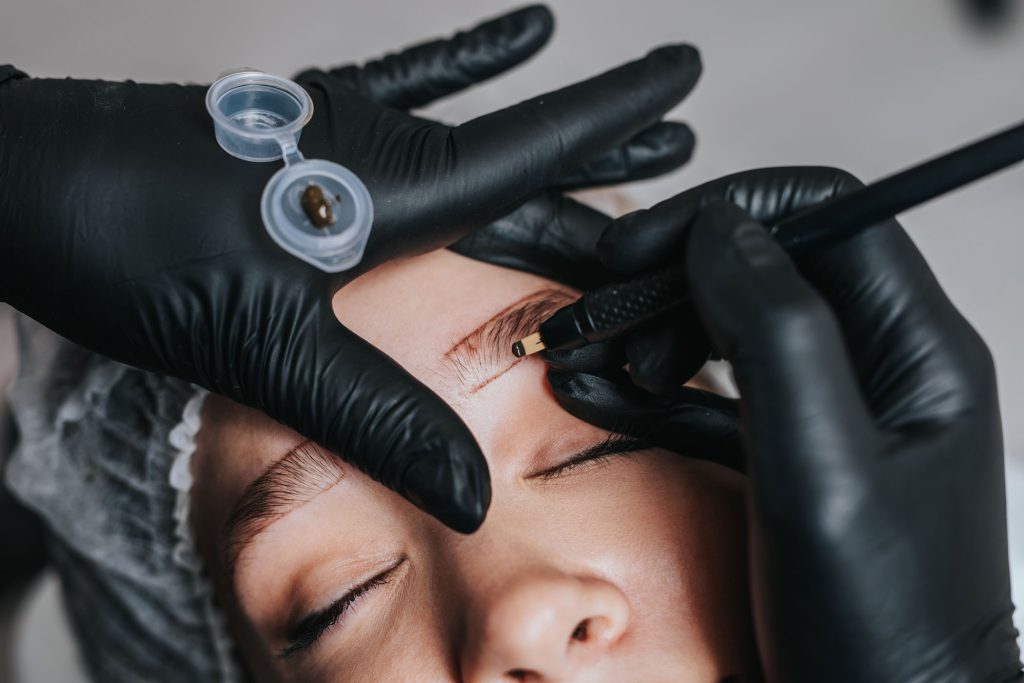
The needle work reflects this too. A single-point needle around 0.2mm is used for hairline borders specifically because it lays down finer, softer dots than the denser triple-point needle used across the crown or vertex. Get this wrong and the hairline reads as obviously drawn on, even in photos.
4. Density is an illusion, not new hair growth
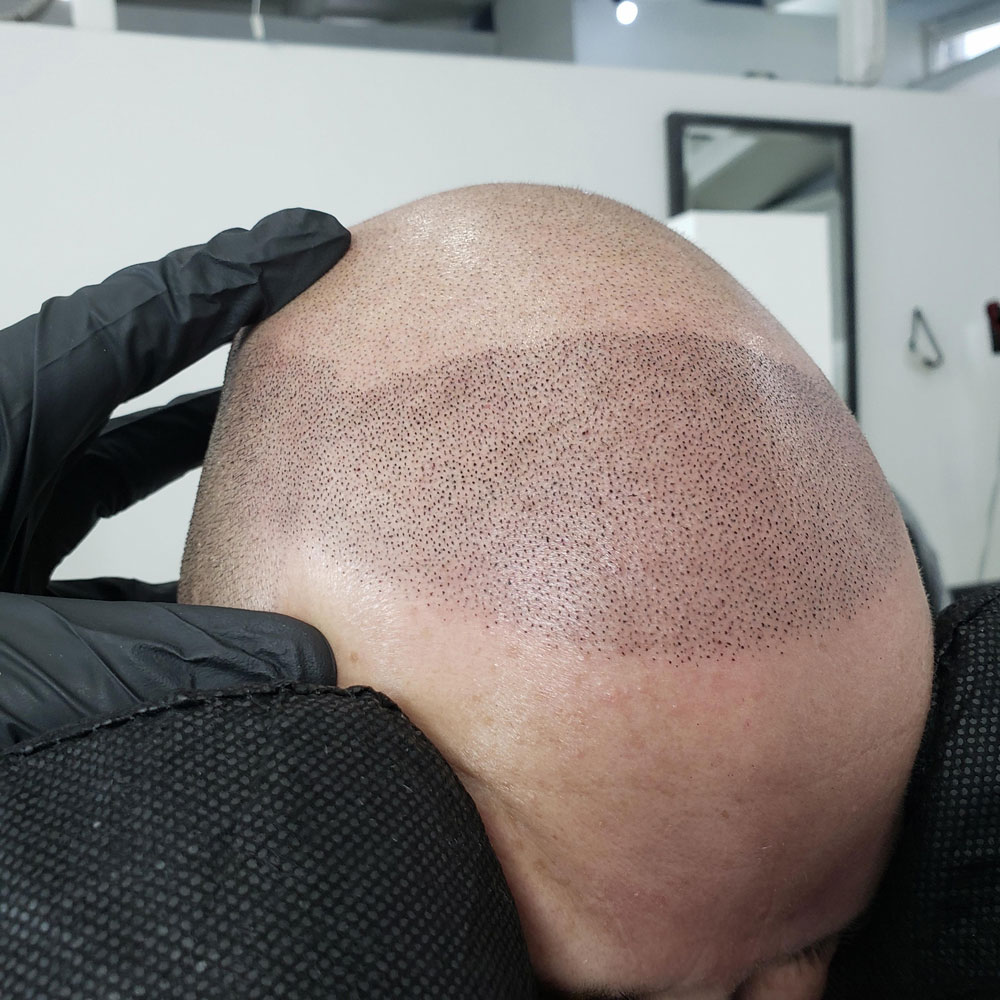
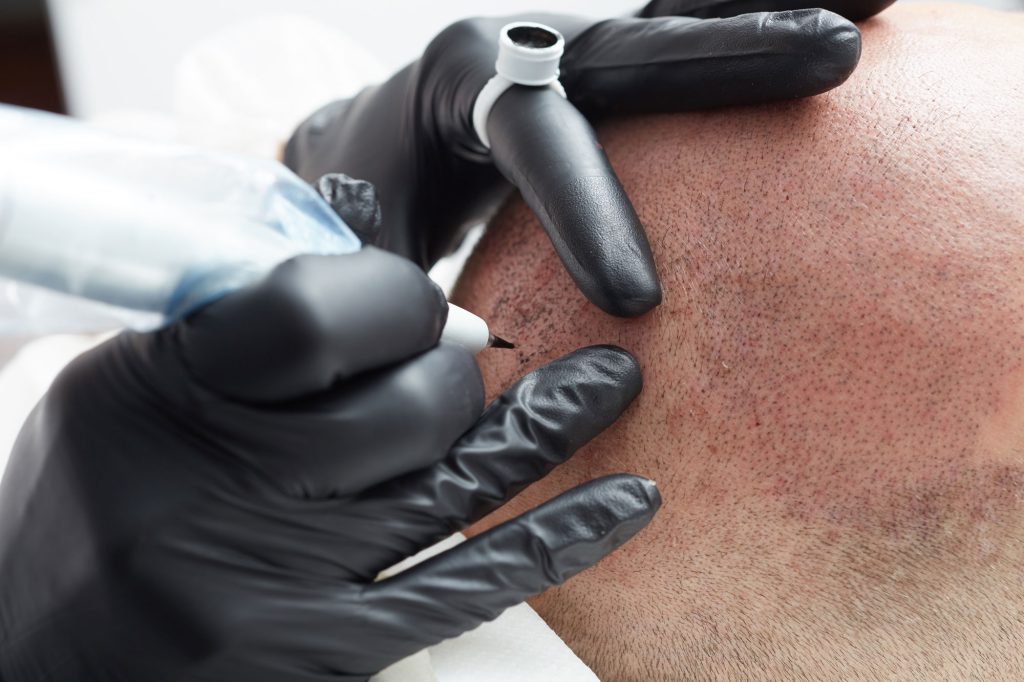
This is the part every prospective client needs to hear plainly. Medical micropigmentation does not regrow hair, thicken existing strands, or reactivate dormant follicles. It deposits pigment at the epidermal to upper dermal interface, roughly 1.5 to 2 millimetres deep, in a stippling pattern that the eye reads as follicles among your real hair.
Density builds across sessions, not within one. Early sessions sit around 40 dots per square centimetre, building to 80 or 100 dots per square centimetre by the final session, which is why your first appointment will look noticeably lighter than your third. The visual density illusion improves with each pass, but the underlying hair loss mechanism, whatever caused it, remains unaffected.
5. Lighting and camera angle change how healed results photograph
The same head of pigment work can look completely different depending on where it’s photographed. Overhead fluorescent lighting, common in clinics, flattens shadows and can make pigment look slightly more visible than it does in natural daylight or soft indoor lighting. Flash photography from close range has a similar effect.
This matters when you’re evaluating before and after galleries. A result photographed under harsh direct light immediately after a session will look different from the same scalp seen three weeks later in natural light, once swelling has settled and the pigment has softened into the skin. Ask any practitioner showing you their portfolio whether the “after” shots were taken immediately post-session or after the 28-day healing period, because that timing changes what you’re actually seeing.
Reading before and after photos with these five factors in mind will tell you far more than a quick scroll ever could. The pattern of your hair loss, not the gallery you’re browsing, is what determines your own realistic result.
Frequently Asked Questions
How long do scalp micropigmentation results last for women?
Results typically last four to eight years before noticeable fading, with touch-ups generally recommended every four to six years. Fading speed depends on skin type, sun exposure and aftercare, with oilier skin and heavy sun exposure accelerating the process compared with drier, more mature skin.
Does scalp micropigmentation regrow hair in women?
No. Scalp micropigmentation does not stimulate hair growth or affect existing follicles. It deposits pigment into the scalp to create the visual impression of density and camouflage the contrast between skin and hair, which is a cosmetic effect rather than a treatment for the underlying hair loss.
How many sessions does scalp micropigmentation take for women with thinning hair?
Most women need two to four sessions, spaced several weeks apart, each lasting one to five hours depending on the area covered. Density is built gradually across sessions, starting lighter and increasing pigment dot density with each appointment until the final result is reached.
Is scalp micropigmentation noticeable in women with diffuse thinning versus bald patches?
Diffuse thinning produces subtler changes since pigment fills gaps between existing hair rather than covering bare skin. Defined bald patches or scarring alopecia show more visible contrast because the pigment work has a clear boundary to blend into, making before and after differences more pronounced.
What does healed scalp micropigmentation look like on women after 30 days?
By day 30, redness and swelling from the sessions have fully settled, and the pigment has softened into a natural, matte finish that mimics hair follicles. Initial redness typically fades within two to three days, but full healing and true colour settling takes the full 28 to 30 day period.
Ready to talk it through?
Rebel Aesthetic in Philadelphia offers a personal consultation to answer your questions and recommend the right approach for you. Get in touch with Rebel Aesthetic to book your consultation.