You’ve looked at dozens of before-and-after photos and you still can’t tell the difference between hairstroke brows and microblading, let alone which one will actually last on your skin. This article breaks down what separates the two techniques so you can walk into a consultation already knowing the right questions to ask. By the end, you’ll understand which option suits your skin type, your lifestyle and the brow shape you actually want.
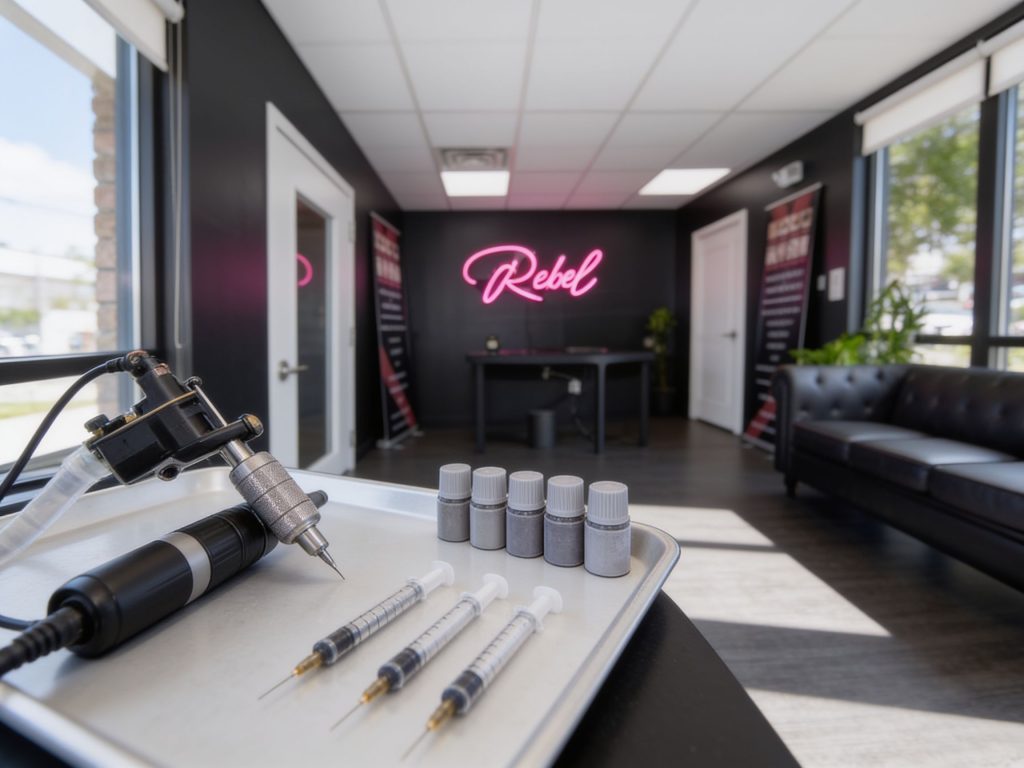
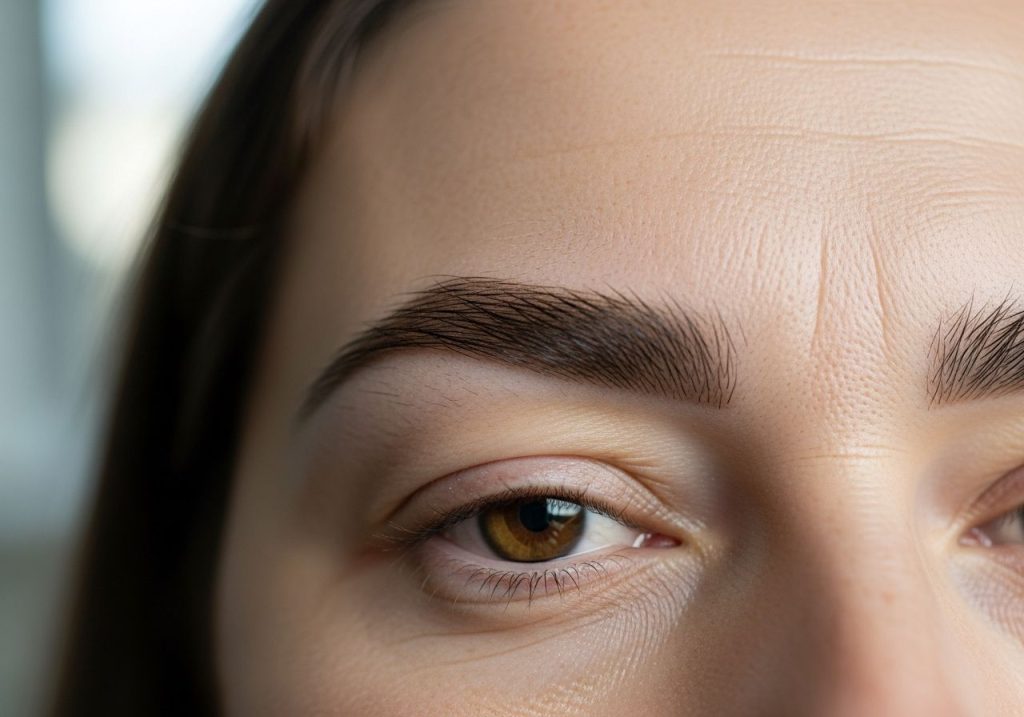
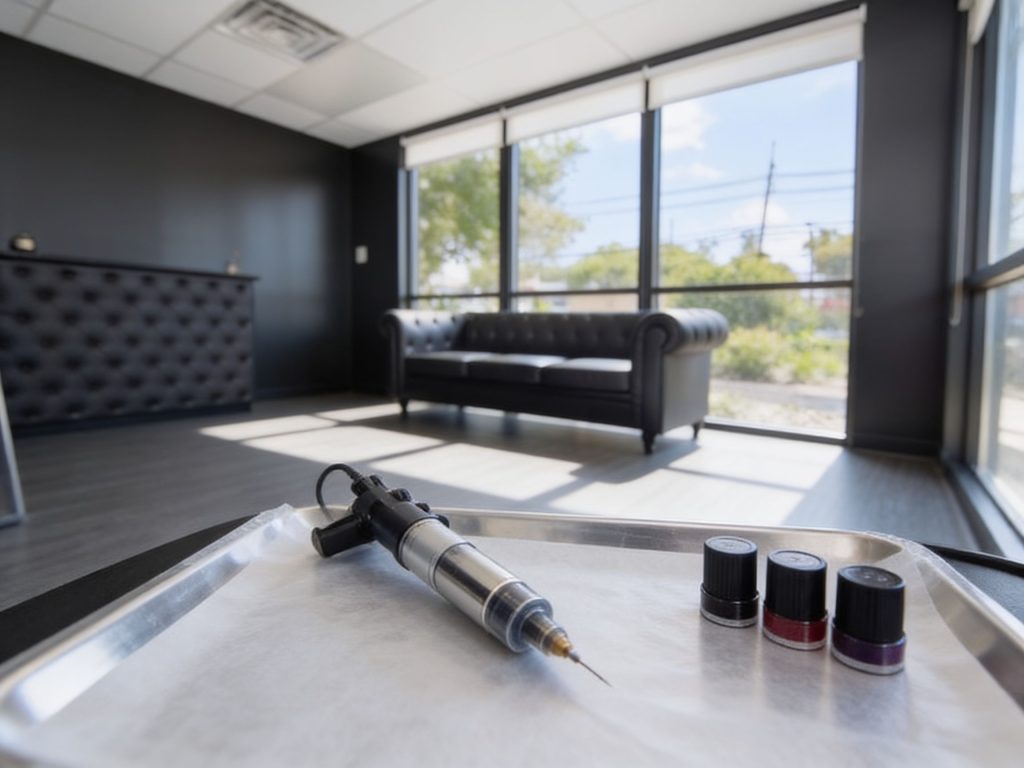
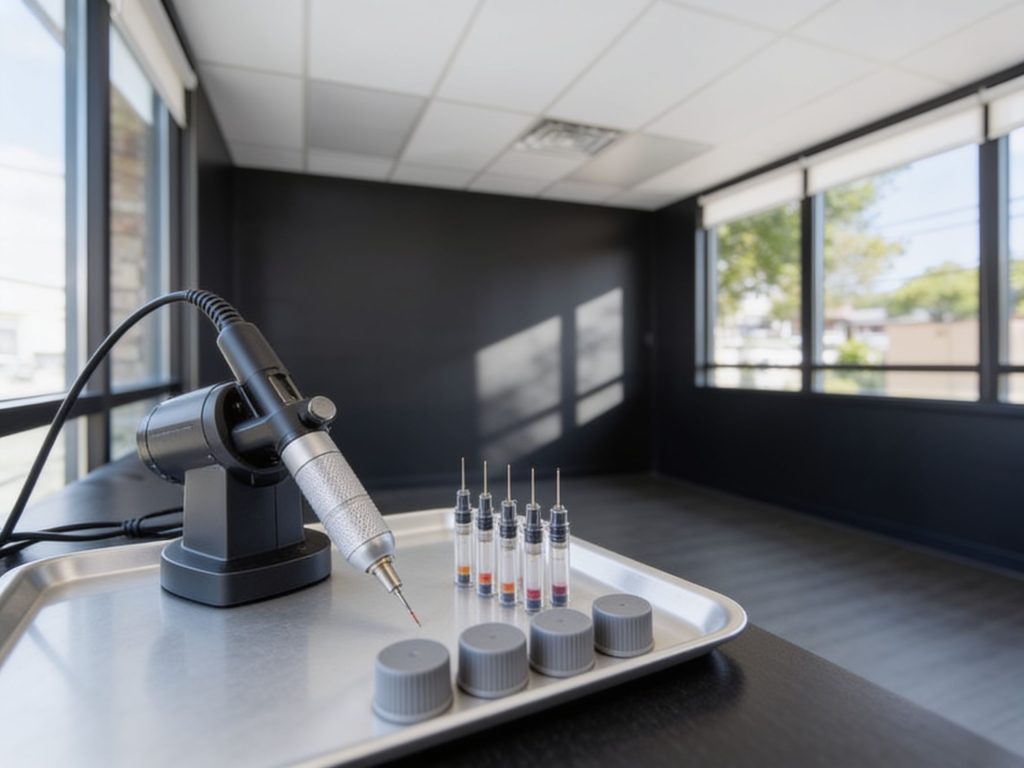
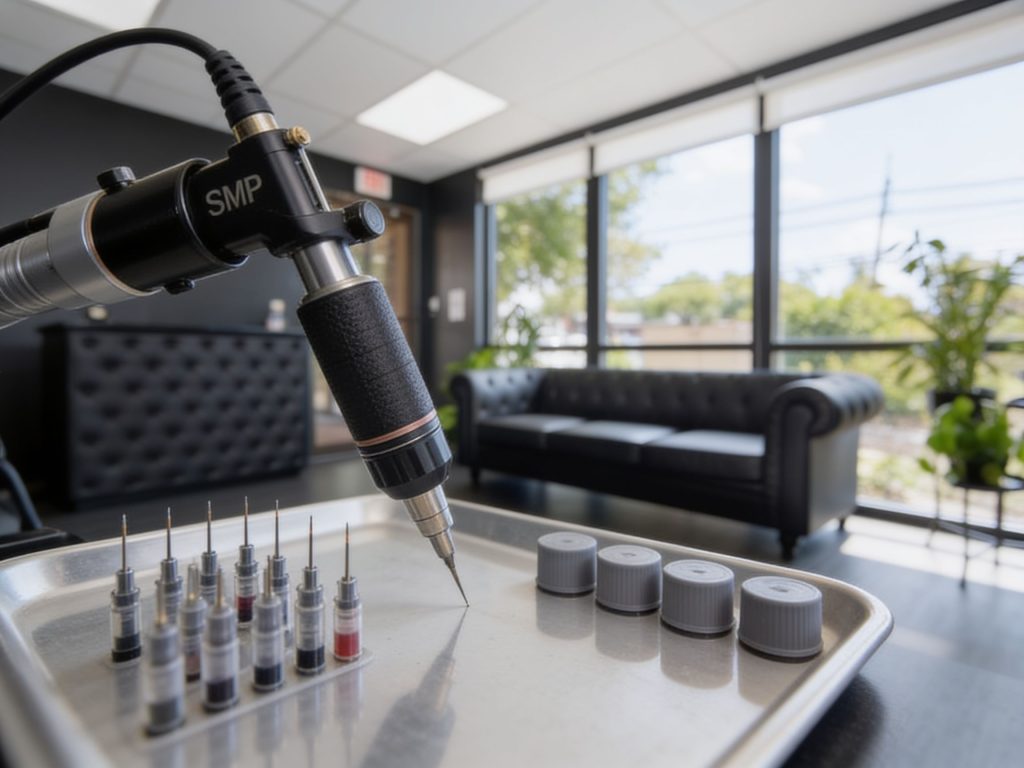
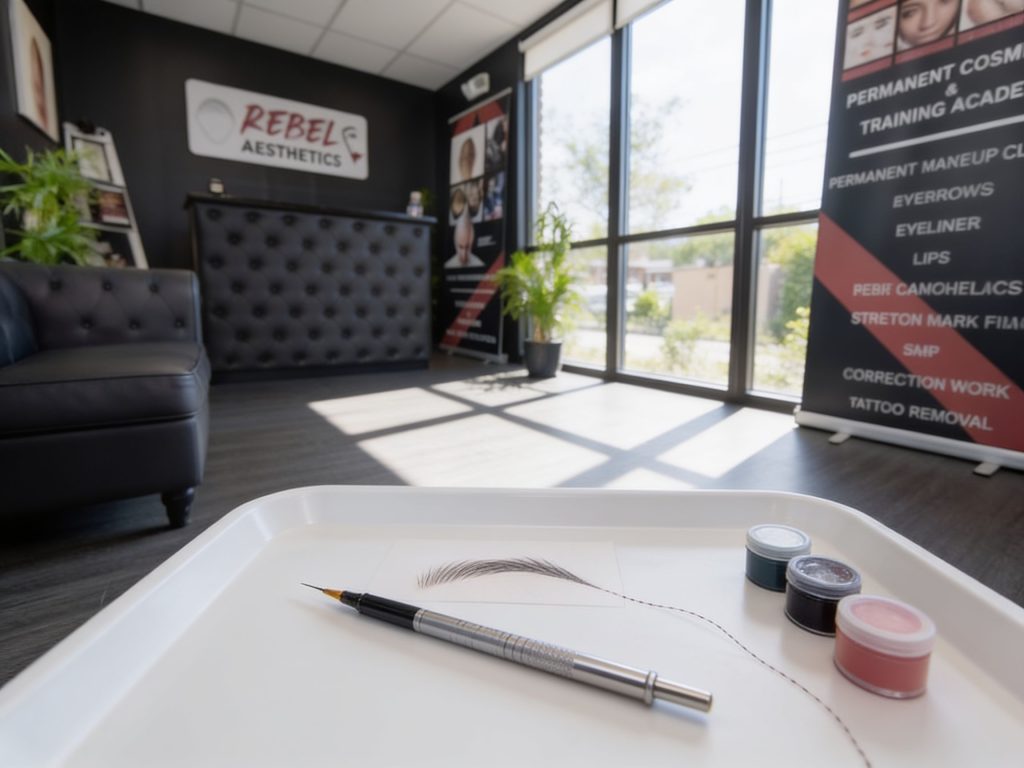
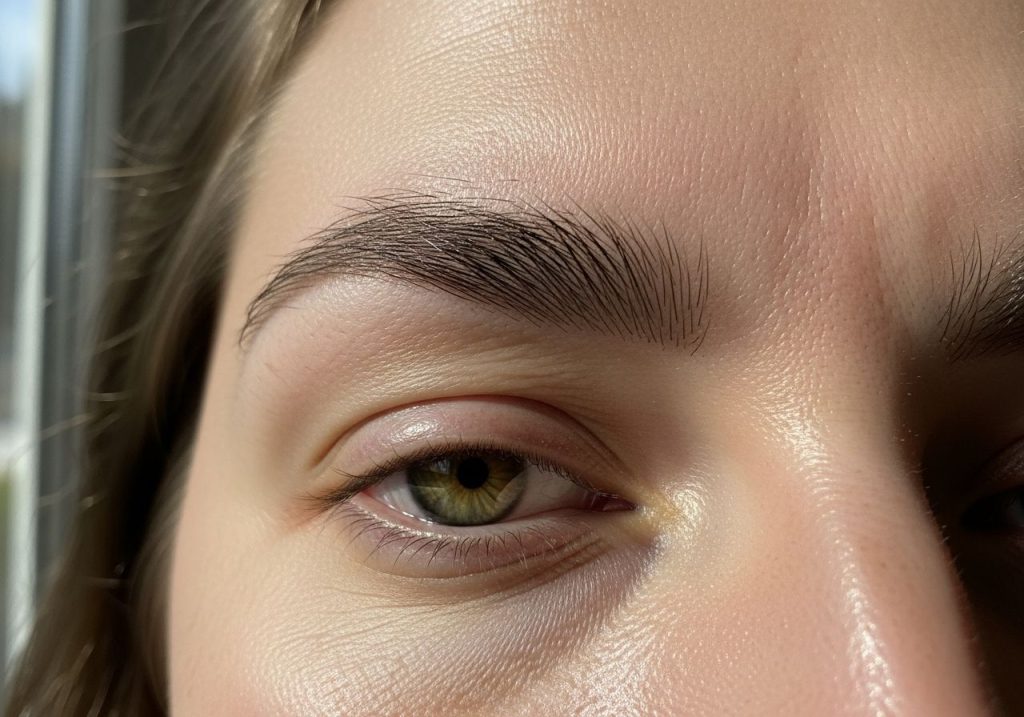
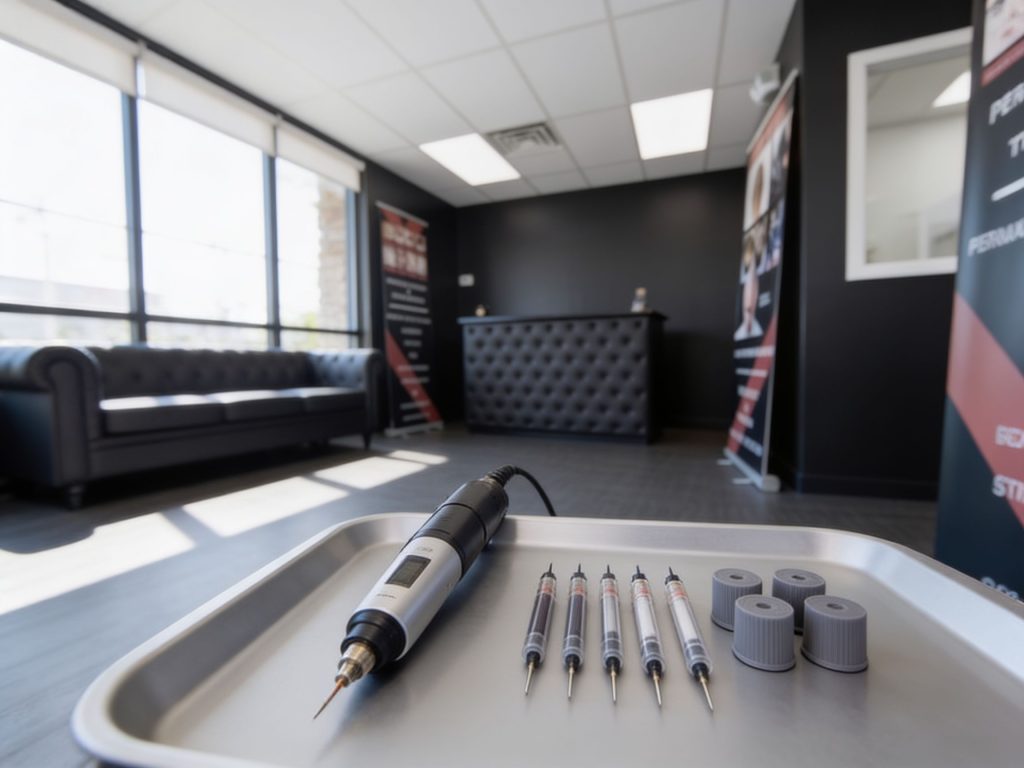
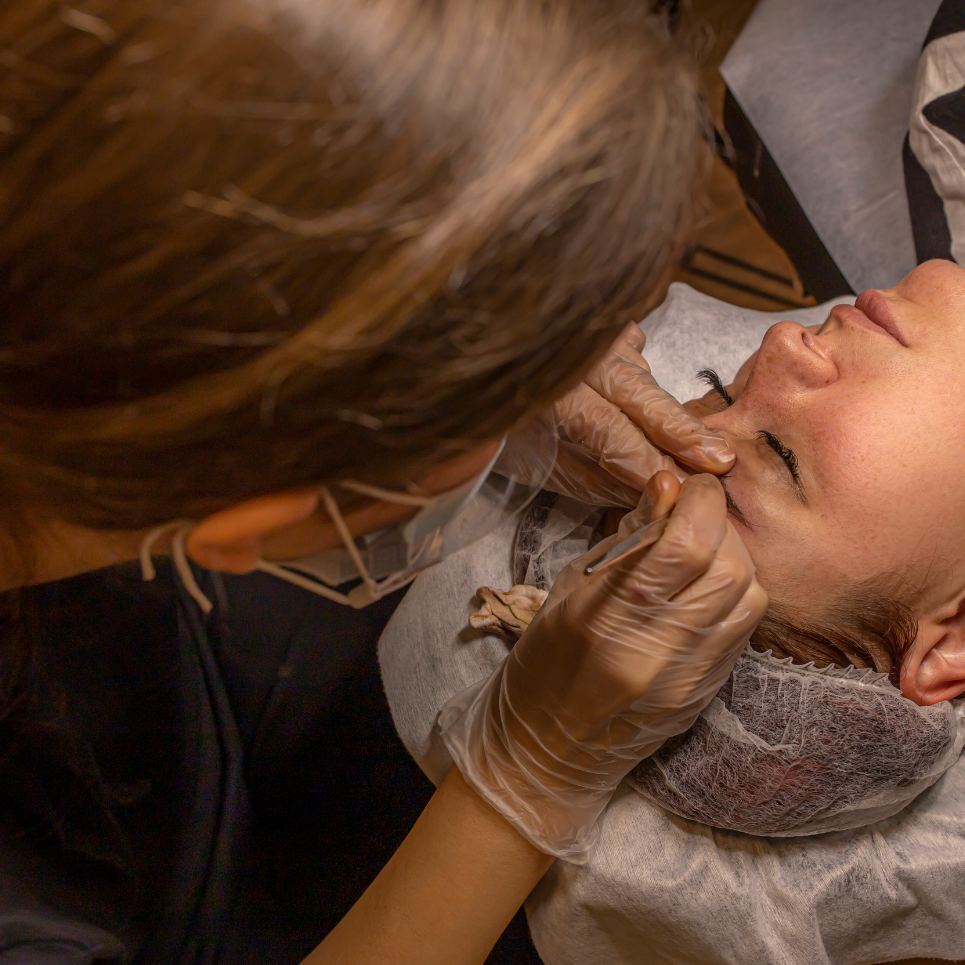
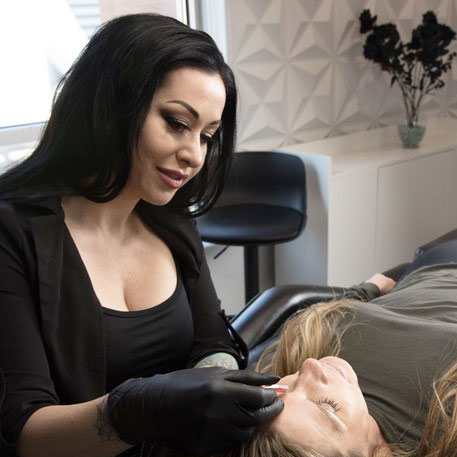
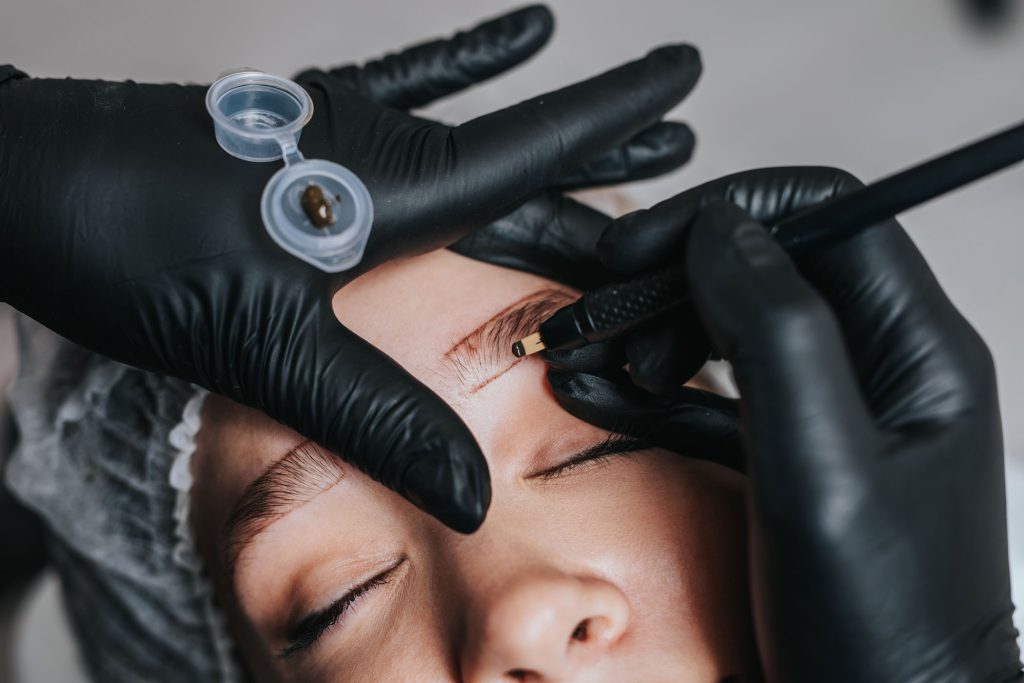
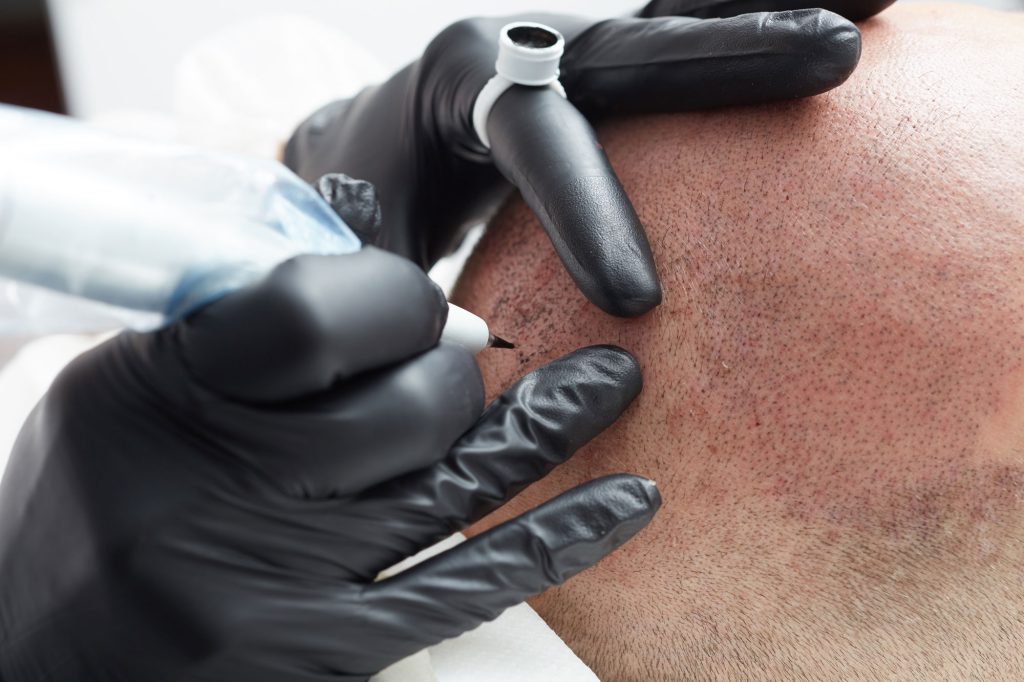
Hairstroke brows and microblading are both cosmetic tattooing techniques that create fine, individual strokes to mimic natural brow hairs, but they use different tools and suit different skin types. Microblading uses a hand-held blade to manually cut pigment into the skin, while hairstroke work is typically done with a digital machine that deposits pigment in a more controlled, consistent way. The right choice for you depends largely on how oily or textured your skin is, and how sharp you need those strokes to stay over time.
I get asked about this comparison in almost every consultation, and it usually comes down to one thing: skin type. Get that part wrong, and even a beautifully designed brow map won’t heal the way you’re hoping.
How skin type changes the outcome
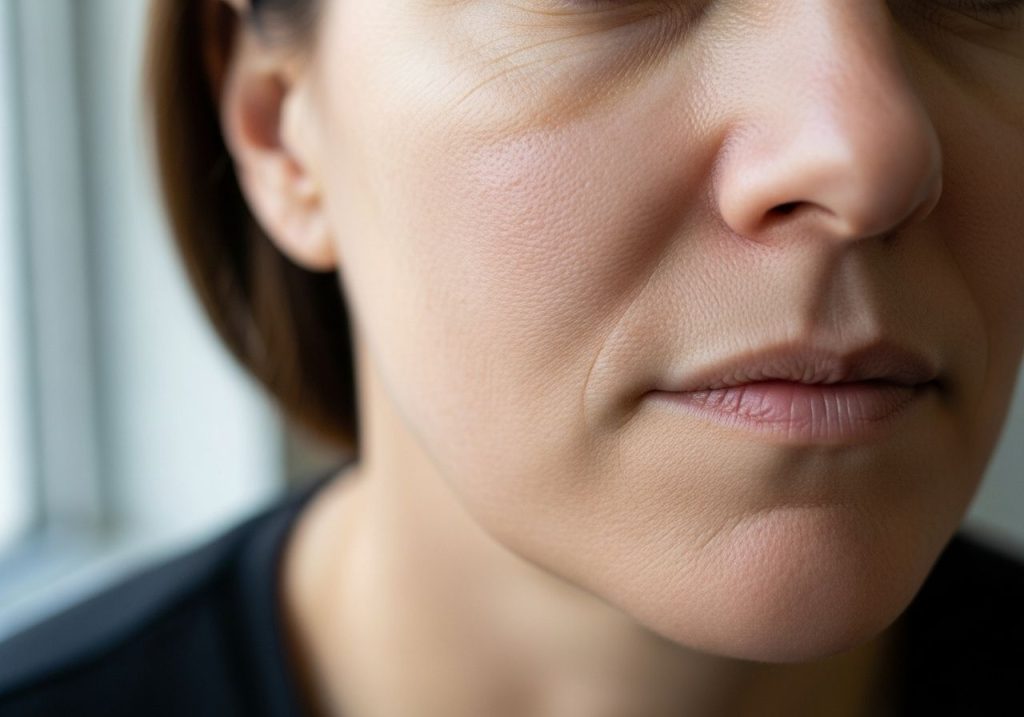
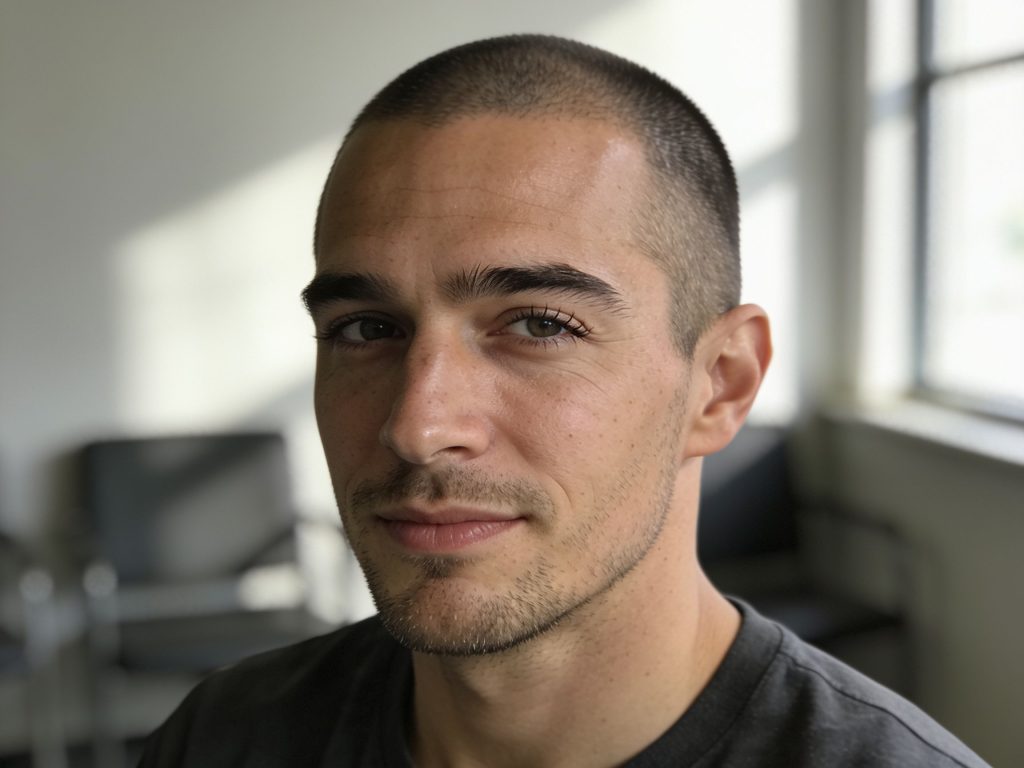
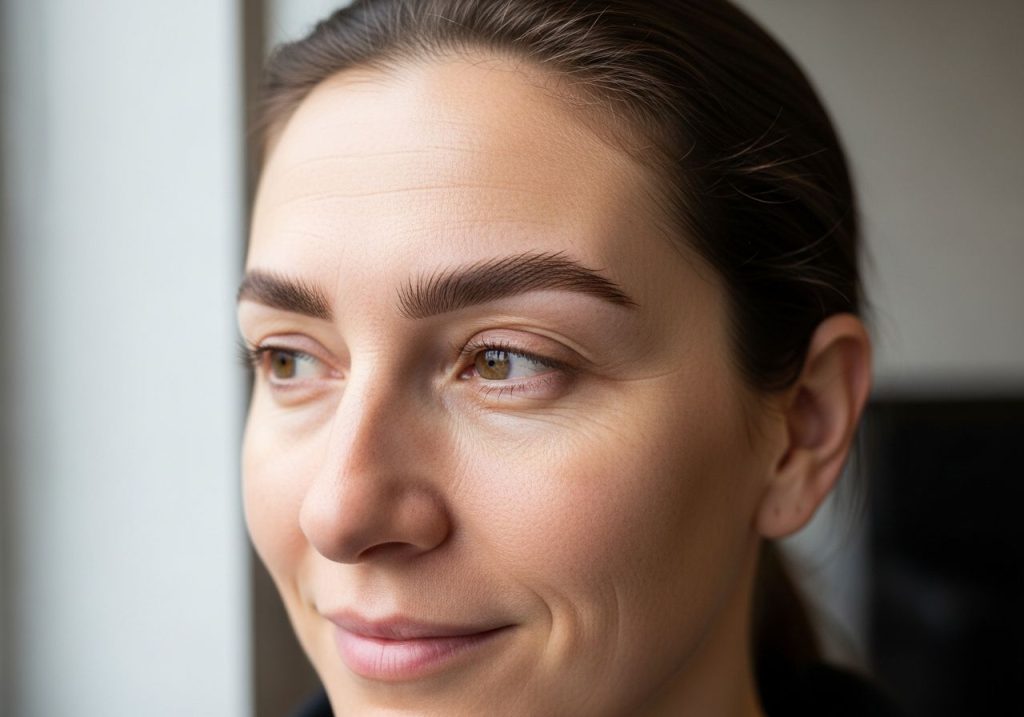
Your skin decides more about the final result than either technique’s name suggests. Fine, dry to normal skin with tight pores holds crisp, hair-thin strokes well, which is why microblading tends to look exceptionally natural on this skin type. The blade sits close to the surface, and skin without much oil doesn’t cause the pigment to spread or blur as it heals.
Oily or combination skin behaves differently. Excess sebum pushes pigment outward during healing, so fine microbladed strokes can soften into a powdery, less defined look within a few months. If your T-zone shines by lunchtime or you’ve struggled with enlarged pores, a digital hairstroke technique often holds its shape better, because the machine controls depth and pressure more consistently than a hand tool.
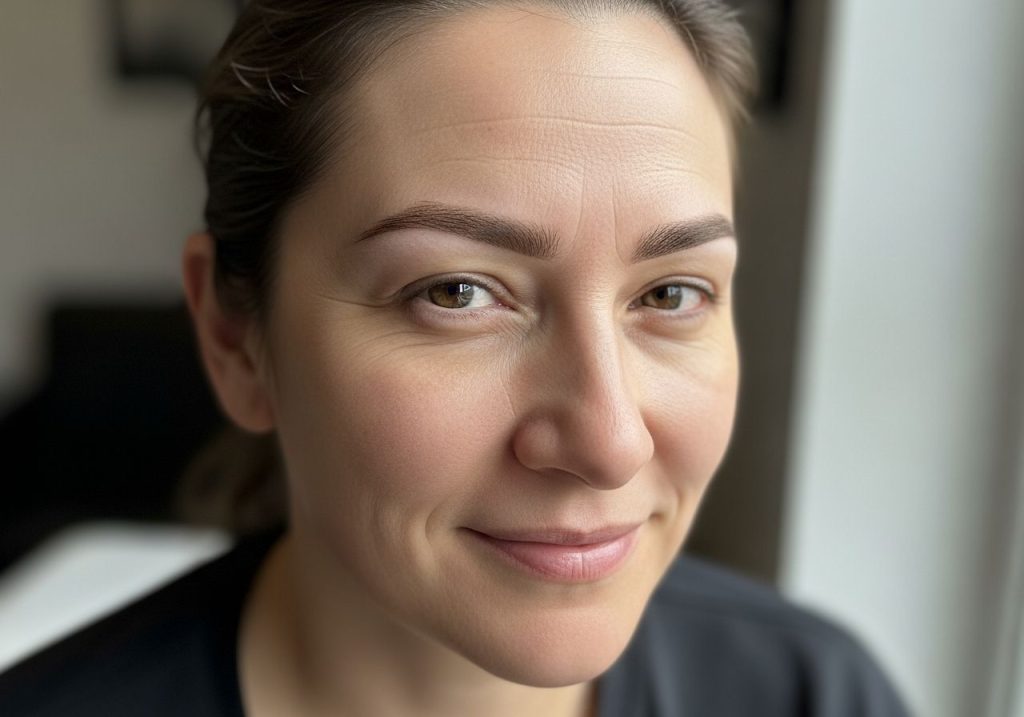
Thicker or more mature skin also responds better to hairstroke work in many cases. Skin that’s lost some elasticity doesn’t always accept a blade’s shallow strokes evenly, which can lead to patchy healing. A machine’s consistent needle depth tends to deposit pigment more evenly across these textures.
What each technique looks like once healed
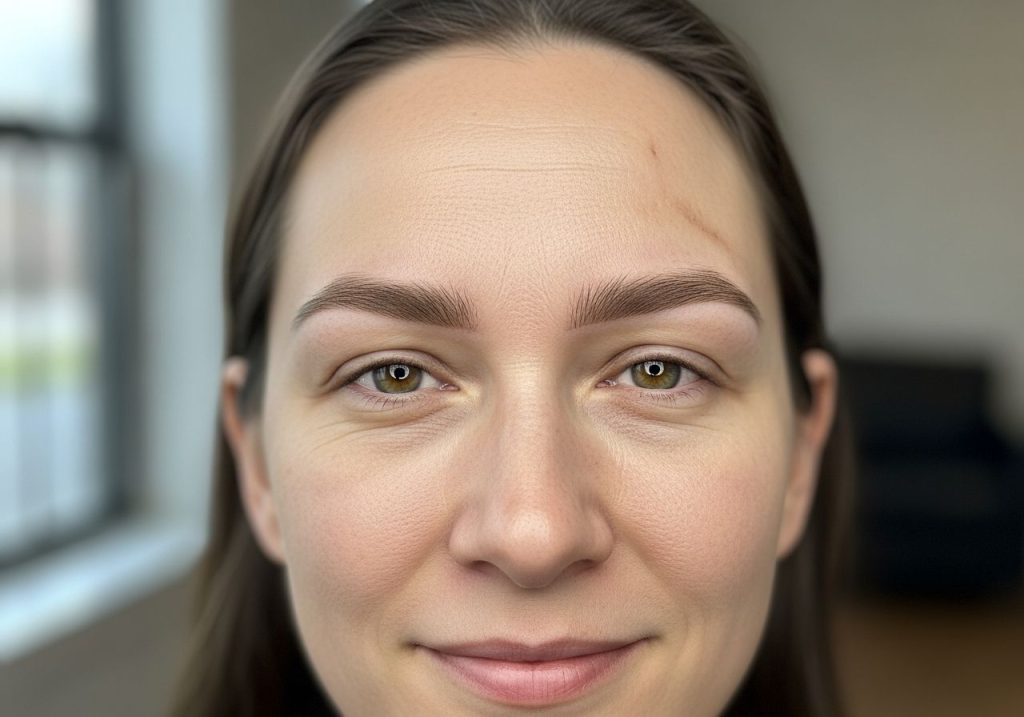
Healed results matter more than day-one results, and this is where people are often surprised. Freshly done brows from either technique can look bold and dark, but true colour and shape only settle after four to six weeks. Expect some lightening, typically 30 to 50 percent, during the healing process. That’s normal and not a sign anything’s gone wrong.
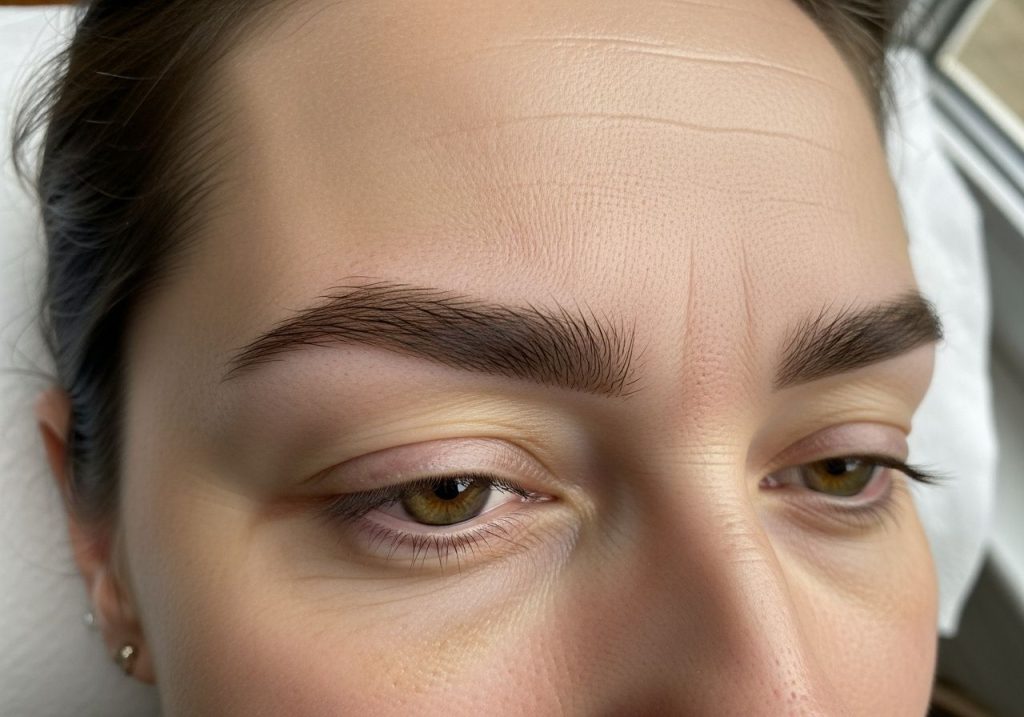
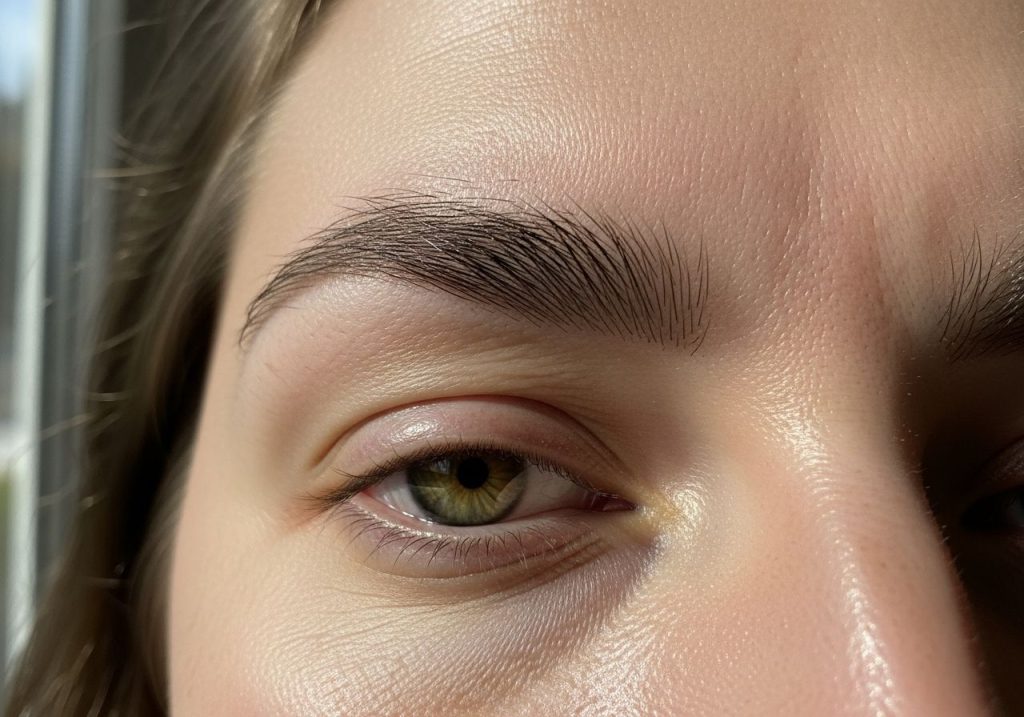
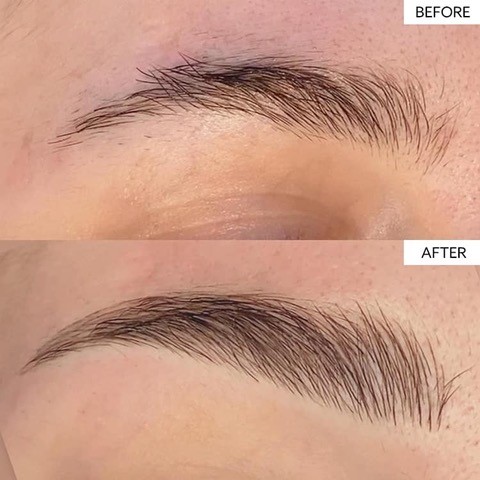
Microblading, when it heals well on suitable skin, produces exceptionally fine, crisp strokes that mimic real hair almost stroke for stroke. On the wrong skin type, though, strokes can blur or merge into blocky patches rather than staying distinct.
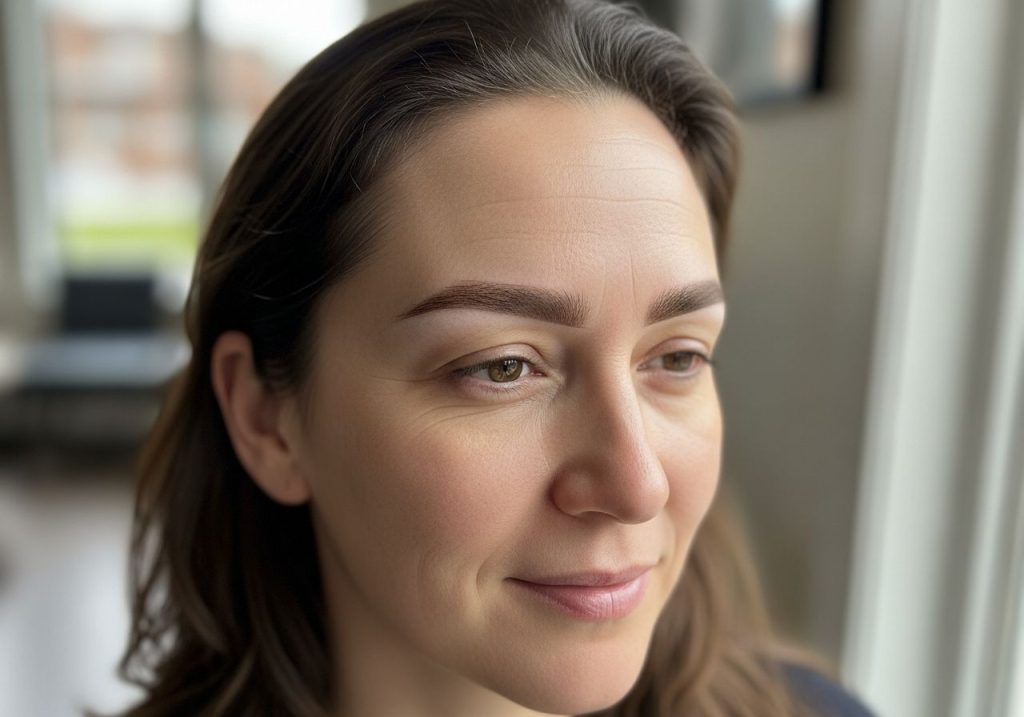
Hairstroke brows done digitally tend to heal with slightly softer edges but far more consistency across different skin types, including oilier or more mature skin. Many artists, myself included, will actually blend both approaches, using hairstrokes through the body of the brow and a light shading technique near the tail for added dimension. This combination approach often gives the most natural, lived-in result regardless of skin type.
Longevity, top-ups and how your lifestyle plays a part
Neither technique is tattooed on for life, and both fade gradually as skin naturally exfoliates and turns over pigment. On average, hairstroke and microbladed brows last 12 to 24 months before a colour boost is needed, though this varies enormously based on skin type, sun exposure and skincare habits.
If you use retinol, exfoliating acids, or spend a lot of time outdoors without SPF on your brows, expect fading on the faster end of that range, regardless of which technique you chose. Oily skin types, even with hairstroke work, tend to need touch-ups slightly sooner than dry or normal skin types, simply because the skin turns over pigment more quickly.
Your daily habits matter too. Frequent swimming, saunas, or heavy sweating from exercise can accelerate fading in the weeks immediately after treatment, which is why aftercare during the first 7 to 10 days is non-negotiable: avoid water, sweat, makeup and direct sun on the treated area while it heals. Skipping this stage is the most common reason results don’t hold as expected.
Who should consider each technique
If you have naturally fine, tight pores, minimal oil production and want the most photorealistic single-hair effect, microblading is usually the stronger starting point. It suits people who want a very natural, barely-there enhancement and who are diligent about aftercare and sun protection.
If your skin is oily, mature, or has visible texture, hairstroke brows done with a digital device typically hold their shape and colour more reliably. This technique also suits anyone who’s tried microblading before and found the strokes faded unevenly or blurred faster than expected.
Not everyone is a candidate for either technique. Active skin conditions such as eczema or psoriasis on the brow area, certain blood-thinning medications, pregnancy and some autoimmune conditions can affect eligibility or healing. A proper consultation should always include a skin and health history check before any pigment goes near your skin.
Frequently Asked Questions
Is microblading or hairstroke brows better for oily skin?
Hairstroke brows done with a digital device generally hold up better on oily skin. Excess sebum can cause microbladed strokes to blur or soften faster, while a machine’s consistent pigment deposit tends to resist spreading and keeps definition longer between top-ups.
How long do hairstroke brows last compared to microblading?
Both typically last 12 to 24 months before needing a colour refresh, though this depends on skin type, sun exposure and skincare routine. Oily skin and frequent use of exfoliating skincare tend to shorten longevity for either technique.
Can I search microblading near me and expect the same results everywhere?
No. Results vary significantly based on the artist’s training, the equipment used and how well they assess your specific skin type before choosing a technique. Always ask to see healed results on skin similar to yours, not just fresh photos.
What should I expect at a consultation for permanent eyebrows near me?
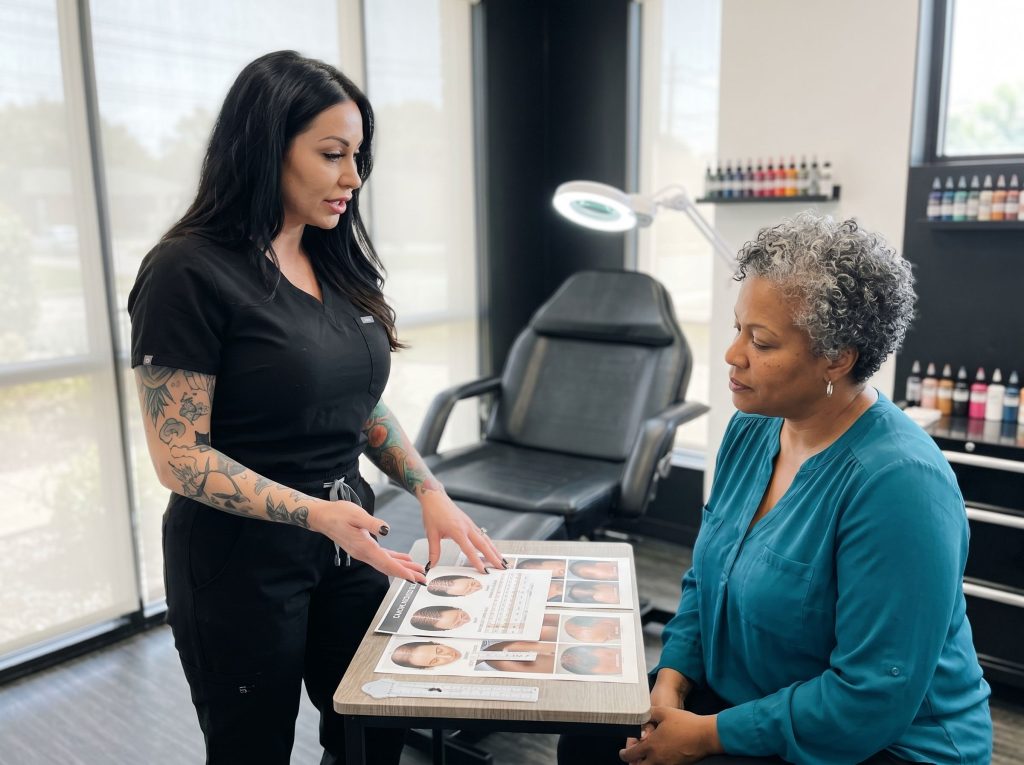
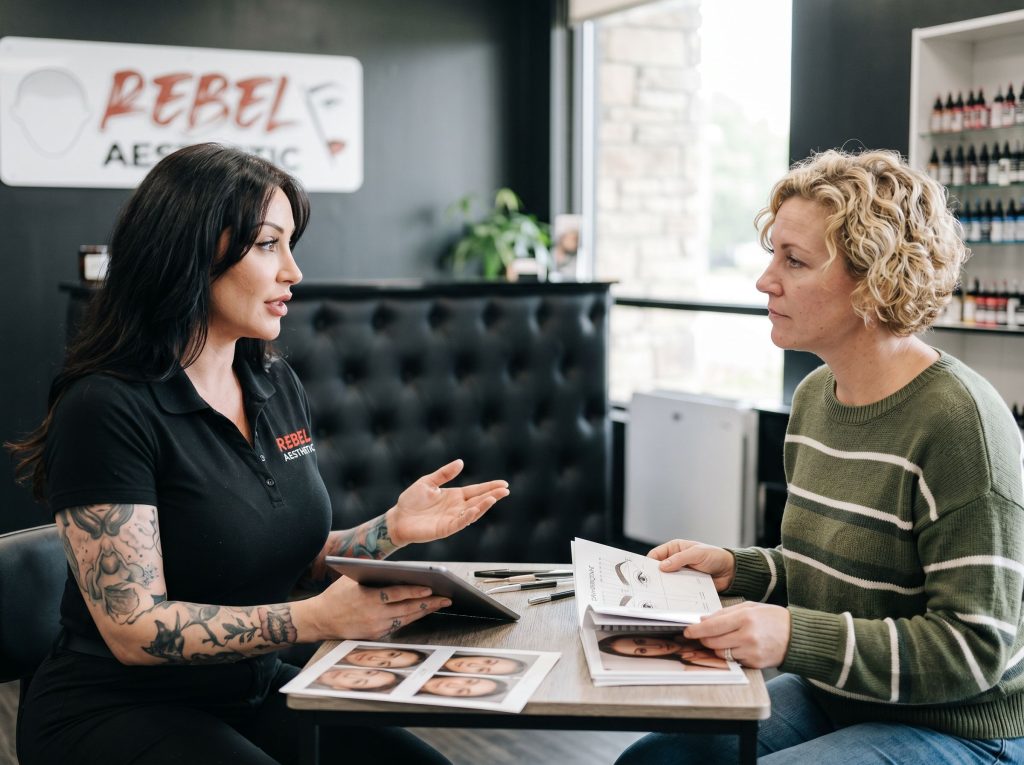
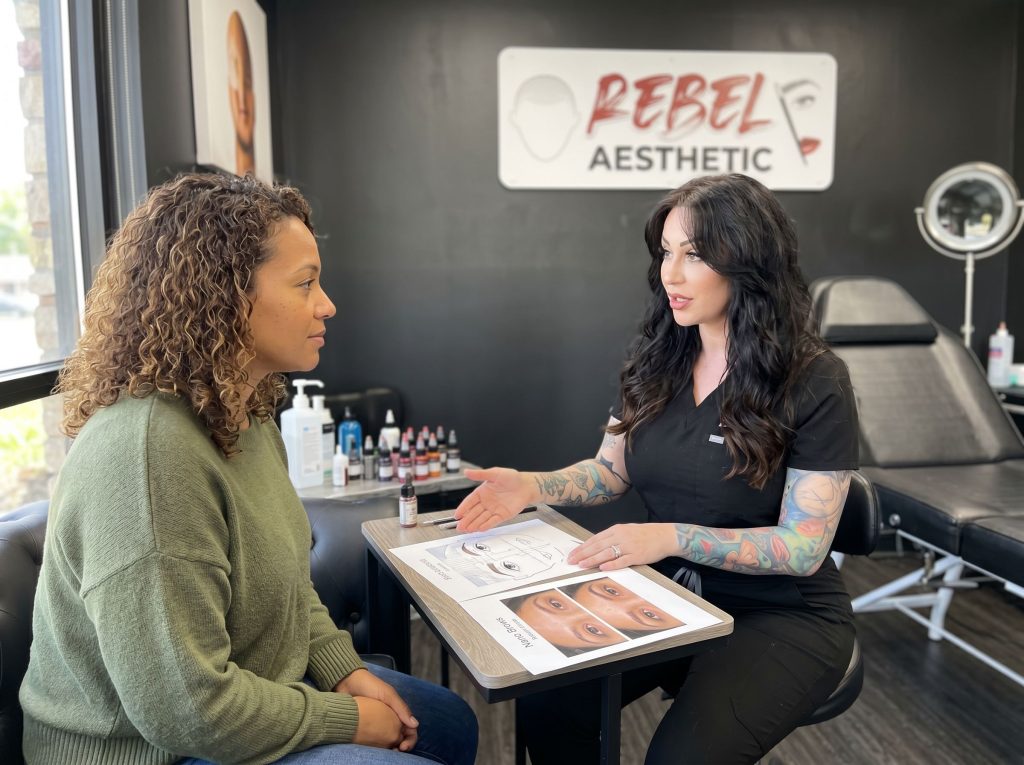
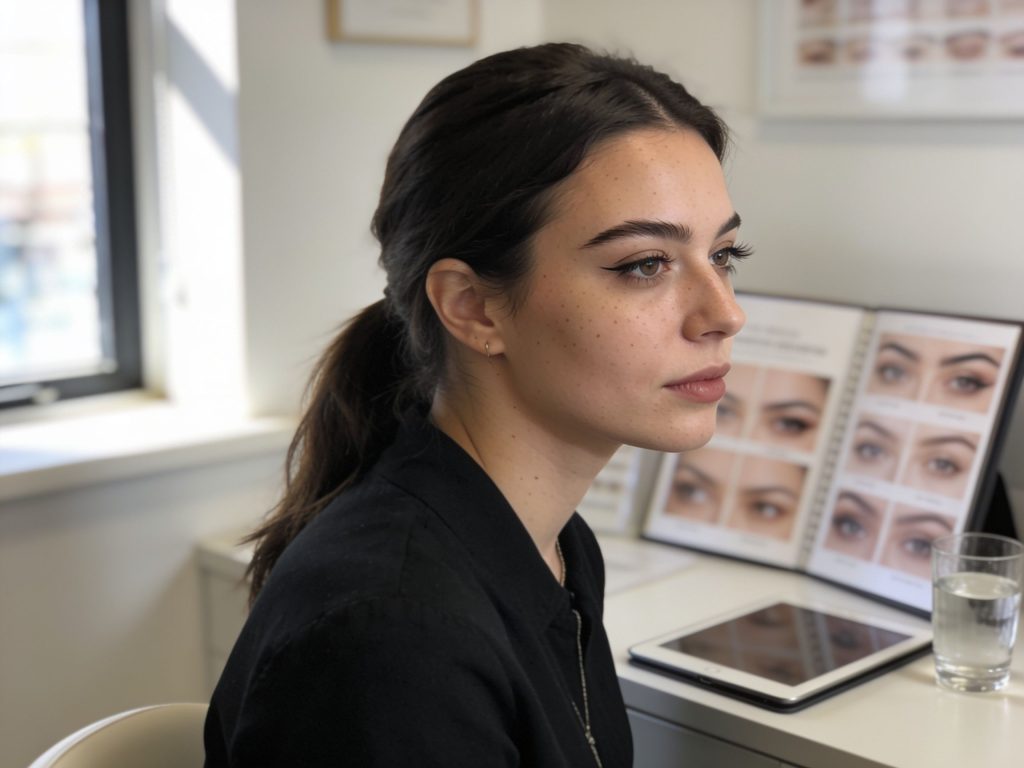
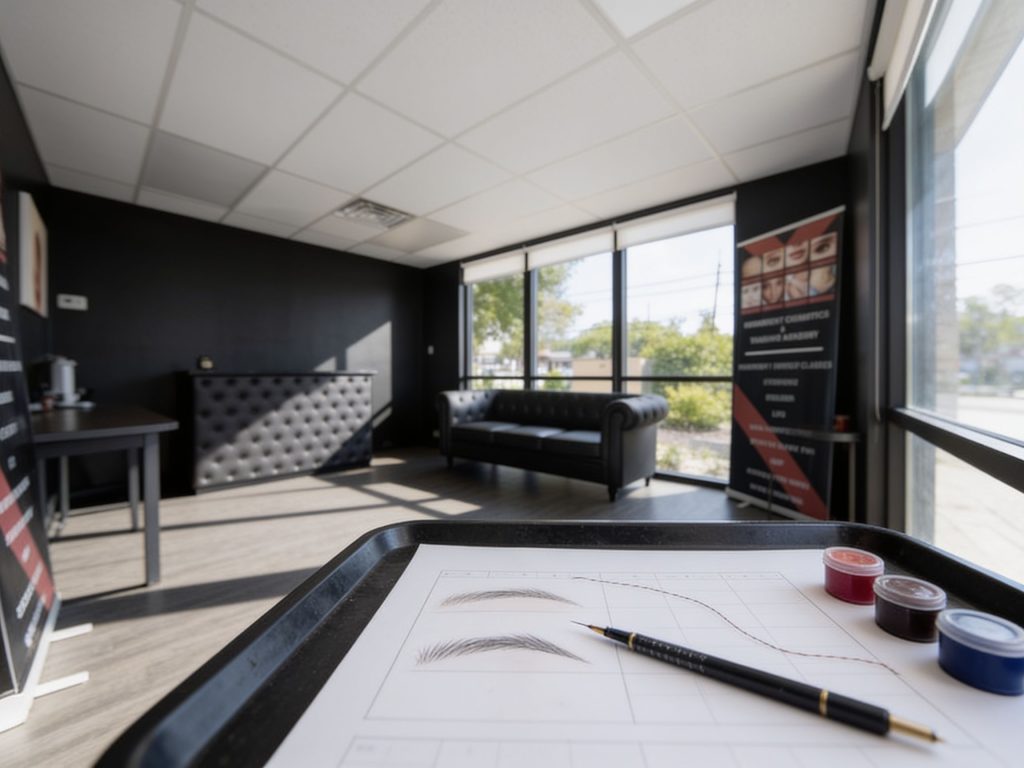
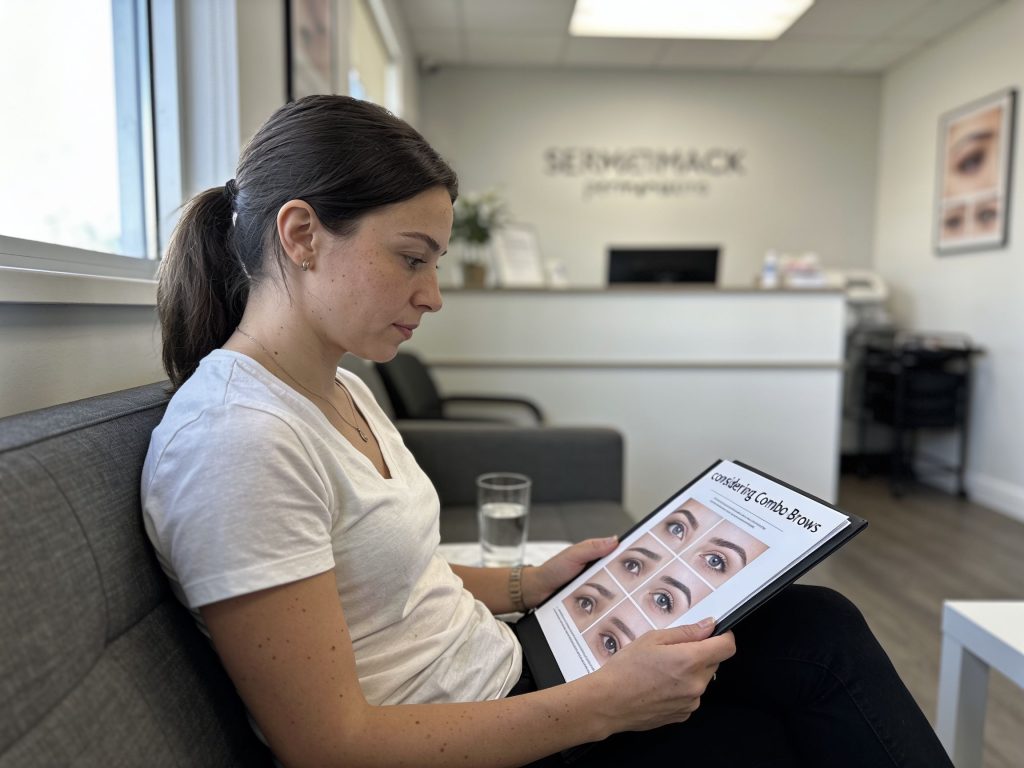
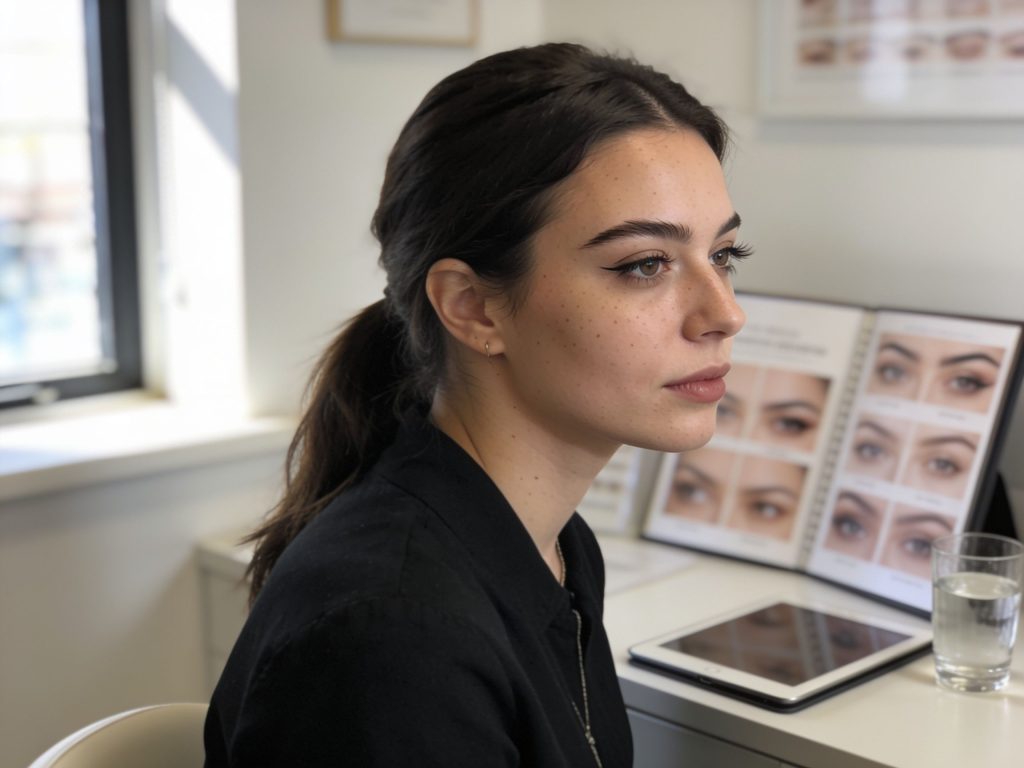
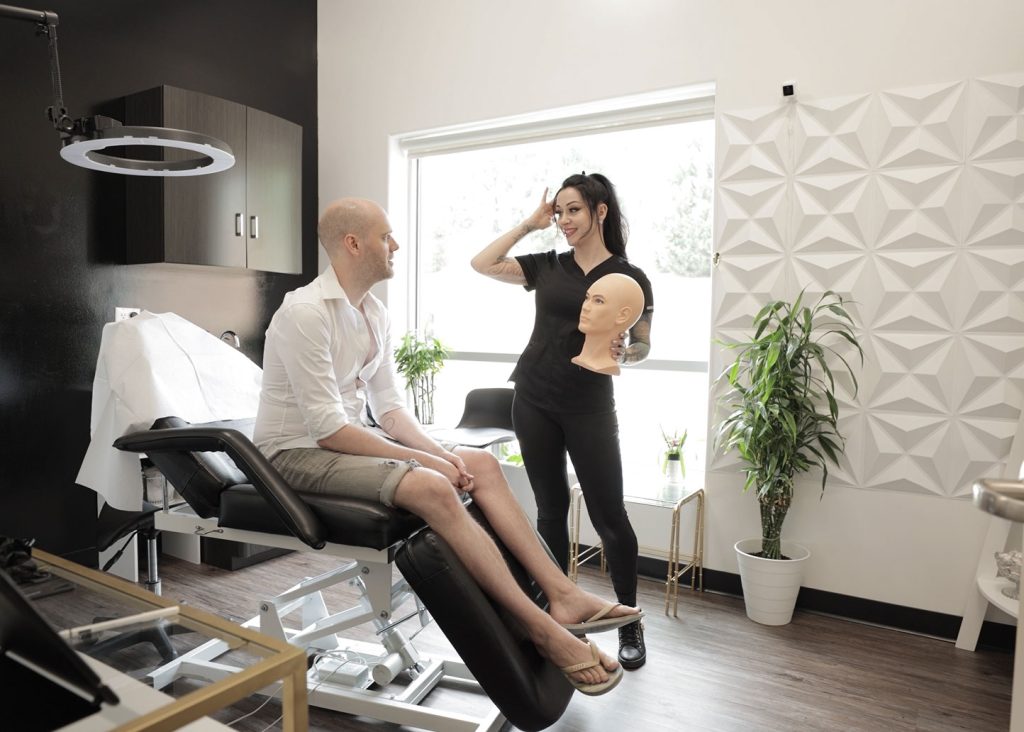
A proper consultation includes a skin type assessment, health history review, brow mapping to suit your face shape, and a conversation about which technique, hairstroke, microblading or a blend, suits your skin and lifestyle best before any pigment work begins.
Will my hairstroke or microbladed brows look too dark at first?
Yes, this is completely normal. Fresh strokes appear bolder and darker immediately after treatment, then lighten by roughly 30 to 50 percent over four to six weeks as healing completes and the true colour settles into place.
Ready to talk it through?
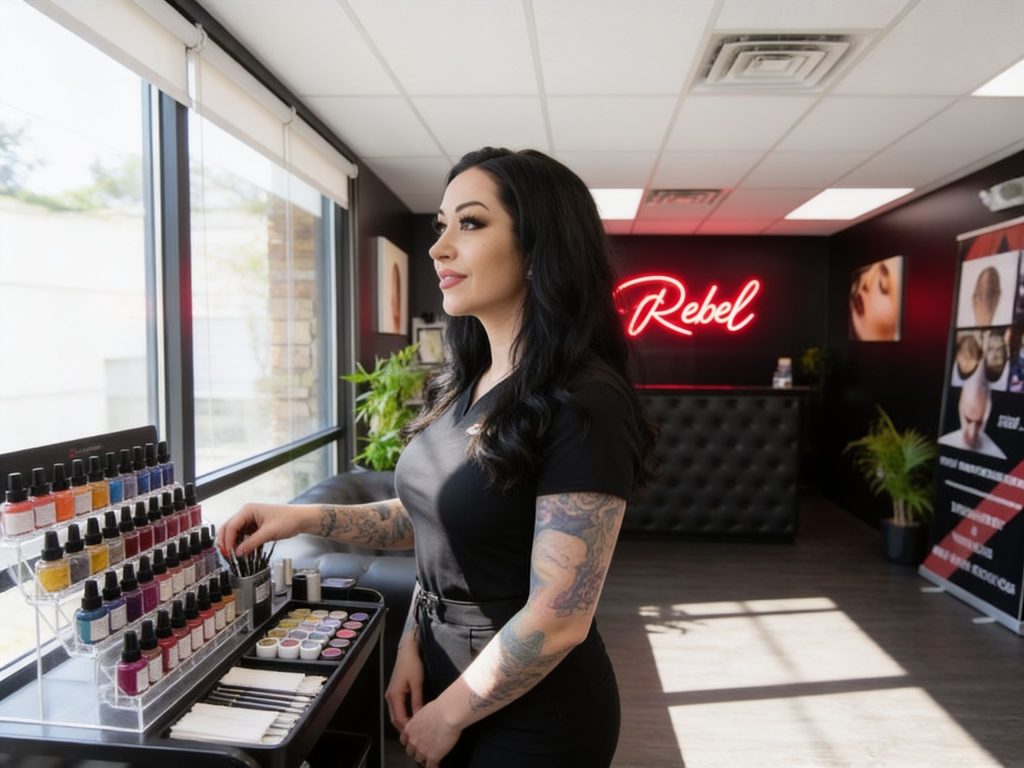
Rebel Aesthetic in Philadelphia offers a personal consultation to answer your questions and recommend the right approach for you. Get in touch with Rebel Aesthetic to book your consultation.